Filters

3 tattoo artists
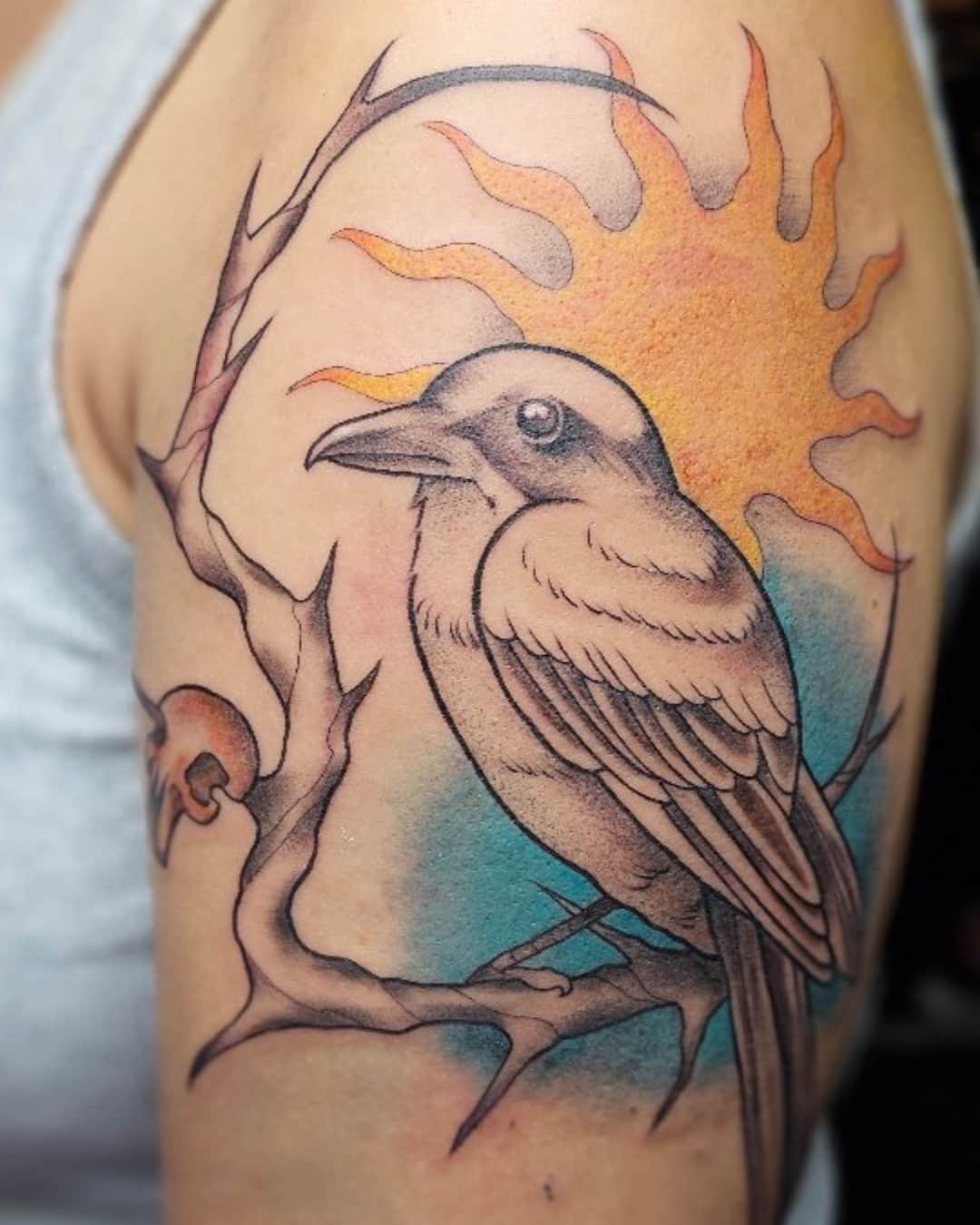
On YokoFolio, pick the style Watercolor and then your city, and widen the radius if the list is short. Here one thing really matters: ask for pieces healed for several years. Watercolor is gorgeous the day you get it, and it's afterward that it moves the most. An artist who posts their healed work stands behind it; one who only has fresh photos isn't telling you how their color behaves. In the portfolios, look for deliberate edges where the color stops, tones saturated enough to read, and a silhouette that holds even where the wash fades out. Ask the artist what structure they would put under your design, and how they expect it to look in a few years.
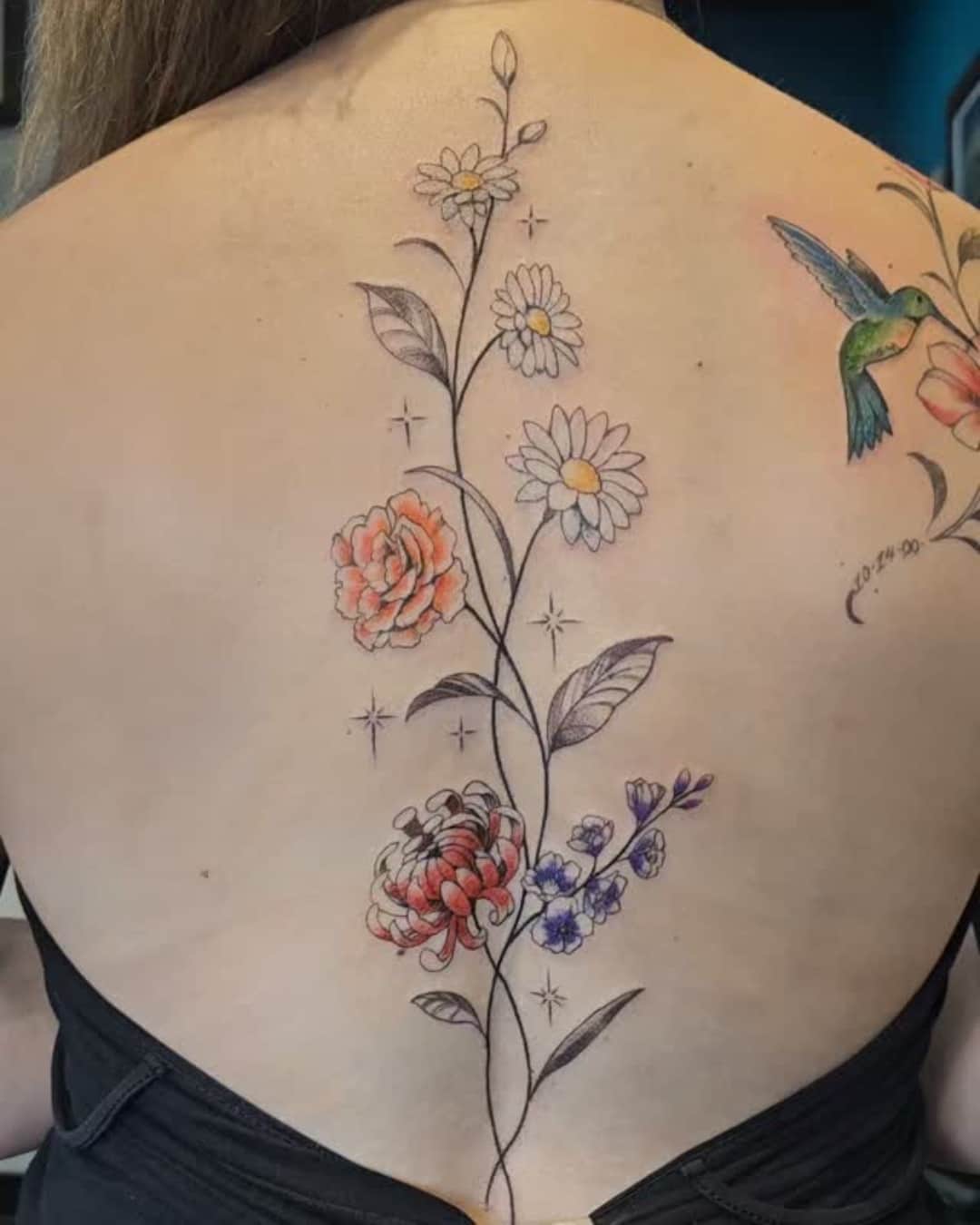
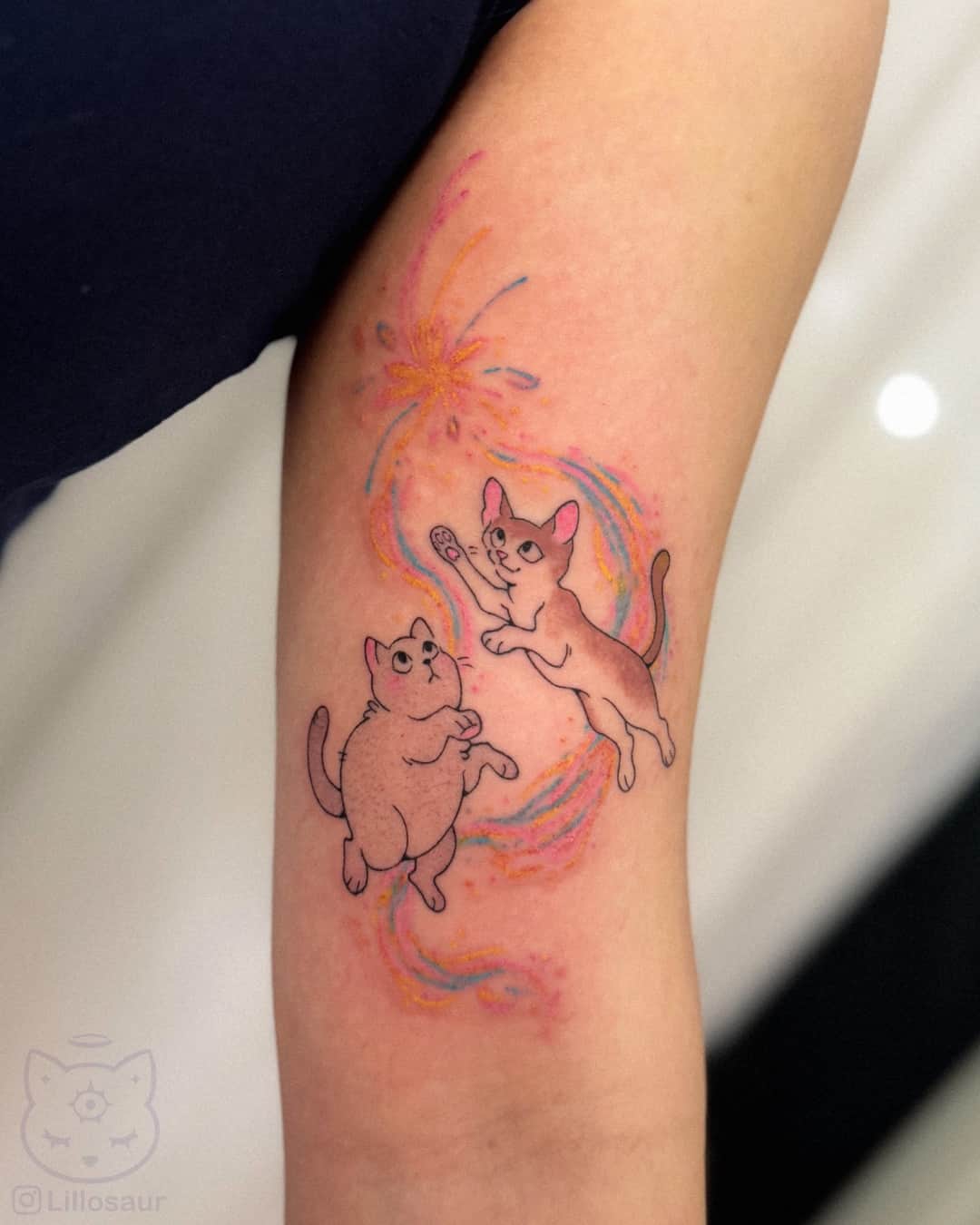
It depends entirely on how it was built. Light, low-density areas with no outline weaken noticeably: very dilute washes and isolated pastel touches are the first to go, and soft edges blur a little further. A piece built on a structure — even a discreet one — with tones saturated enough holds its reading very well, just softer. That's why the most durable pieces mix Watercolor with another style: a Fine Line drawing, a solid black silhouette, or a Geometric background that structures the wash. Say so plainly to your artist — plenty suggest it themselves for exactly that reason. Sun protection every time, and plan on refreshing the color sooner than you would with a style that has a black outline.
Subjects that can stand having free color around them: a hummingbird, a butterfly, a phoenix, a cherry branch in bloom, a fish, a feather, a mountain. A composition running down a shoulder blade or a flank gives the color room to run, which is the whole point. Pick a design whose silhouette reads on its own: when the colors soften, the shape is what will carry the tattoo. Choose the palette with the artist: a few related tones often read better than a whole rainbow, and one darker accent anchors the lighter washes. Keep the piece large enough for the color to spread around the subject without swallowing it.
Watercolor is defined by a paint texture — translucent washes with soft bleeding edges, runs and splashes — usually around a recognizable bird, flower or animal. Abstract has no subject to name, or lets it dissolve into strokes, and its marks can be anything: hard strokes, solid black masses, lines, flat color fields, with no watery texture required. Suminagashi isn't a wash at all: it's a marbled pattern of warped concentric rings and separate veins of ink, like ink floating on water, usually in black or grey and with no figure, while Watercolor is mostly color spreading in soft patches. If the color looks painted, in washes, runs and splashes that spill past the shapes, it's Watercolor.