Tribal tattoos, anywhere

Filters
9 tattoo artists · 1 tattoo shop
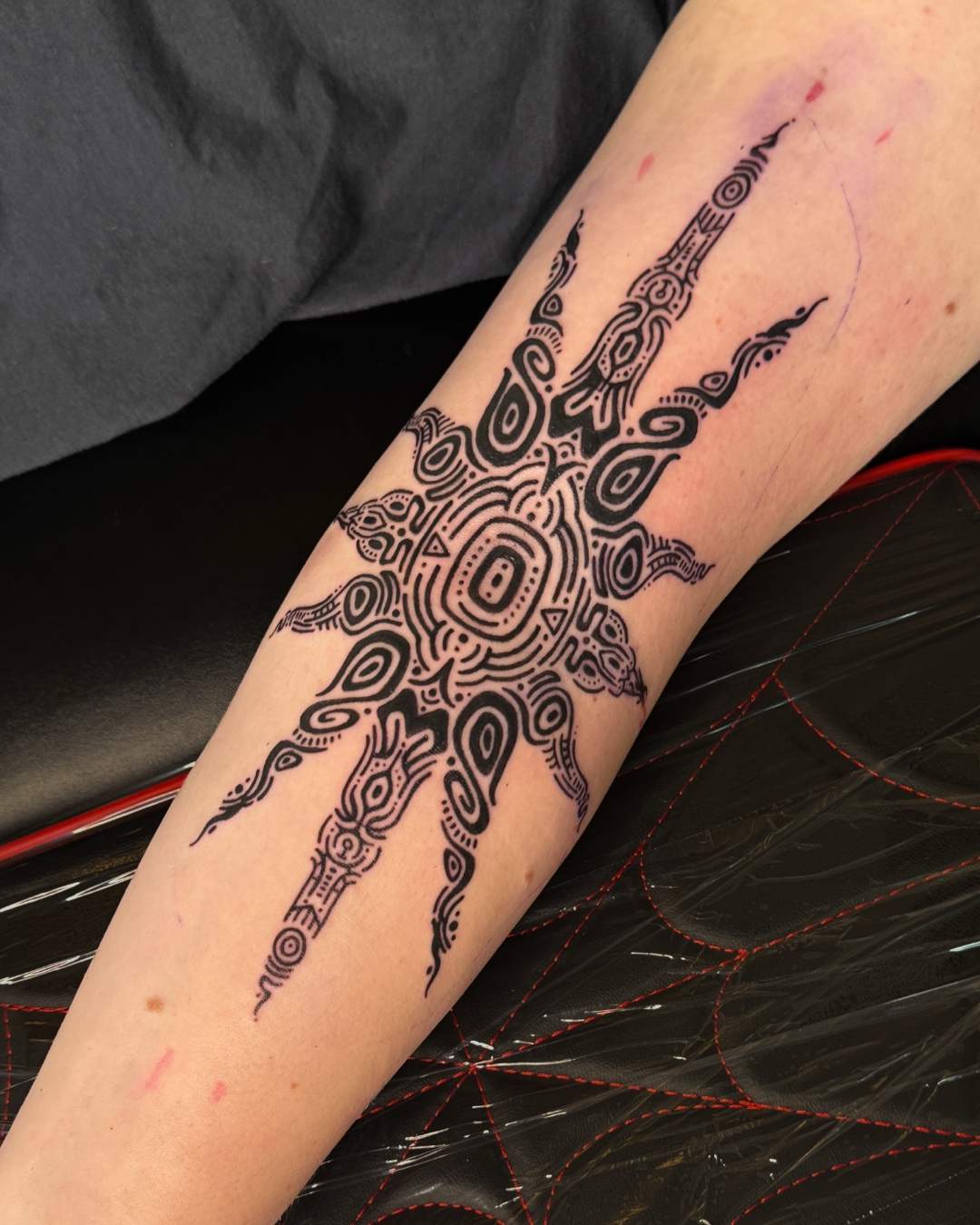
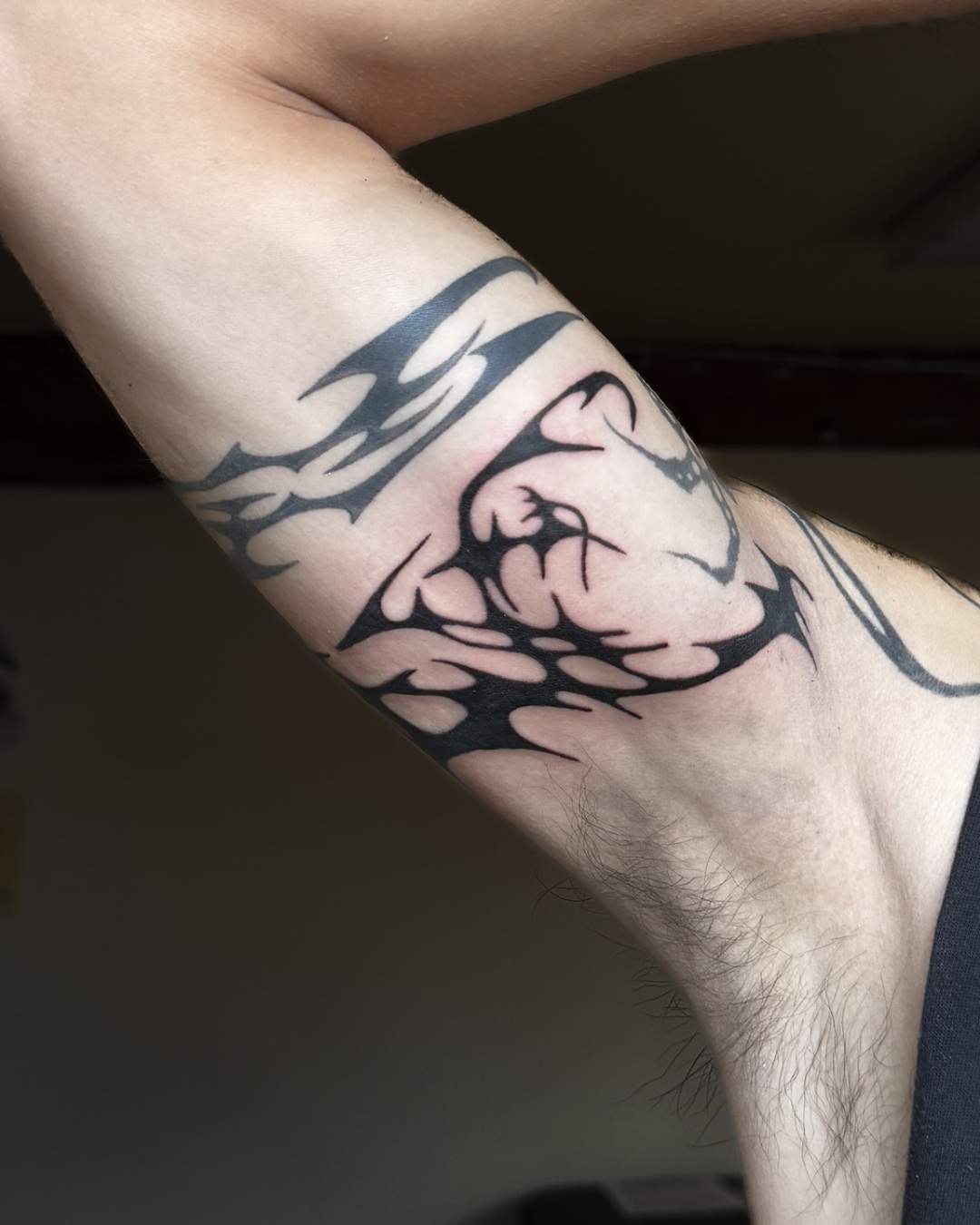
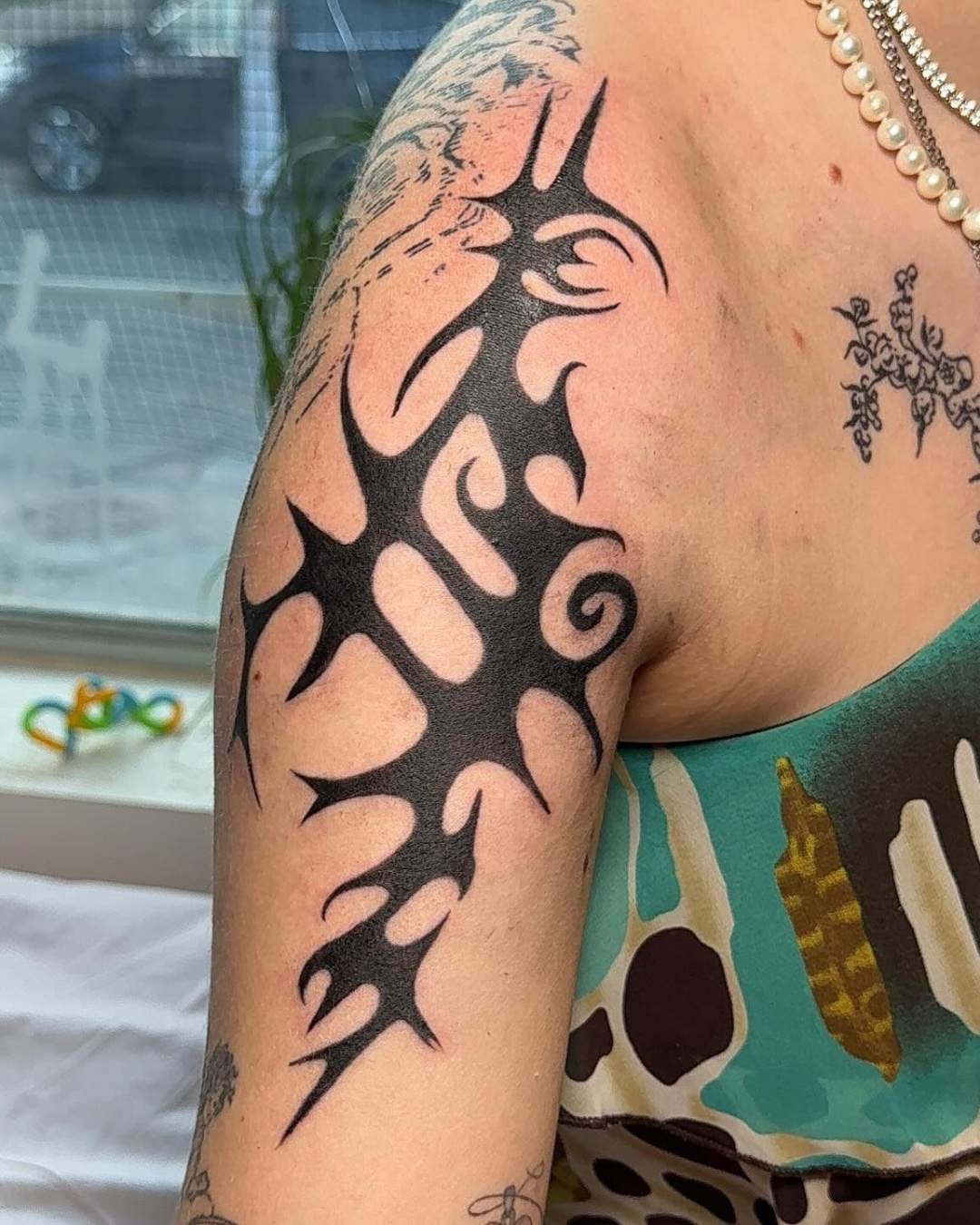
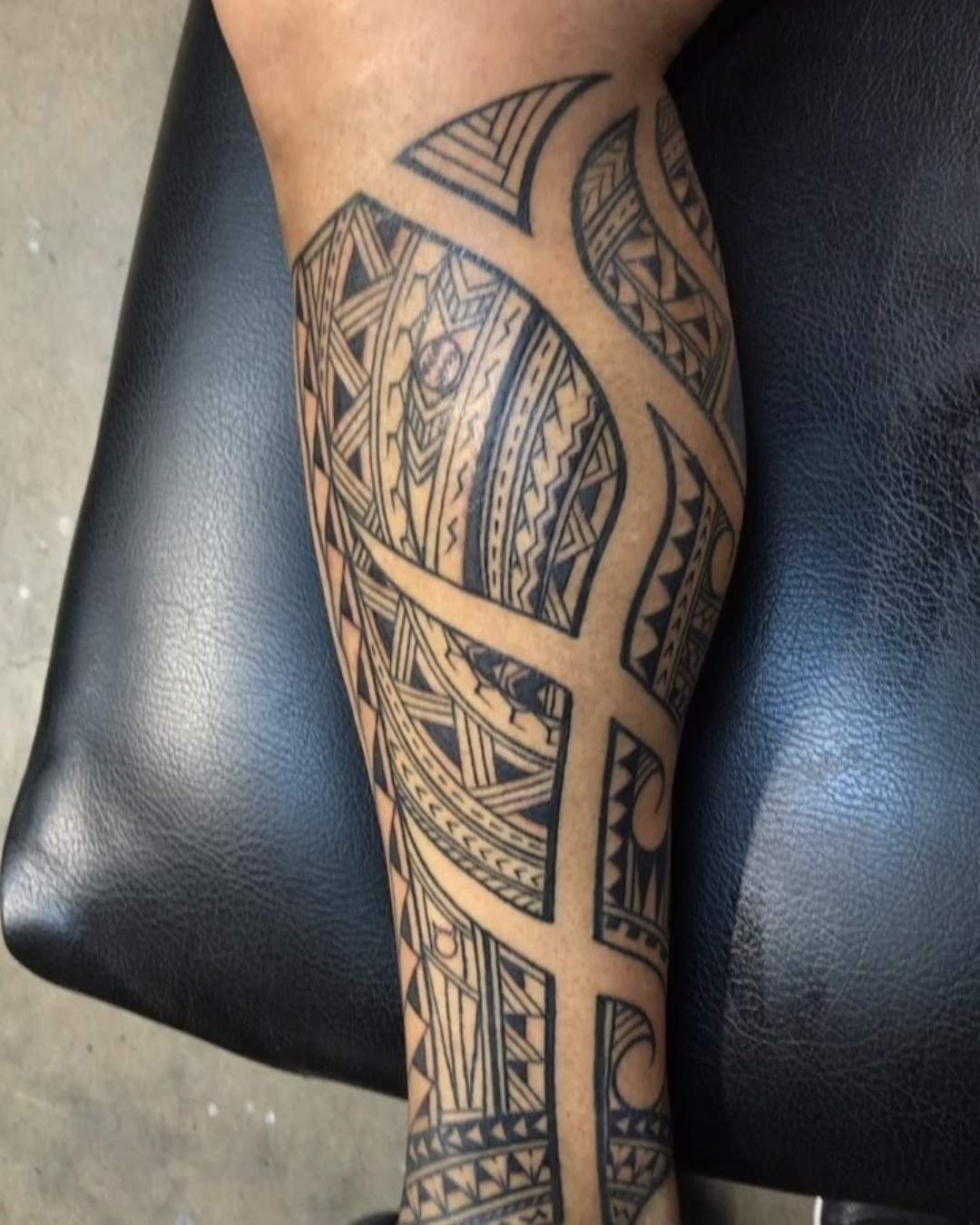
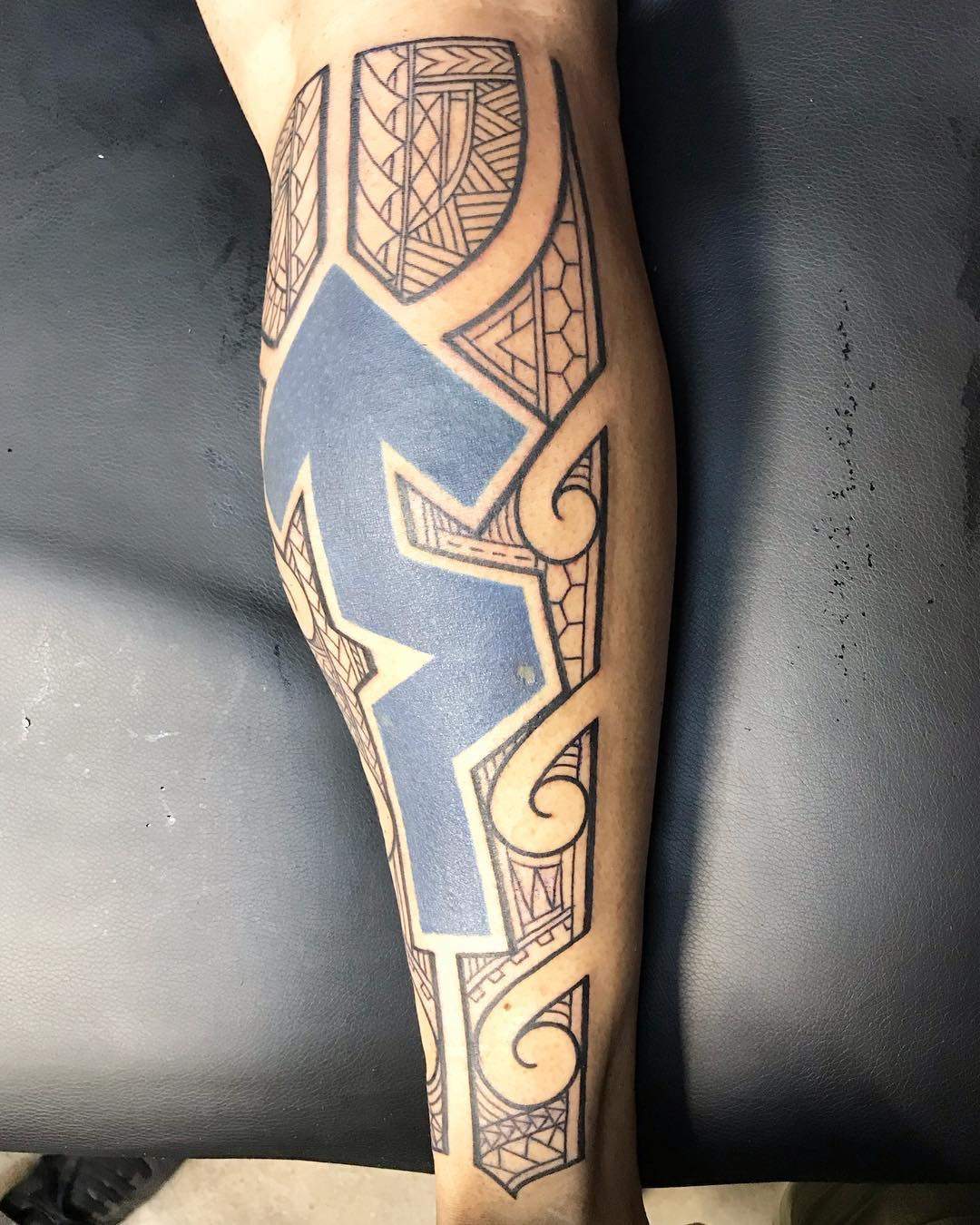
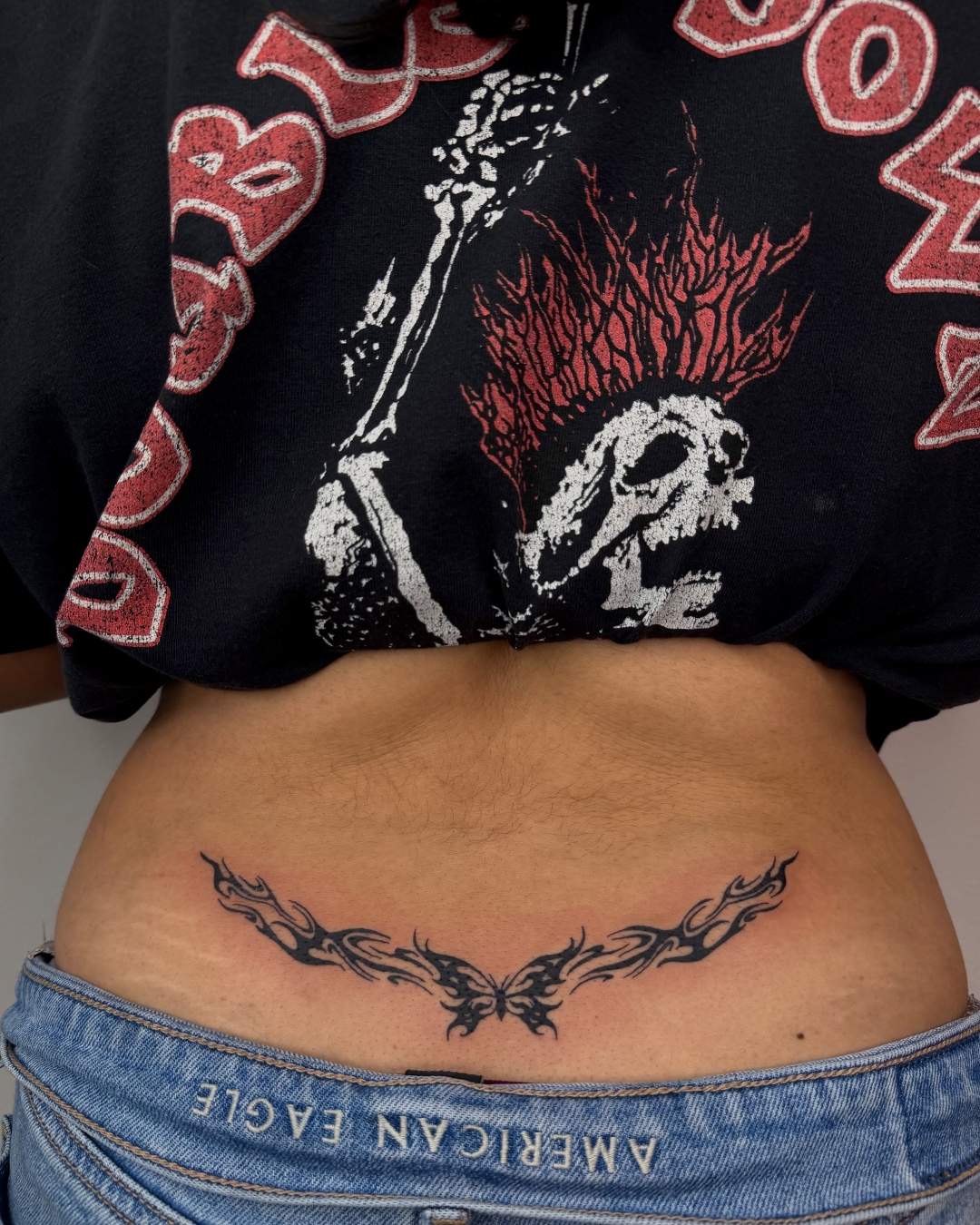
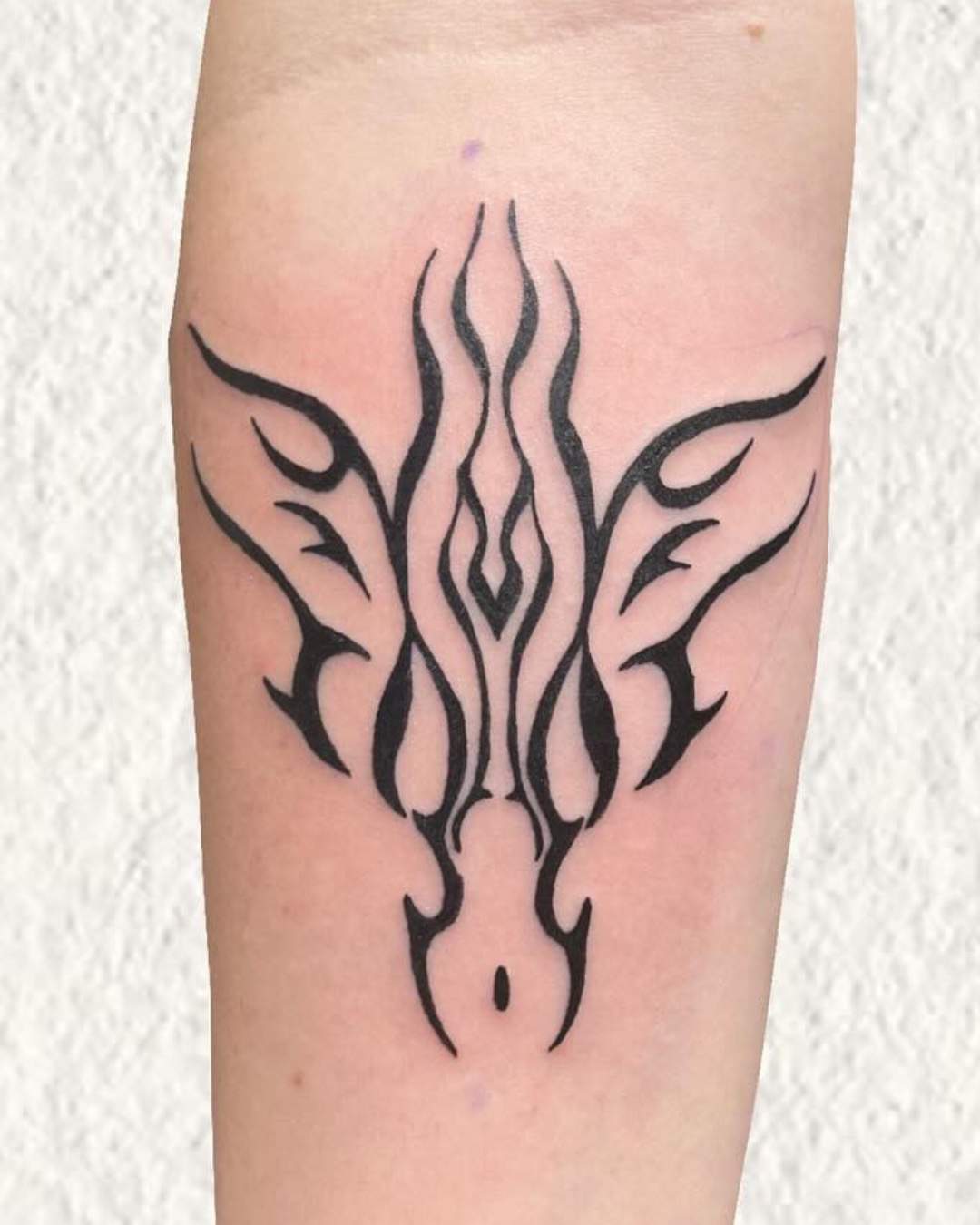
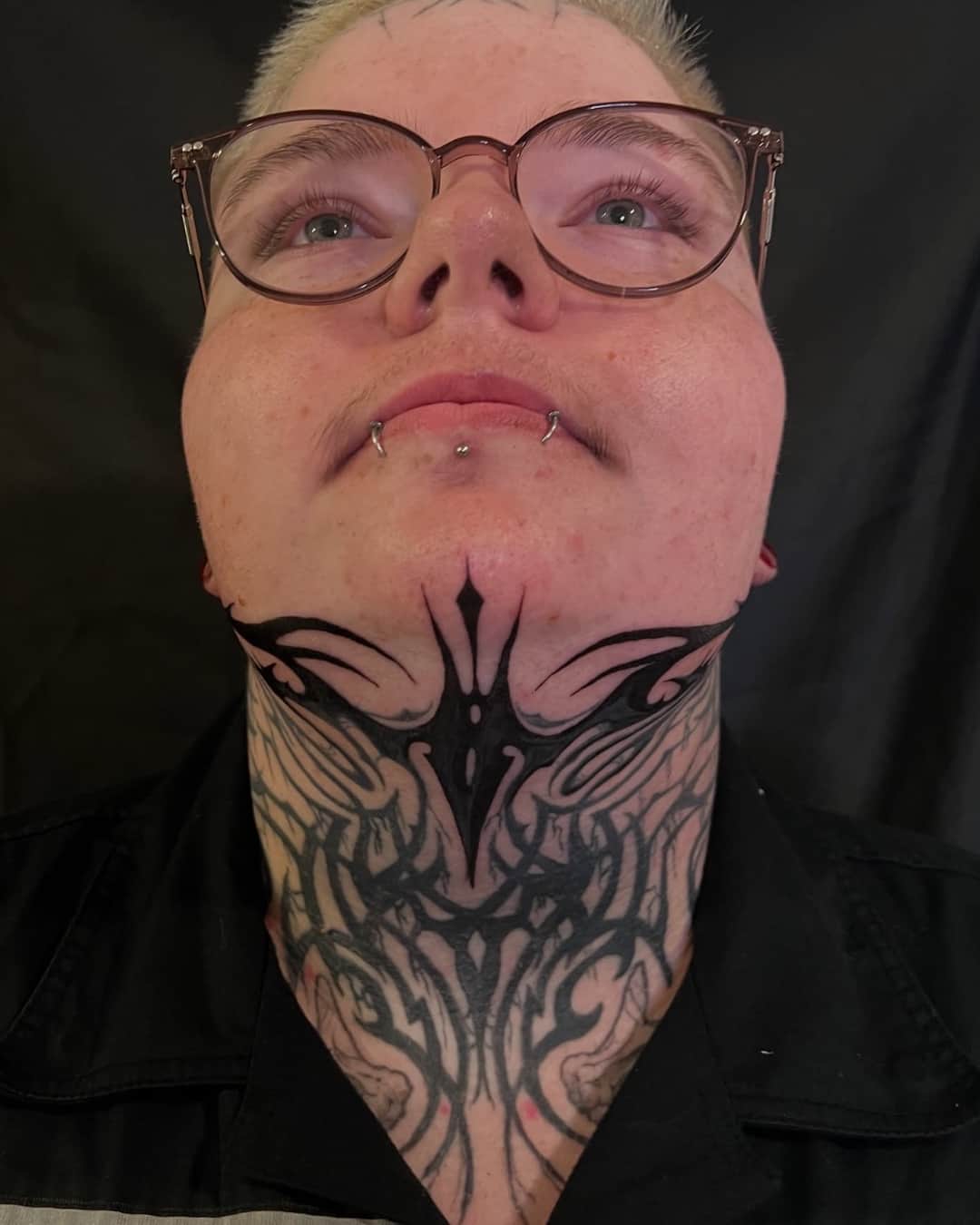
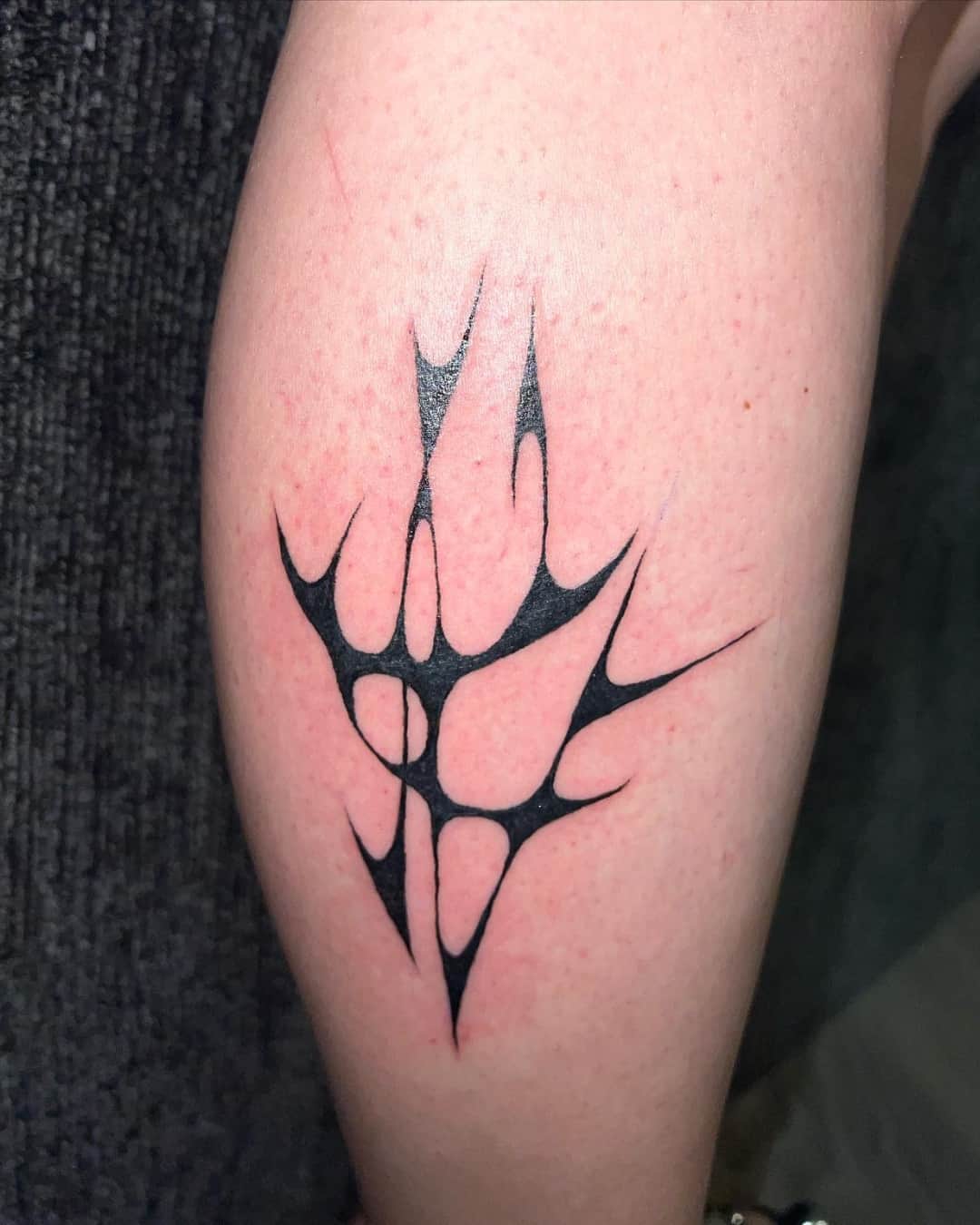
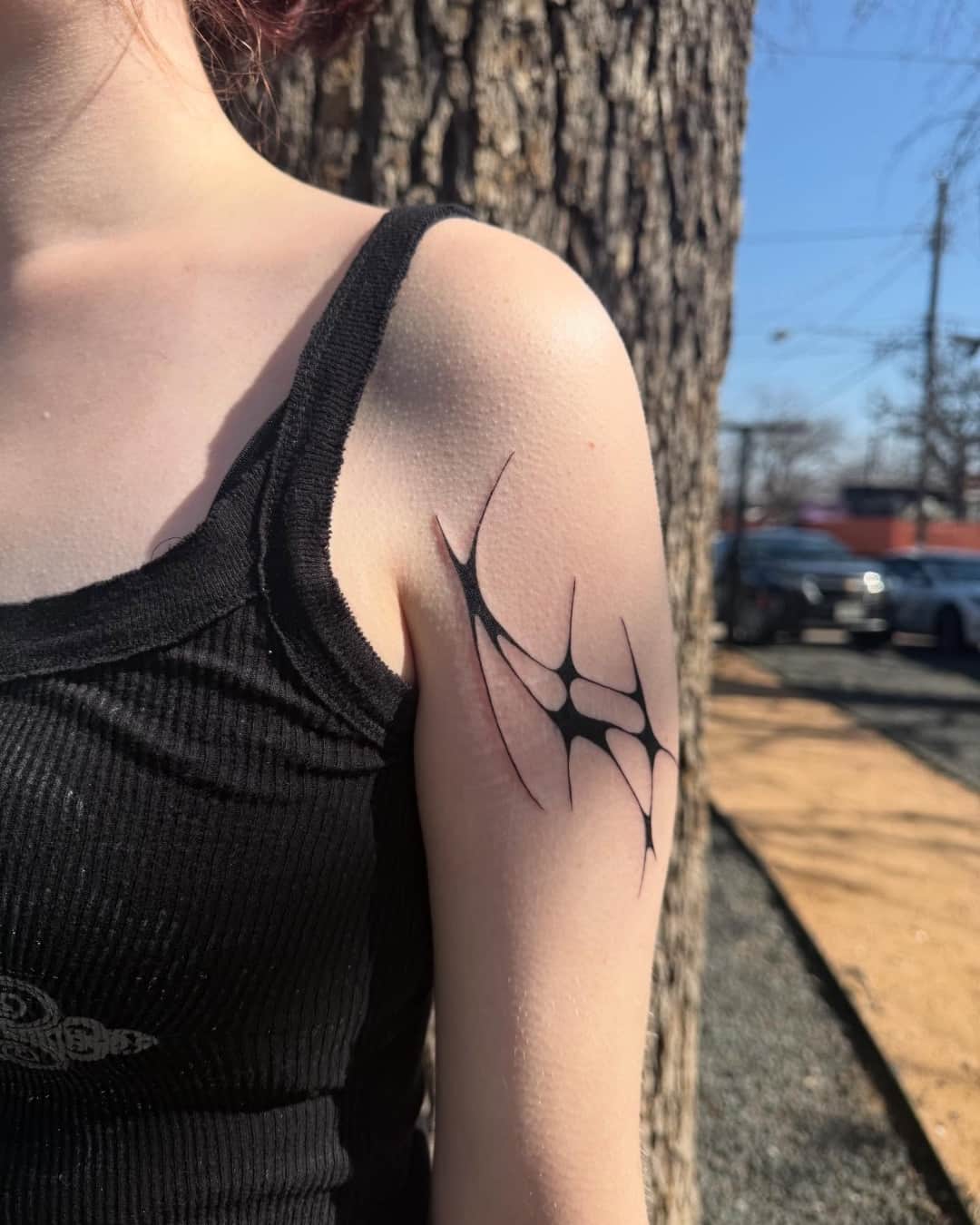
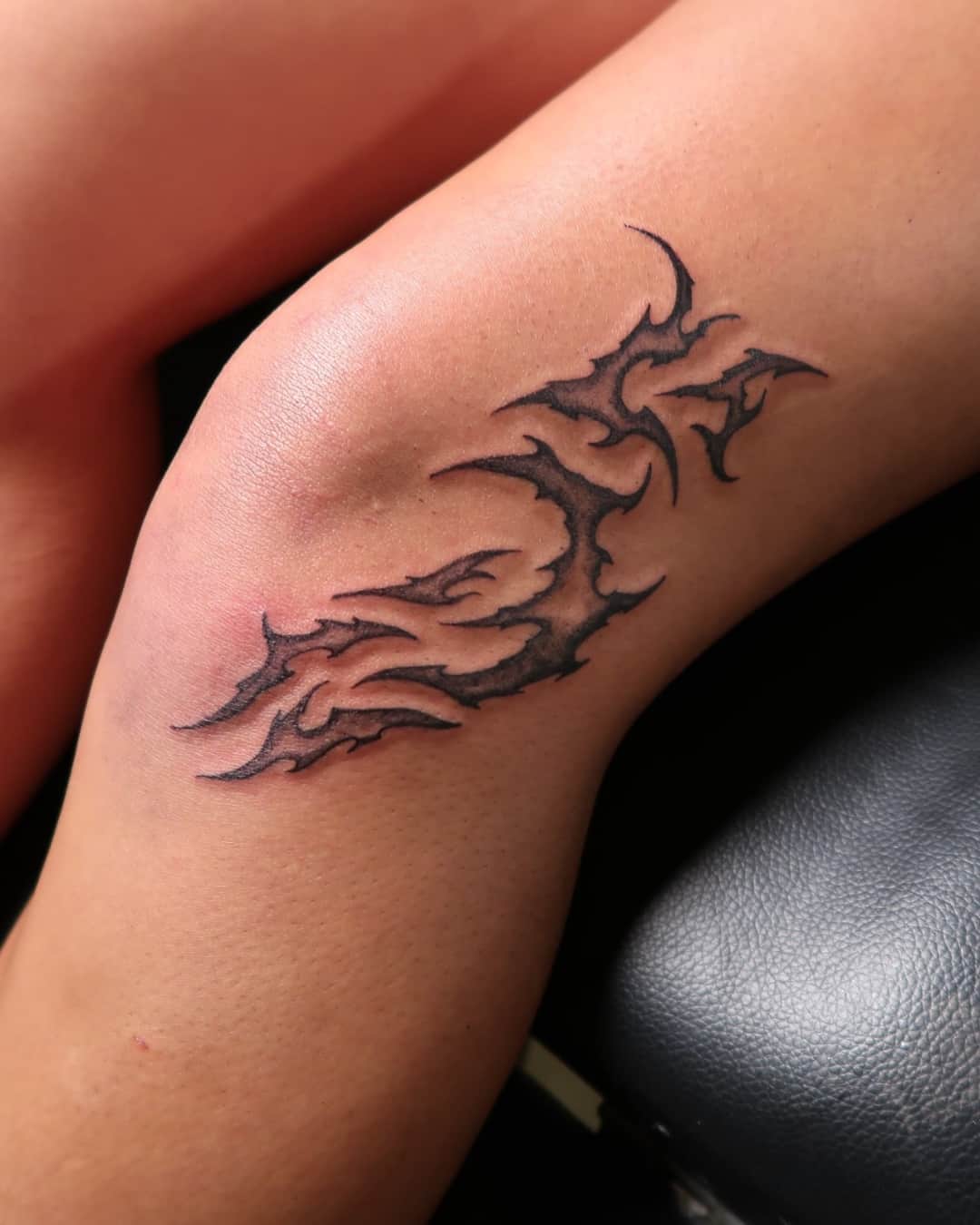
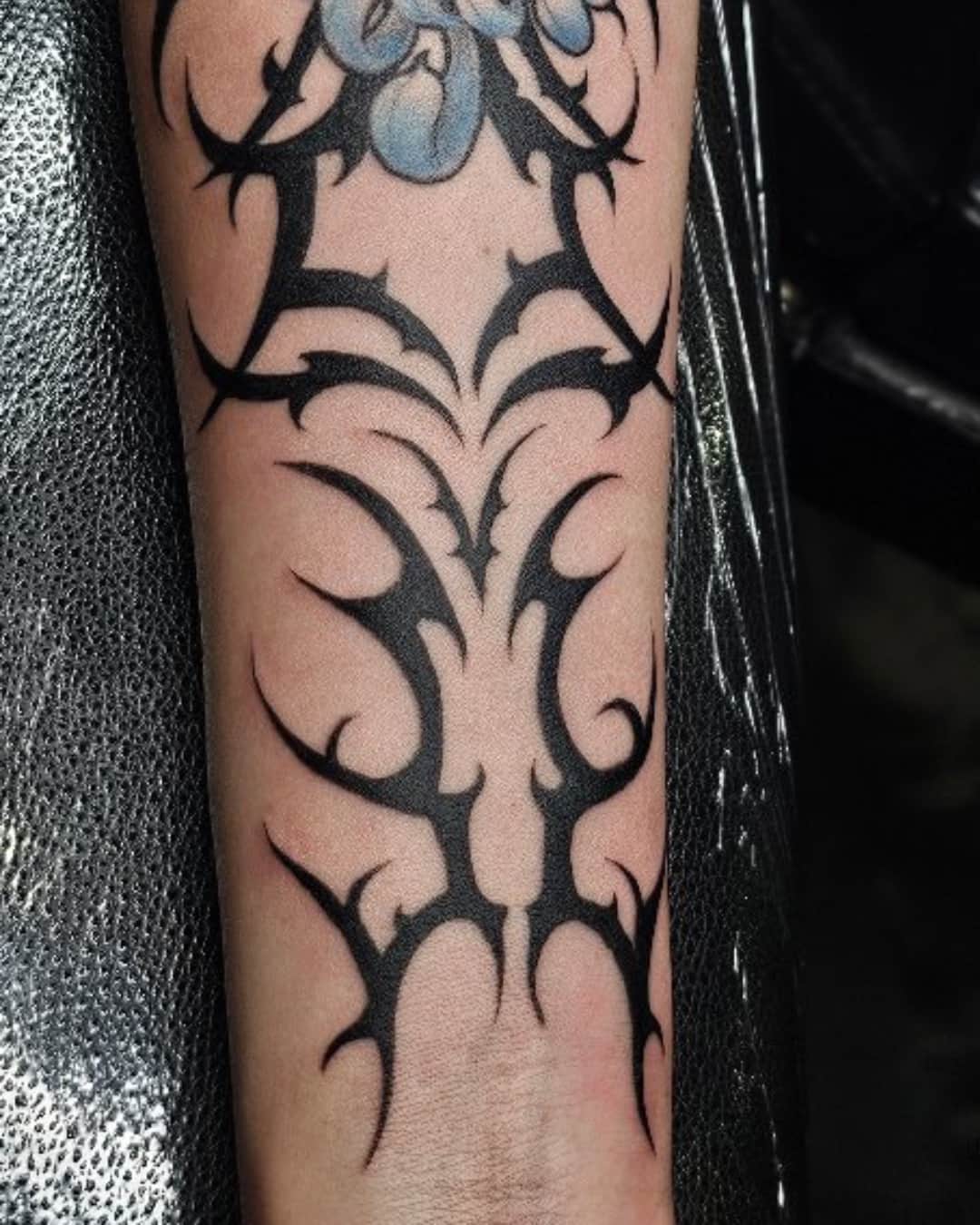
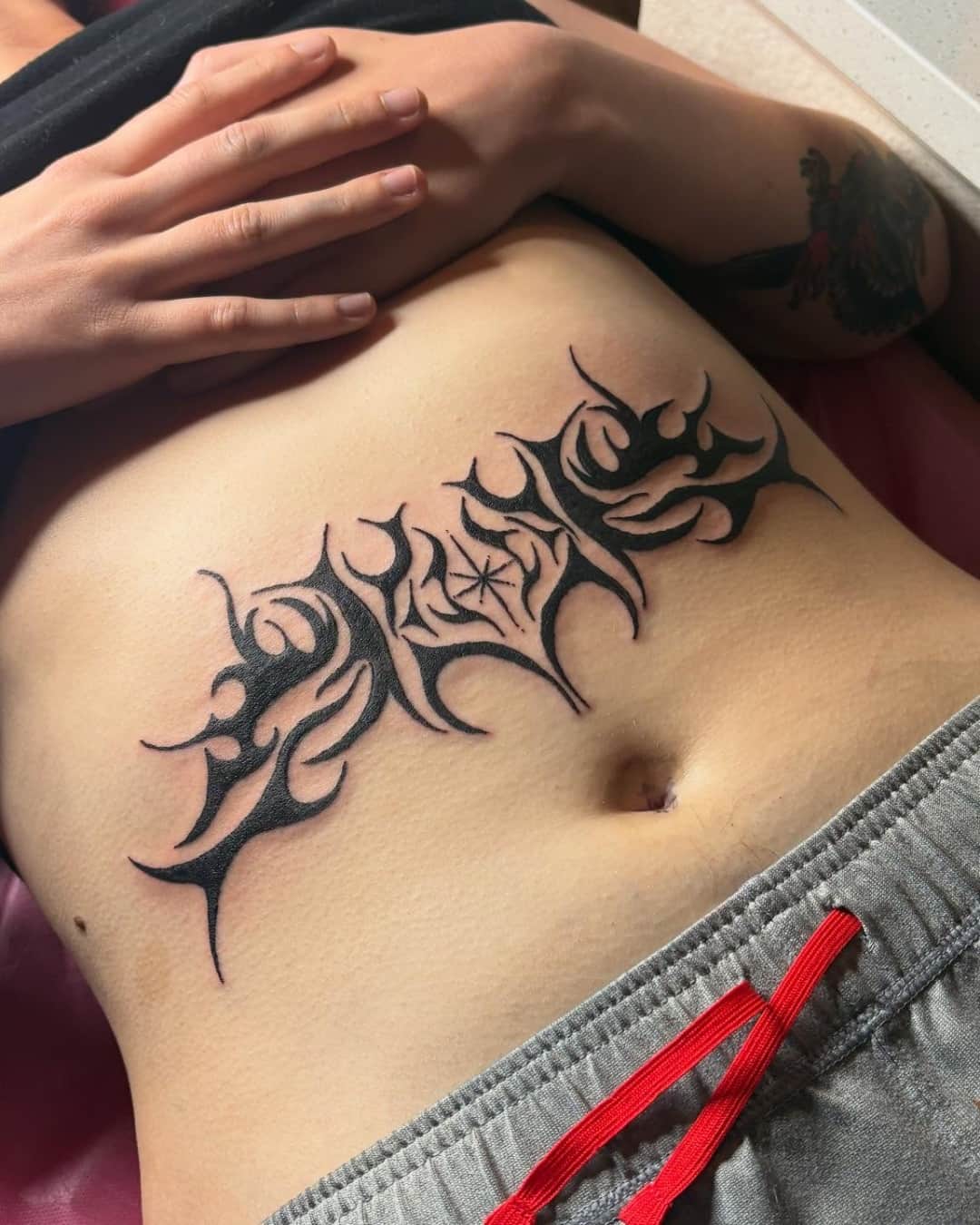
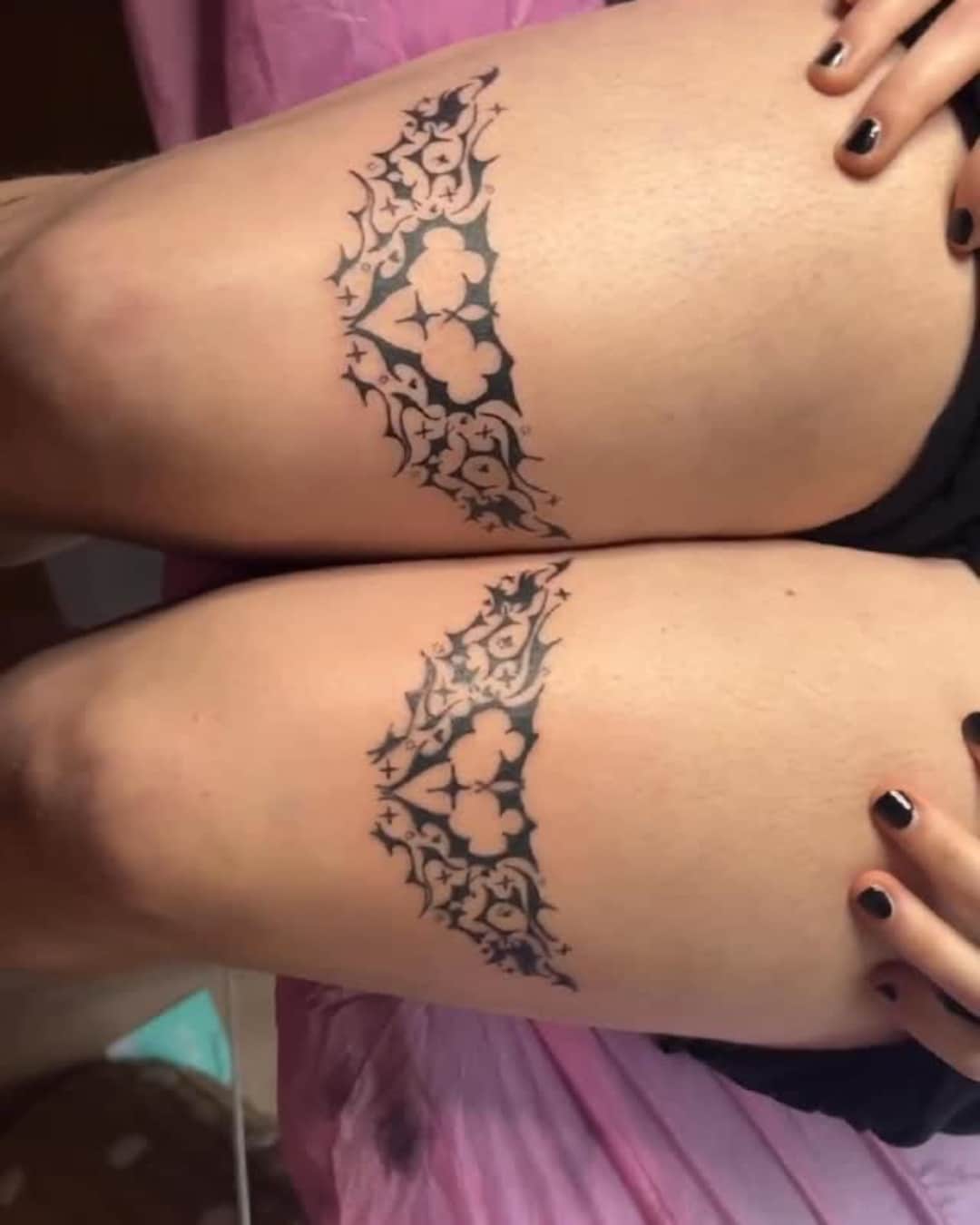
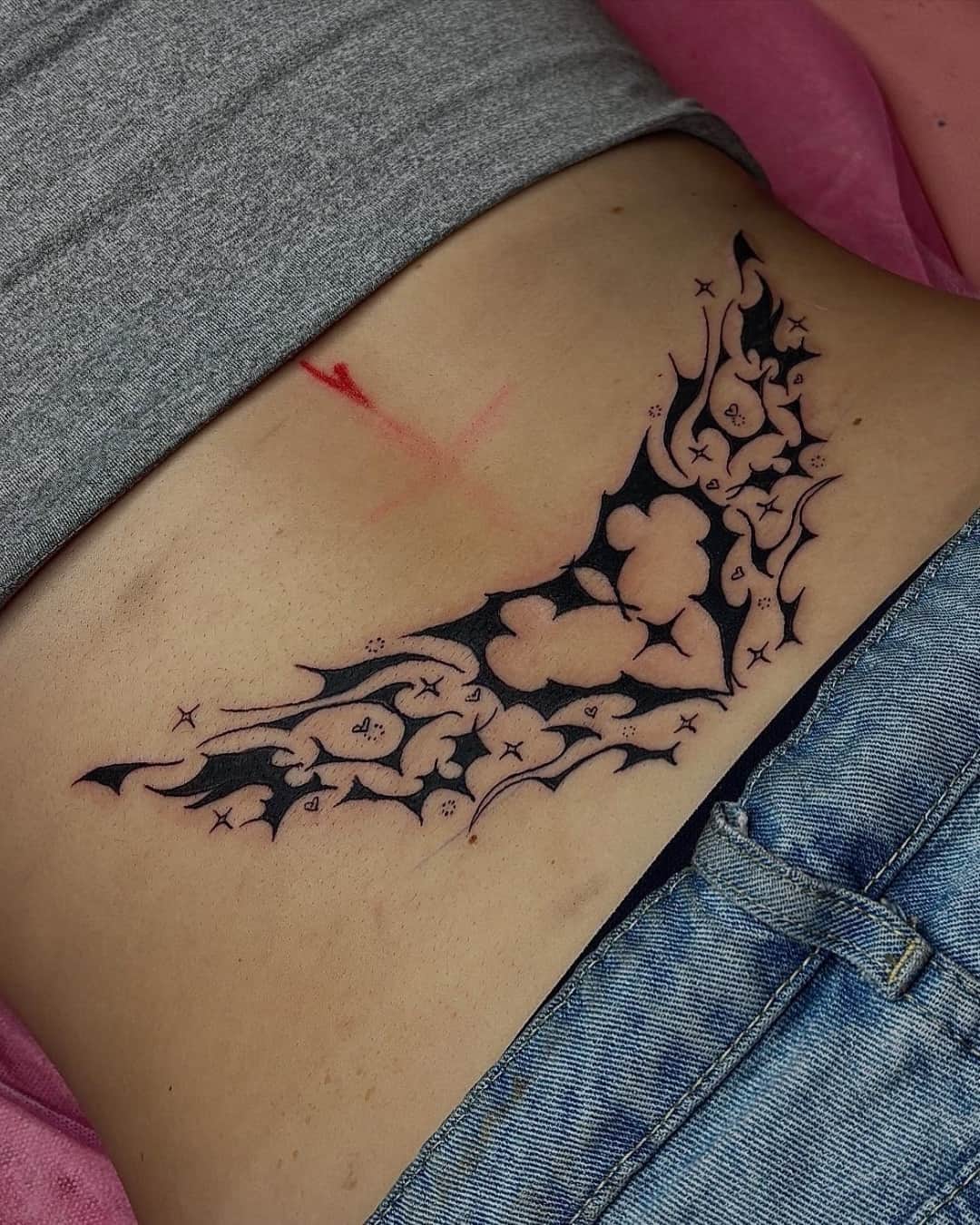
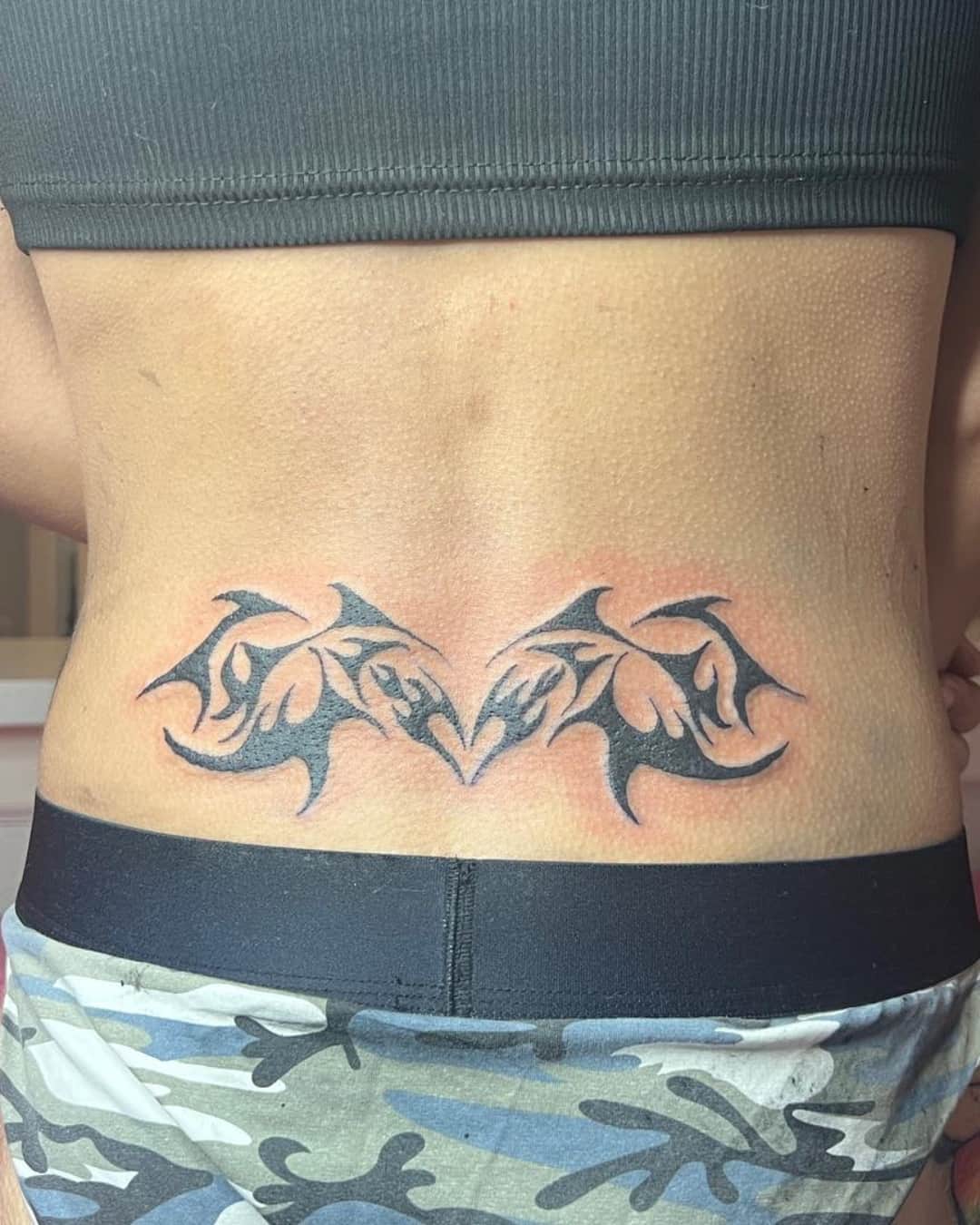
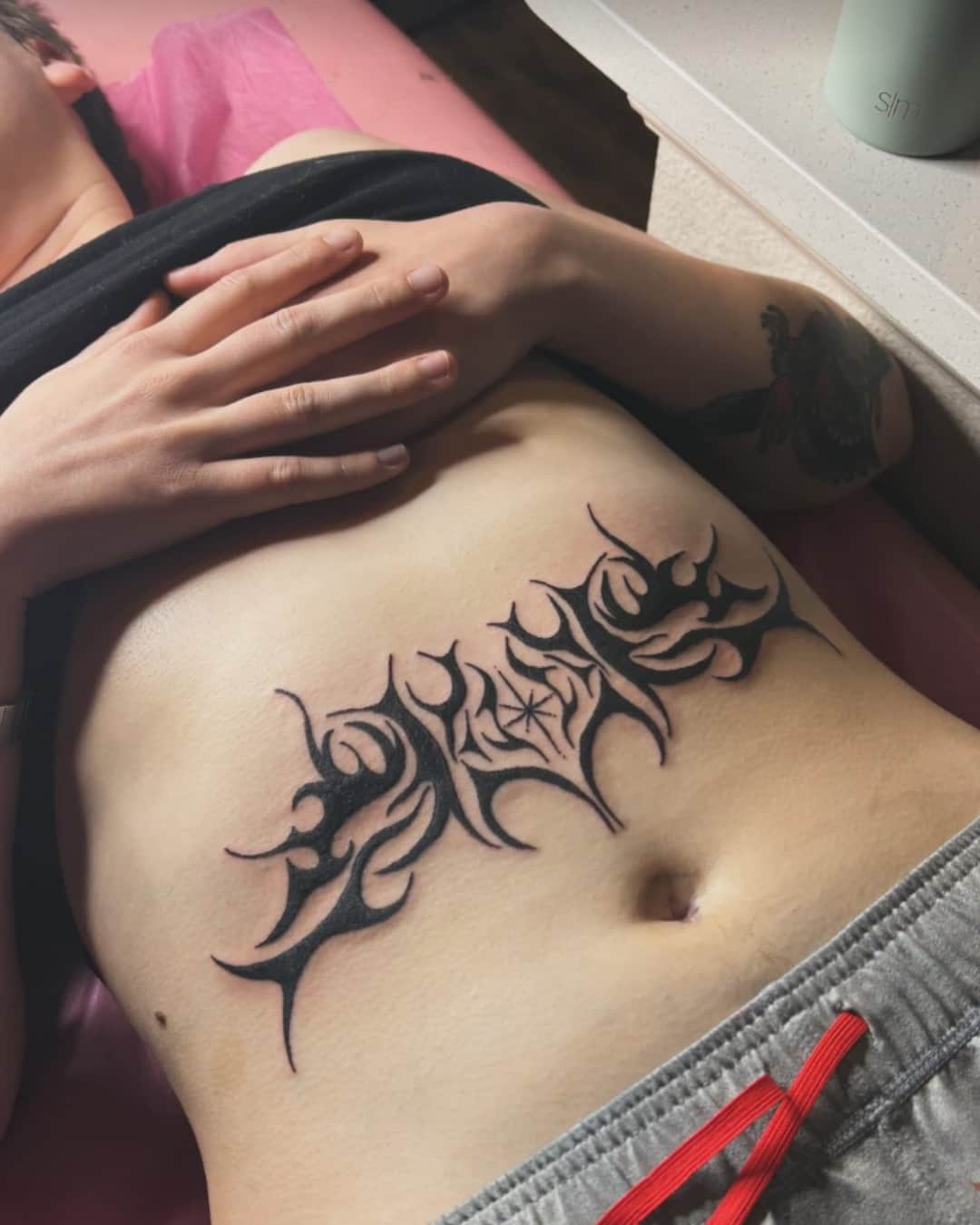
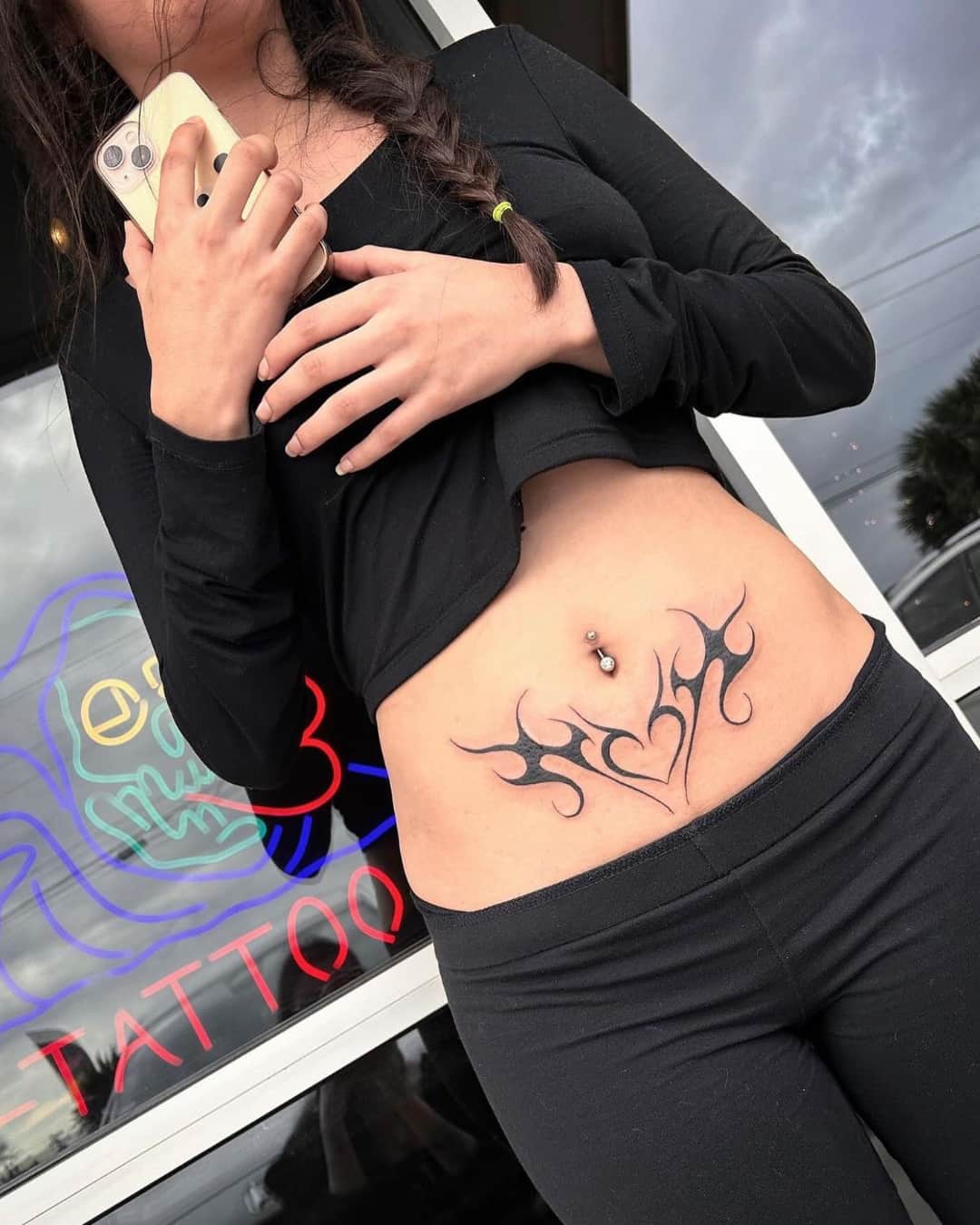
Tribal is bold solid black in curved or angular shapes, from 1990s Western tribal to designs from Borneo, Haida and Aztec art.
On YokoFolio, pick the style Tribal and then your city, and widen the radius if you need to. Good tribal work is judged at the edges: clean points, decisive curves, even gaps, solid black with no holes. Look at healed pieces to see whether the black stayed even and the narrowest gaps stayed open. Check too whether the artist tells the difference between Western tribal and the Pacific traditions — a portfolio that mixes everything without distinction is a bad sign. If you want a design from a specific tradition, such as Borneo or Haida, ask the artist where their motifs come from, what they mean, and whether they're yours to wear. And if you're covering an old tribal piece, look for someone who shows successful cover-ups.
The word covers very different things. On YokoFolio, Tribal gathers the traditions that have no page of their own: Borneo, with its rosettes and scrolling motifs; Haida formline designs from the Pacific Northwest; Filipino batok, with geometric motifs hand-tapped into the skin; Aztec, drawn from the codices and from carved stone; and Western black tribal, from the hooks of the 1990s to today's large, sharp, mirrored blades. A recognizable Haida or Aztec god, warrior or animal is listed under Illustrative. The Polynesian traditions — Samoan tatau, whose peʻa covers from waist to knees, Hawaiian kākau, in bands and checkerboards — have their own page, Polynesian, and so do Māori and Patutiki. In Africa, many body-marking traditions are scarification rather than tattooing. Western tribal of the 1990s pulled a vocabulary of shapes out of all that, without the systems of meaning: they are not the same thing.
If you want it changed, there are three routes. Extend it: fold it into a larger piece — modern tribal or Blackwork — that absorbs it. Transform it into a deliberate solid black shape, which often gives the best result. Lighten it with a laser over several sessions, so that a new design can cover it more easily: it's slow, and the skin rarely comes back fully blank. And if you still like it, a touch-up that re-blackens faded areas and sharpens the edges may be all it needs. A dense black fill can't be covered with a fine design: whatever goes on top has to be darker and bigger. Show photos to an artist who does cover-ups regularly, and they'll tell you straight what's possible.
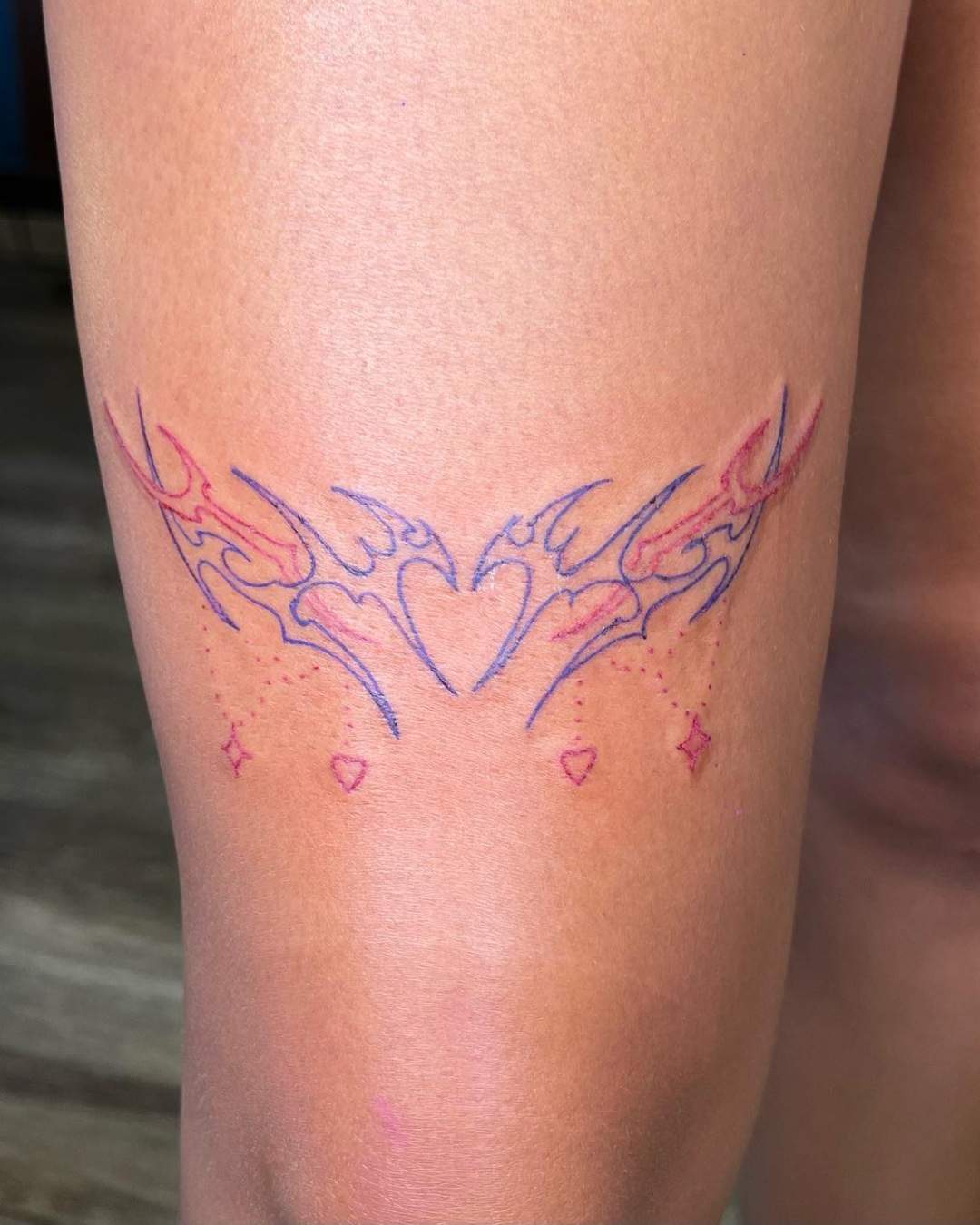
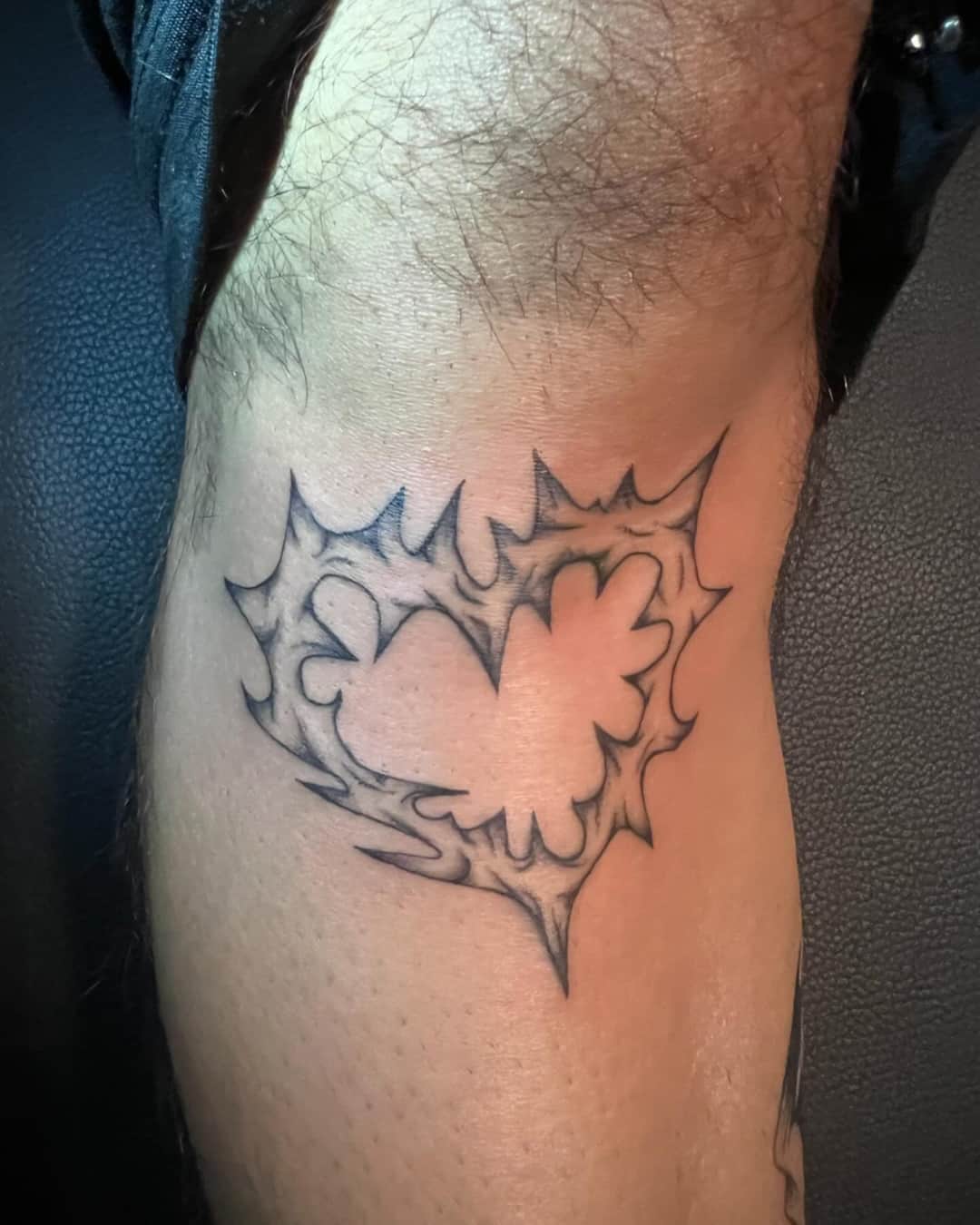
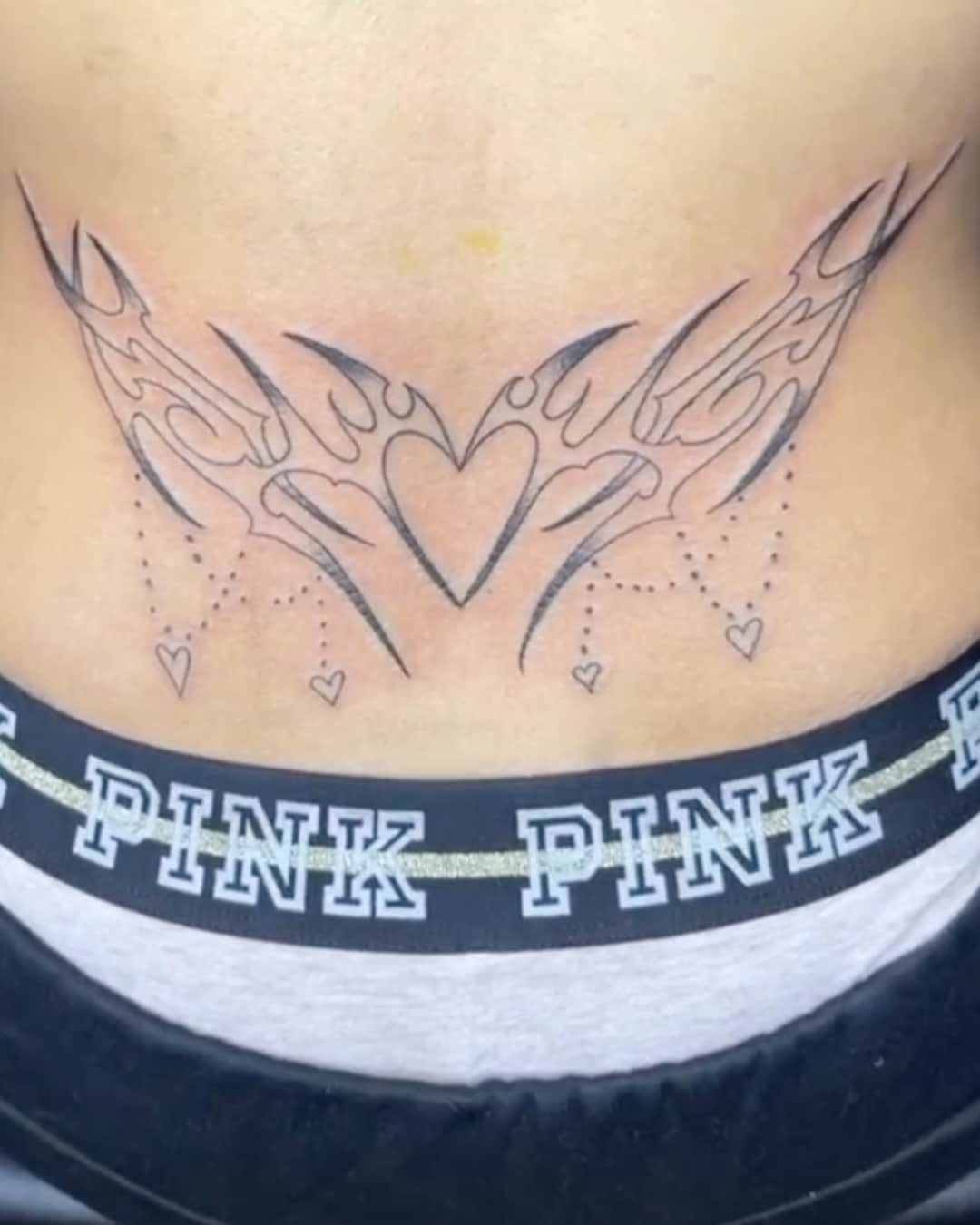
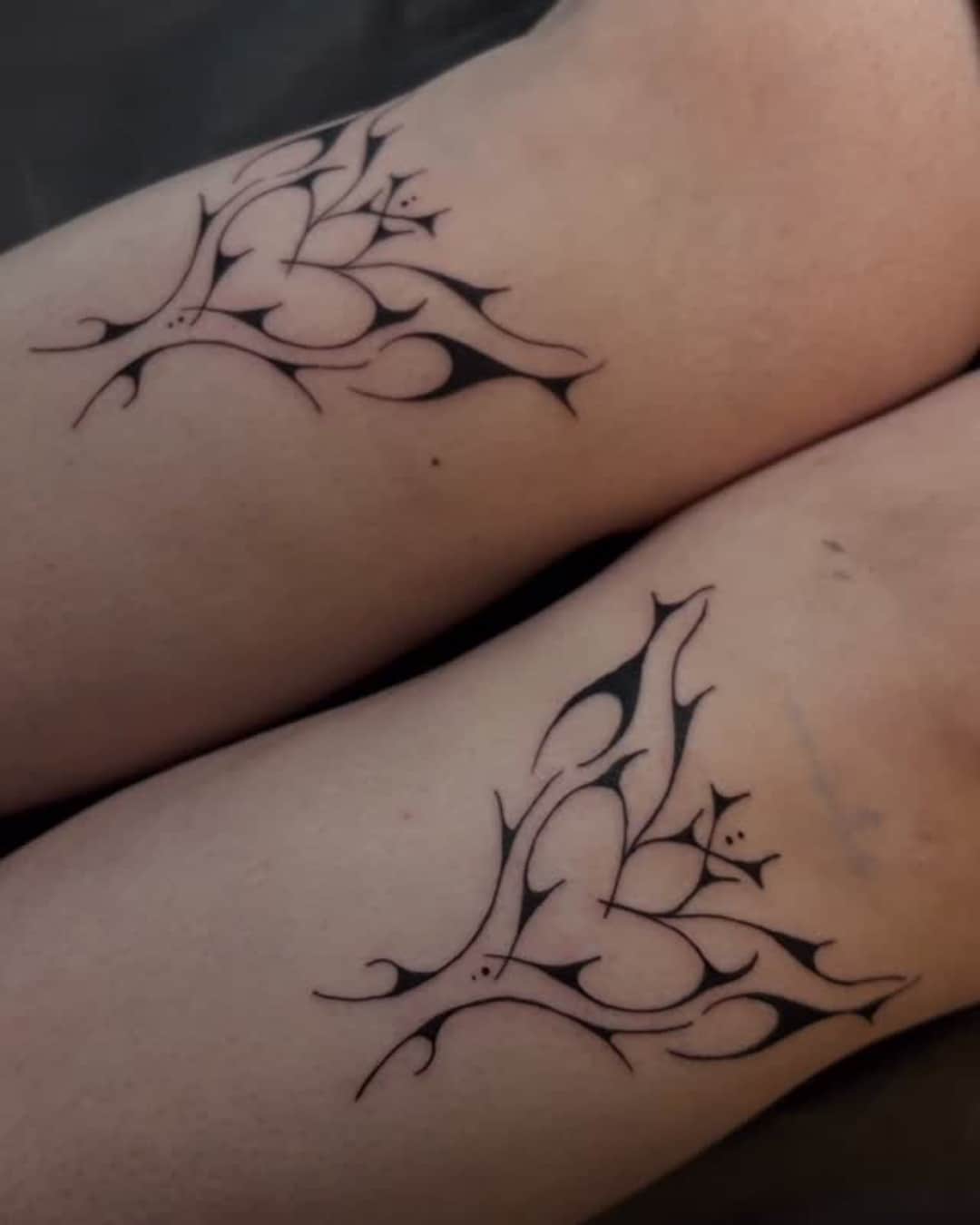
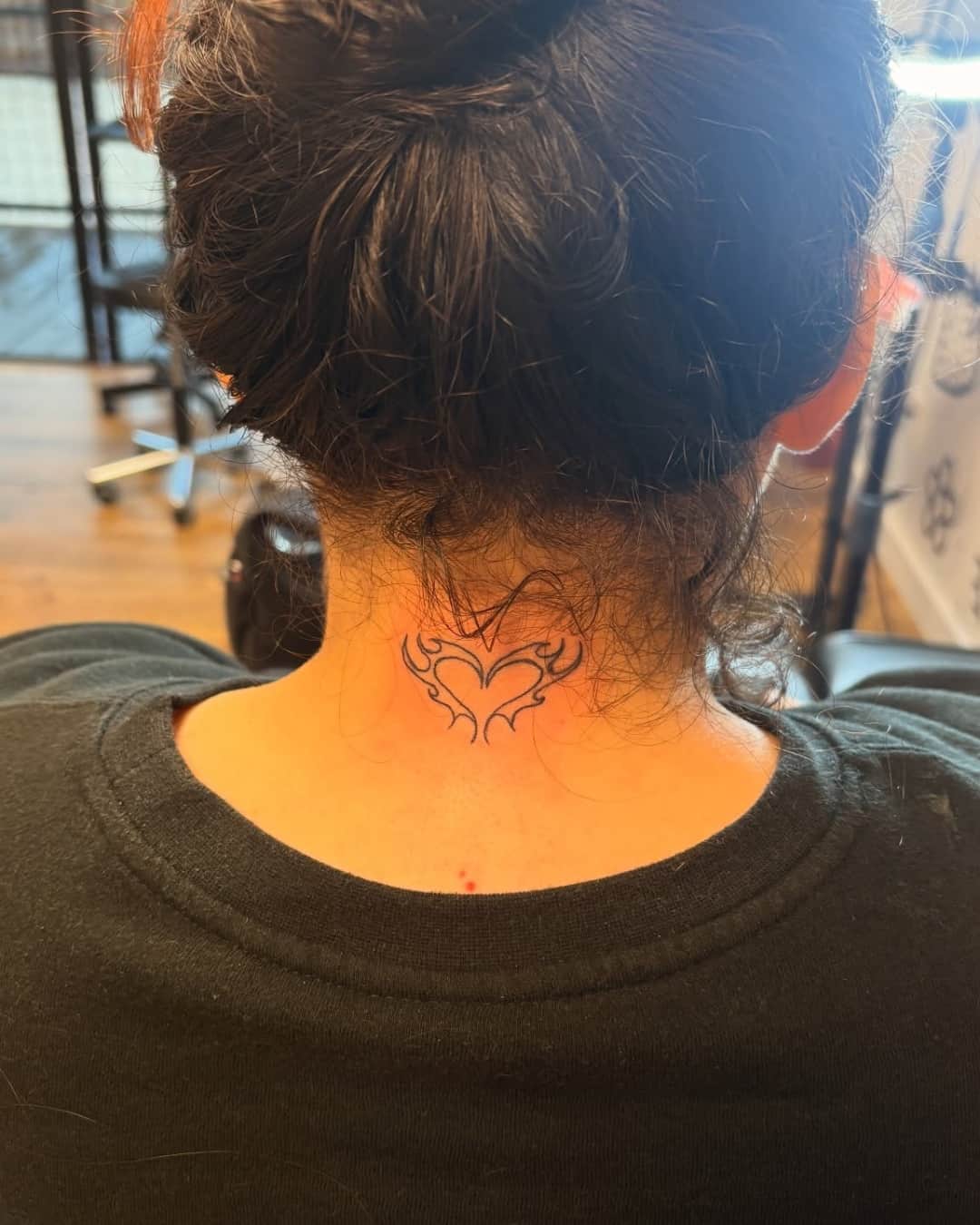
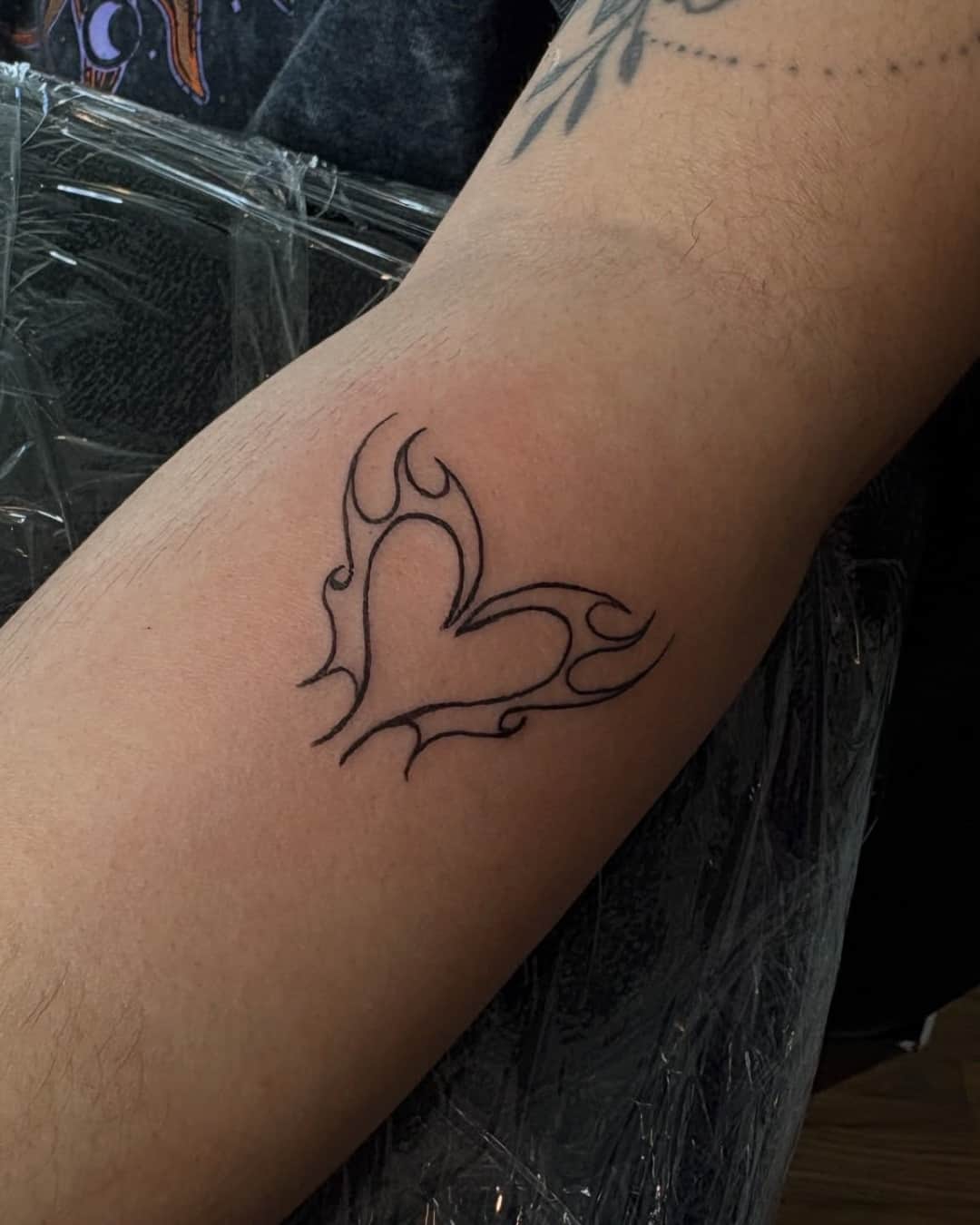
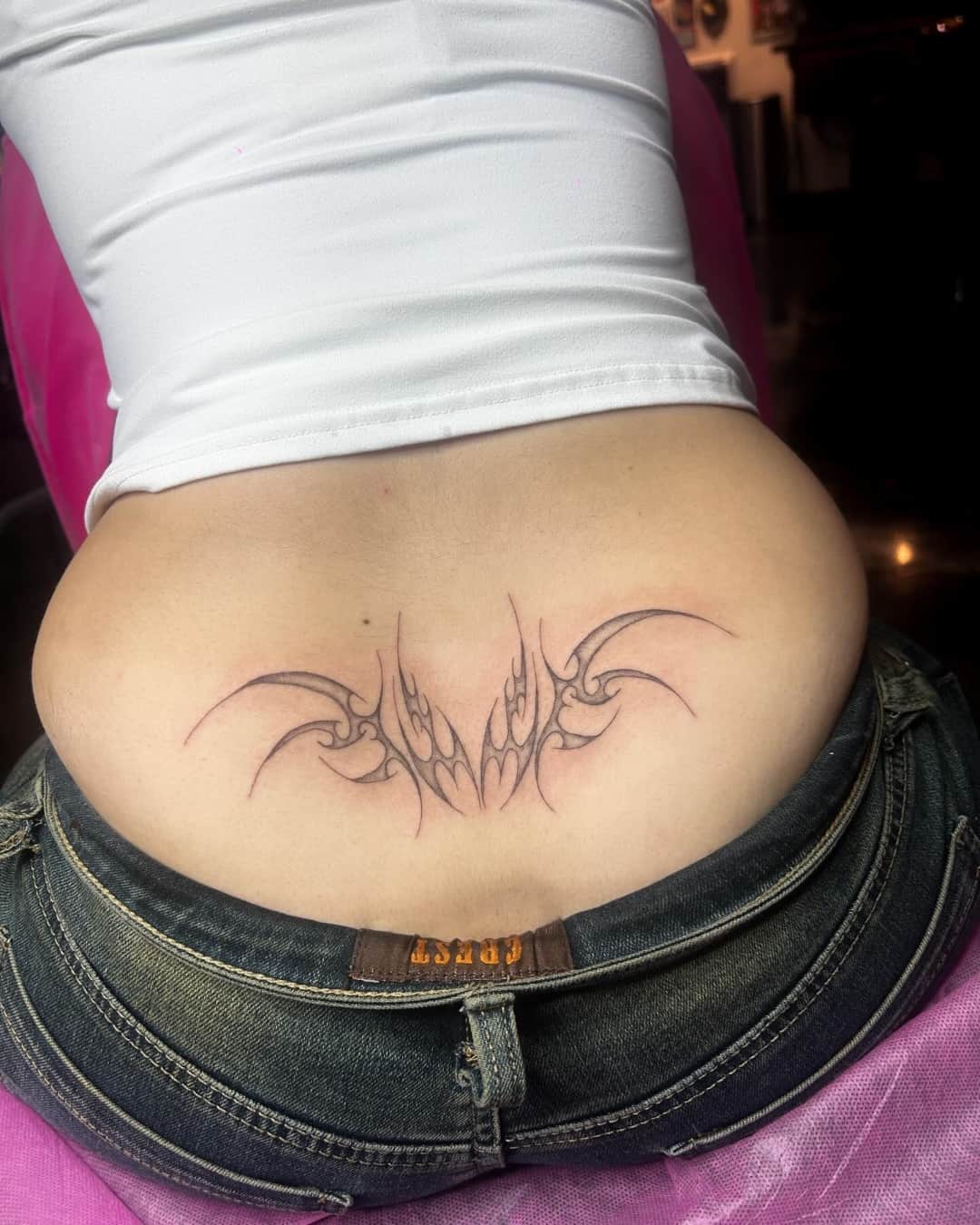
Both are black and often symmetrical; what changes is the weight. Tribal is bold solid black in curved or angular shapes that flow with the muscle — the hooks and sweeping points of the 1990s, motifs from Borneo, Haida or Aztec art, or large, sharp blades, often mirrored, with a Y2K feel and sometimes vector or pixel-like edges. Cybersigilism drops the mass altogether: thin, very thorny lines full of small blades, branching and tapering into thorns, forming a web, with no large solid areas. Big black blades stay Tribal, even with a few fine lines around them, and a piece is never listed as both. If the black is solid, it's Tribal; if it's a web of thin, thorny lines, it's Cybersigilism.