1/5

6 tattoo artists · 1 tattoo shop
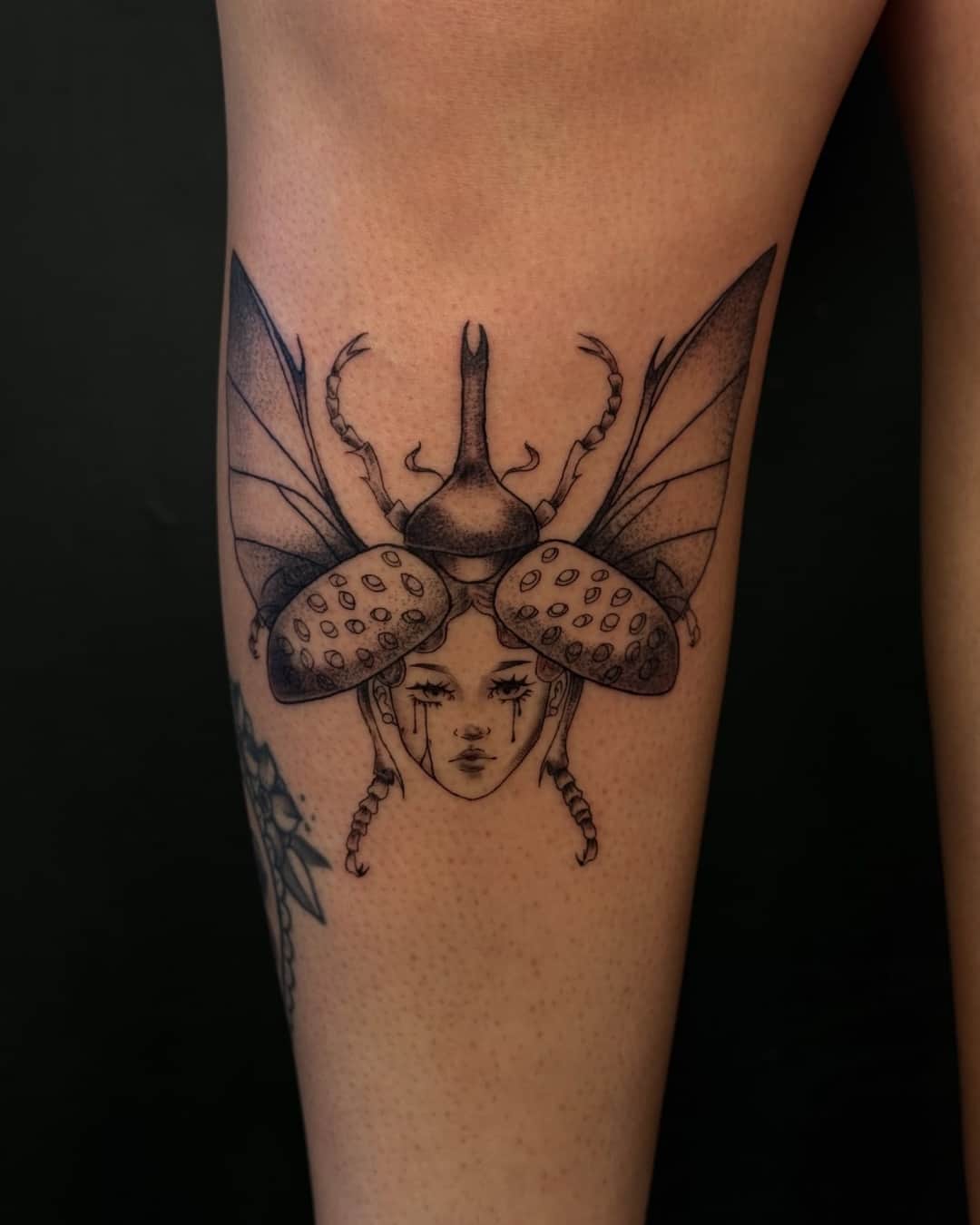
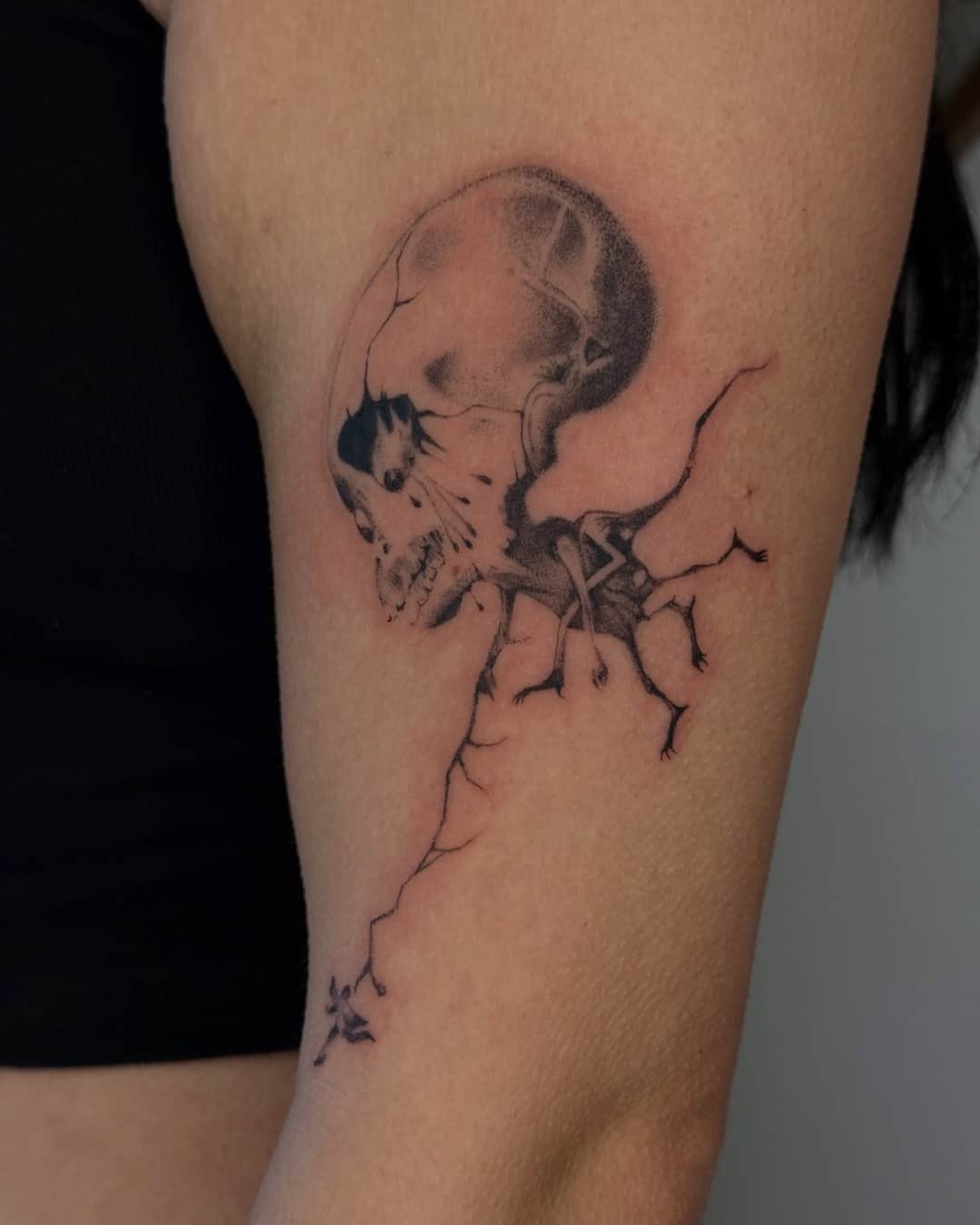
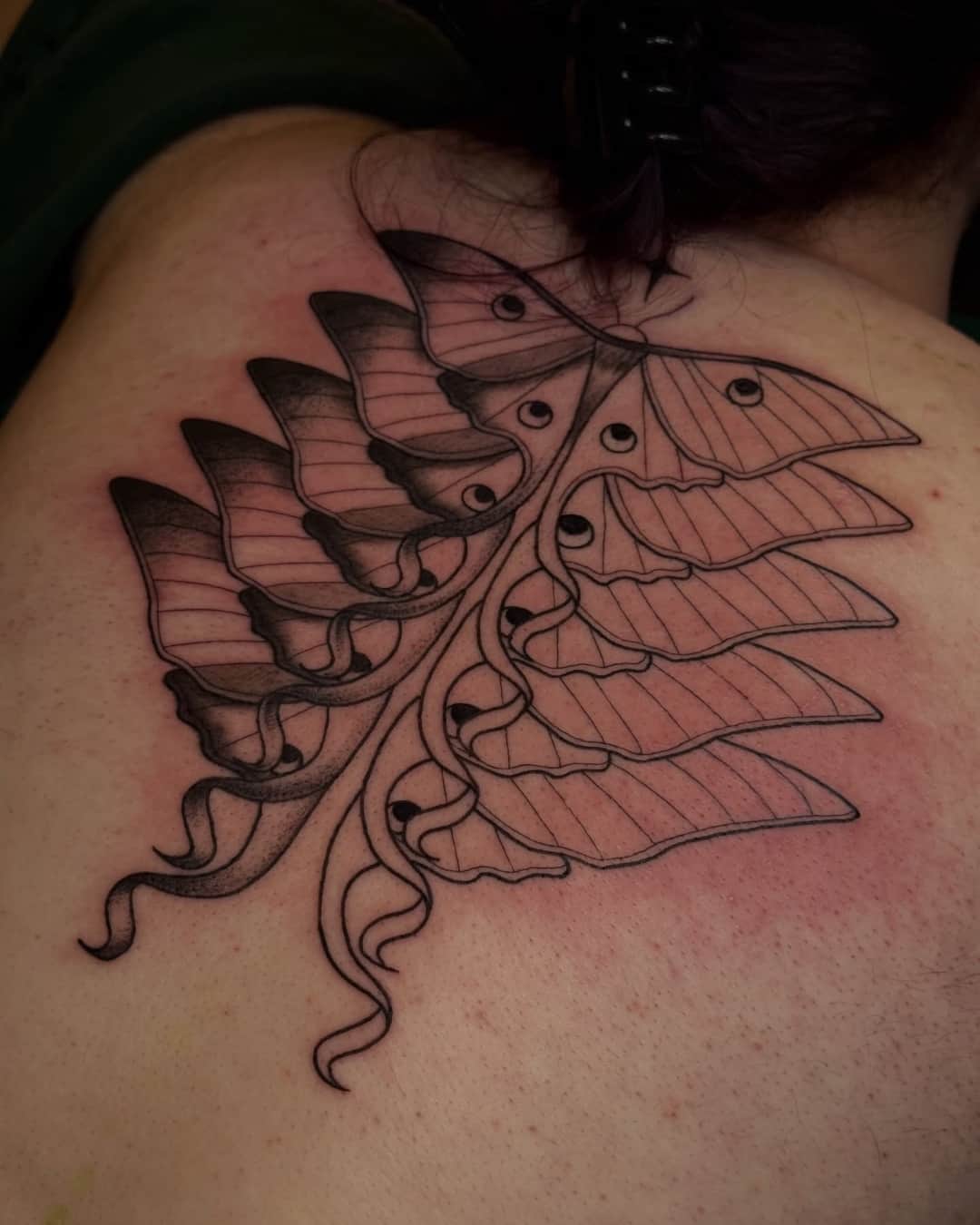
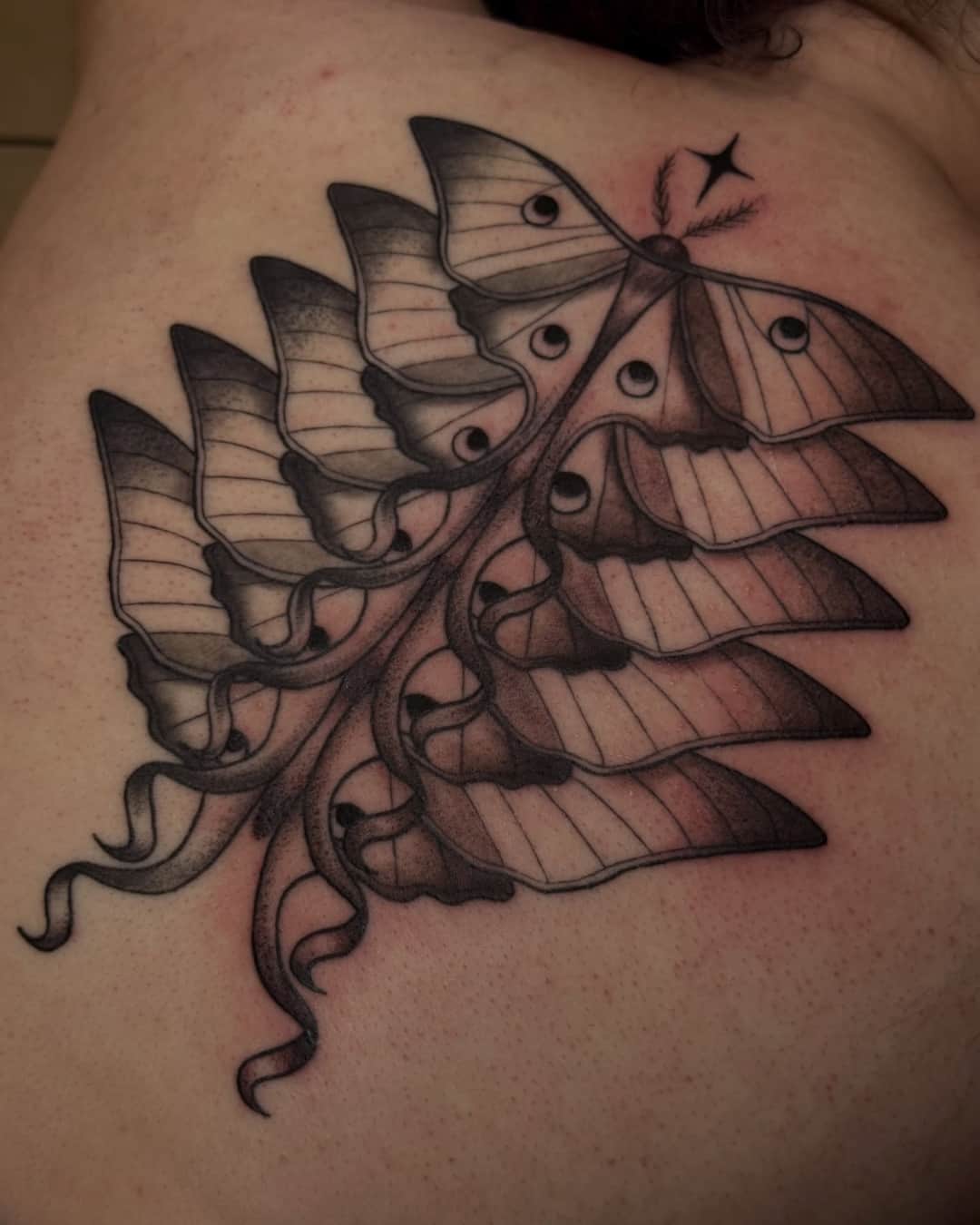
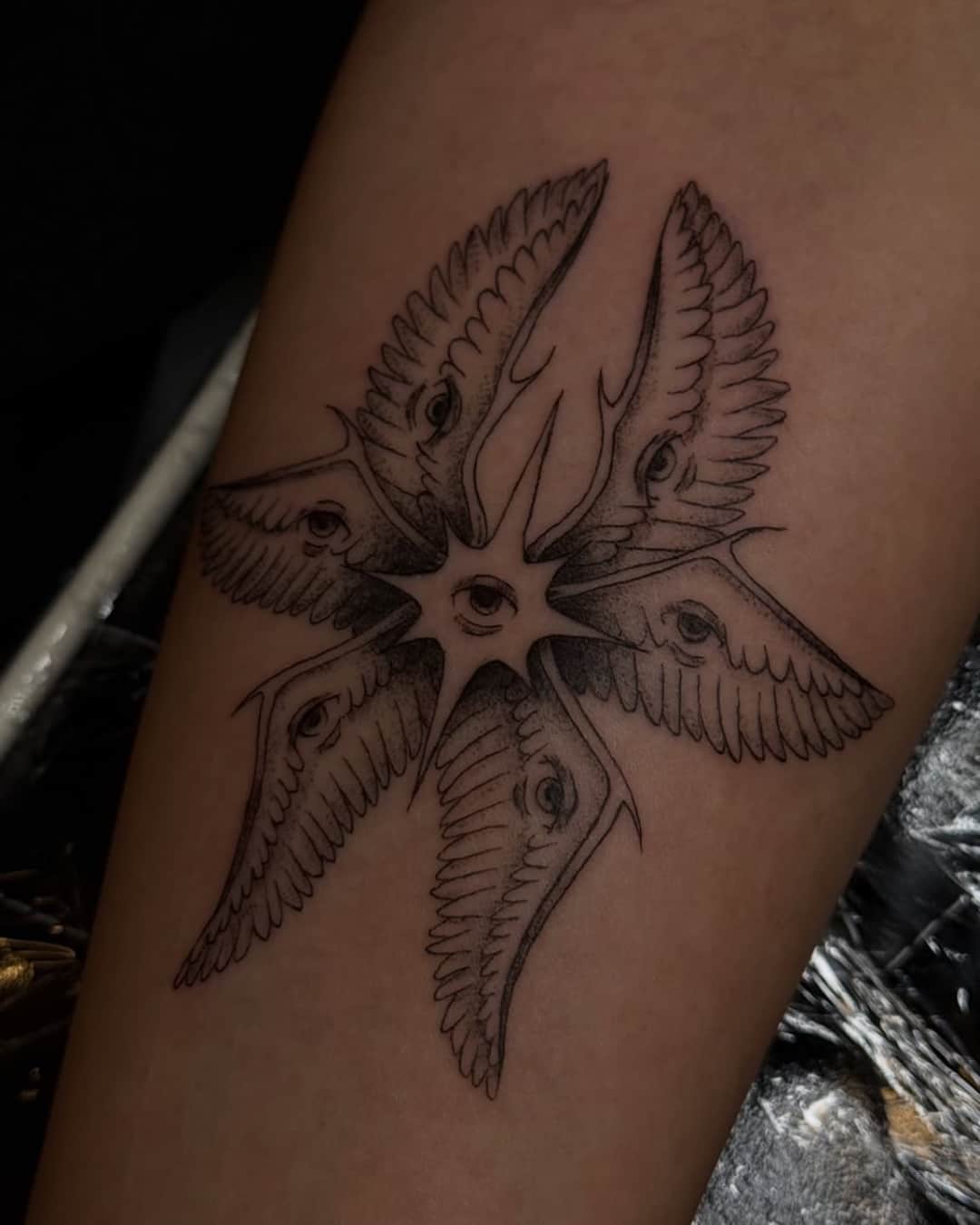
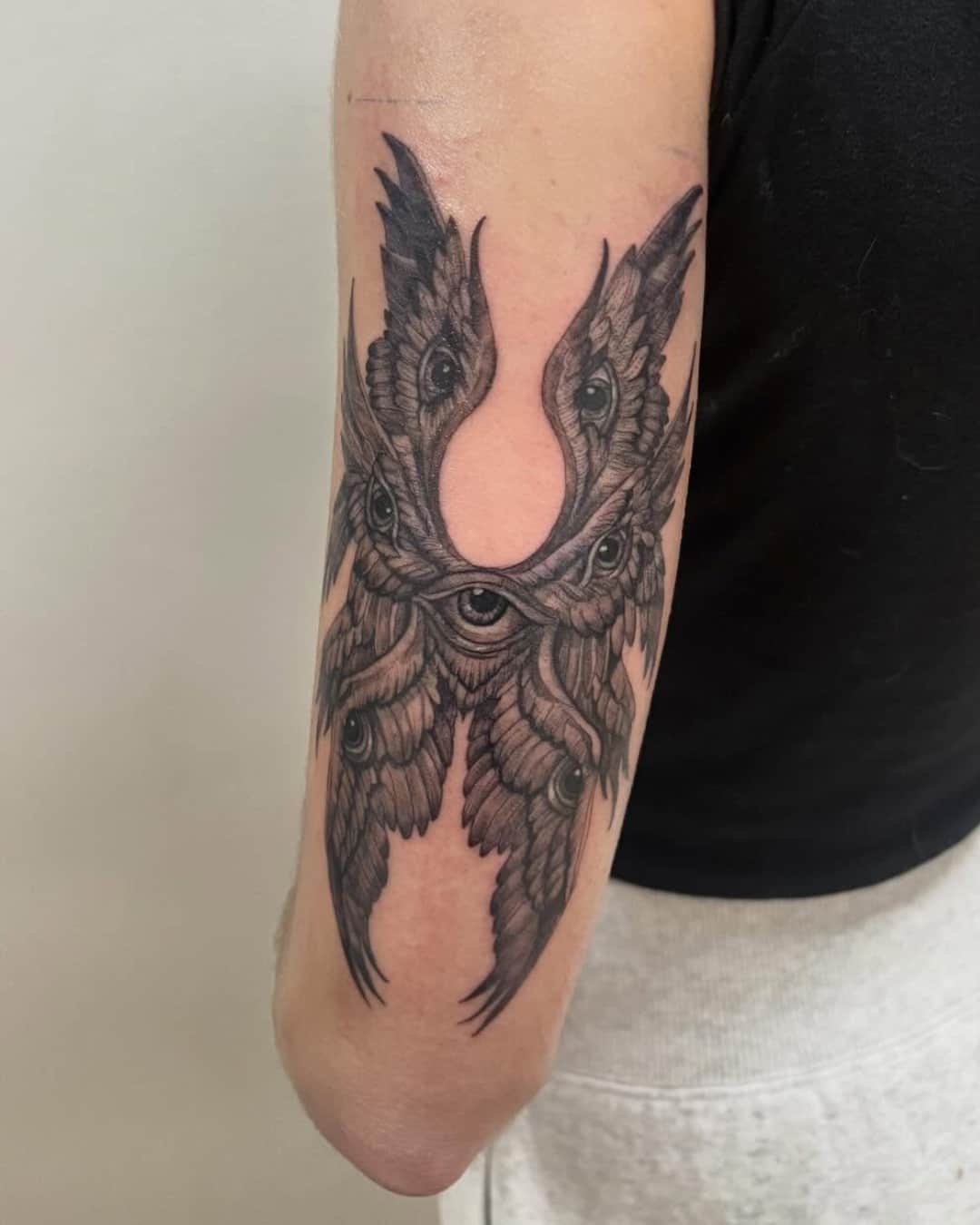
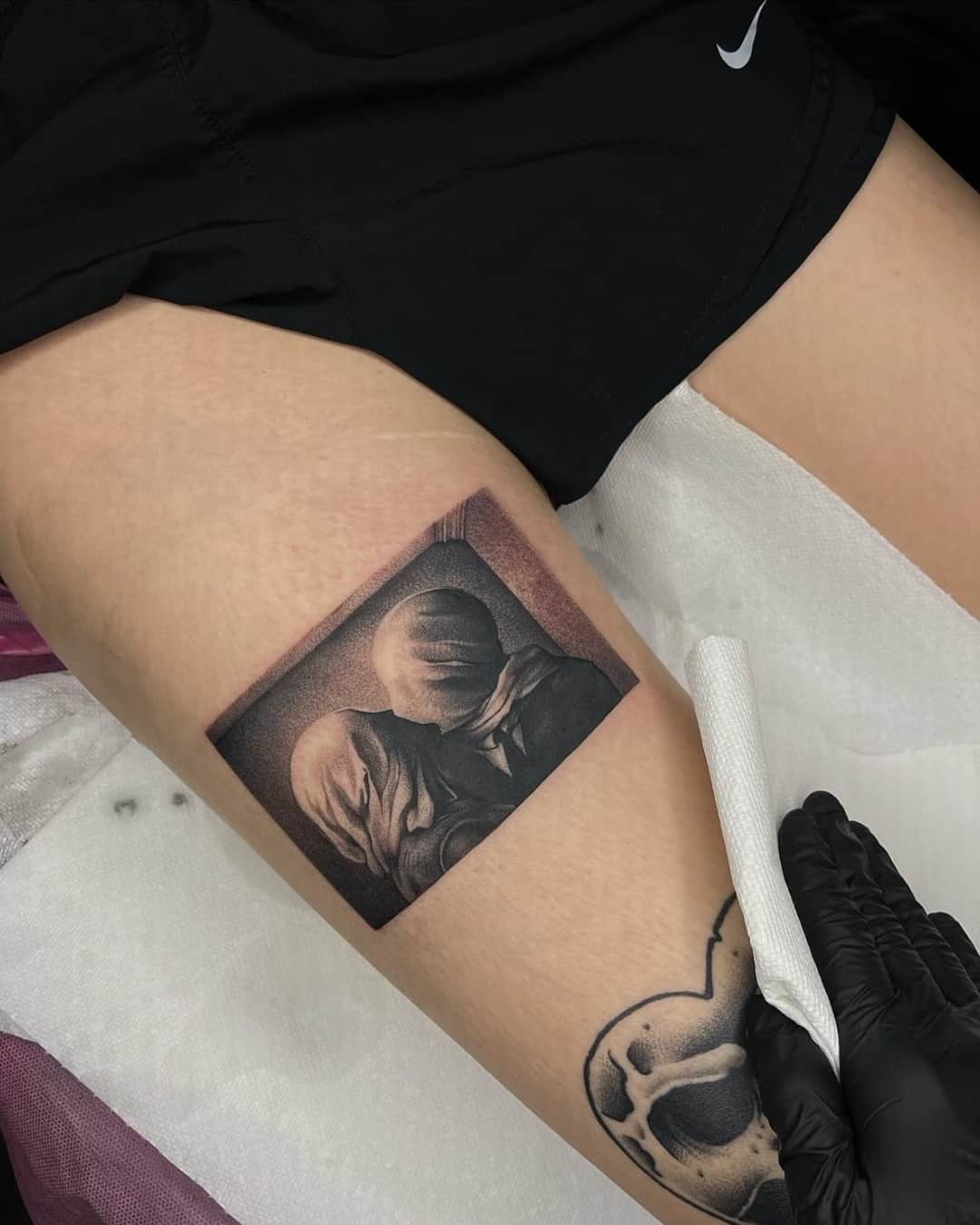
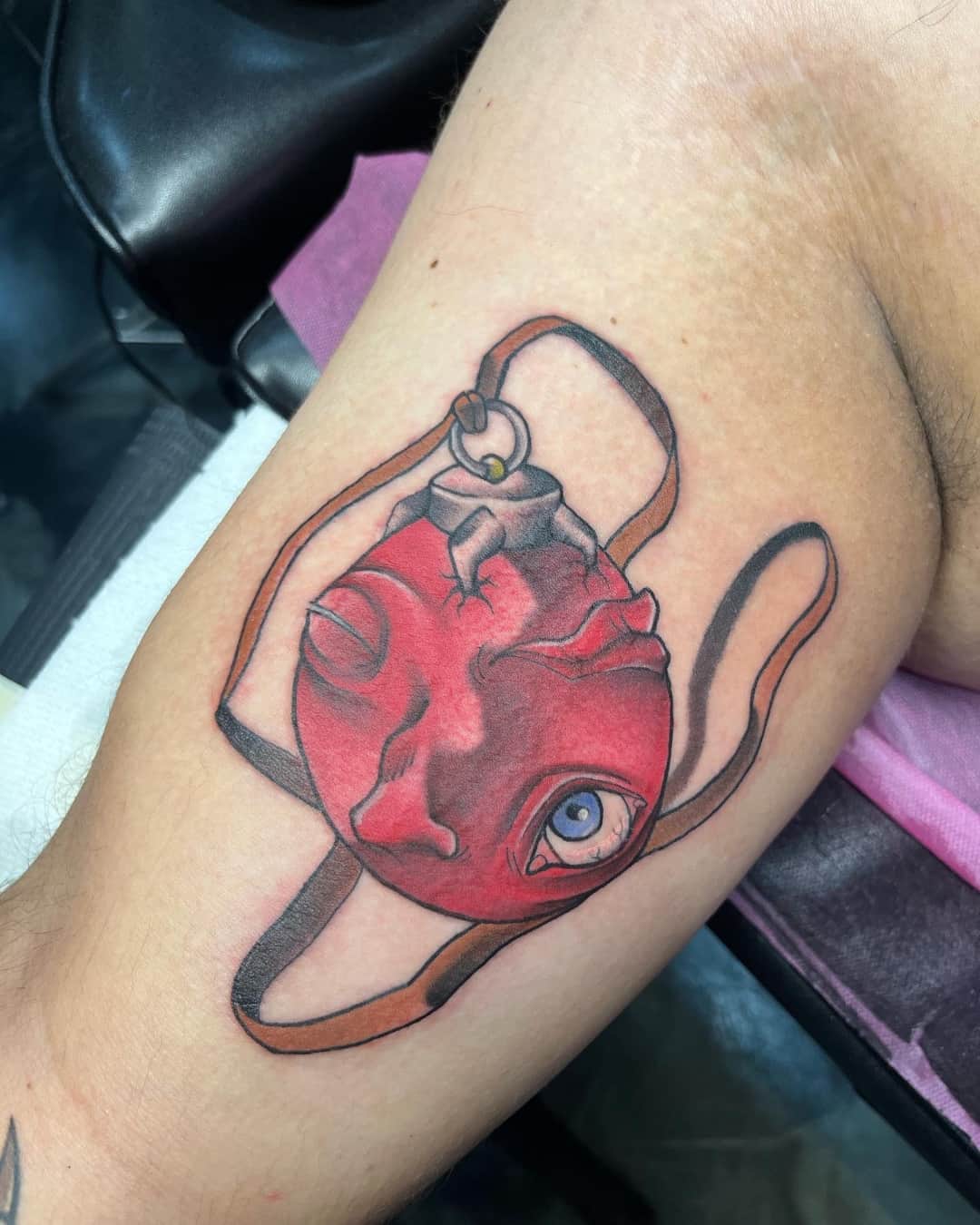
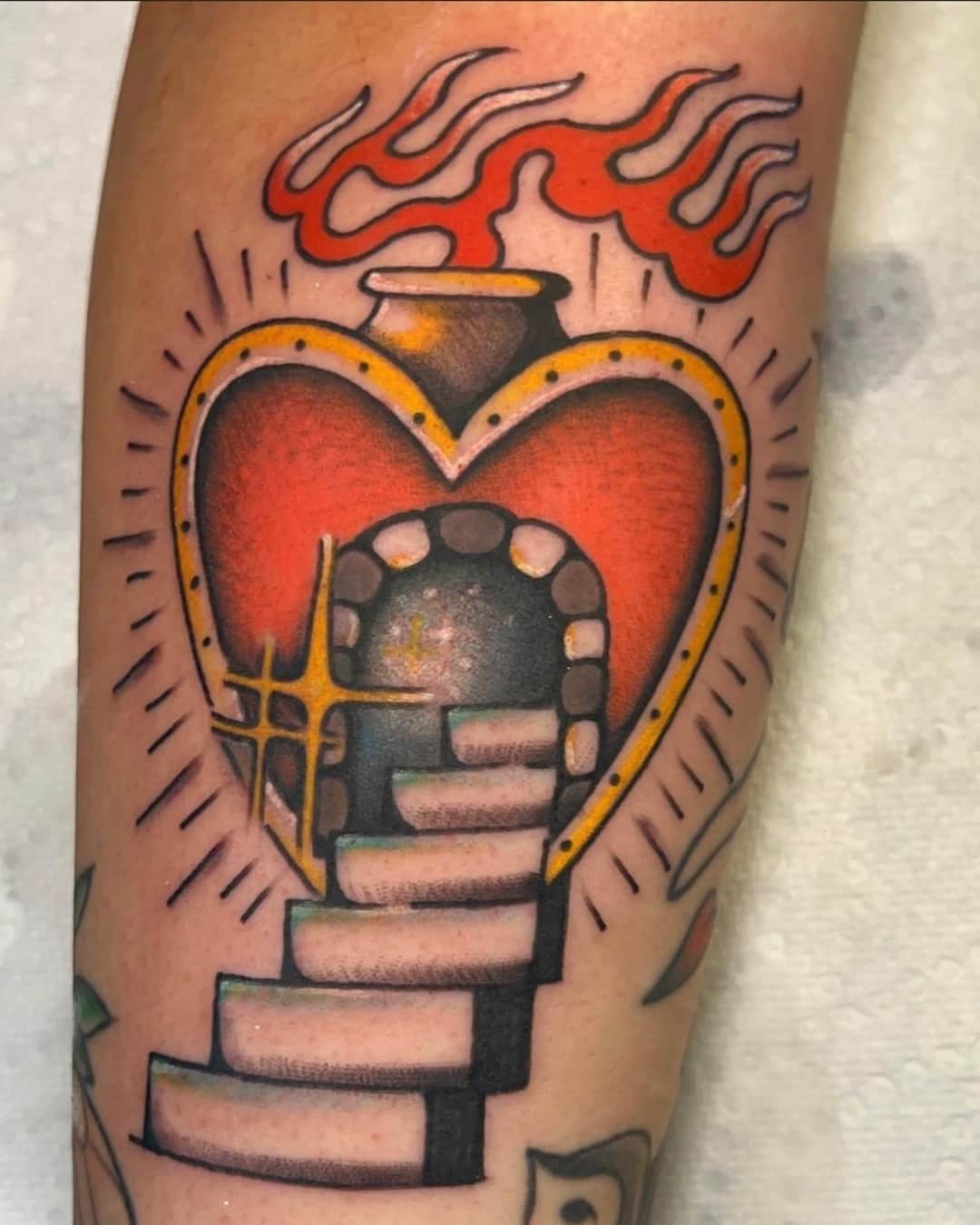
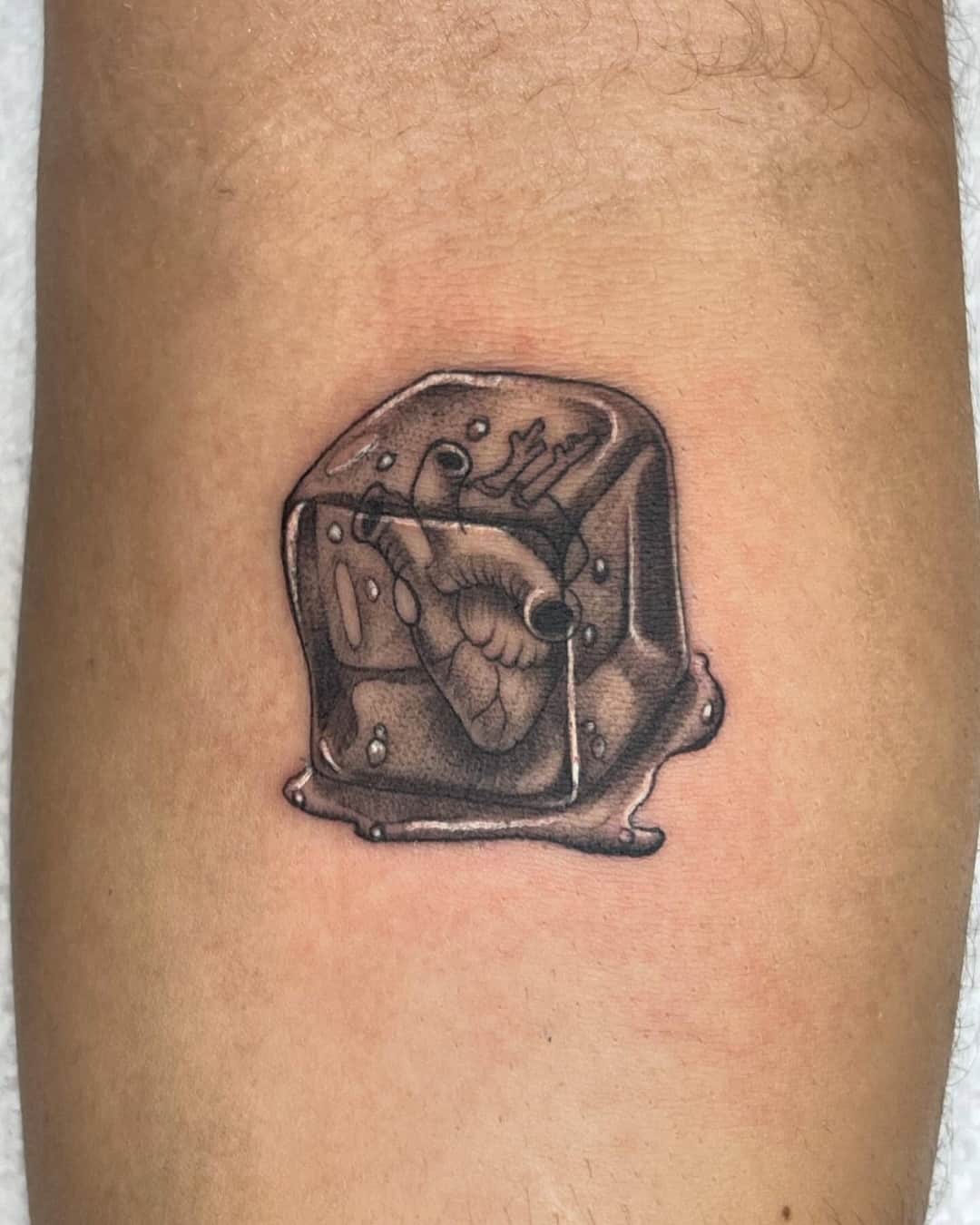
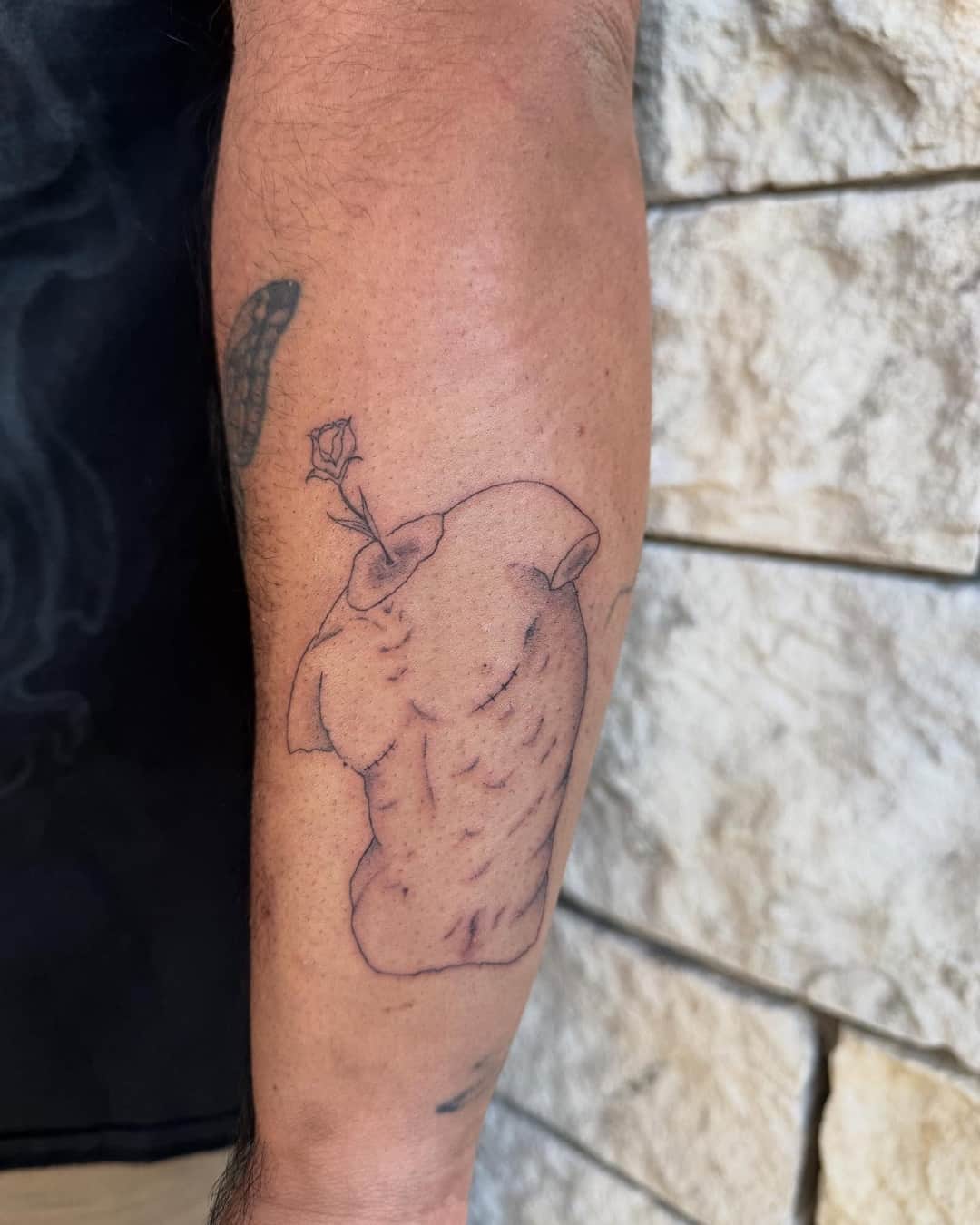
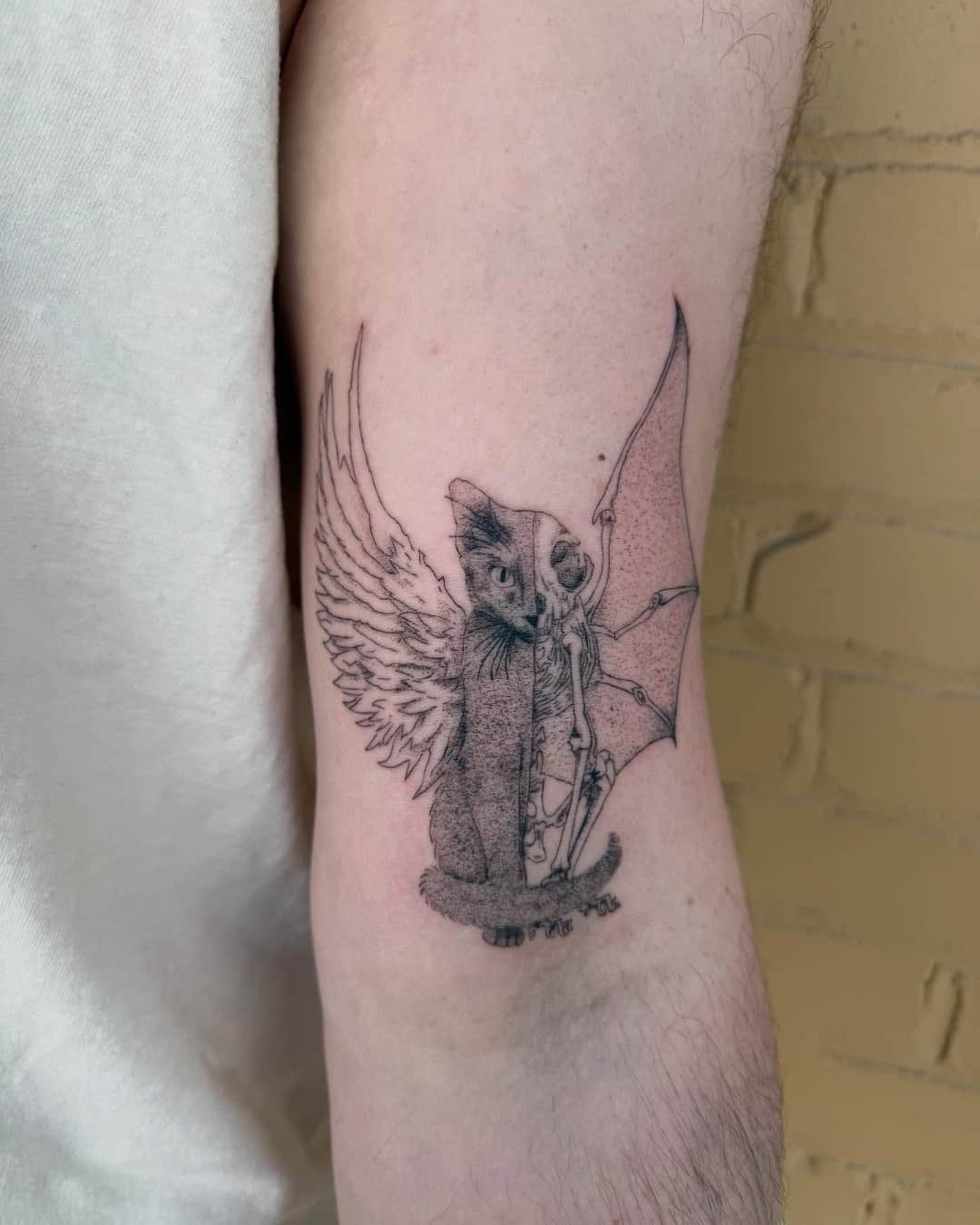
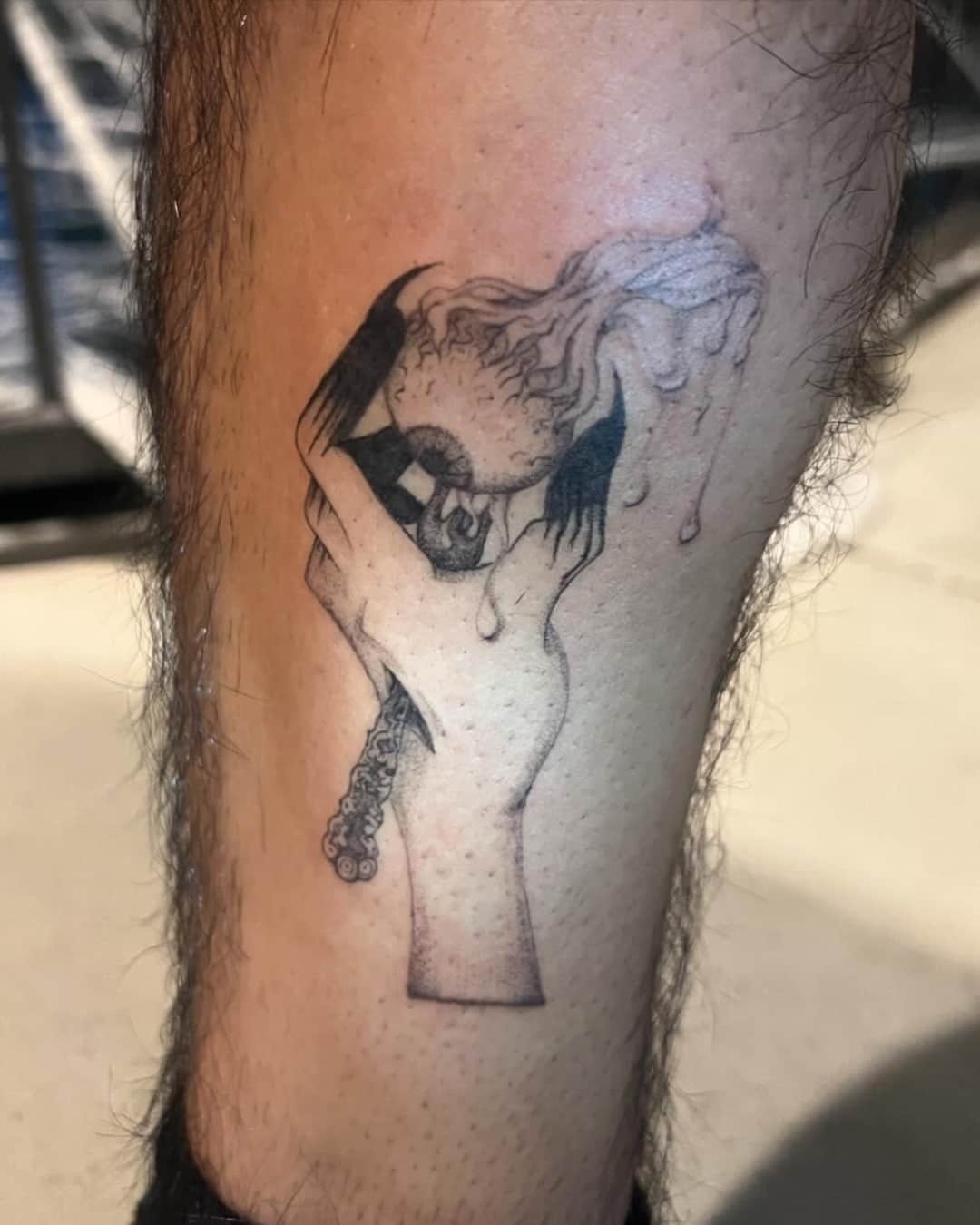
Surrealism tattoos turn dreams into images: melting forms, impossible scenes and double exposures, often rendered realistically.
On YokoFolio, pick the style Surrealism and then your city, and widen the radius if the list is short. Look for two things in the portfolios: whether the realistic parts hold up close (smooth gradients, believable light), and whether the compositions are original rather than copied from famous paintings or images found online. A good surreal piece reads at first glance, then rewards a second look. Above all, look for photos of healed tattoos: that's where you see whether the details have held. Then ask the artist how they turn an idea into a design, whether they will draw an original image from your story, and what size the composition needs to stay readable.
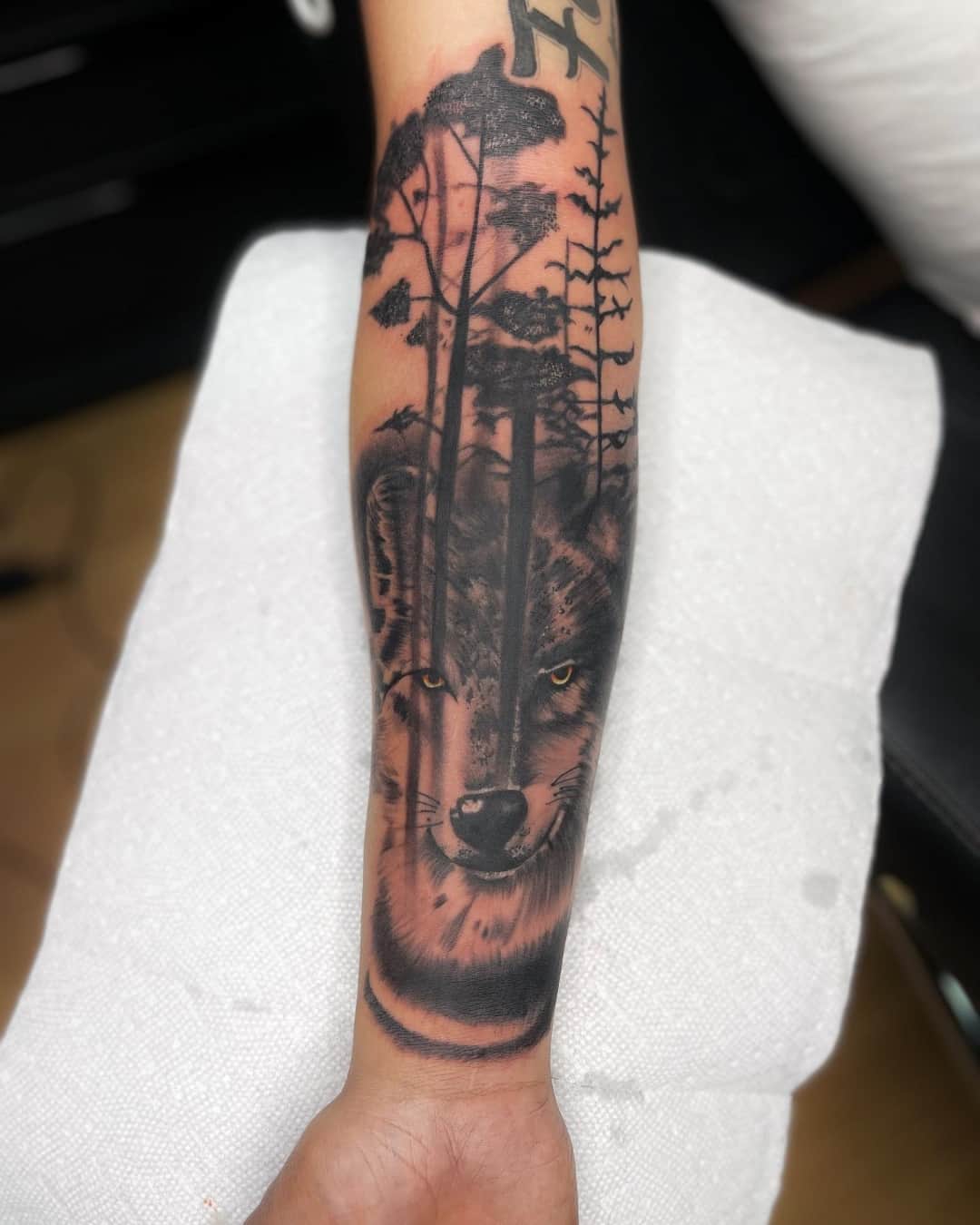
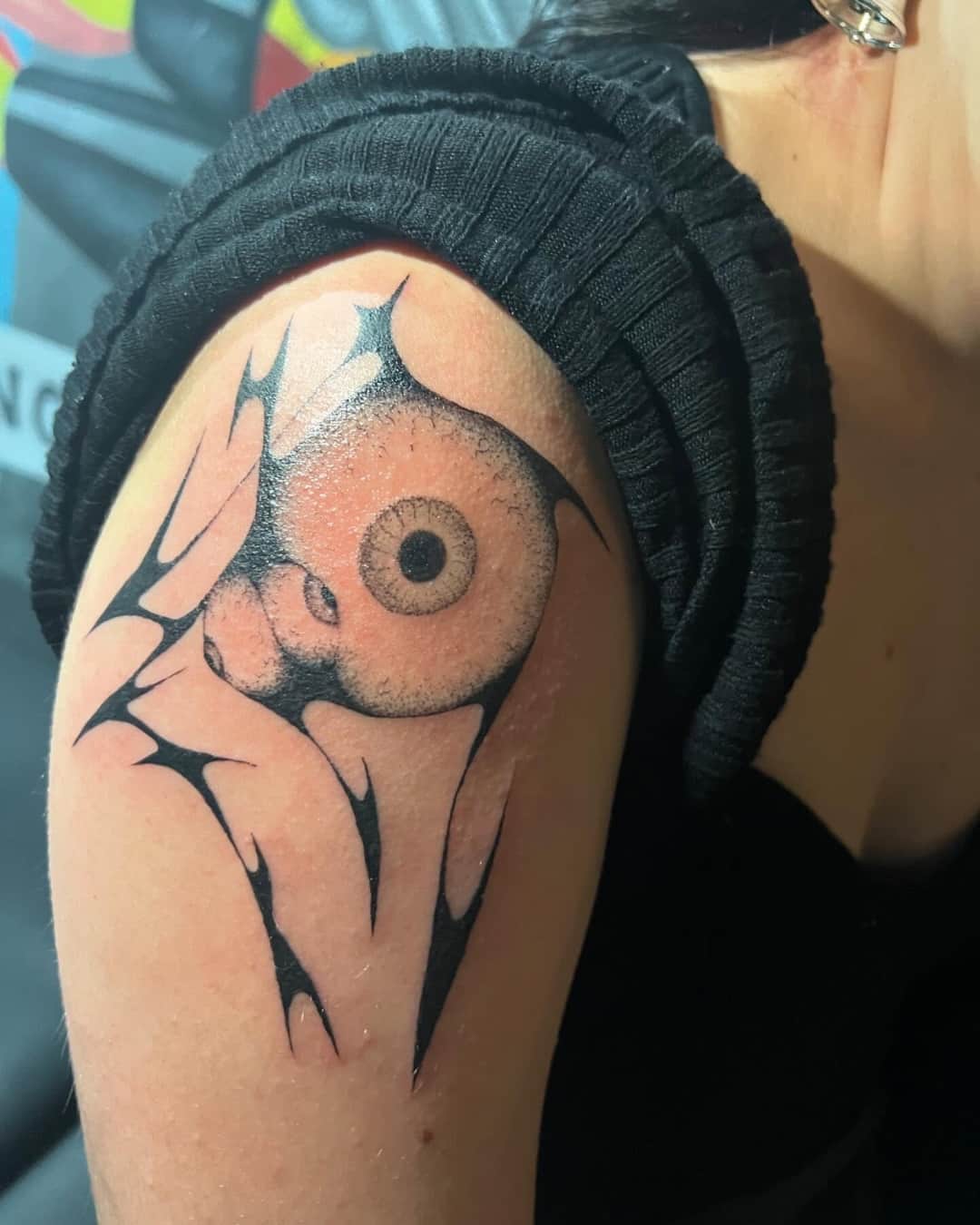
The classics come from the masters of the movement: melting clocks, floating eyes, faces that open or break apart, staircases that lead nowhere. Then come double exposures — a portrait filled with a landscape, an animal whose silhouette holds a forest — and scenes where the scales are reversed, like a moon in a teacup. Metamorphoses work well too: a hand turning into roots, a body breaking up into birds. The best ideas start from something that matters to you: give the artist a story or a symbol, and let them build the impossible image around it, rather than bringing a finished picture to copy. Keep one clear twist per piece: an image that tries to say everything ends up saying nothing.
Yes, if it's designed for it. Surreal pieces often rely on fine realistic detail and soft transitions; over time, very fine details soften and contrasts blur, and the twist that makes the image can get lost. A good artist plans strong contrasts, keeps the key elements large enough to stay readable, and leaves some breathing room between them. Prefer a medium or large format, especially for a double exposure, where two images share the same space. Black and grey tends to age more evenly than light colors, which fade first. Protect the tattoo from the sun: that's how it keeps its depth for years, and a touch-up can later bring back the contrast.
Realism shows a real subject as faithfully as possible: nothing in the image is impossible. Surrealism often uses the same realistic rendering, but to show something that can't exist — a melting clock, a face that opens, a double exposure, a scene with reversed scales. Dark Art is about the subject's mood rather than its logic: demons, the reaper, menacing skulls, monsters, witchcraft and horror scenes, made to unsettle or frighten. A surreal image can be calm, even tender, while a menacing skull is Dark Art with nothing impossible in it. The two often meet in nightmare scenes, where an impossible image is also a frightening one. If the image shows something that can't exist, it's Surrealism.