Filters

1 tattoo artist
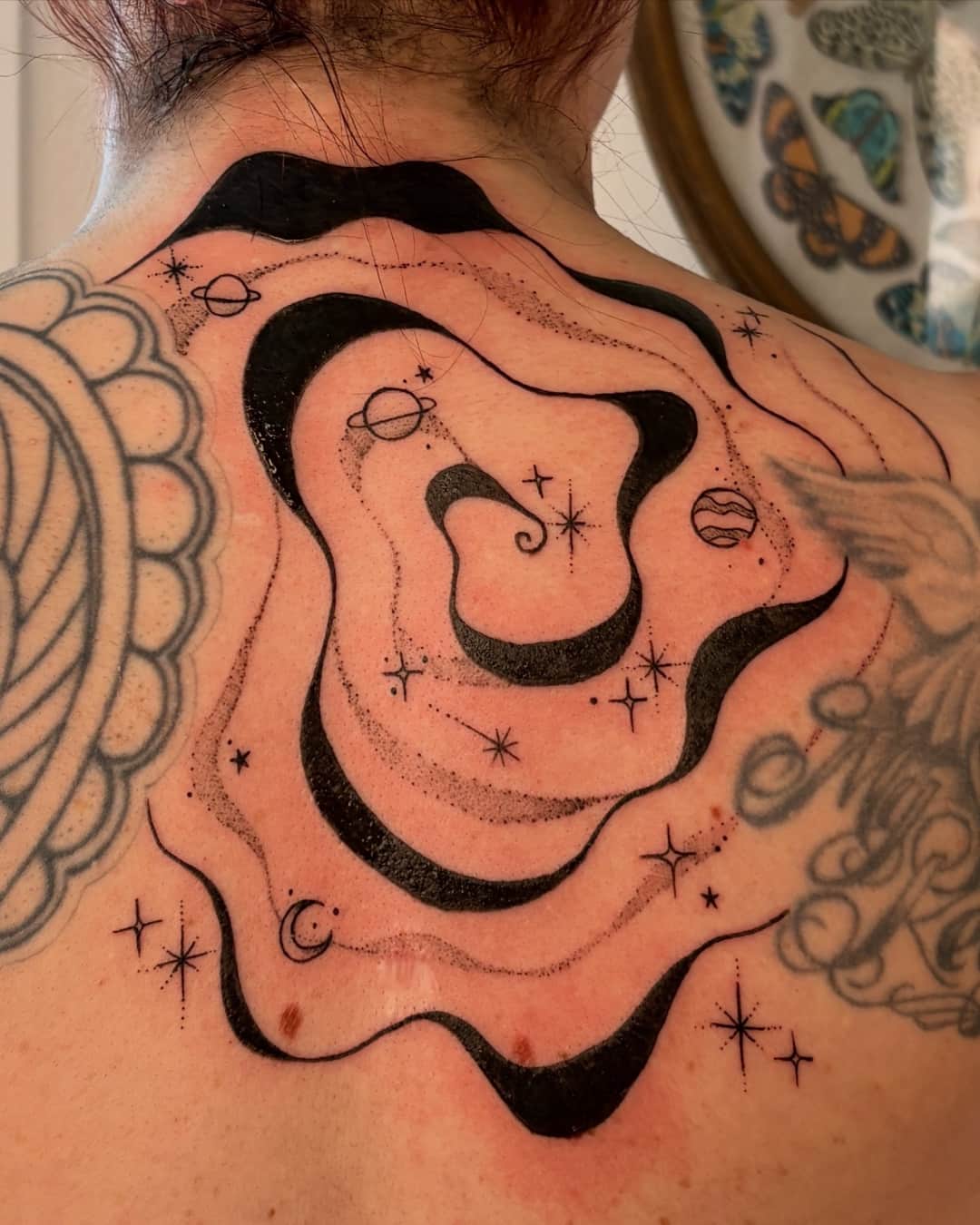
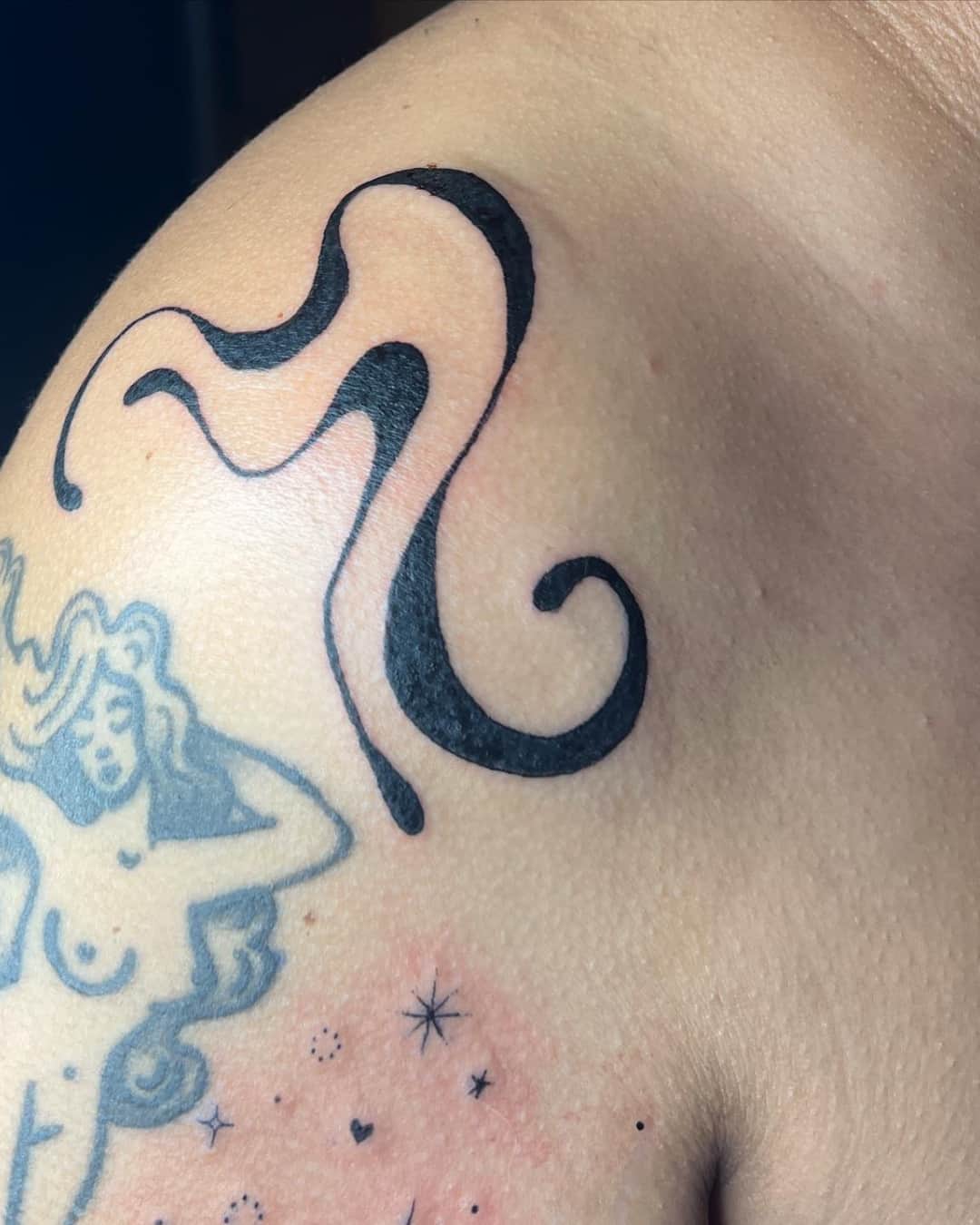
Suminagashi carries Japanese floating-ink marbling onto skin: warped rings and veins, a movement of water tattooed.
On YokoFolio, pick the style Suminagashi and then your city, and widen the radius: the practice is still rare. Check whether the veins of ink stay clean and separate, and whether the movement breathes — an area where the lines bunch up kills the whole effect of a drift. Ask how the design was arrived at: some artists start from an actual marbling made with ink and water, then fit it to the area of the body.
The Japanese word means floating ink. There's no codified symbolism behind it: what the piece carries is what you bring to it — most often the idea of movement, of impermanence, of a gesture you don't repeat. One thing is worth saying: marbling is an old craft with its own masters and its own rules, and tattooing borrows only the look of it. If the subject moves you, look at the work on paper too — it isn't the same discipline.
Yes, and it's a version in growing demand. Traditional marbling uses black sumi ink, sometimes lifted with indigo; on skin, some artists work in red alone or in black and red, which gives a more graphic, more contemporary result. Know that light reds soften faster than blacks: a piece built on fine red veins will need refreshing sooner than one in black.
It depends on how dense the veins are. Clean, well-separated lines of ink hold very well and keep their movement. Areas where the veins run very close together close up over the years and can turn into a grey mass, which kills the sense of flow. As so often, the fix is spacing: a suminagashi piece should look slightly airier when it goes on than you'd imagine. A light touch-up is then enough to bring the contrast back.