Filters

3 tattoo artists
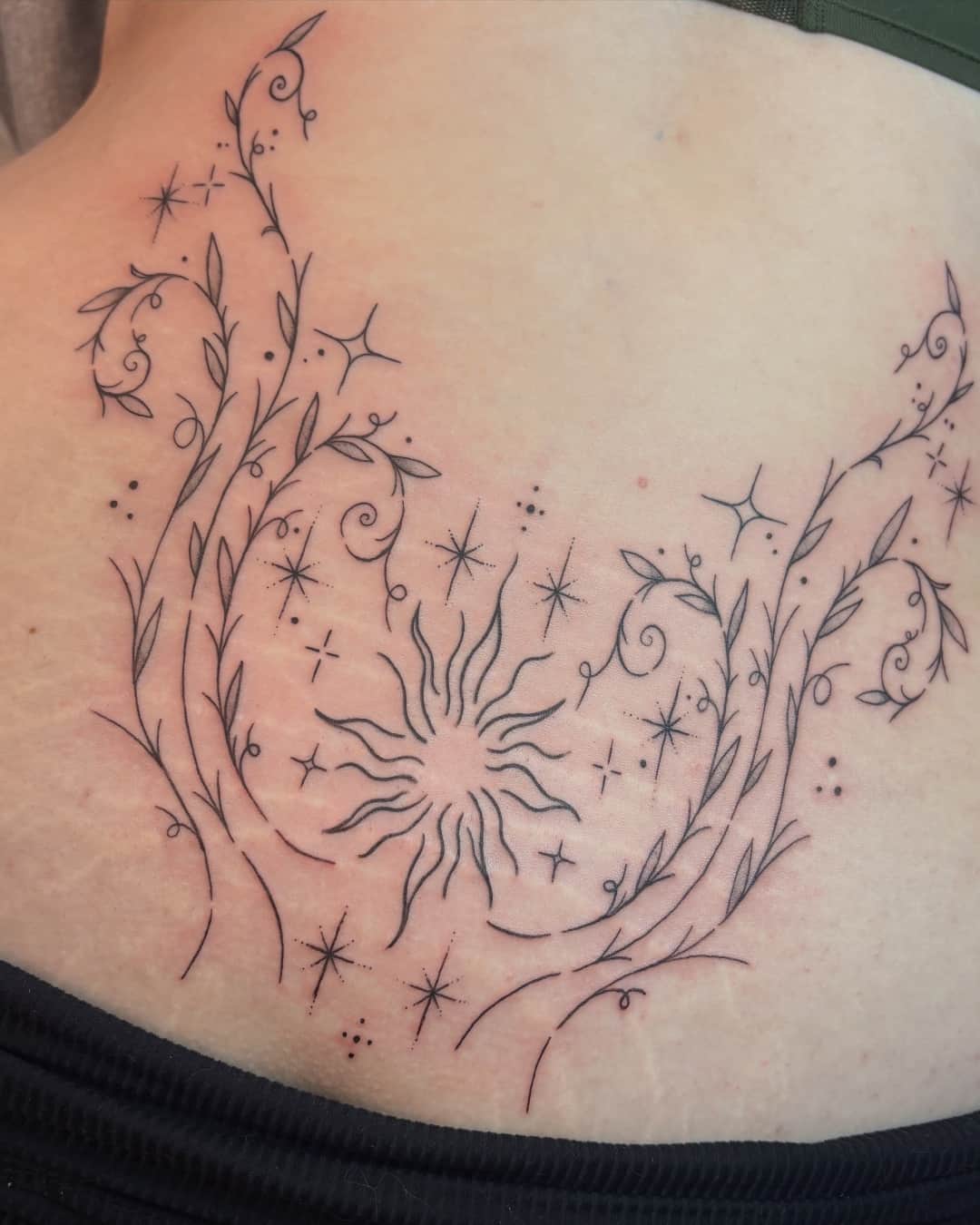
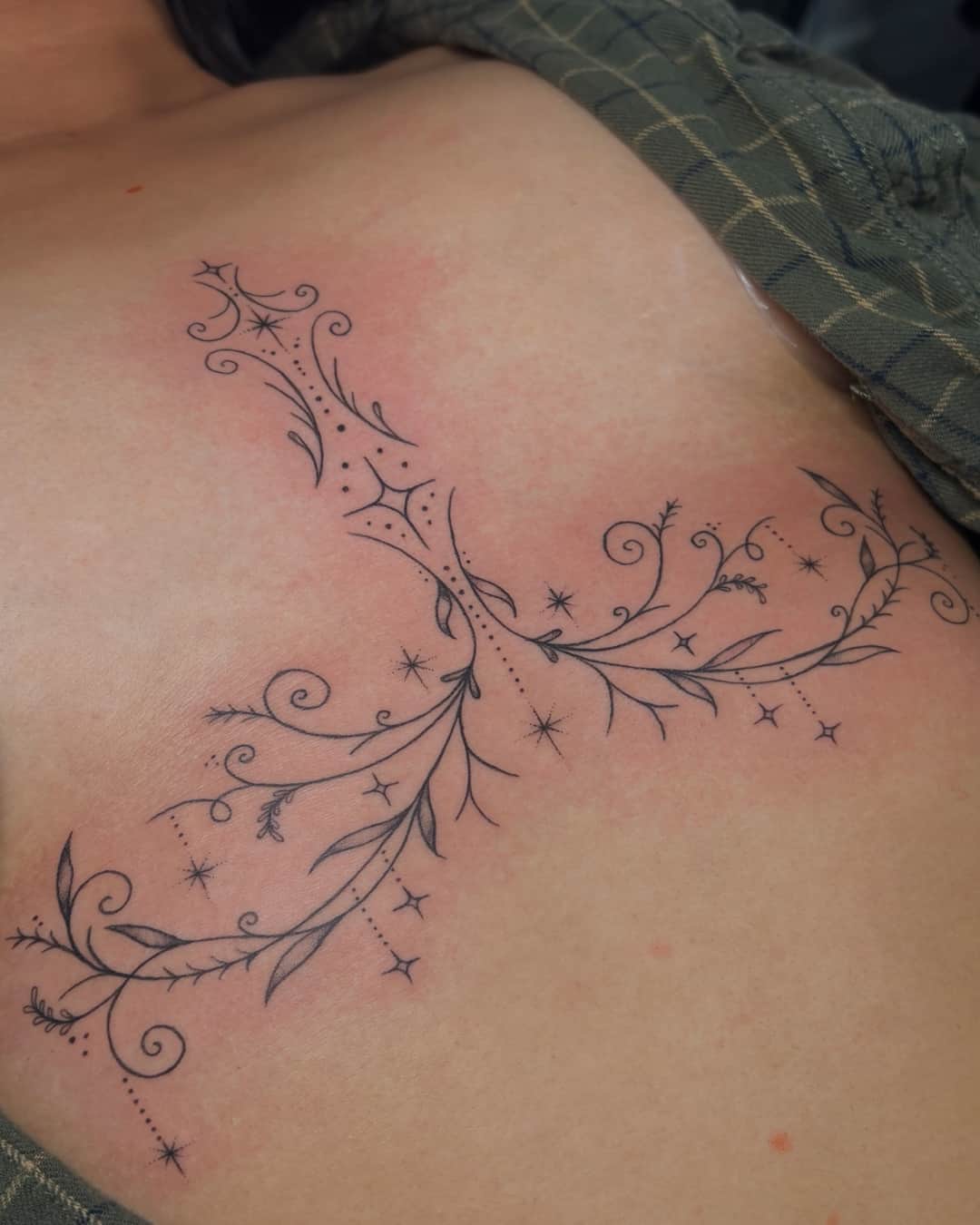
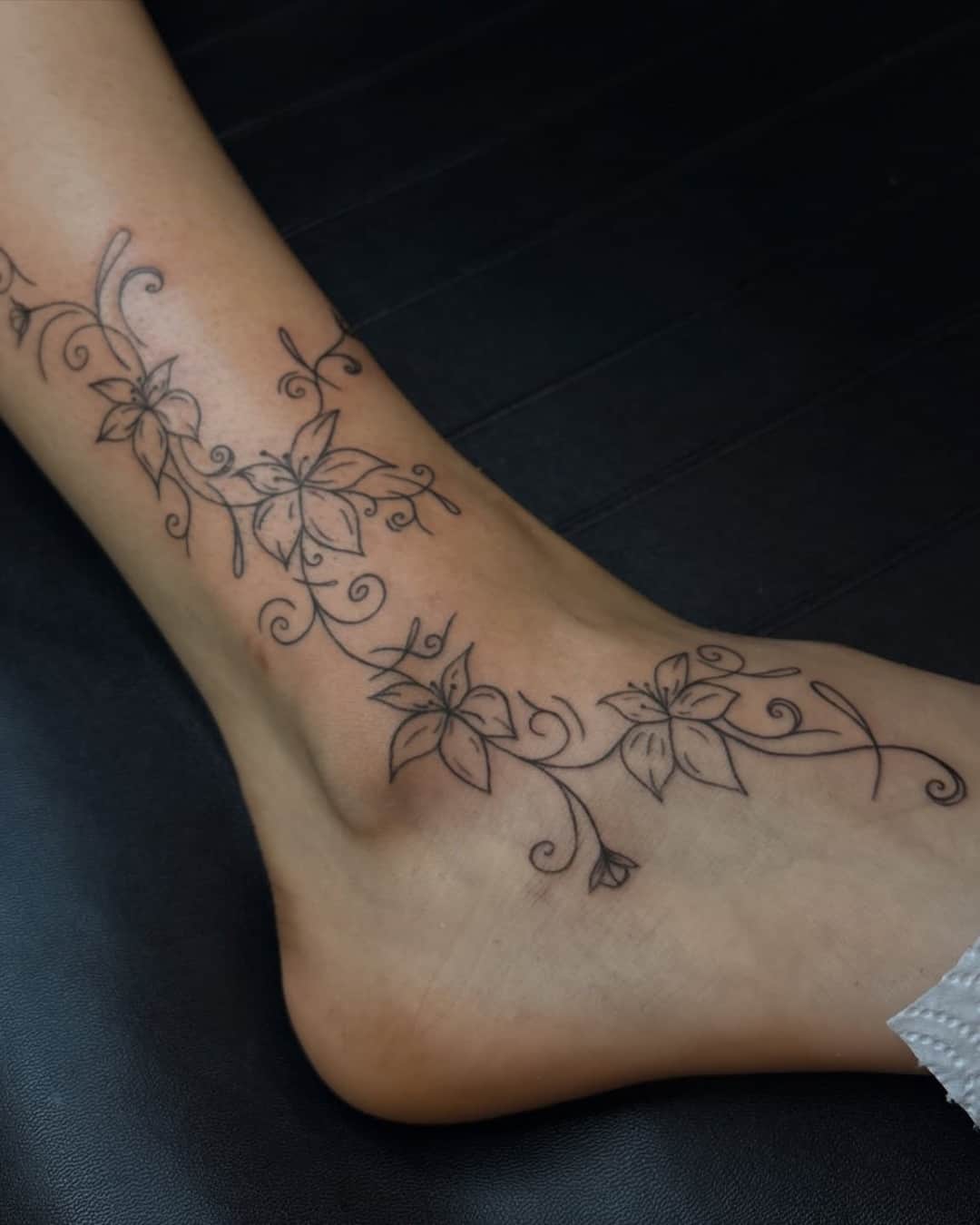
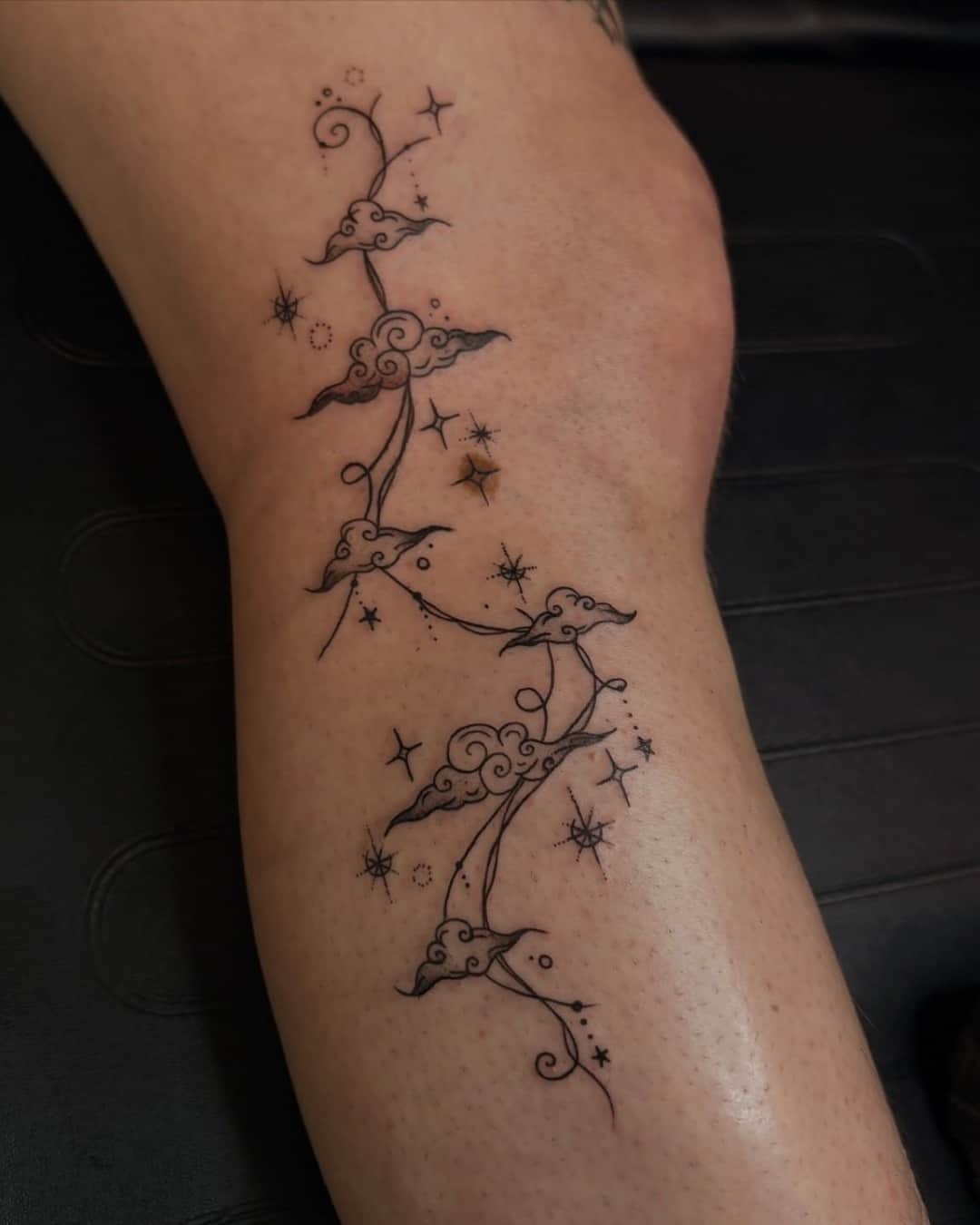
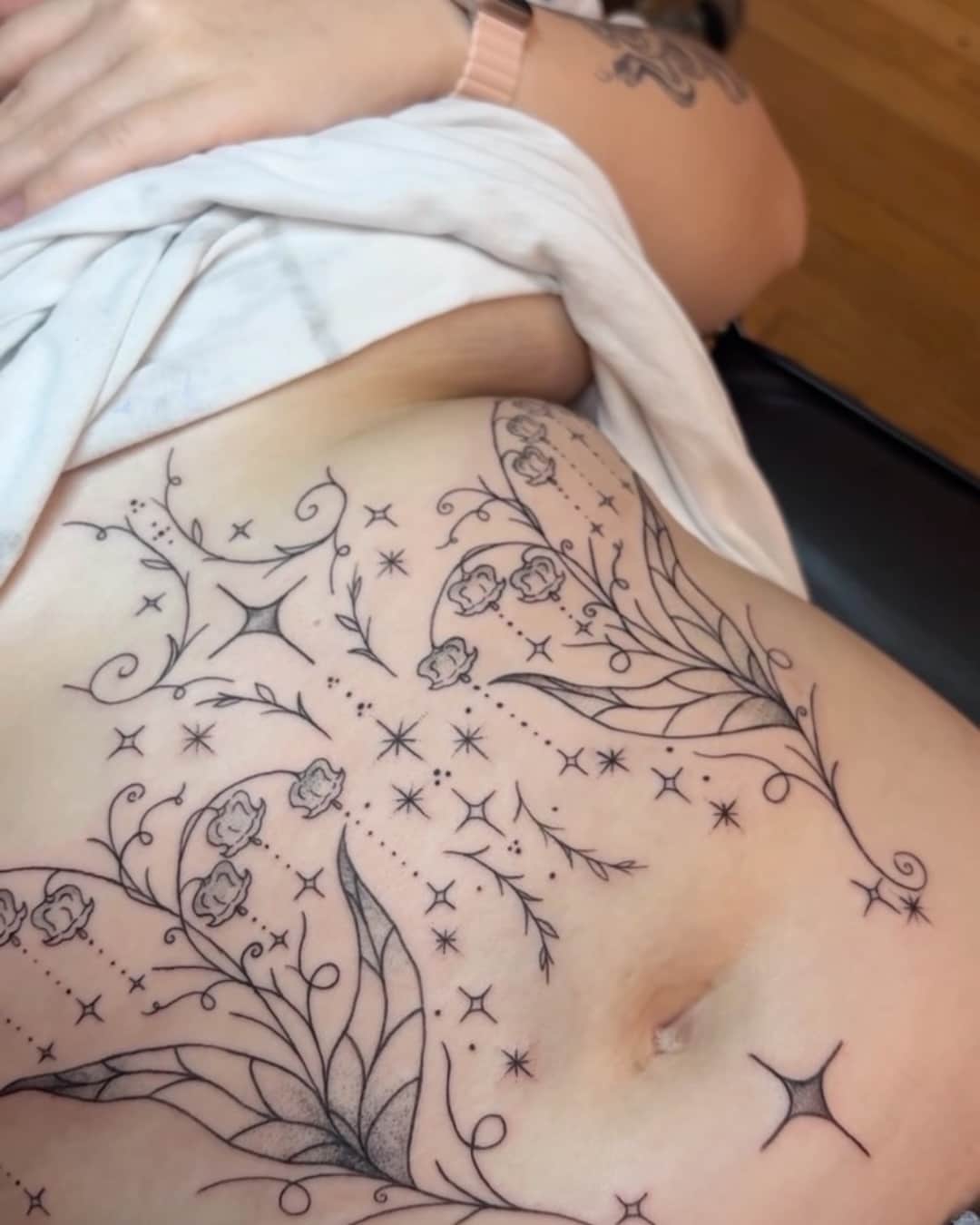
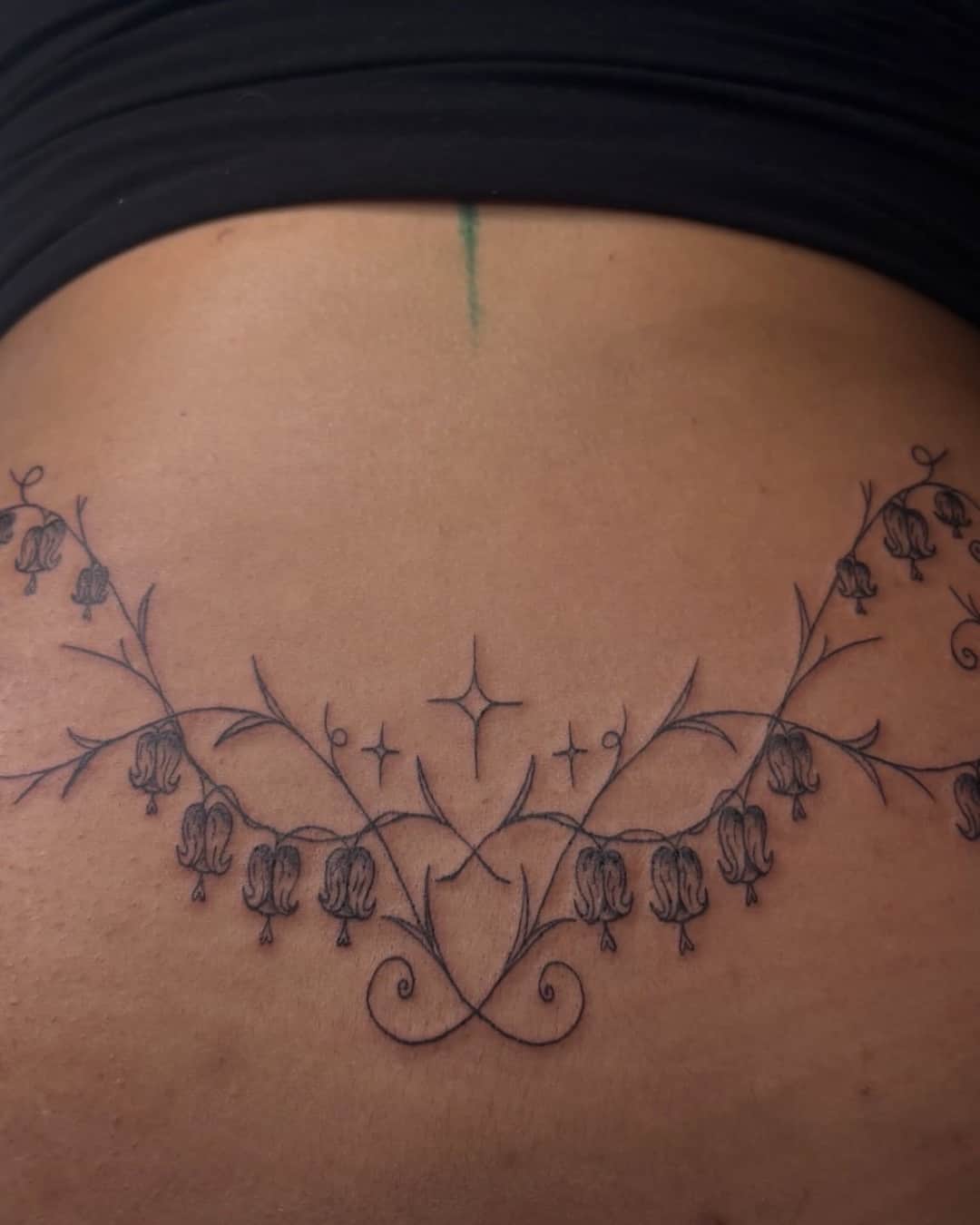
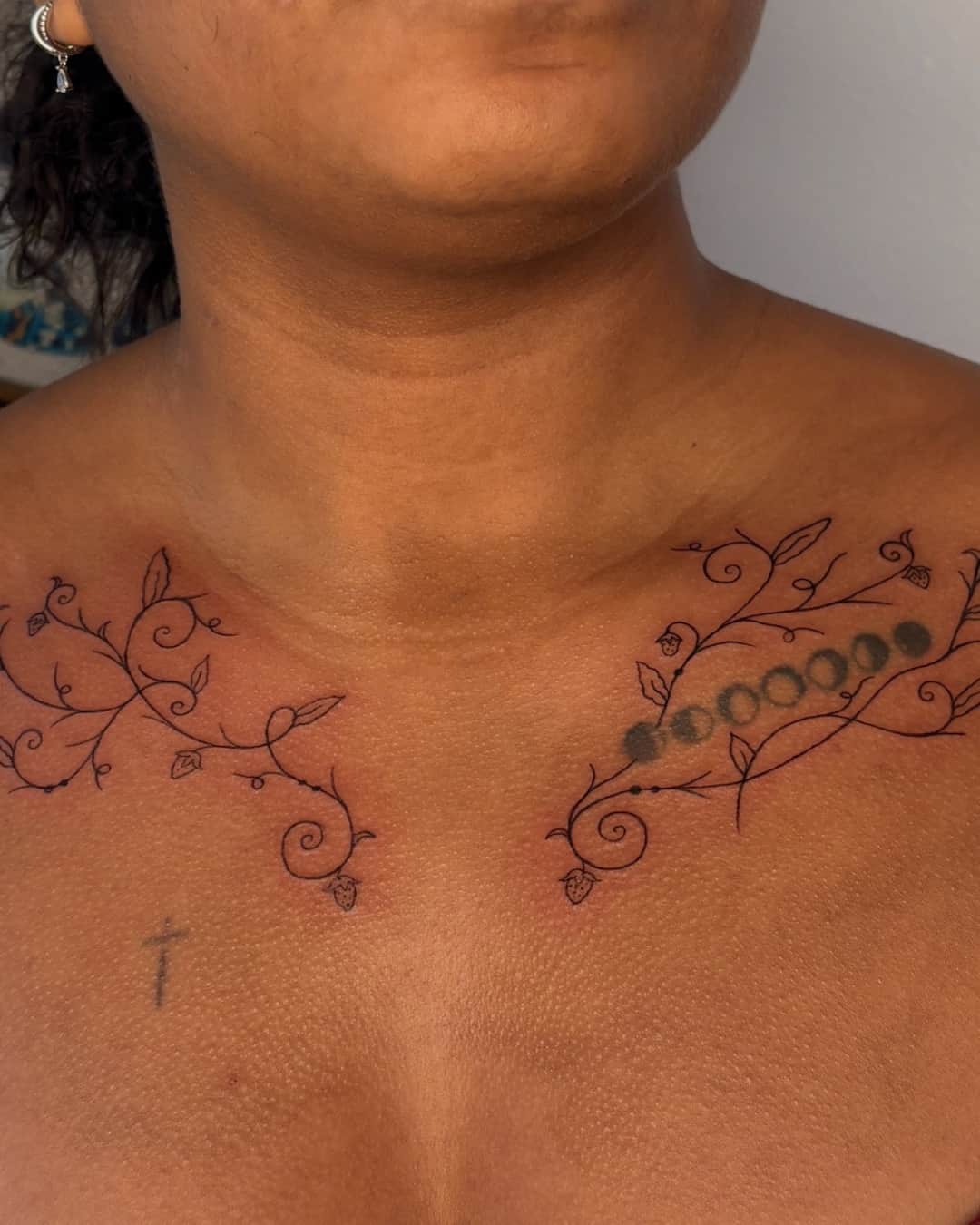
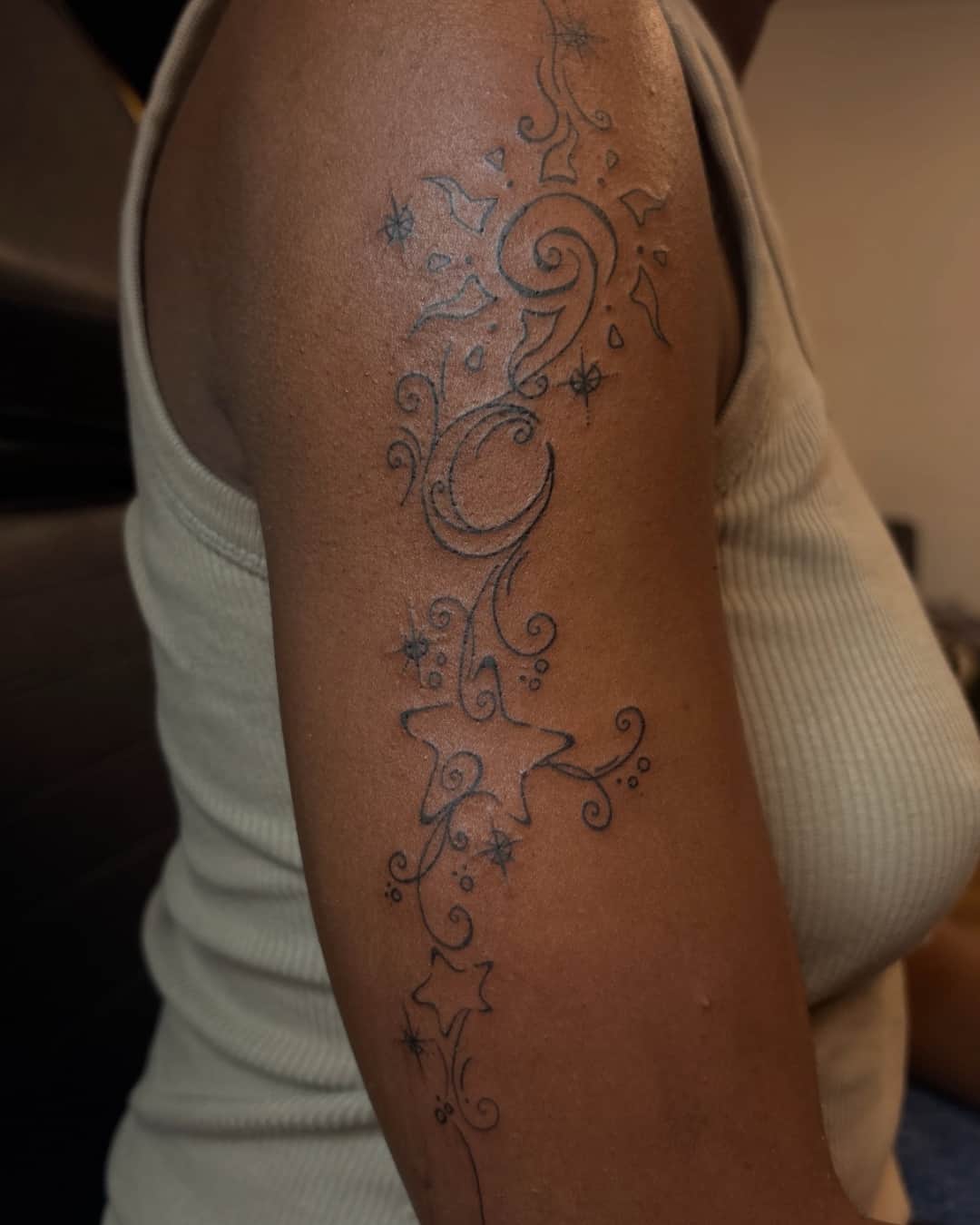
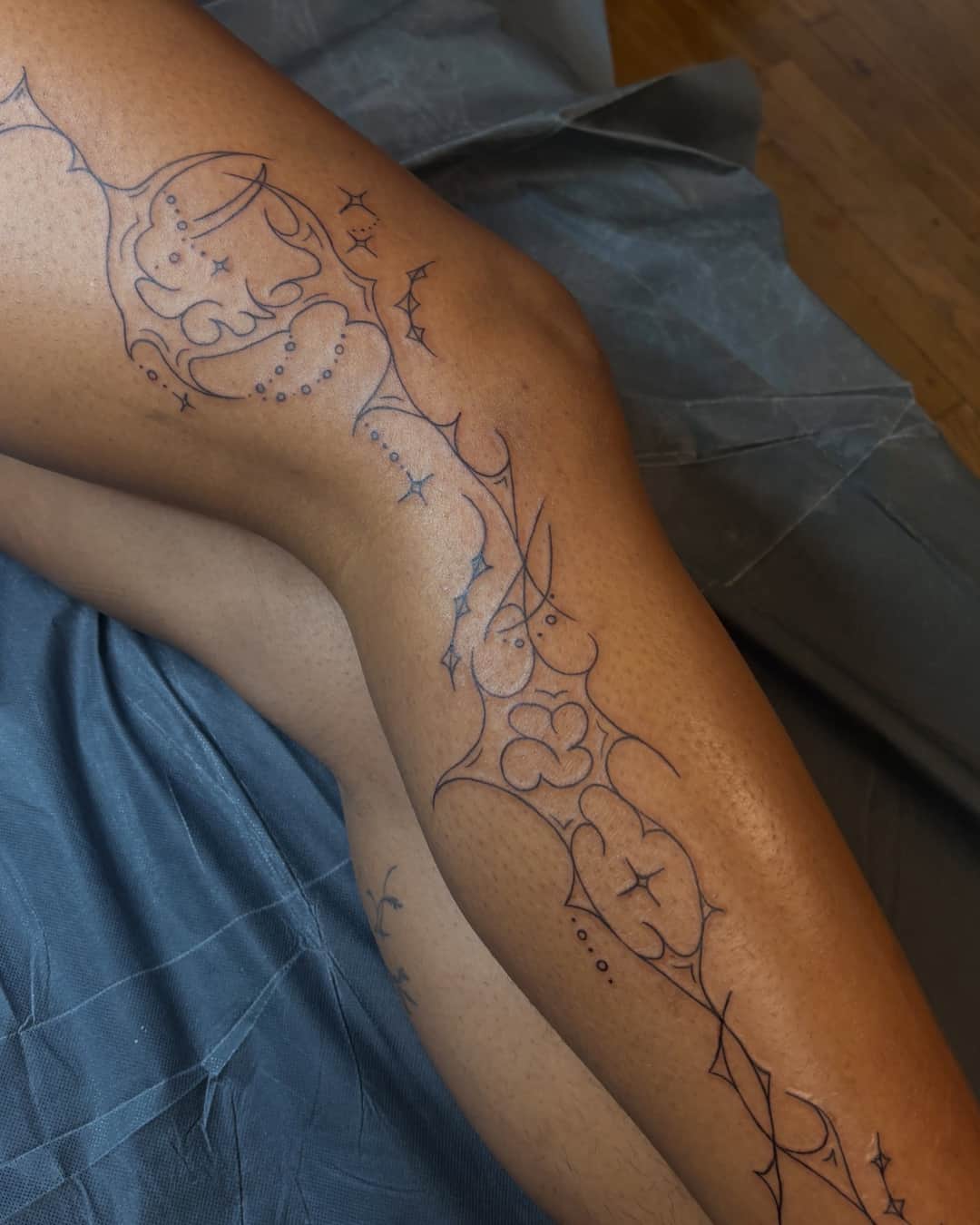
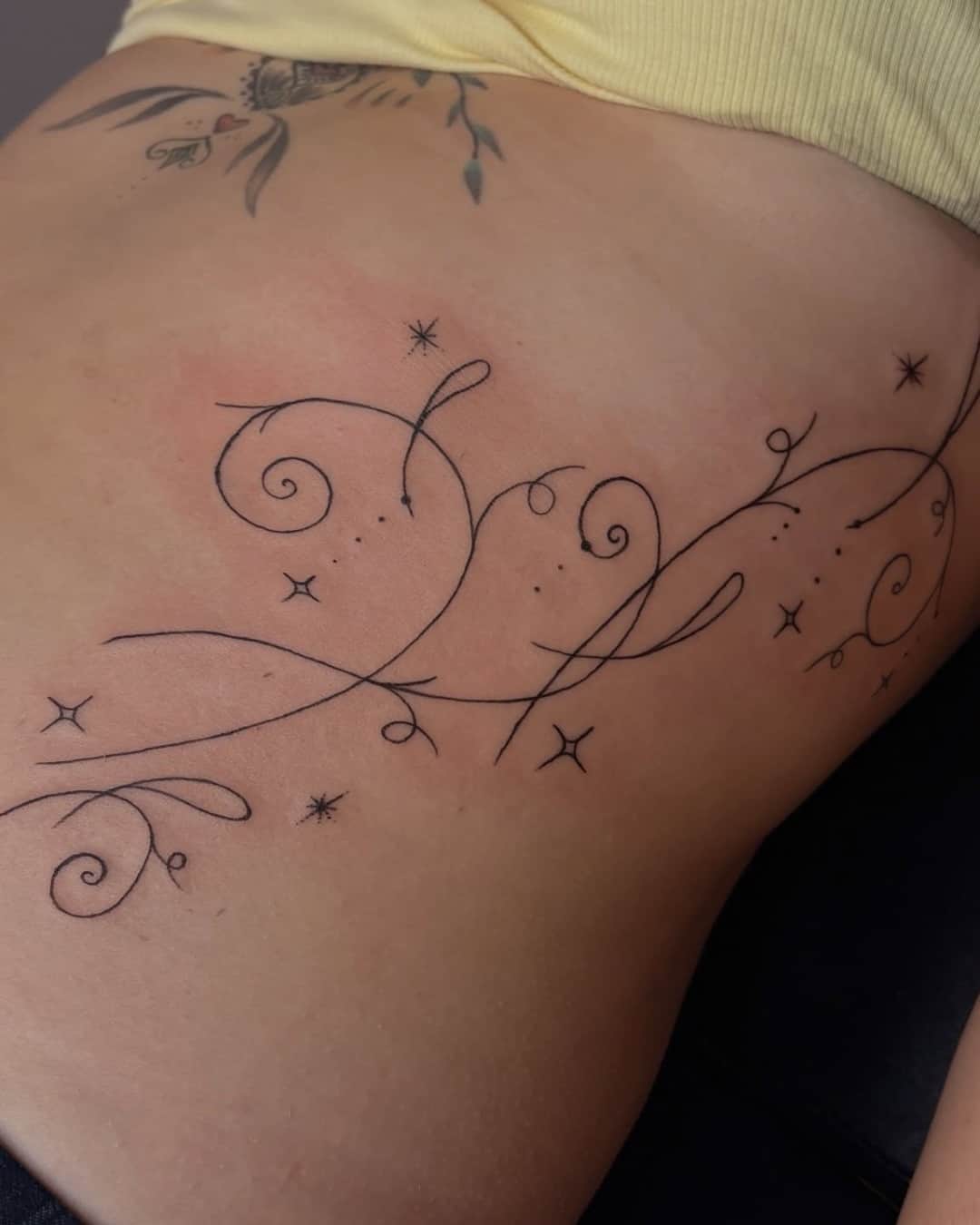
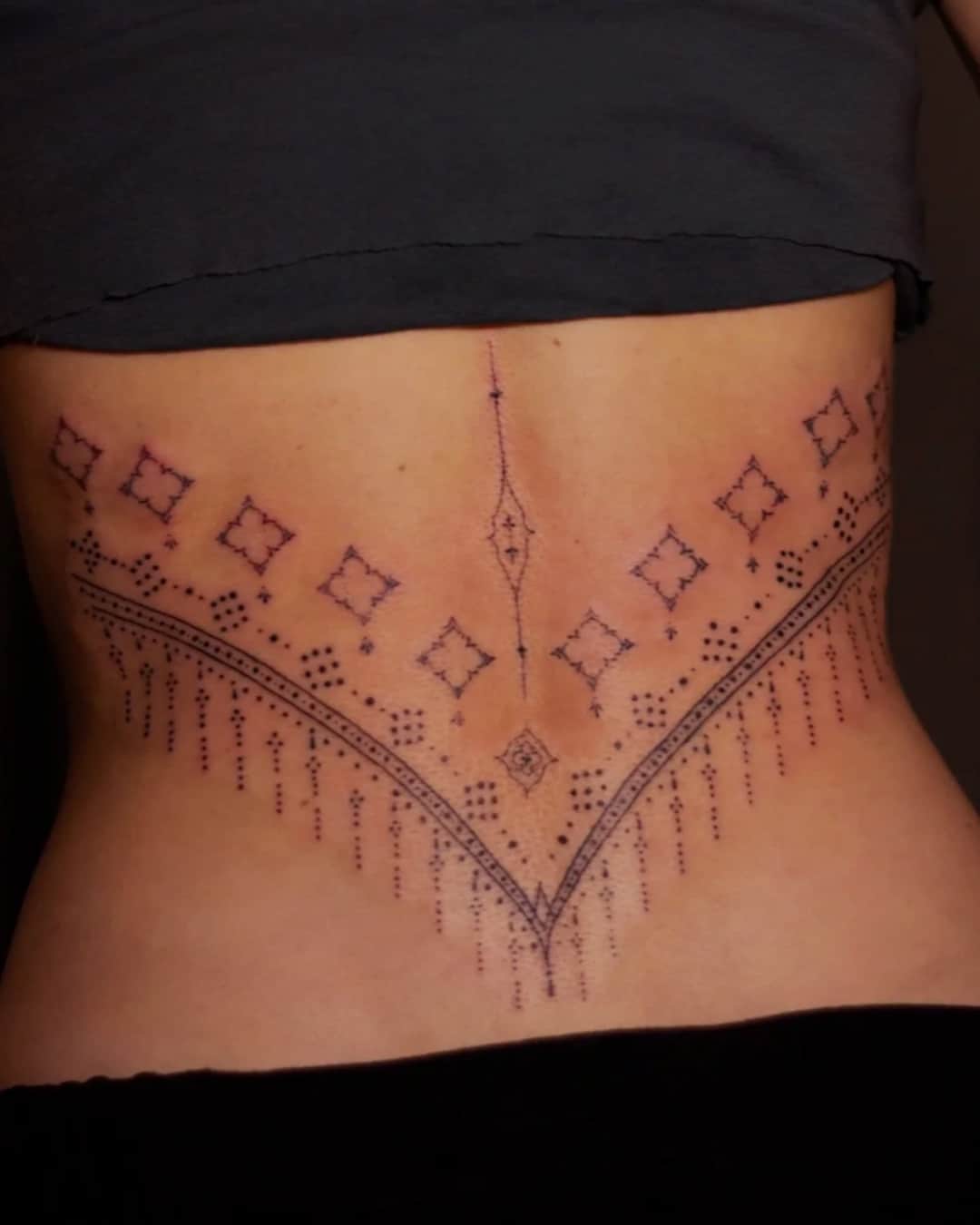
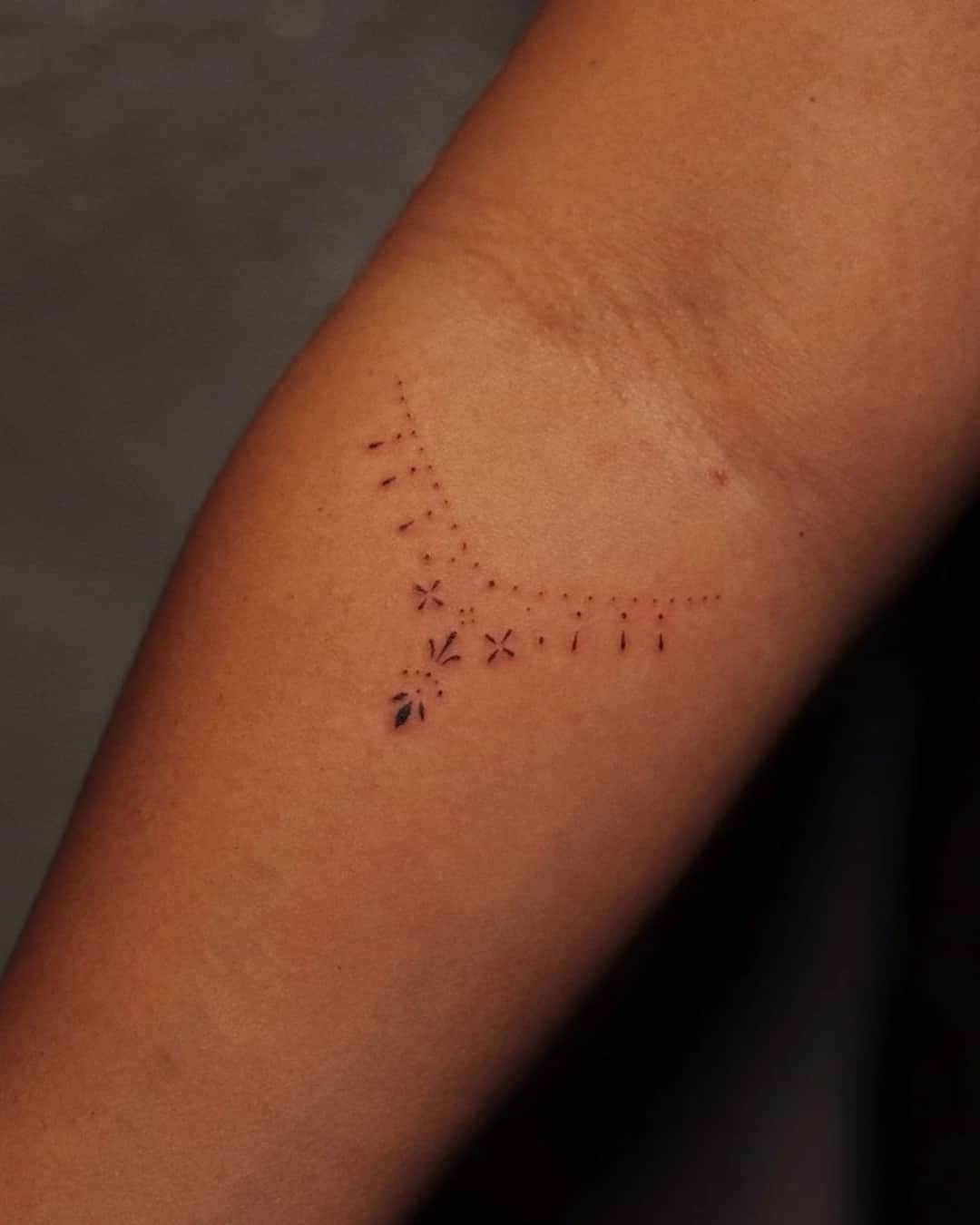
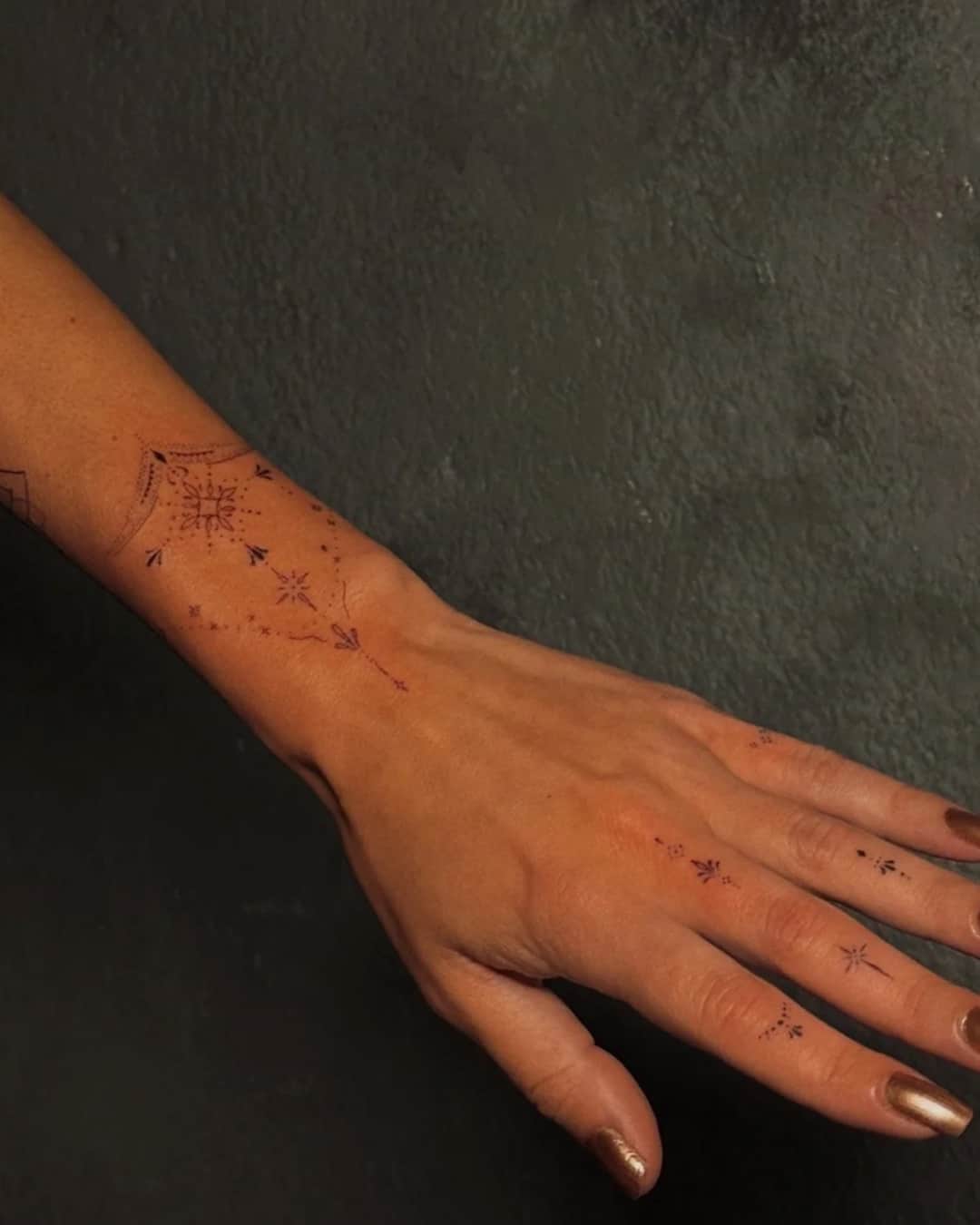
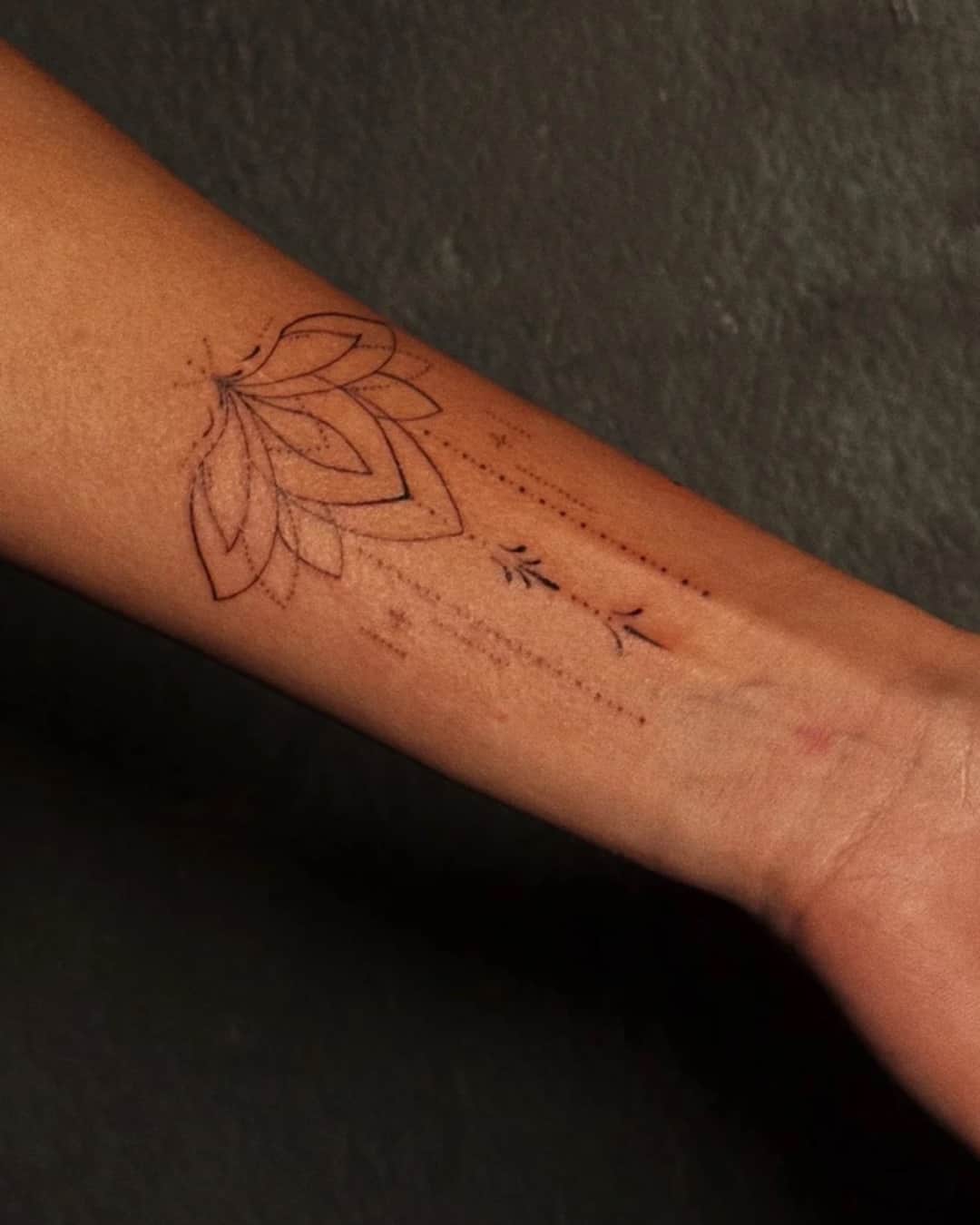
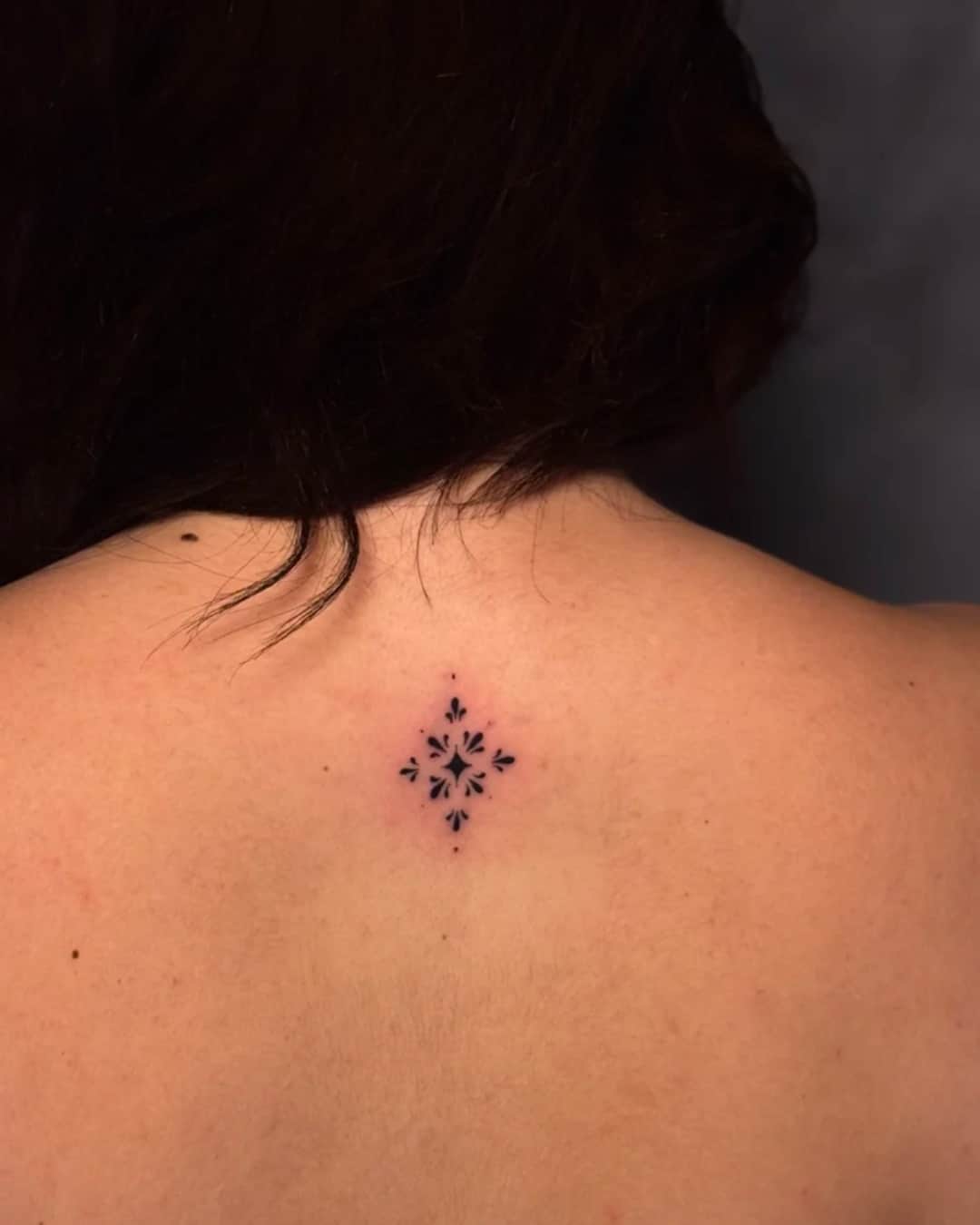
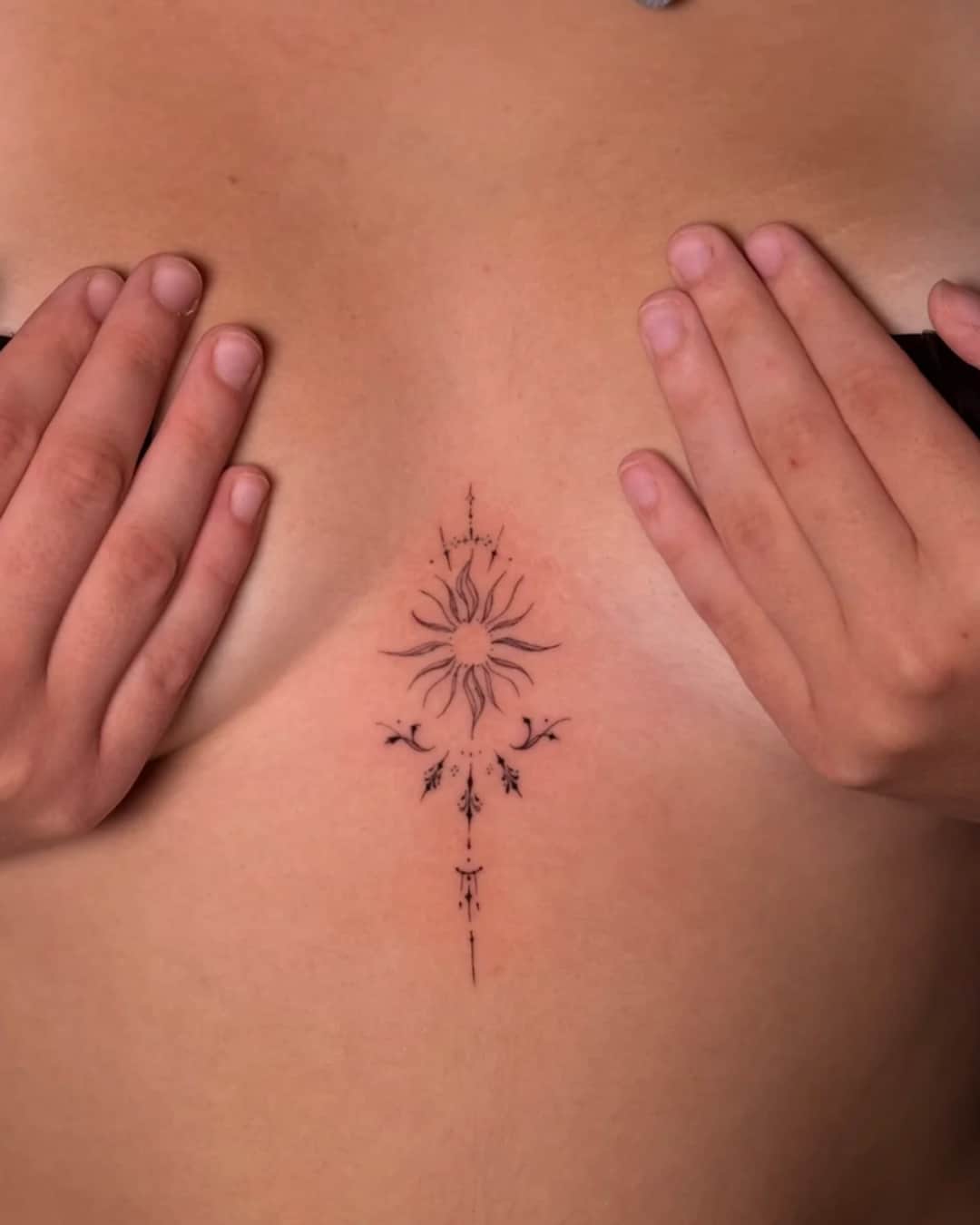
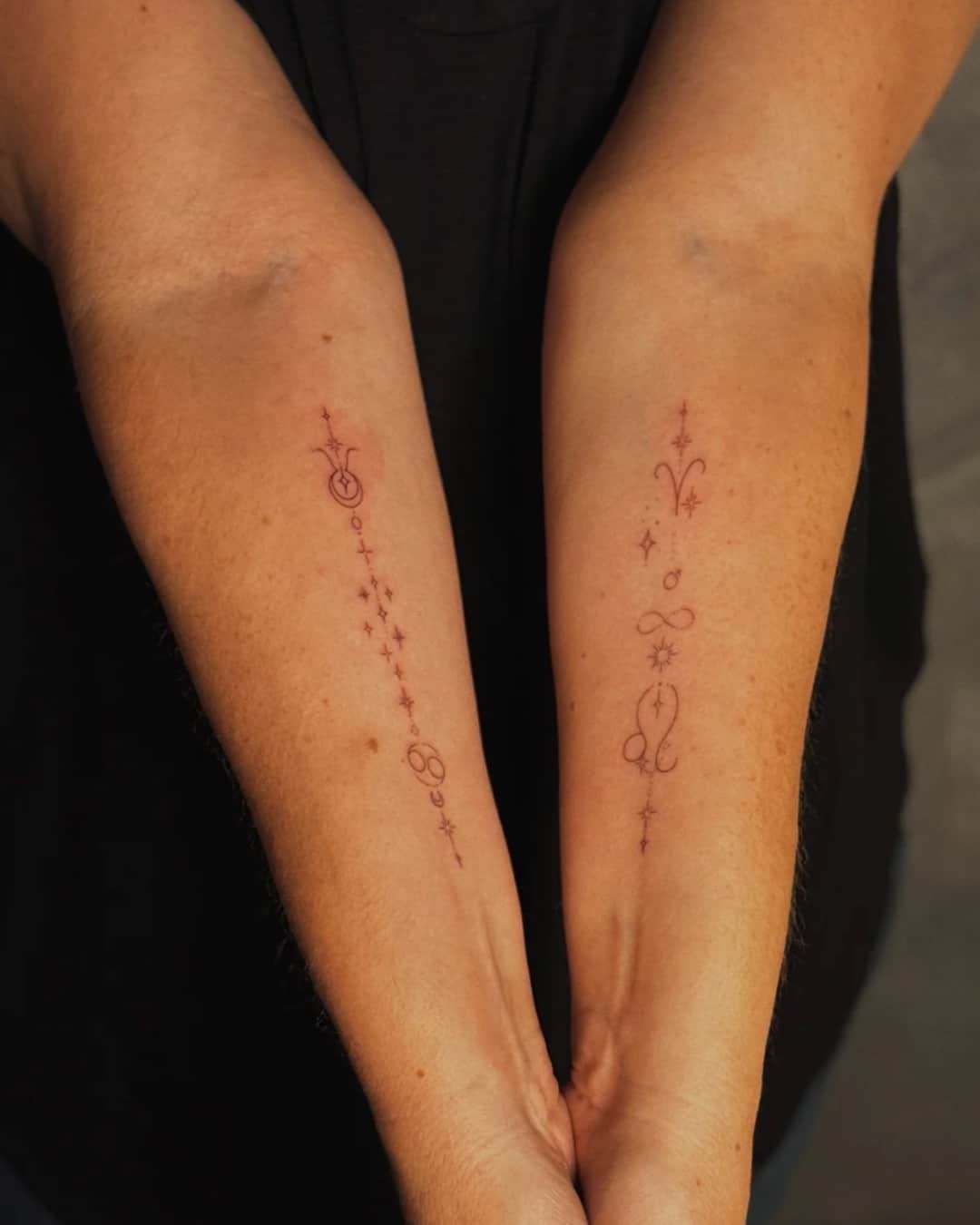
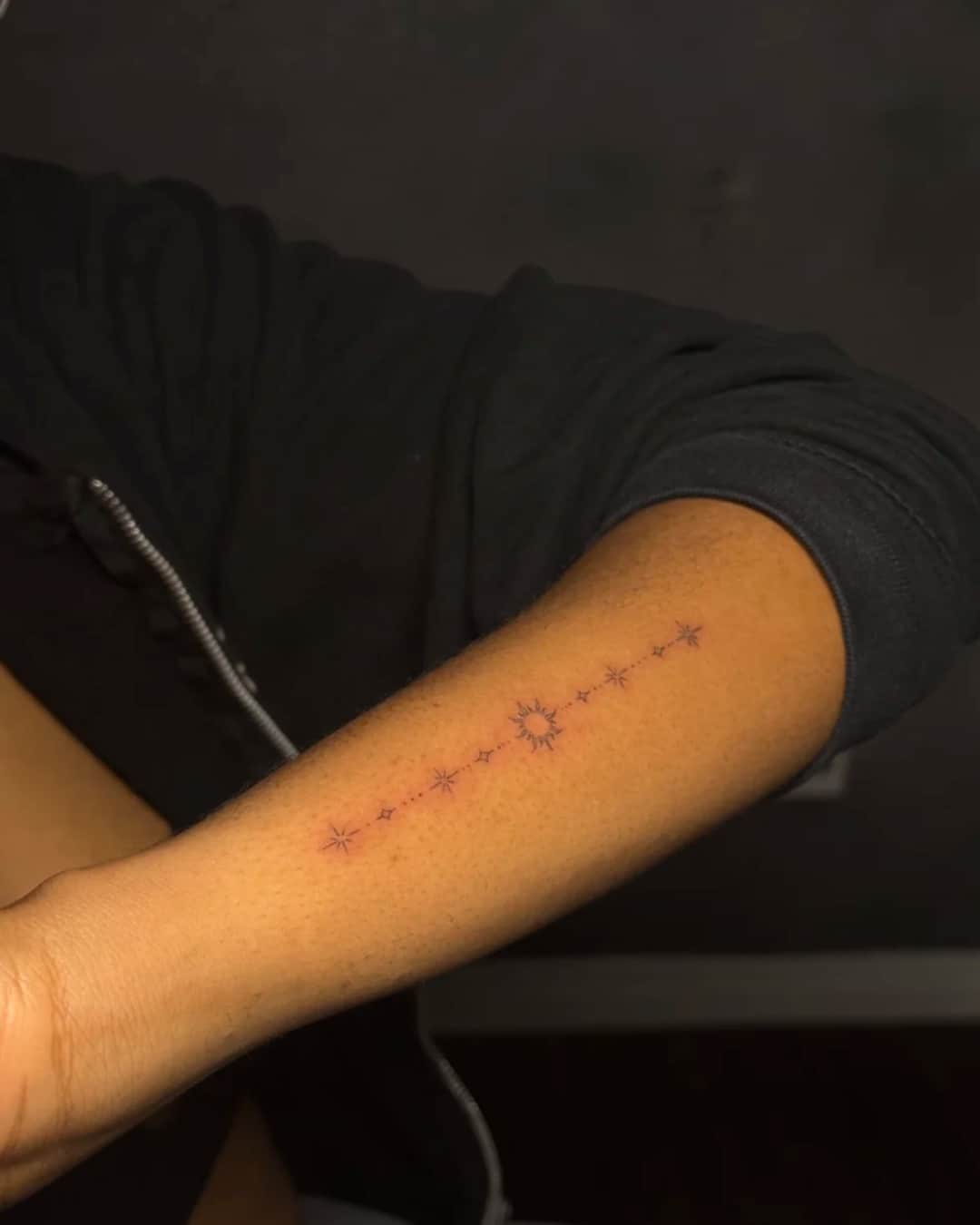
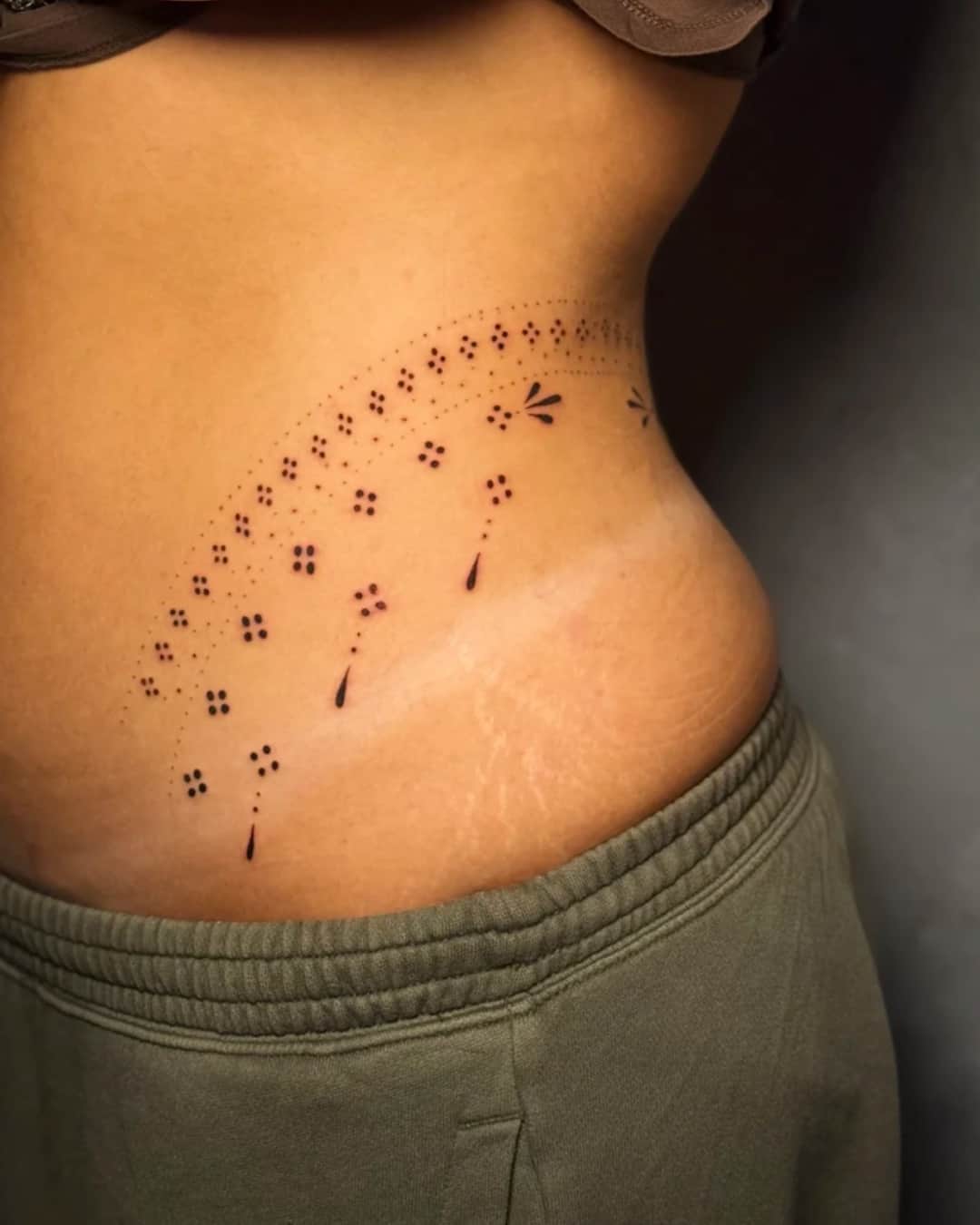
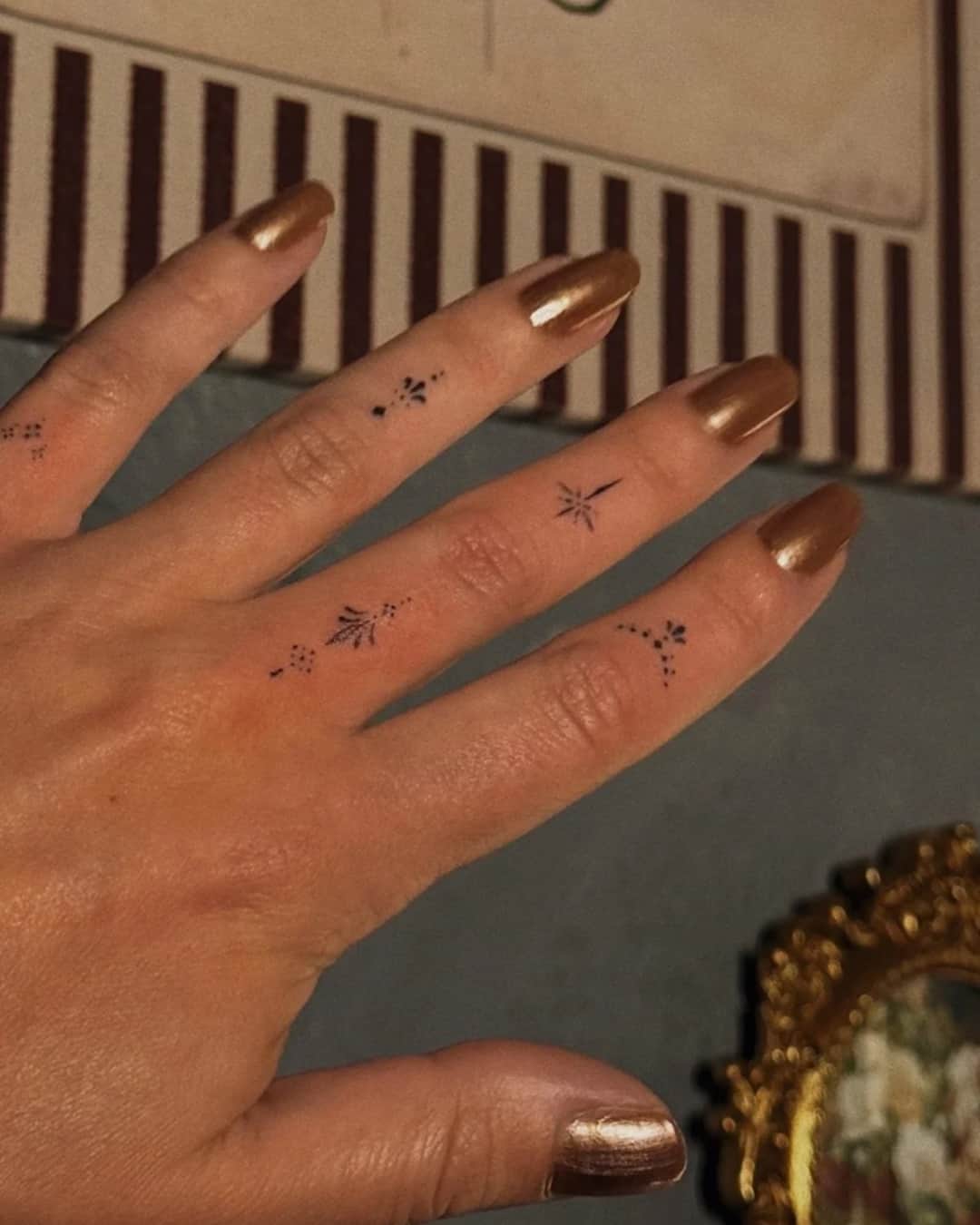
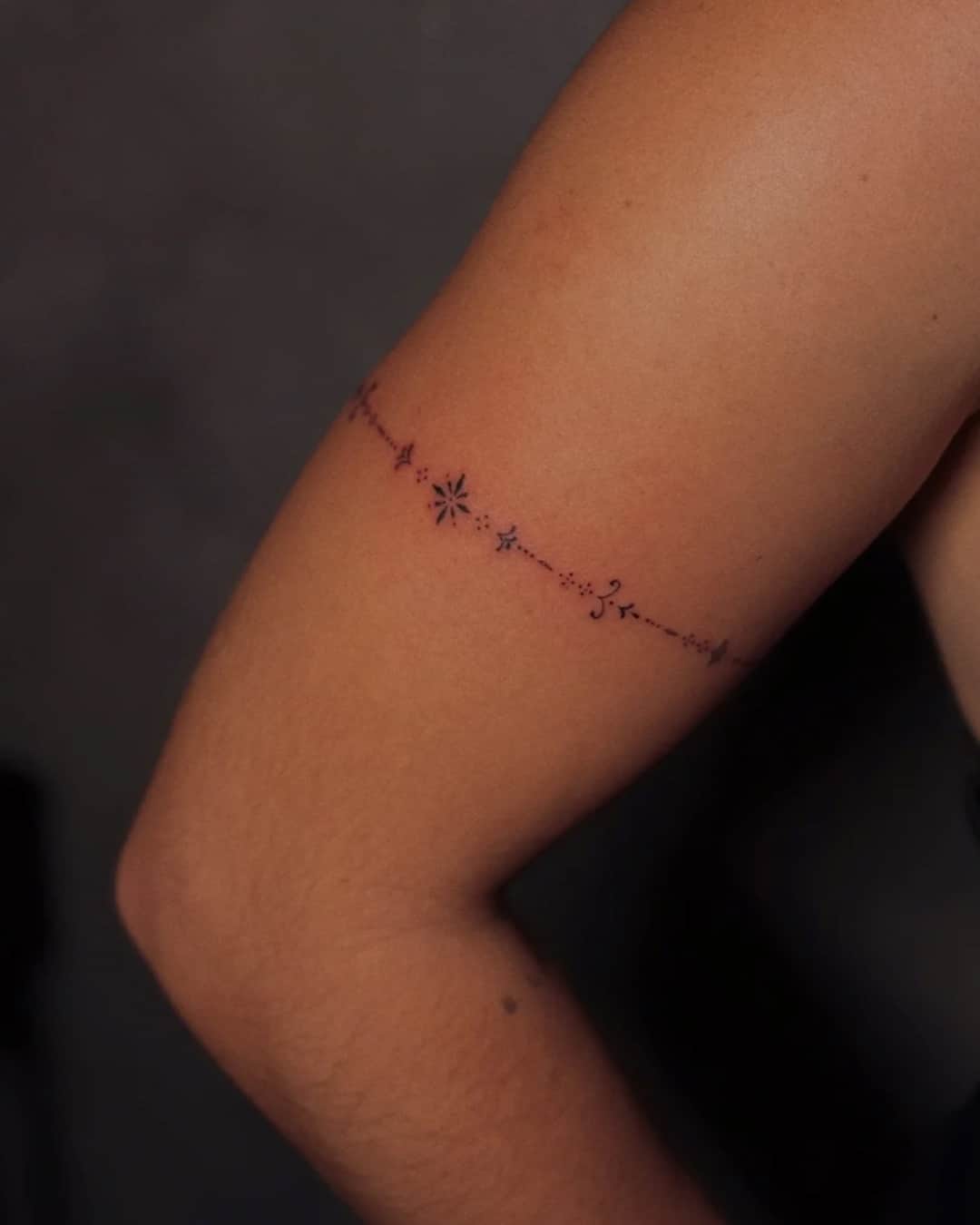
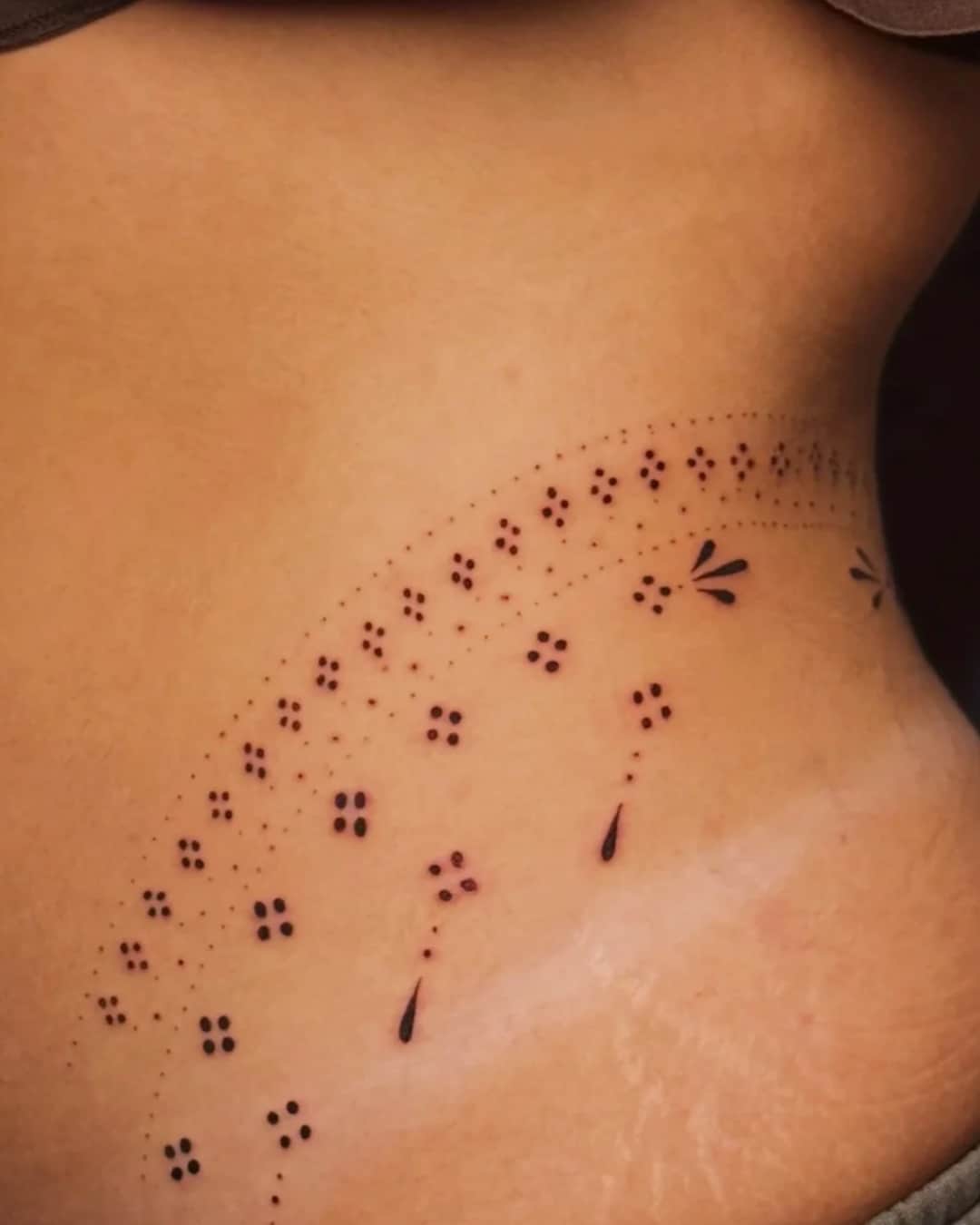
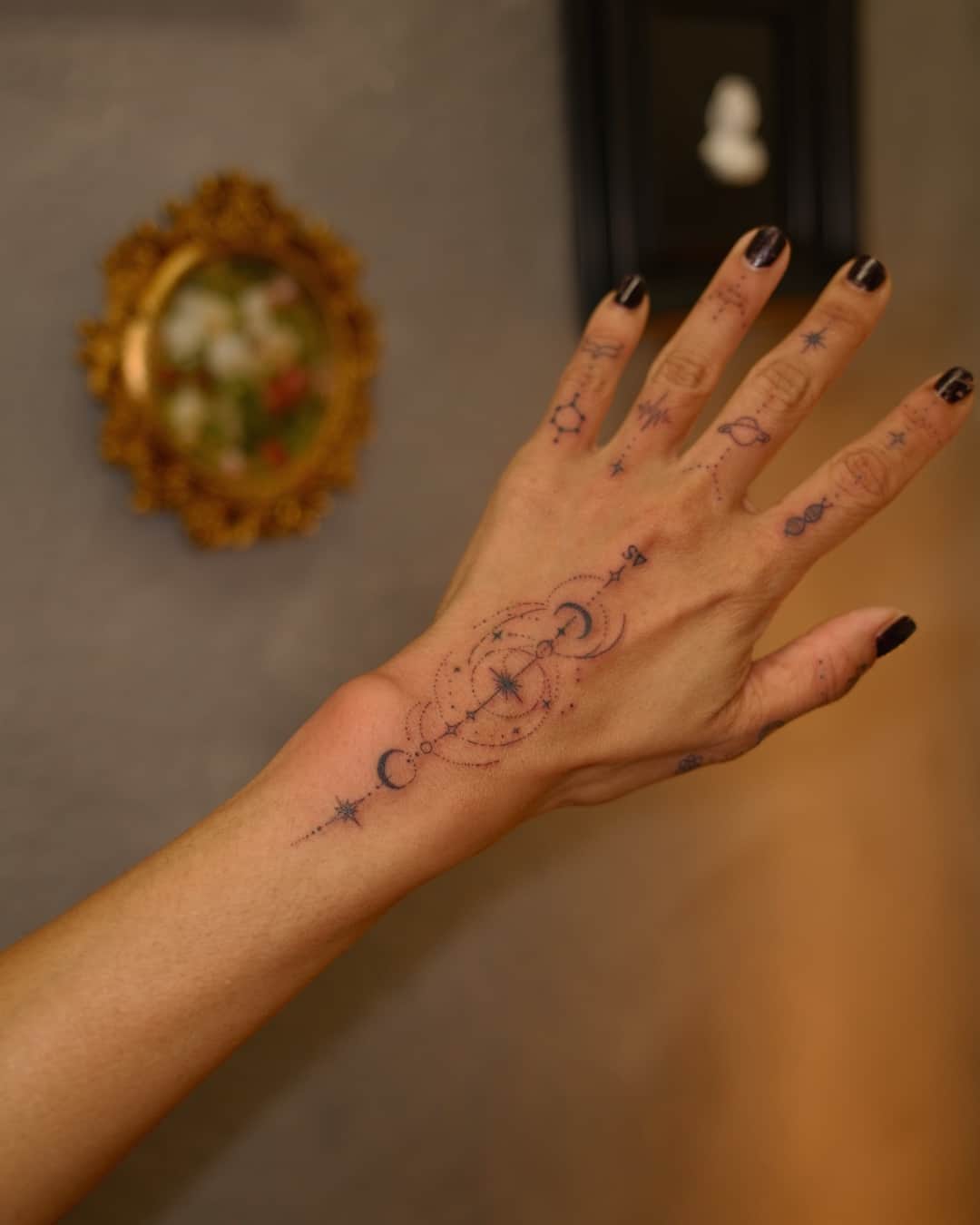
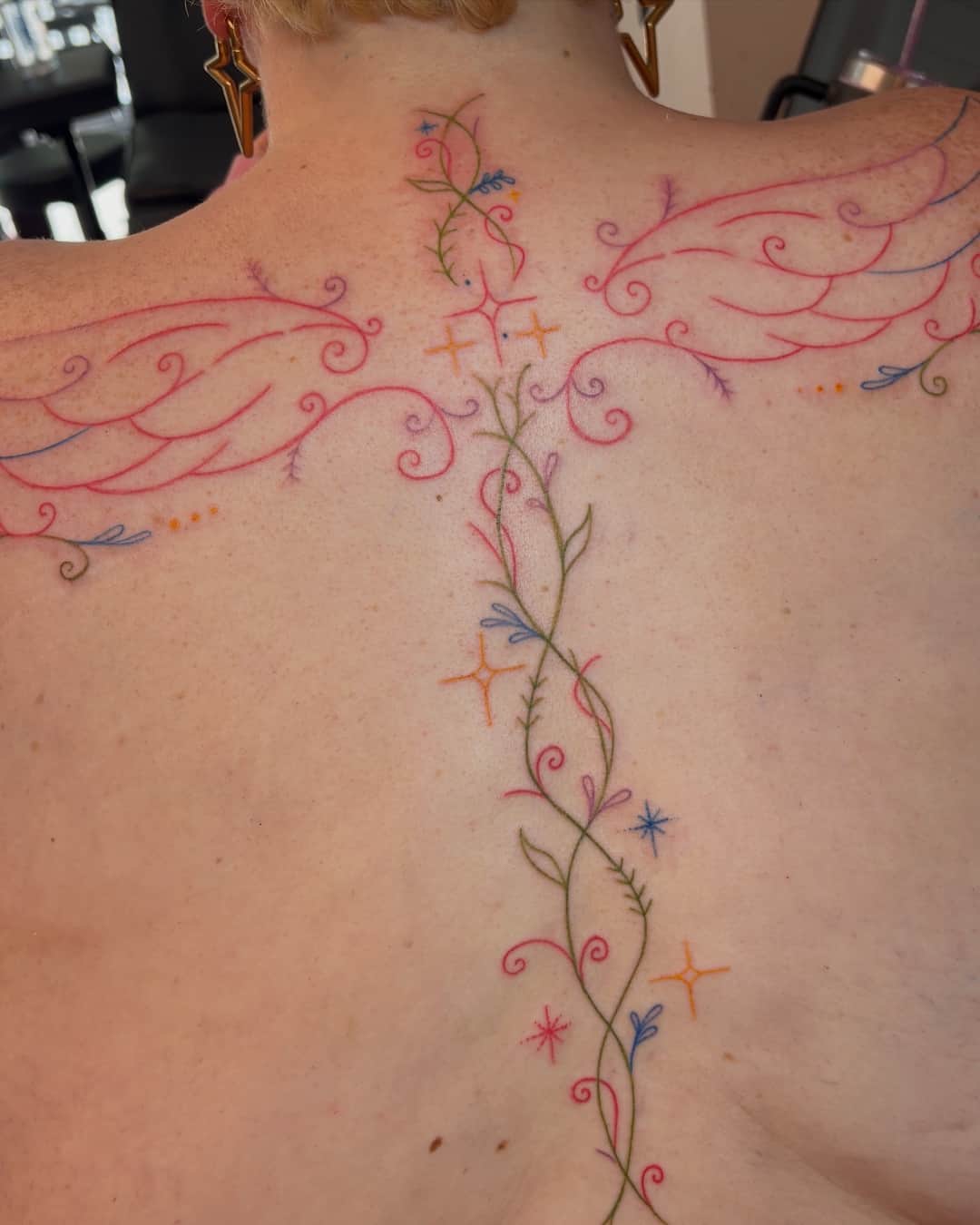
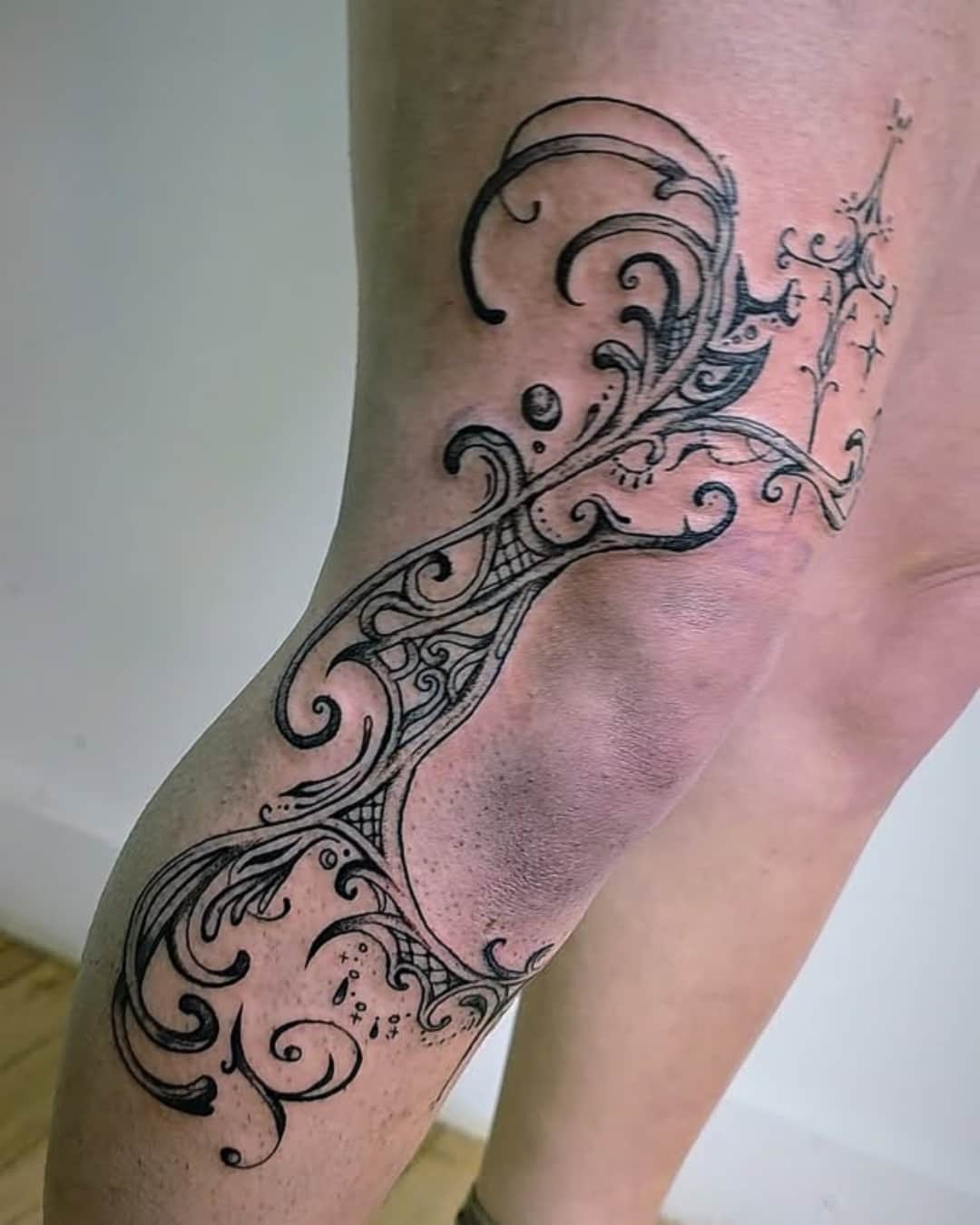
Ornamental tattooing comes from jewelry and lace: it tells no story, it adorns, and it follows the line of the body.
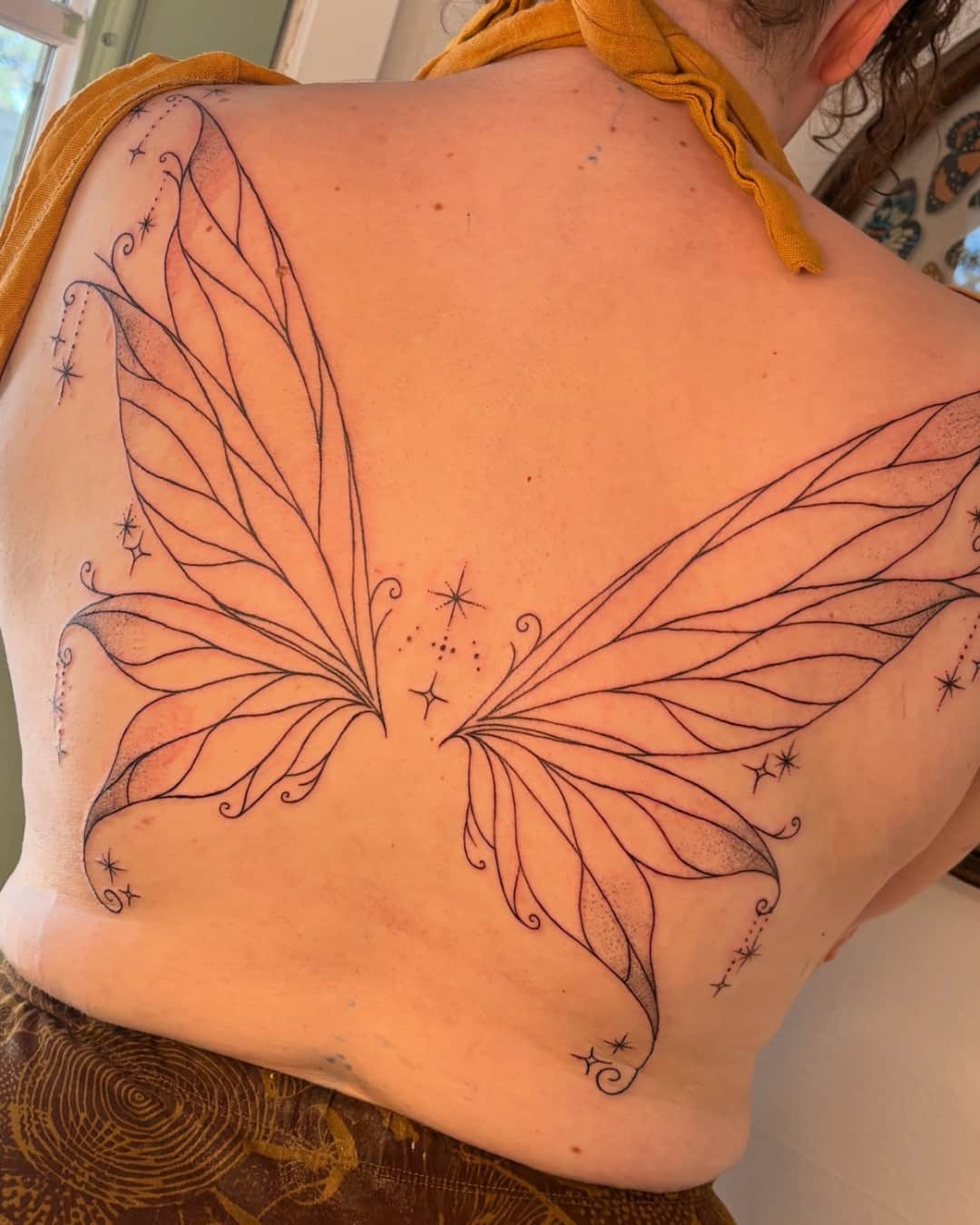
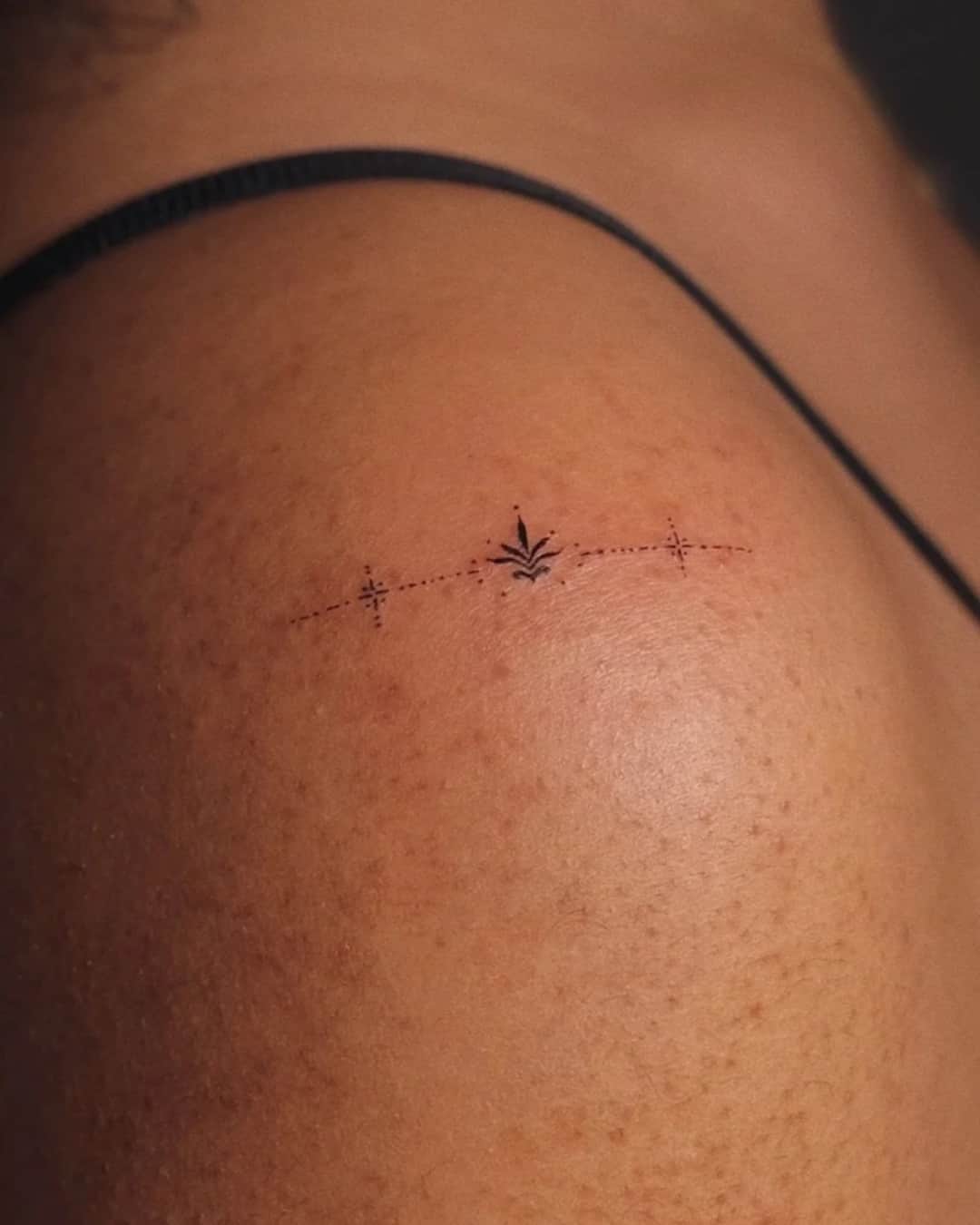
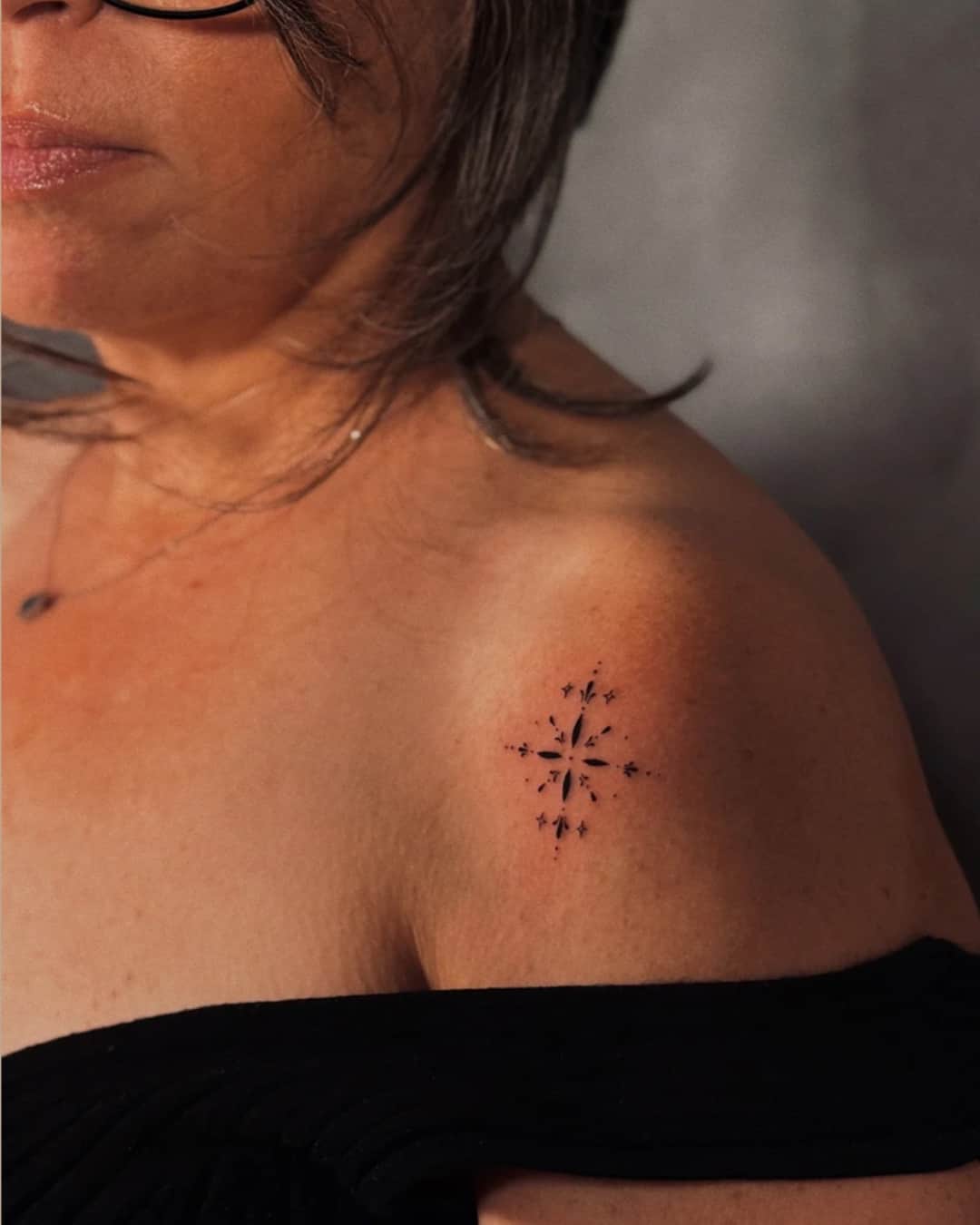
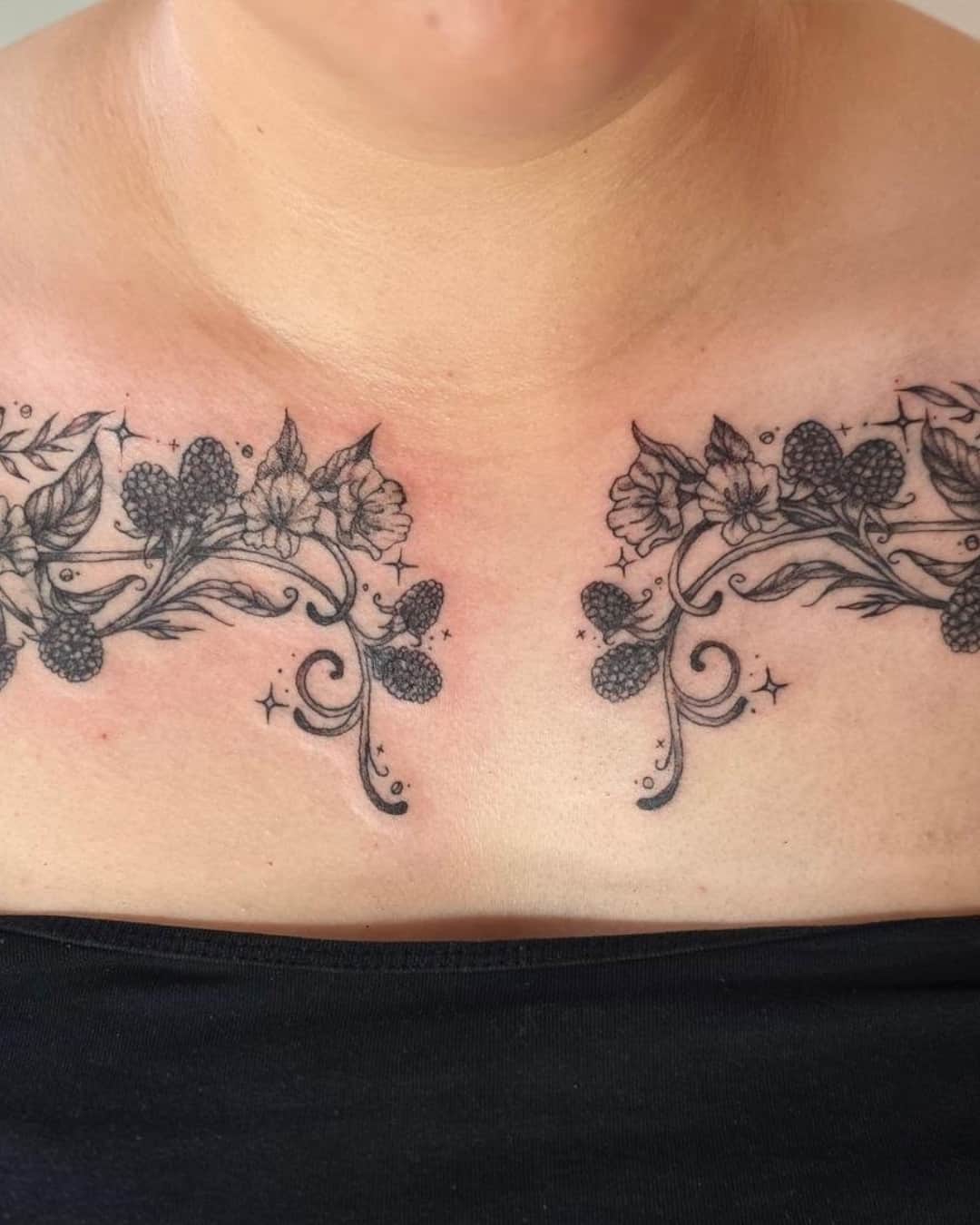
On YokoFolio, pick the style Ornamental and then your city, and widen the radius if the list is short. Good ornamental work is recognizable by one thing: the design follows the line of the body instead of sitting on top of it. Look at photos taken on the body, arm raised or back arched, rather than flat drawings. Look for successful symmetrical pieces too — that's where the craft shows, because no body is truly symmetrical.
Generally no, and that's deliberate: ornamental work comes from jewelry, lace and ironwork, not from symbolism. It adorns, it underlines a collarbone or a hip, and that's the whole of its purpose. Some motifs borrowed from Indian, Ottoman or Baroque traditions do carry an original meaning, so read up before you take a specific one. Otherwise the question to ask isn't what the design means, but where it's going to live on you.
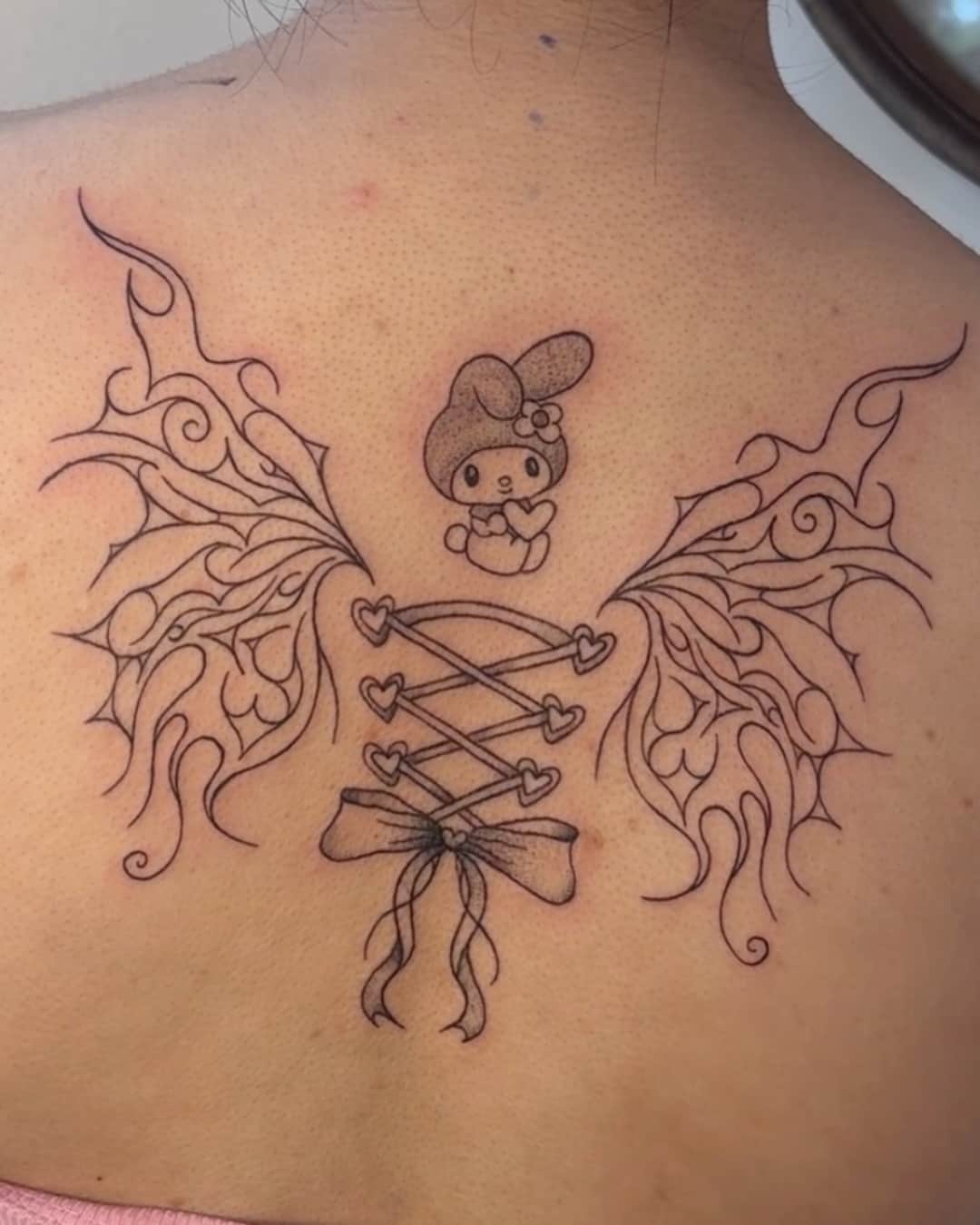
Gothic ornamental draws on stained glass, ironwork and medieval imagery; it's dense, in solid black. Folk takes up the embroidery and peasant motifs of Eastern and Northern Europe. The fine line version draws jewelry that's almost transparent, in high demand as a necklace or a bracelet. Bold works in thick line and solid fill, for pieces that read from a distance and last a very long time. Plenty of artists mix all four.
Wherever the body offers a line to underline: the collarbone, the groove of the sternum, the round of the shoulder, the crest of the hip, the small of the back, around the thigh. The right move is to bring your artist the area you want dressed rather than a specific drawing — they'll compose for that anatomy. Think about clothes too: a collarbone ornament that every neckline you own covers up loses half its point.