Filters

2 tattoo artists · 1 tattoo shop
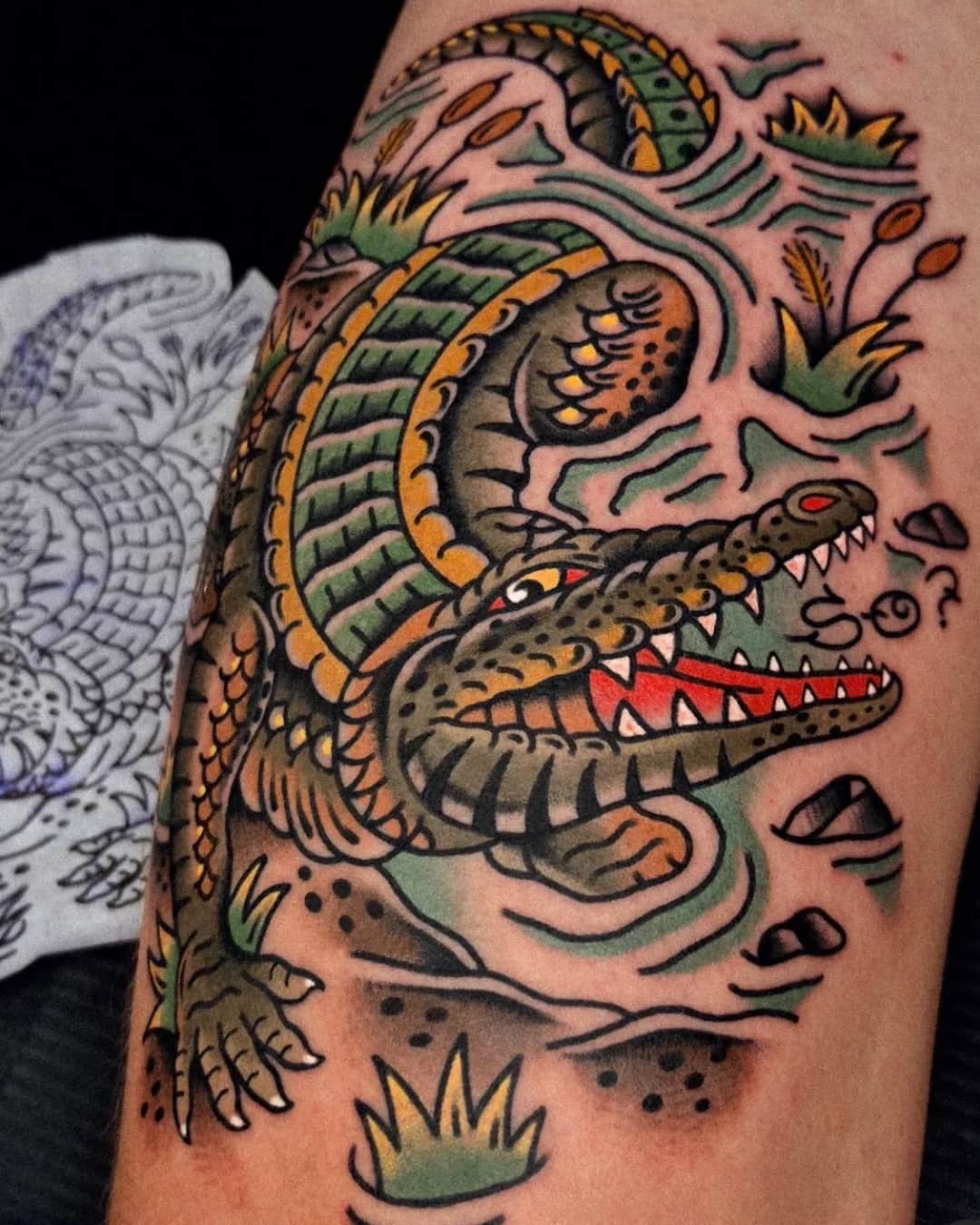
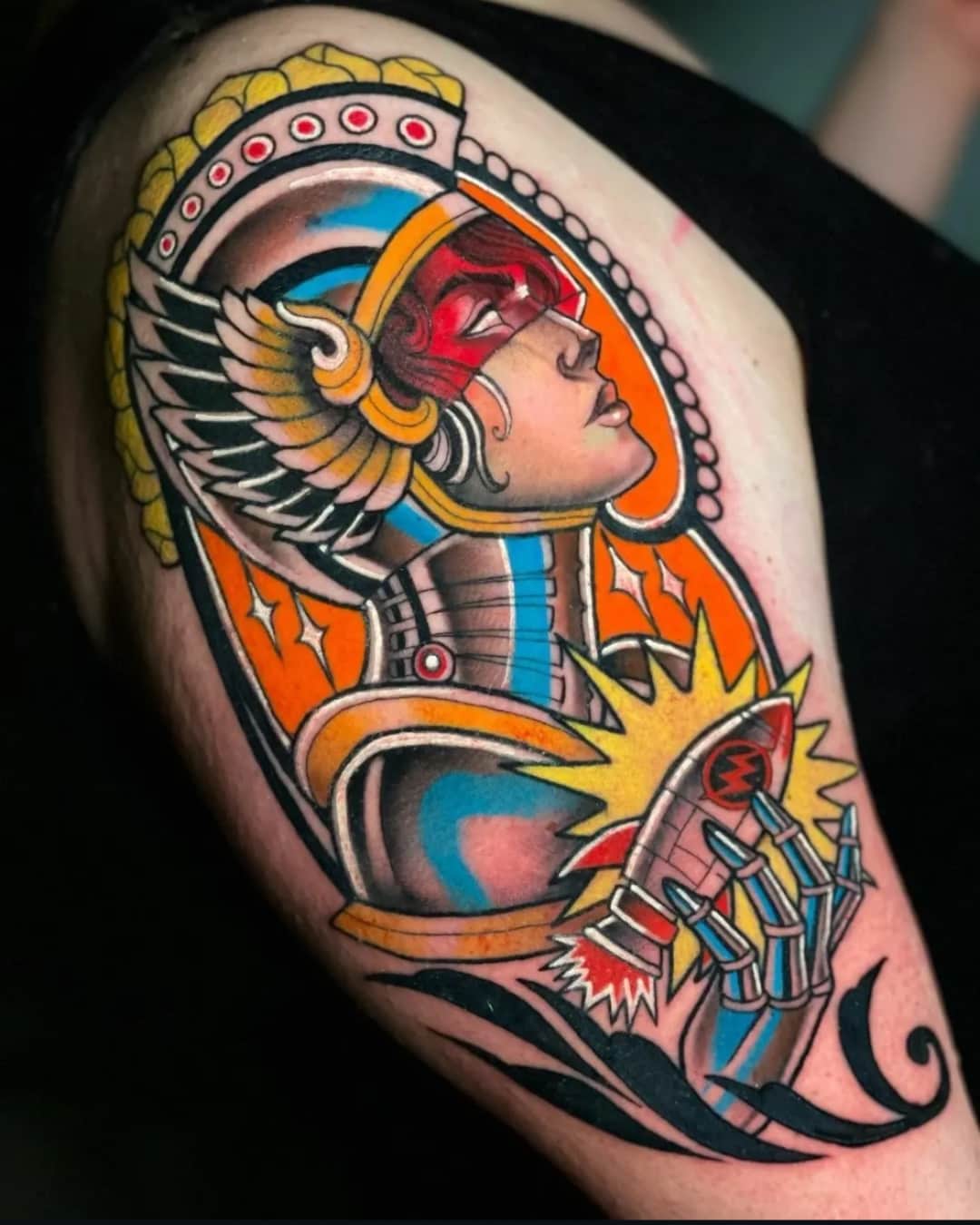
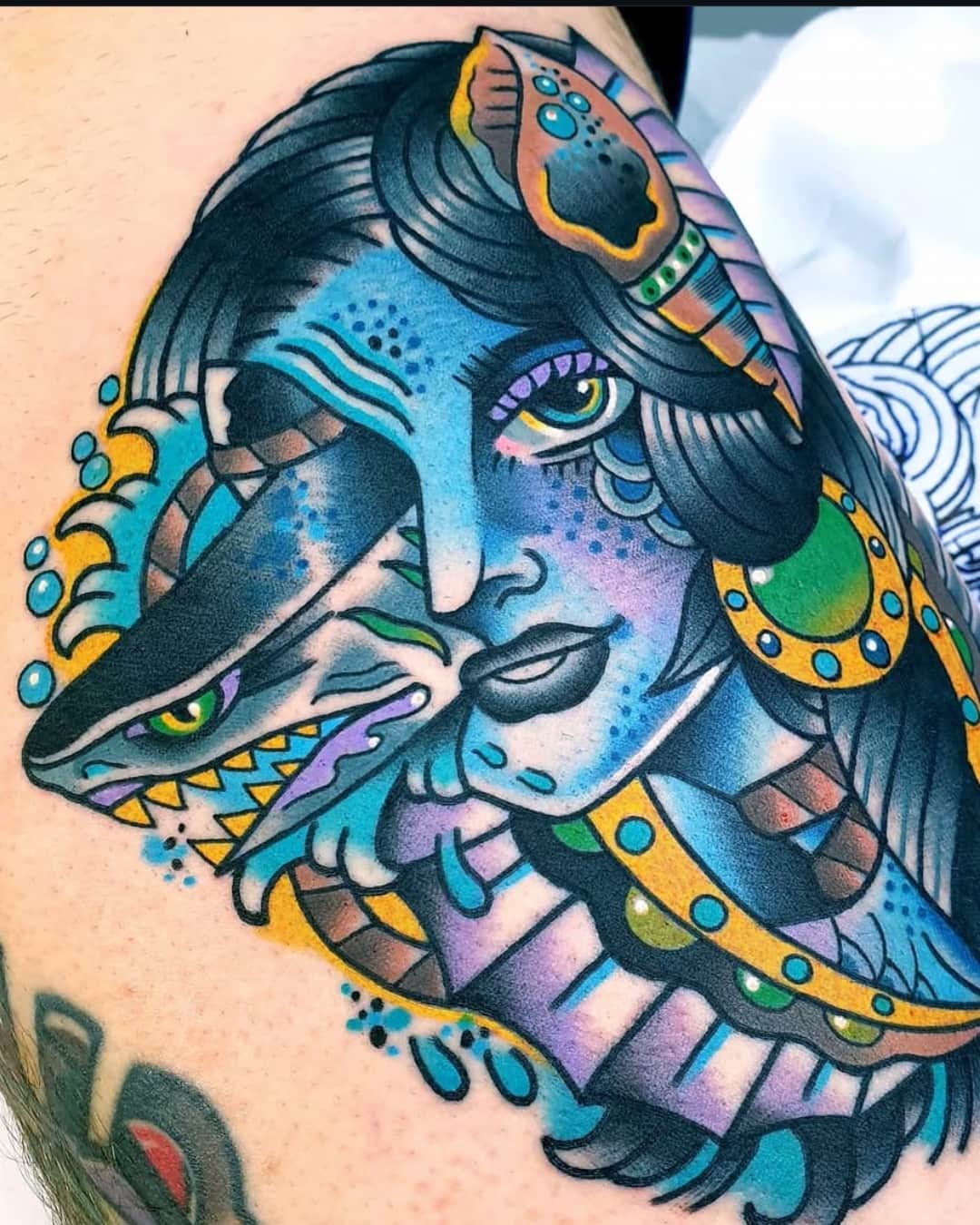
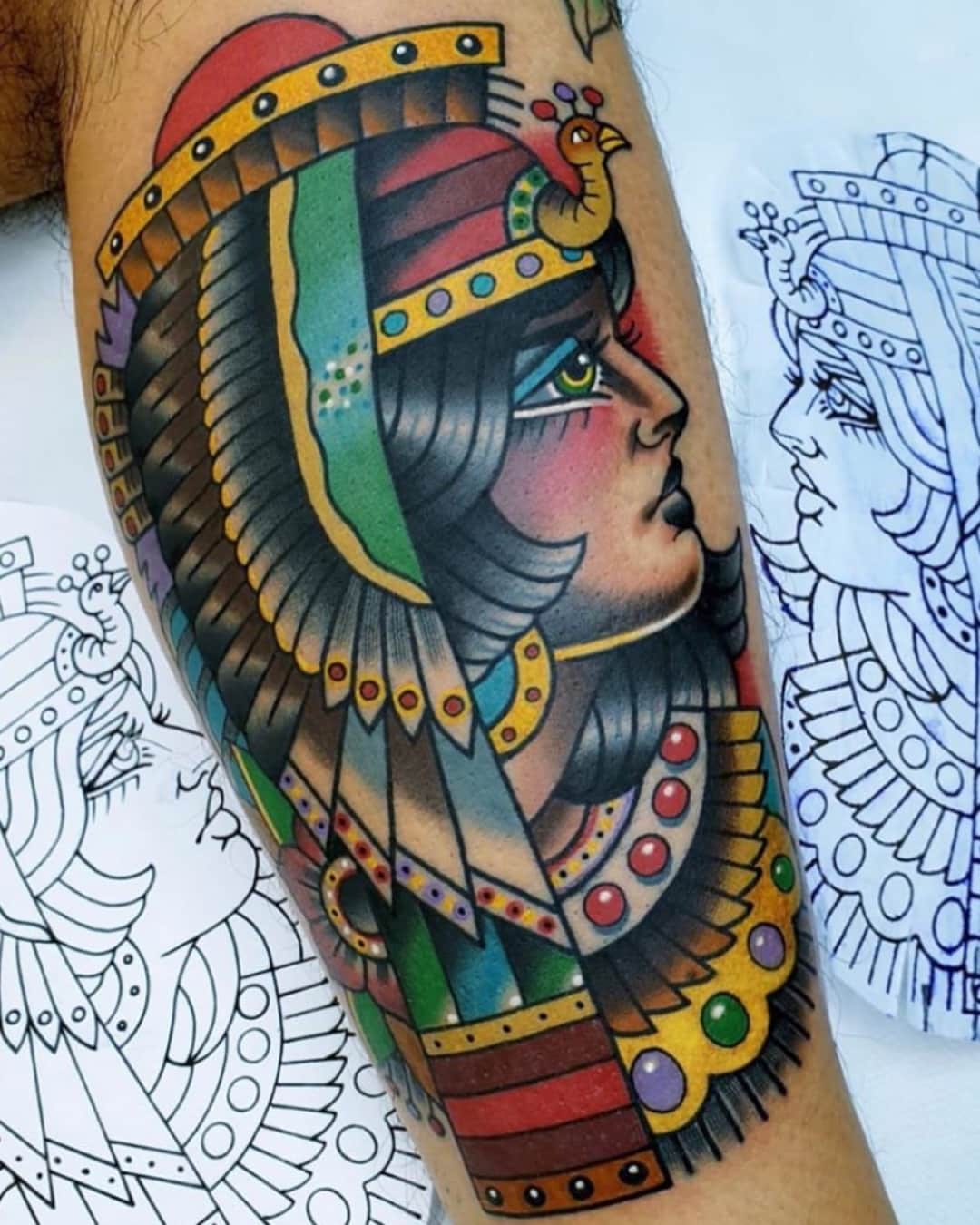
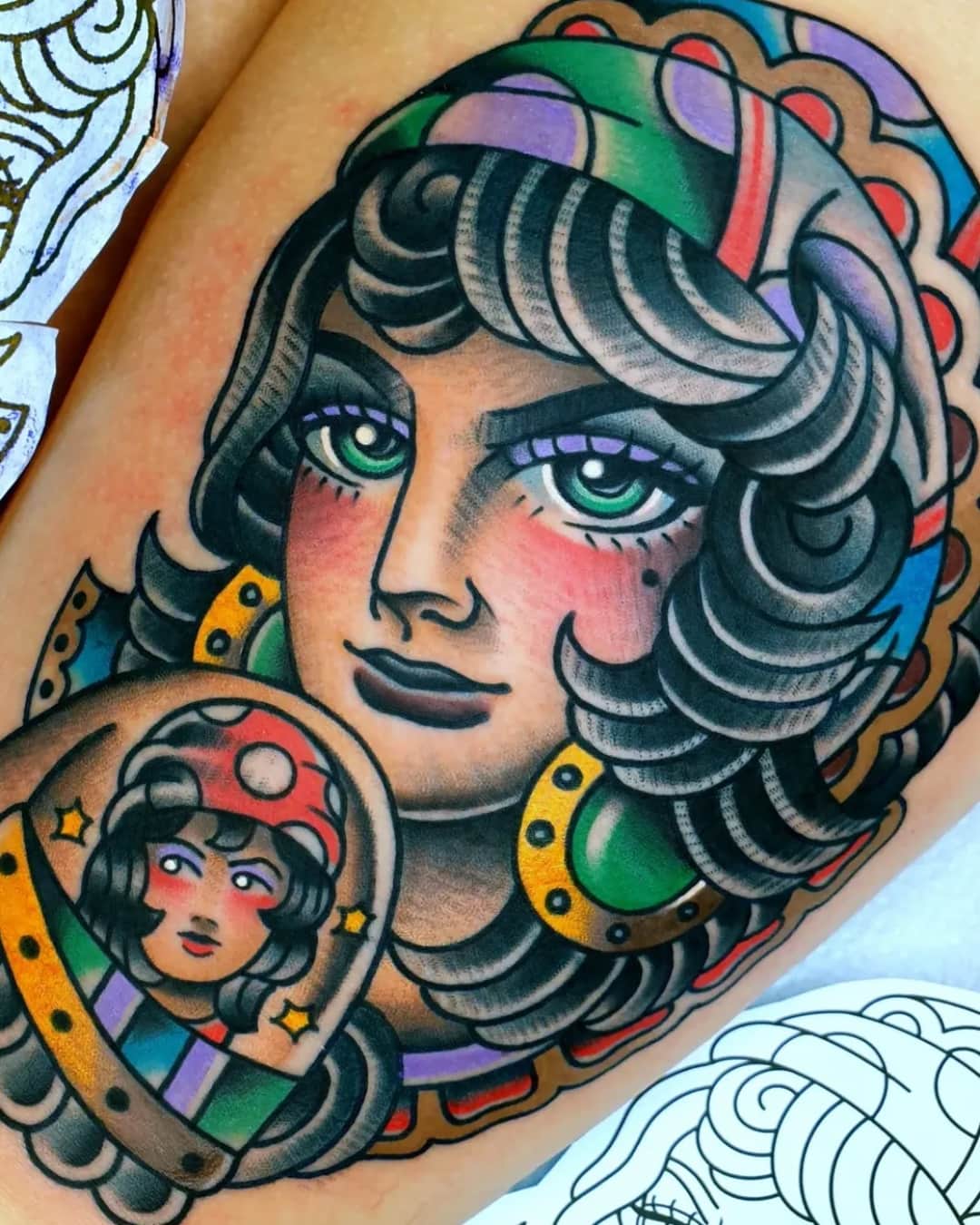
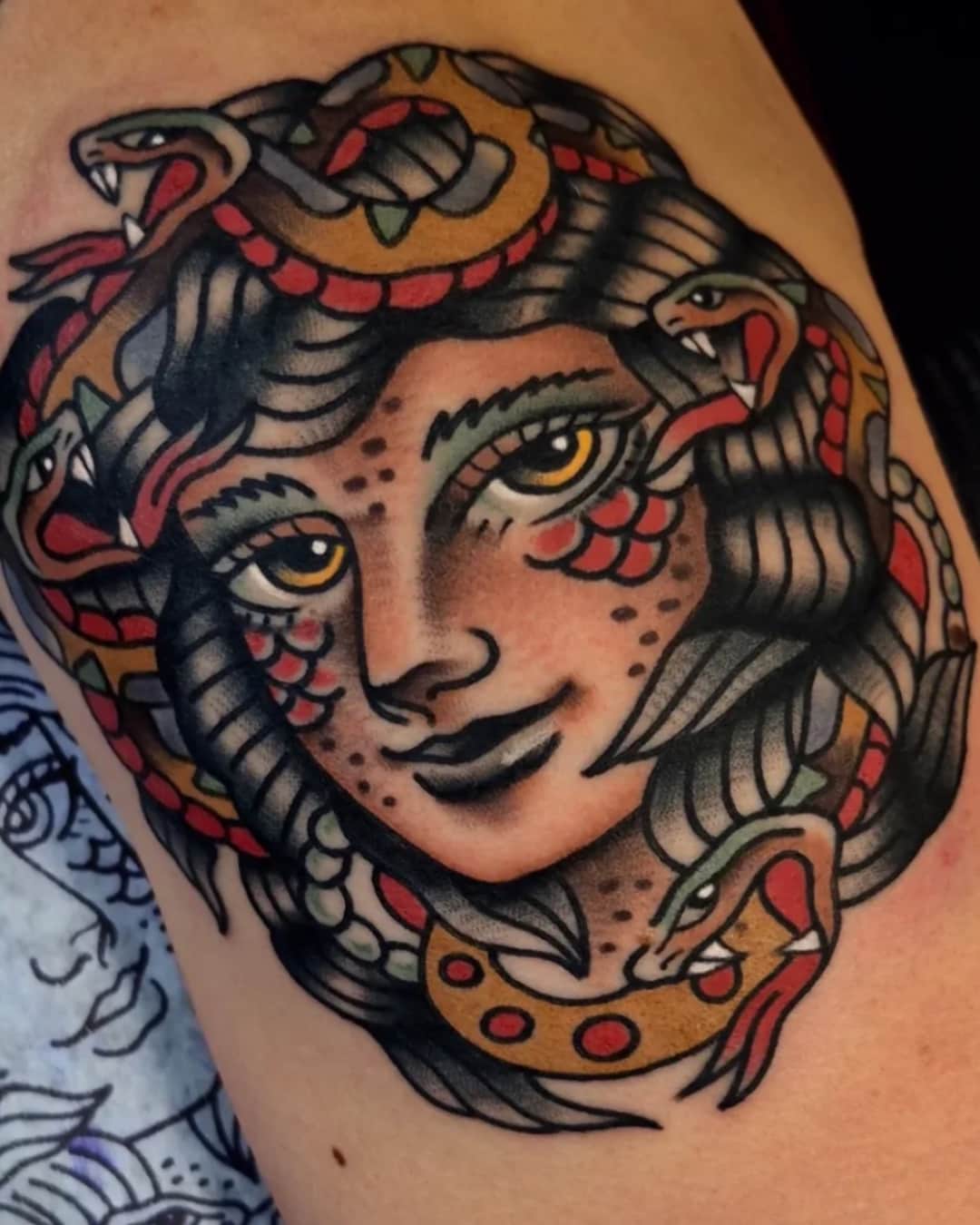
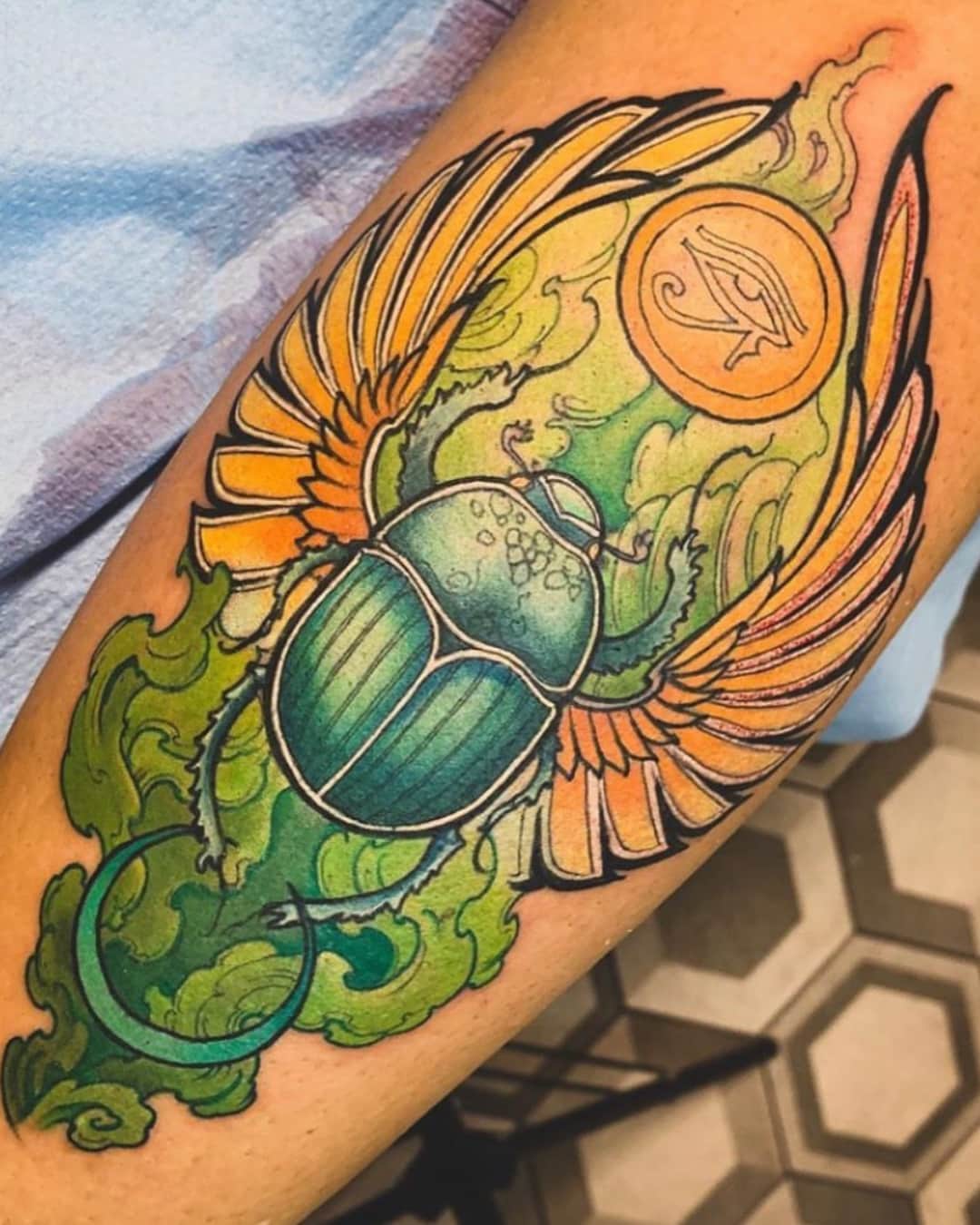
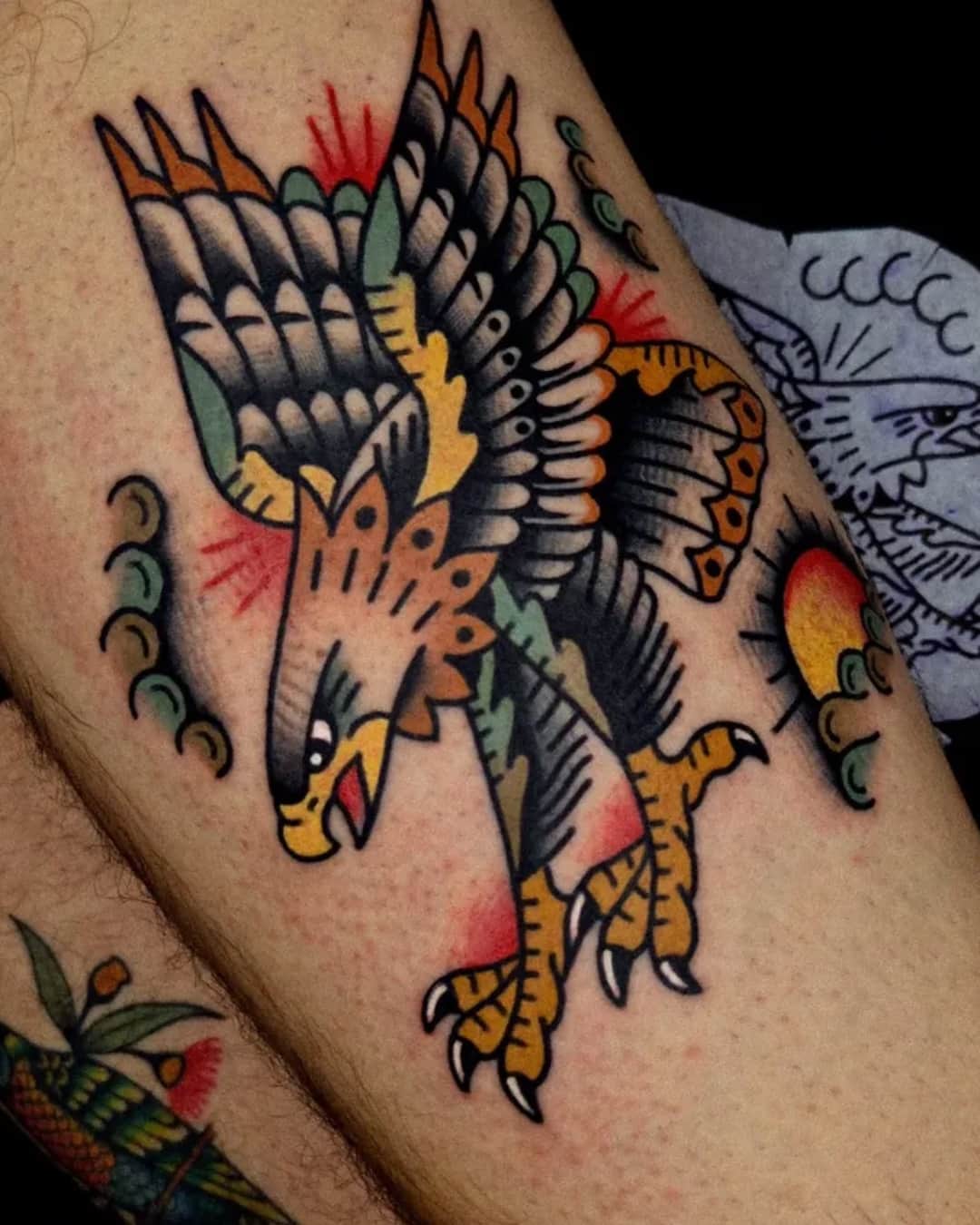
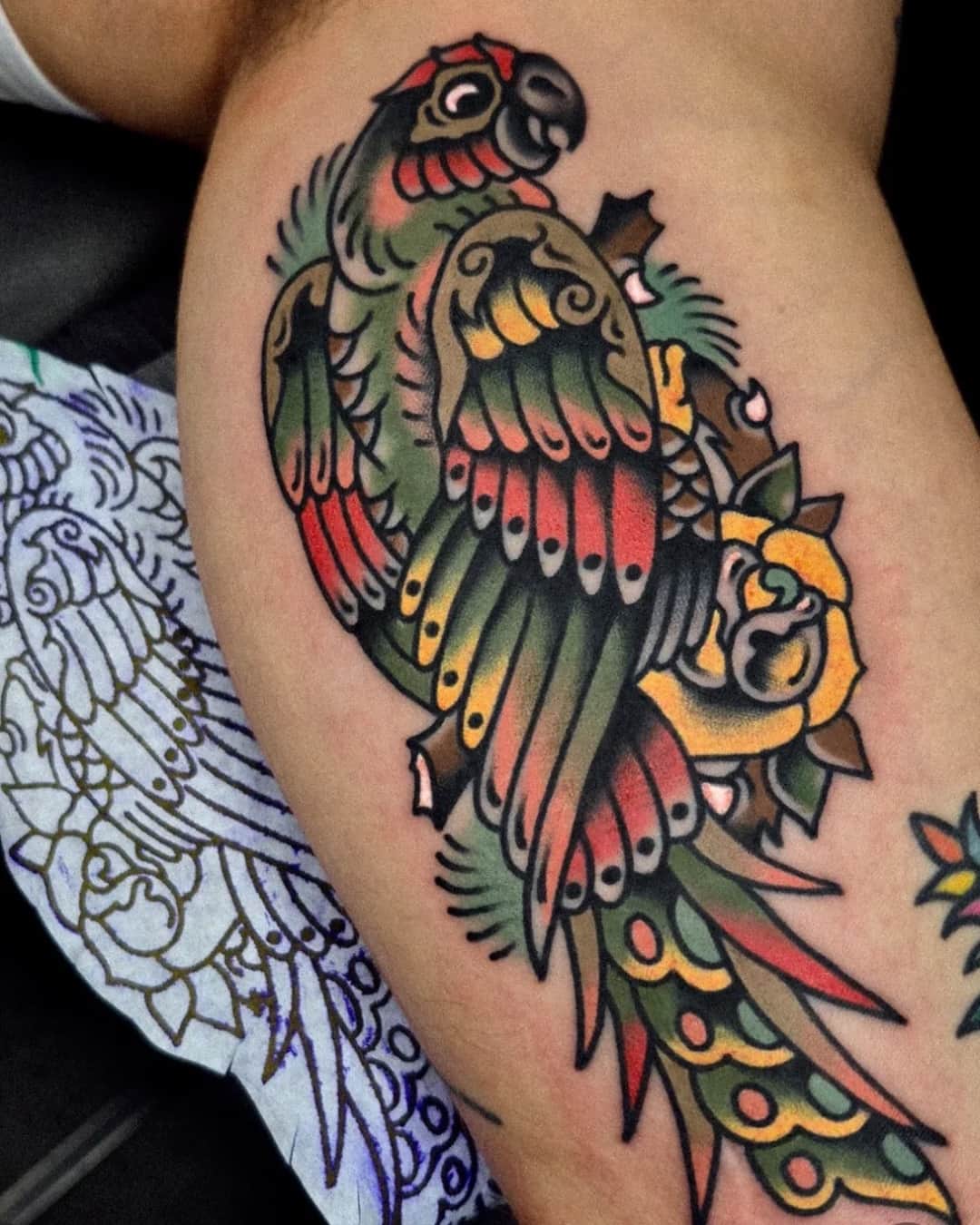
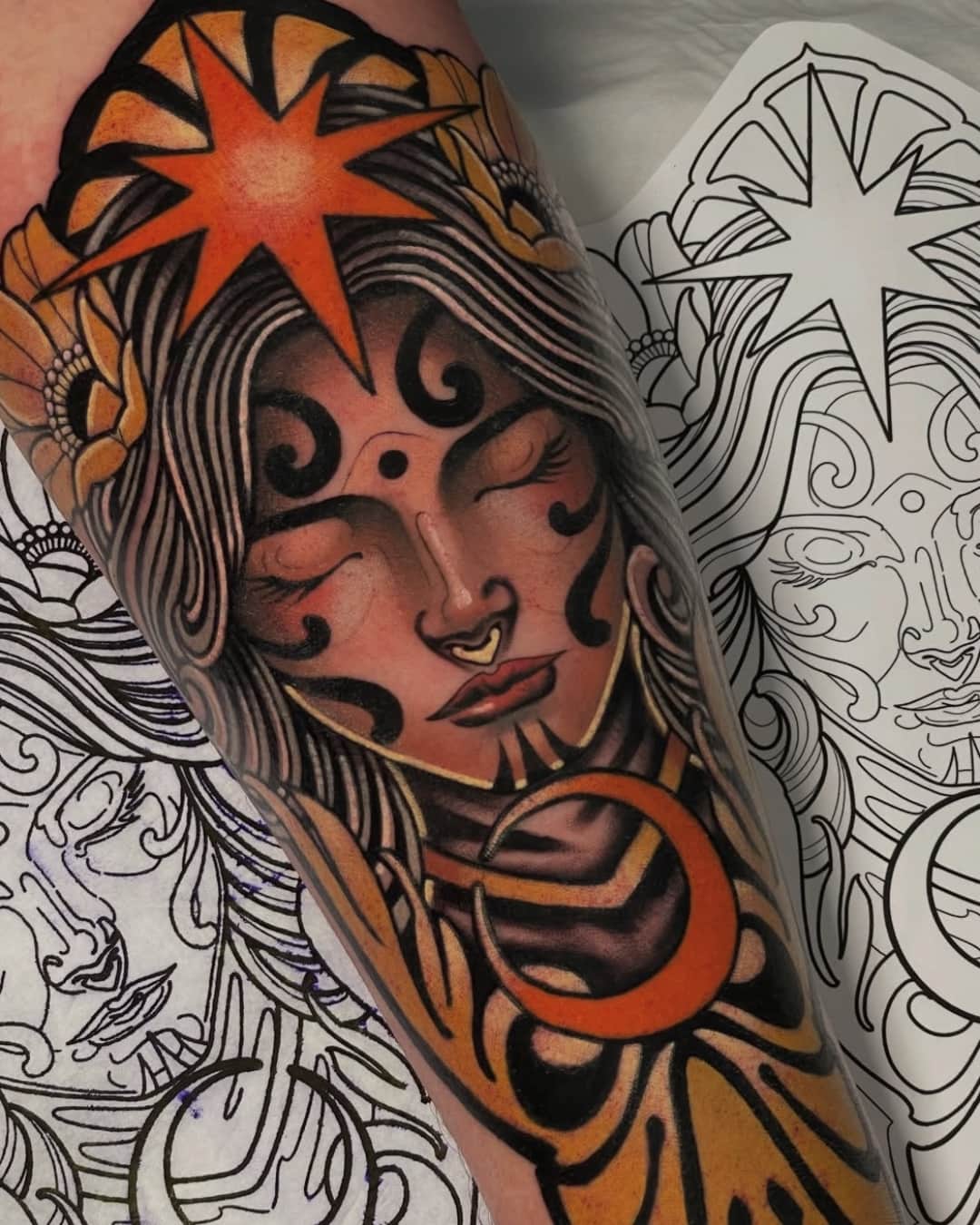
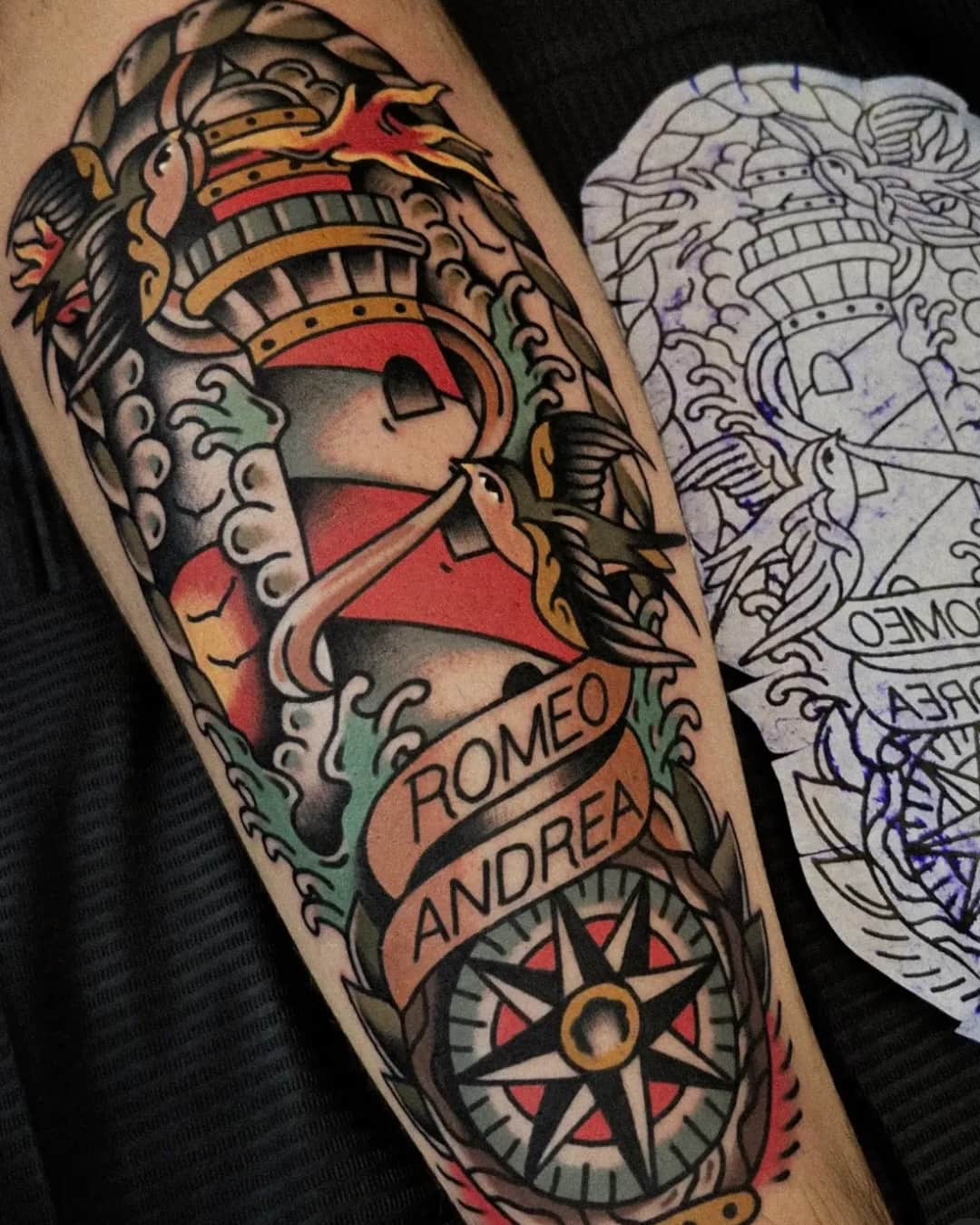
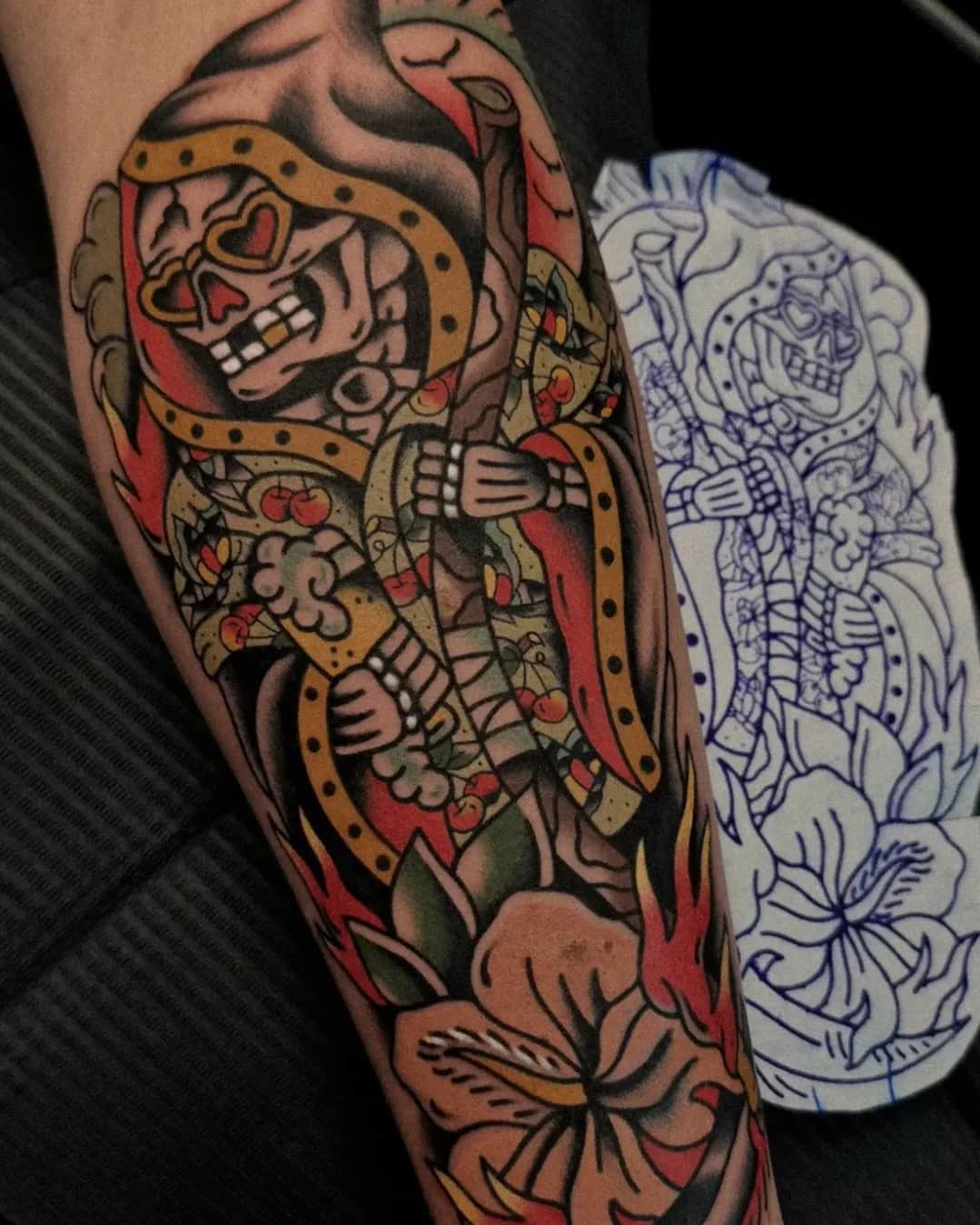
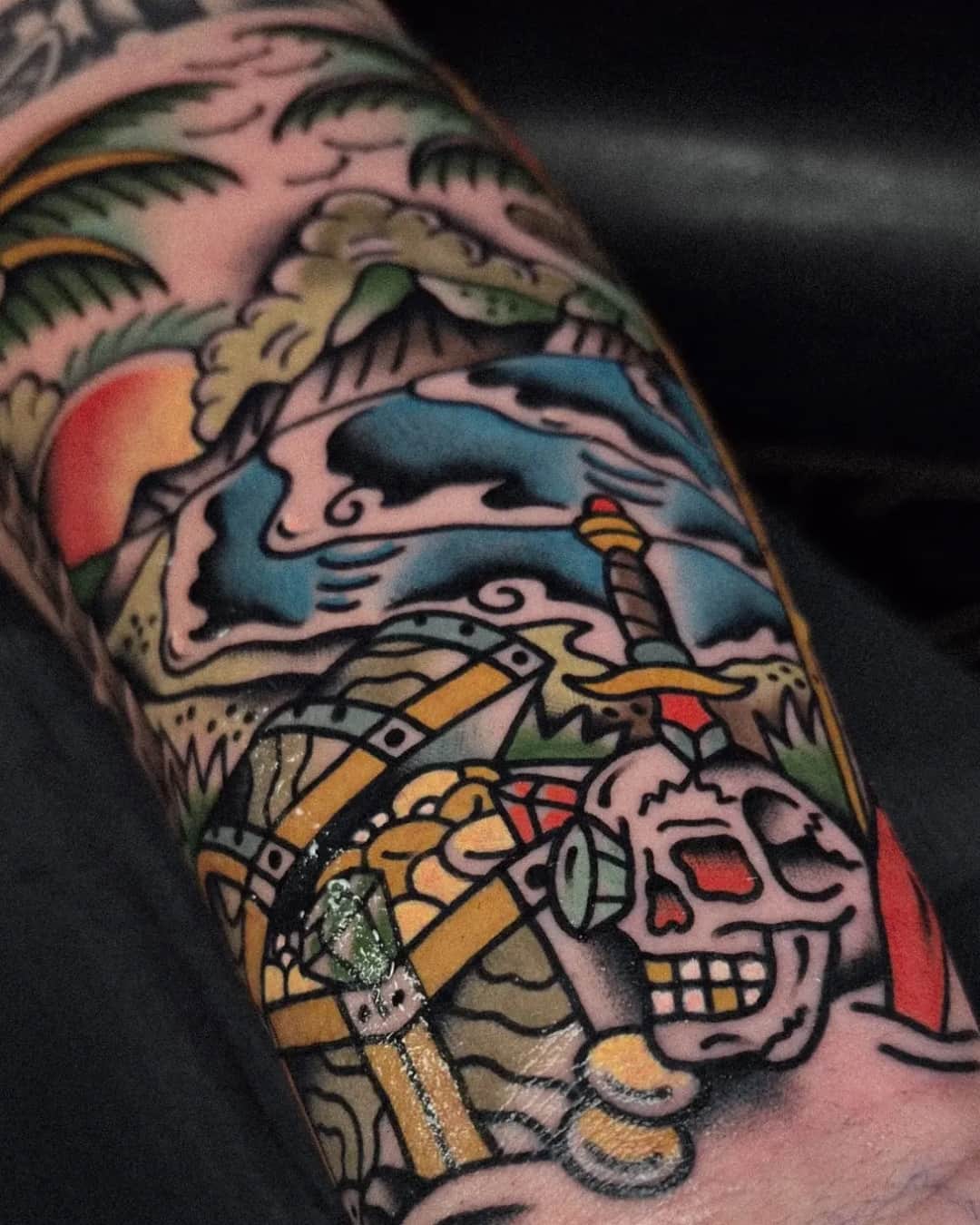
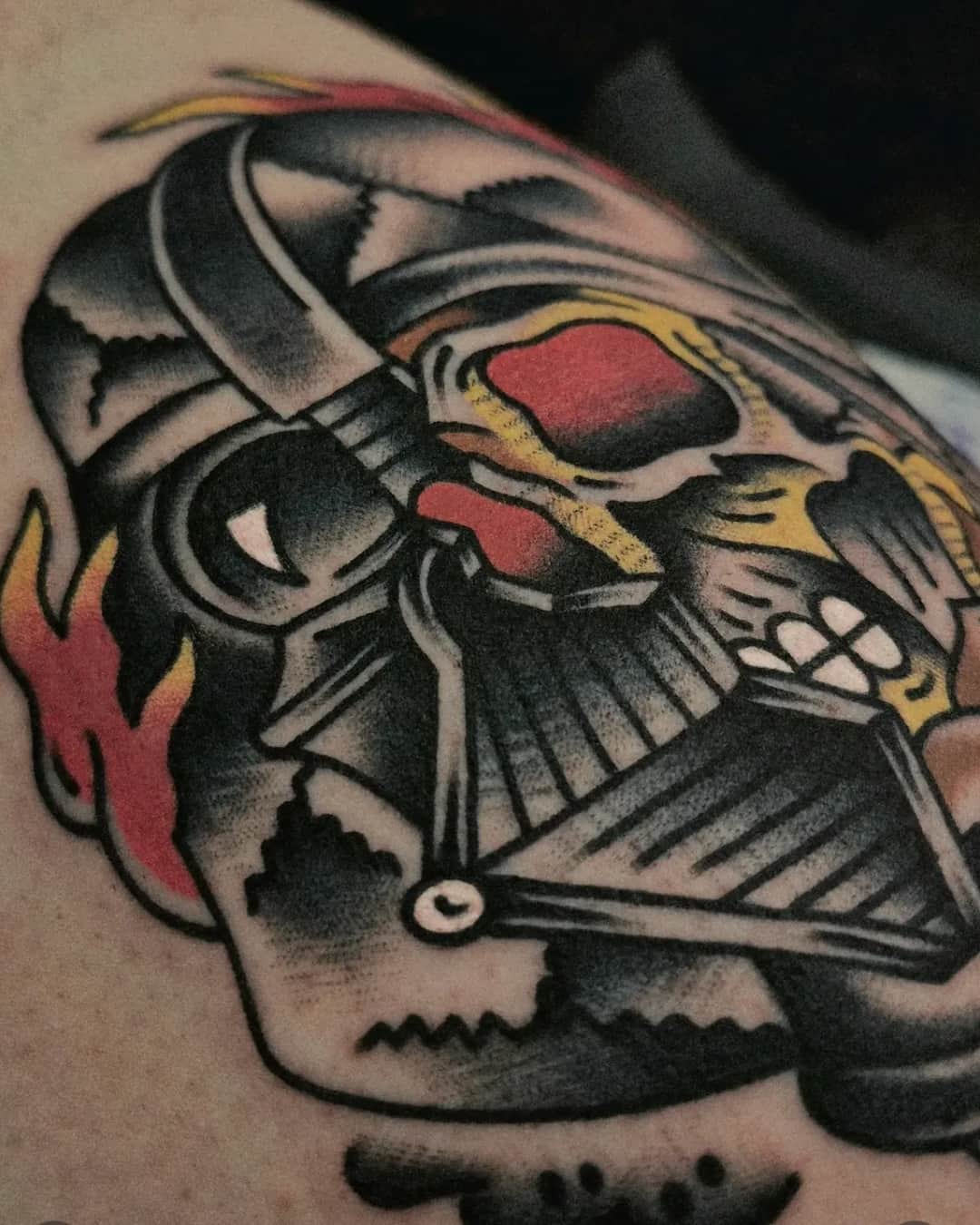
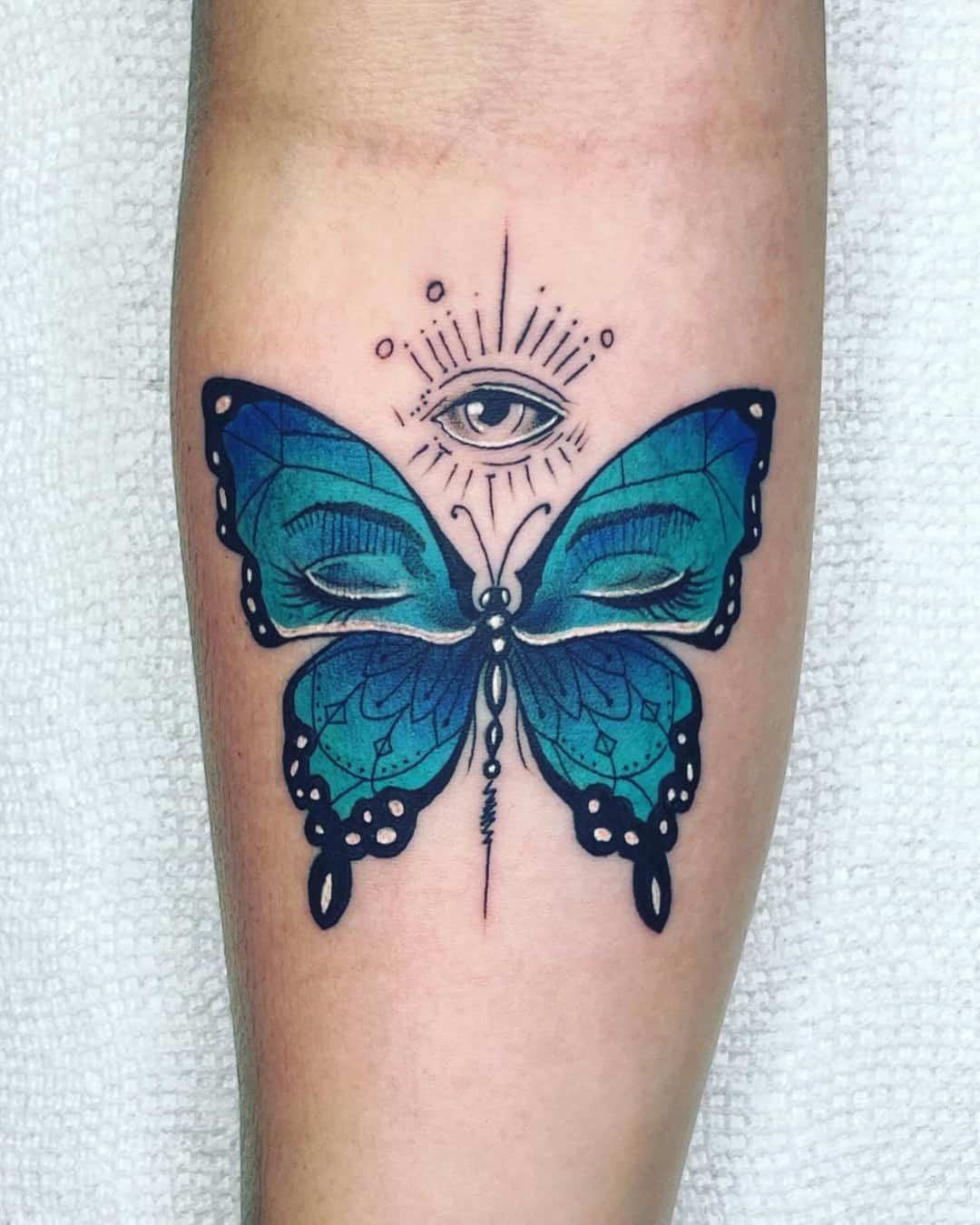
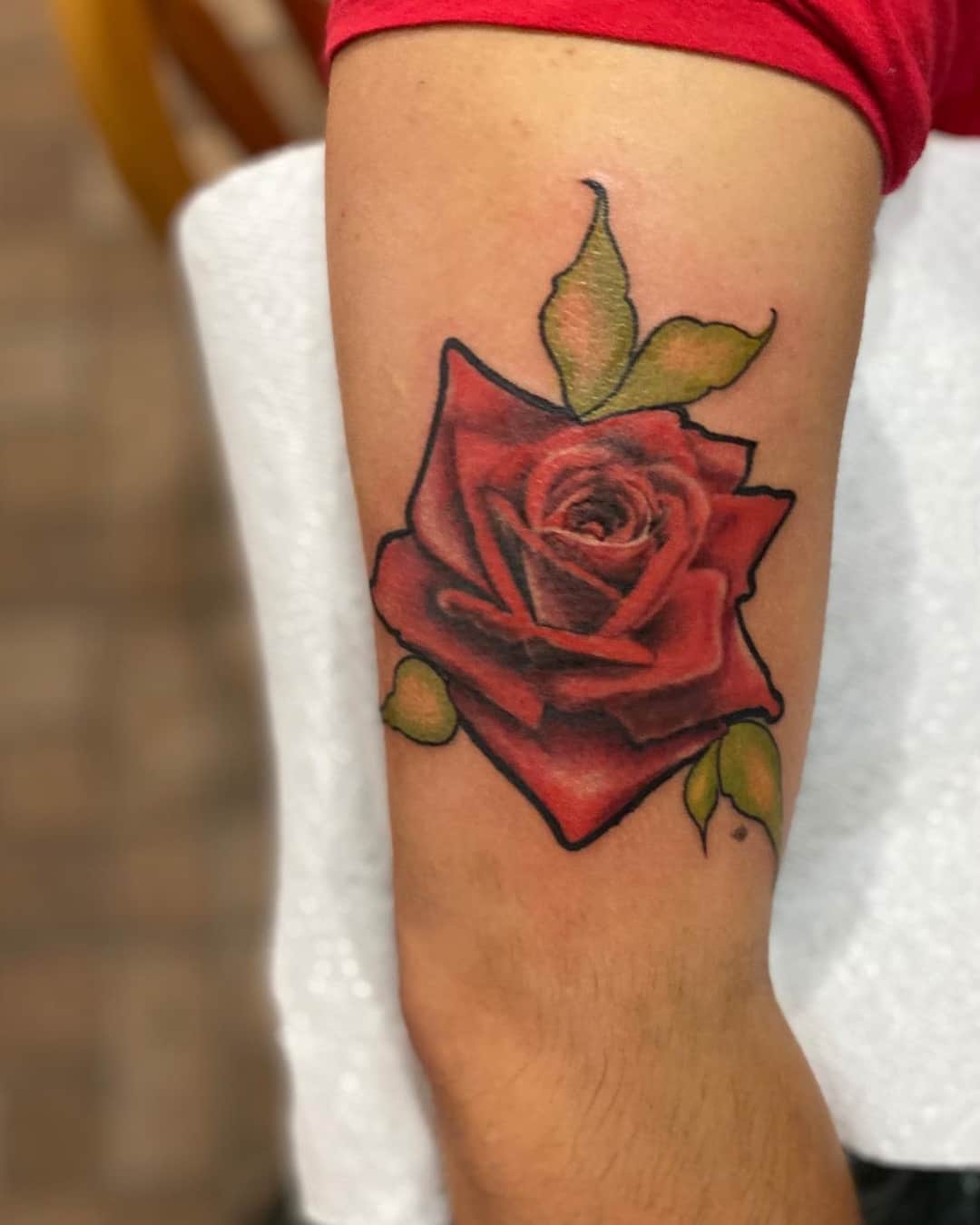
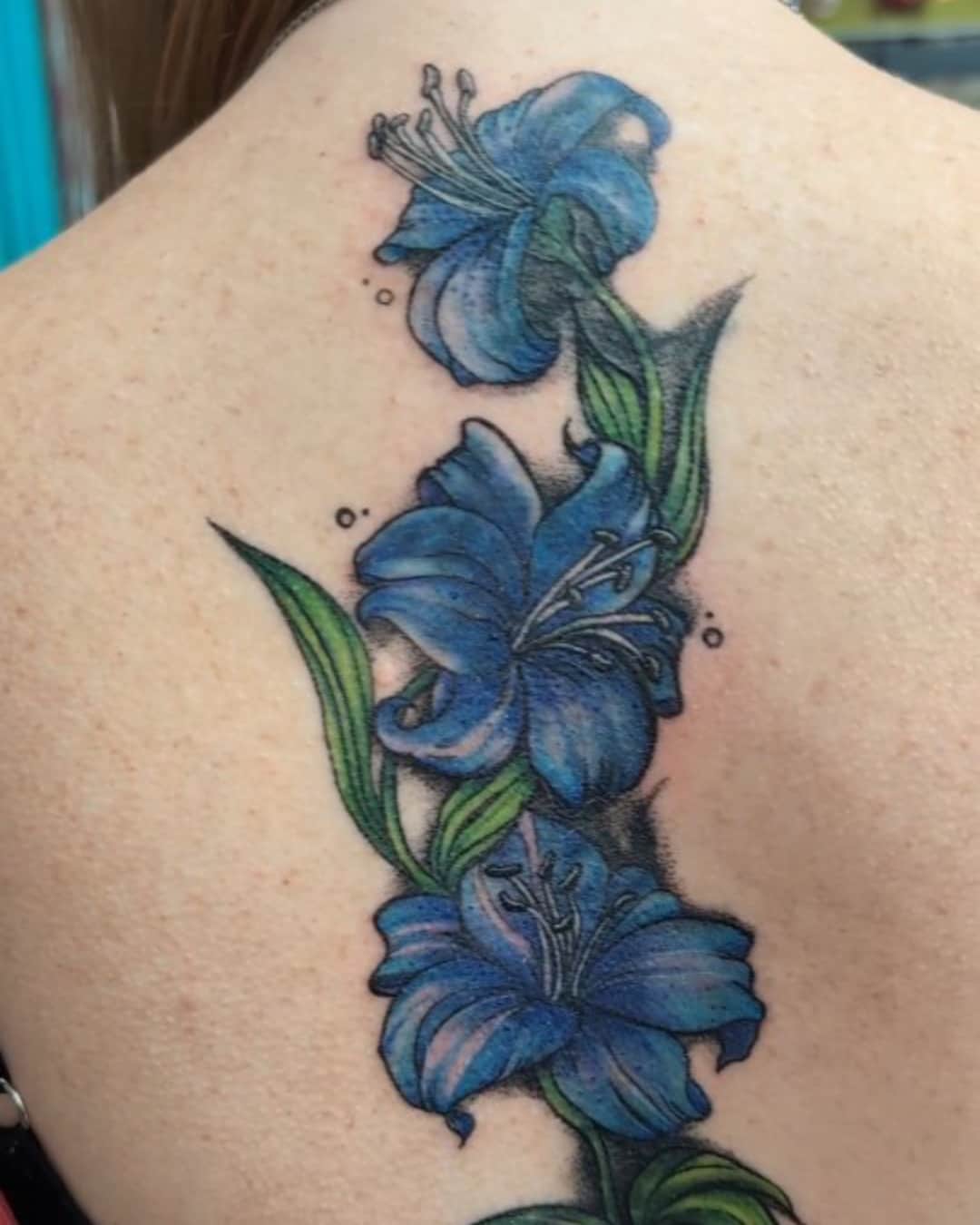
Neo-traditional keeps the black outline of American traditional and adds volume, ornament and a much wider palette.
On YokoFolio, pick the style Neo-traditional and then your city, and widen the radius if the list is short. Look at three things in a portfolio: clean modulated outlines, a palette that's recognizable from one piece to the next, and volumes that stay readable from a distance. Here the hand counts as much as the technique — if the pieces all look like they came from different people, be careful. And ask for healed work: that's where you judge the evenness of the blacks.
Yes, and it's the version that's climbing. Without color, the ornament moves to the front: the crowns, the drapery and the foliage are no longer competing with the palette, and the drawing reads differently. It's also the simplest way to add a piece to an arm already started in black and grey, with no tones to match. An artist comfortable in both will tell you which one serves your subject best — a portrait and a crowned animal don't call for the same answer.
They're its favorite subjects. The dragon, for its scales and its curves; the wolf, whose coat lends itself to modeling; the owl, whose eyes and feathers carry all the detail. The fox, the crowned stag, the panther and the snake come up often. Plan on a comfortable surface: these pieces live off their ornament — crowns, foliage, drapery — and shrunk down, all that detail packs together within a few years.
Flash is a design already drawn up, offered as is by the artist, often on a sheet of several pieces. In neo-traditional it's a very common way to work: you pick a piece that's already drawn, sometimes for less, and it goes on without custom design work. The advantage is double — you see exactly what you're getting, and the drawing was made to hold up well. Plenty of artists run whole flash days.