Neo-realism tattoos, anywhere

Filters
2 tattoo artists · 1 tattoo studio
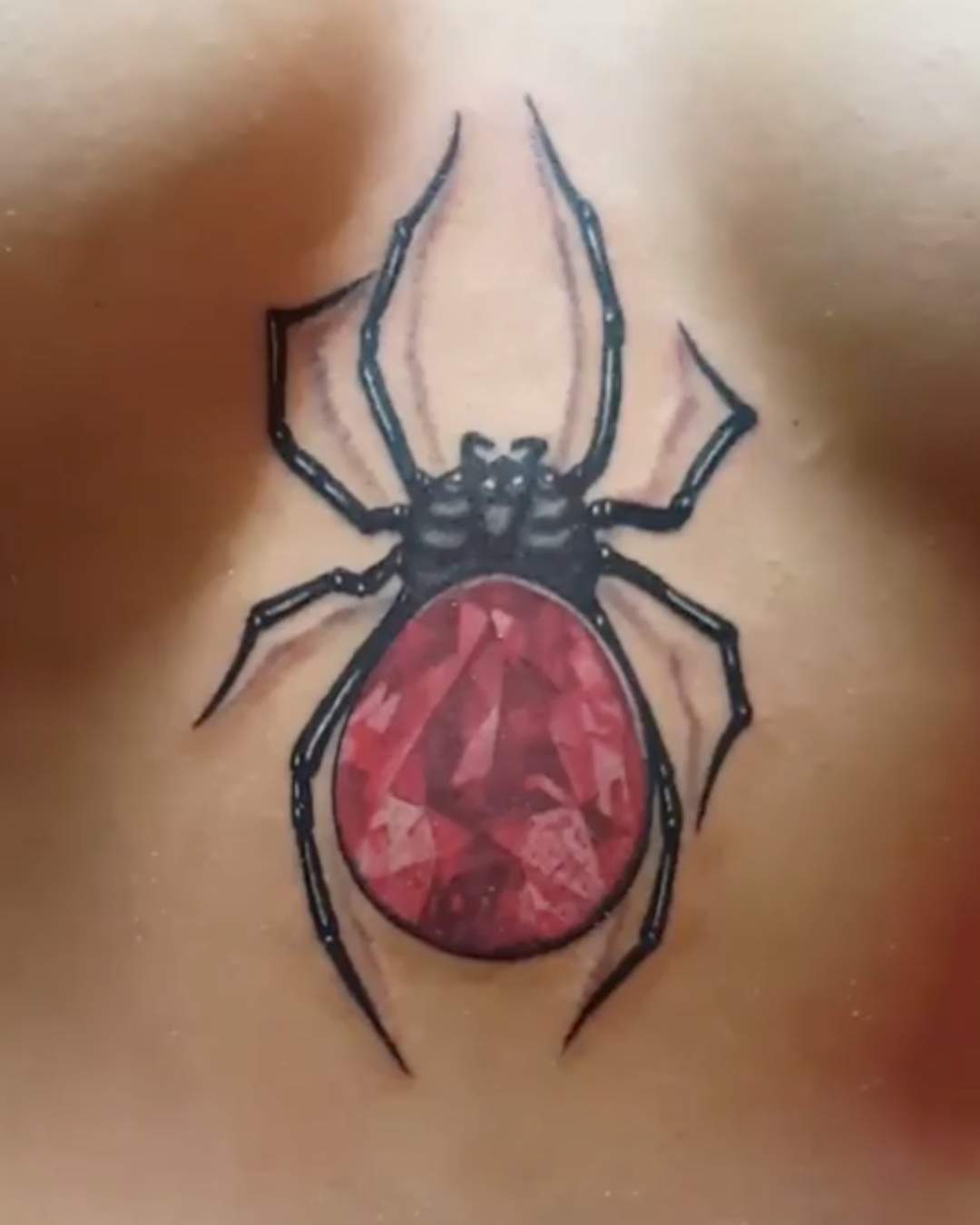
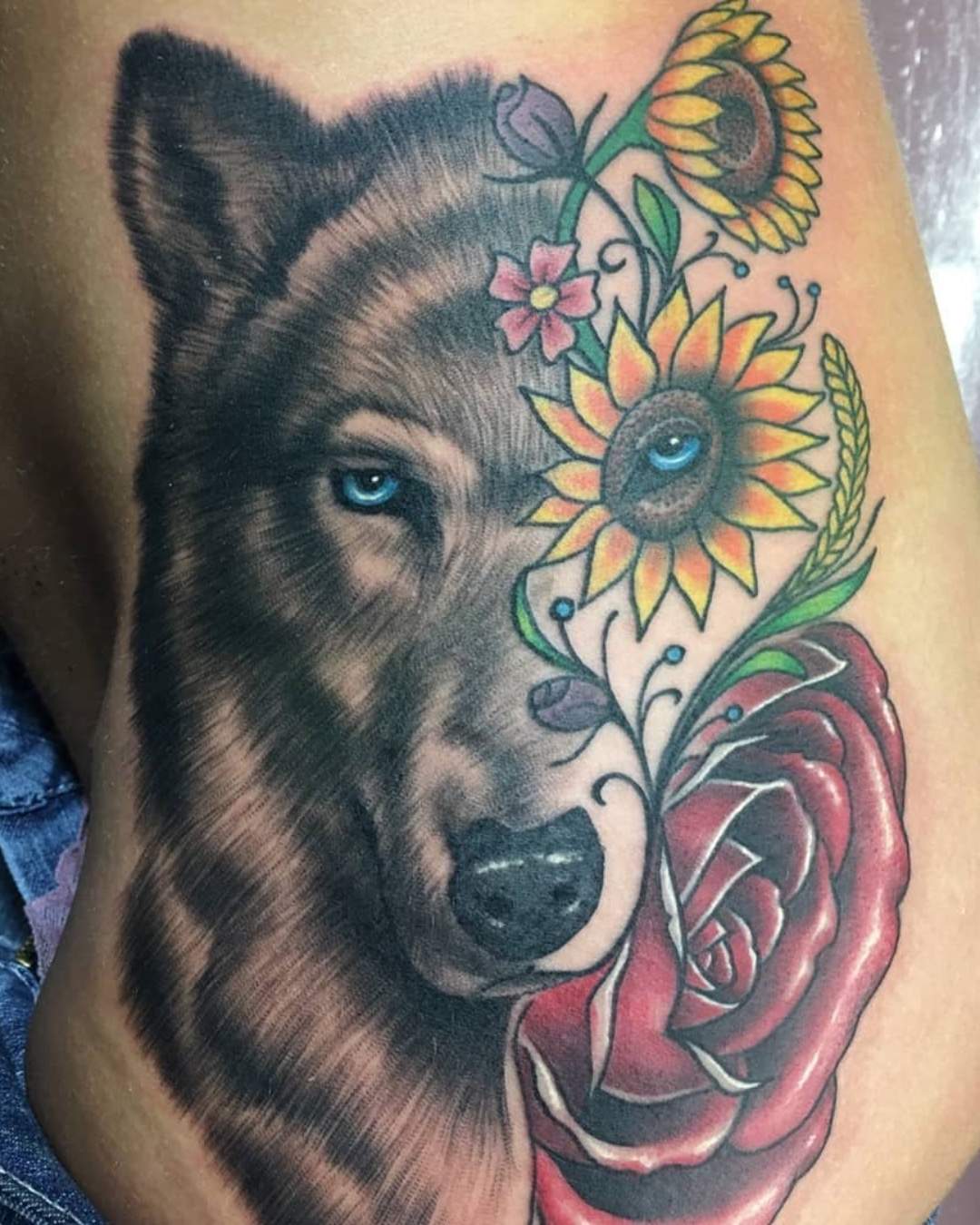
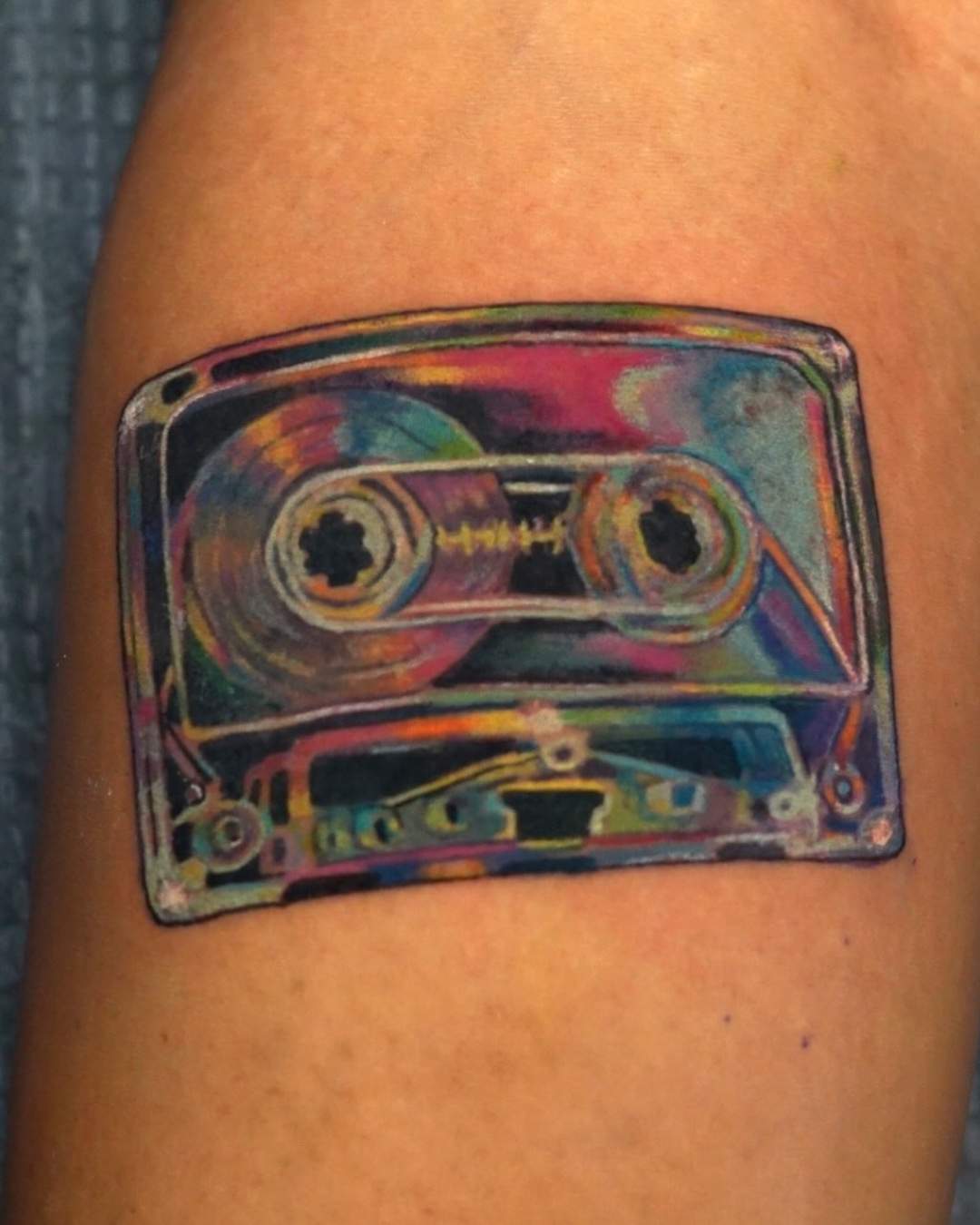
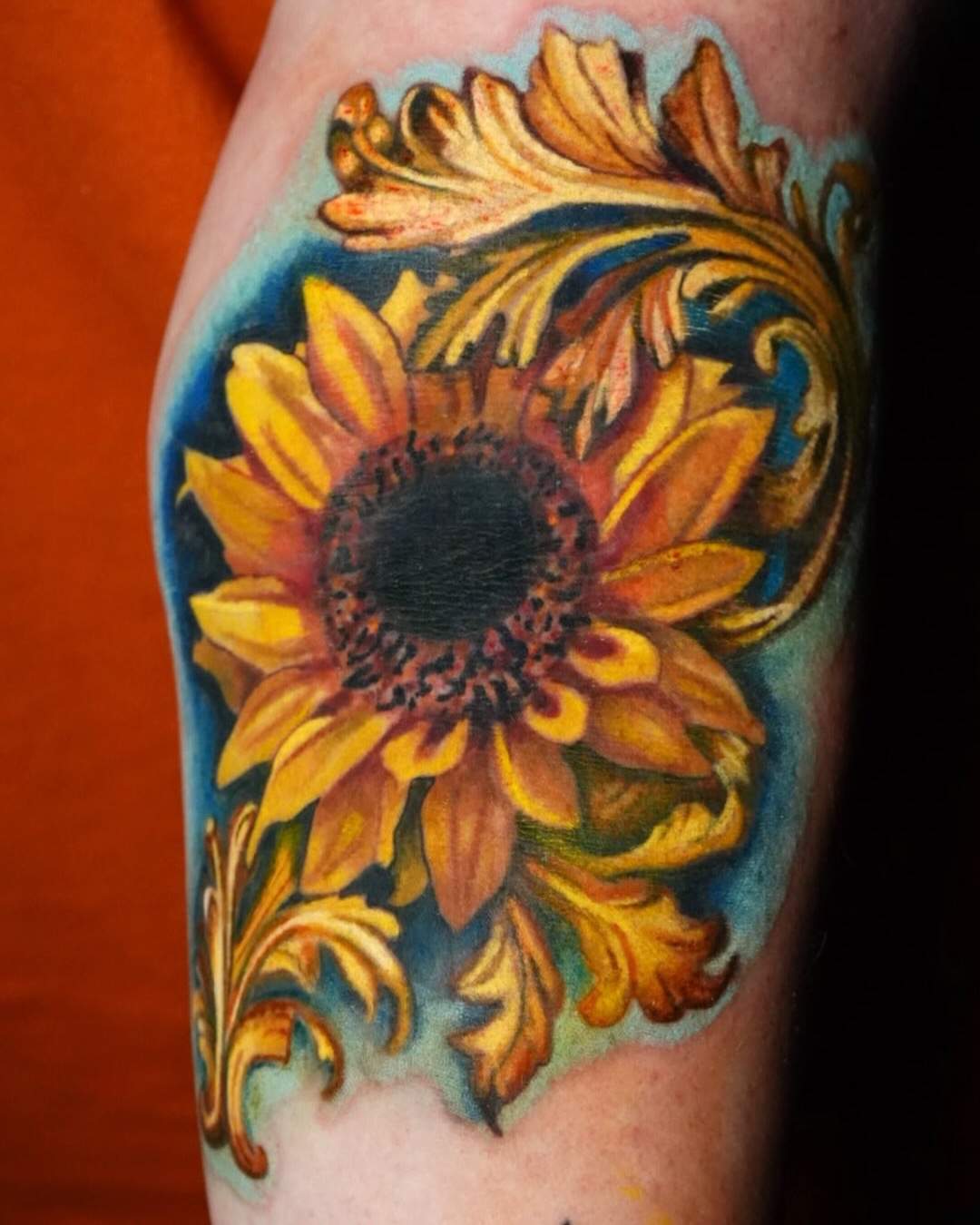
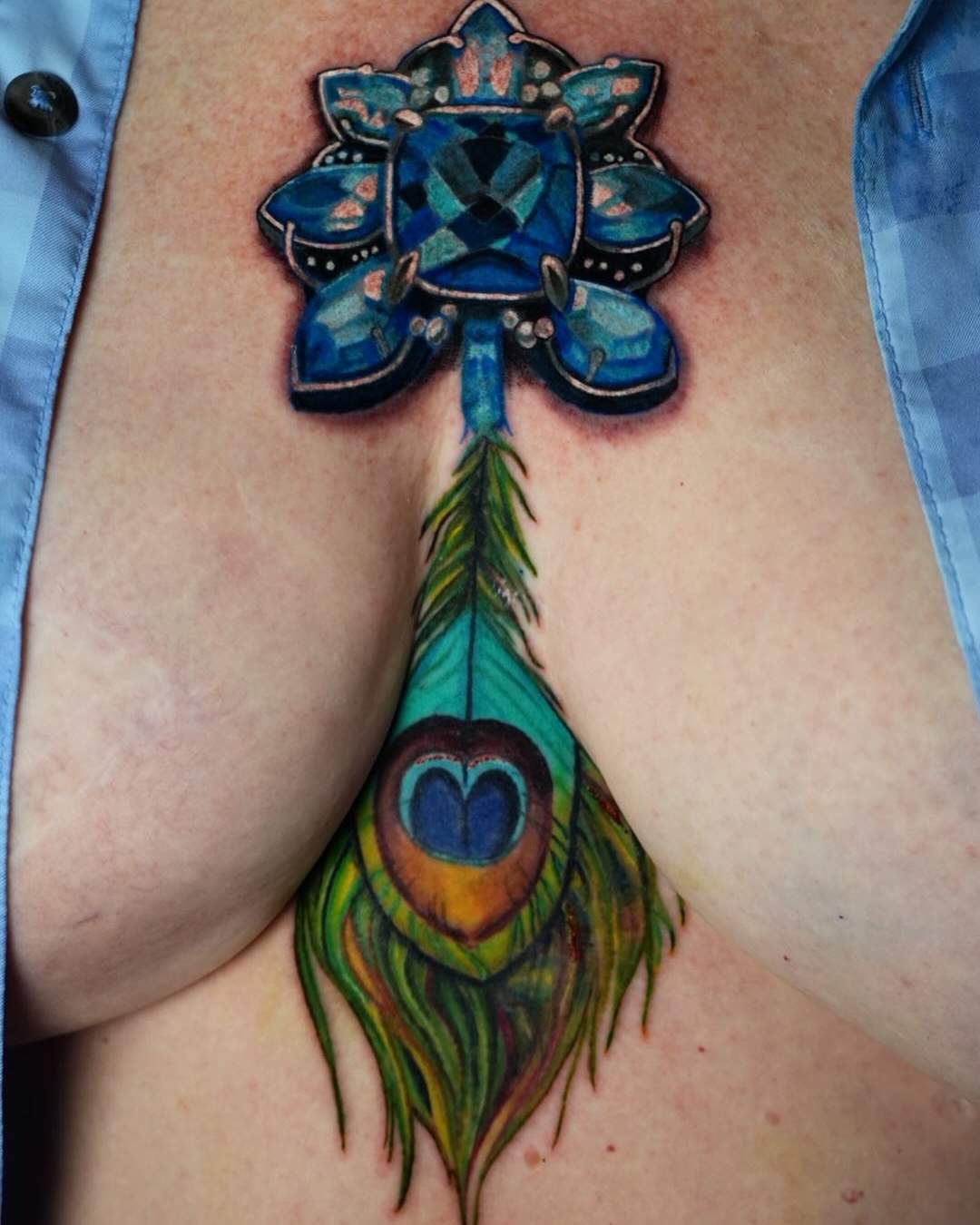
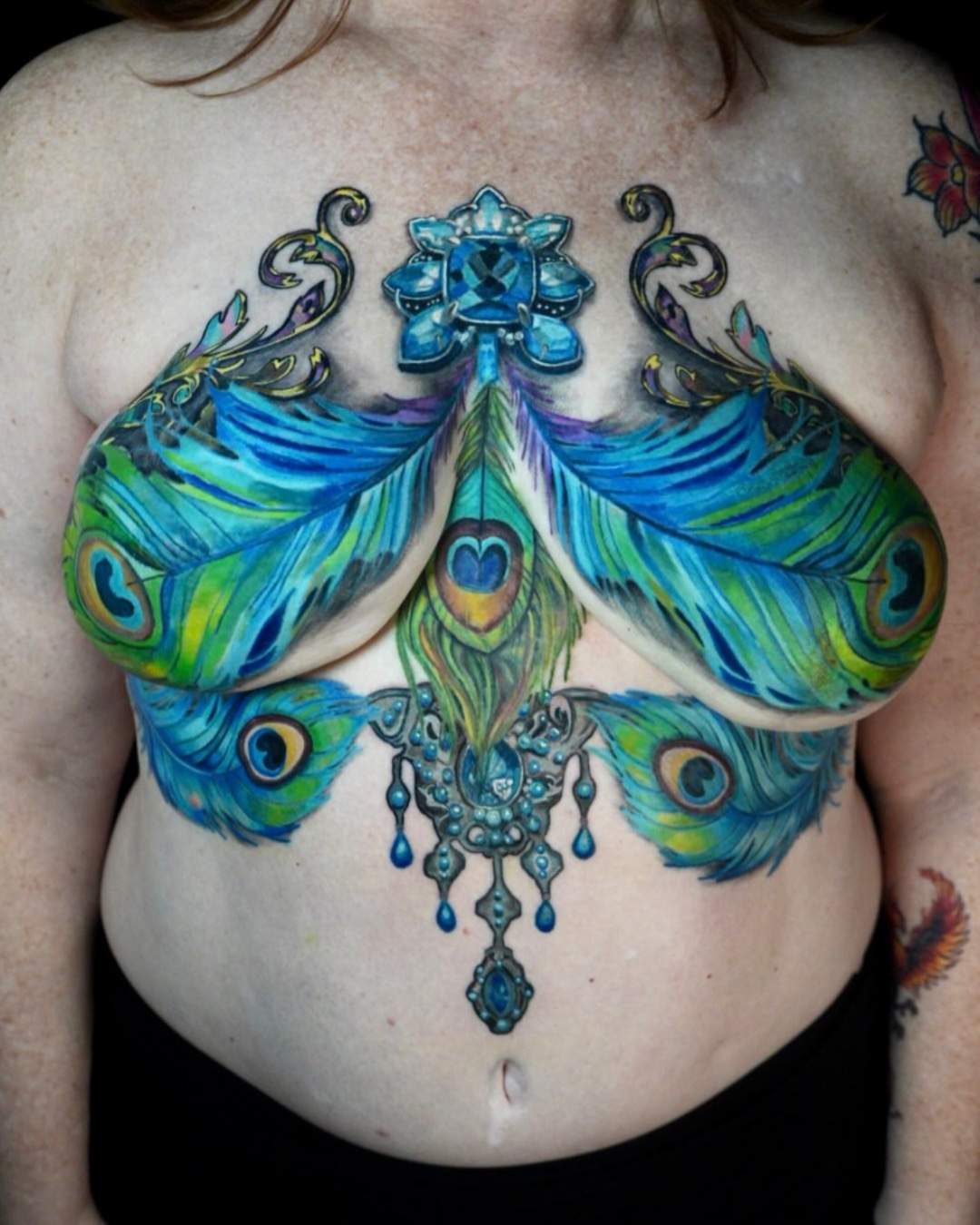
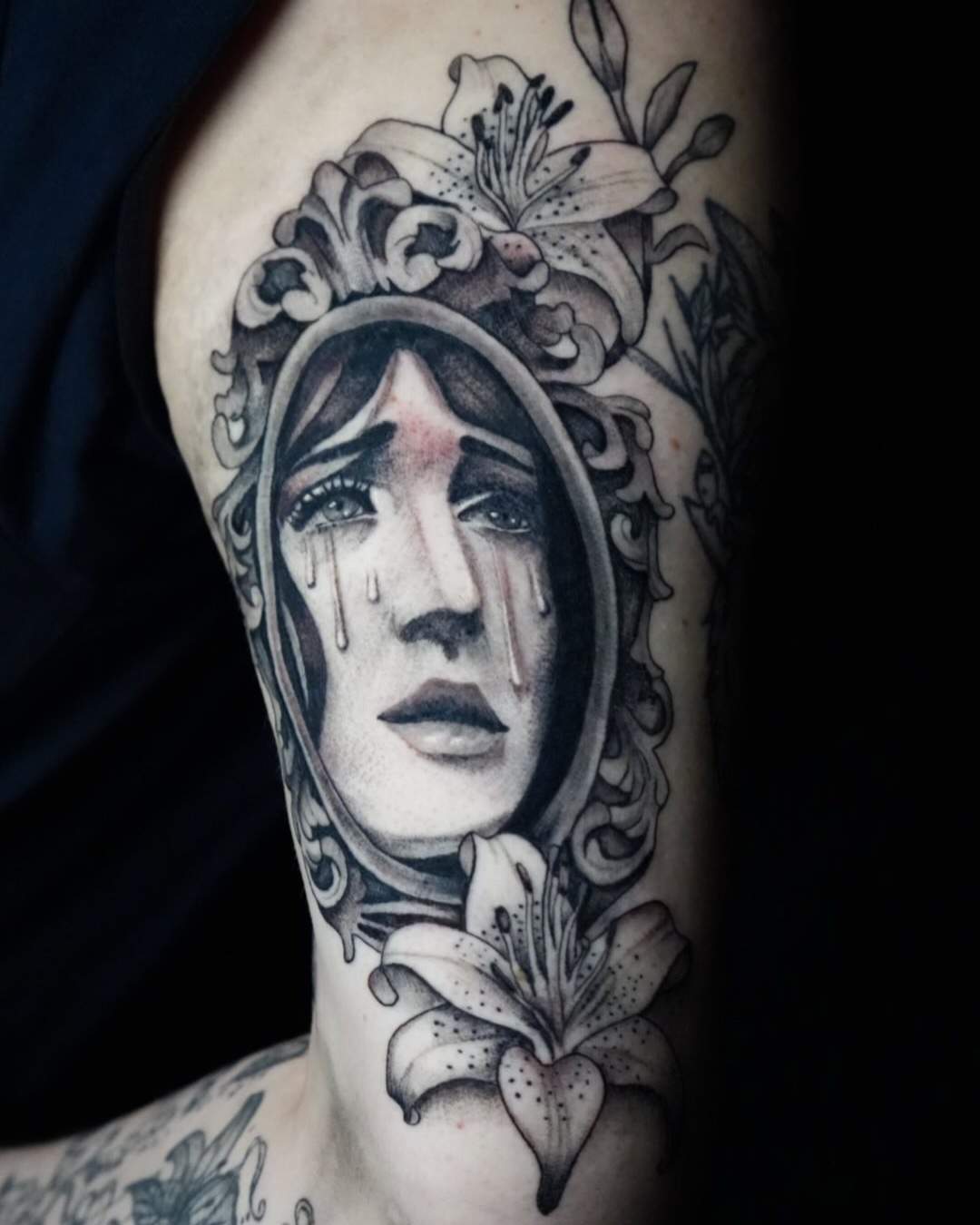
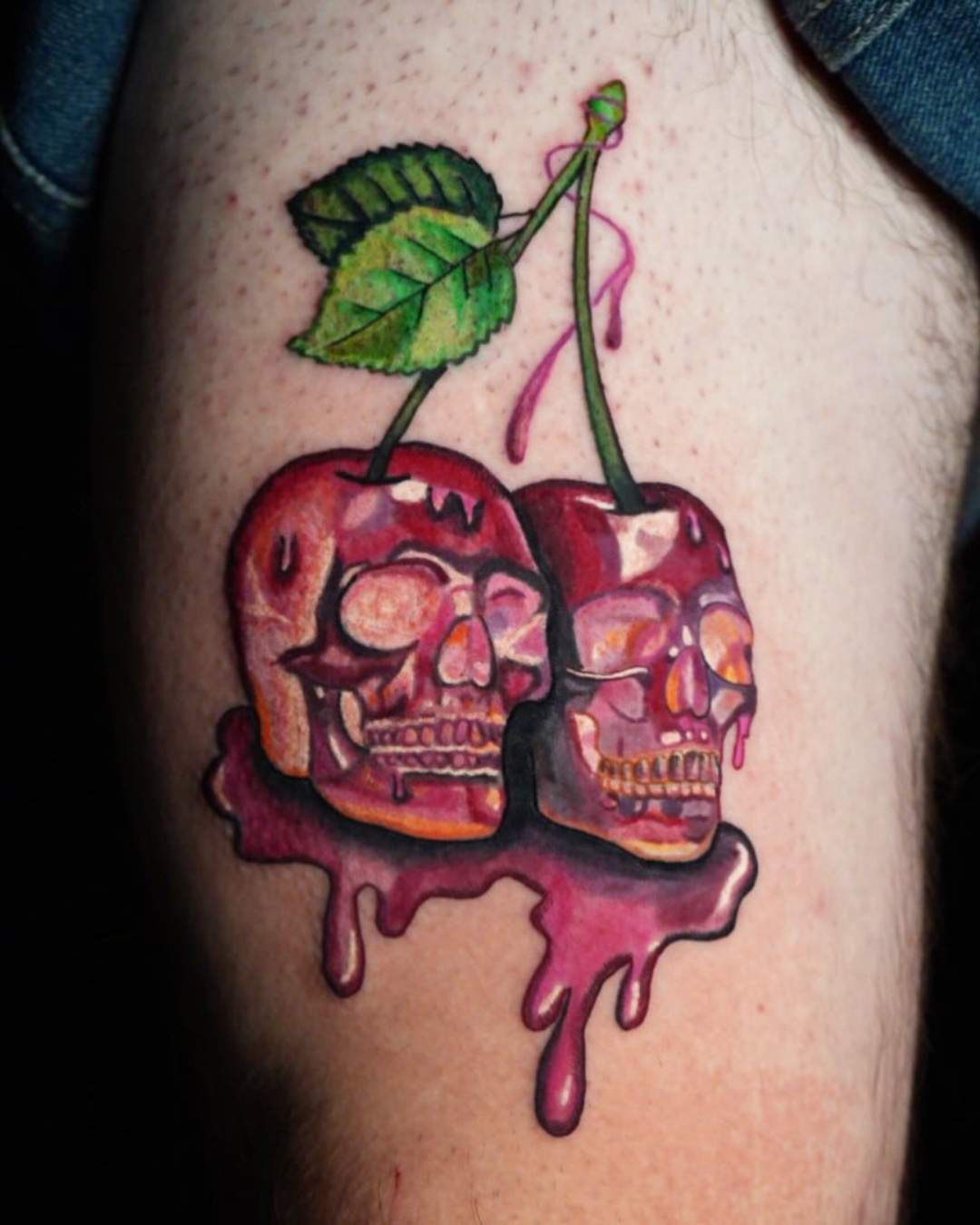
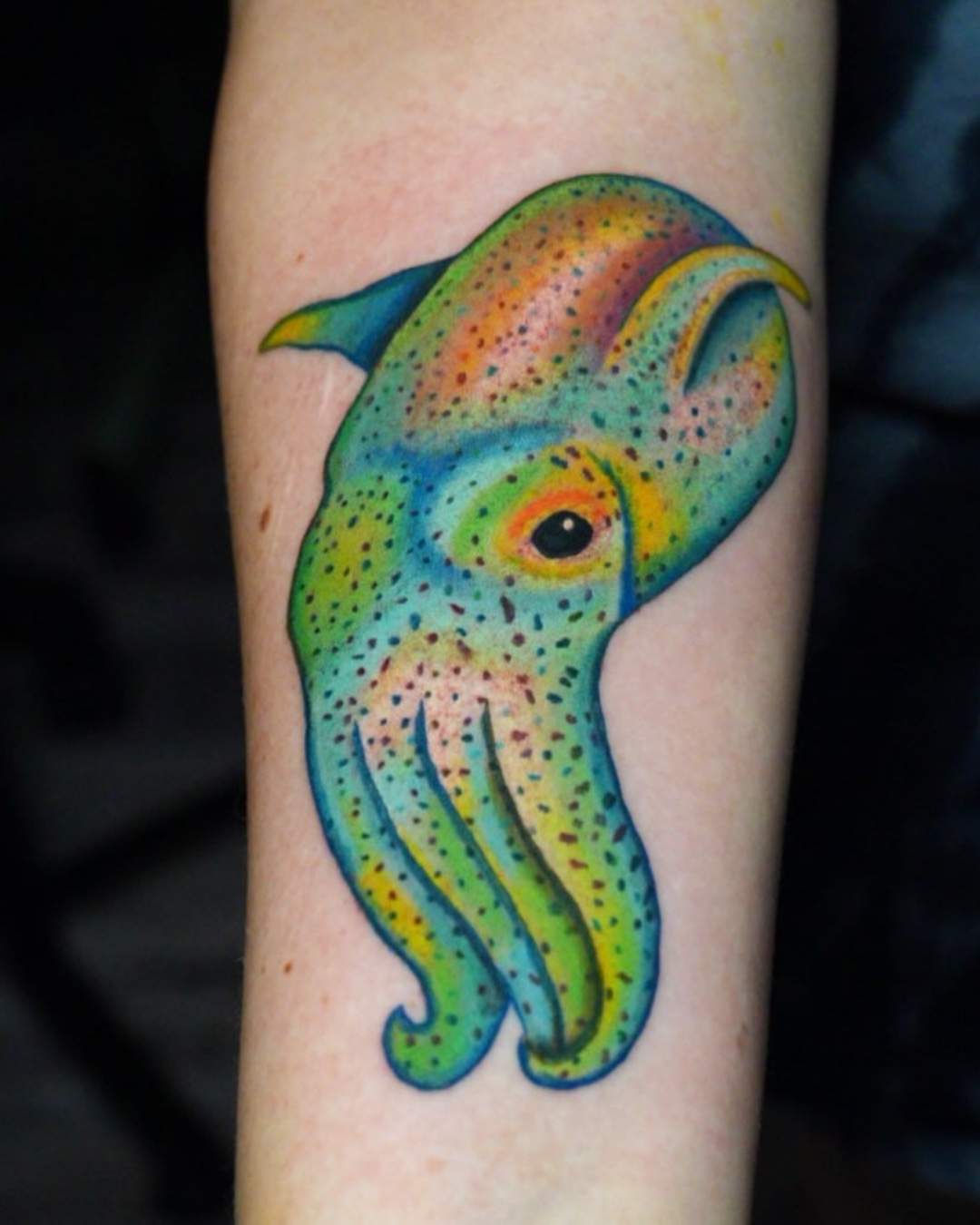
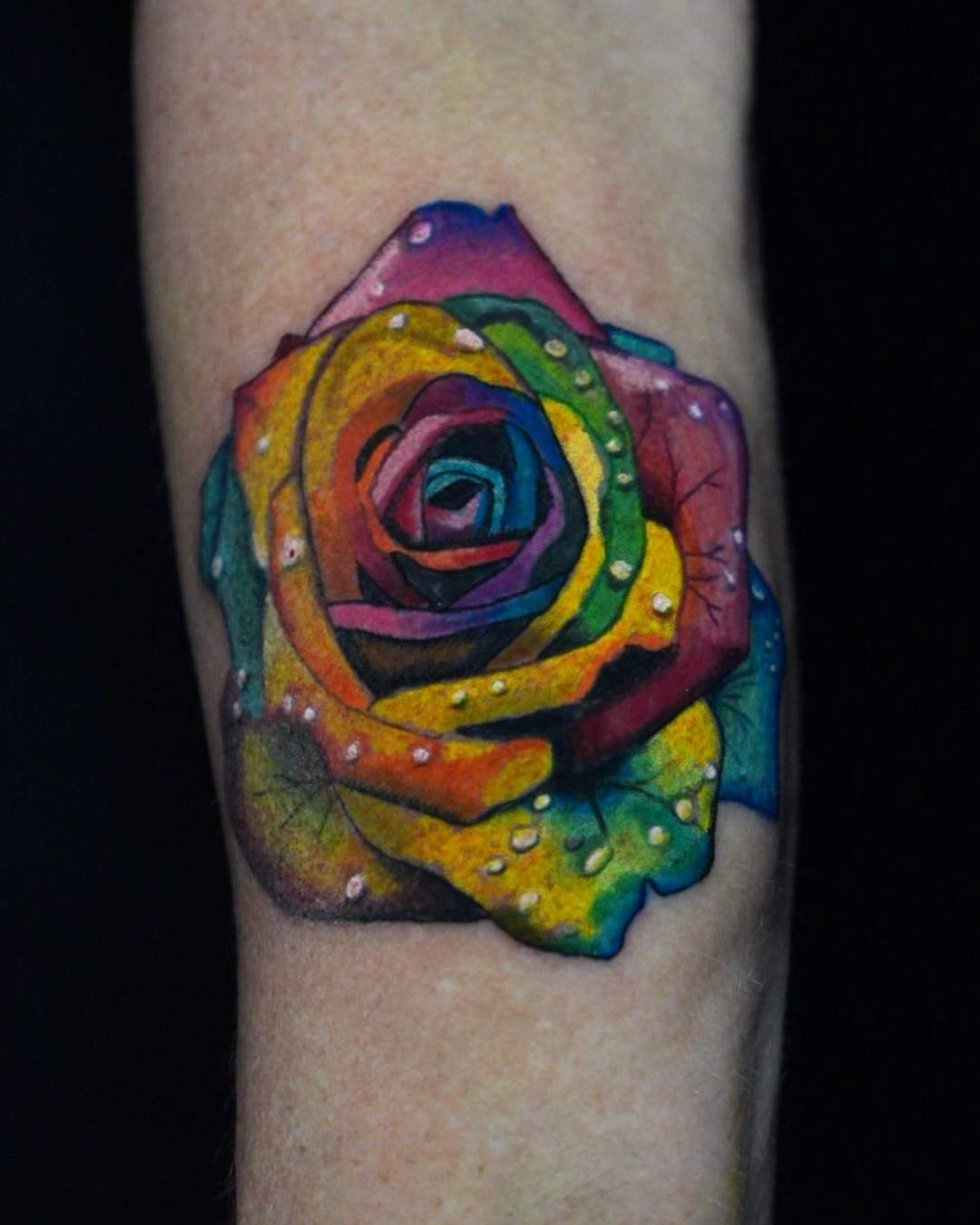
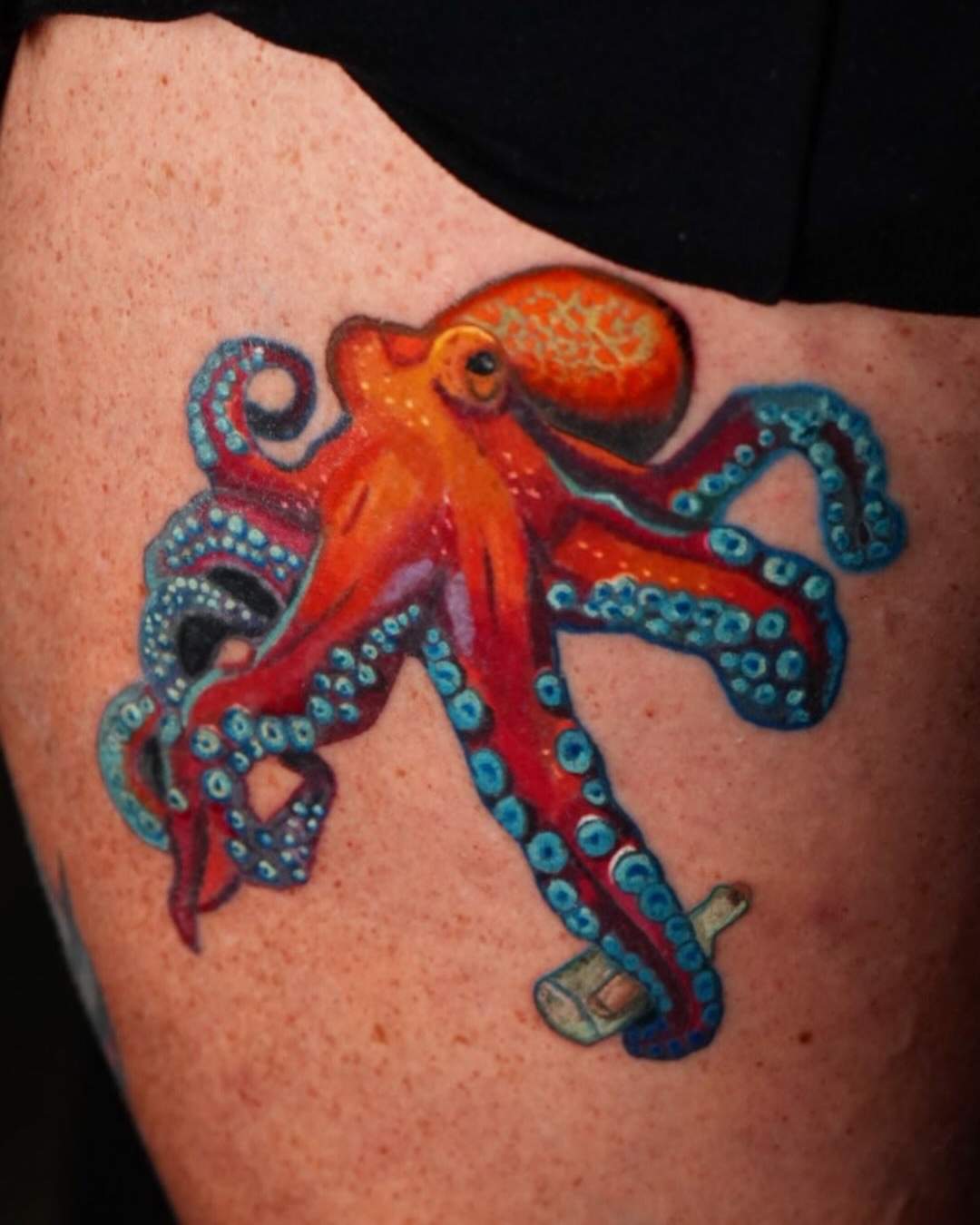
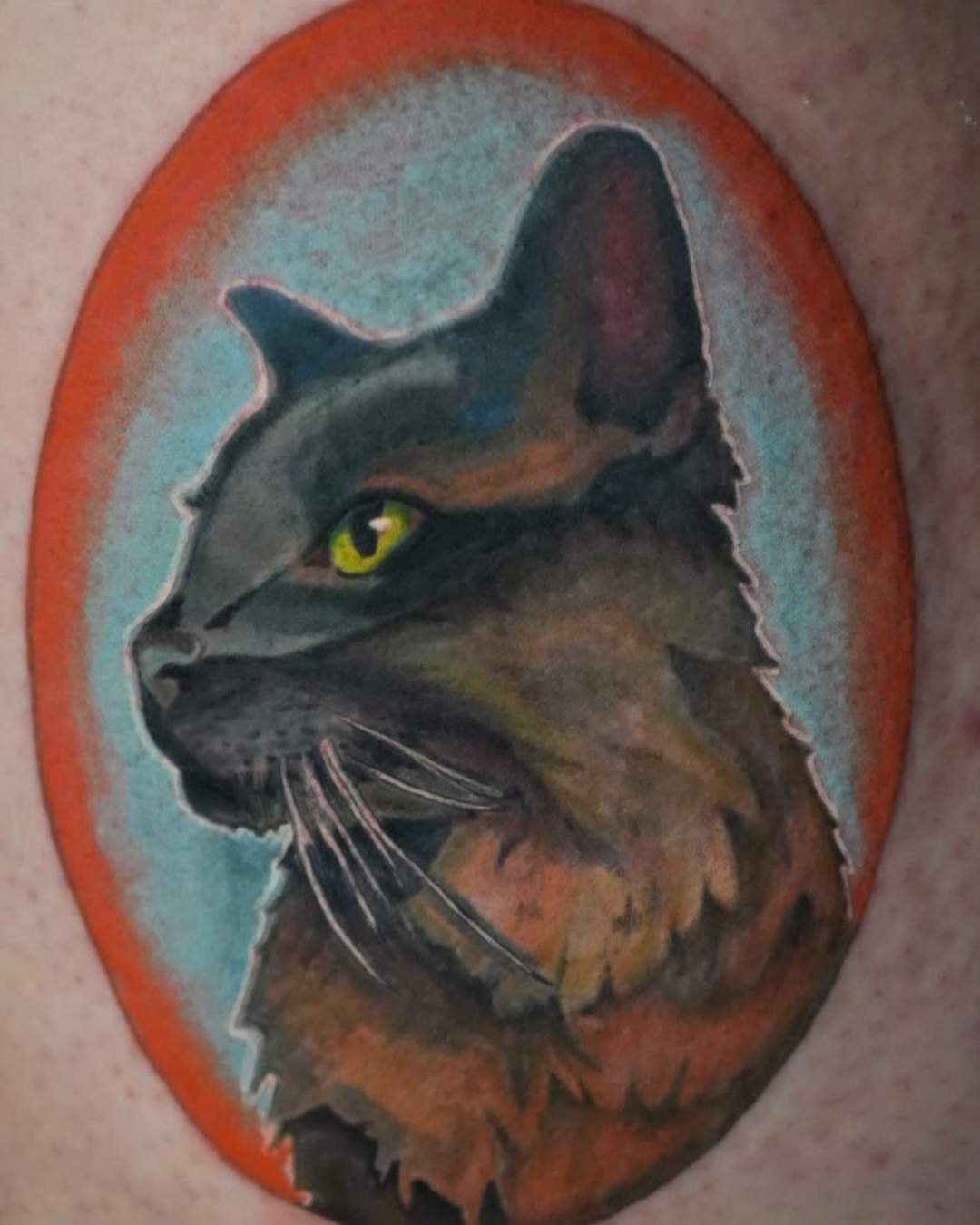
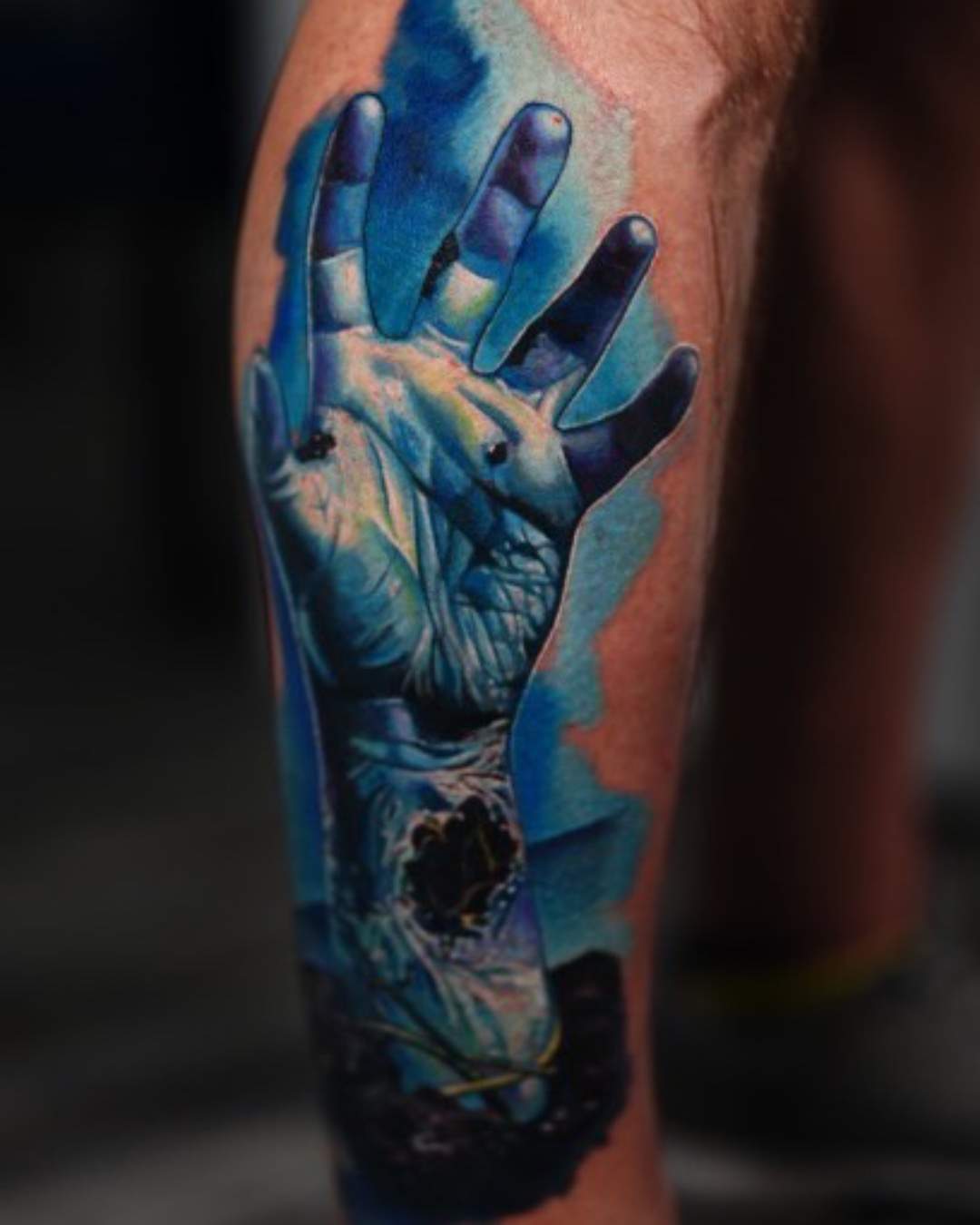
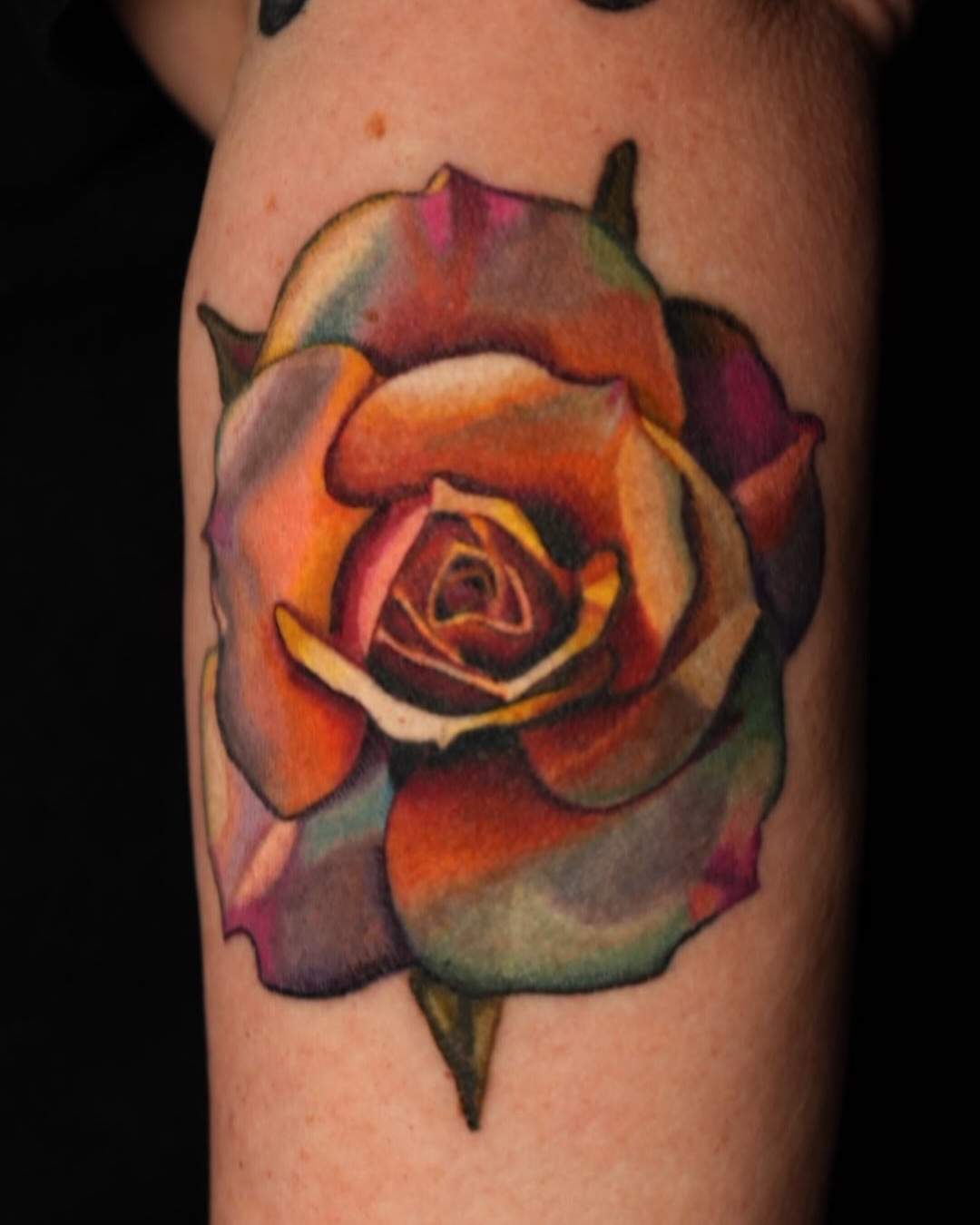
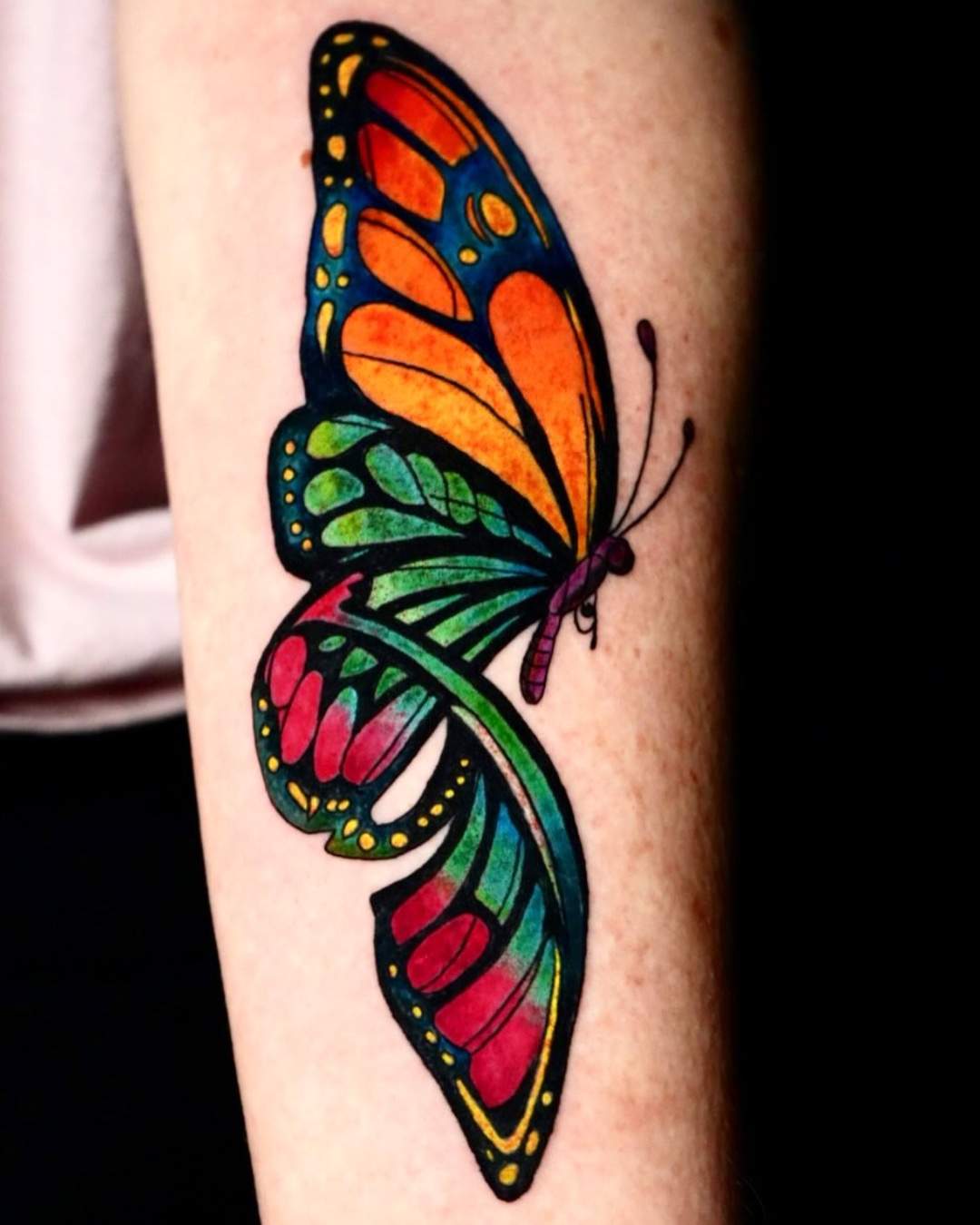
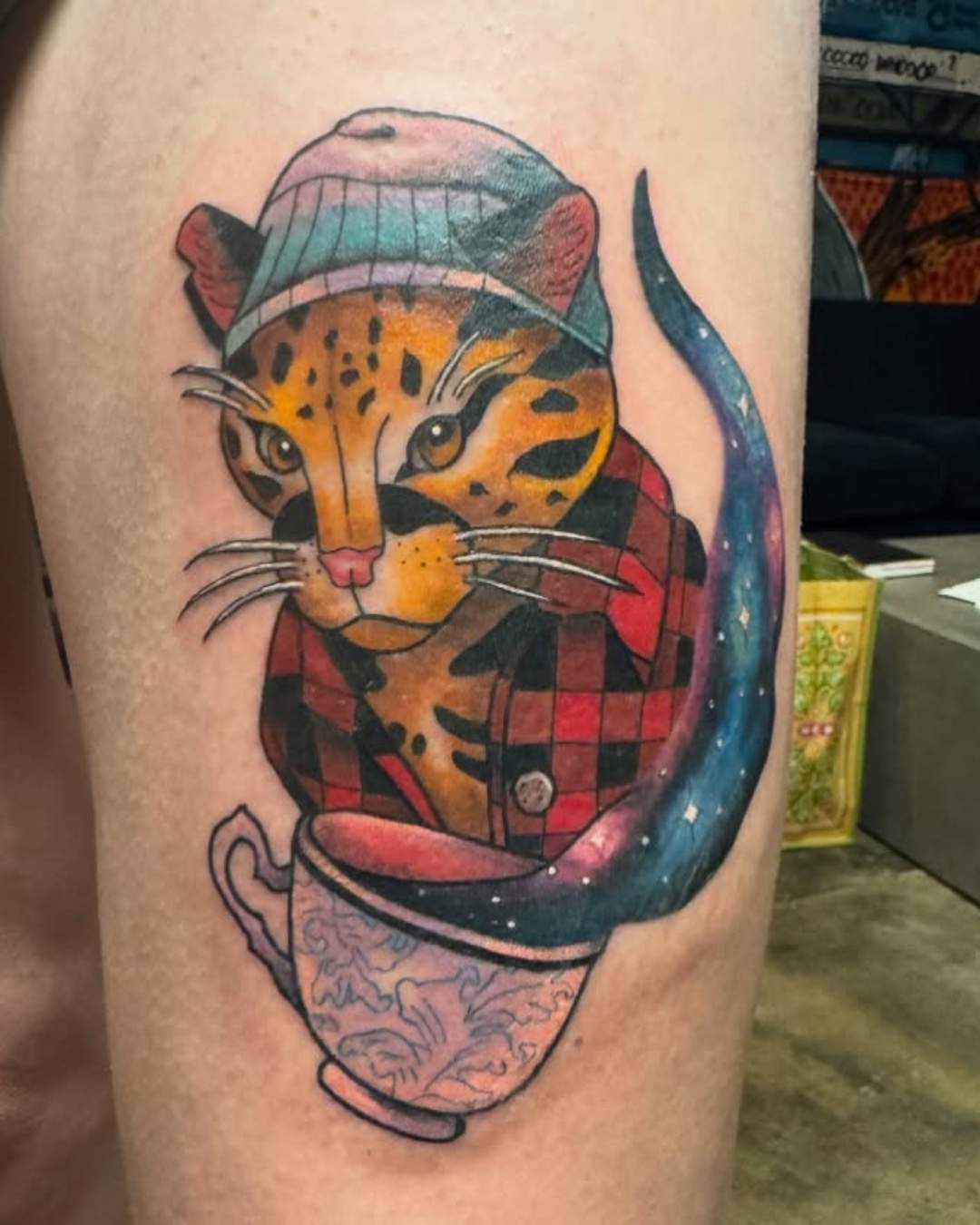
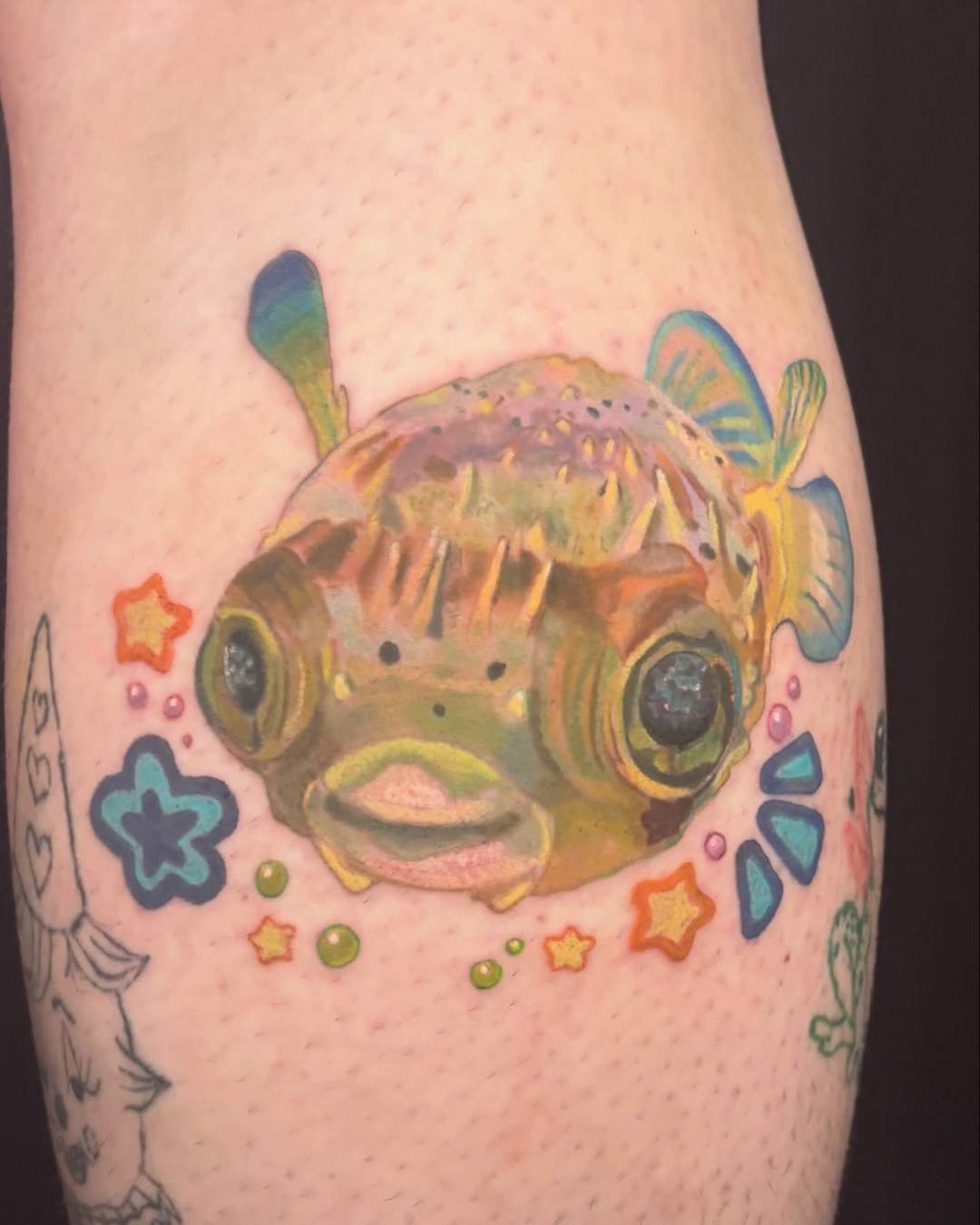
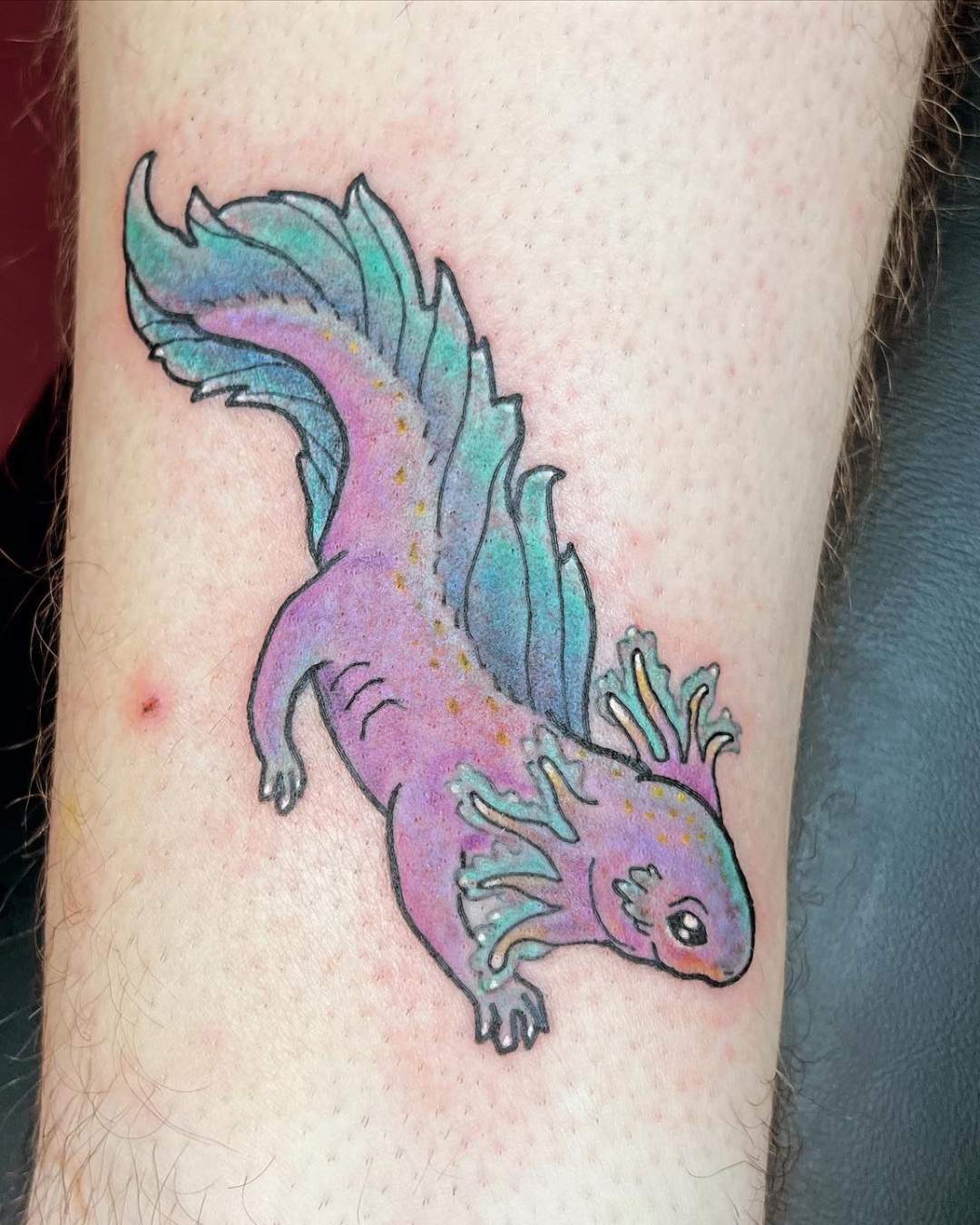
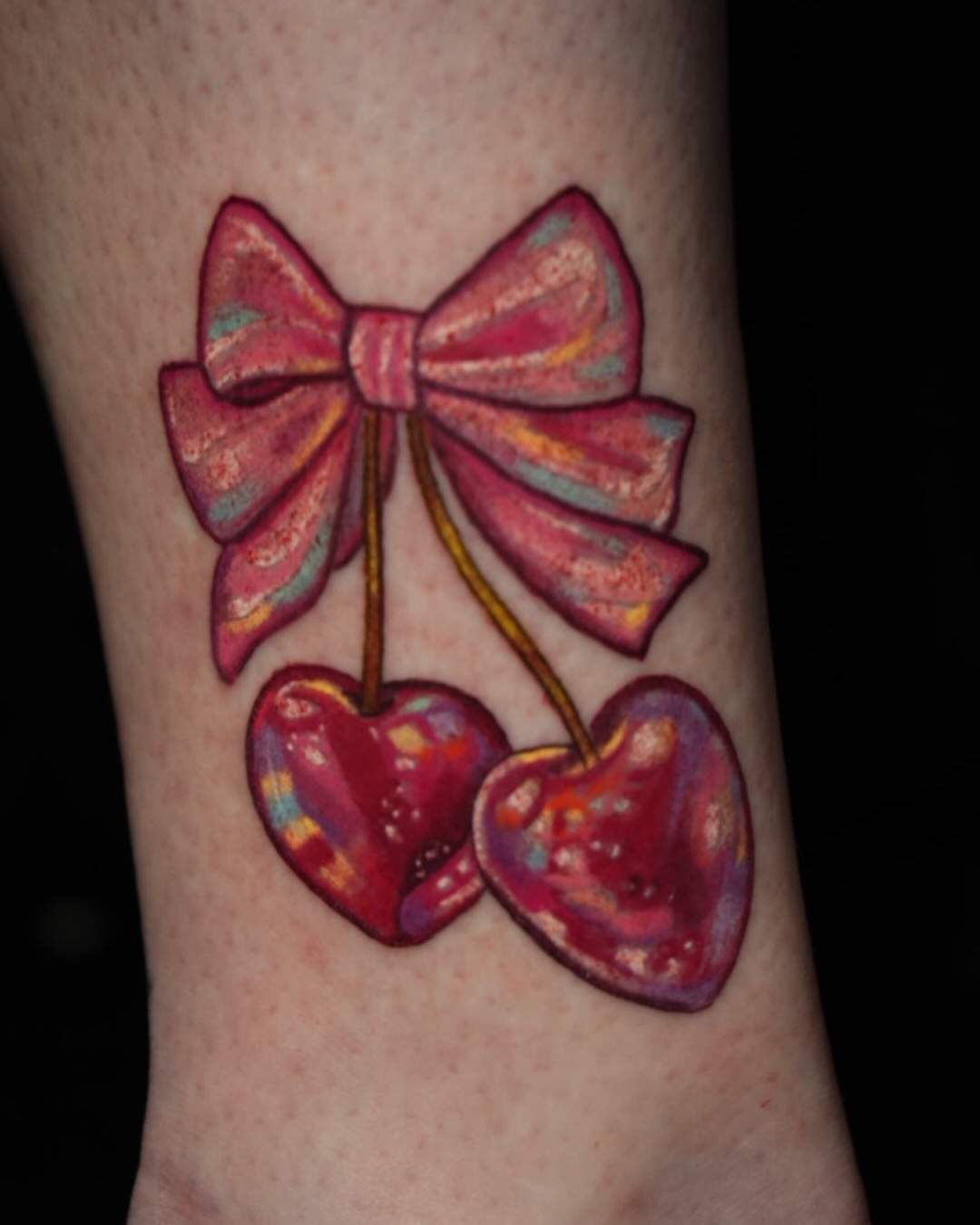
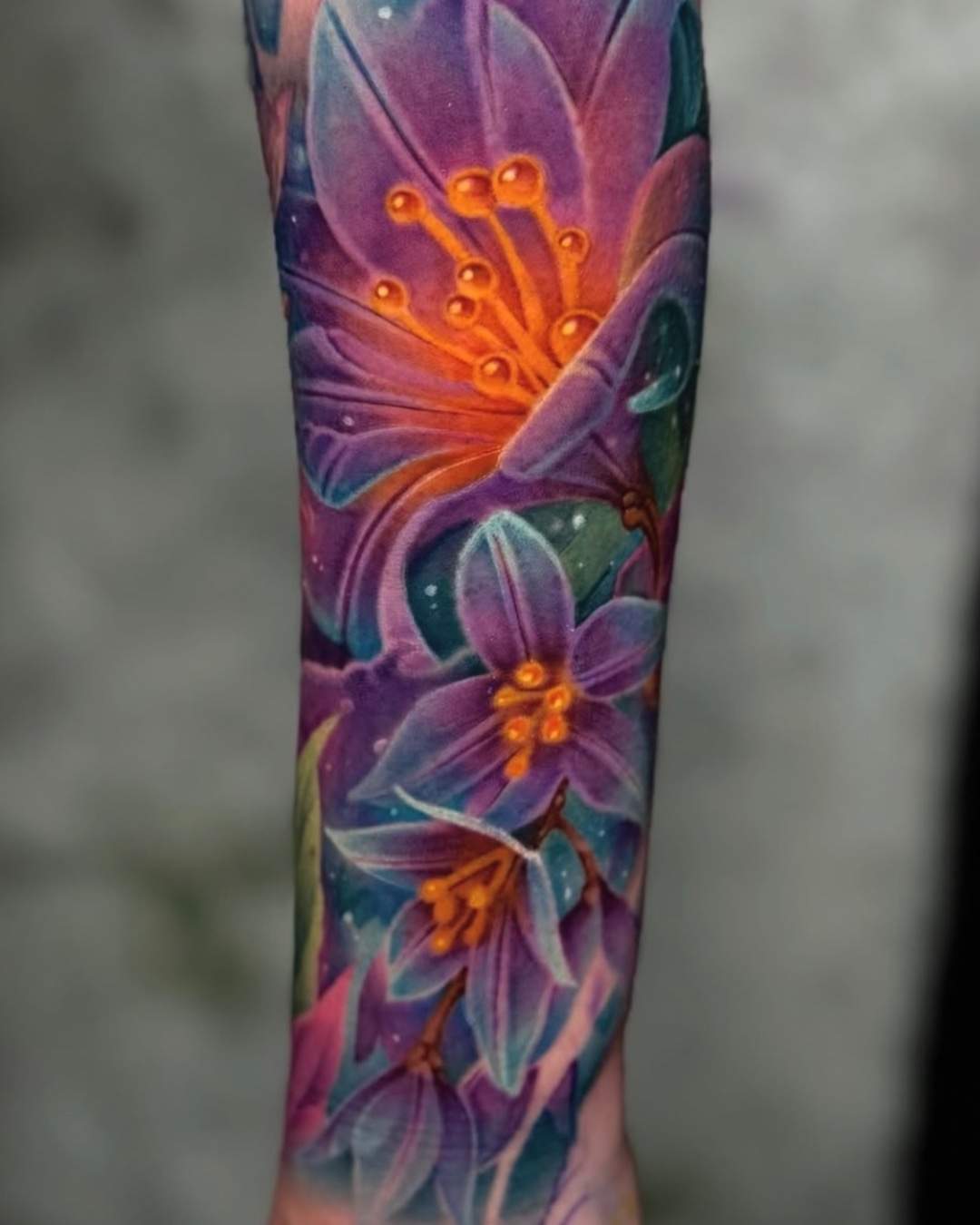
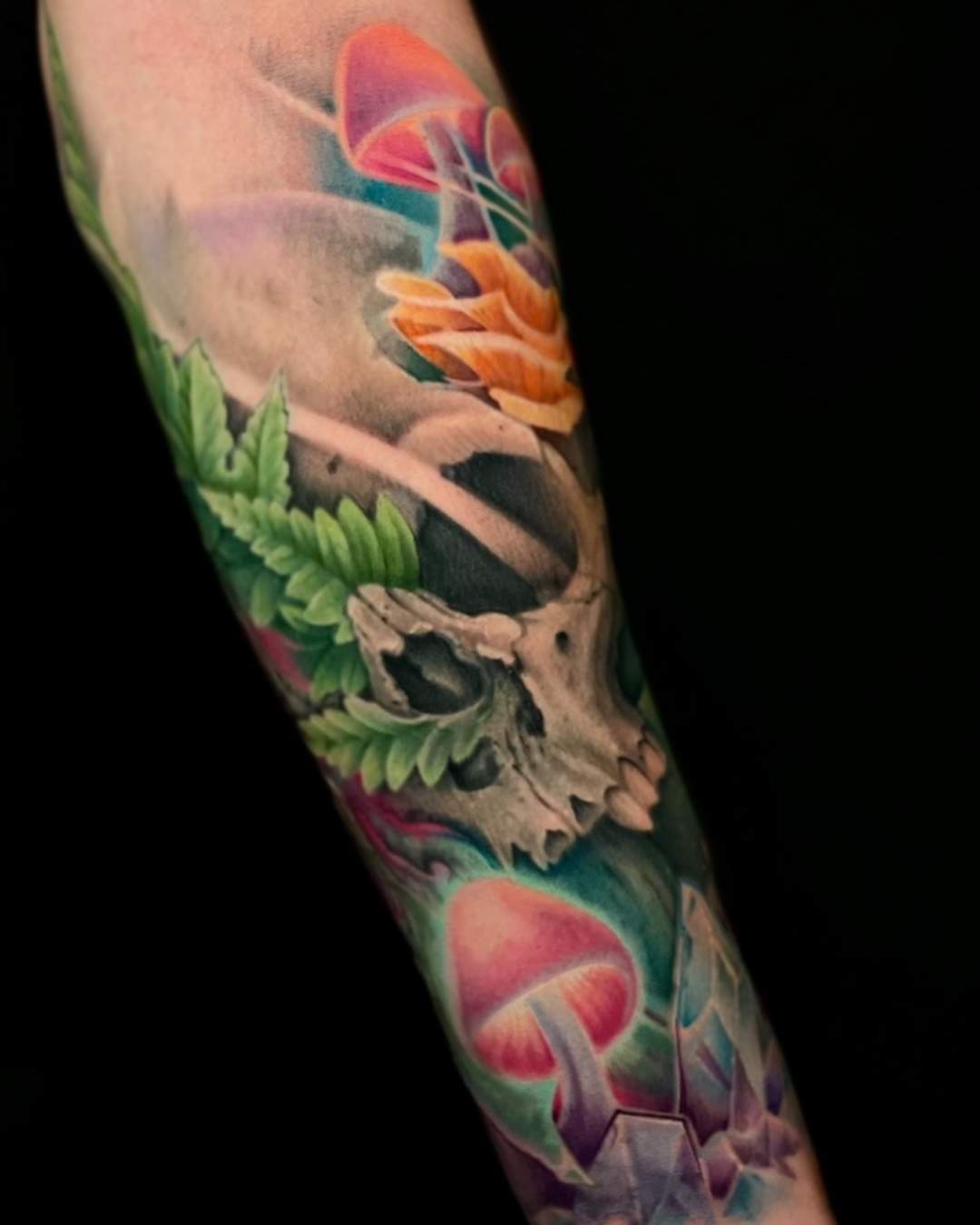
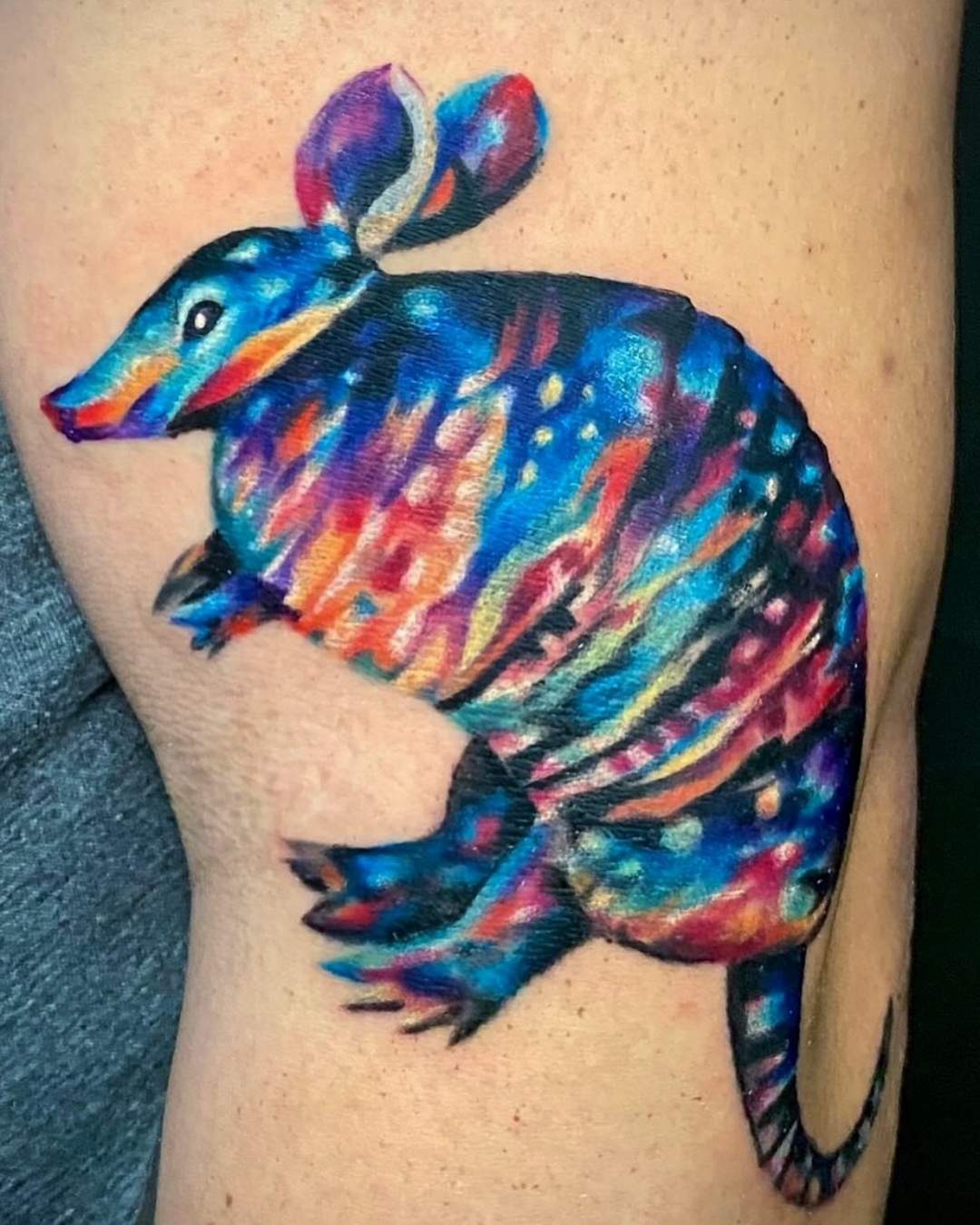
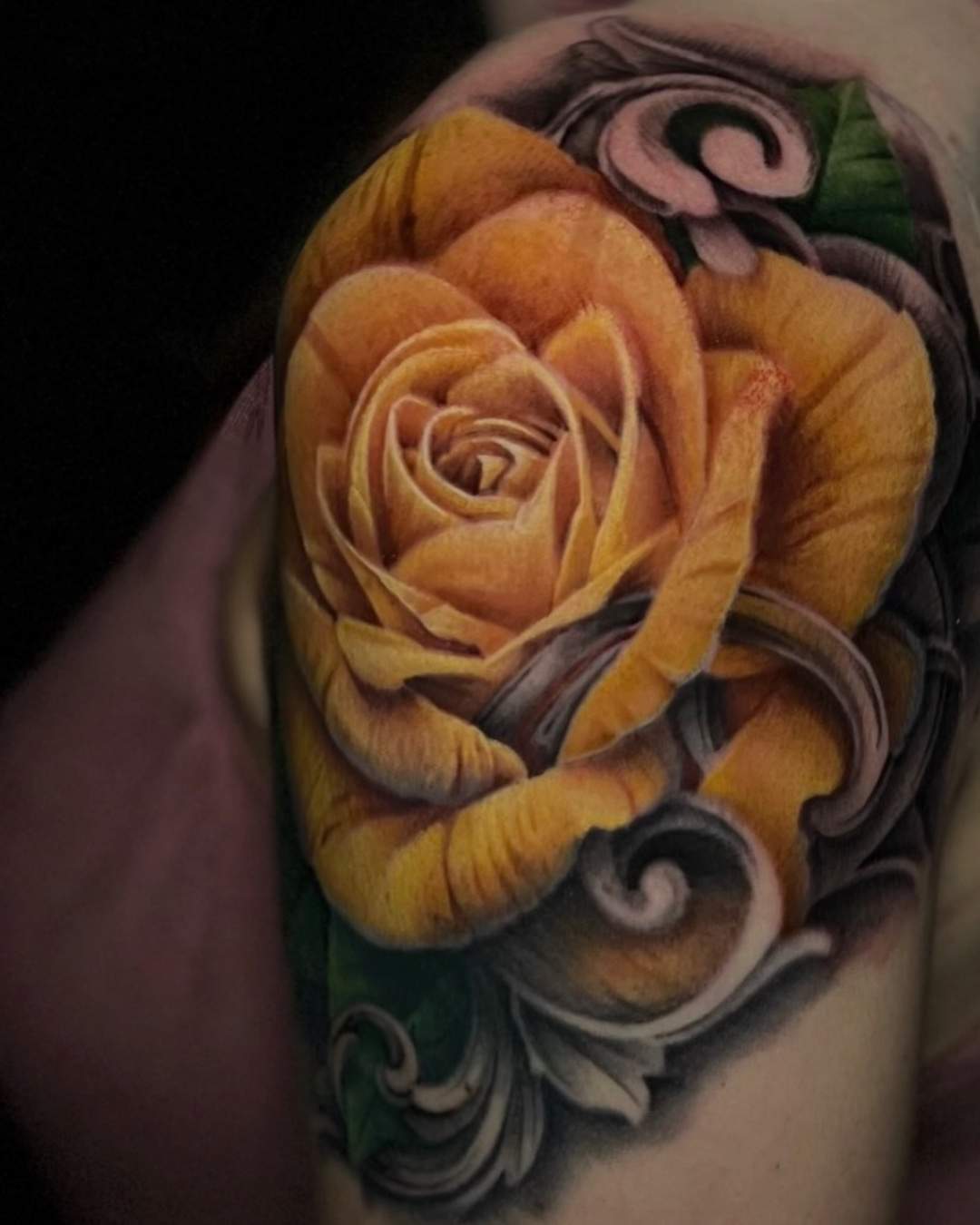
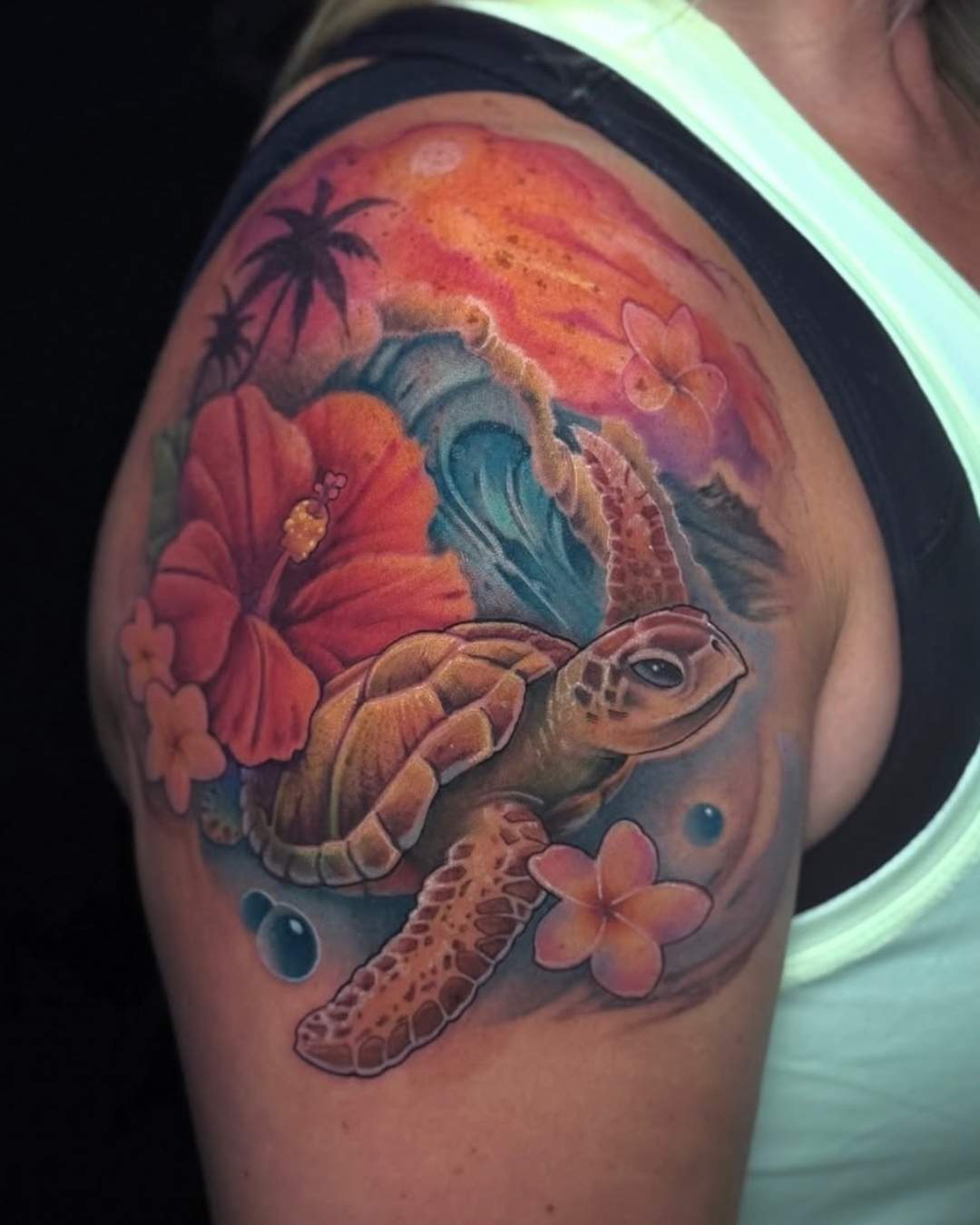
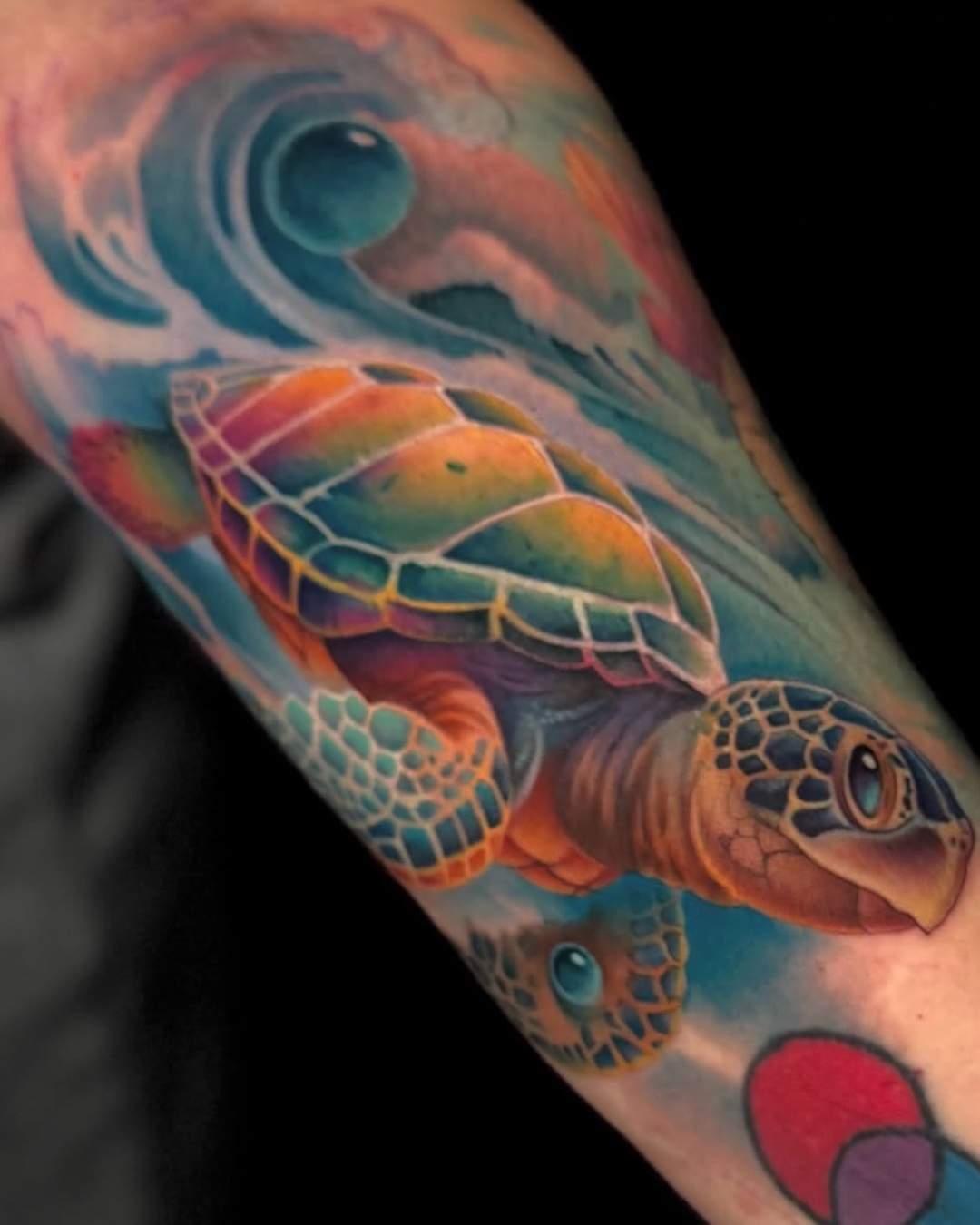
Neo-realism keeps Realism's modeling and stylizes around it: boosted color, painterly strokes, bold outlines, graphic backgrounds.
On YokoFolio, pick the style Neo-realism and then your city, and widen the radius if you need to. One test really matters: look at the realistic rendering underneath the effects. If the modeling is weak, no amount of color bursts and abstract backgrounds will save it. Look for portraits that actually resemble the person and transitions with no stair-stepping, then look at how the artist composes around them: do the effects lead the eye to the subject, or bury it? Healed photos are essential here — bright color is where the years show first. Ask the artist how they would compose around your reference, which elements they would add, and if they'll show you the full design before the first session.
The word gets used fairly loosely, and two artists won't necessarily mean the same thing by it, so their portfolios are the best definition. What always comes back is the way of working: you bring a photographic reference, as in Realism, but it's only a starting point — the whole job is then to compose around it. Bring the sharpest photo you have, say which part of it matters most to you, and share the colors or the mood you like. Expect a real design phase before the first session, and a drawing that won't look exactly like the image you had in your head. A large piece usually takes several sessions: ask for the plan once the design is approved.
Yes, and it's a solid version. What changes isn't the modeling — it's still built on values, exactly as in Realism — but the effects: texture, bursts of light, bold strokes, graphic backgrounds and breaks in material are then what compose around the subject. The result is quieter and more durable, since light colors are what weaken fastest. If color matters to you, the safe route is to build the modeling in black and grey and save the color for accents: a single tone, a splash behind the subject, a graphic frame. Whichever you choose, protect the piece from the sun, which wears down contrast and color faster than anything else, and plan a touch-up once the brightest areas have softened.
Realism aims at illusion and erases anything that would give the drawing away: no hard outline, colors true to life, nothing the photograph didn't have. Neo-realism keeps that modeling but lets the stylization show around it — painterly strokes, bold outlines, boosted colors, graphic shapes, abstract backgrounds. Surrealism changes the subject itself: a face that opens like a door, a clock that melts, a double exposure, a whale floating among the clouds. In a Neo-realism piece the subject stays possible — a real face, a real animal — and the artifice sits around it, not inside it. In short: one imitates, one composes, one dreams. If the subject is real and realistically rendered, and the artifice lies in the colors, strokes and graphics around it, it's Neo-realism.