Filters

1 tattoo artist
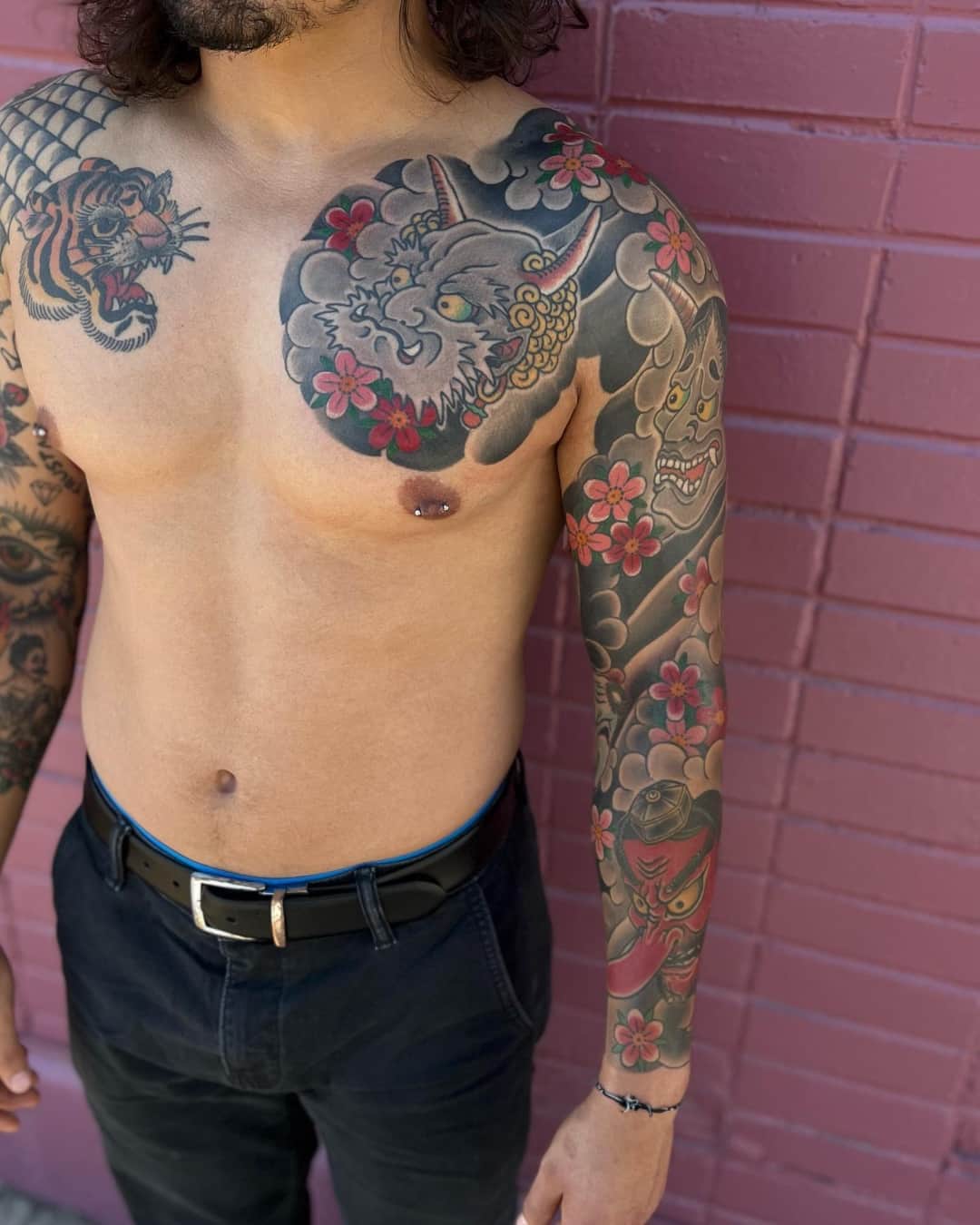
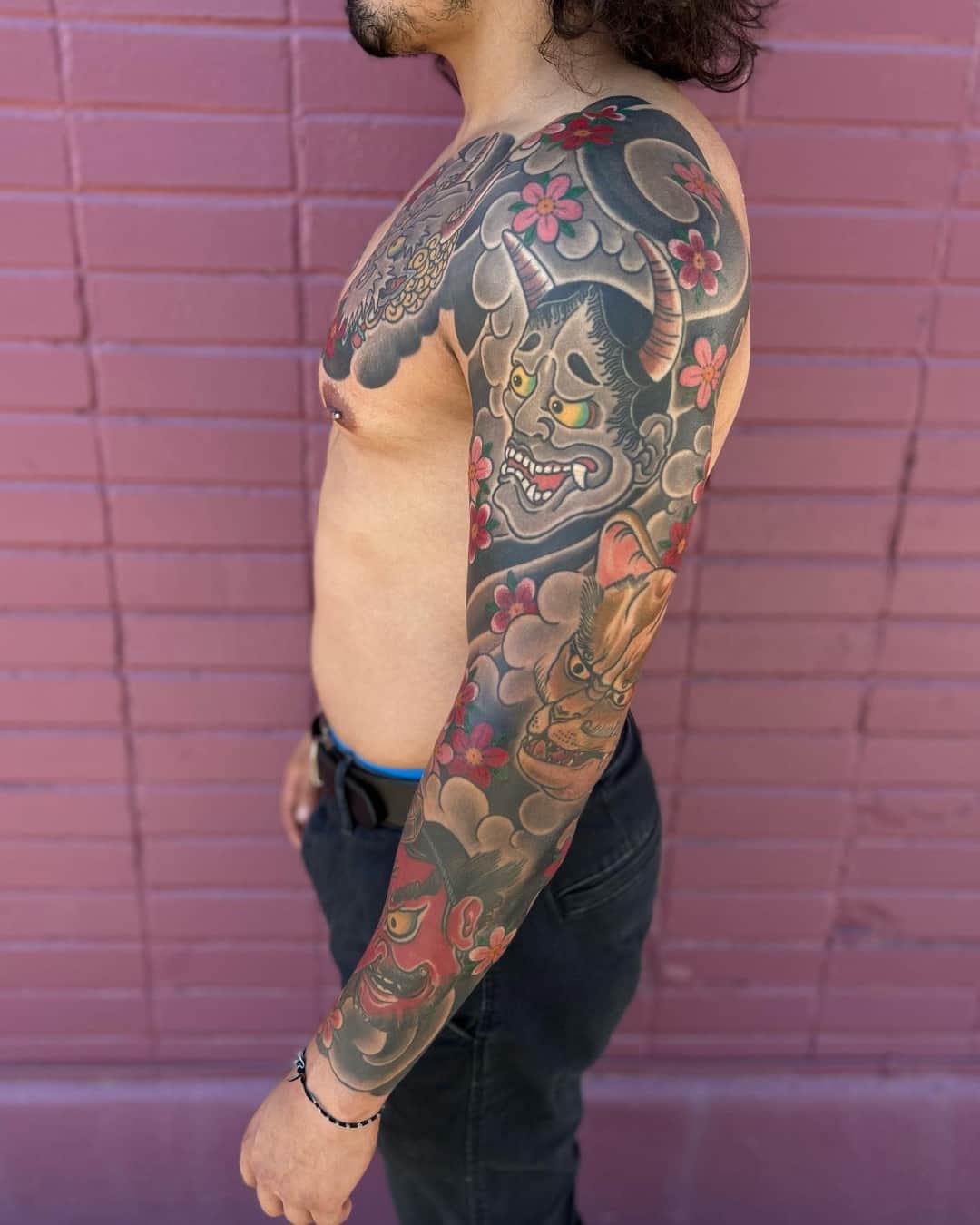
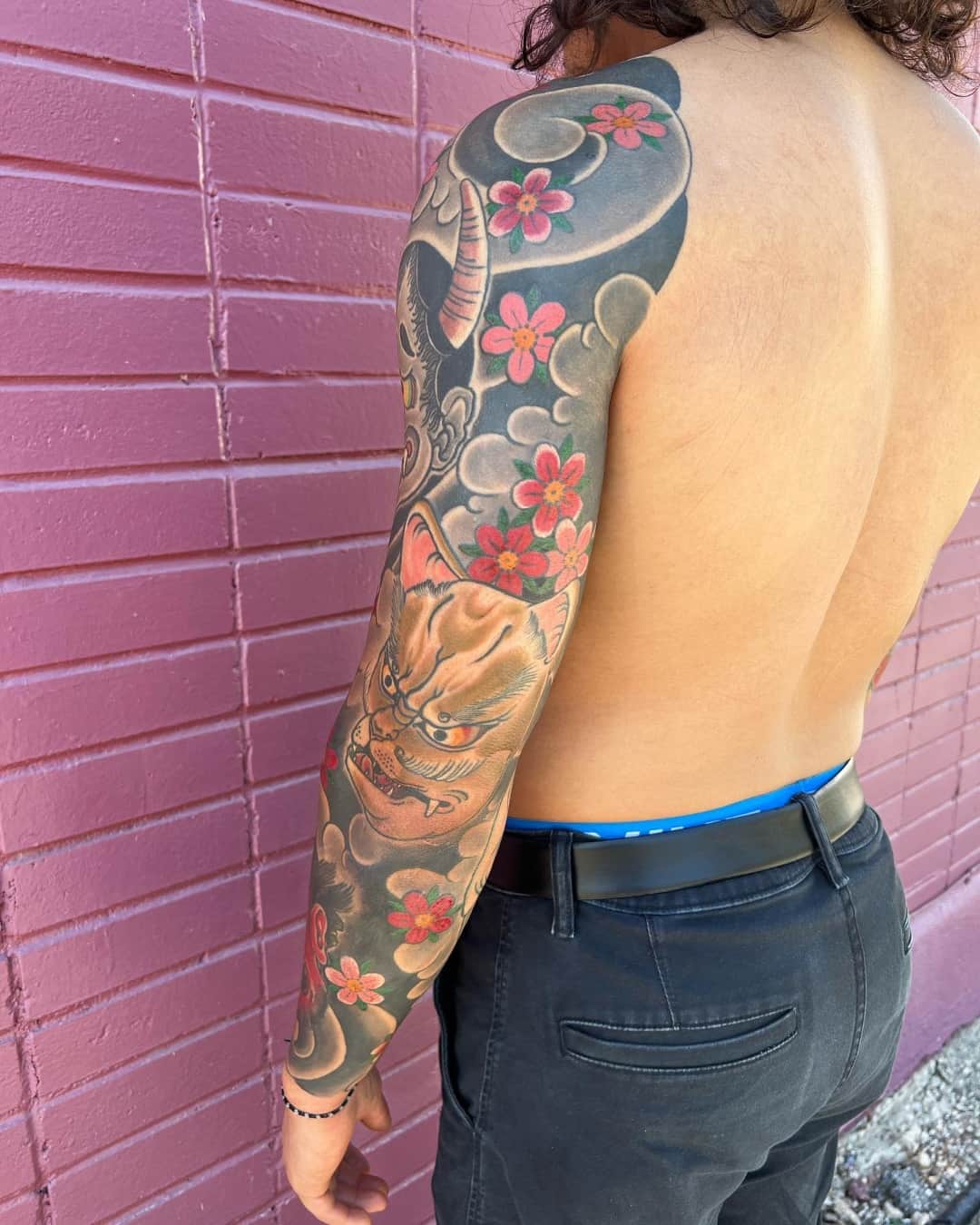
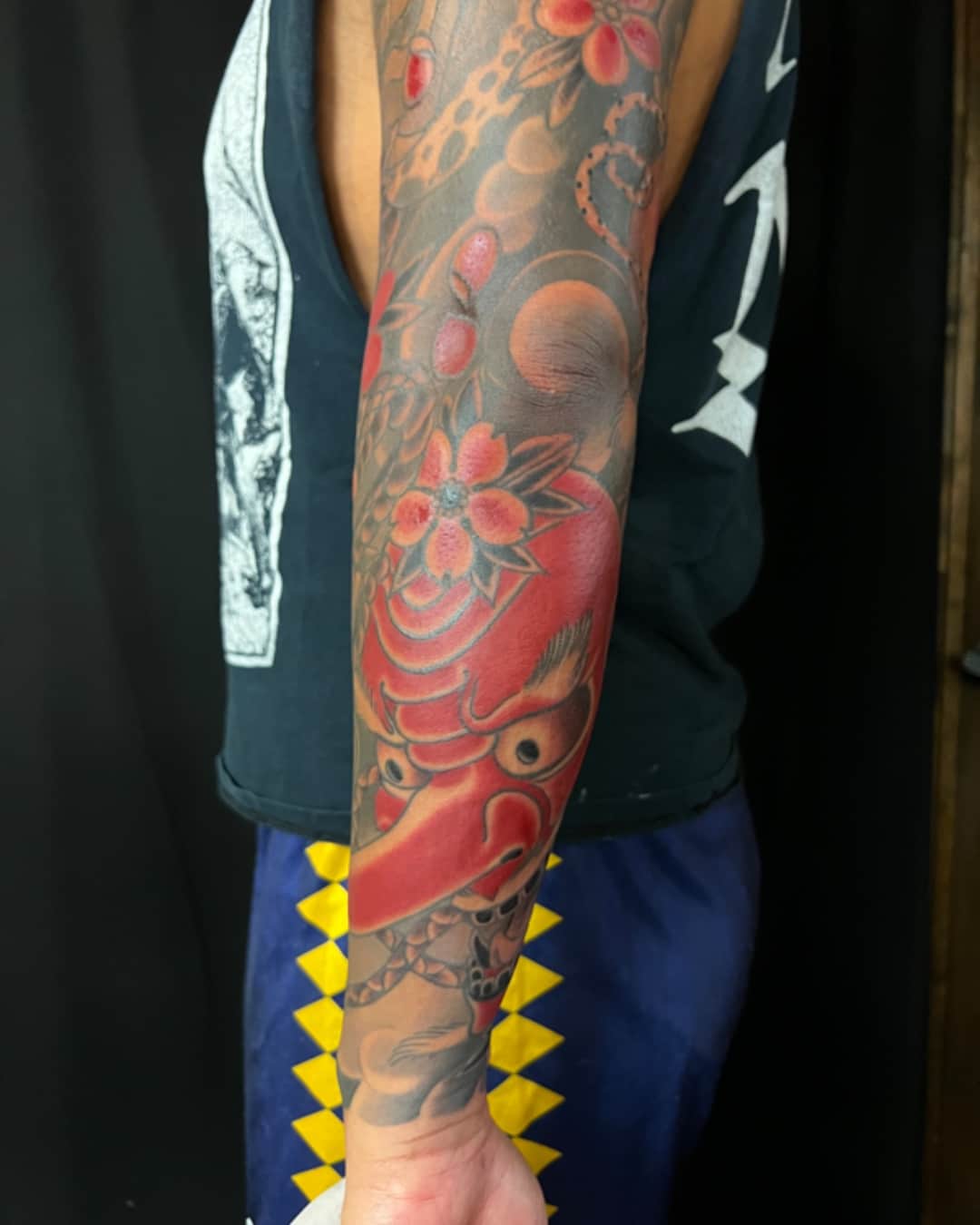
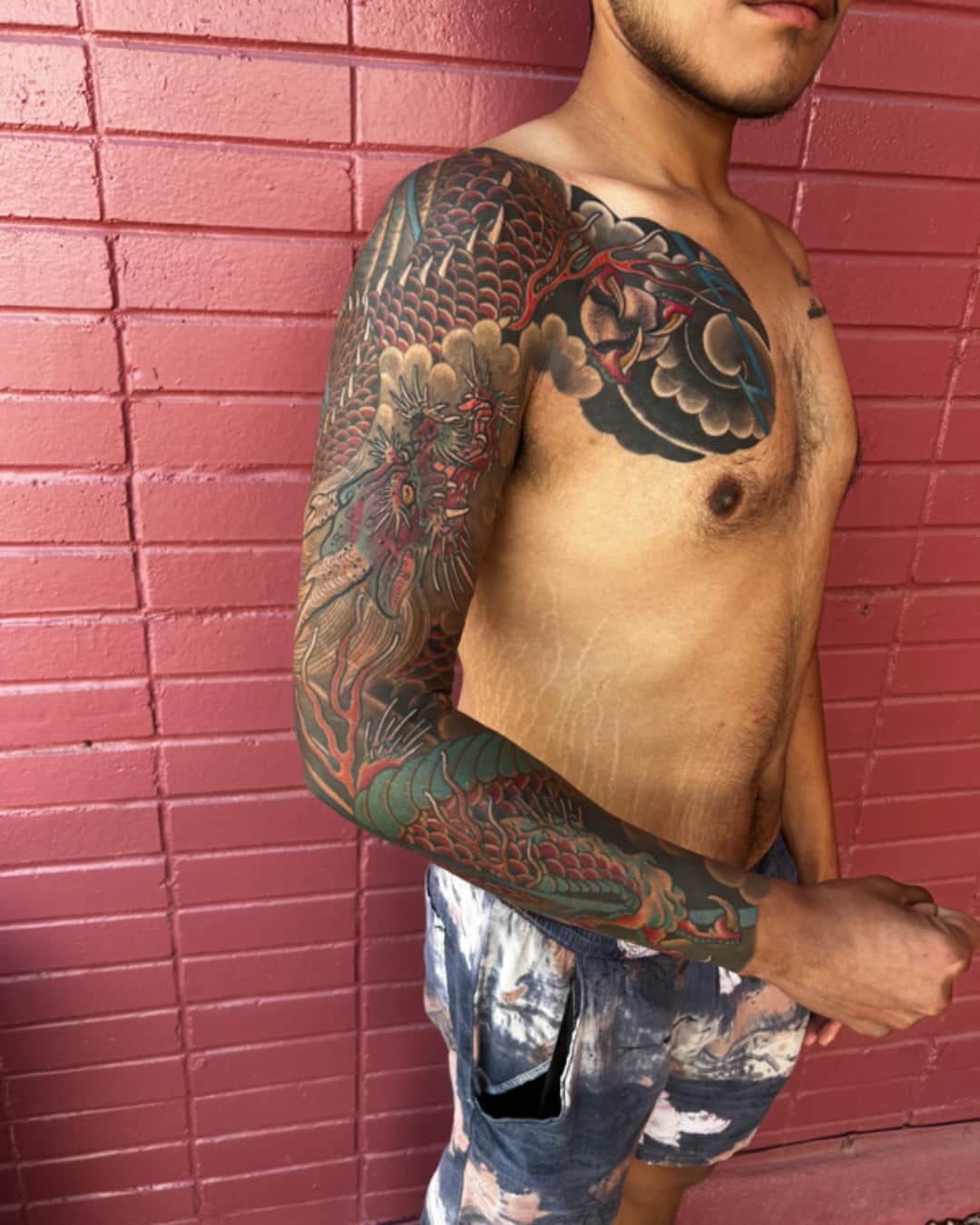
Japanese tattooing thinks in whole bodies: dragons, koi and masks joined by wind and water backgrounds, under a strict grammar.
On YokoFolio, pick the style Japanese and then your city, and widen the radius — this style is worth traveling for. Look for someone who composes whole layouts, not just isolated designs: check whether the wind and water backgrounds flow naturally around the arm, and whether the pairings of figures make sense. A trained artist will talk to you about the entire project at the first meeting, even if you only plan on one forearm.
It's the classical tattooing of Japan: large compositions that follow the whole body, a fixed repertoire of figures, and strict rules for combining them. Two things are worth knowing before you commit. The first is technical: it's done by machine and by hand alike — tebori, needles mounted on a rod that the artist pushes by hand, still taught today. The second is social: in Japan, tattoos still carry their old association with organized crime, and plenty of public baths, pools and gyms still turn away tattooed people.
The koi swims up waterfalls: it stands for perseverance, and in the legend it becomes a dragon at the end of the journey — hence the sense of transformation. The dragon protects and brings wisdom; the tiger wards off bad luck; the hannya mask tells of jealousy turned demon; the peony says prosperity, the cherry blossom brief beauty. Each figure also has its season and its background: pairing them at random is a mistake anyone who knows the style will see.
It depends on the time and the commitment you want to put in. The half sleeve, shoulder to elbow, is the entry format: it comes together over a few sessions and can be extended later. A full sleeve builds over several months, sometimes more than a year, in regular appointments — linework, figures, then the backgrounds that unify it. A back piece is a longer project still. In every case, have the entire project drawn up at the start, even if you only put in one part.