Filters

5 tattoo artists · 1 tattoo shop · 1 tattoo studio
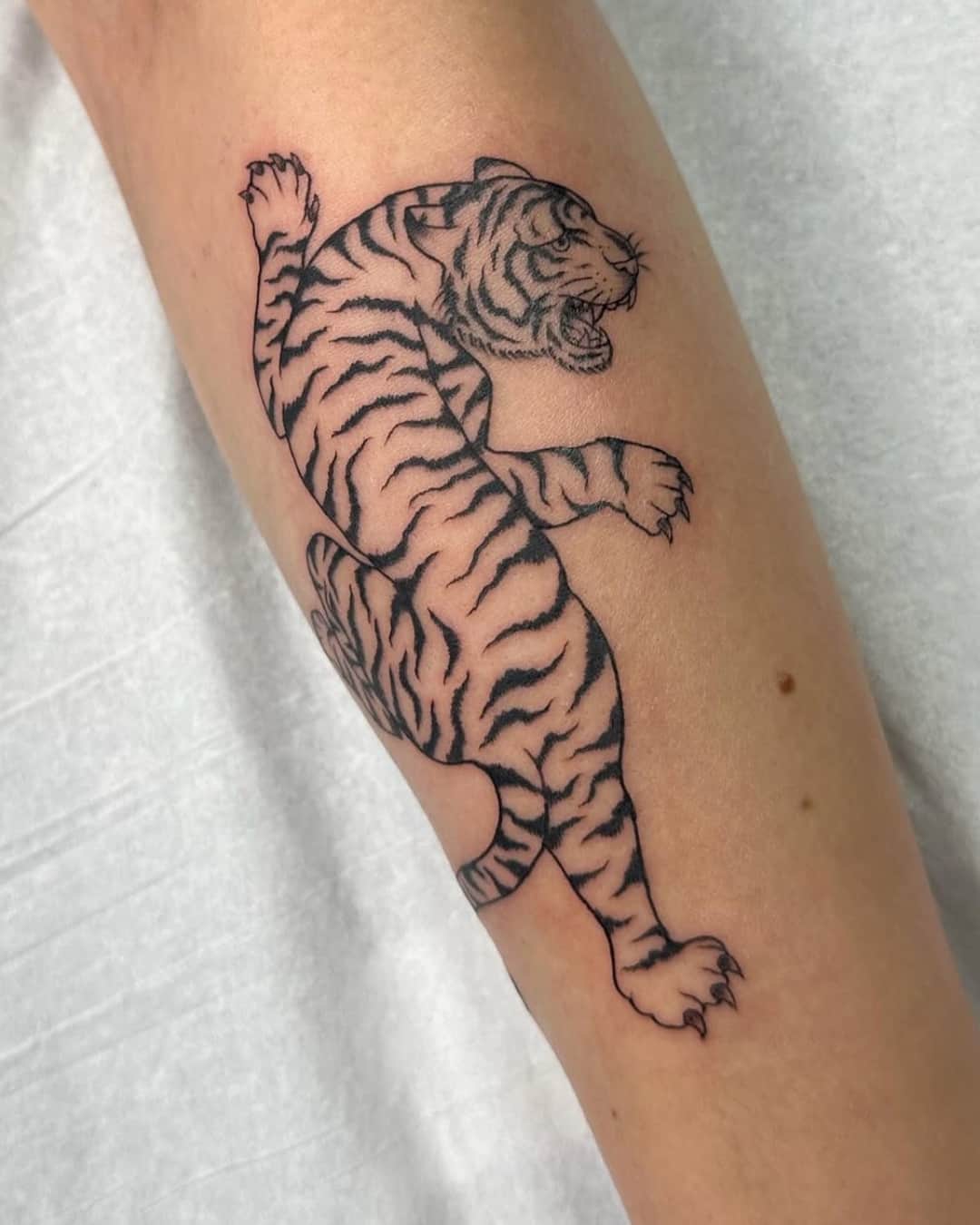
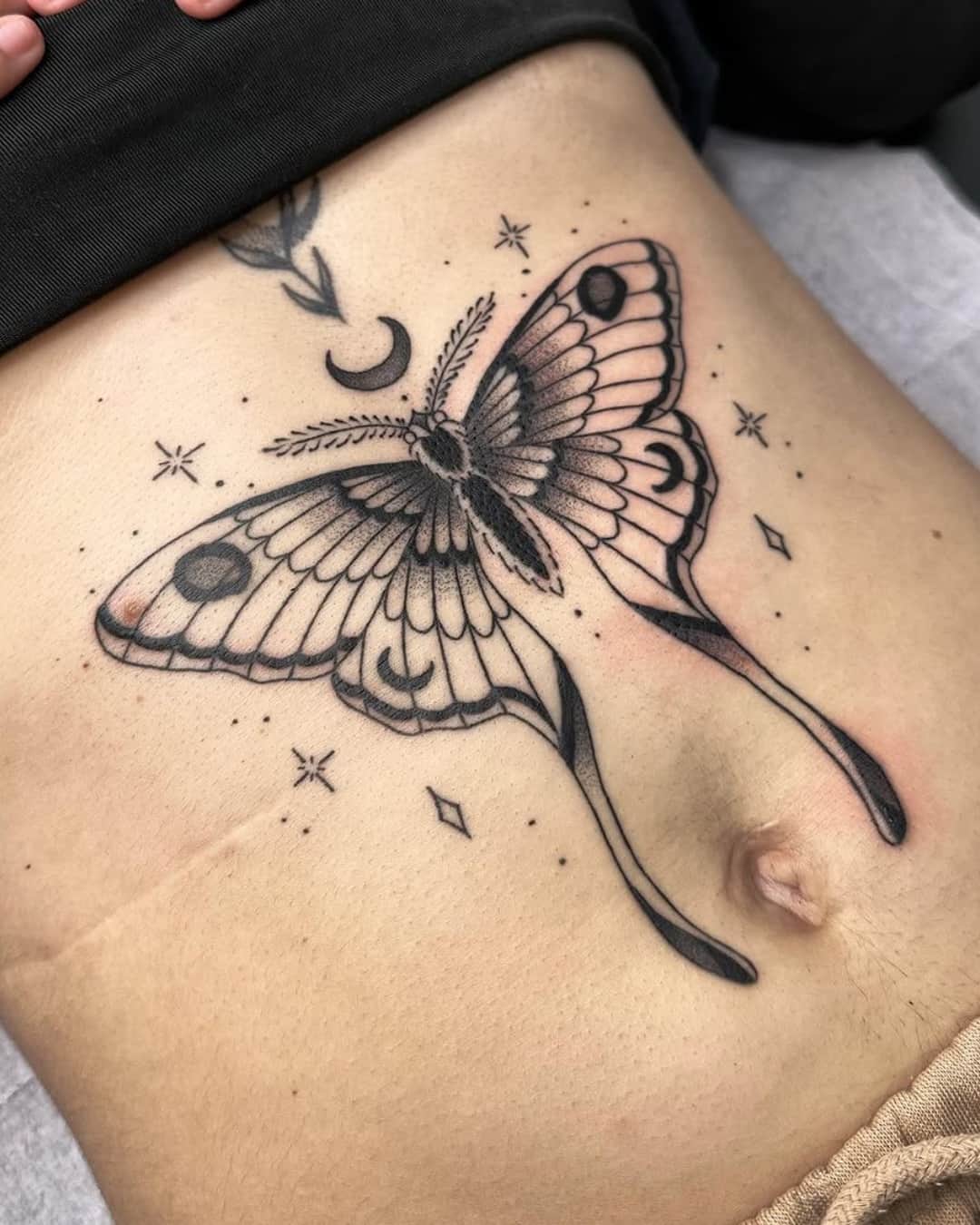
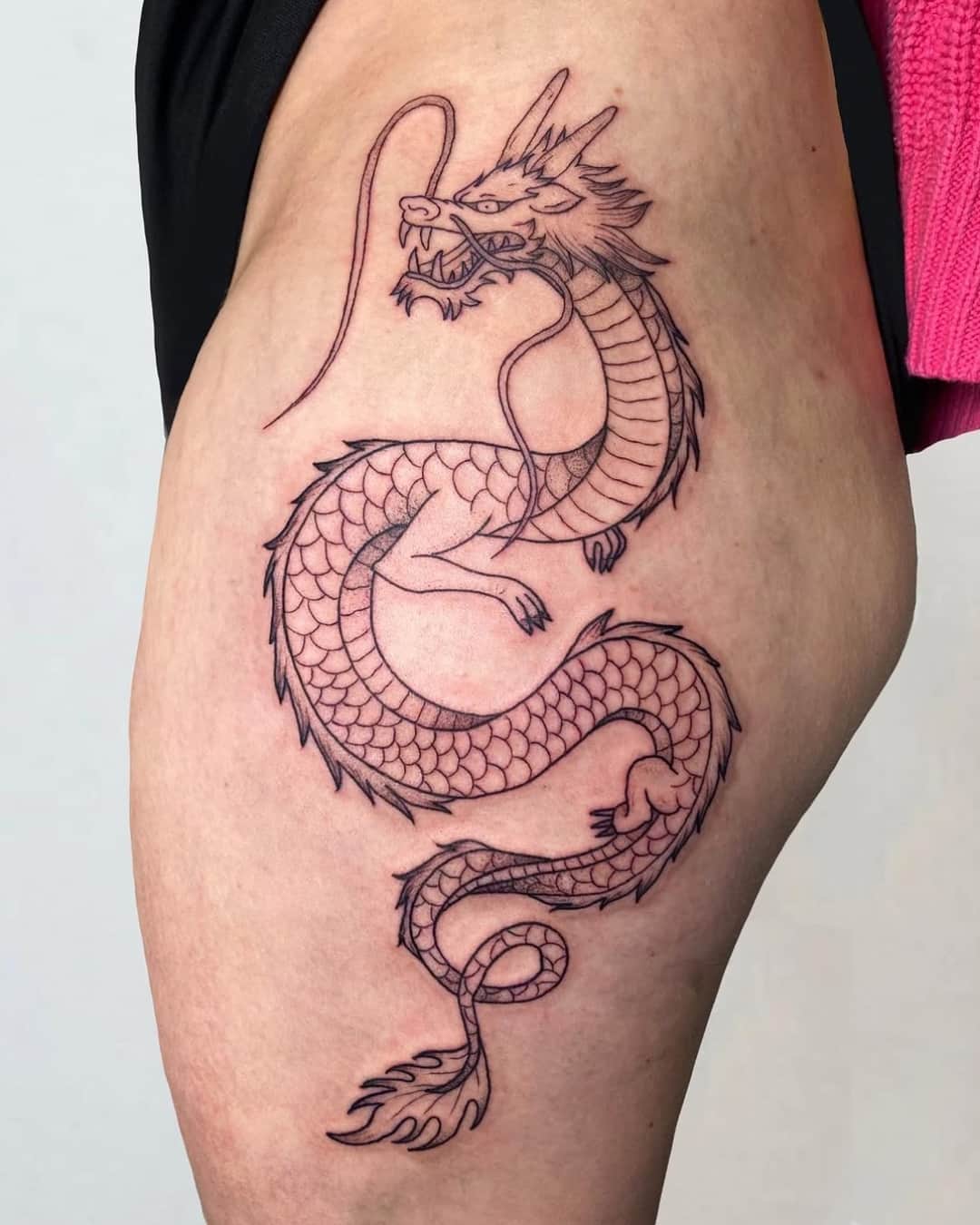
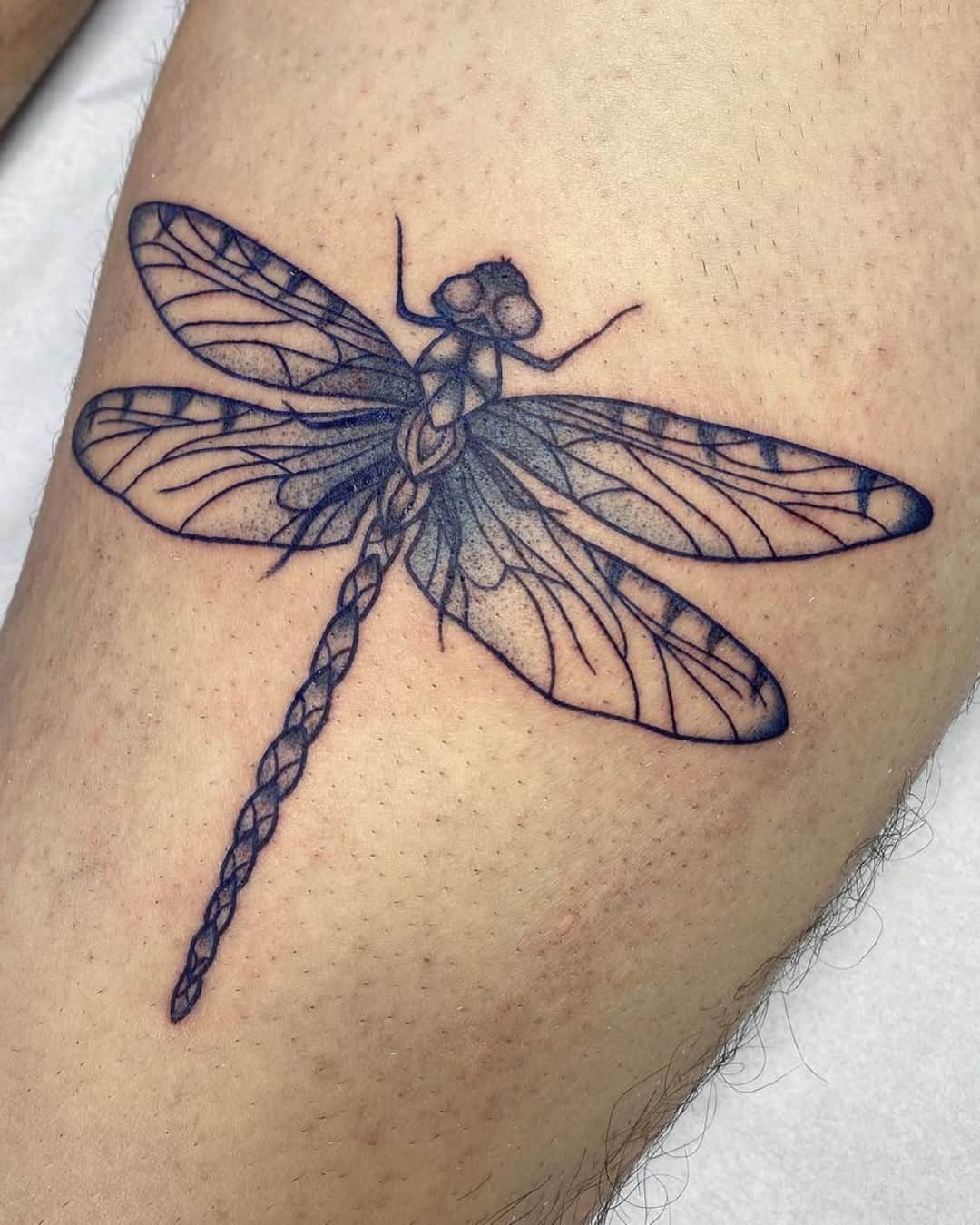
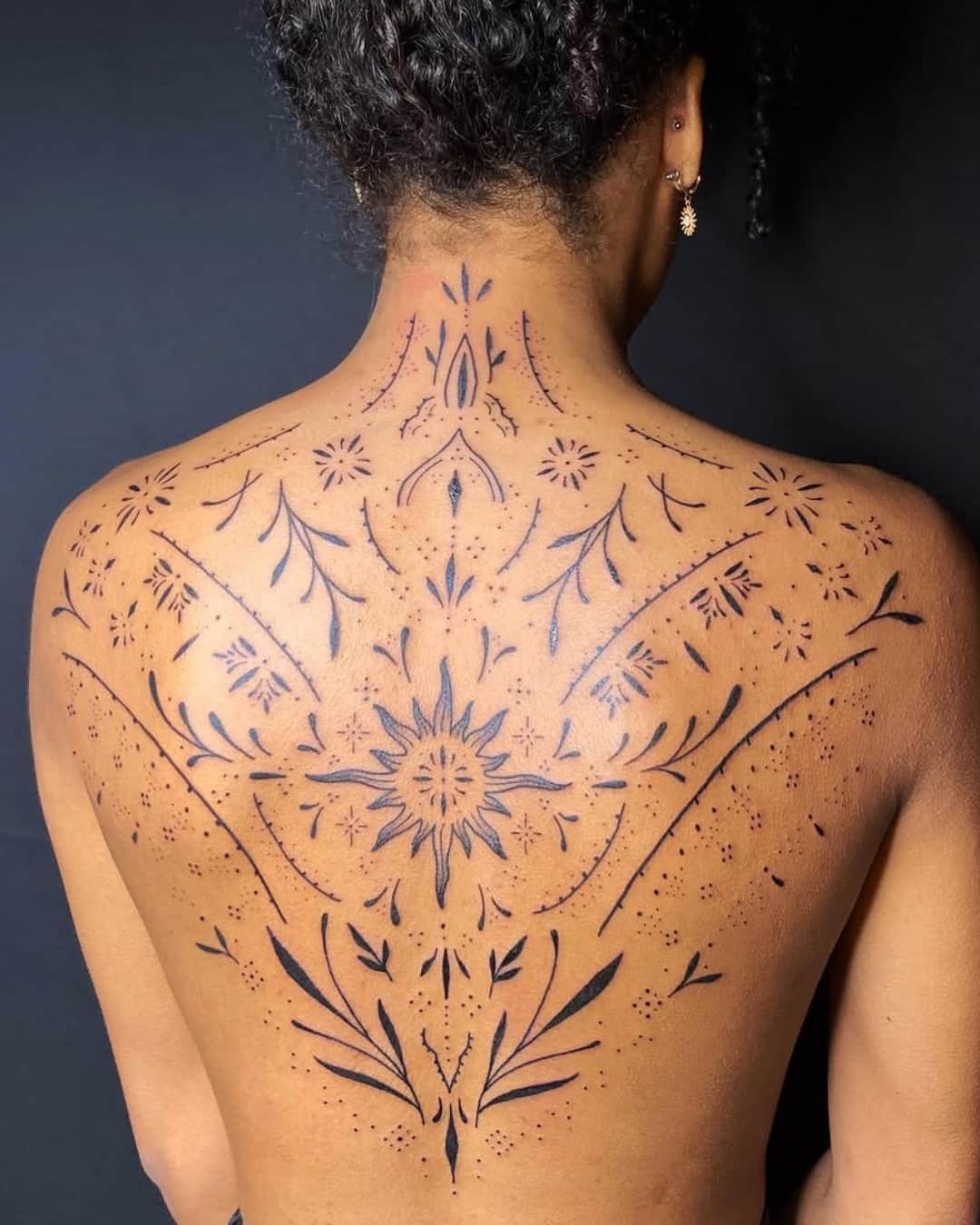
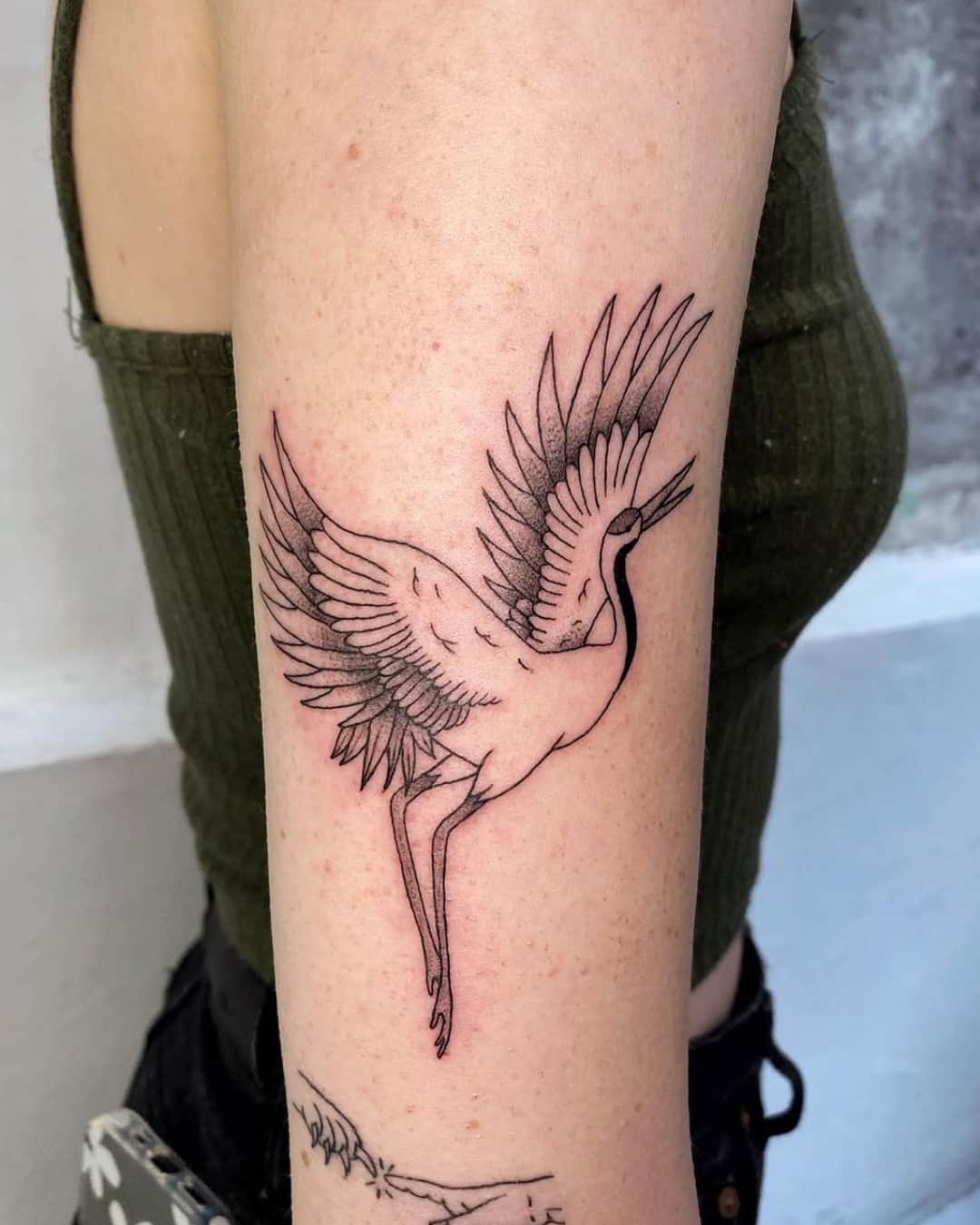
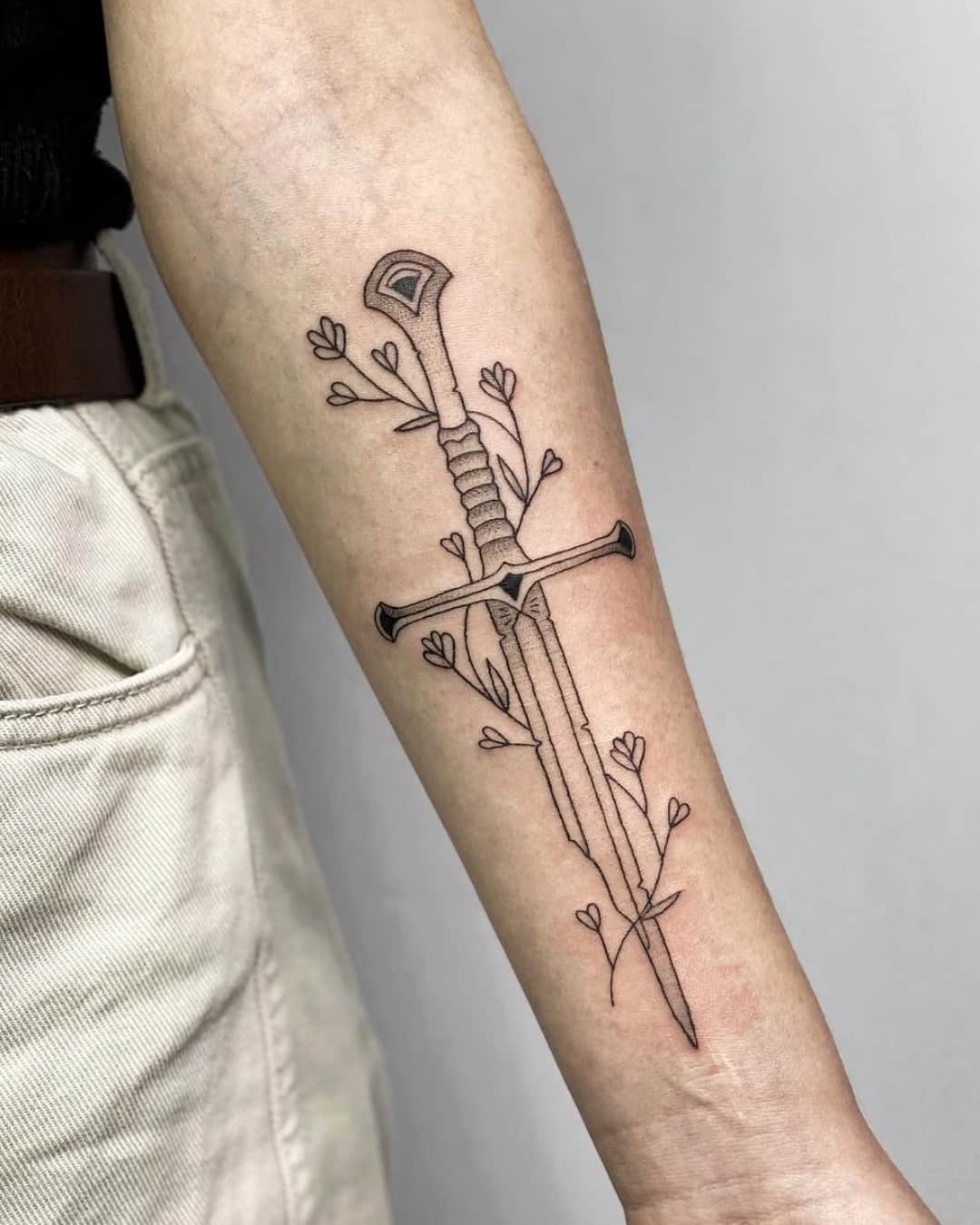
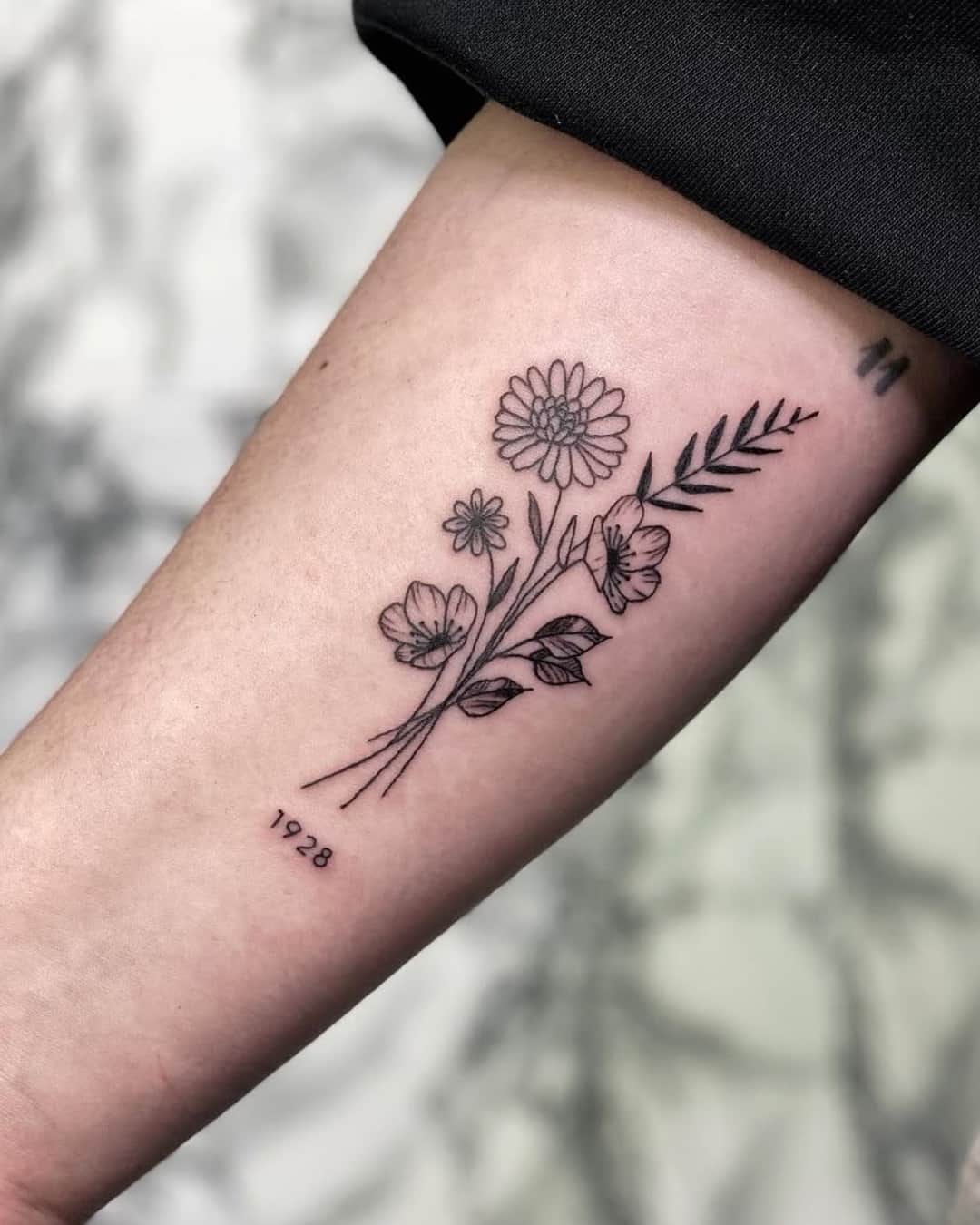
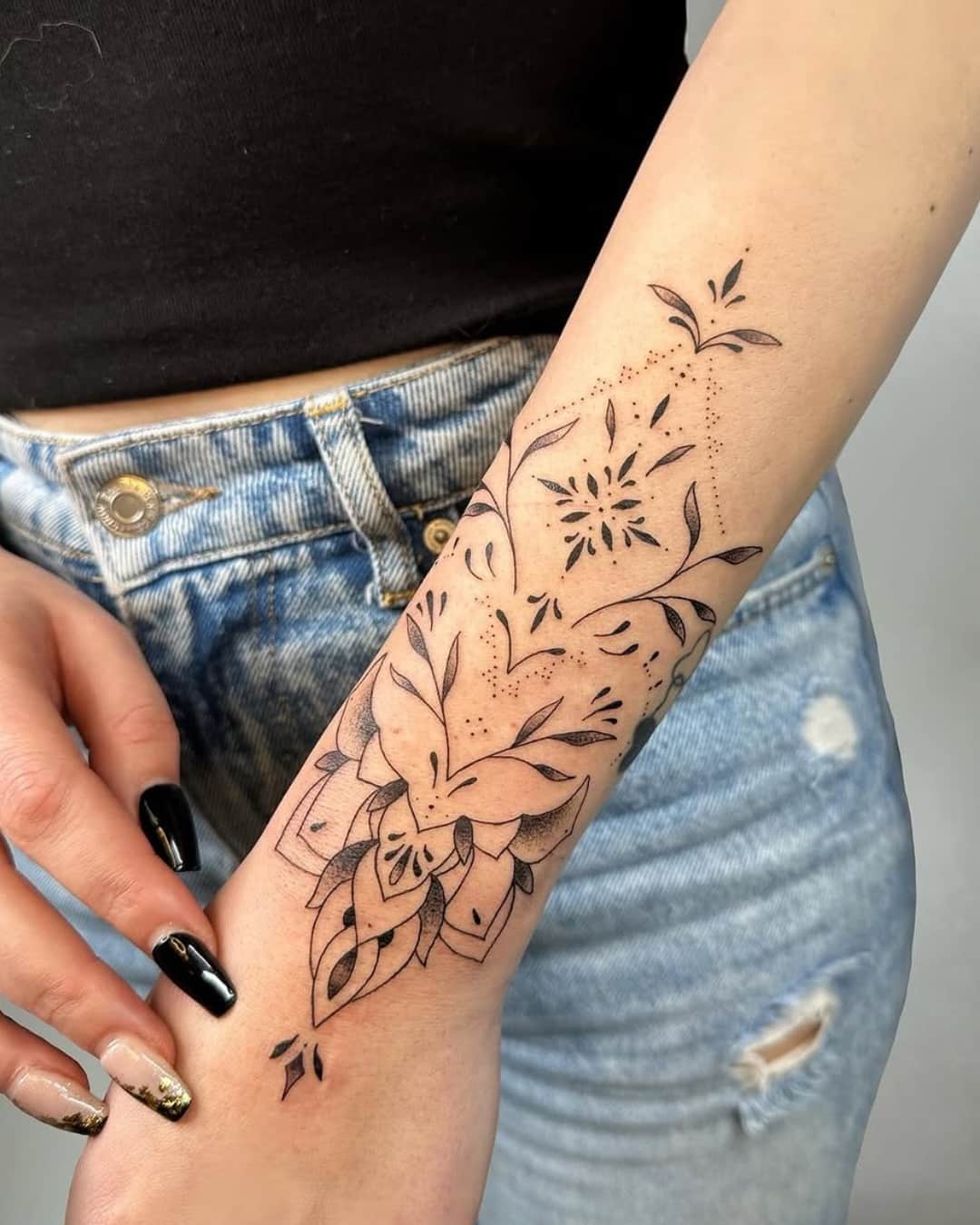
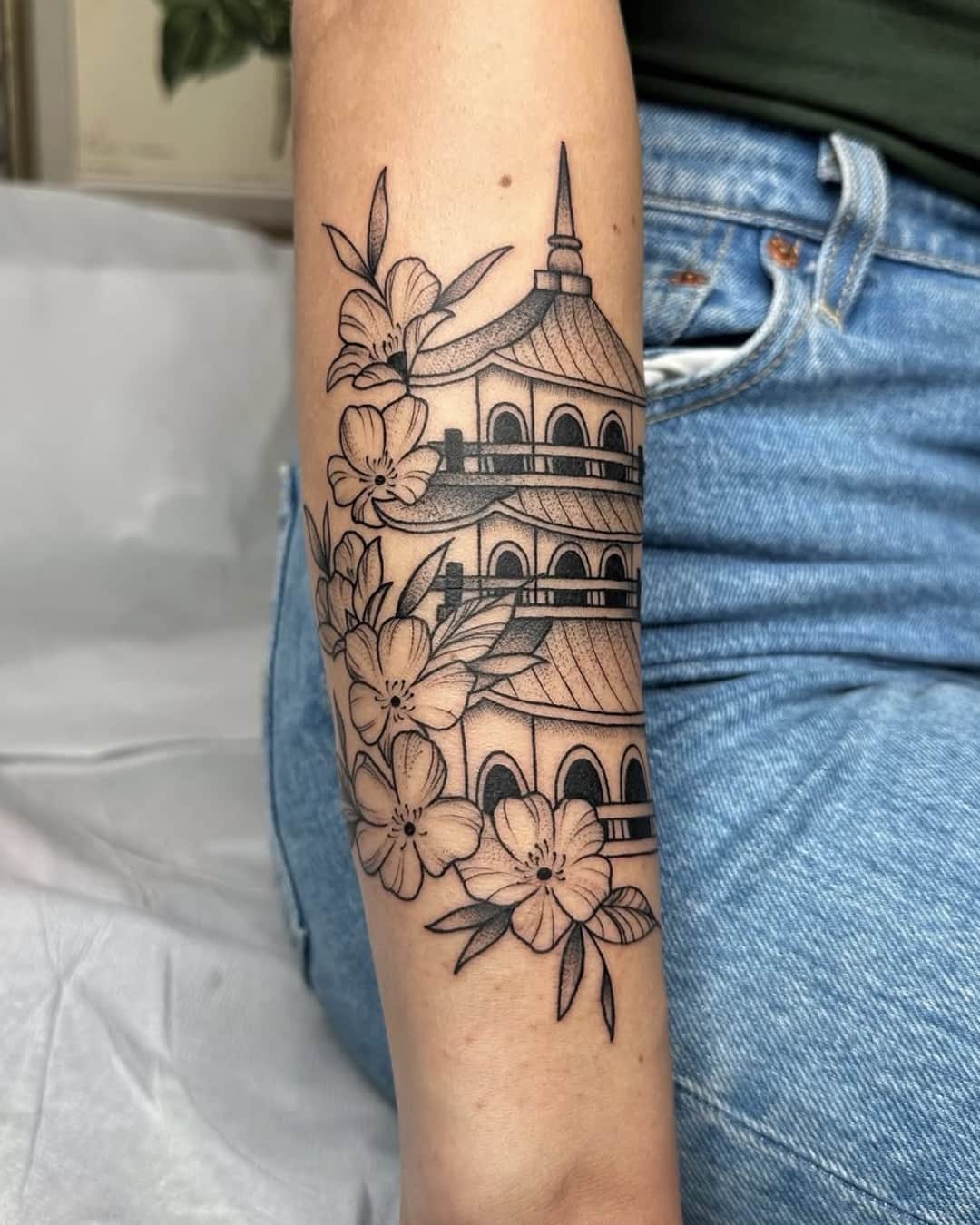
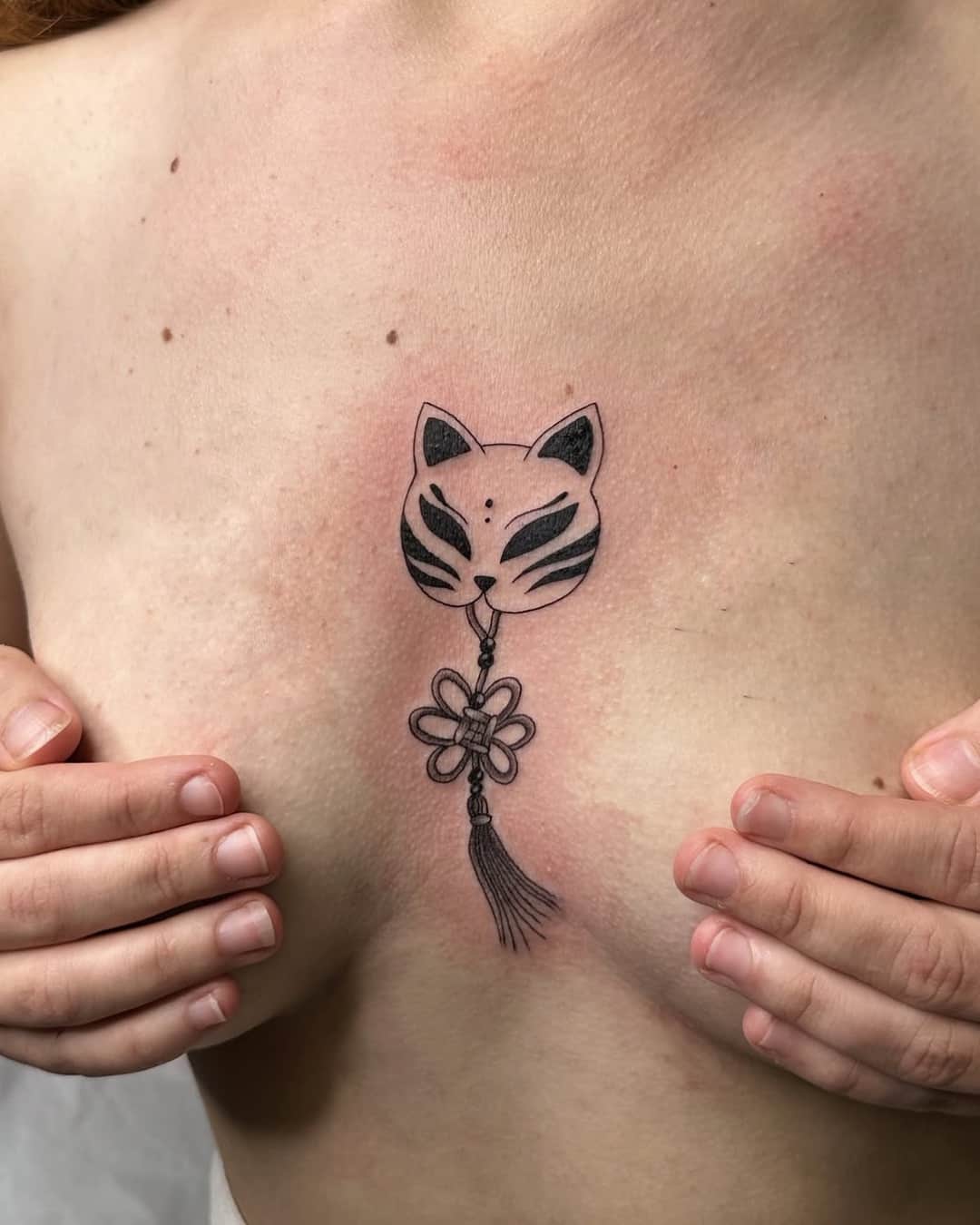
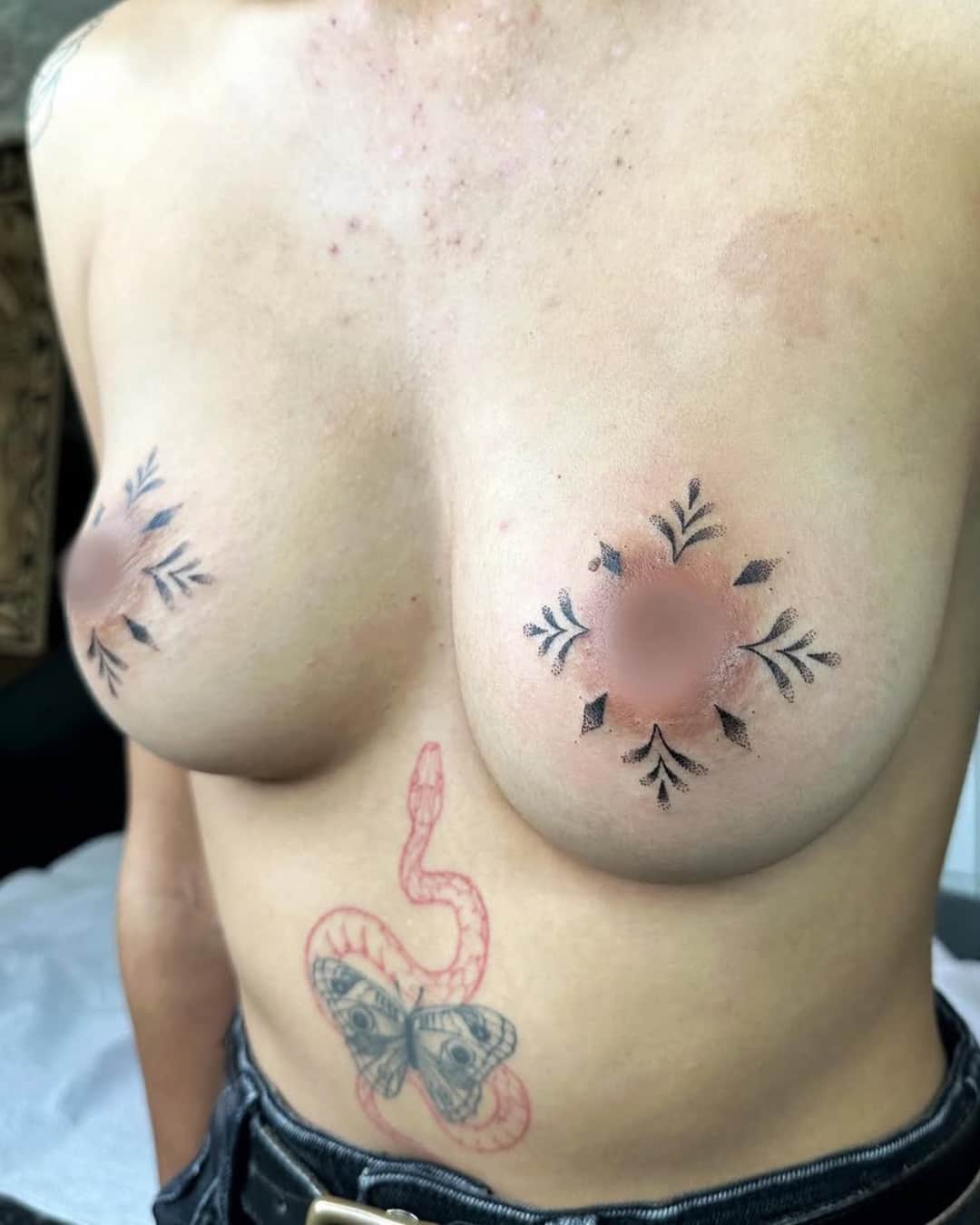
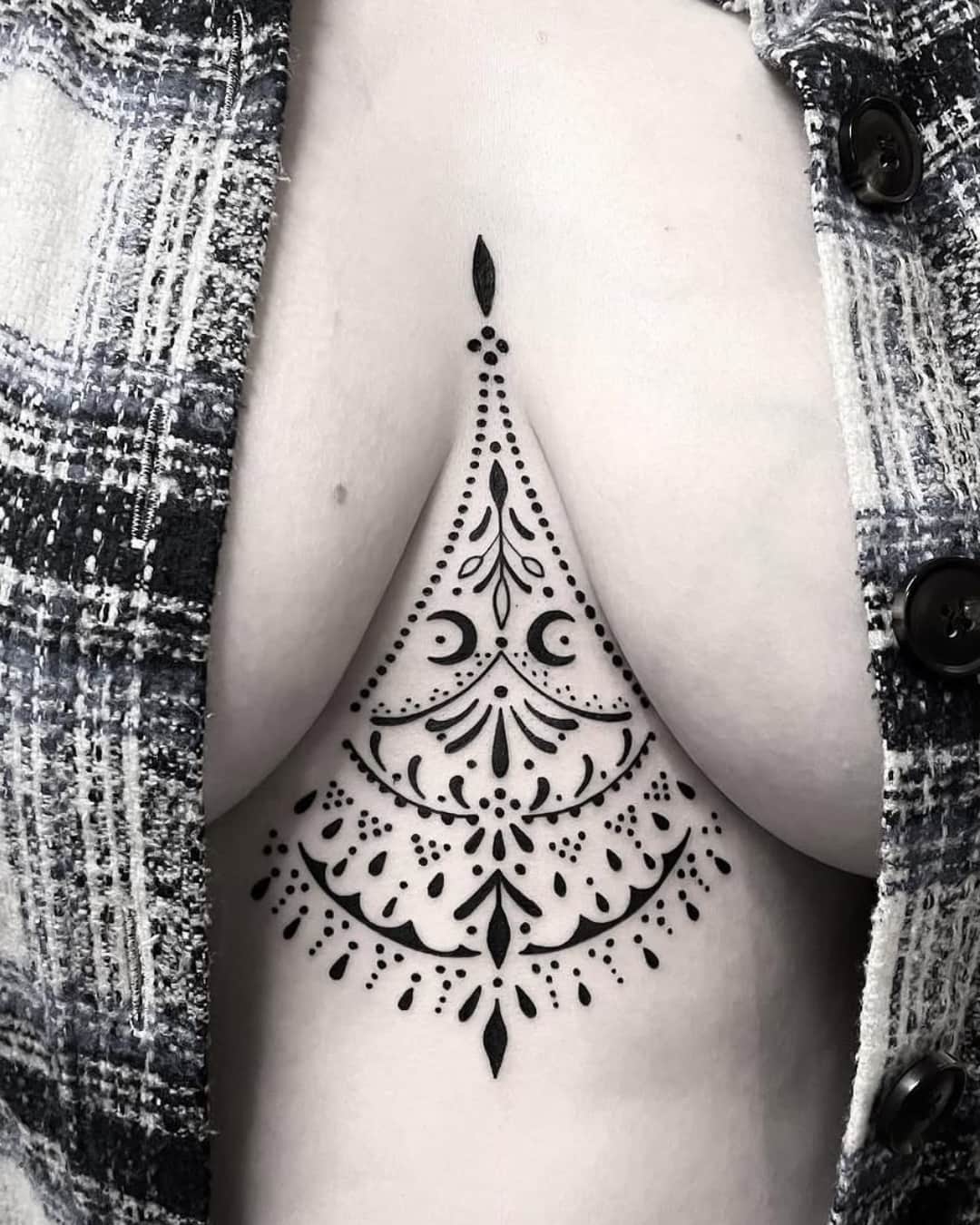
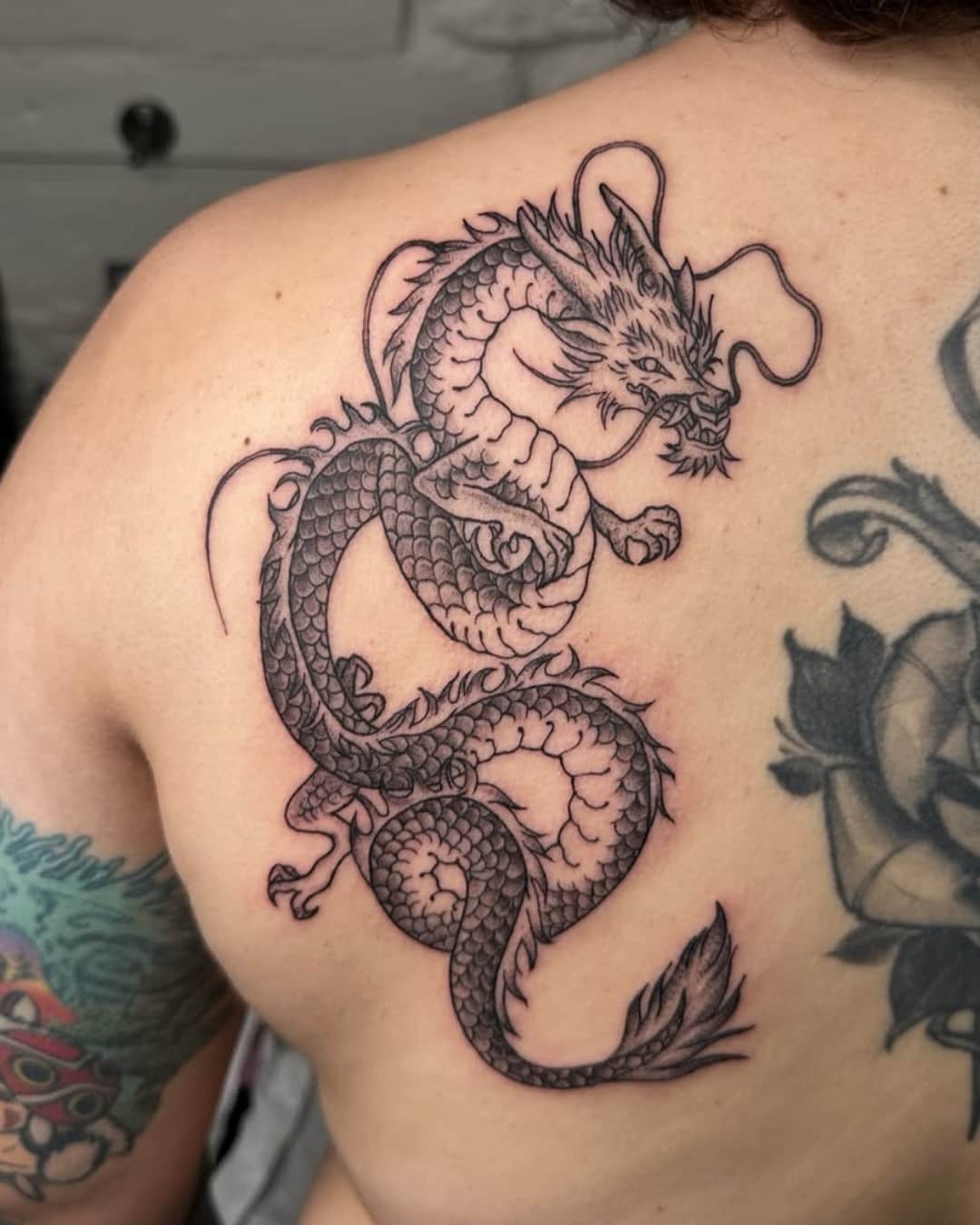
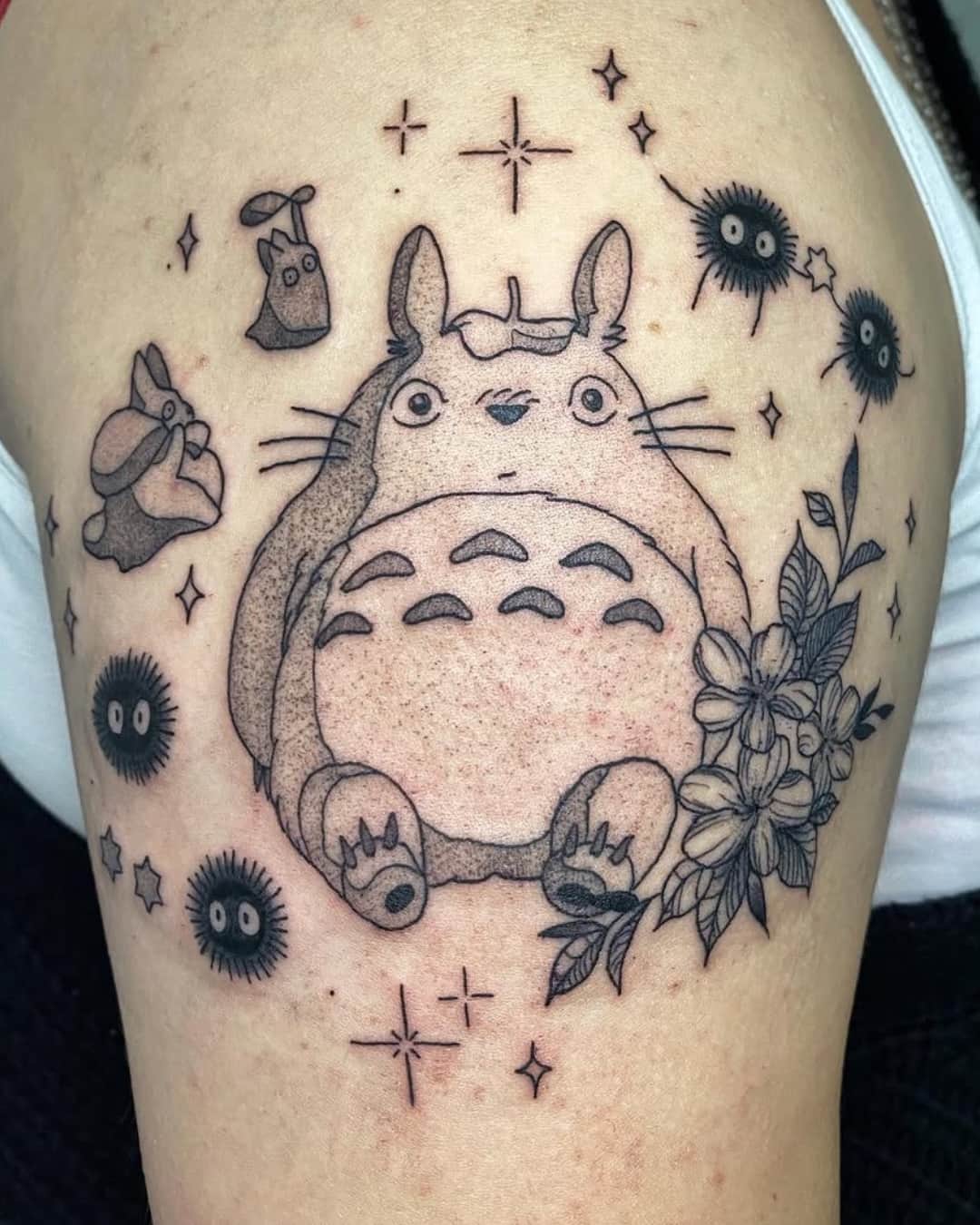
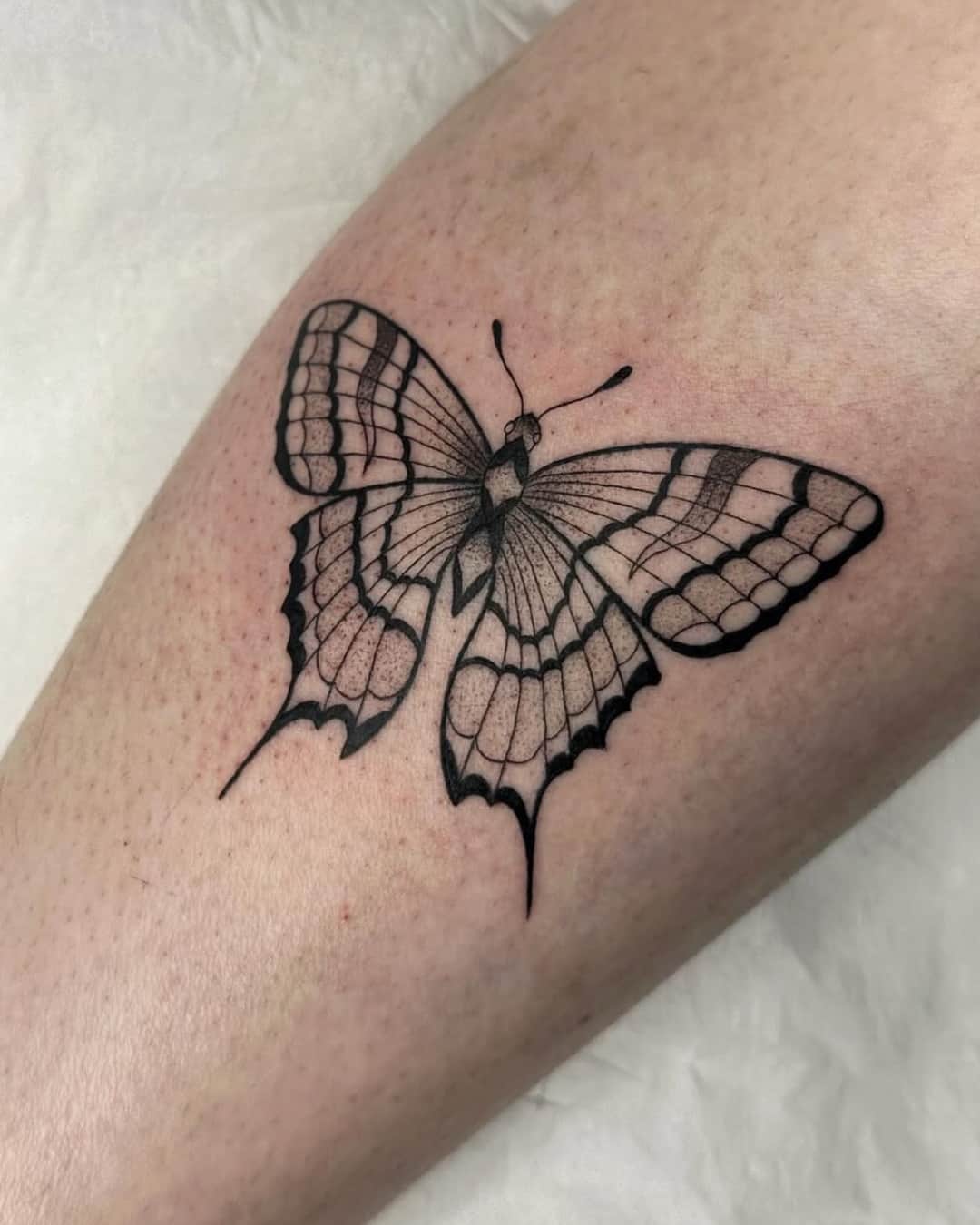
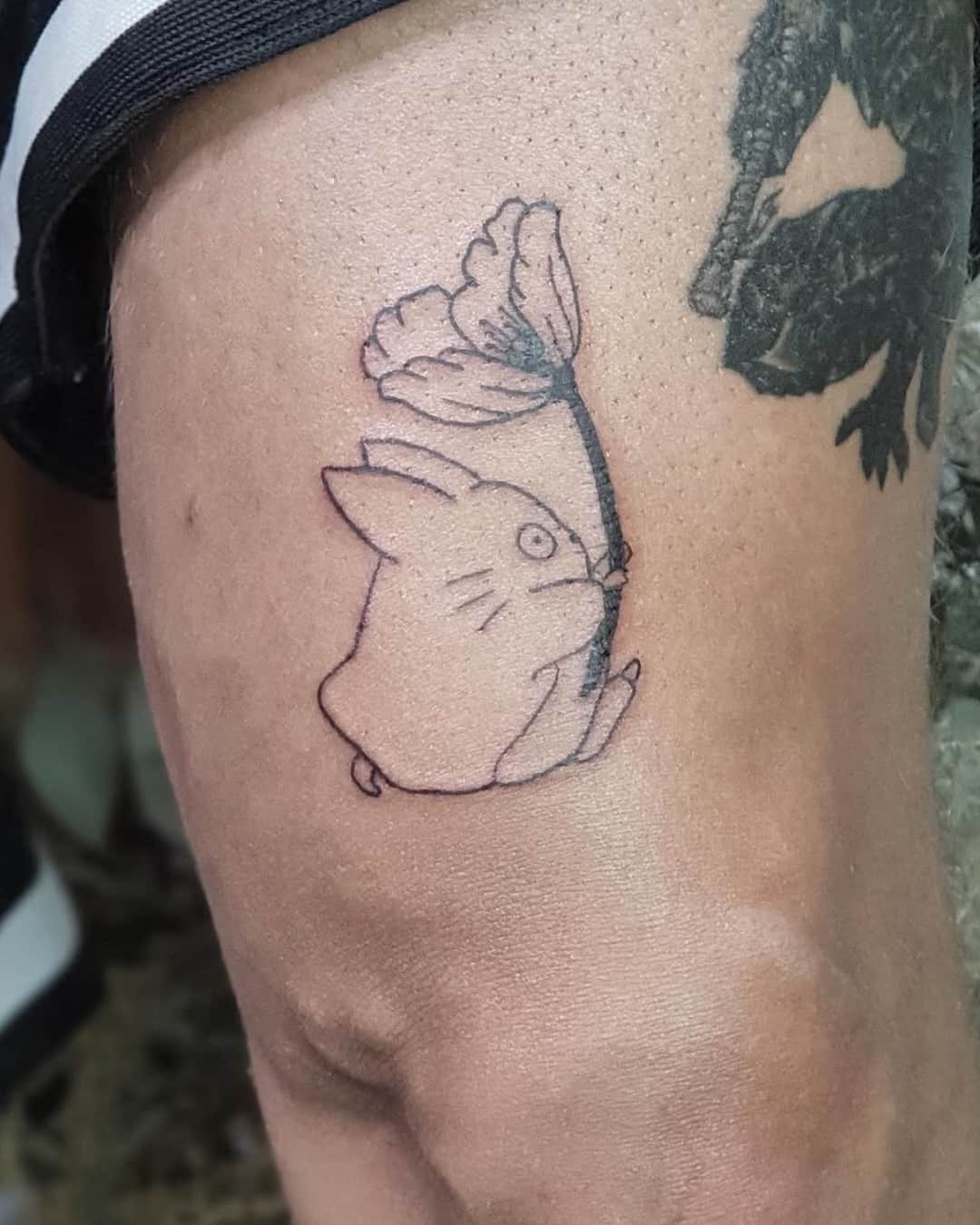
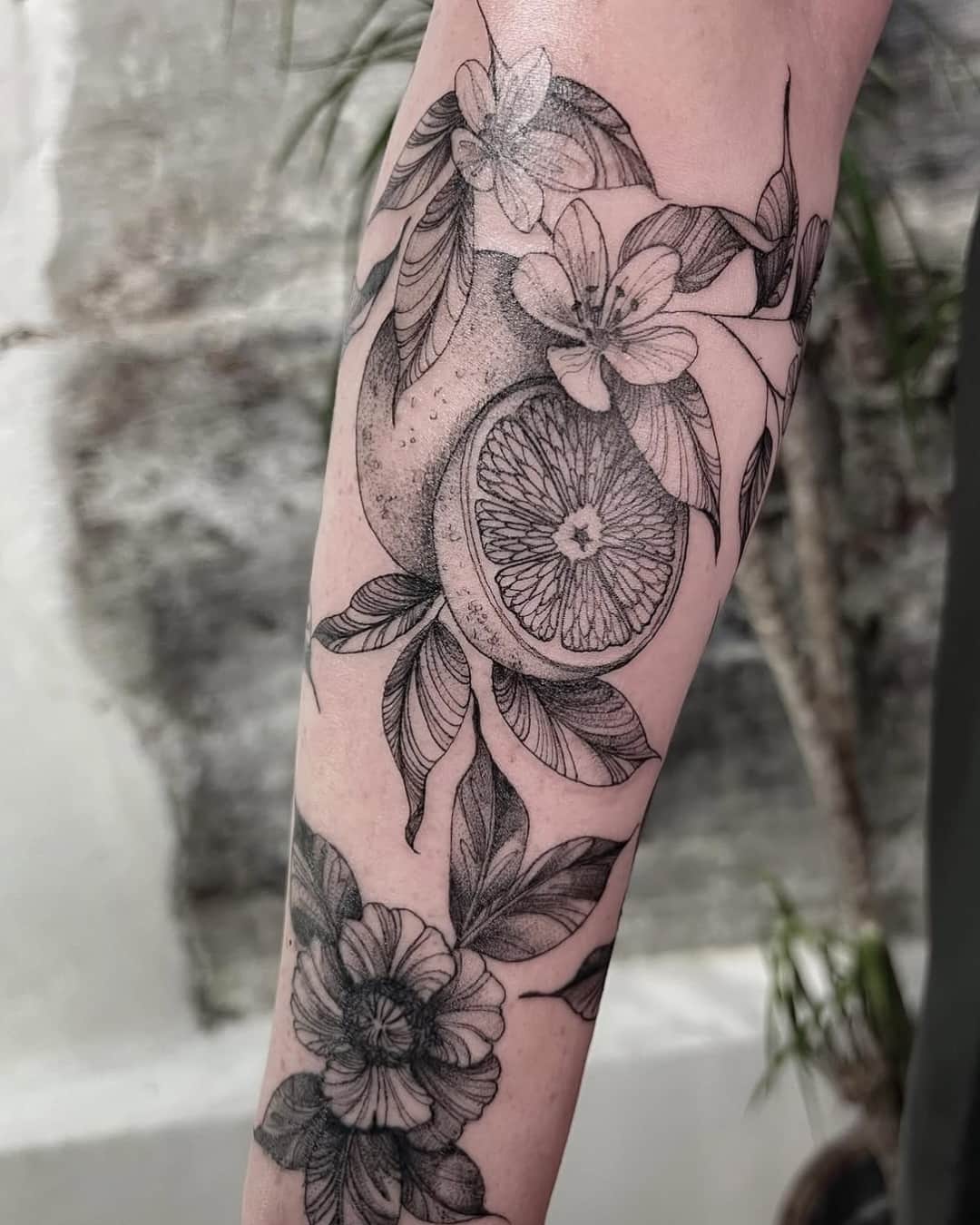
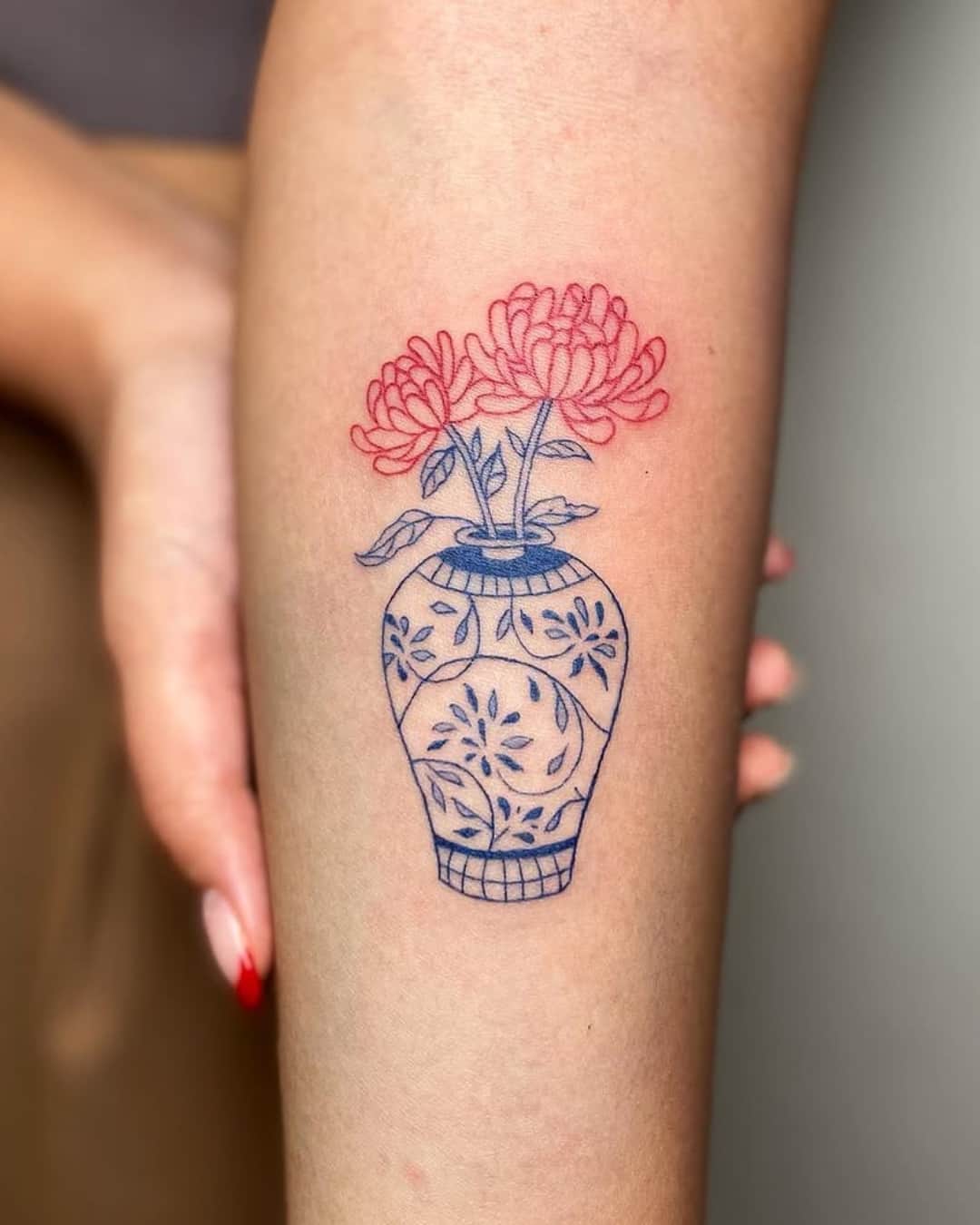
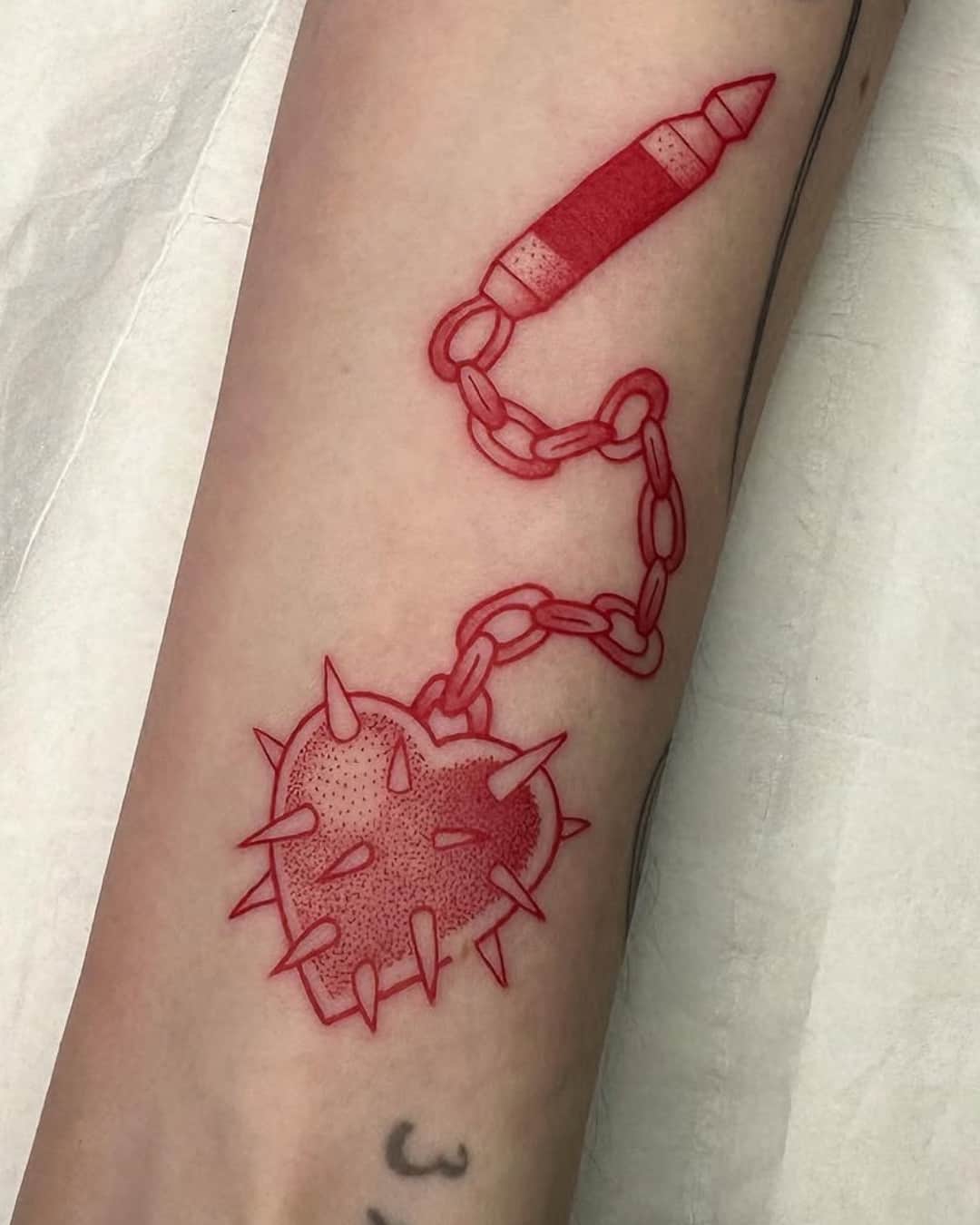
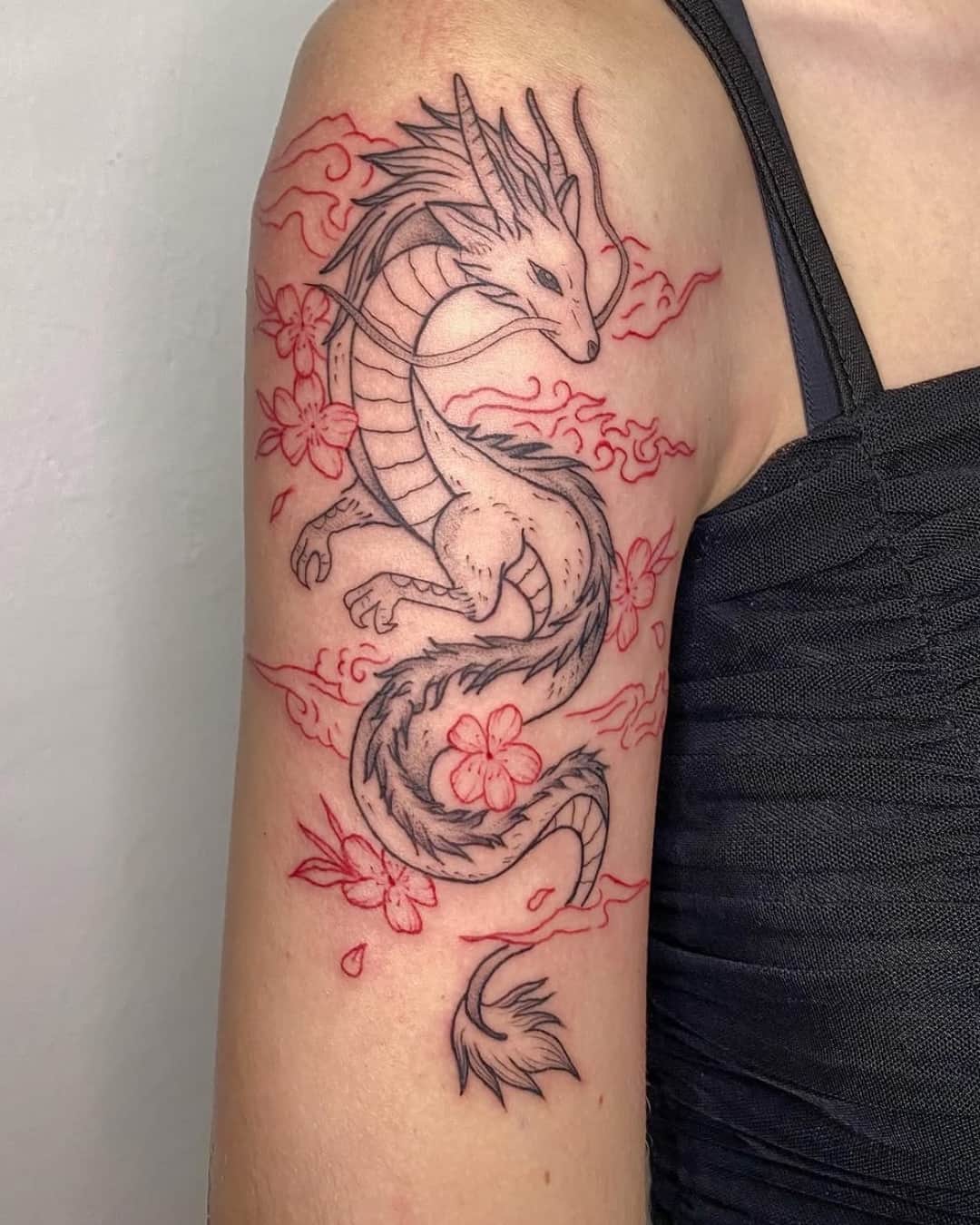
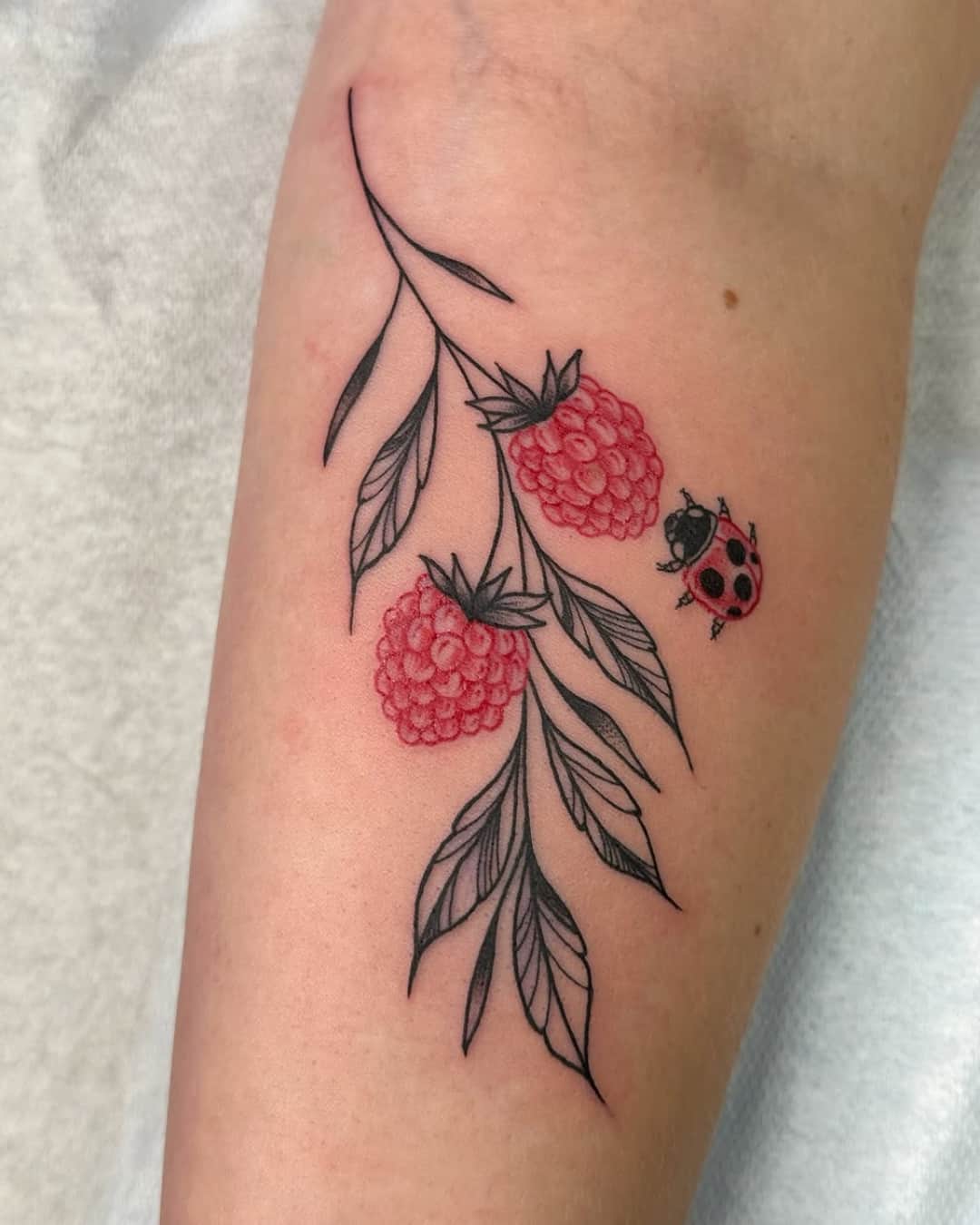
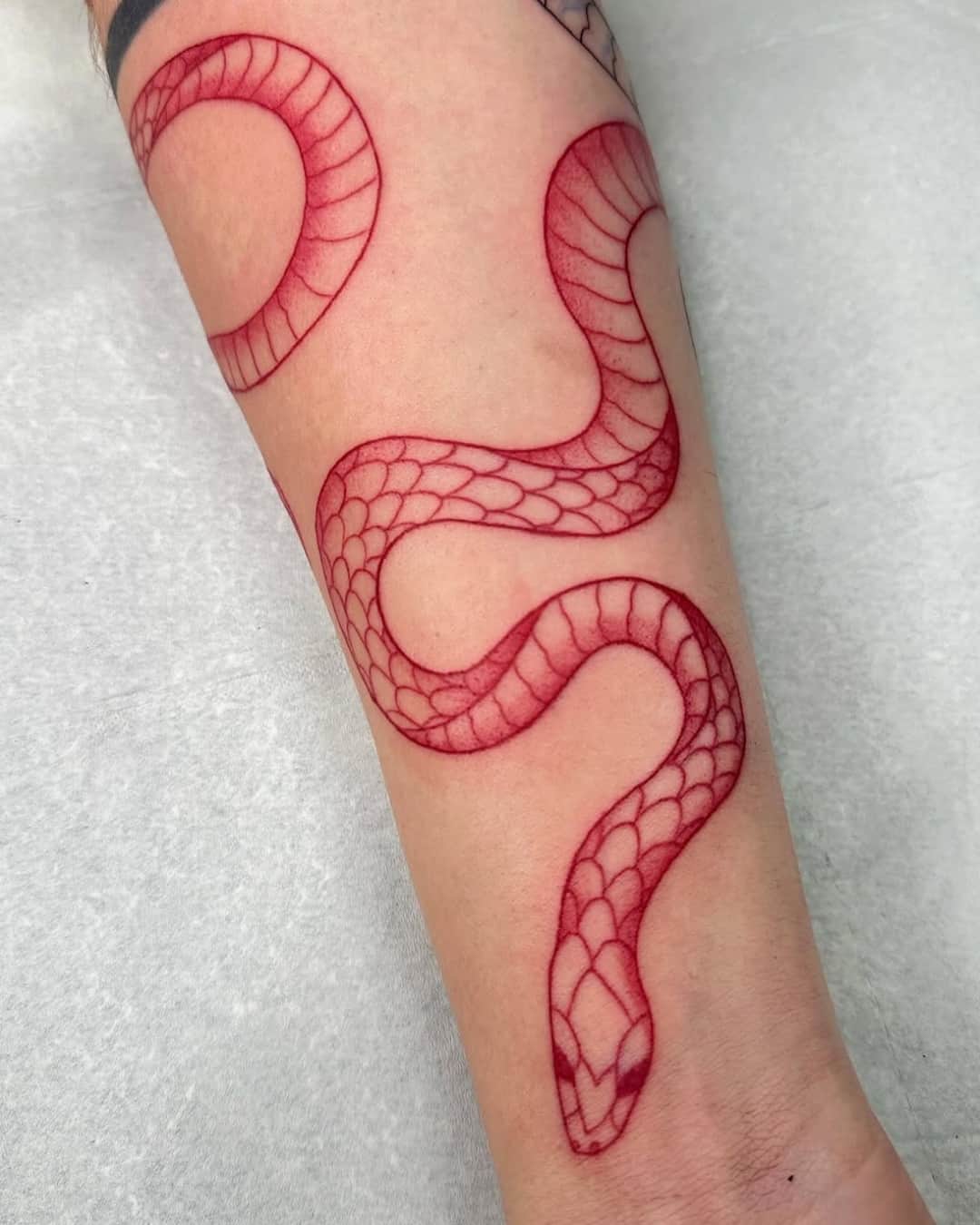
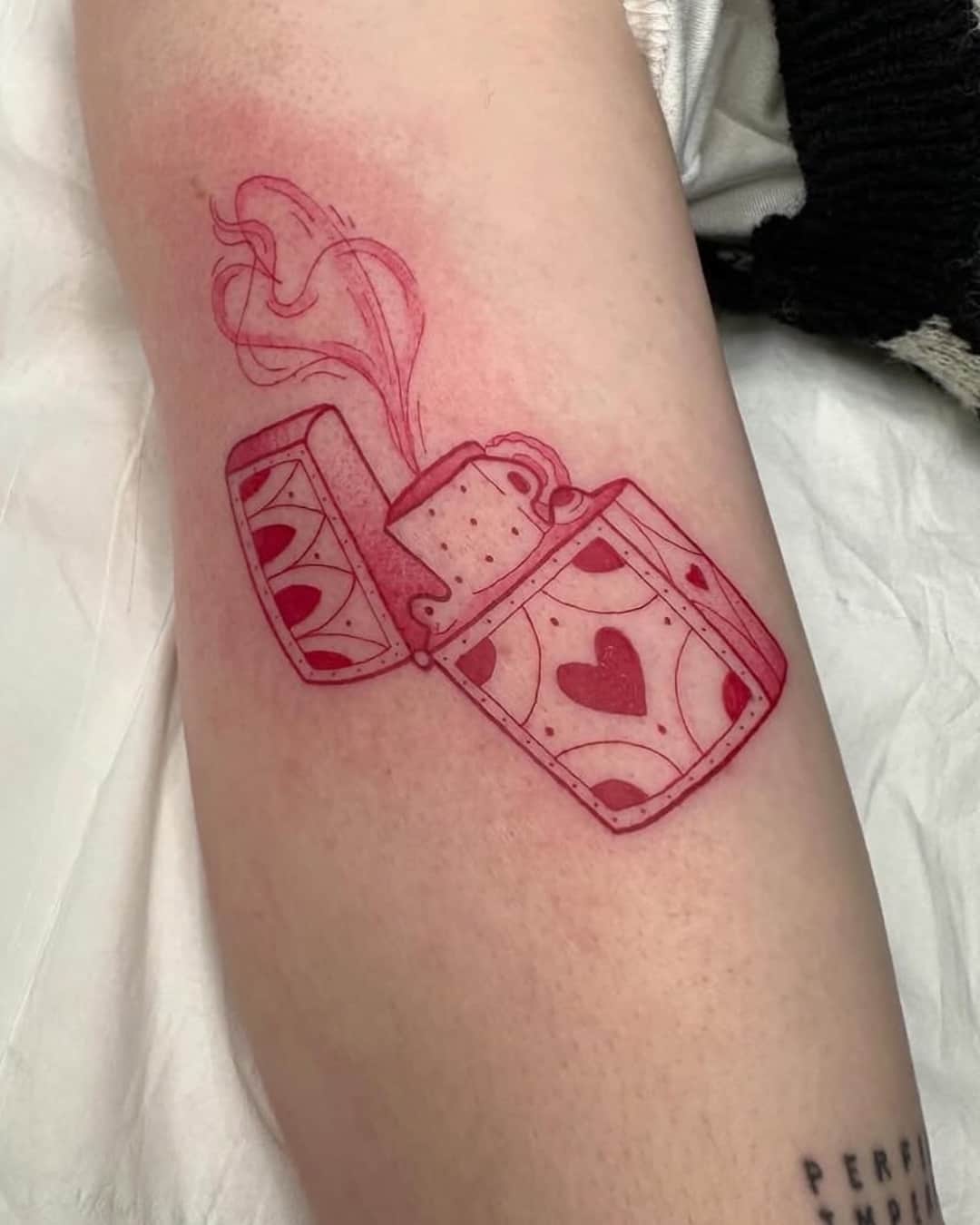
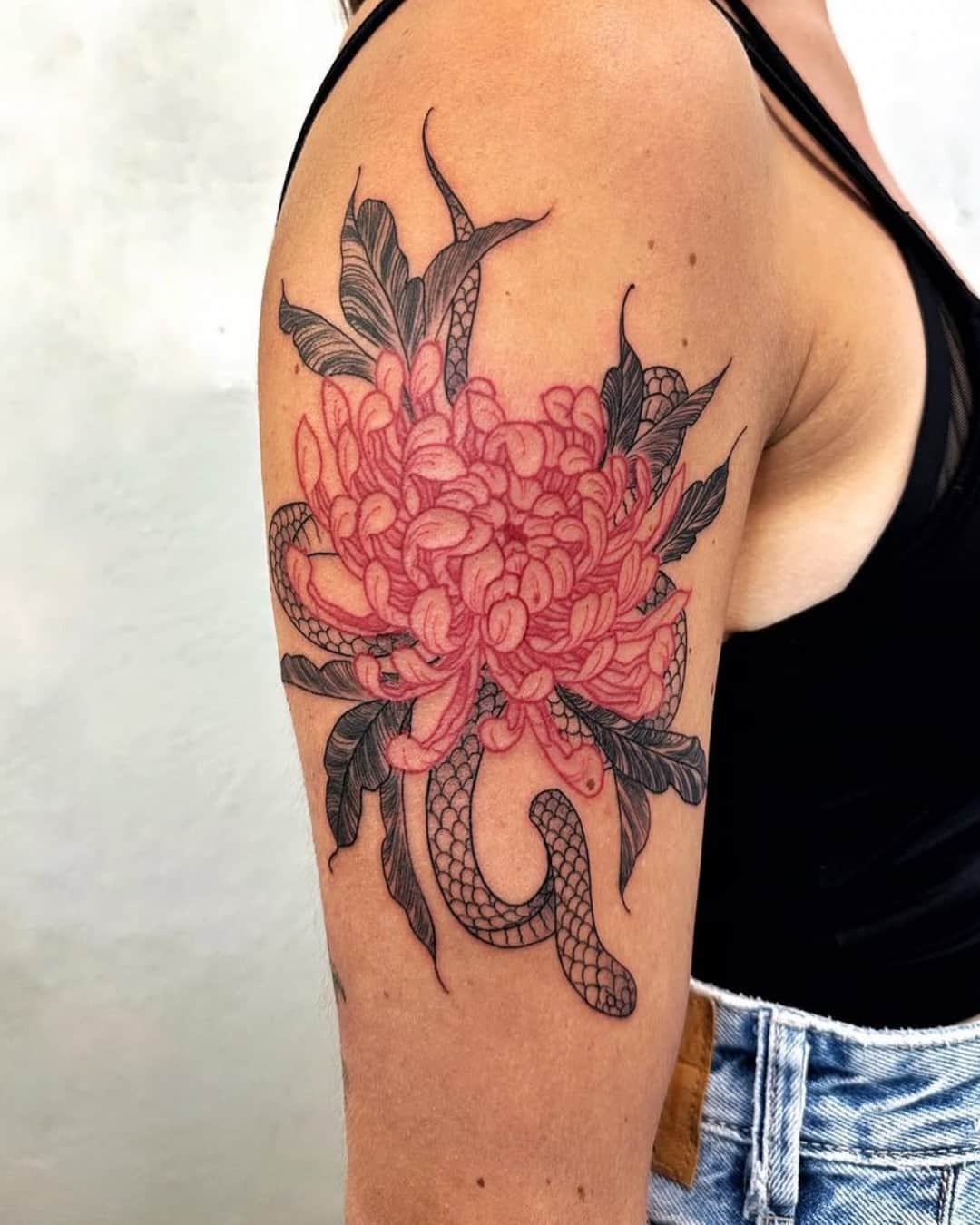
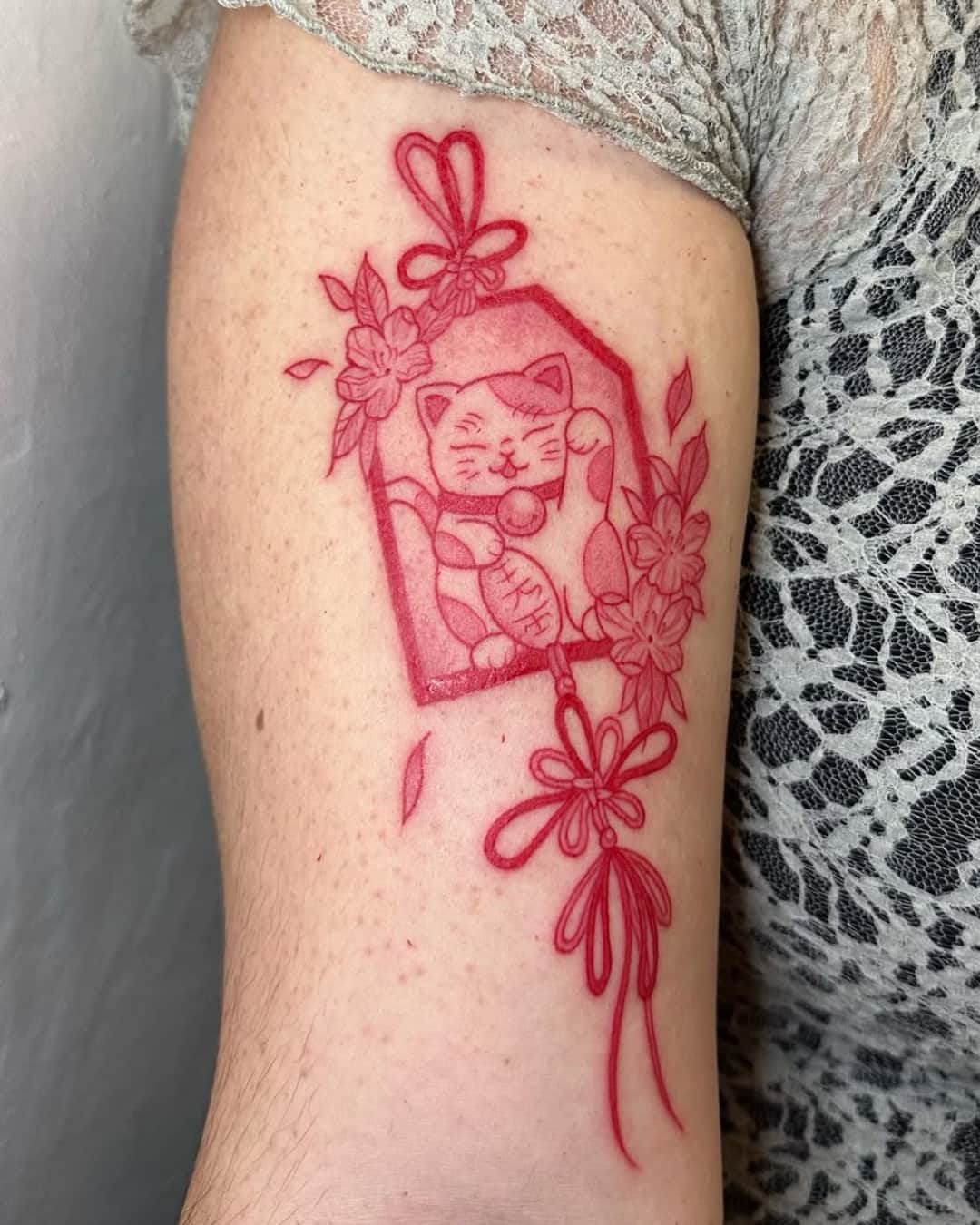
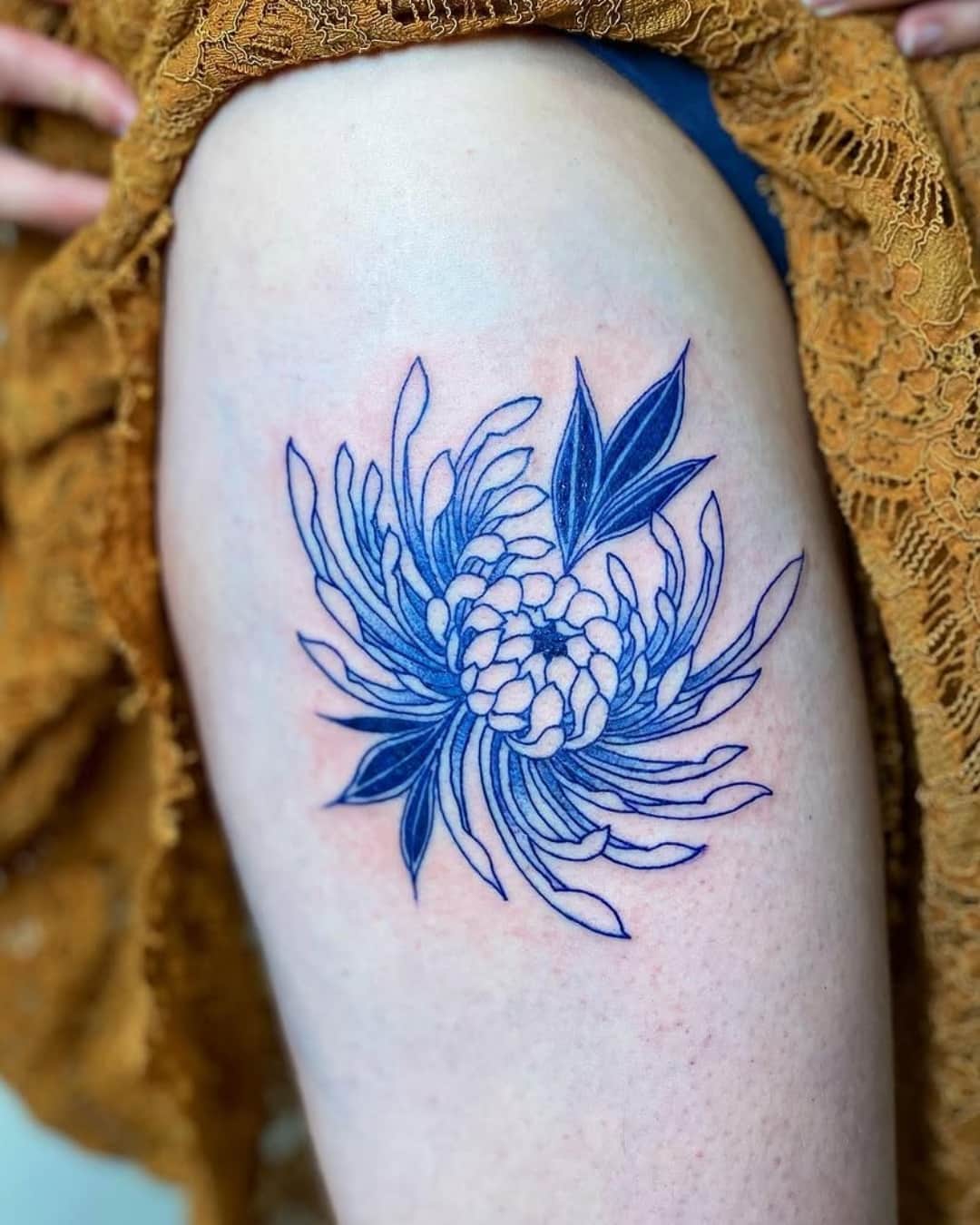
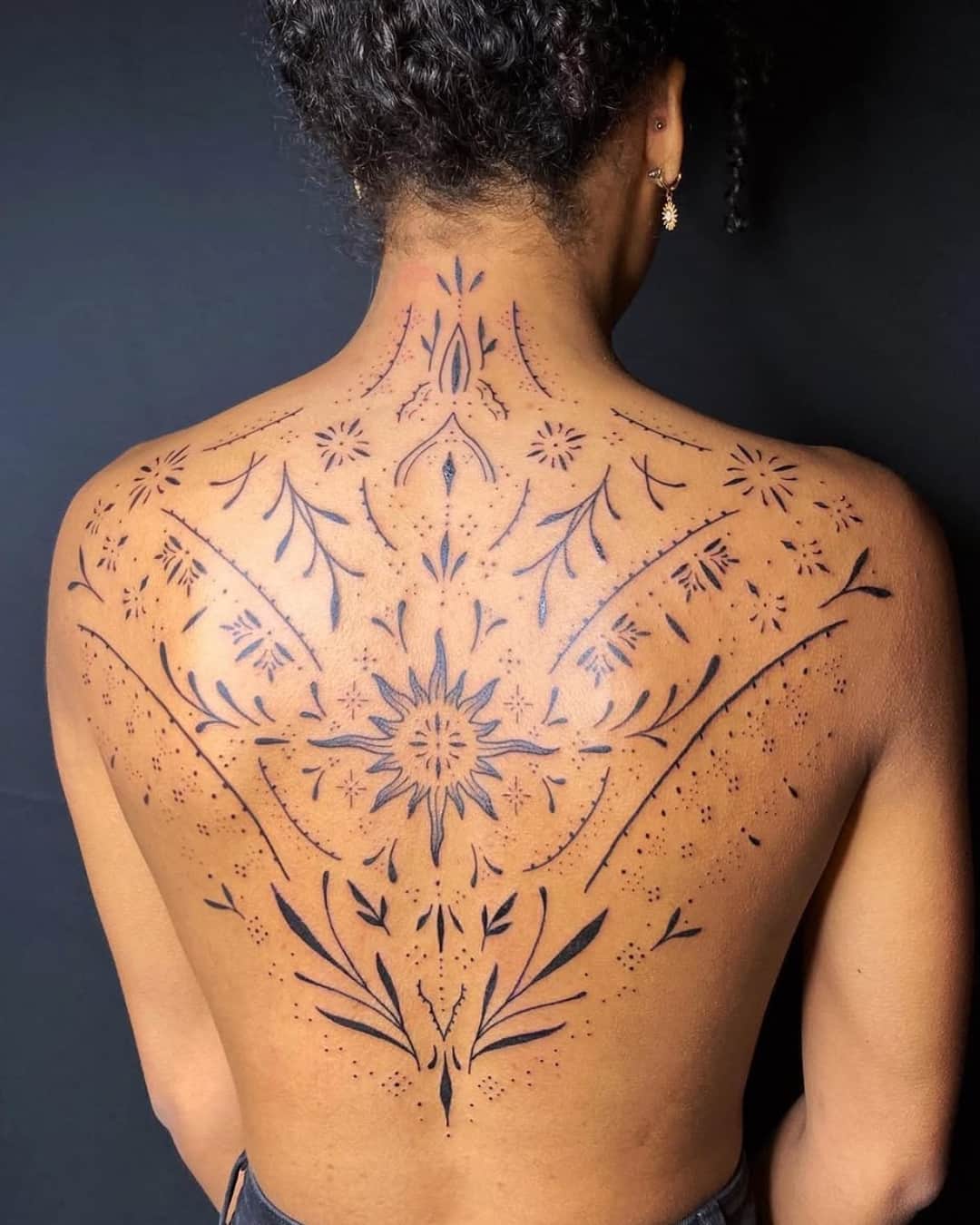
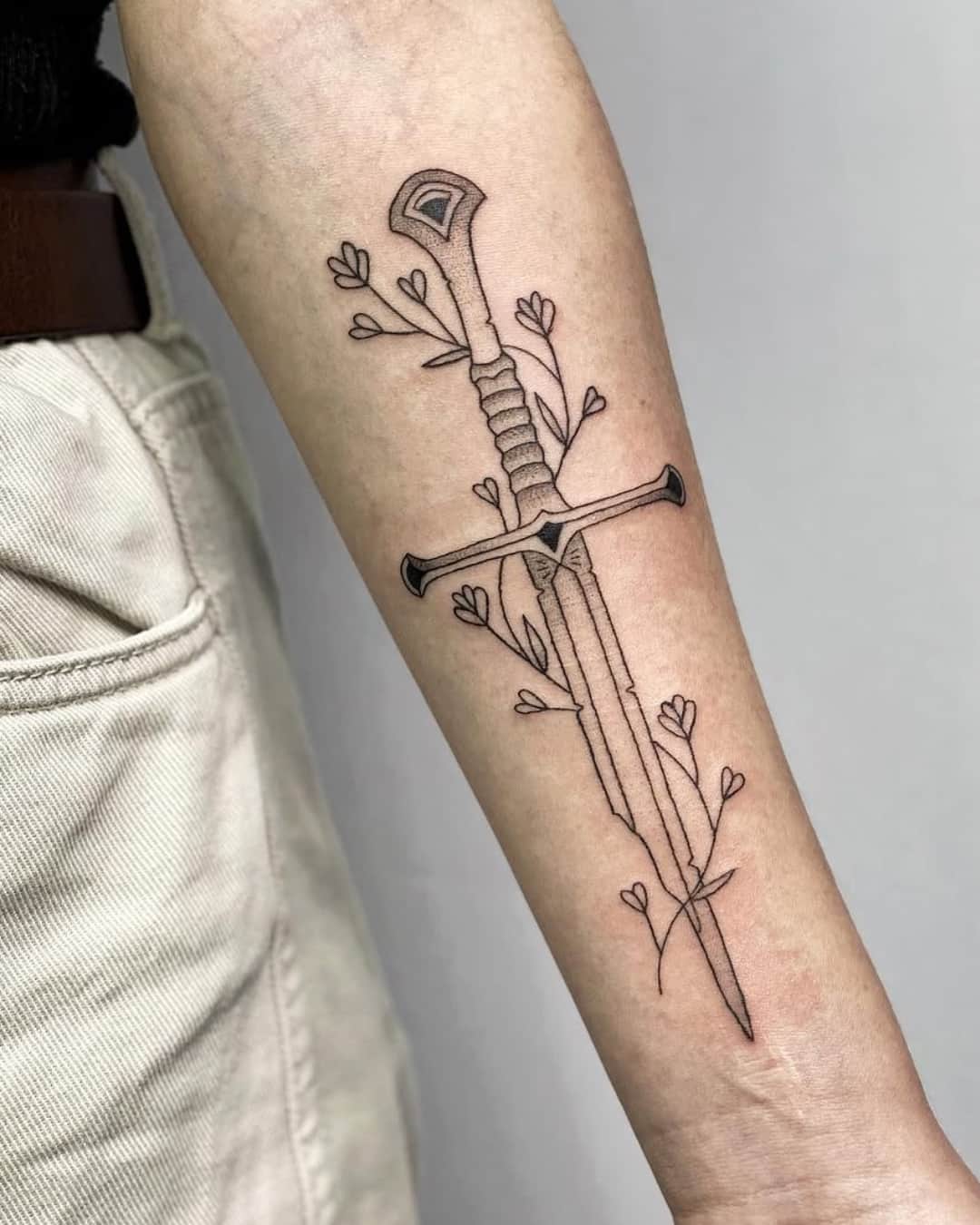
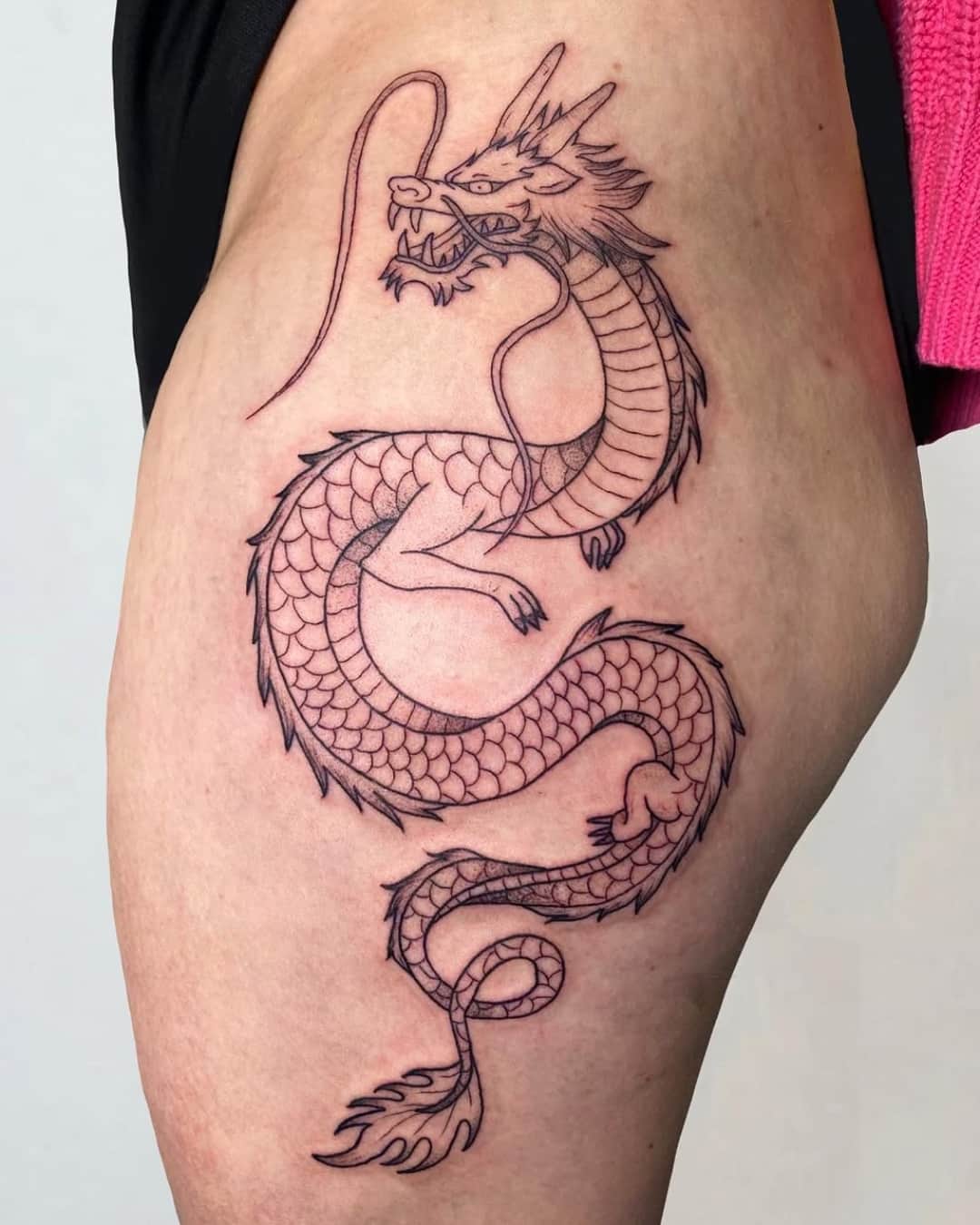
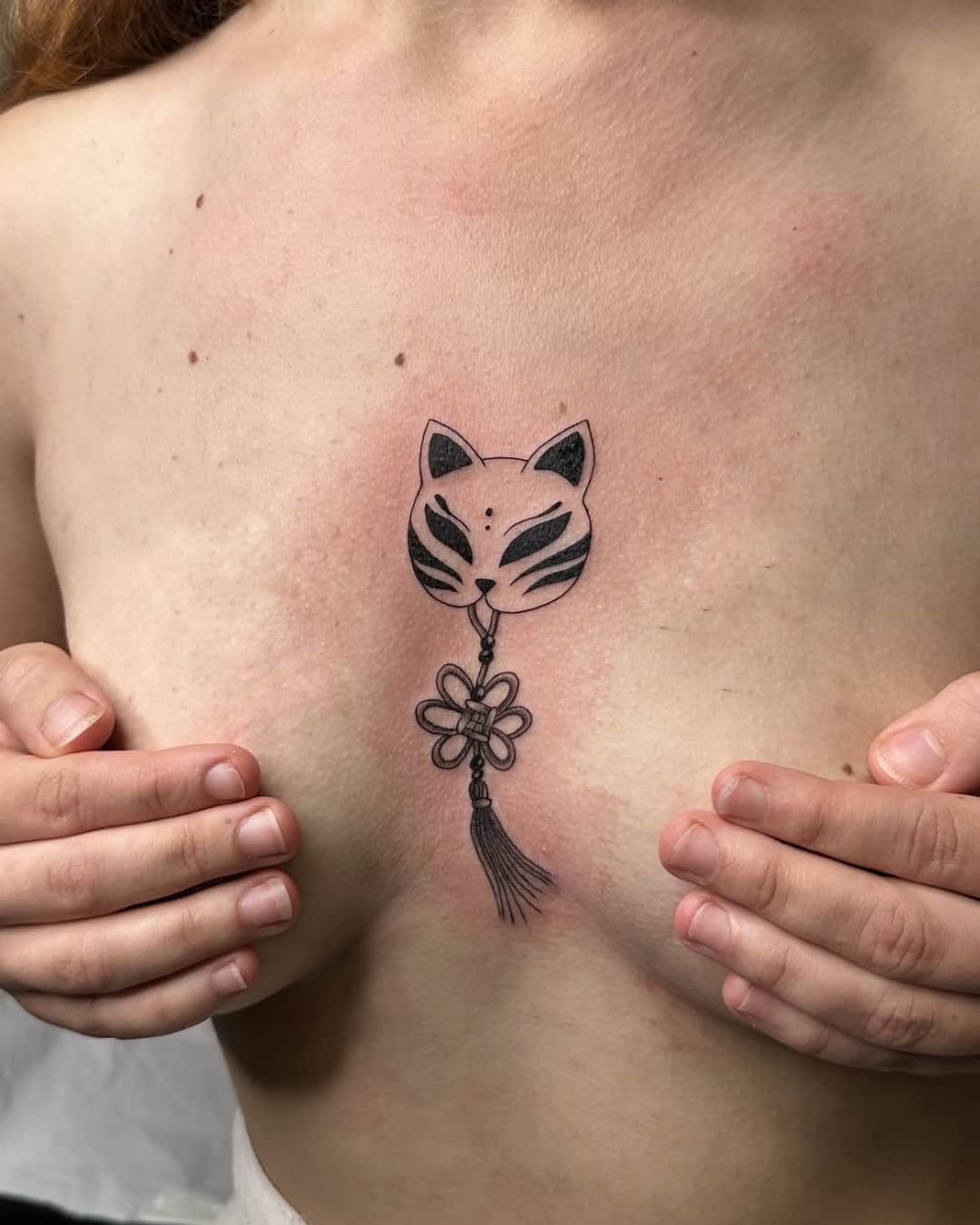
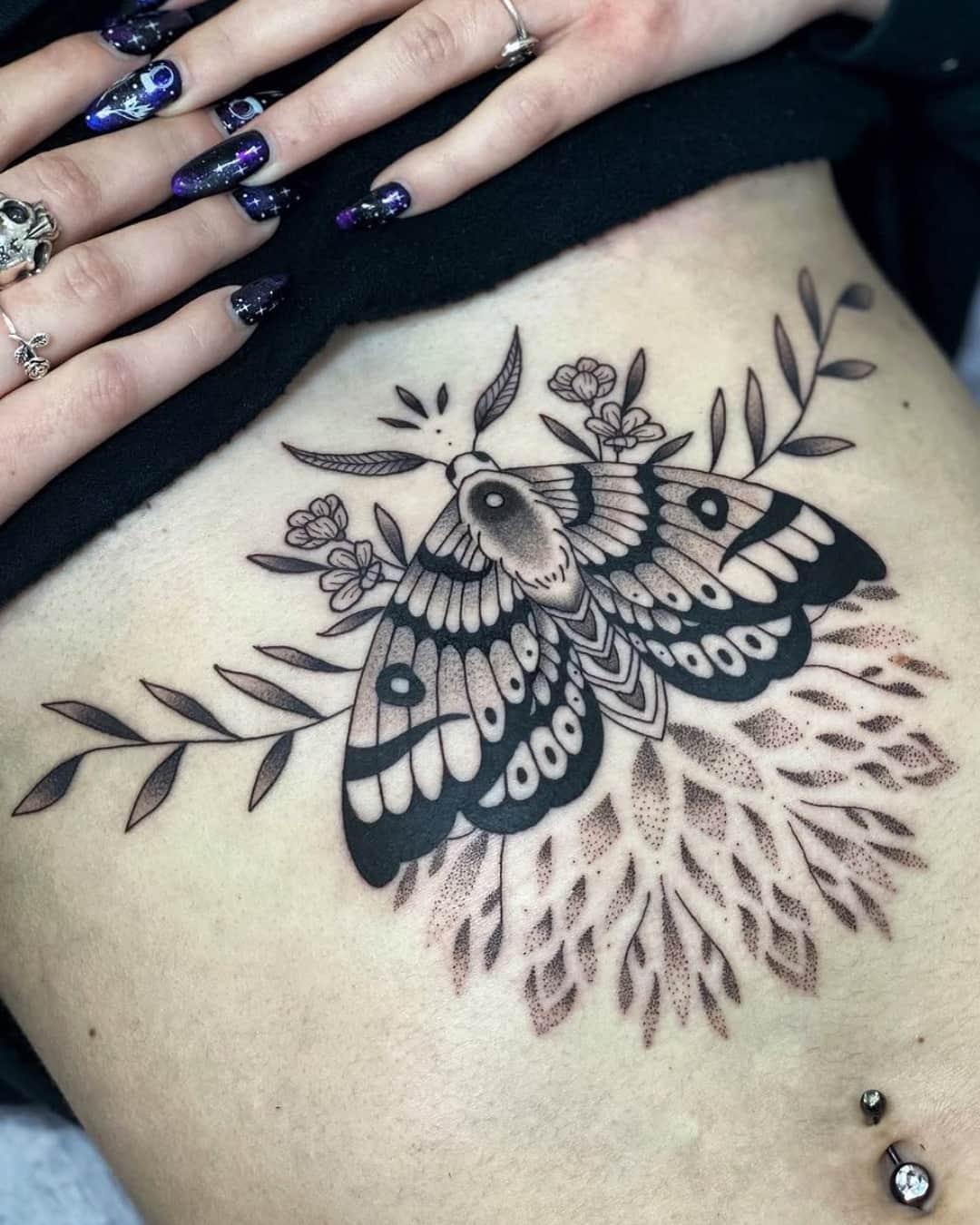
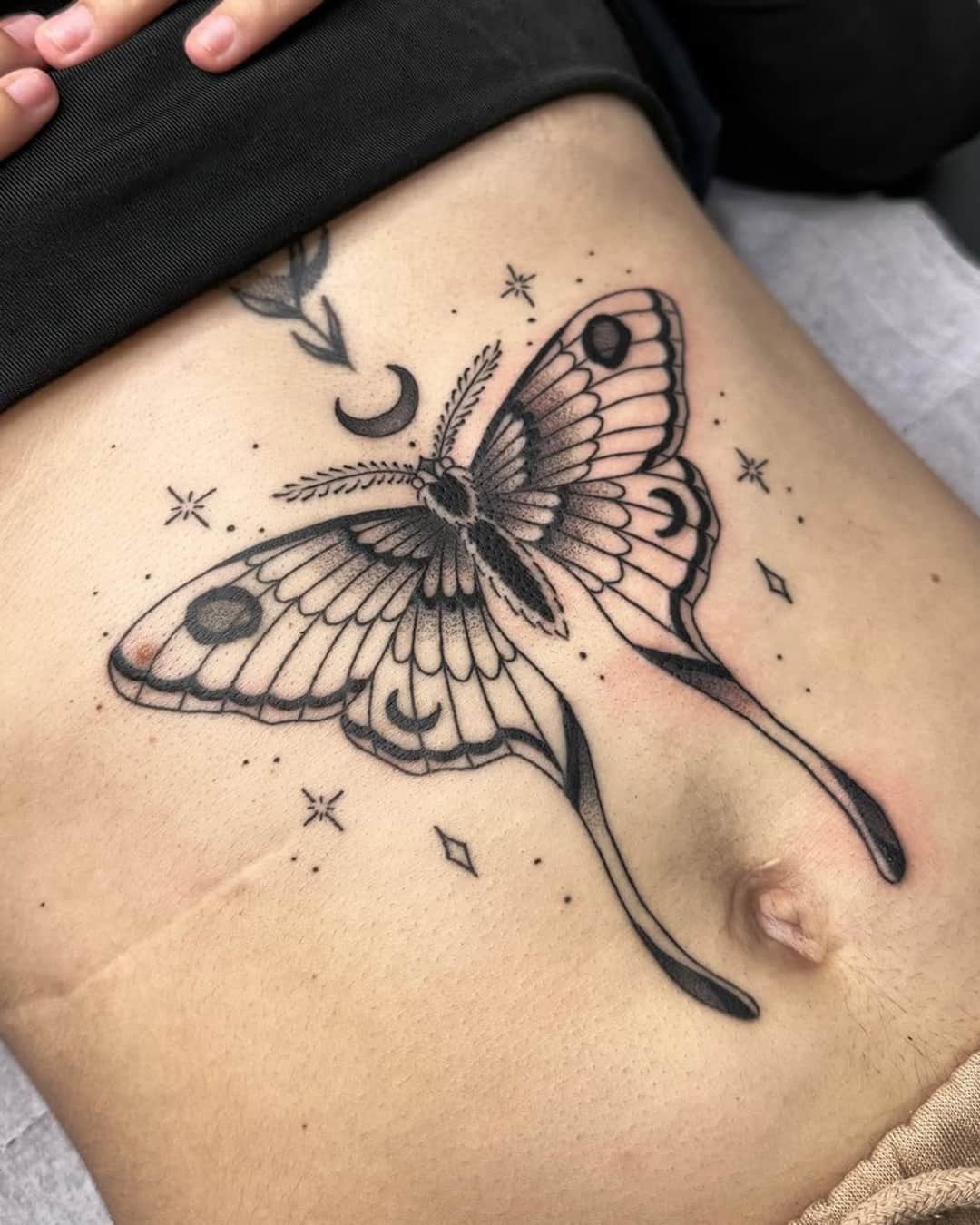
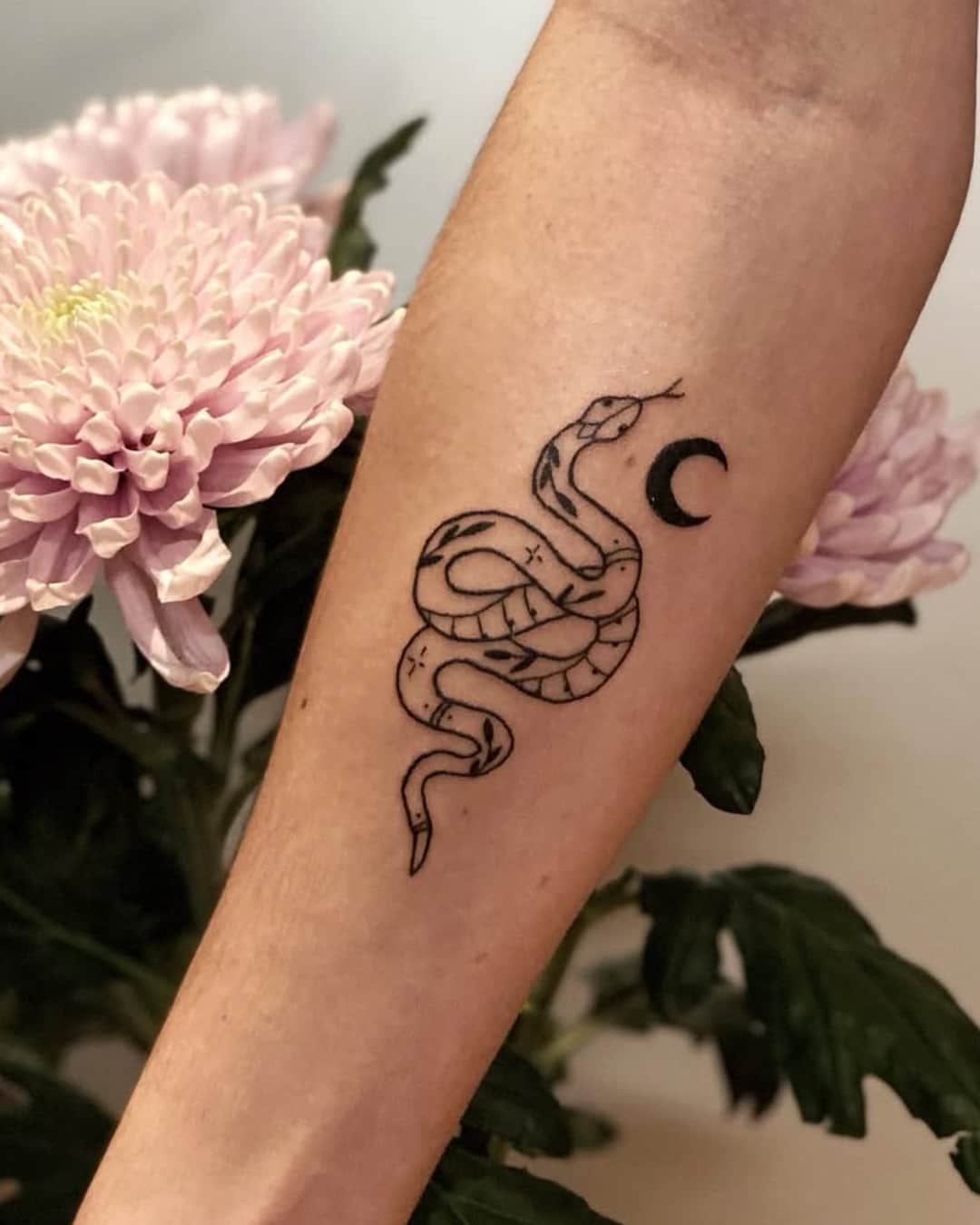
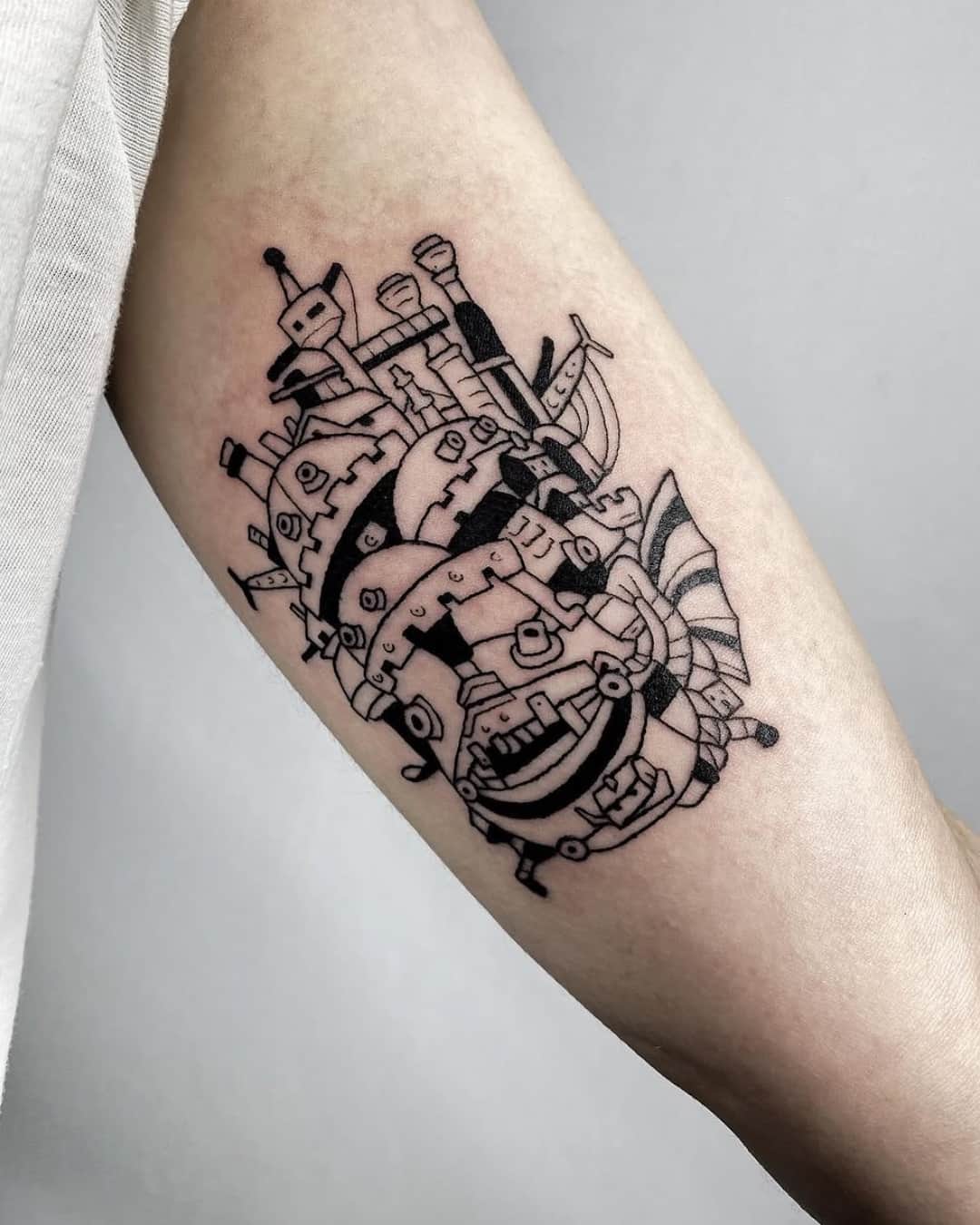
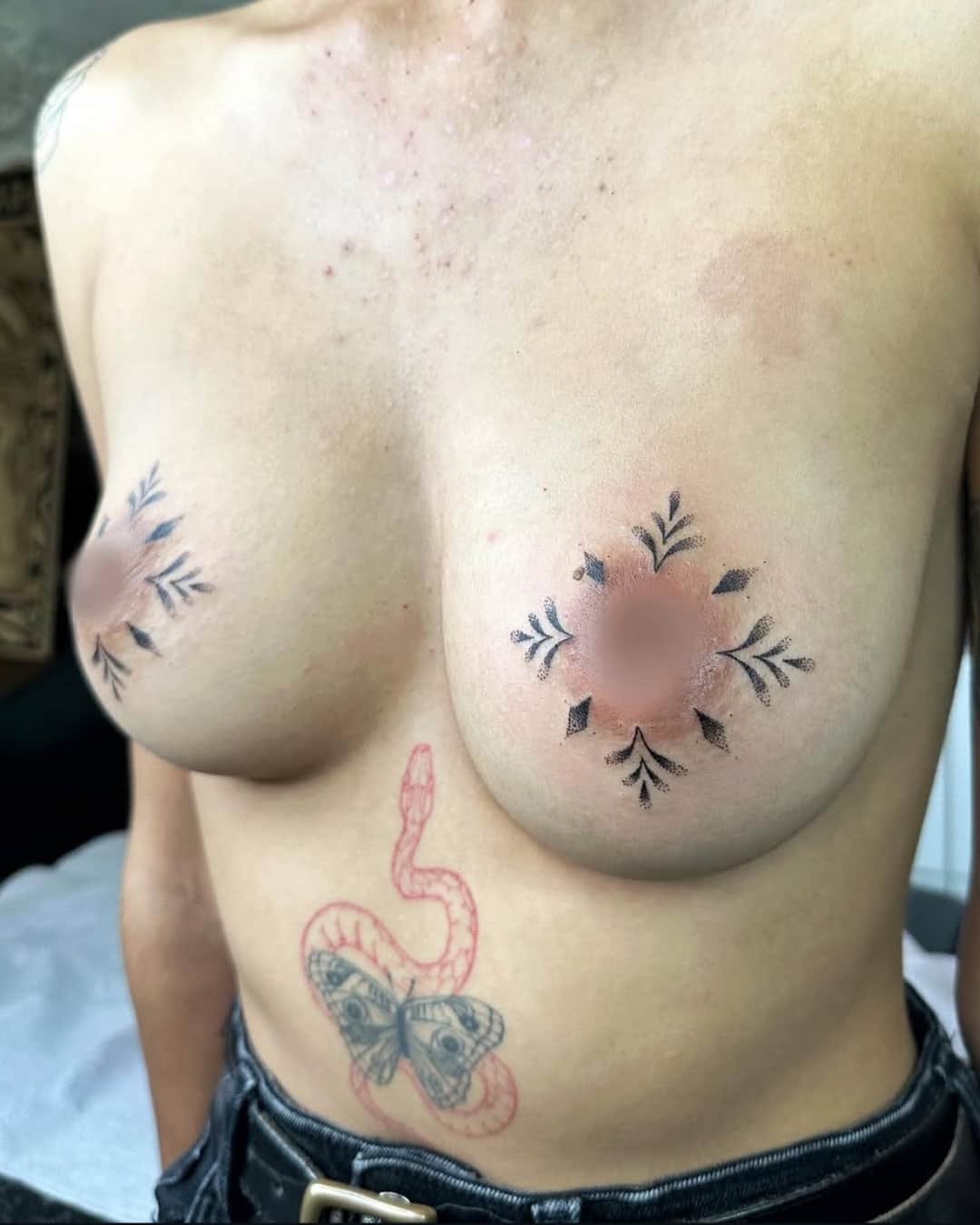
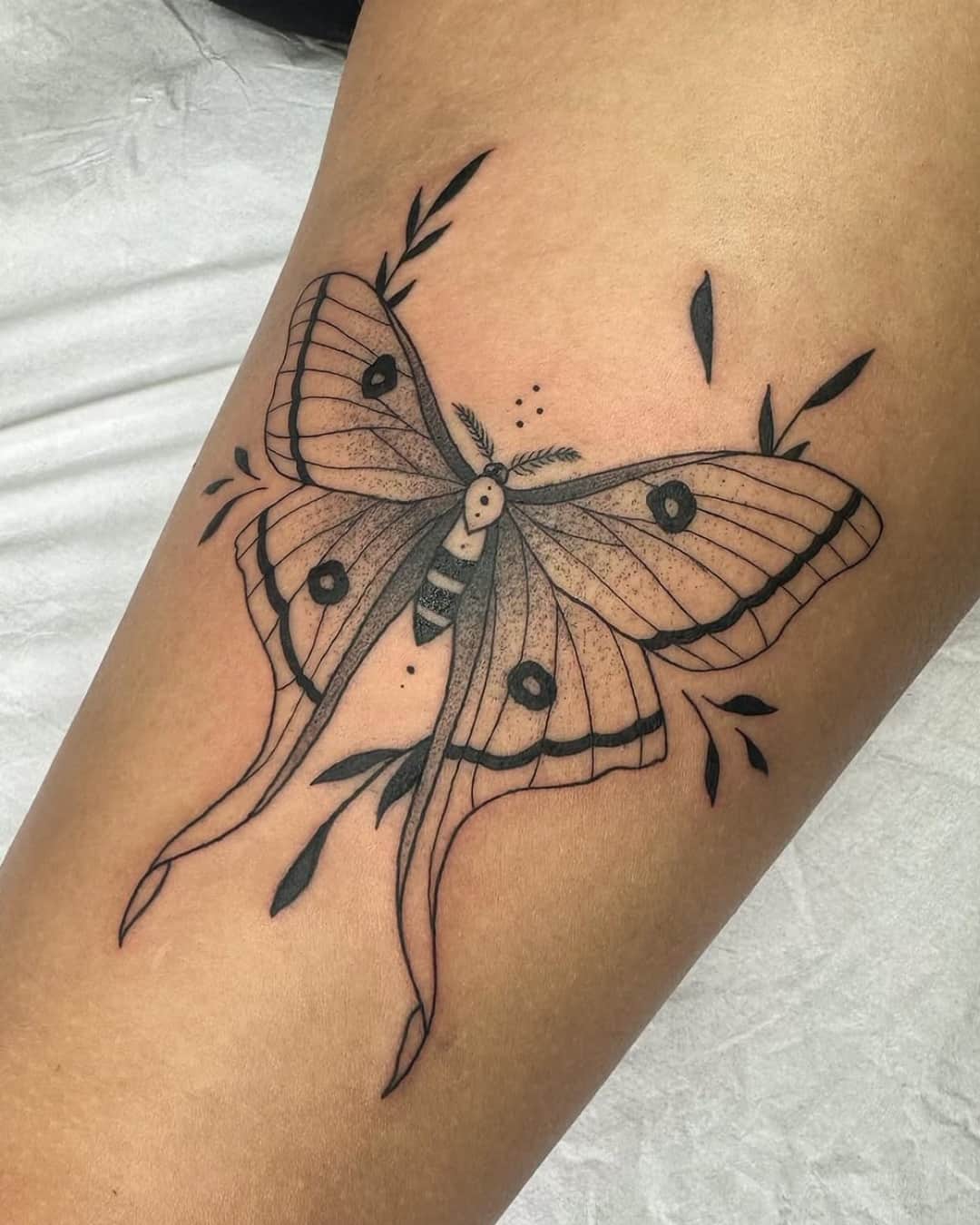
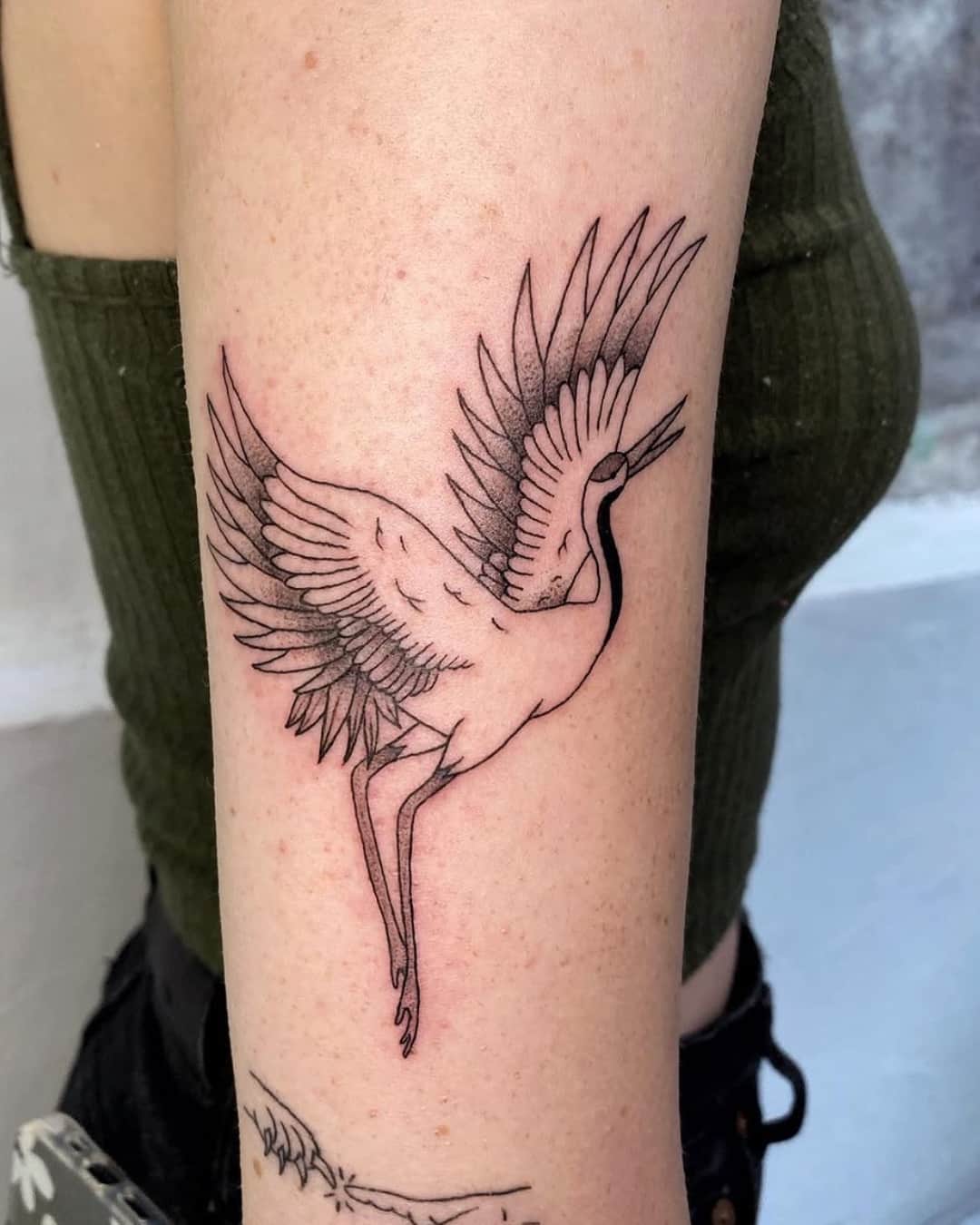
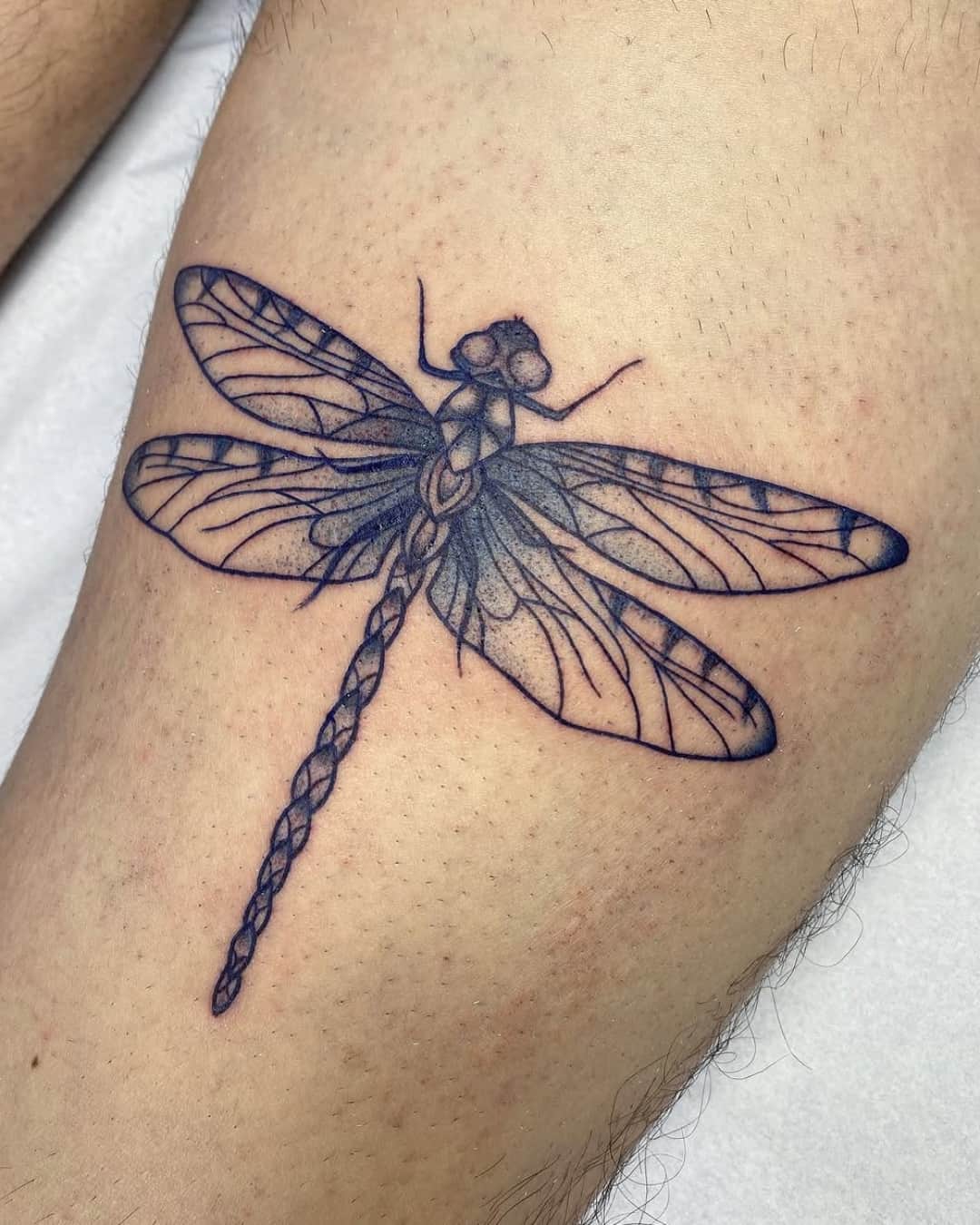
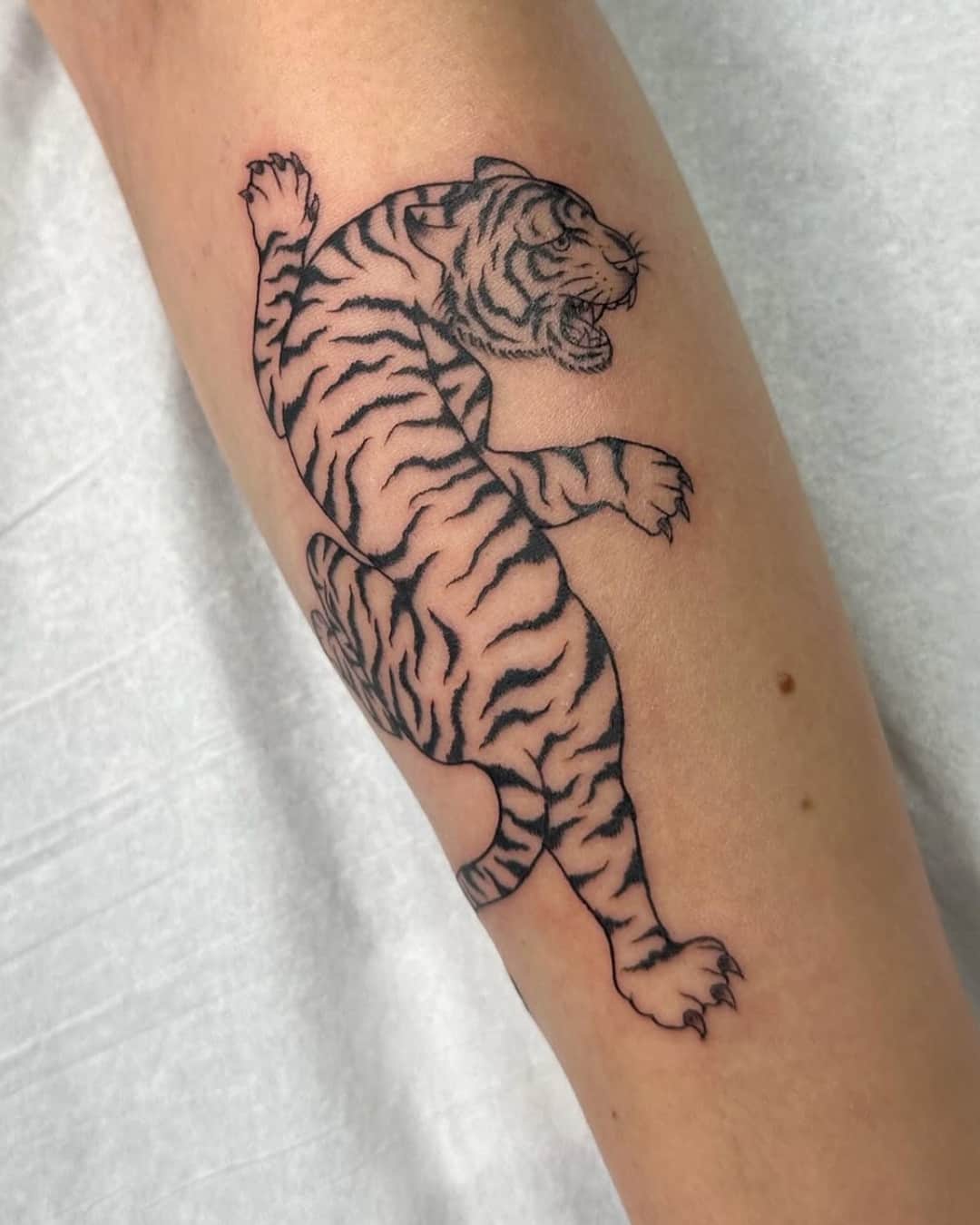
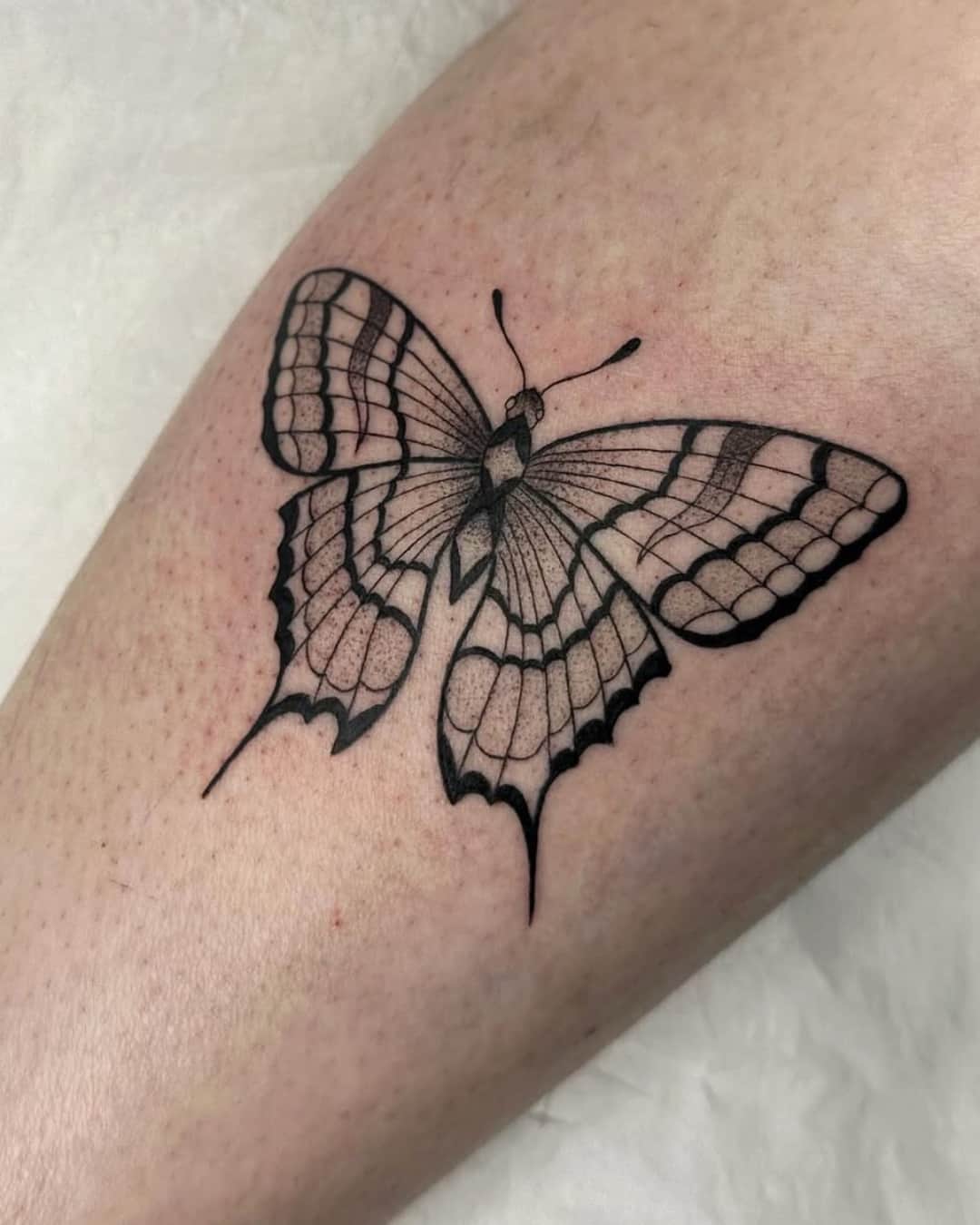
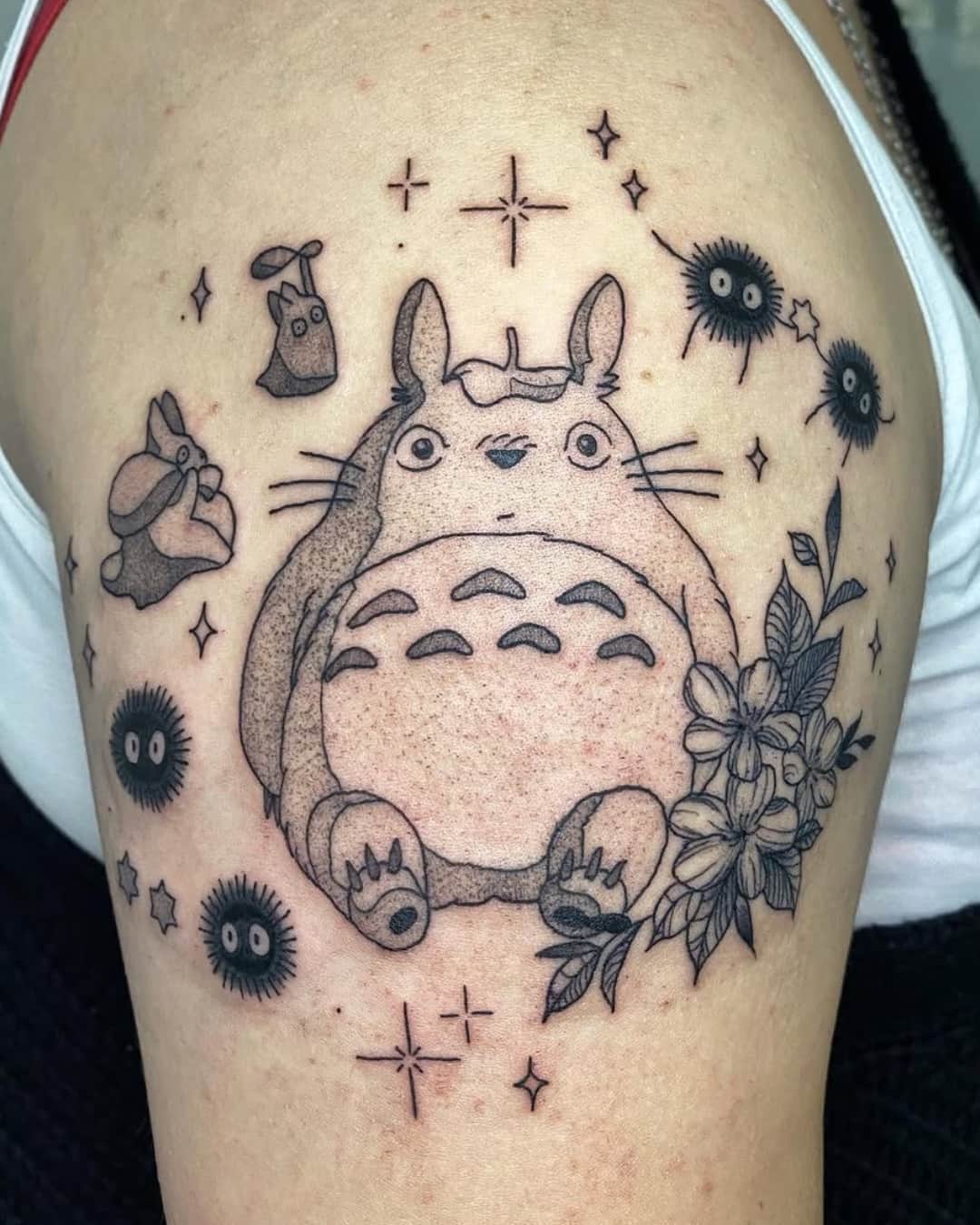
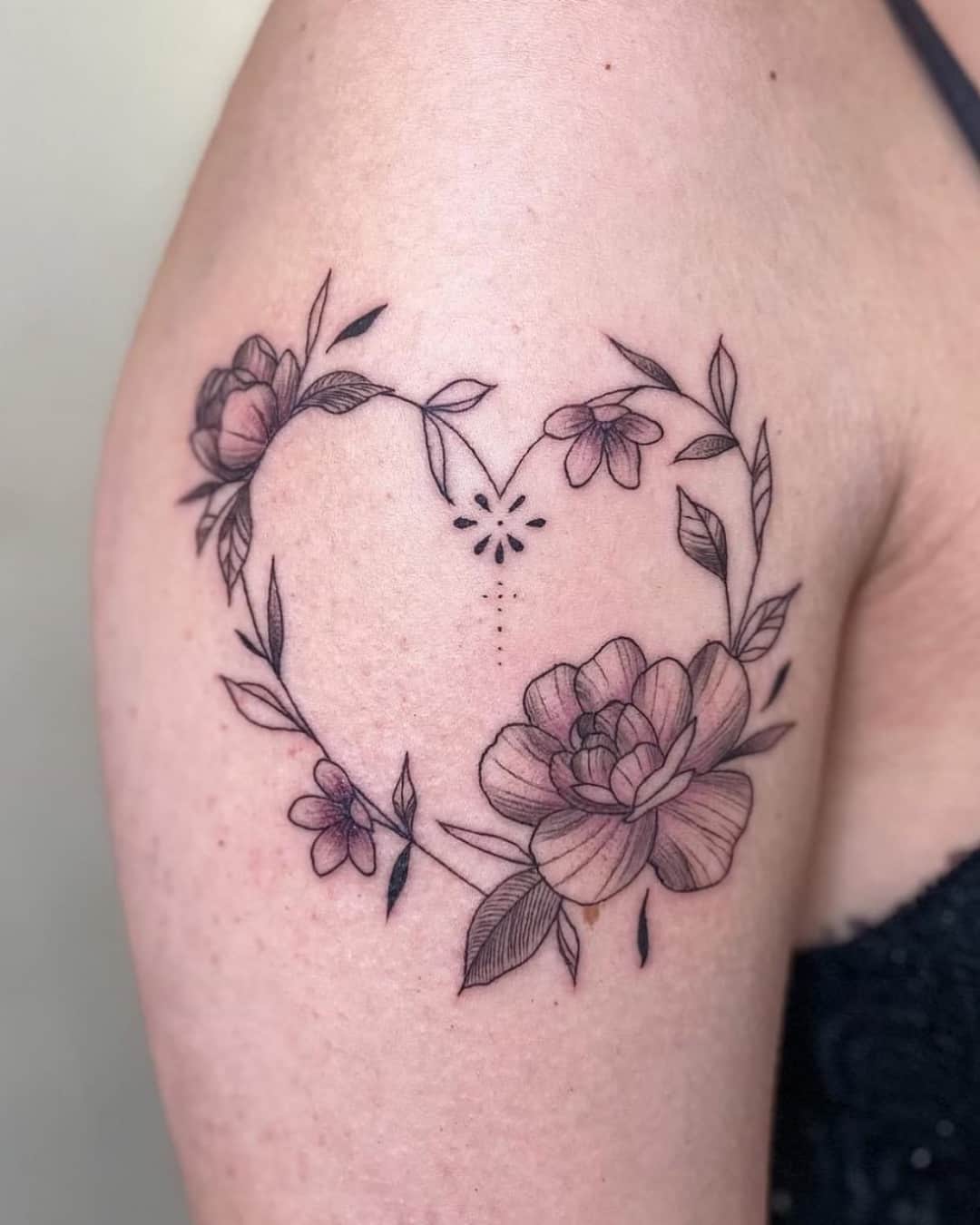
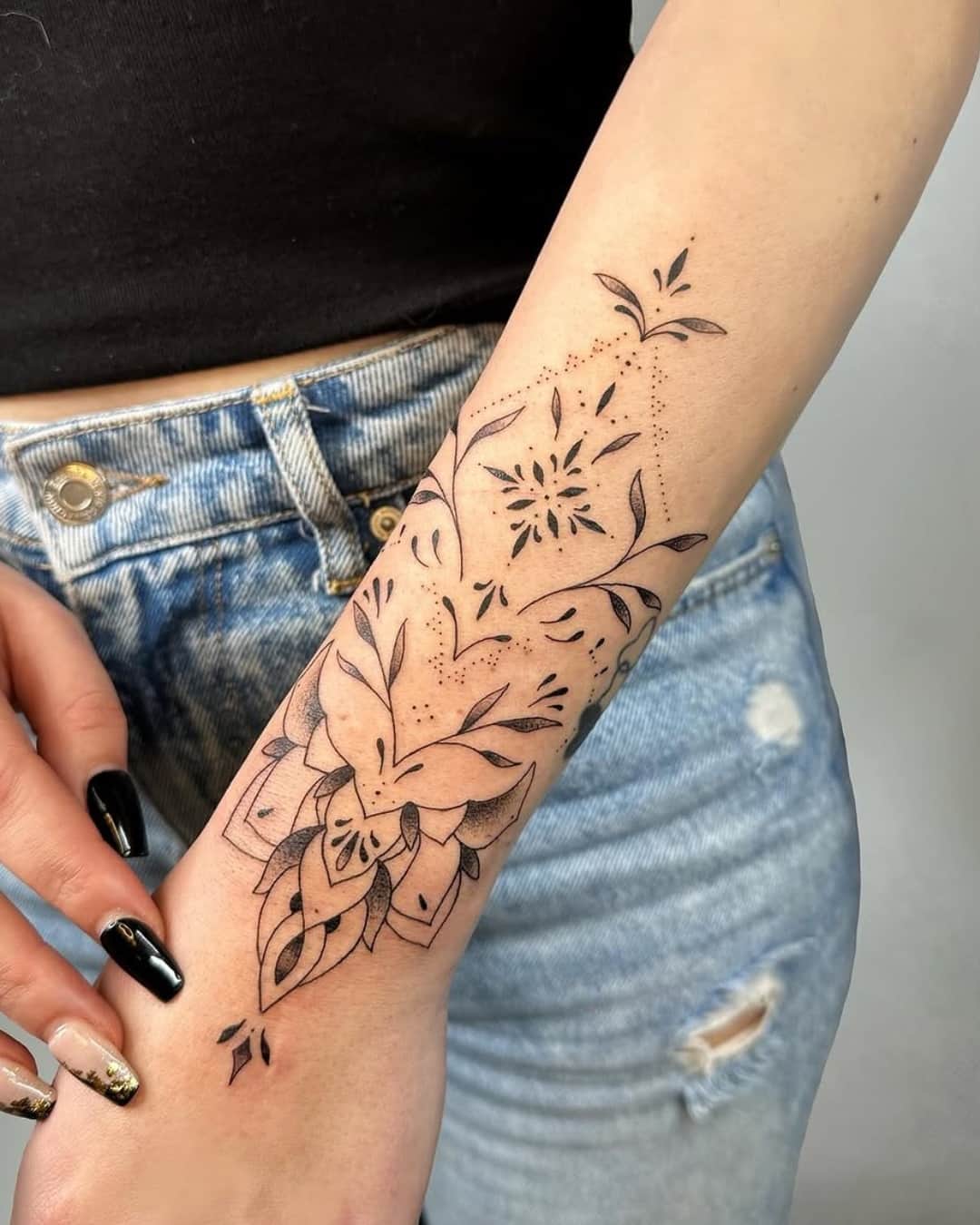
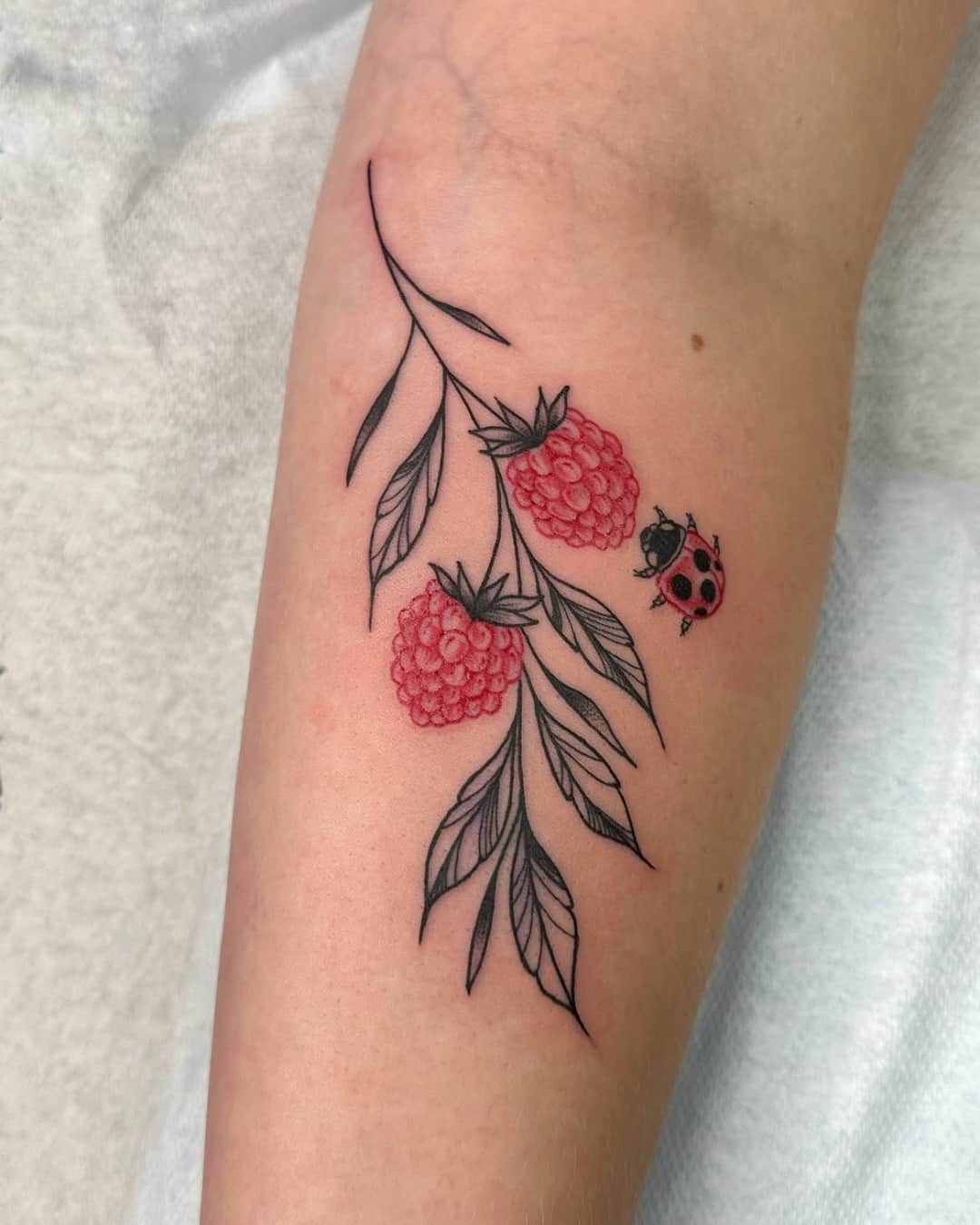
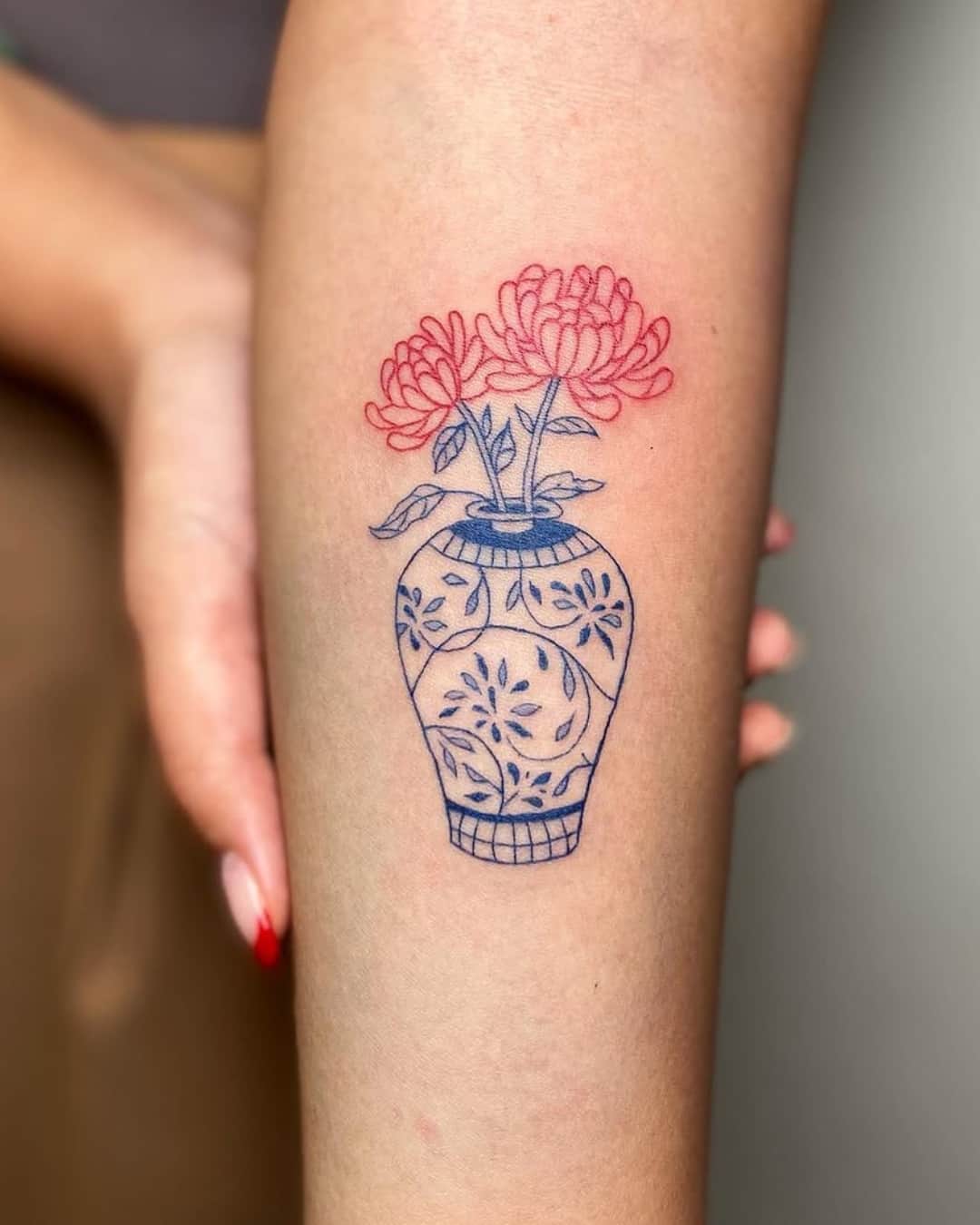
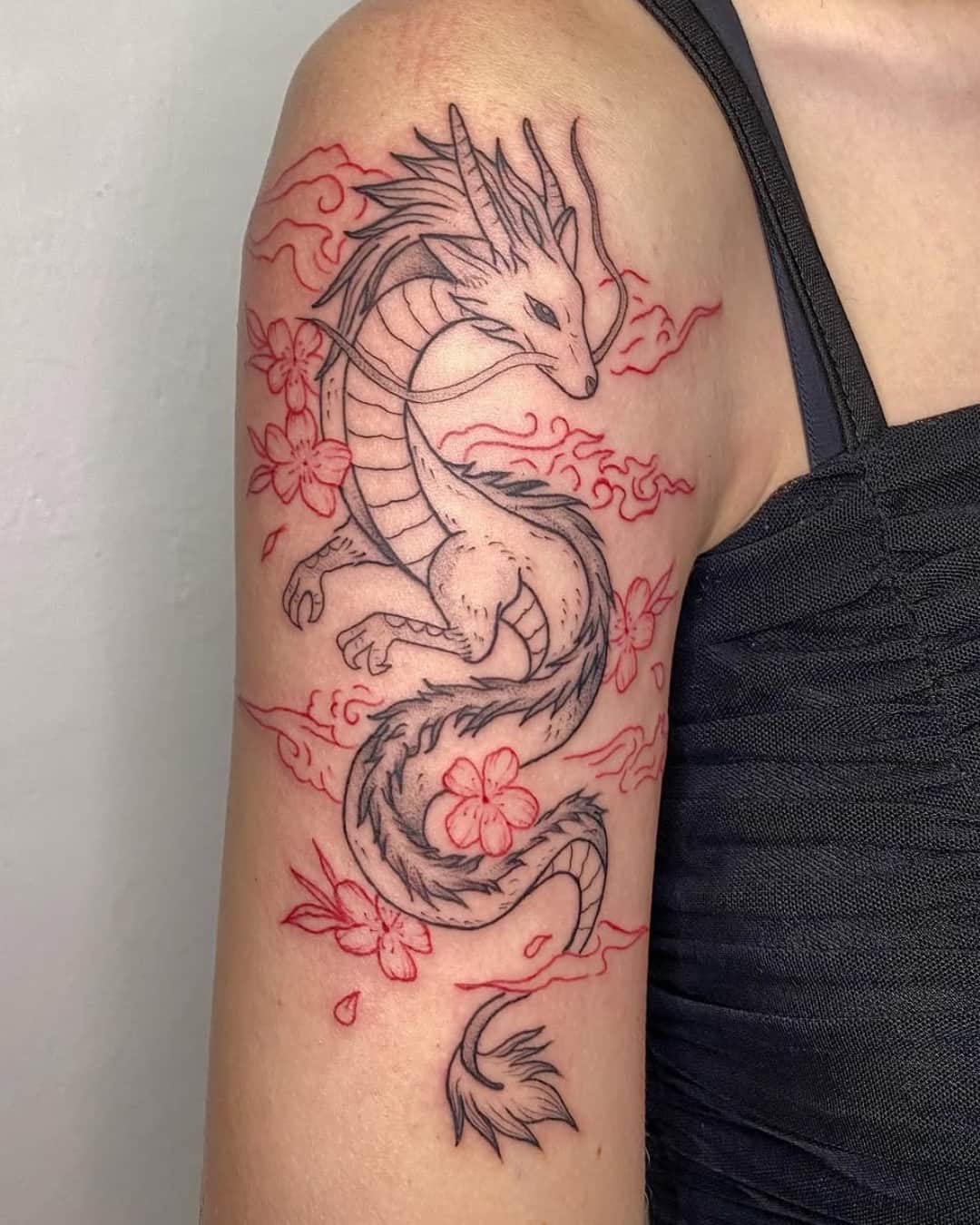
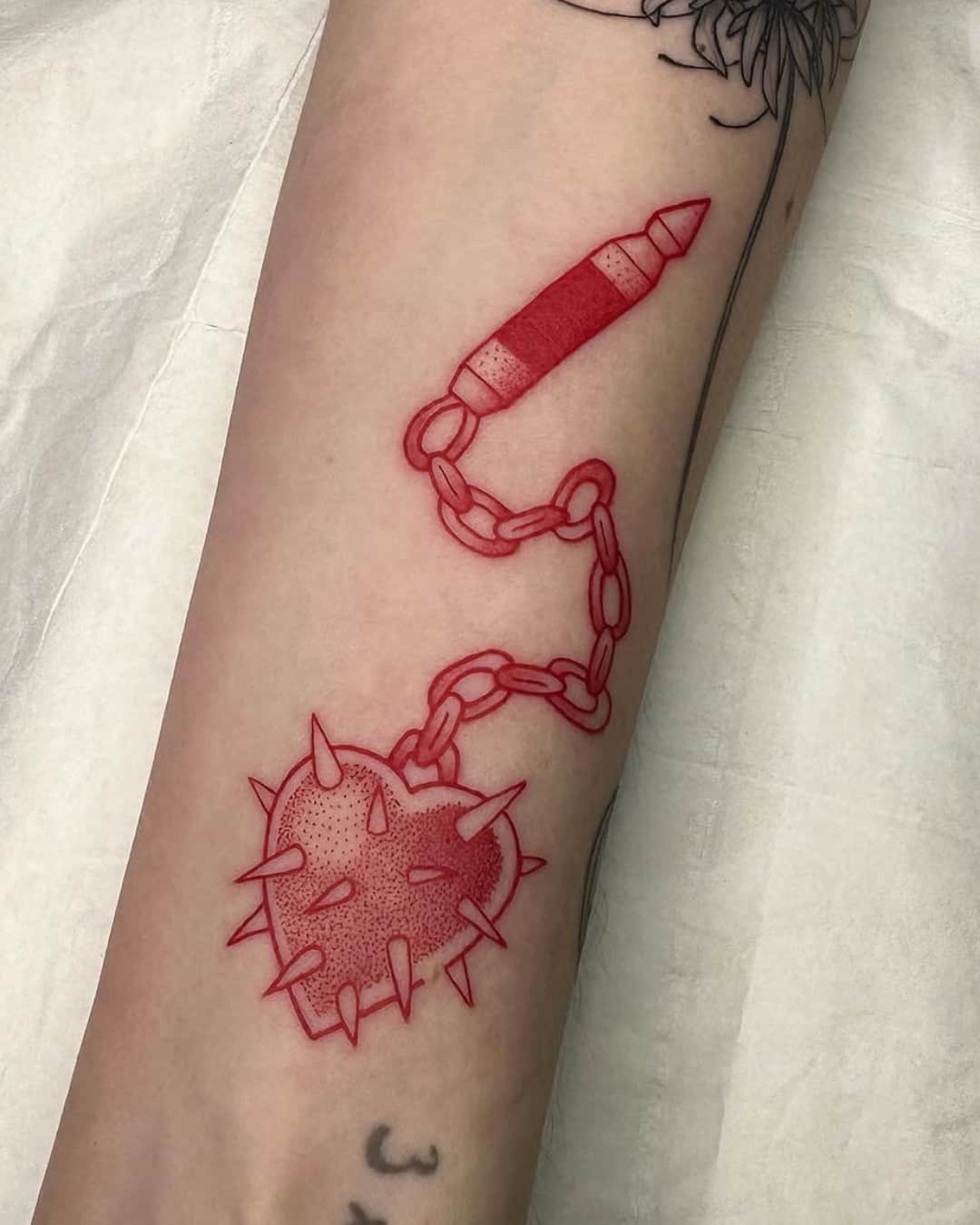
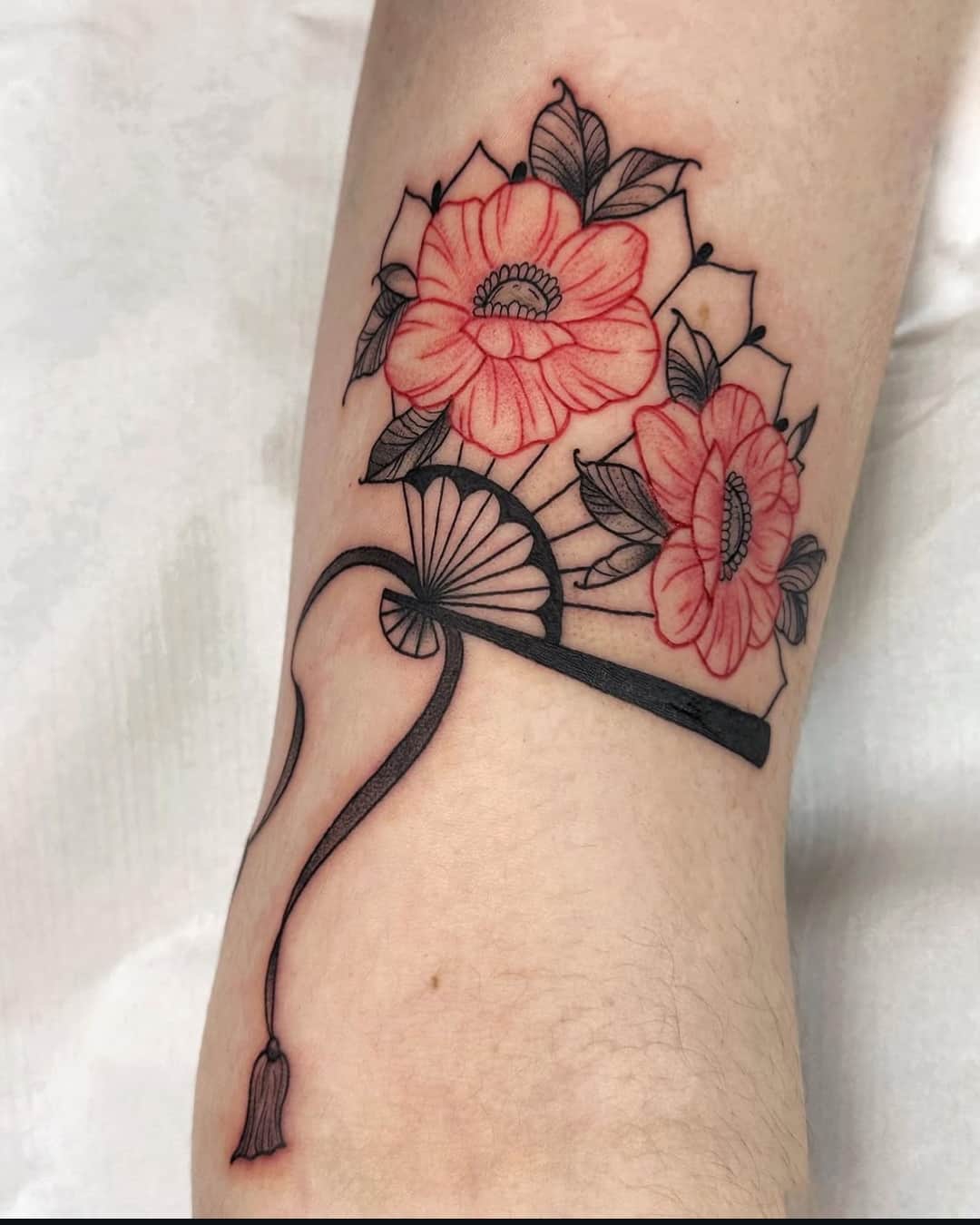
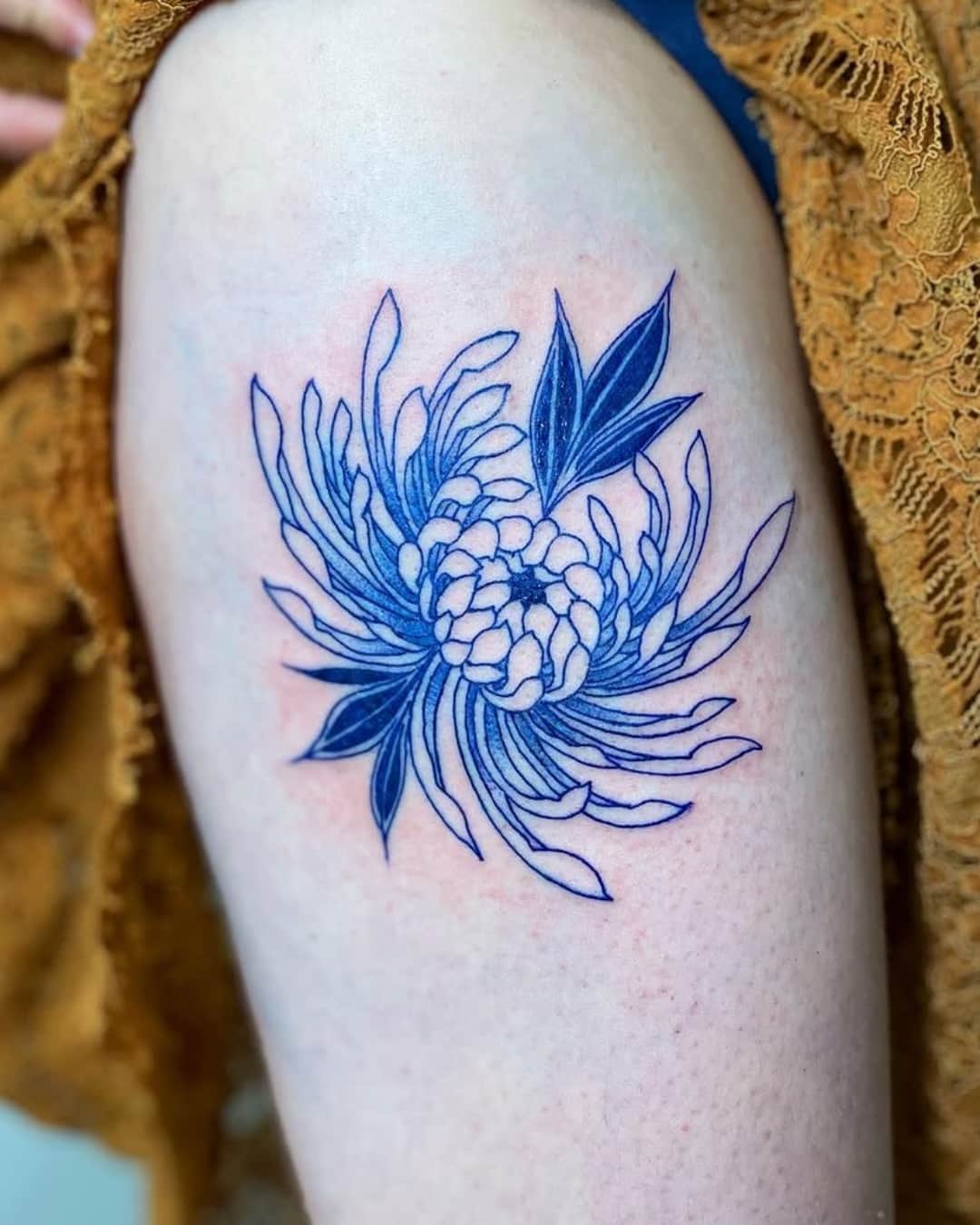
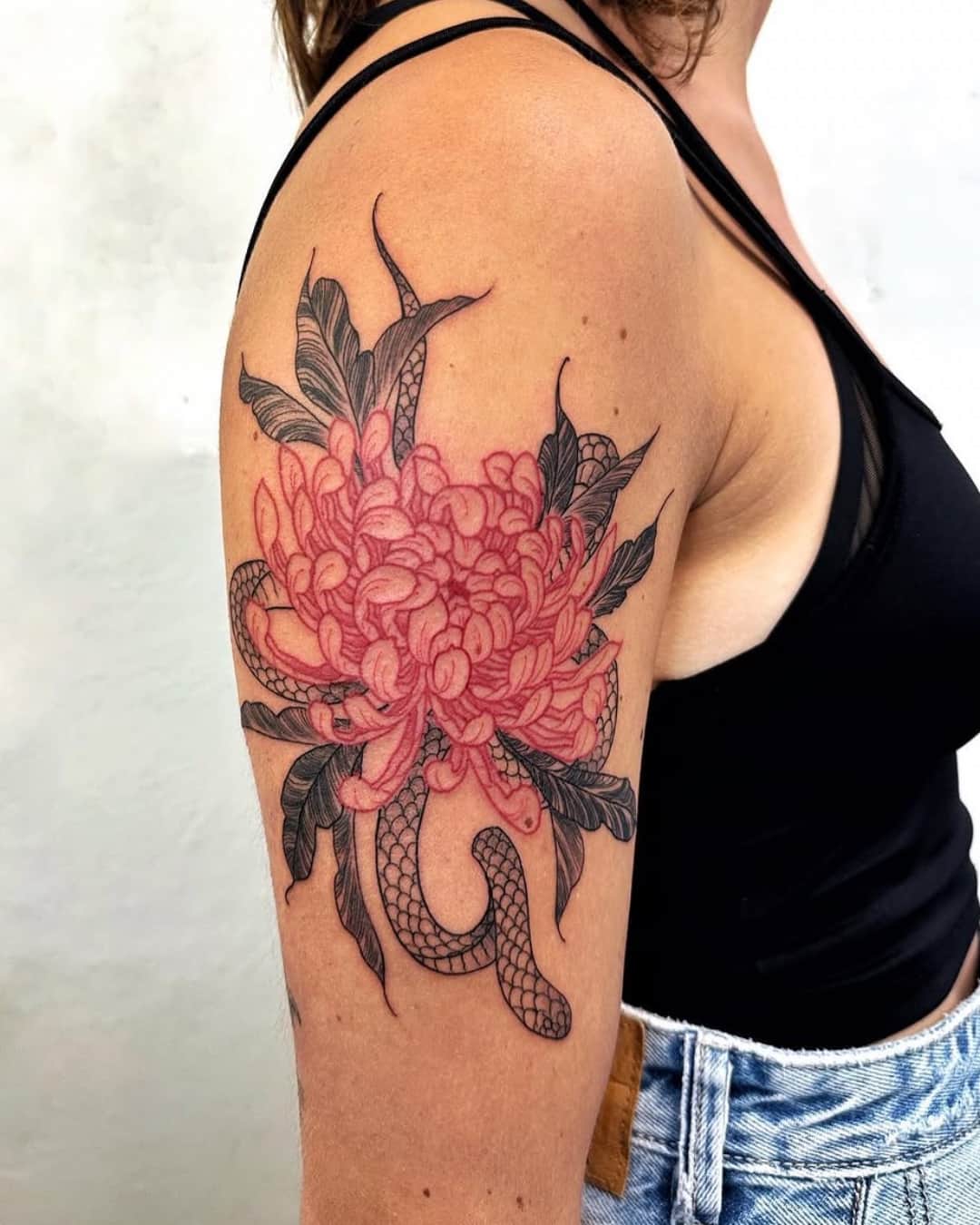
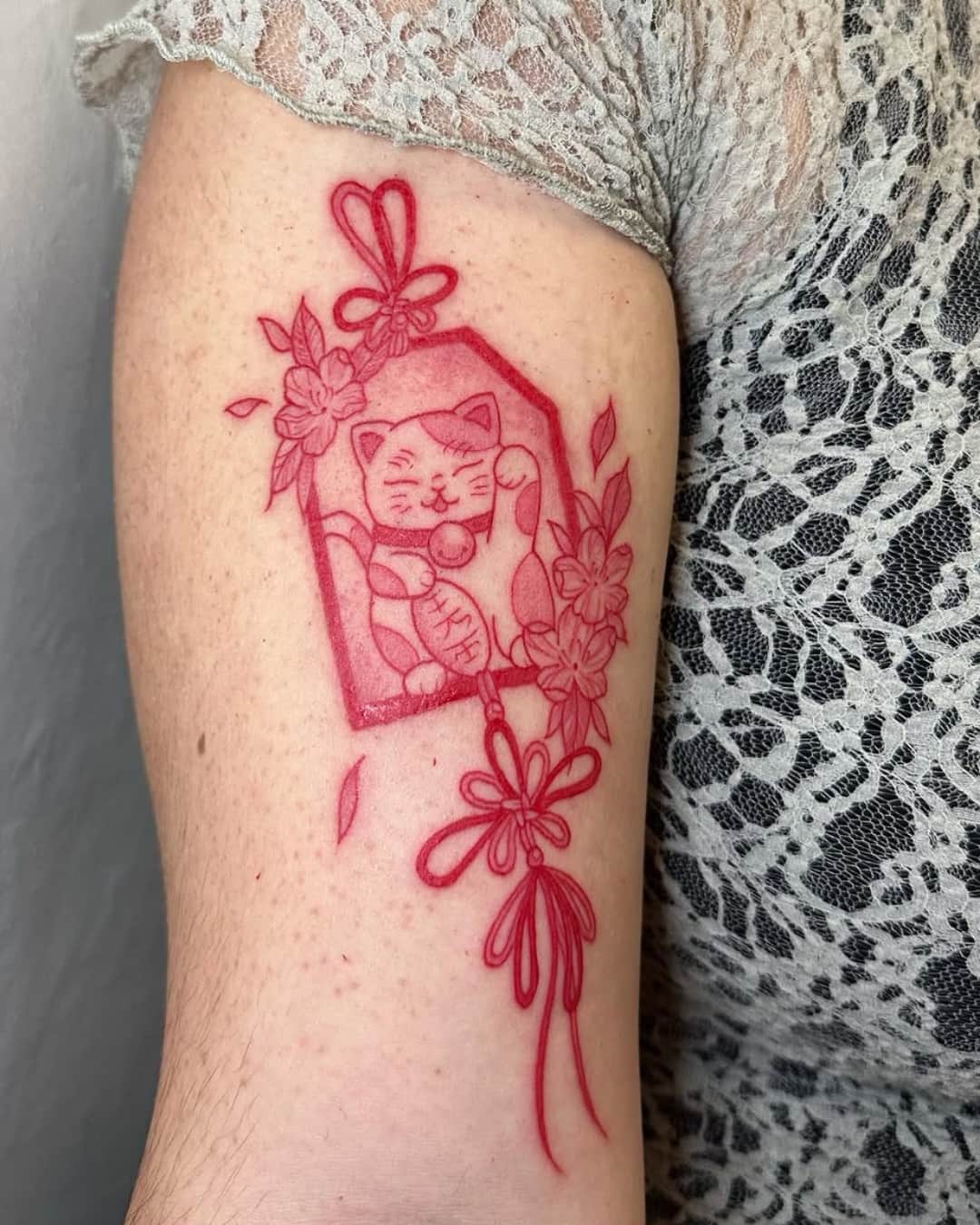
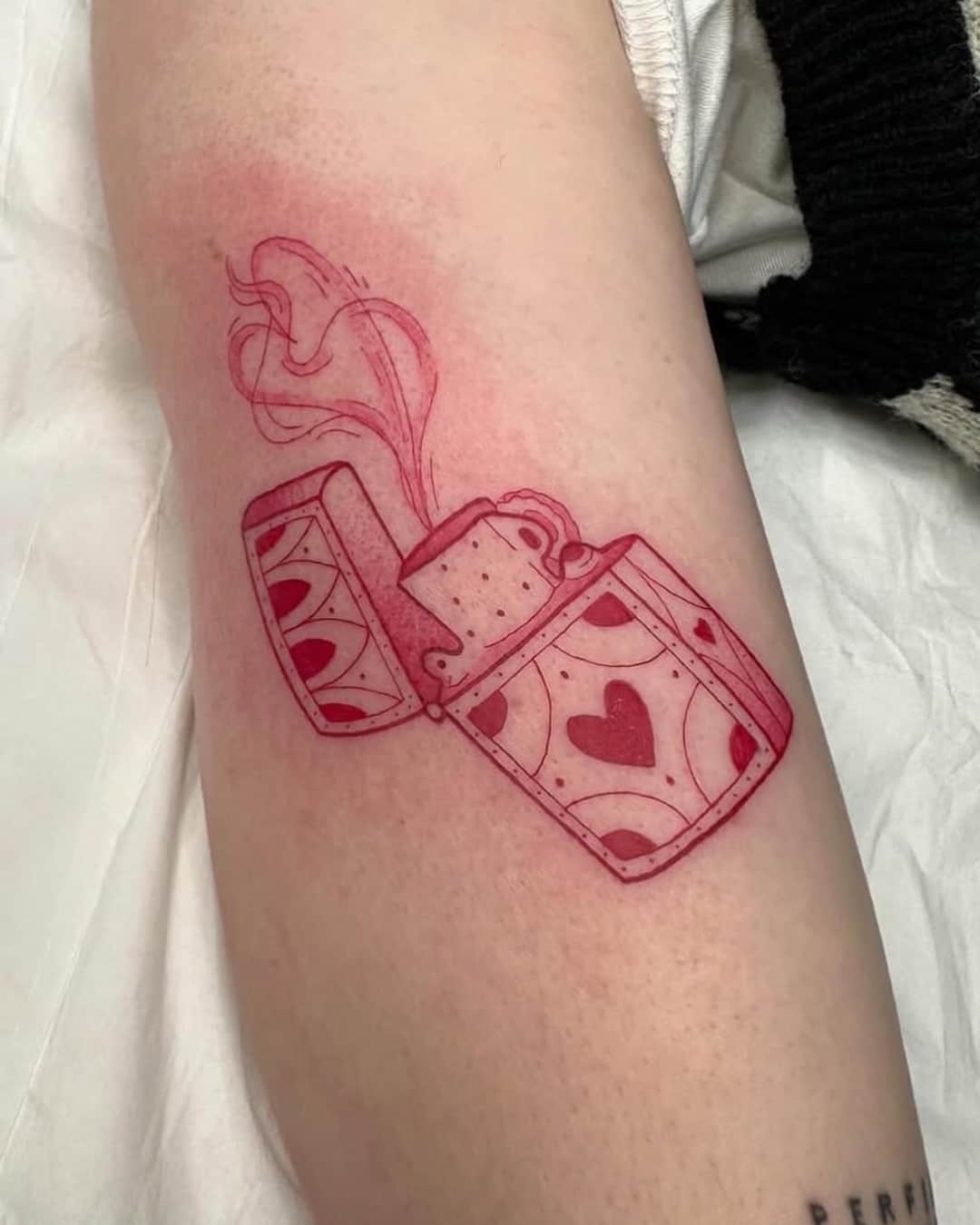
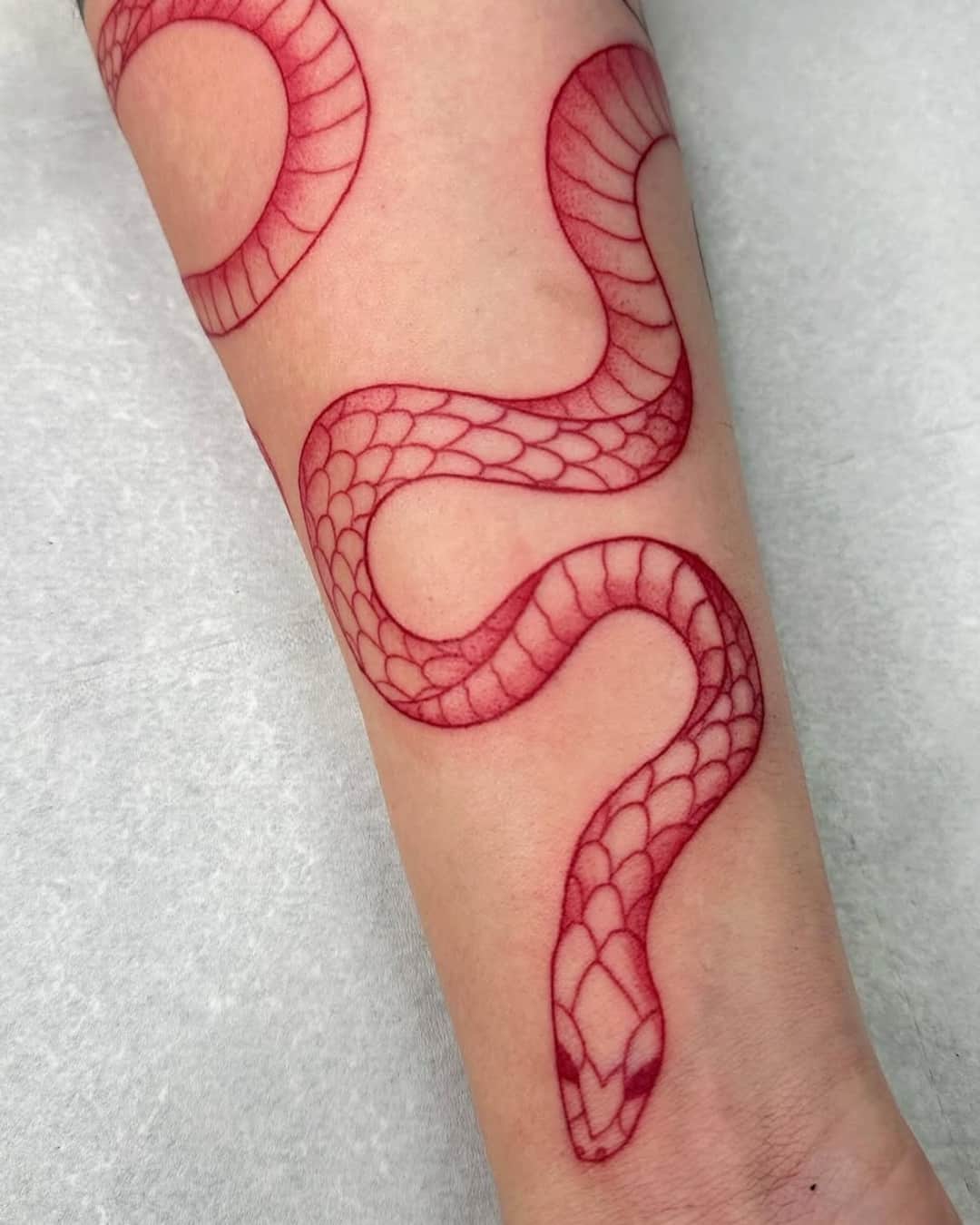
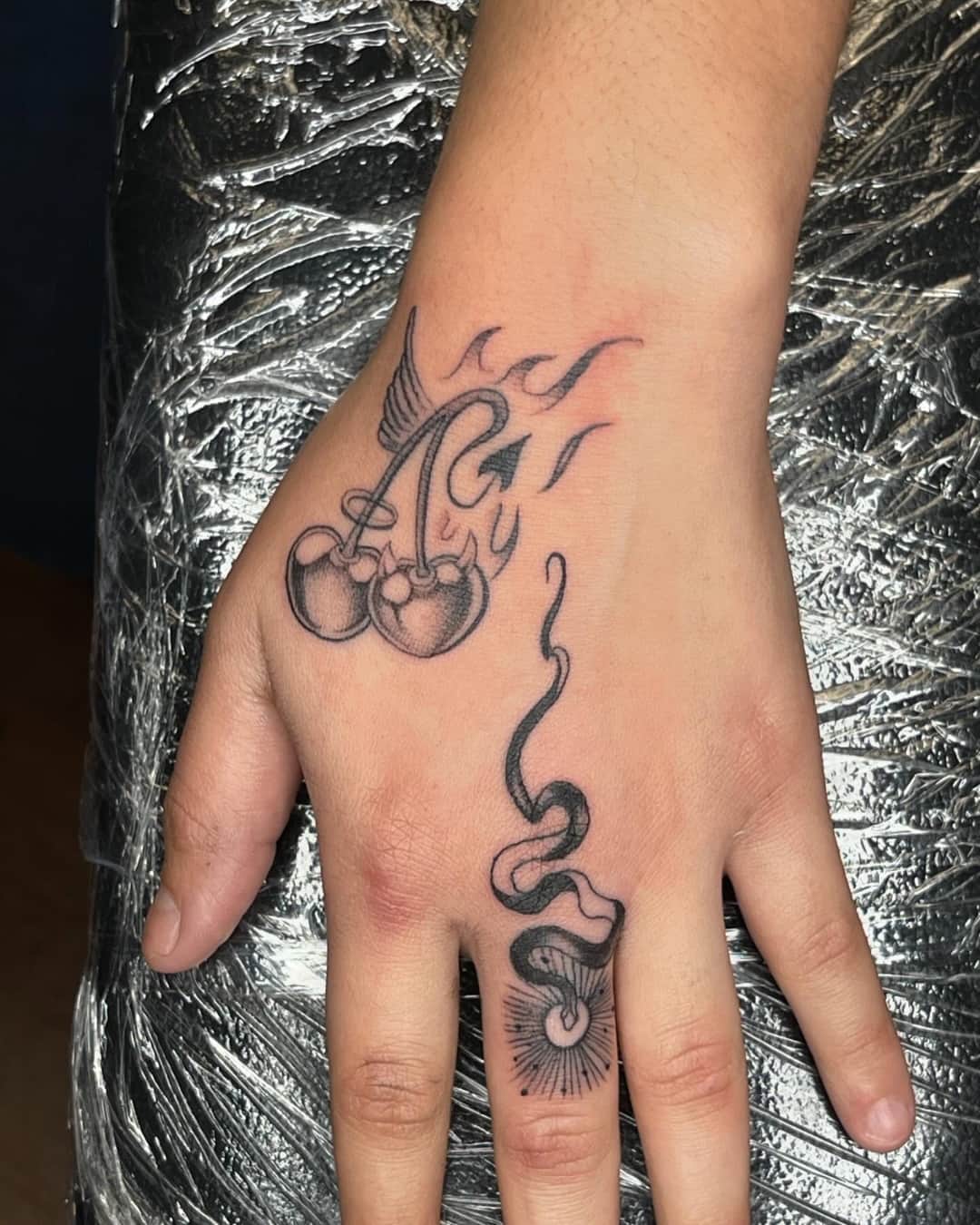
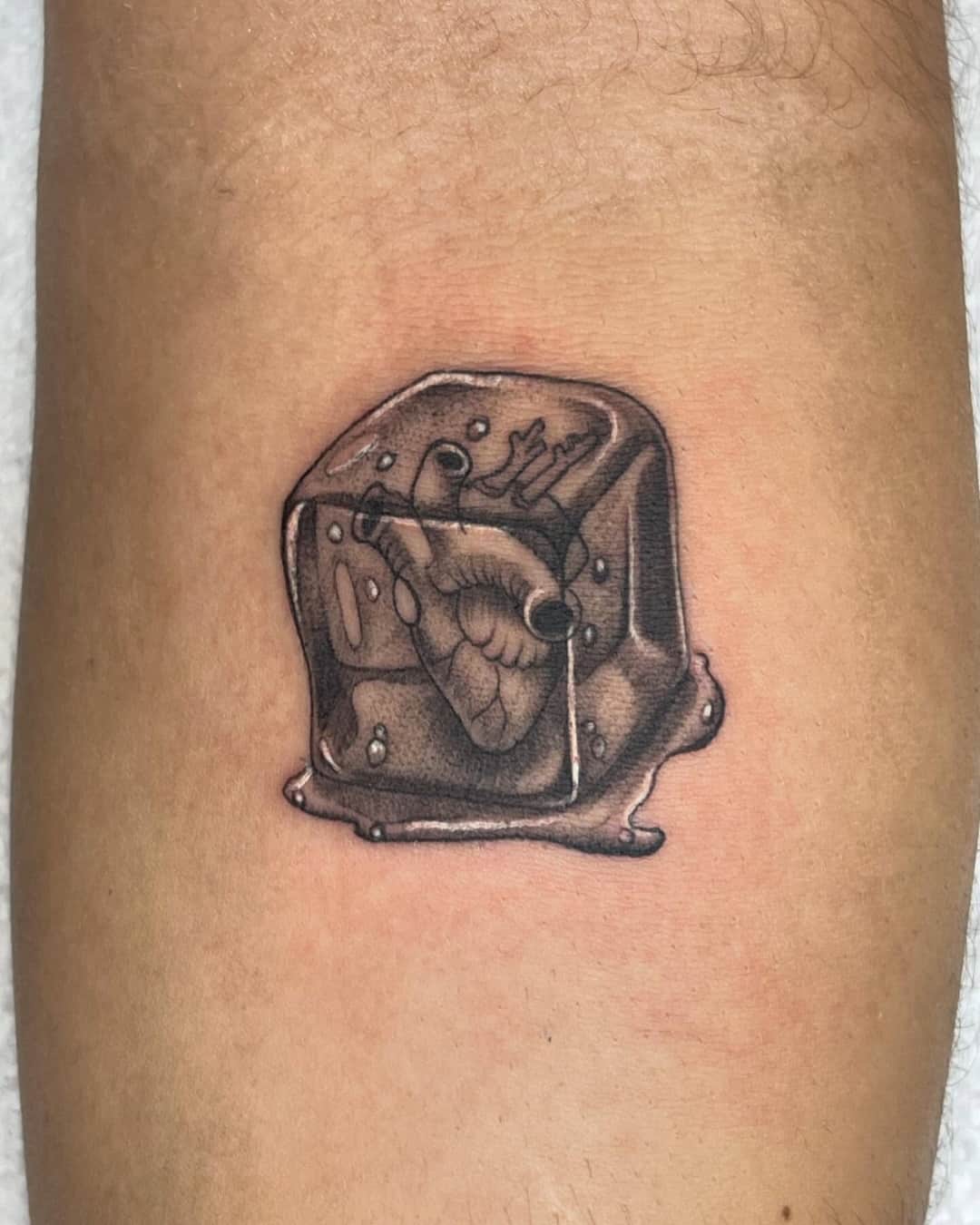
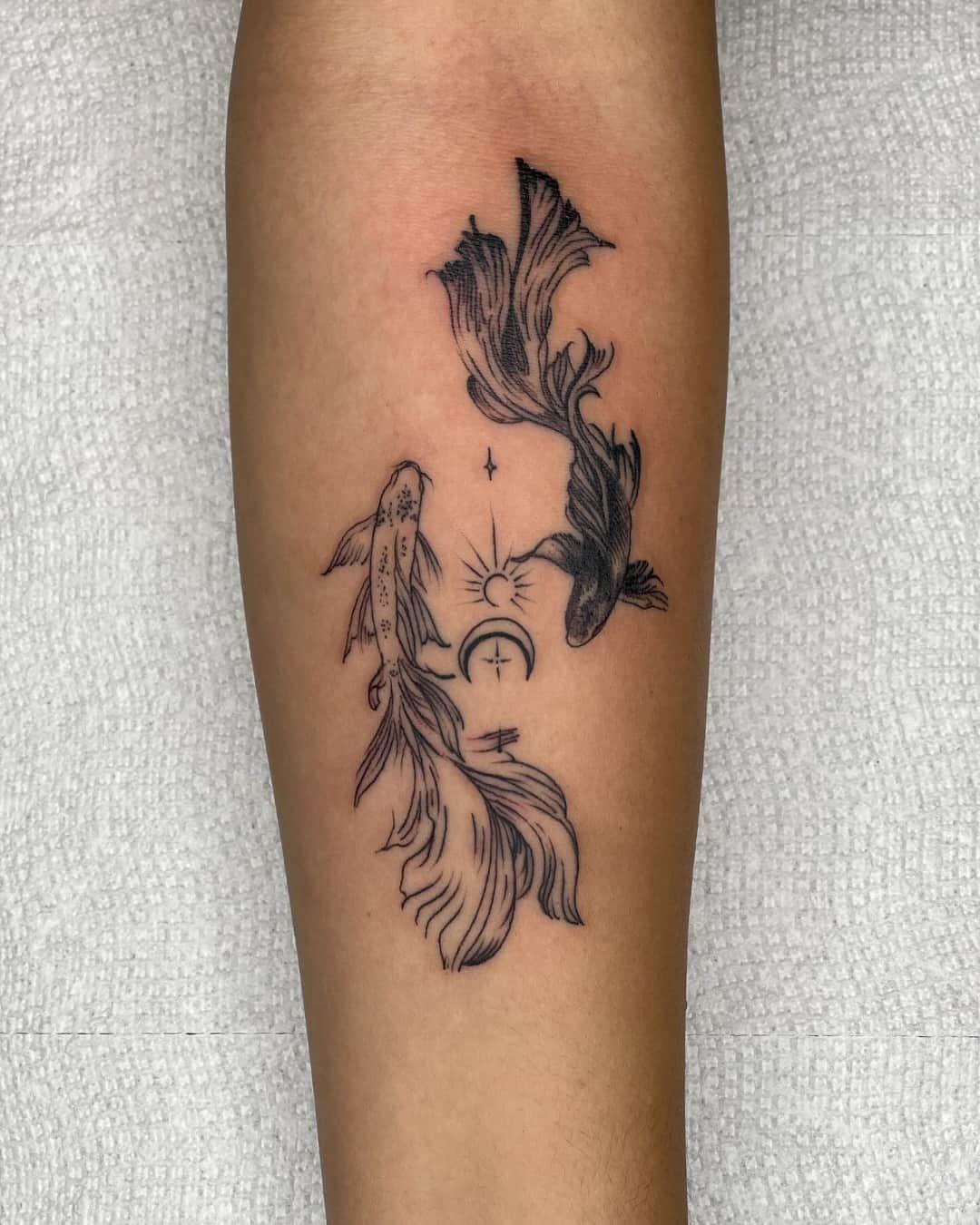
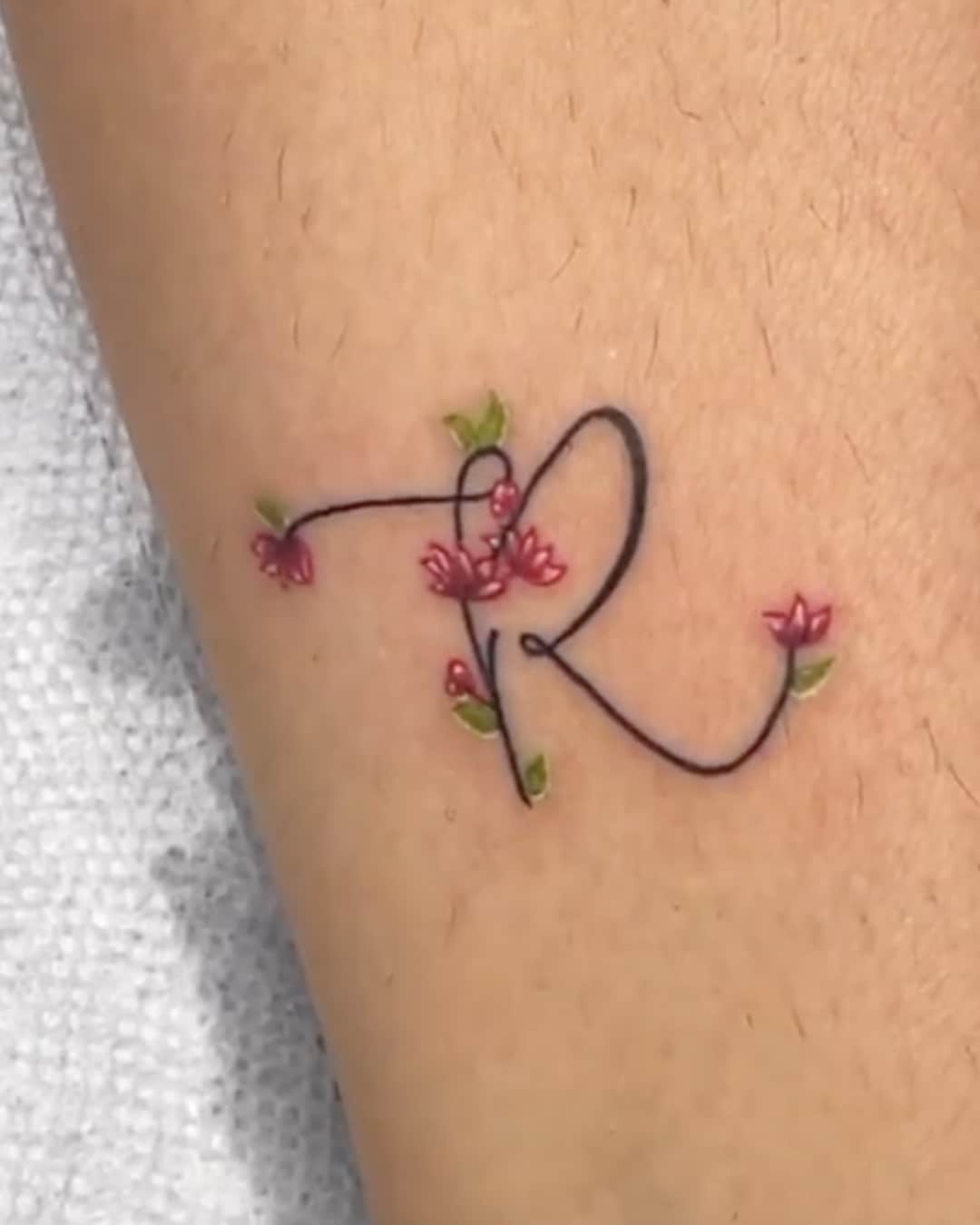
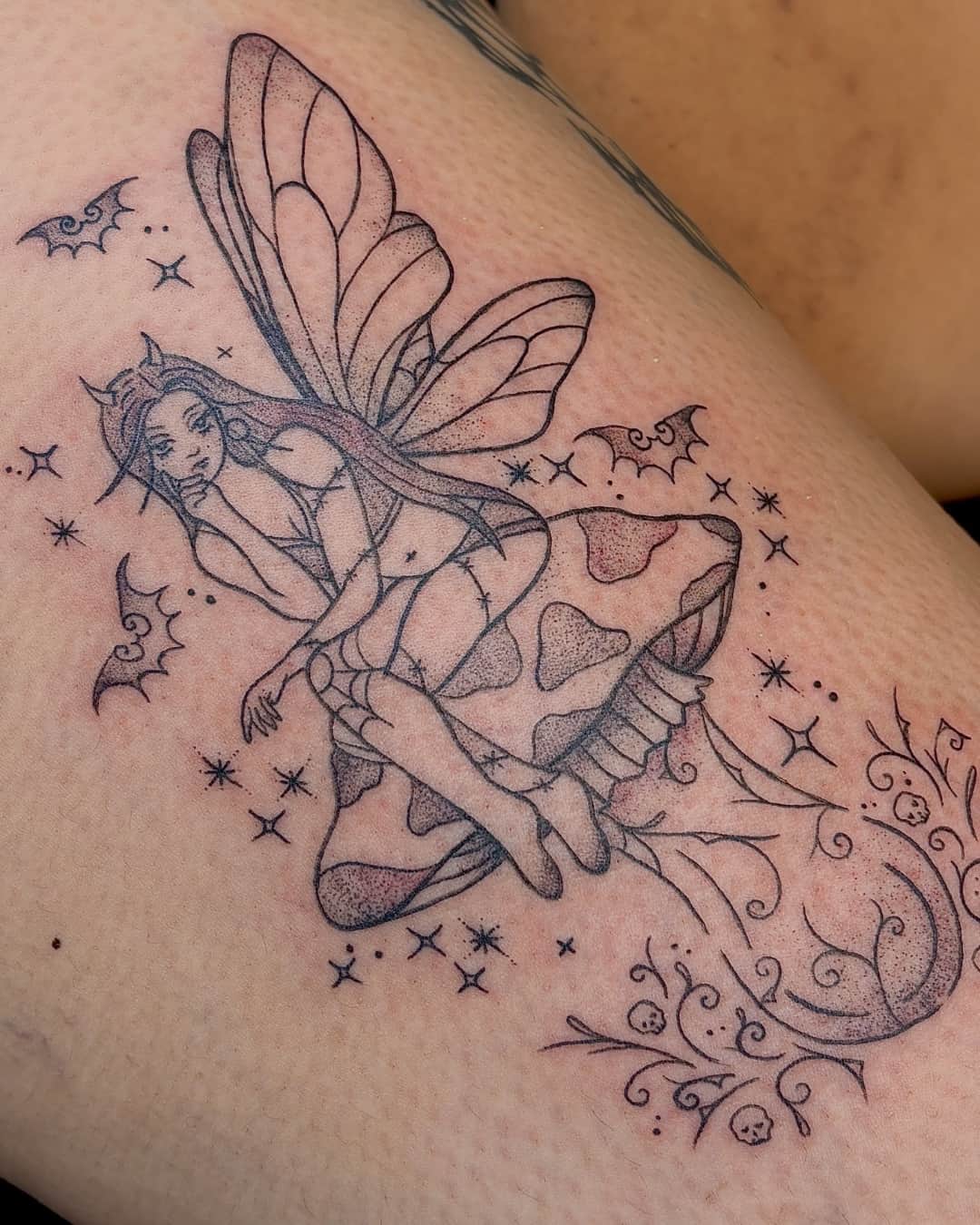
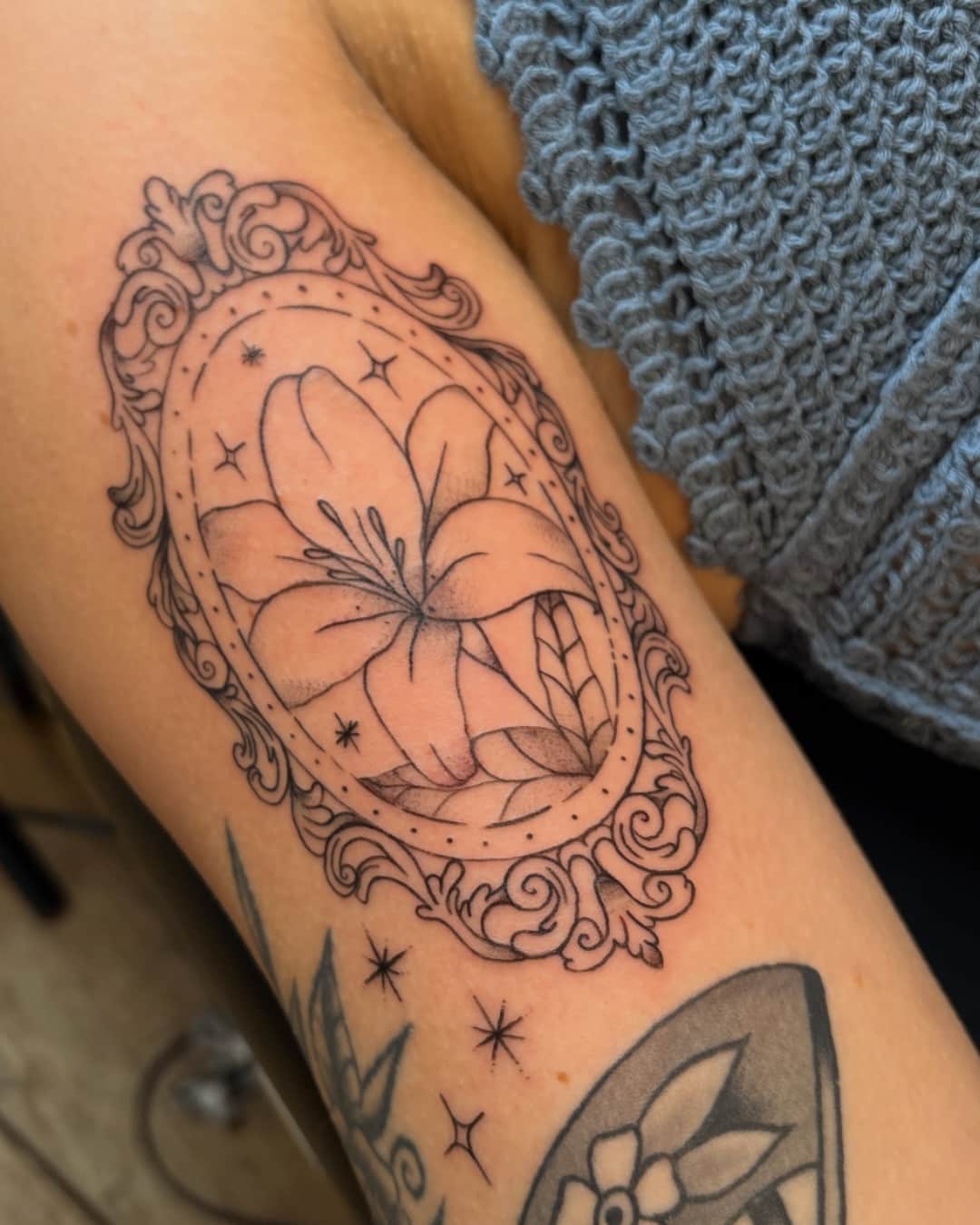
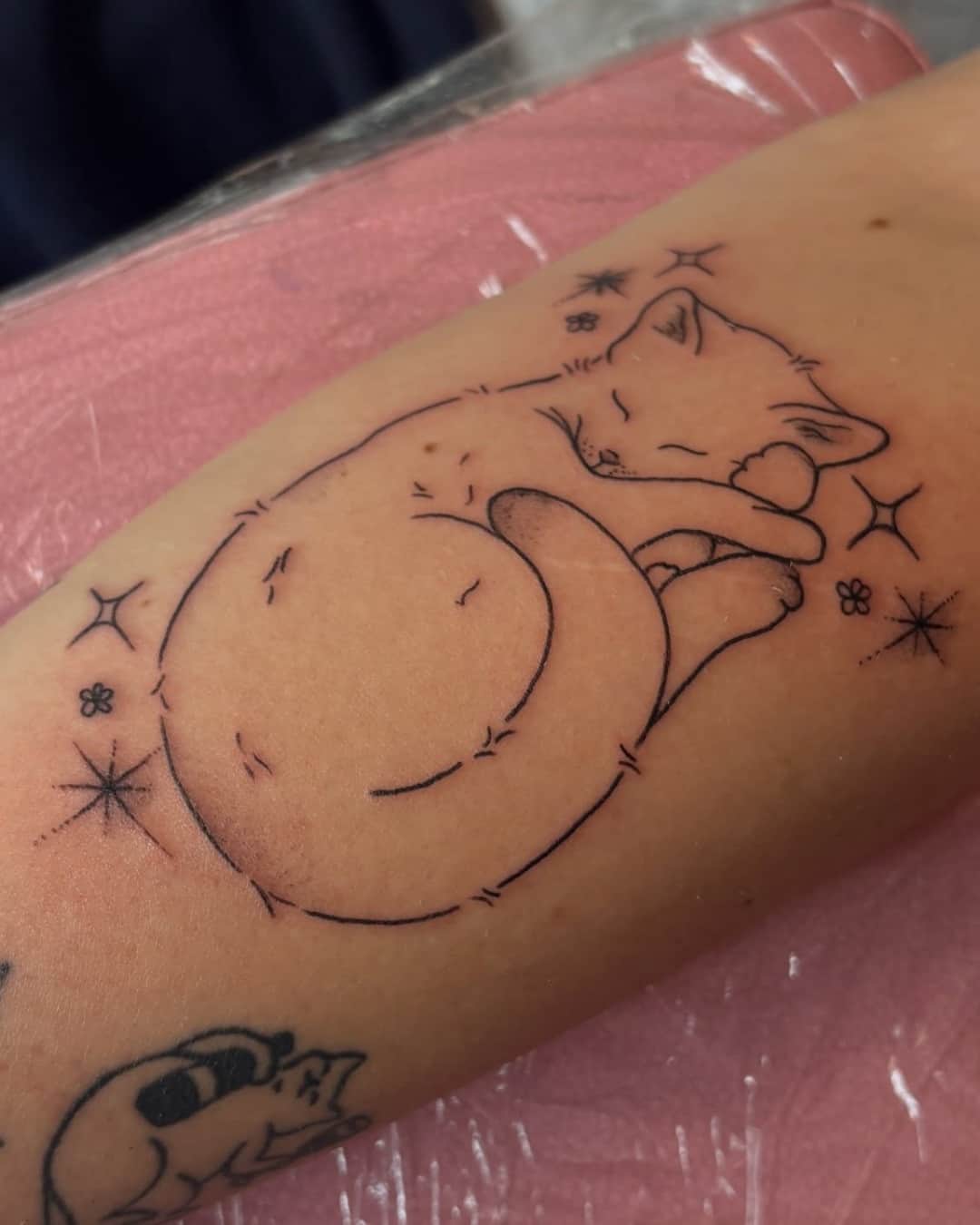
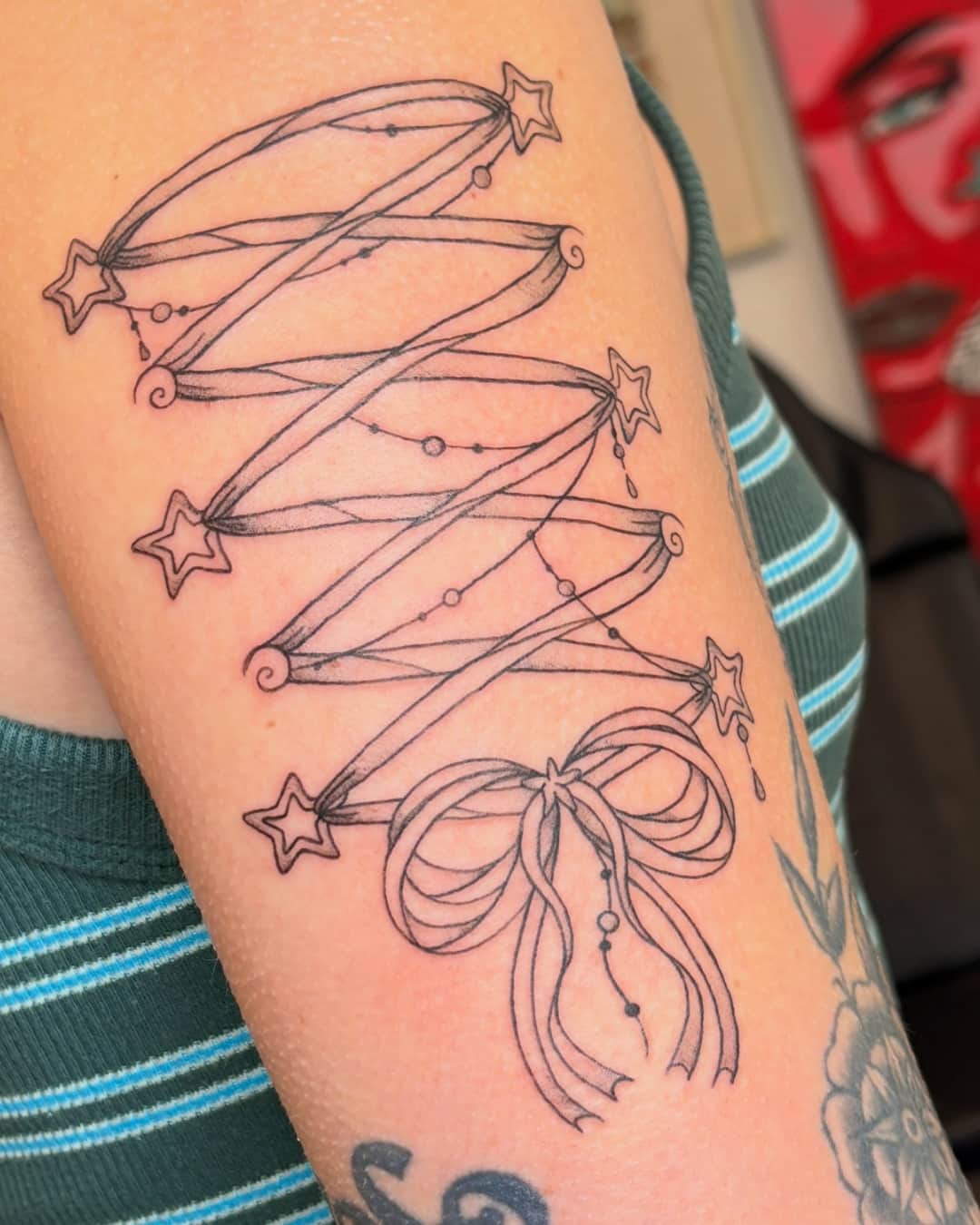
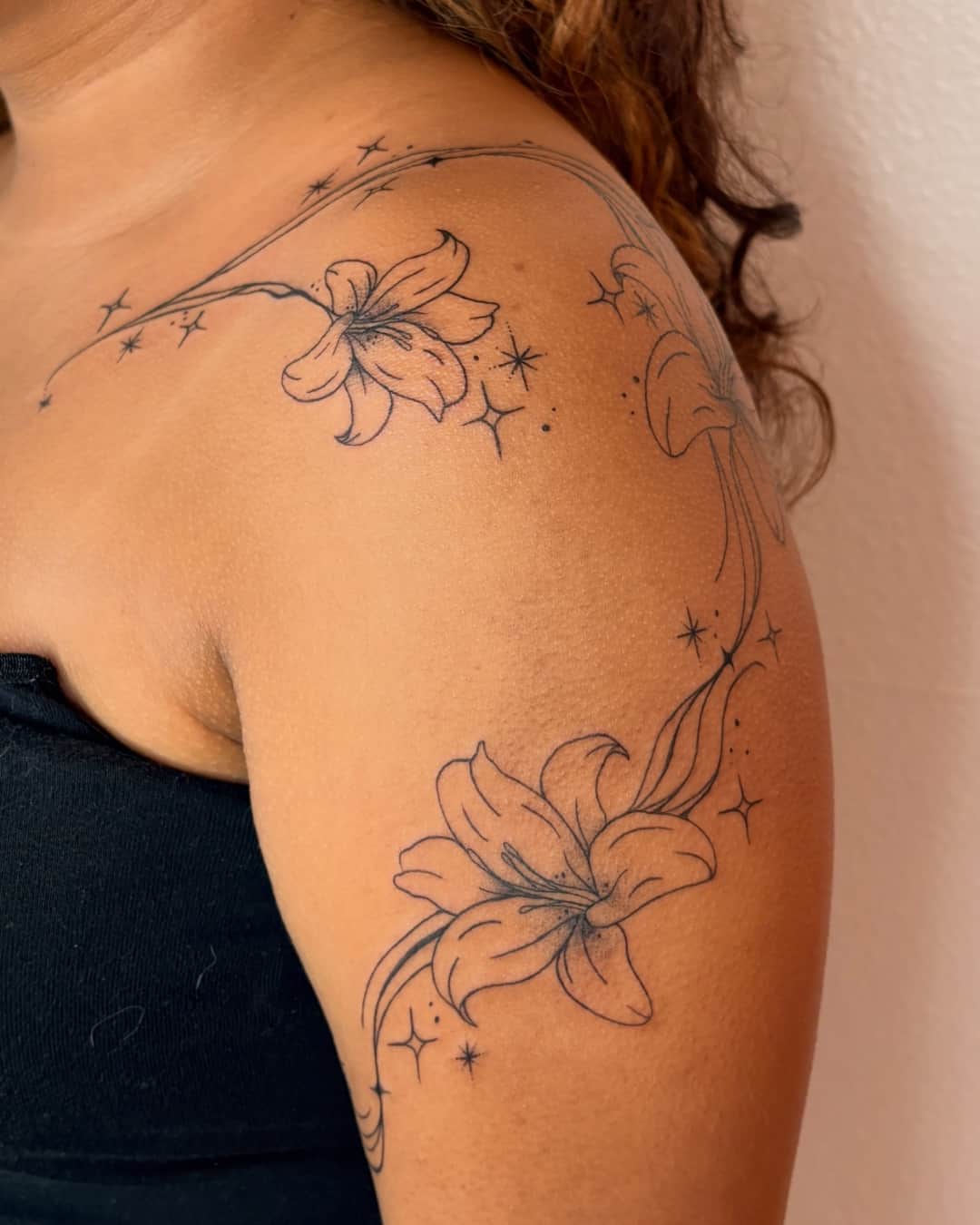
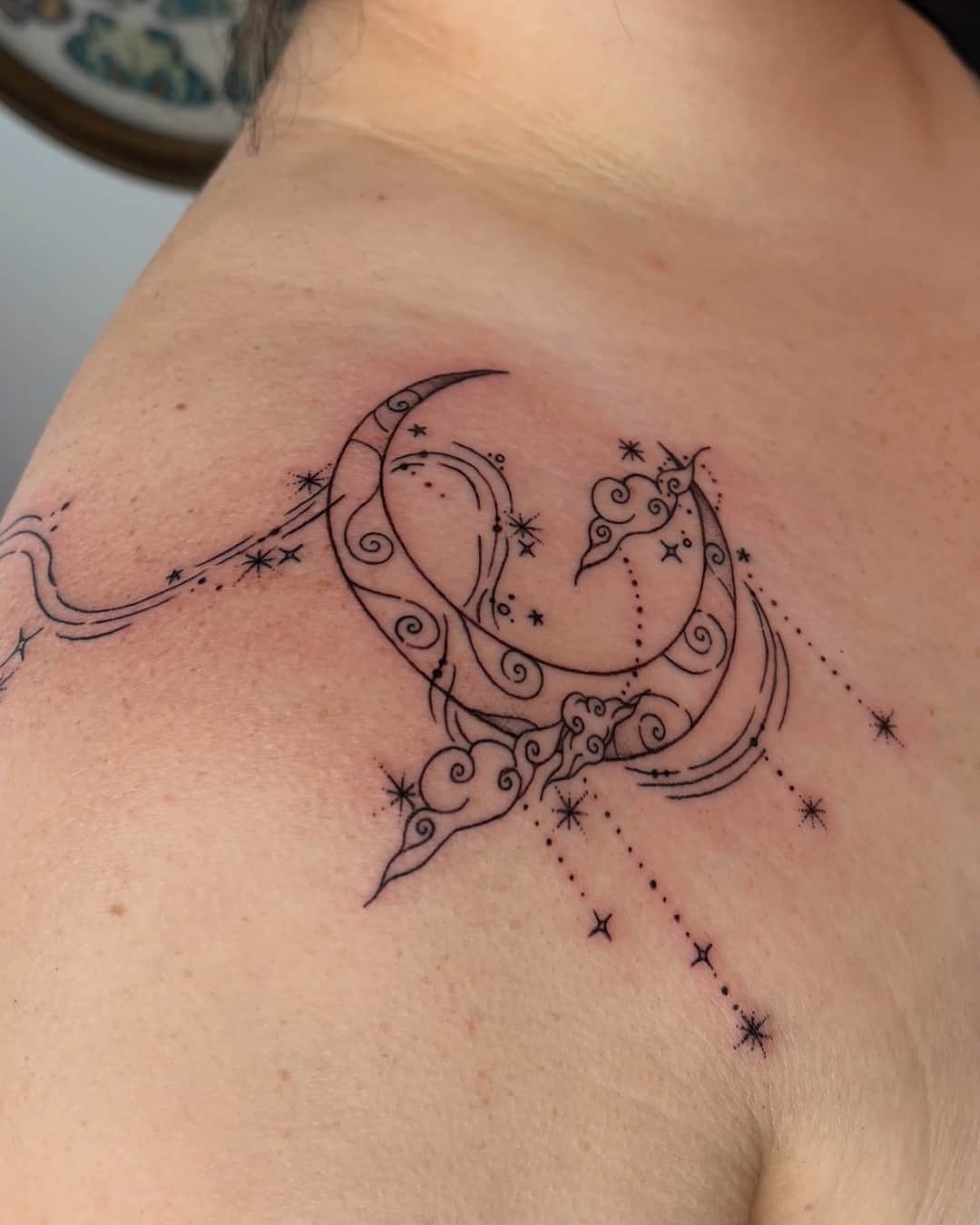
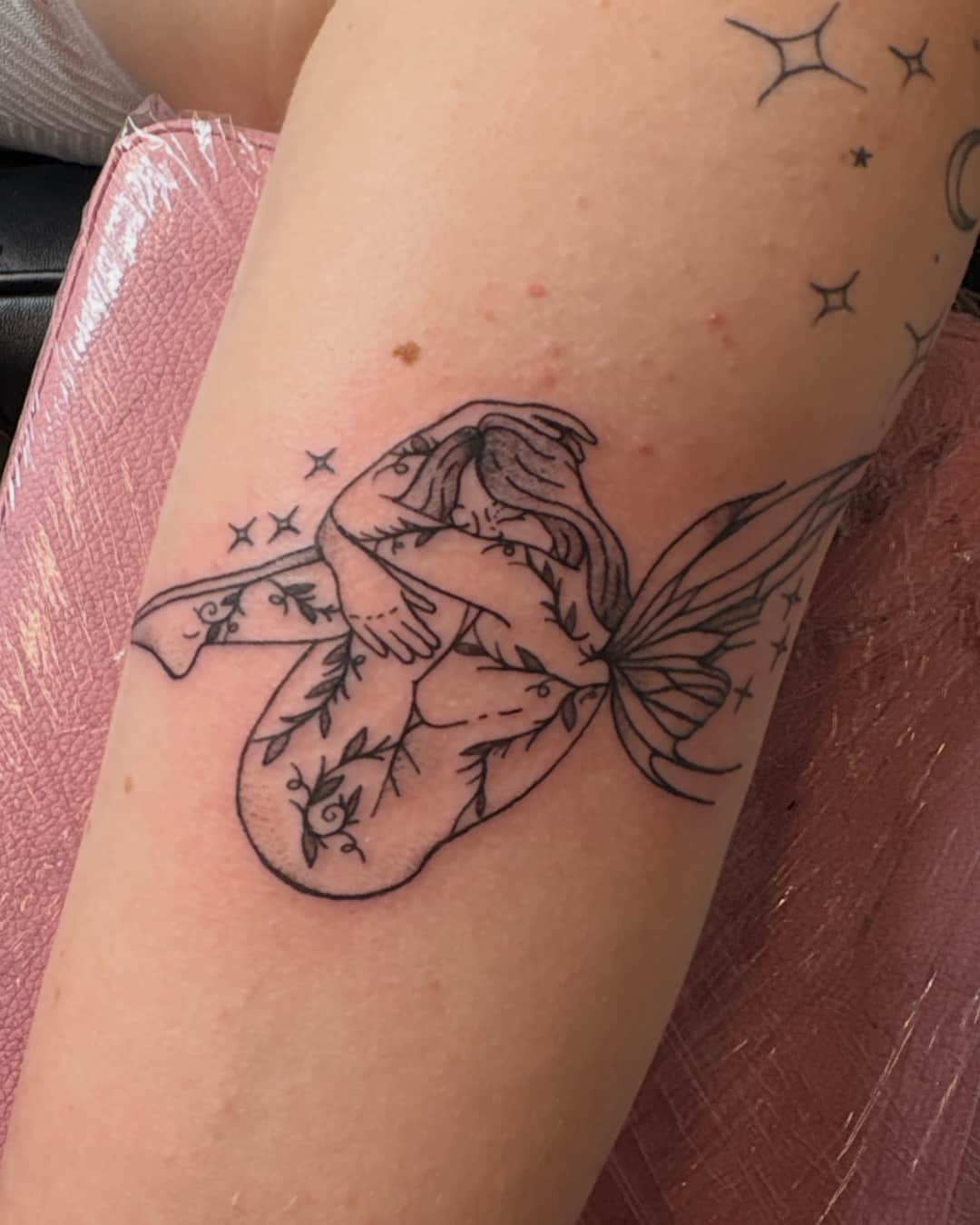
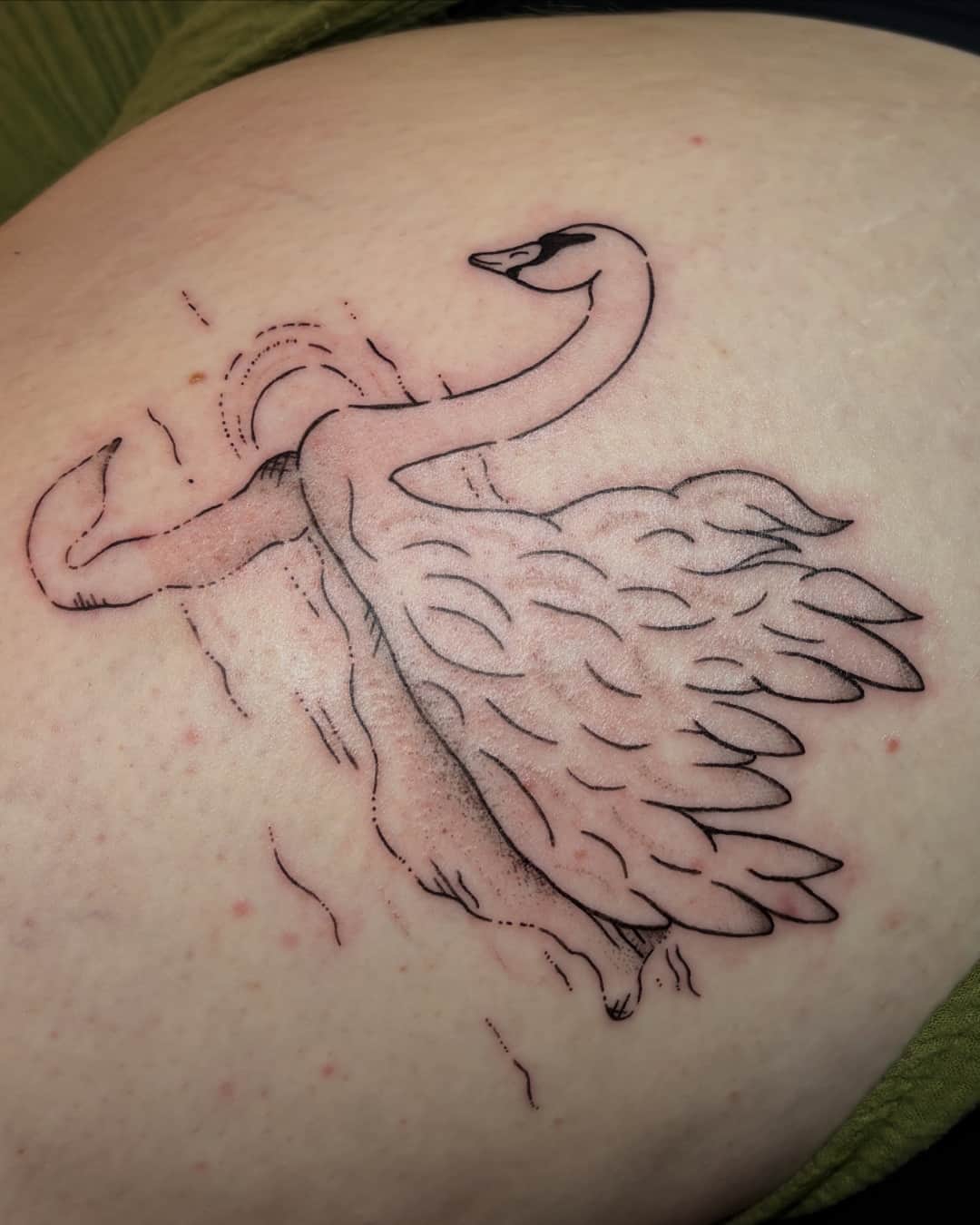
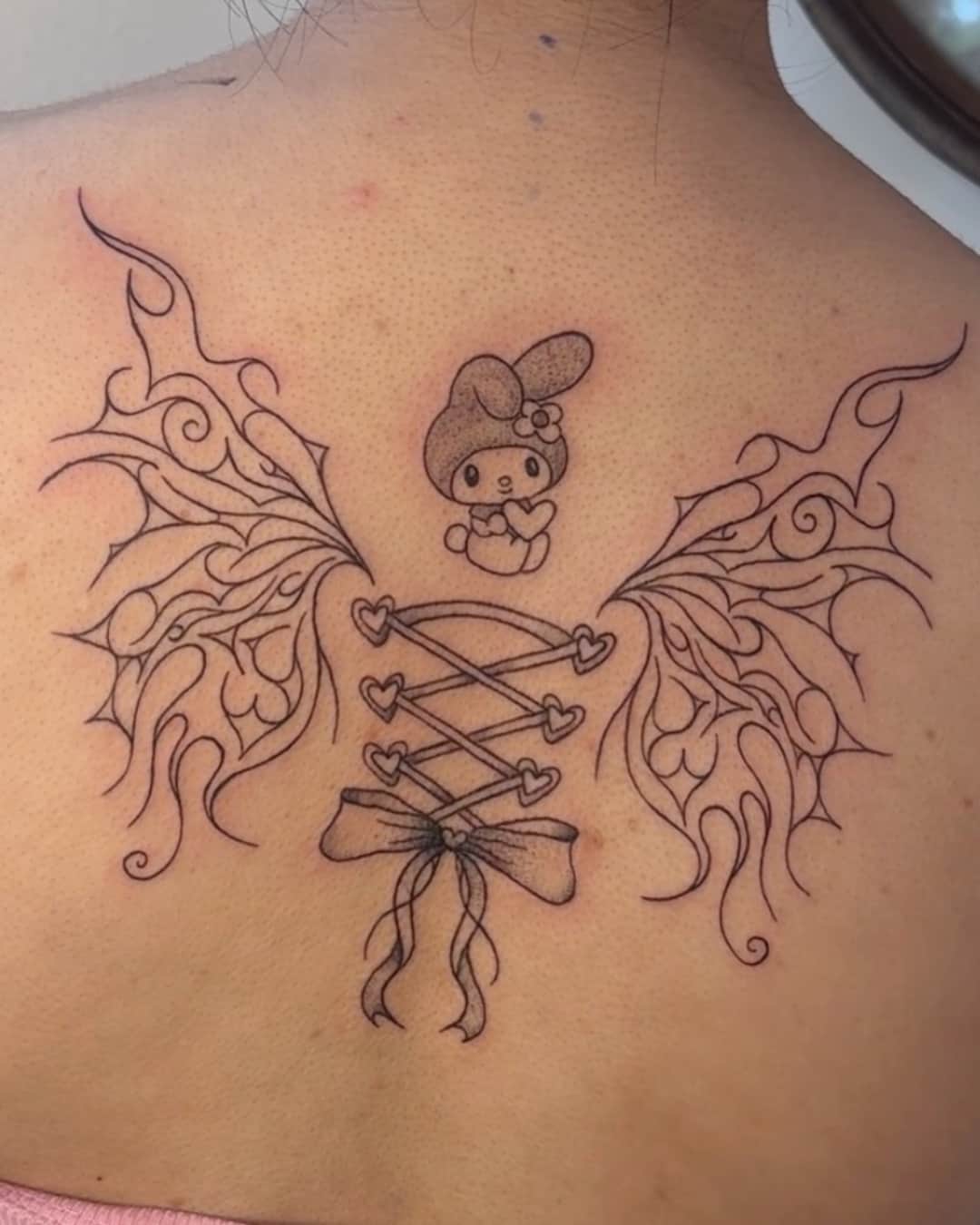
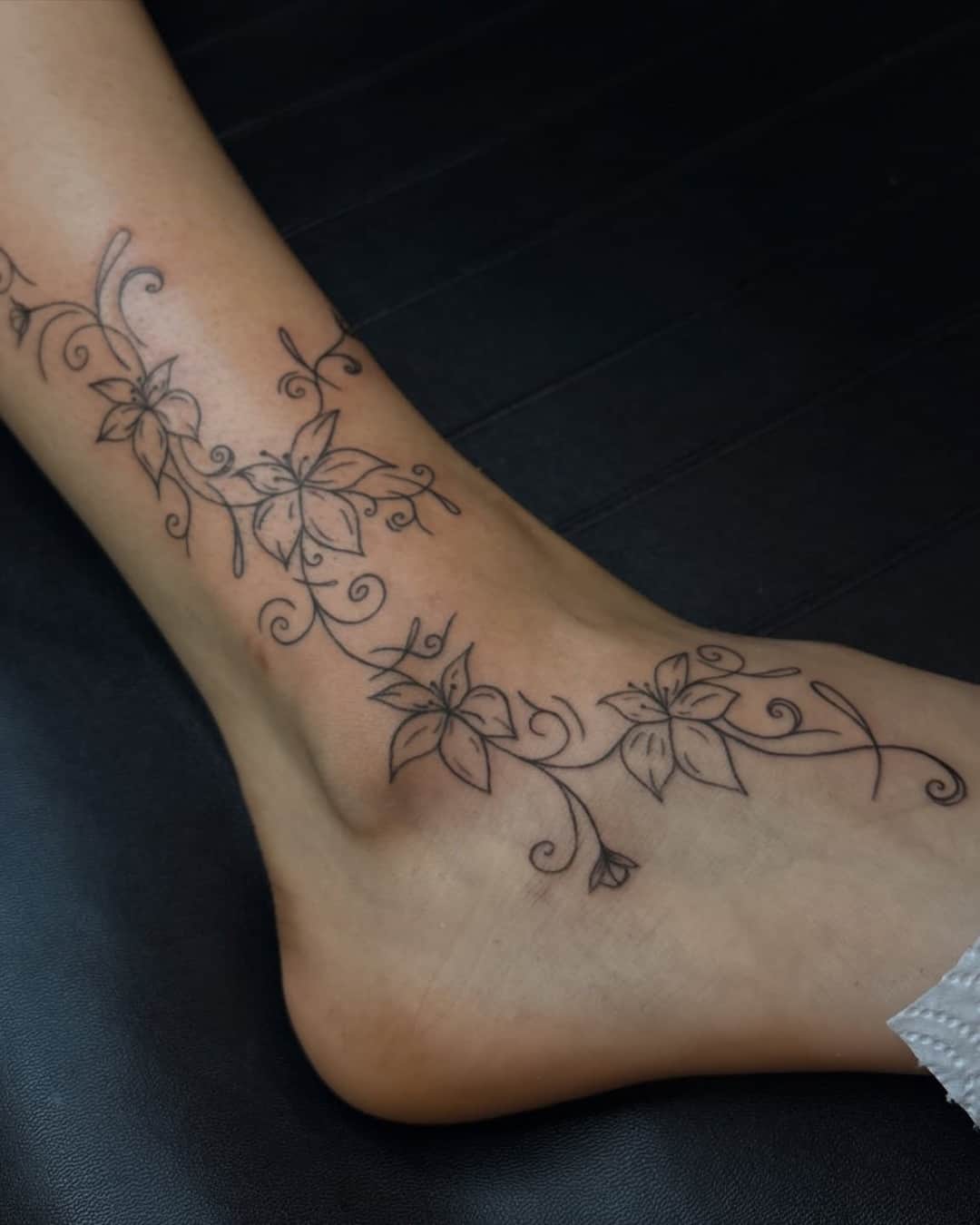
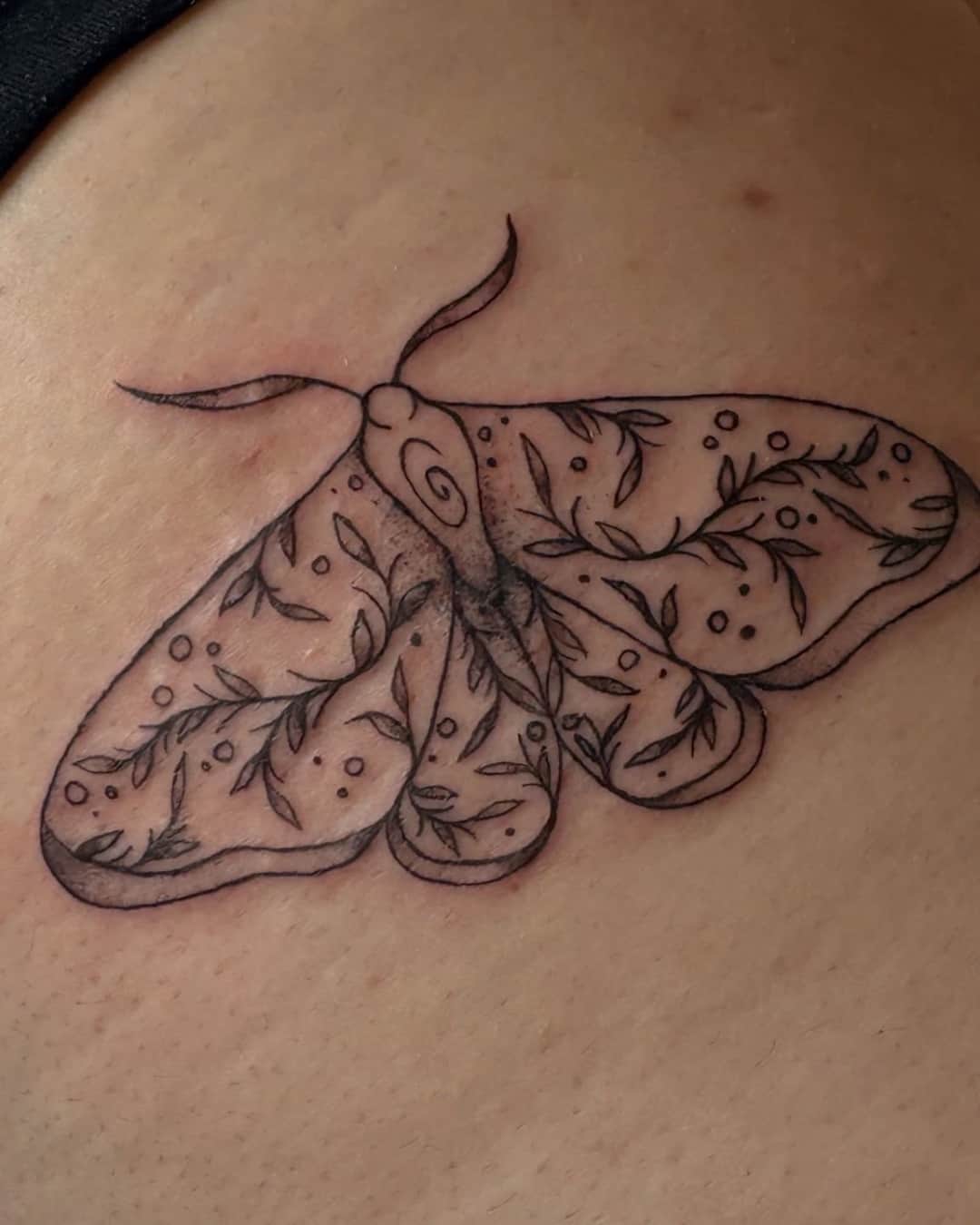
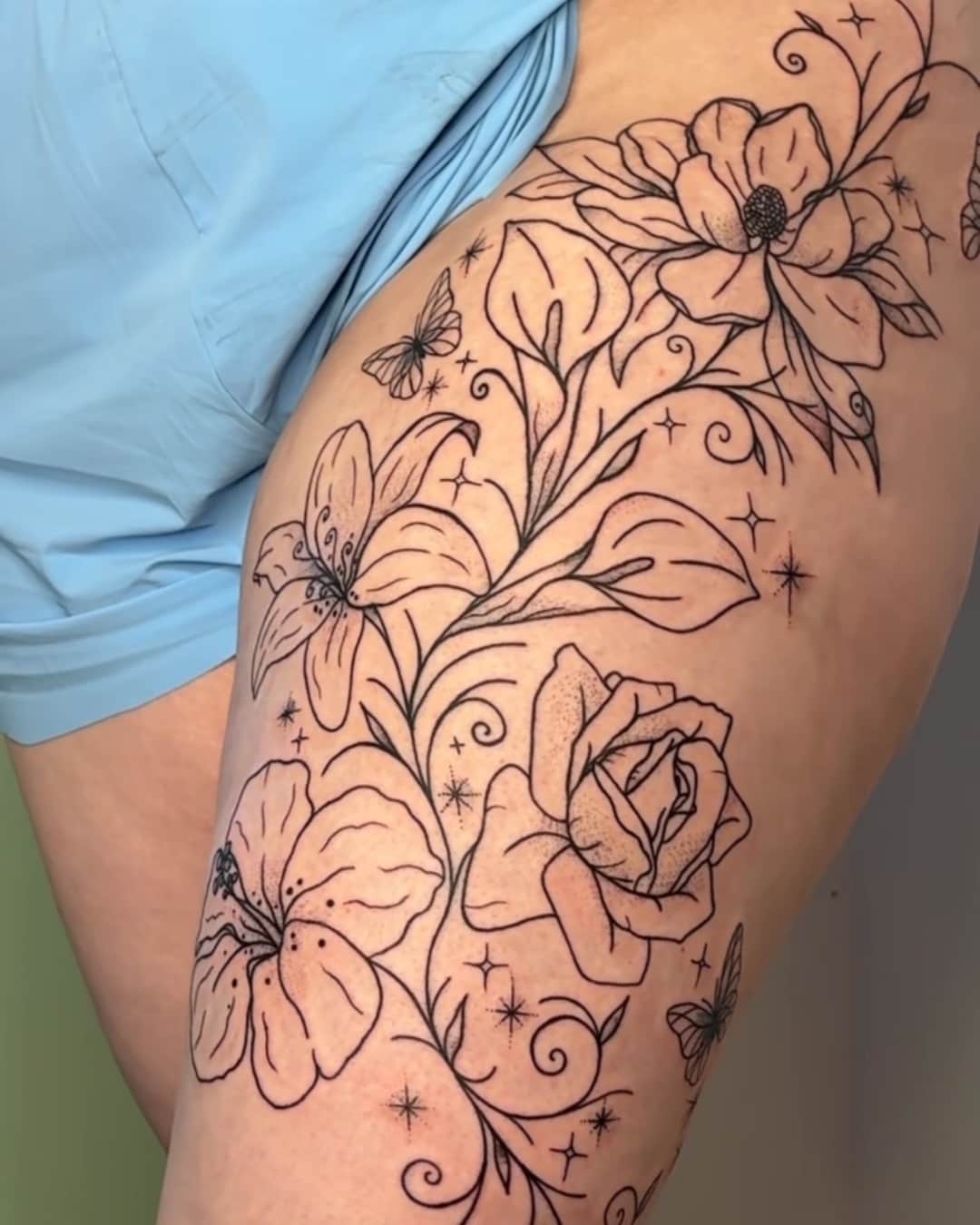
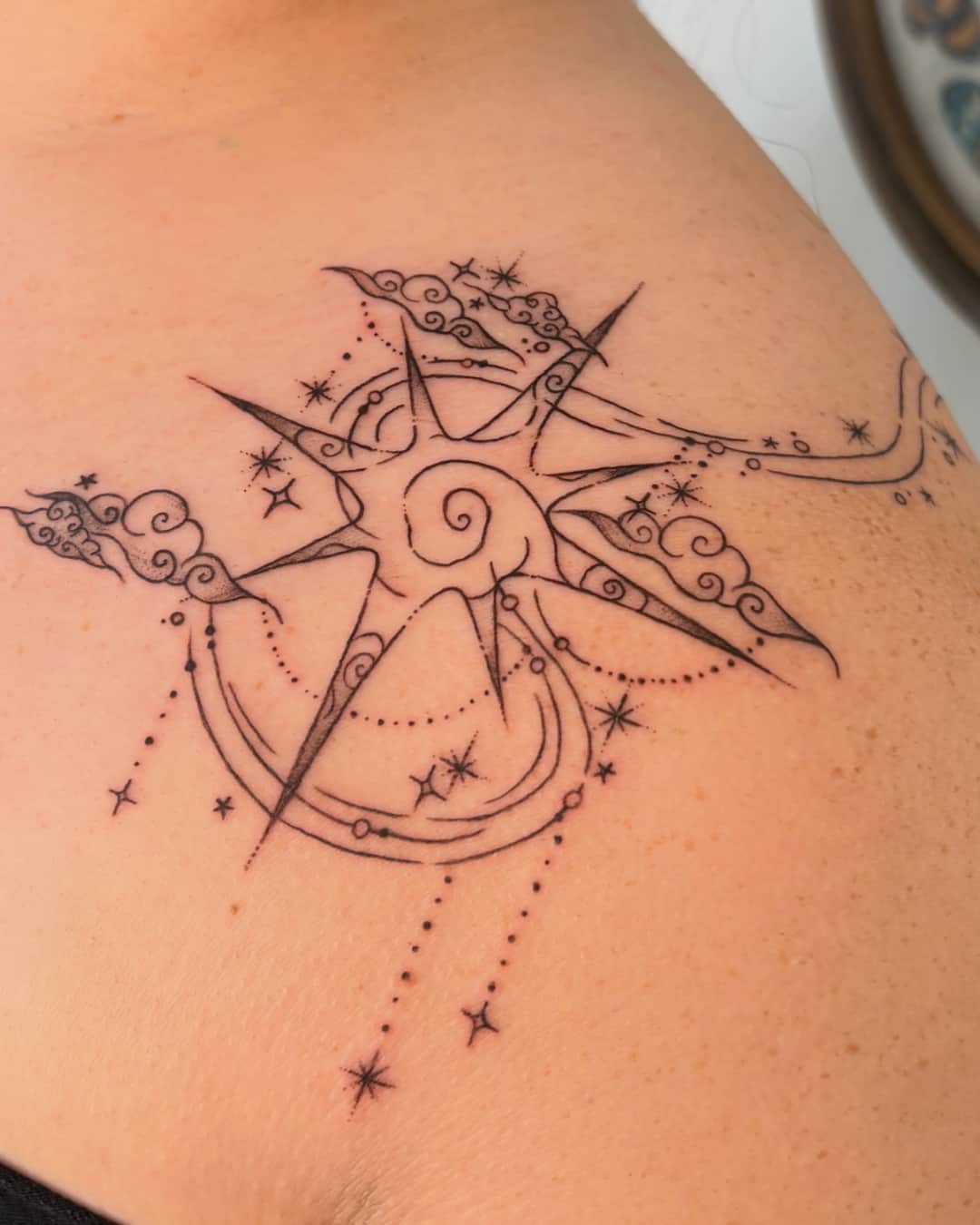
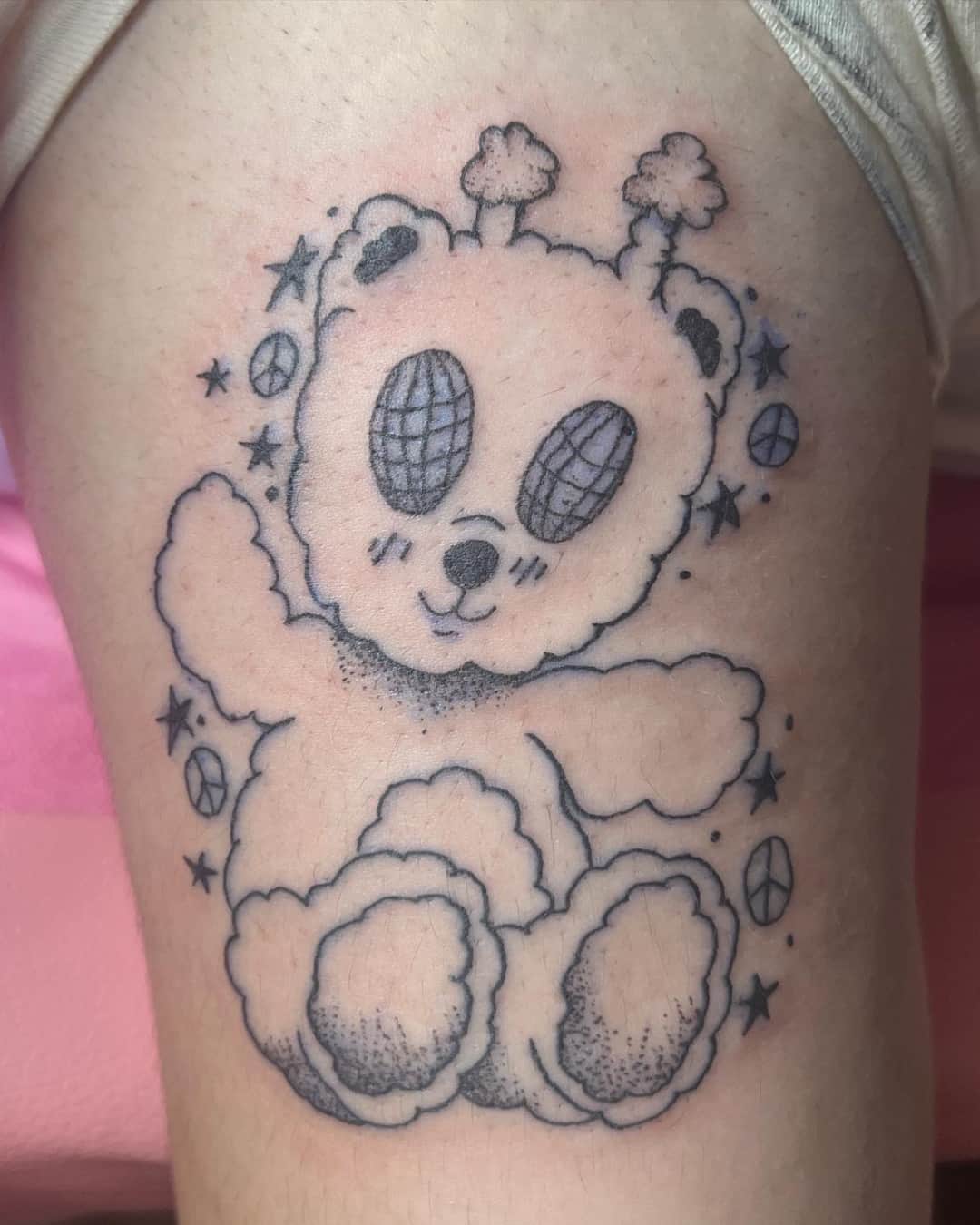
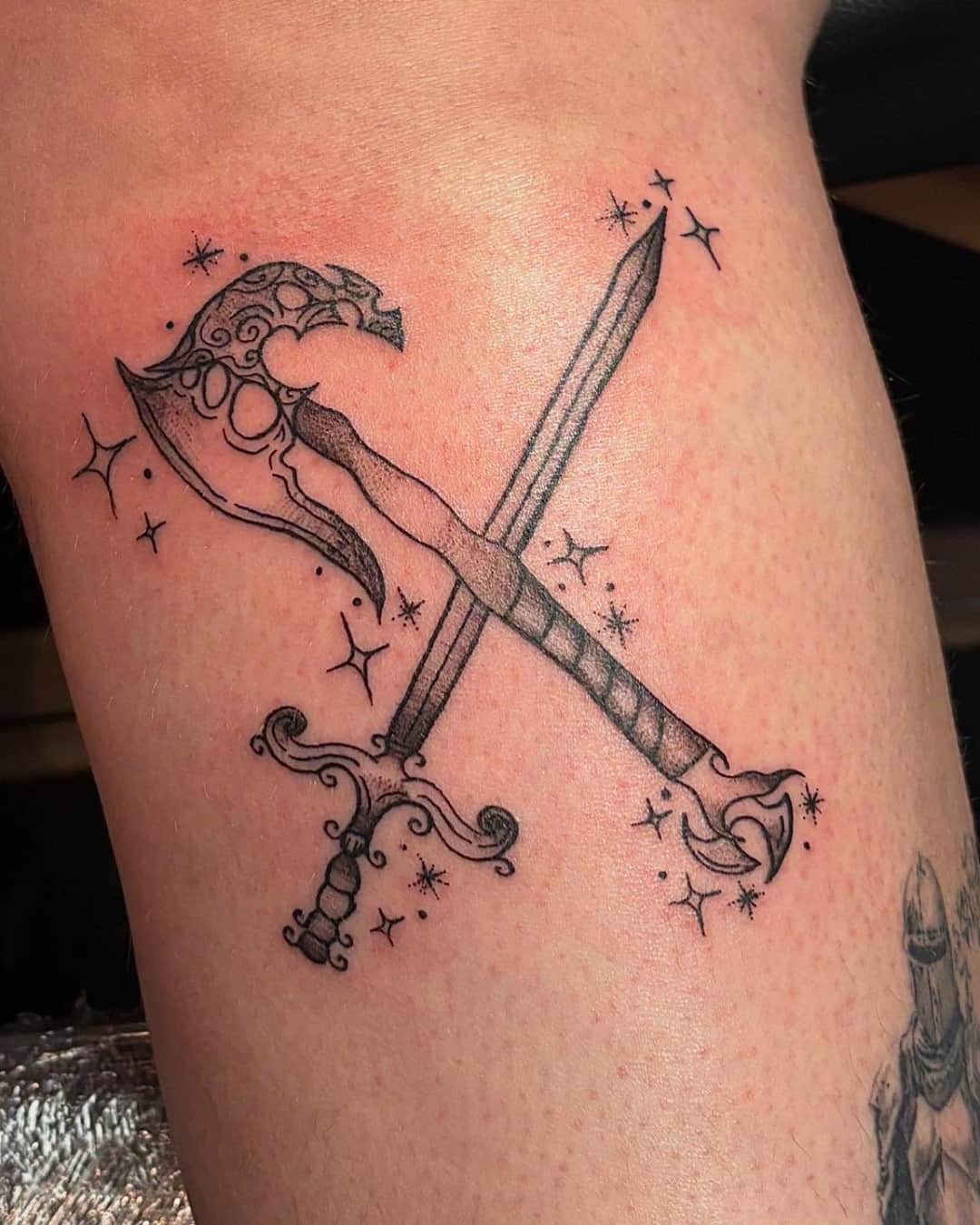
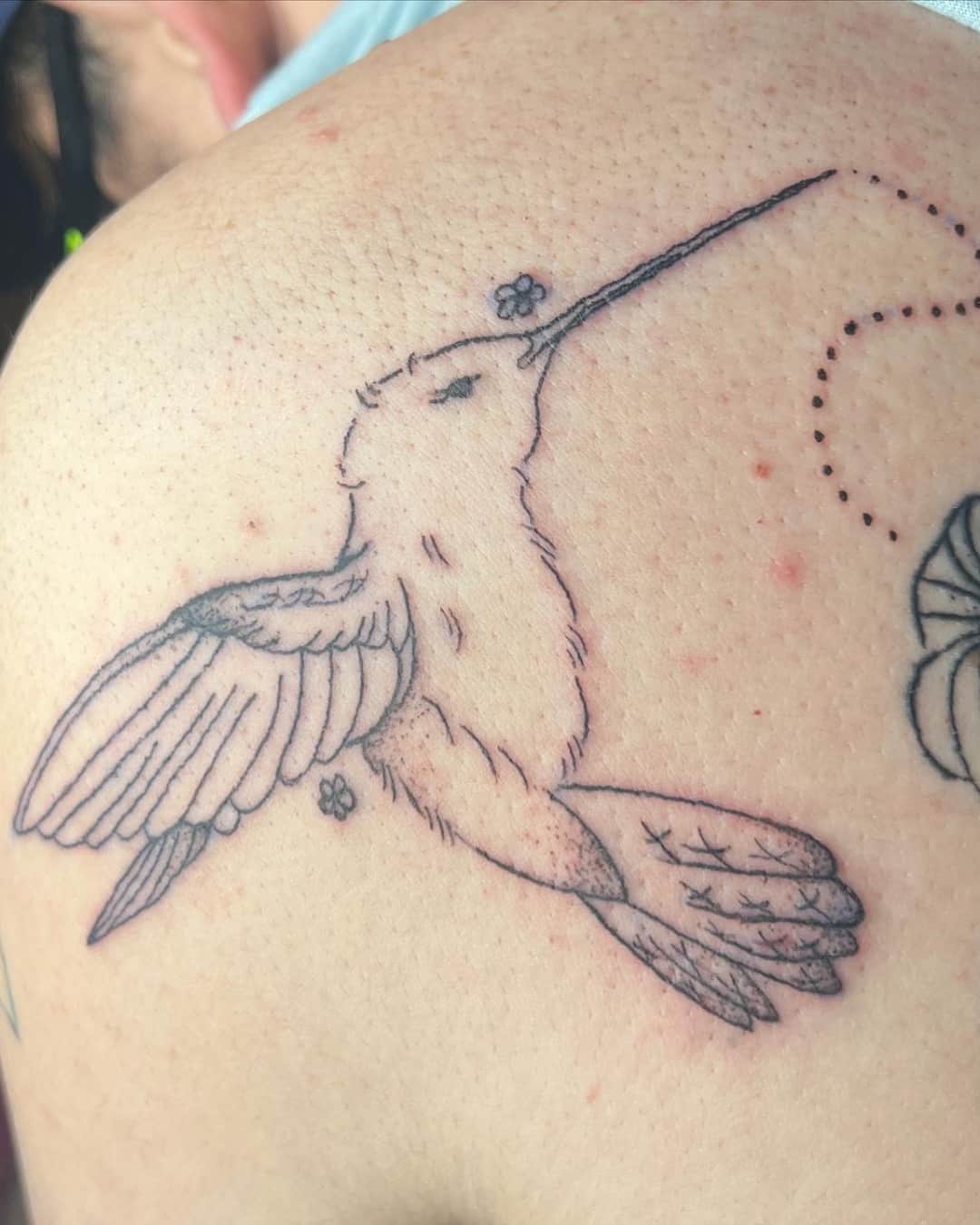
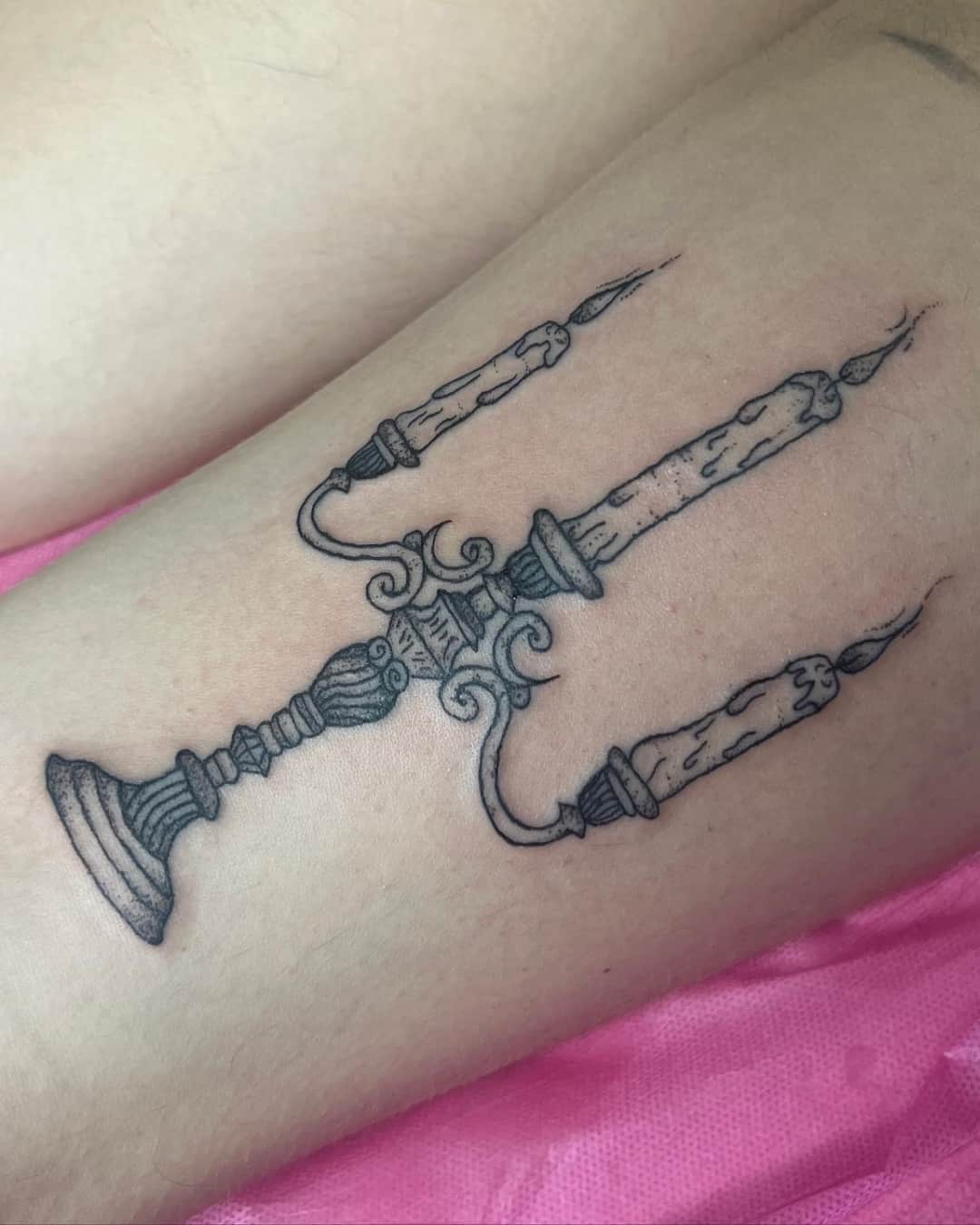
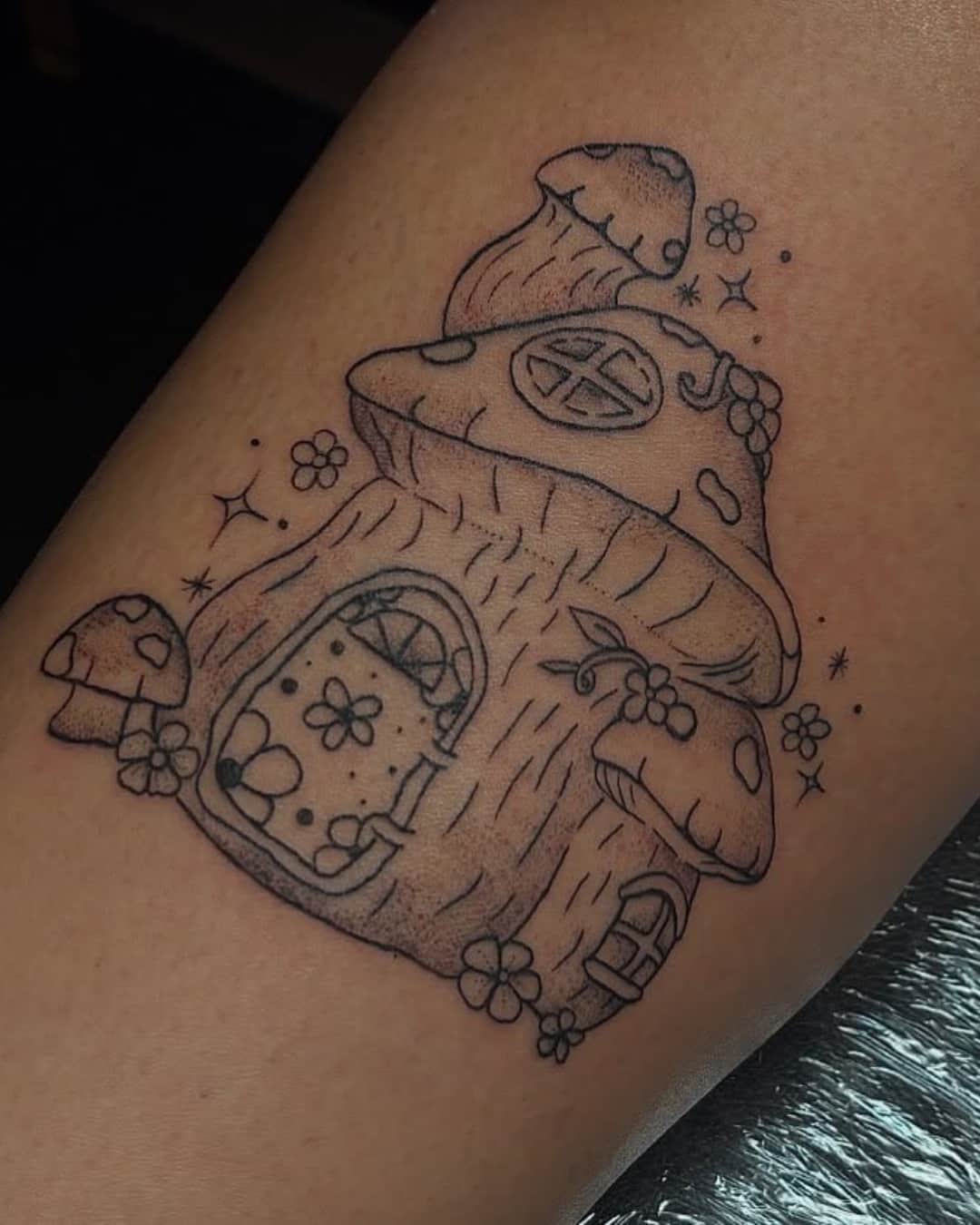
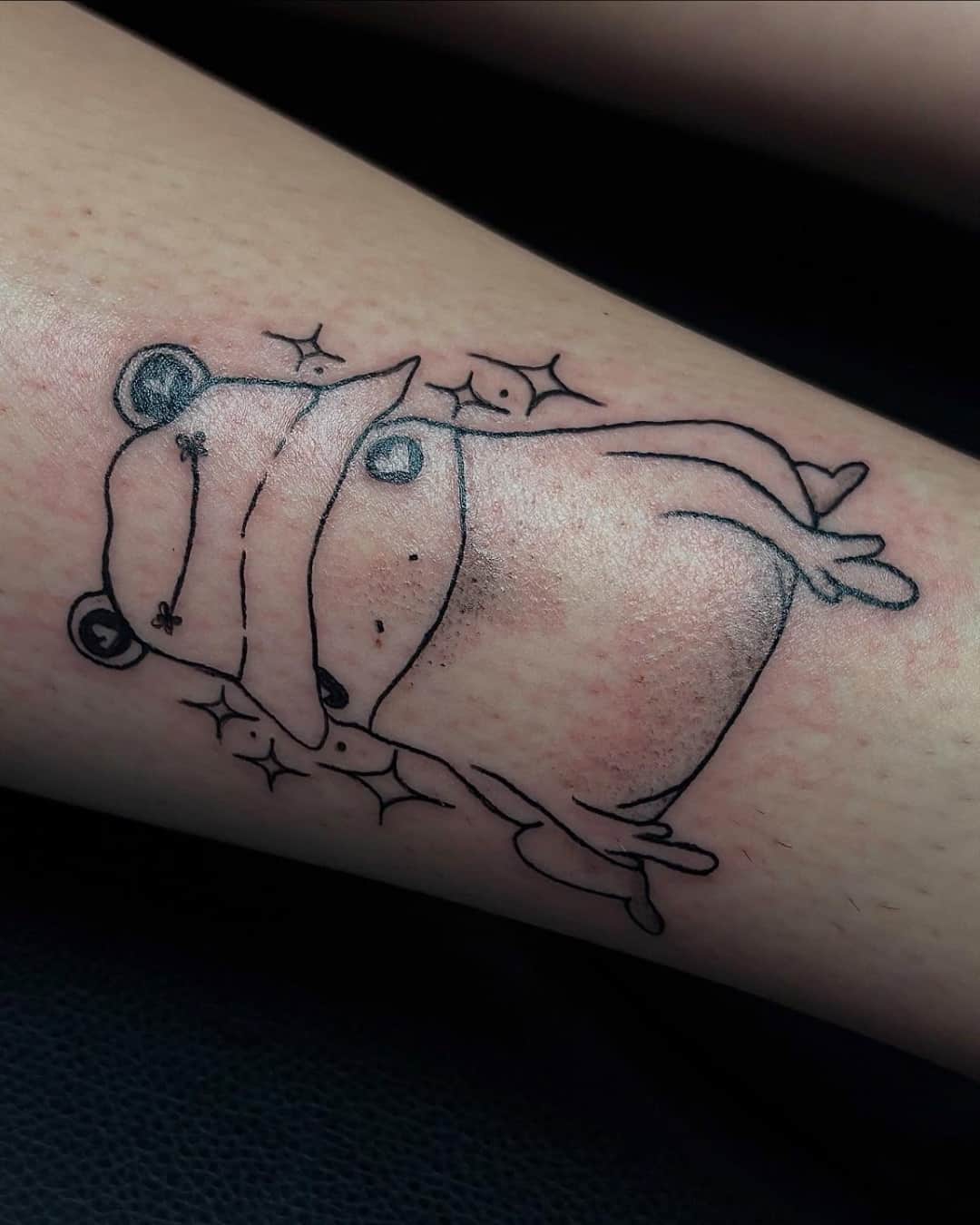
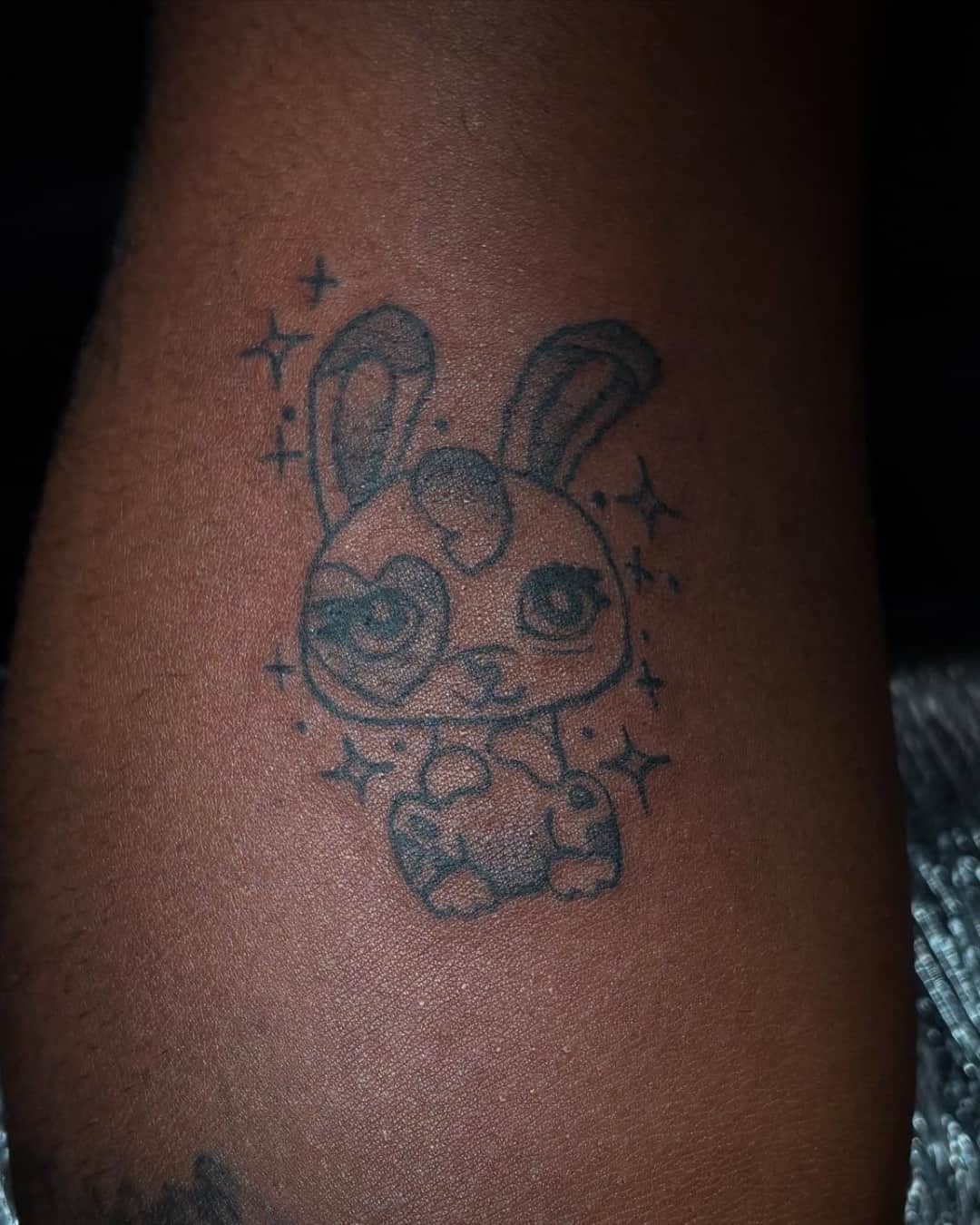
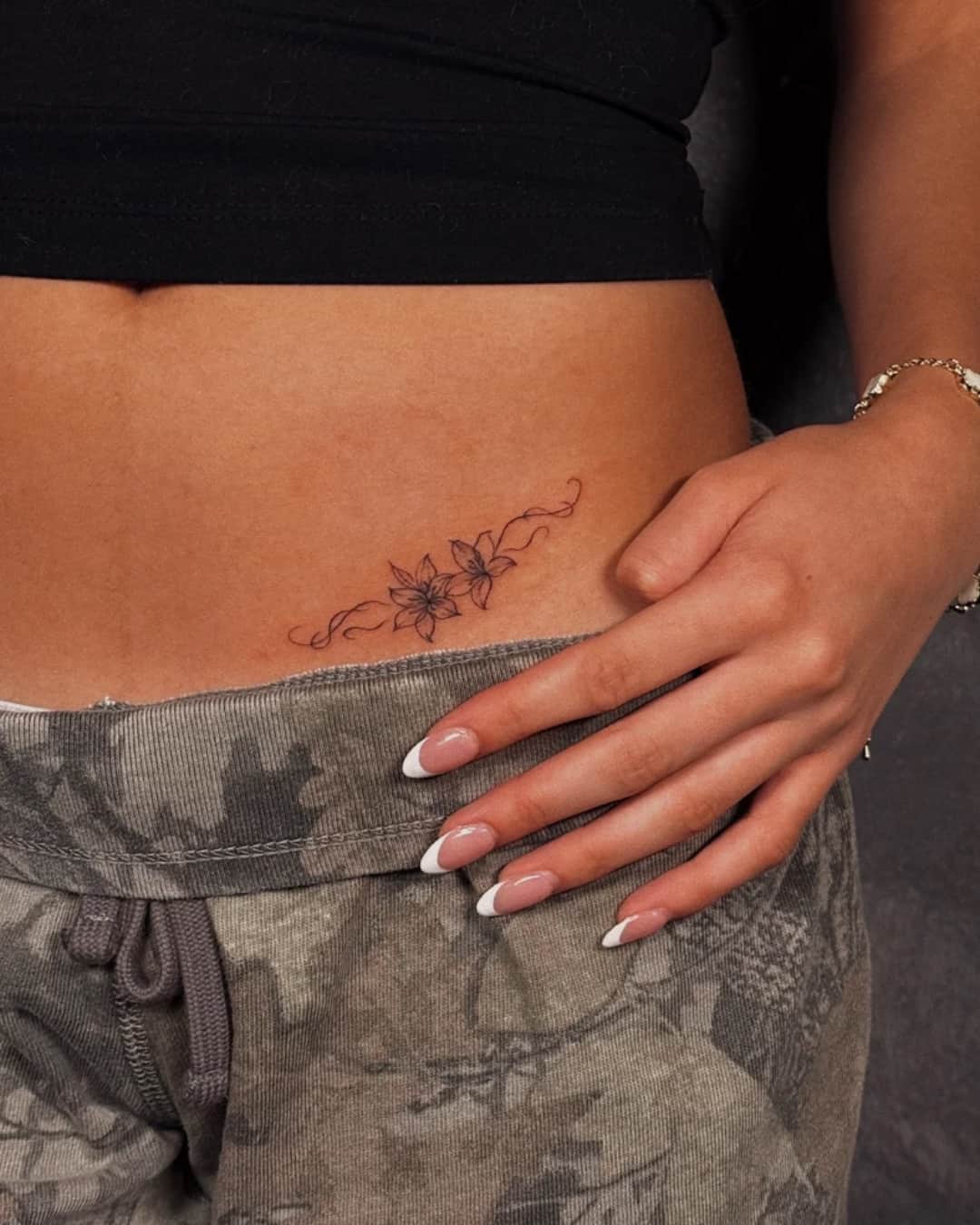
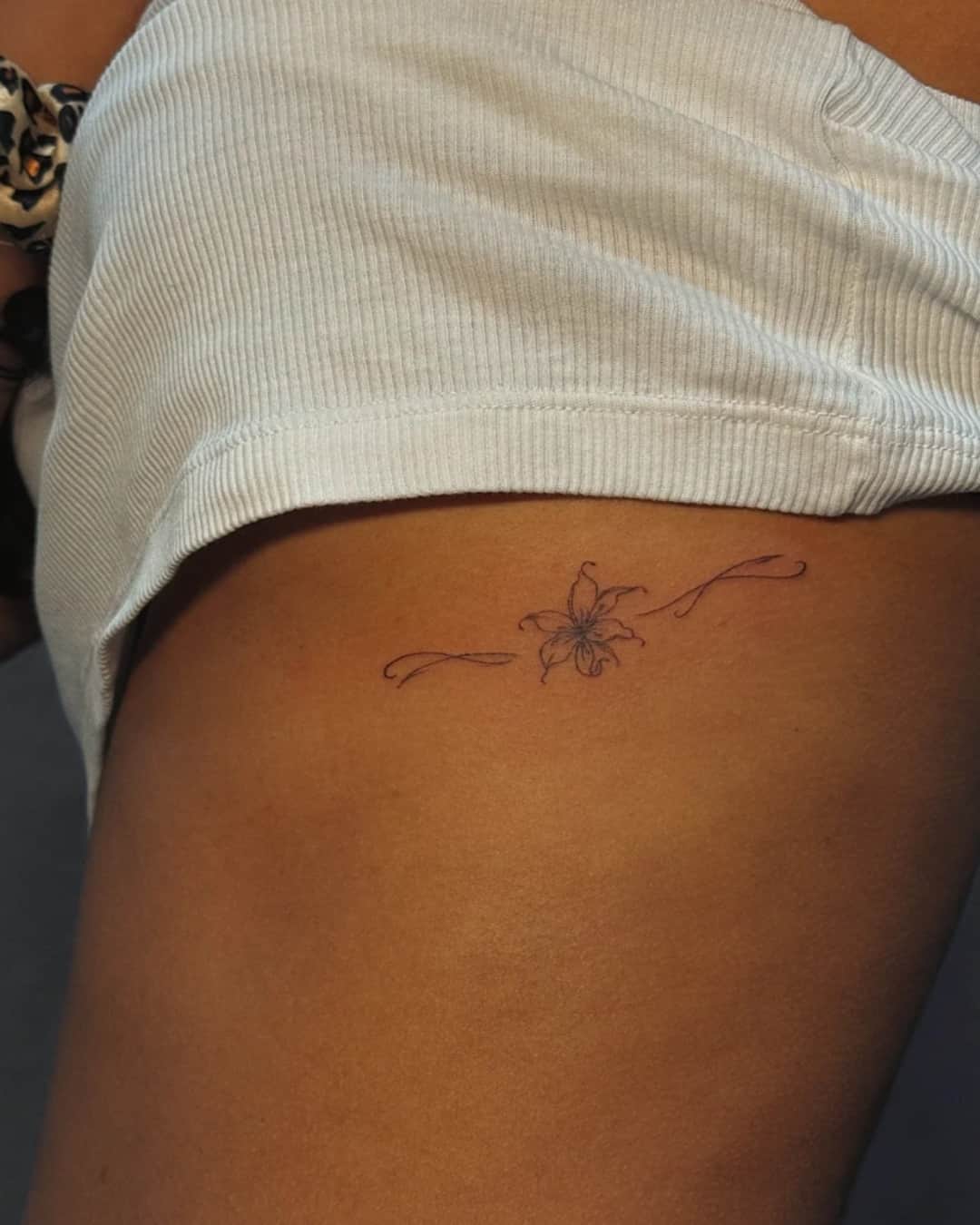
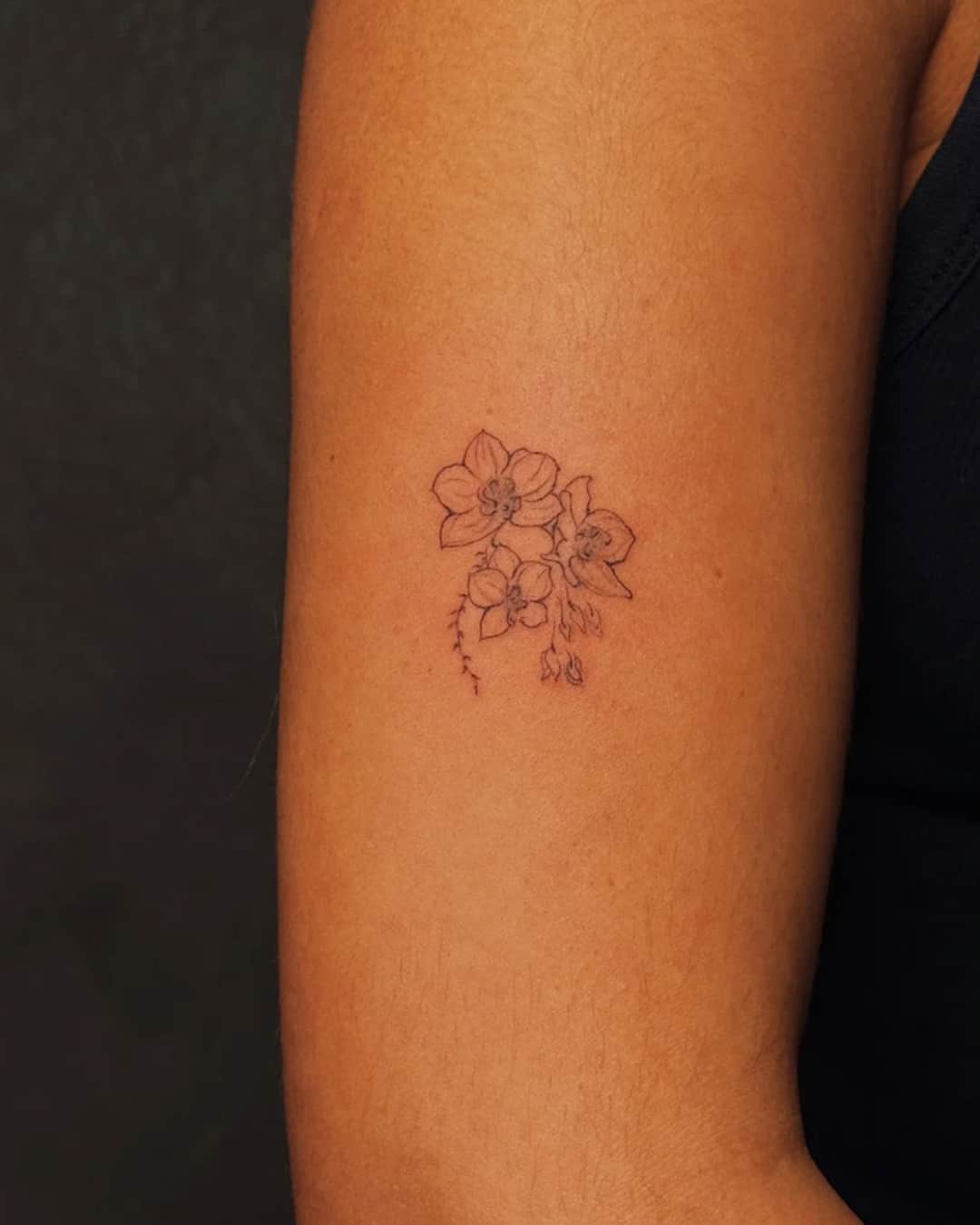
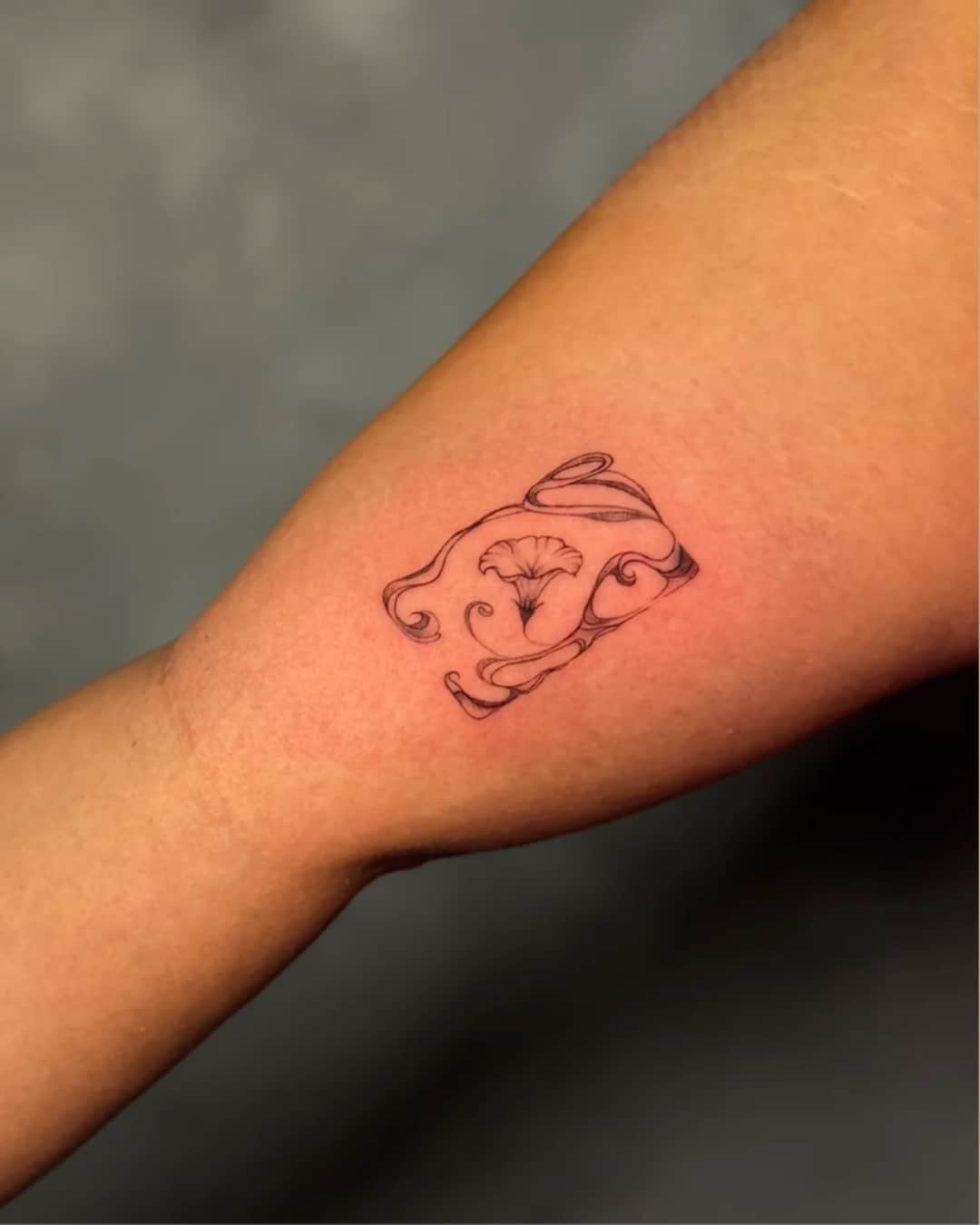
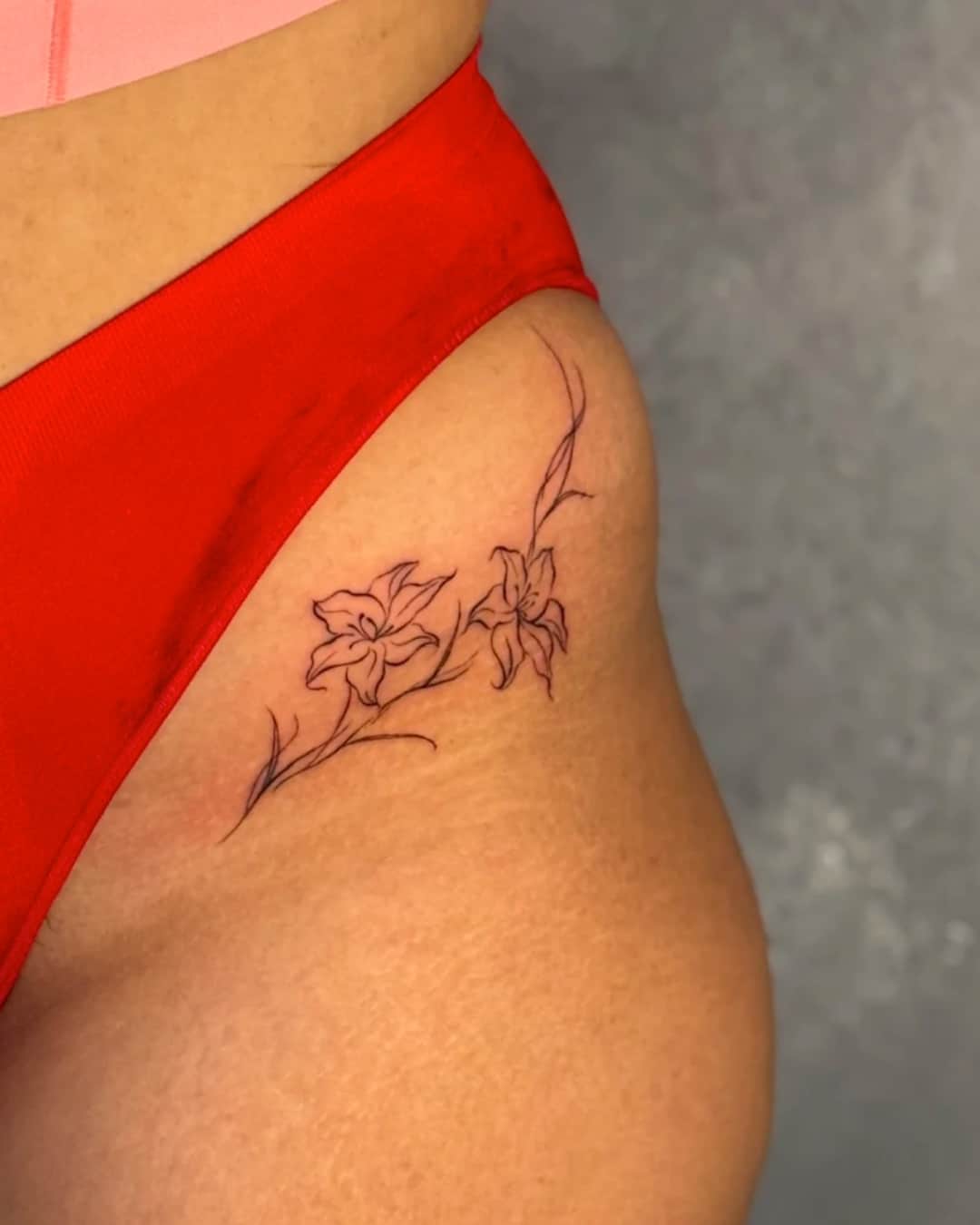
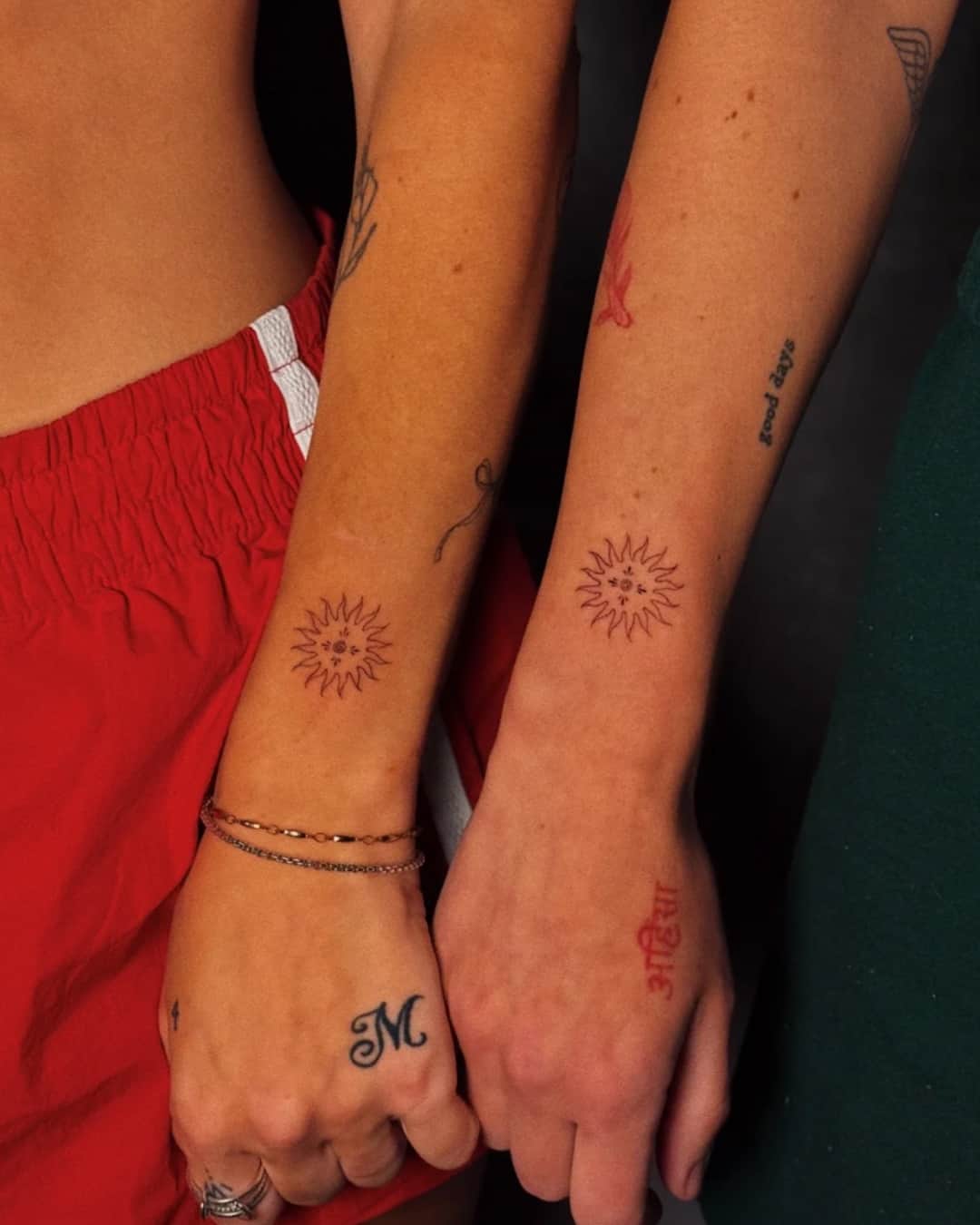
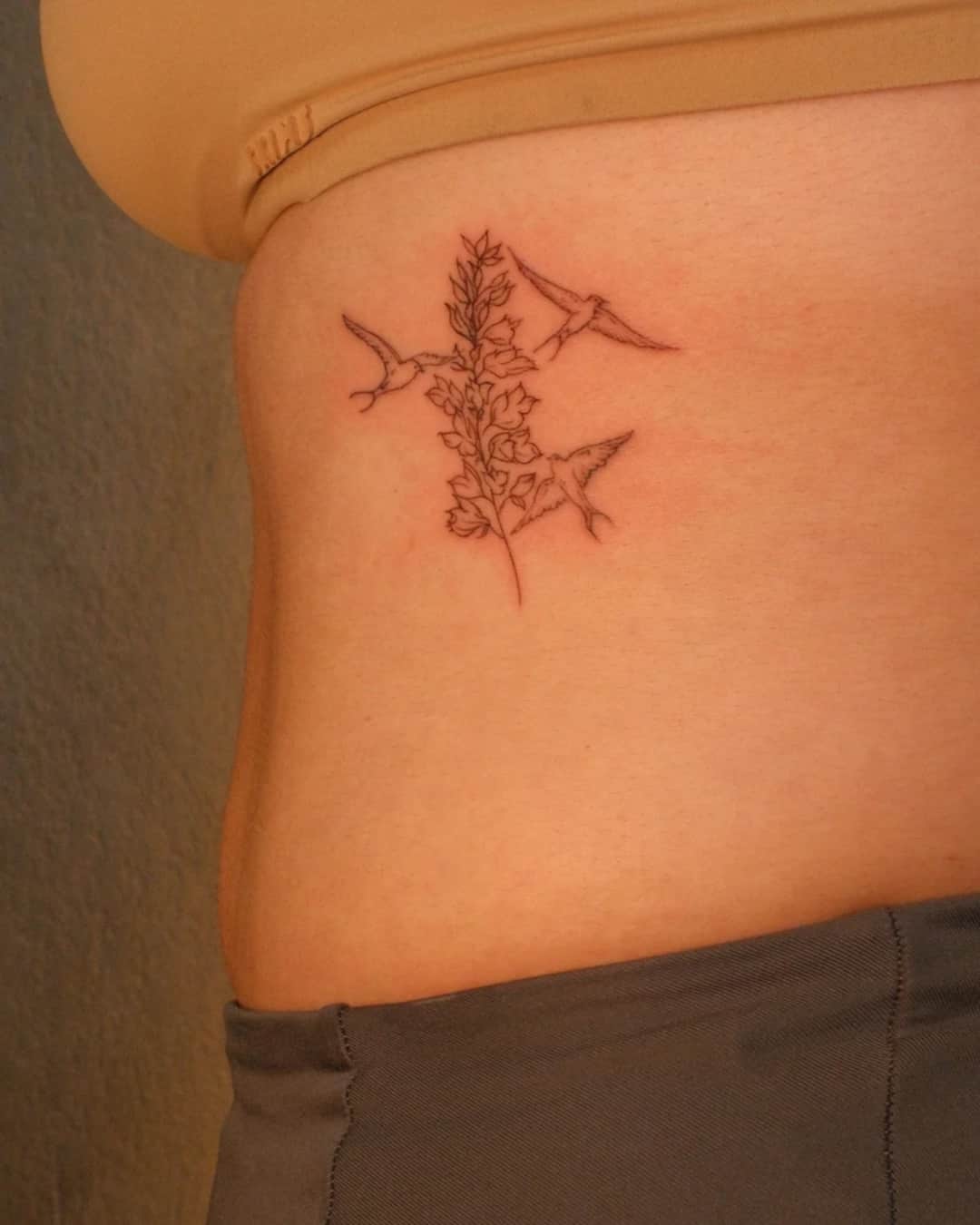
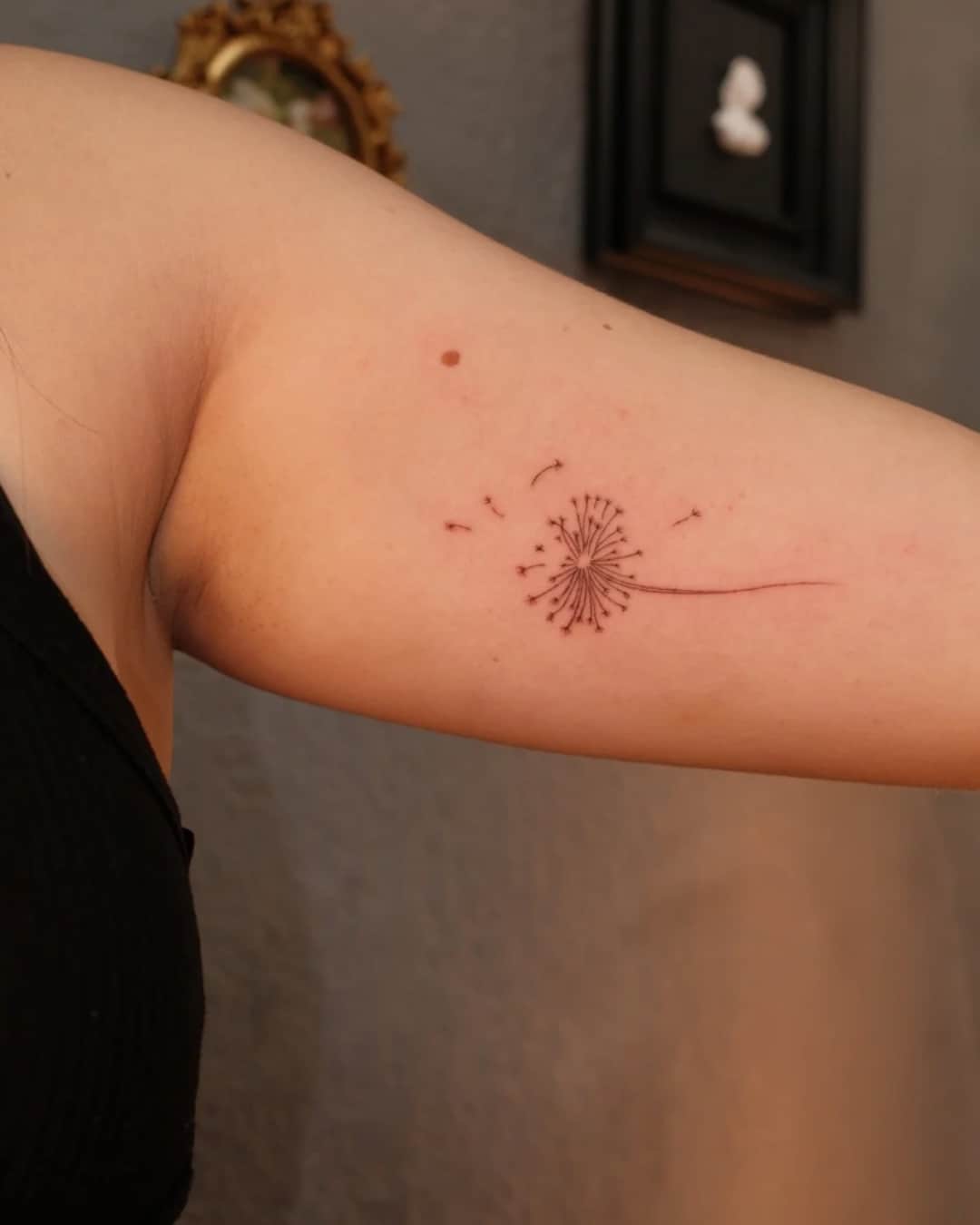
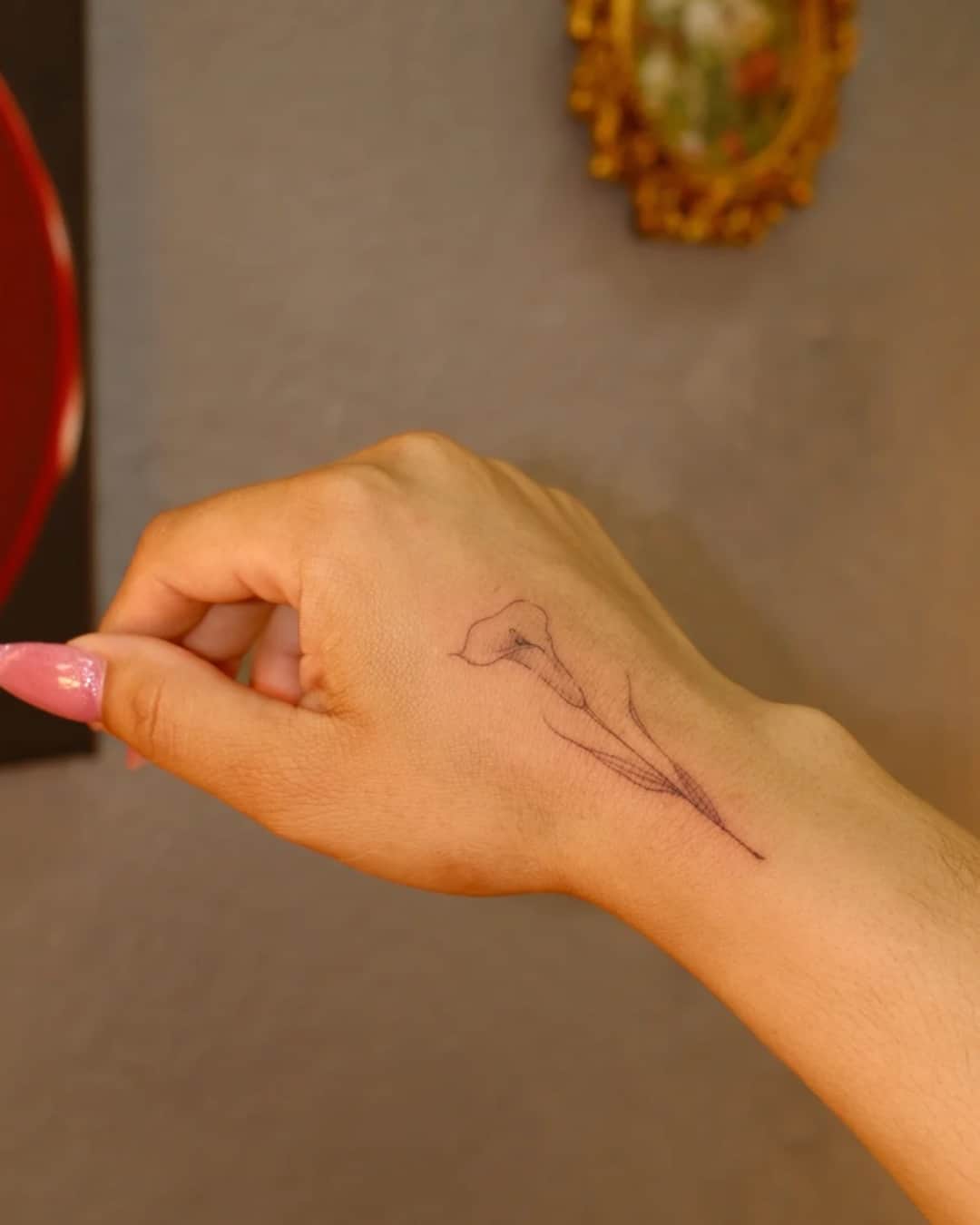
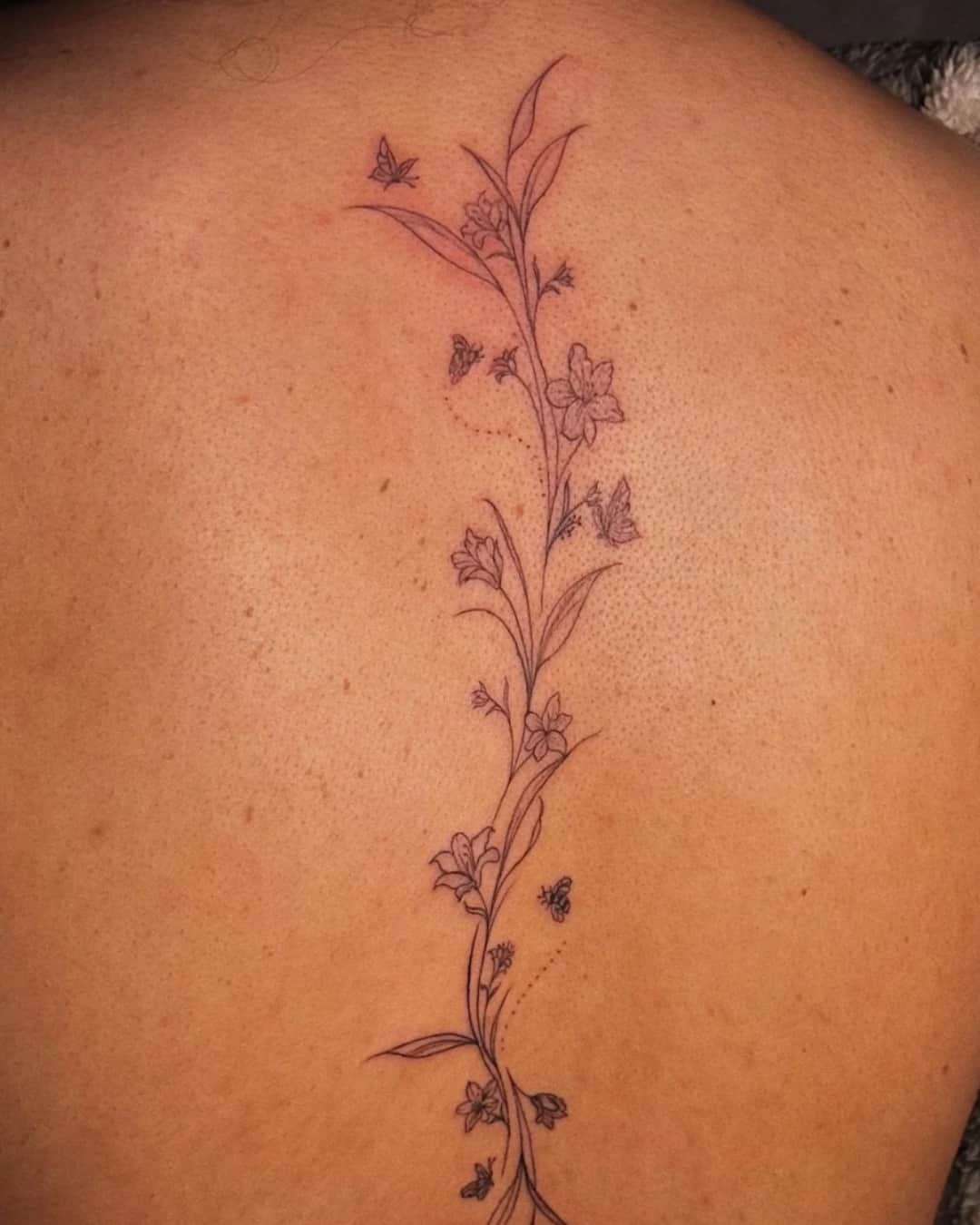
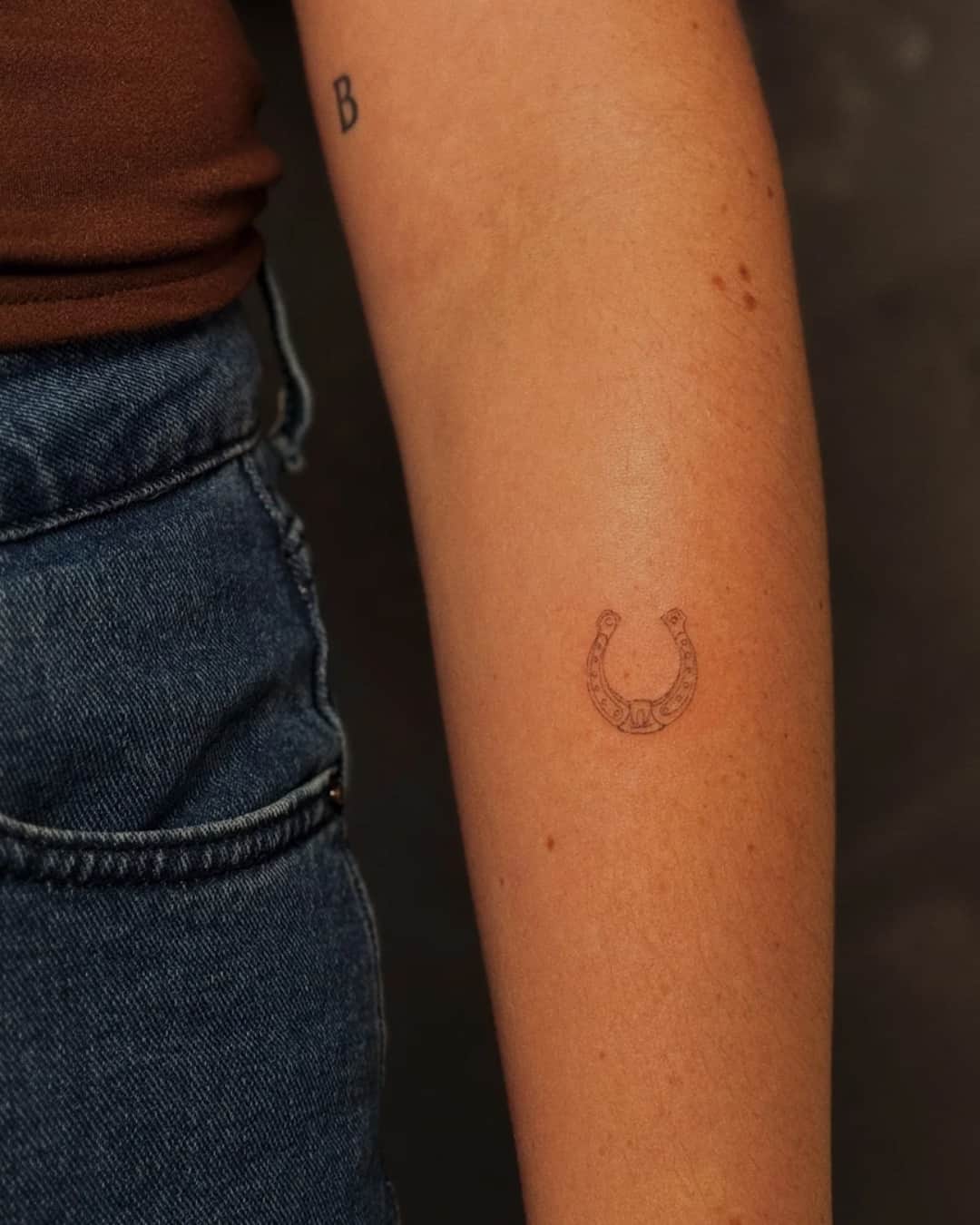
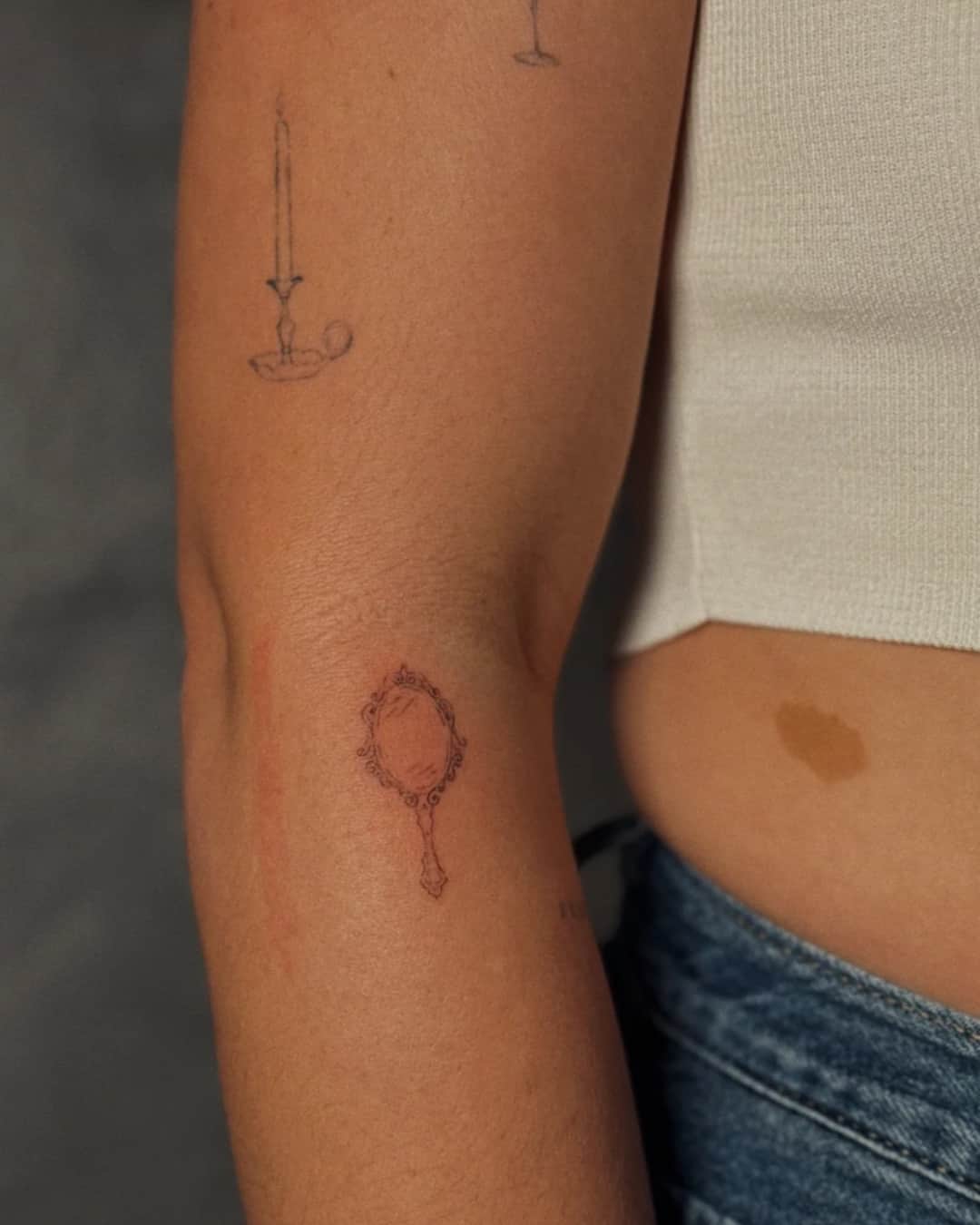
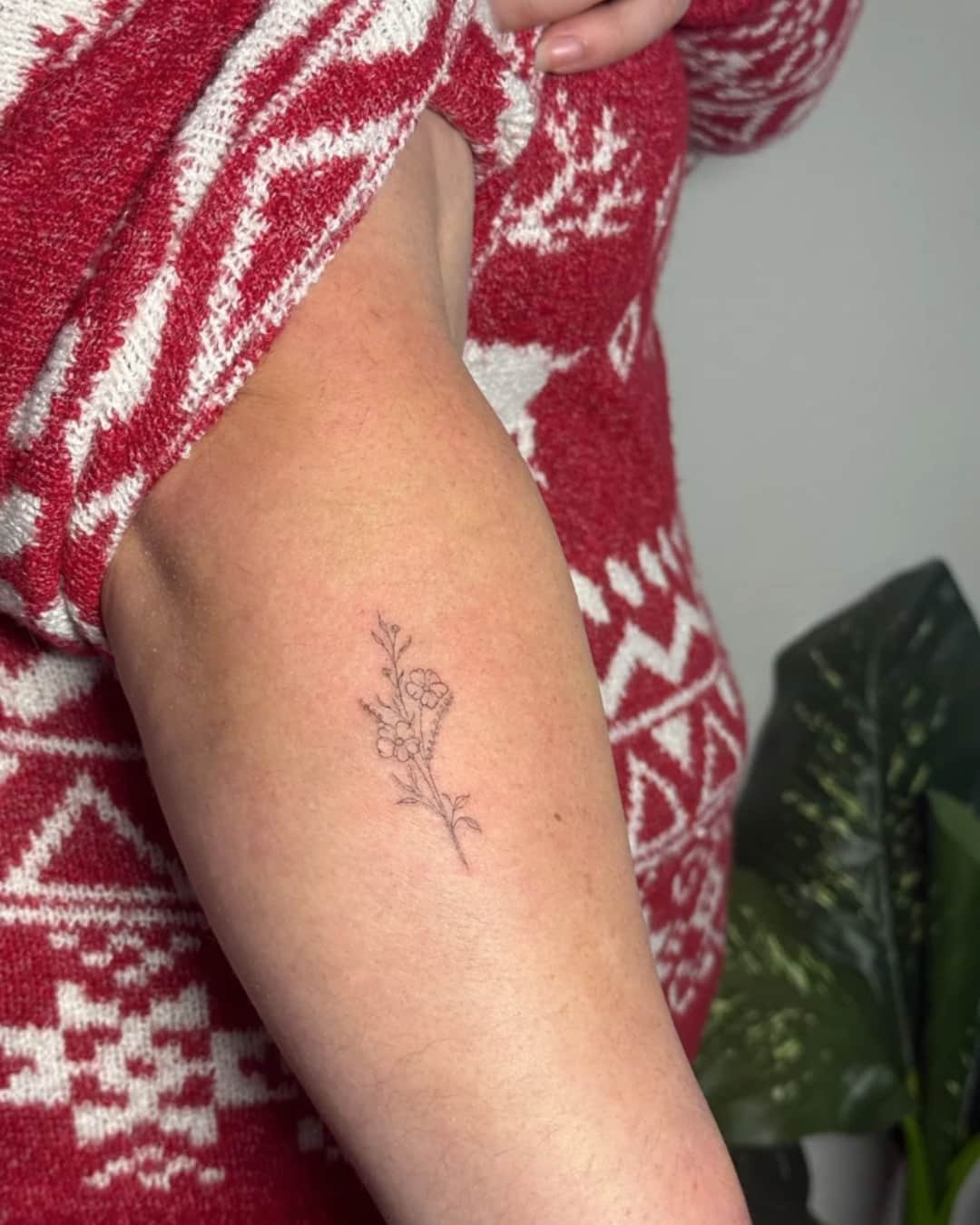
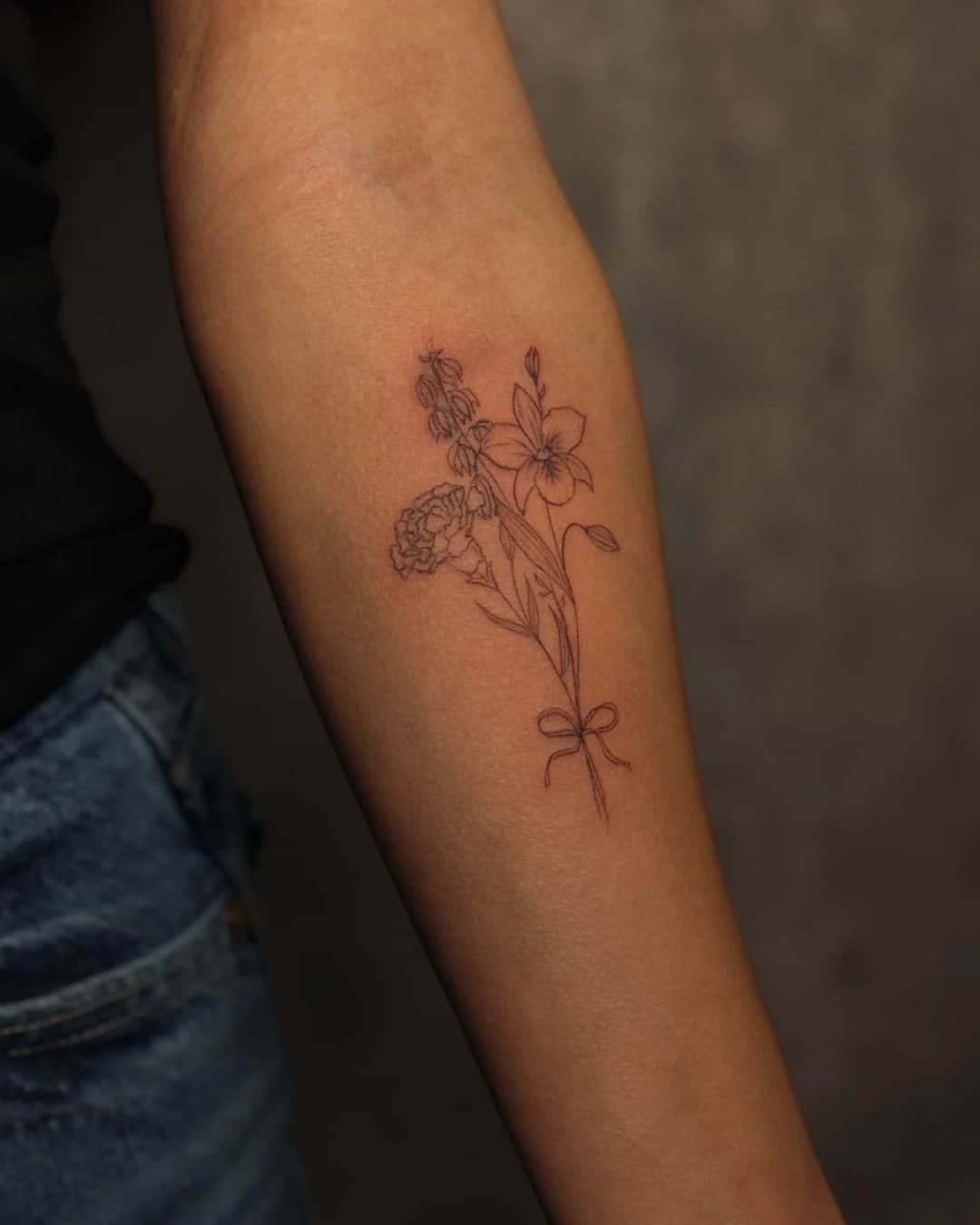
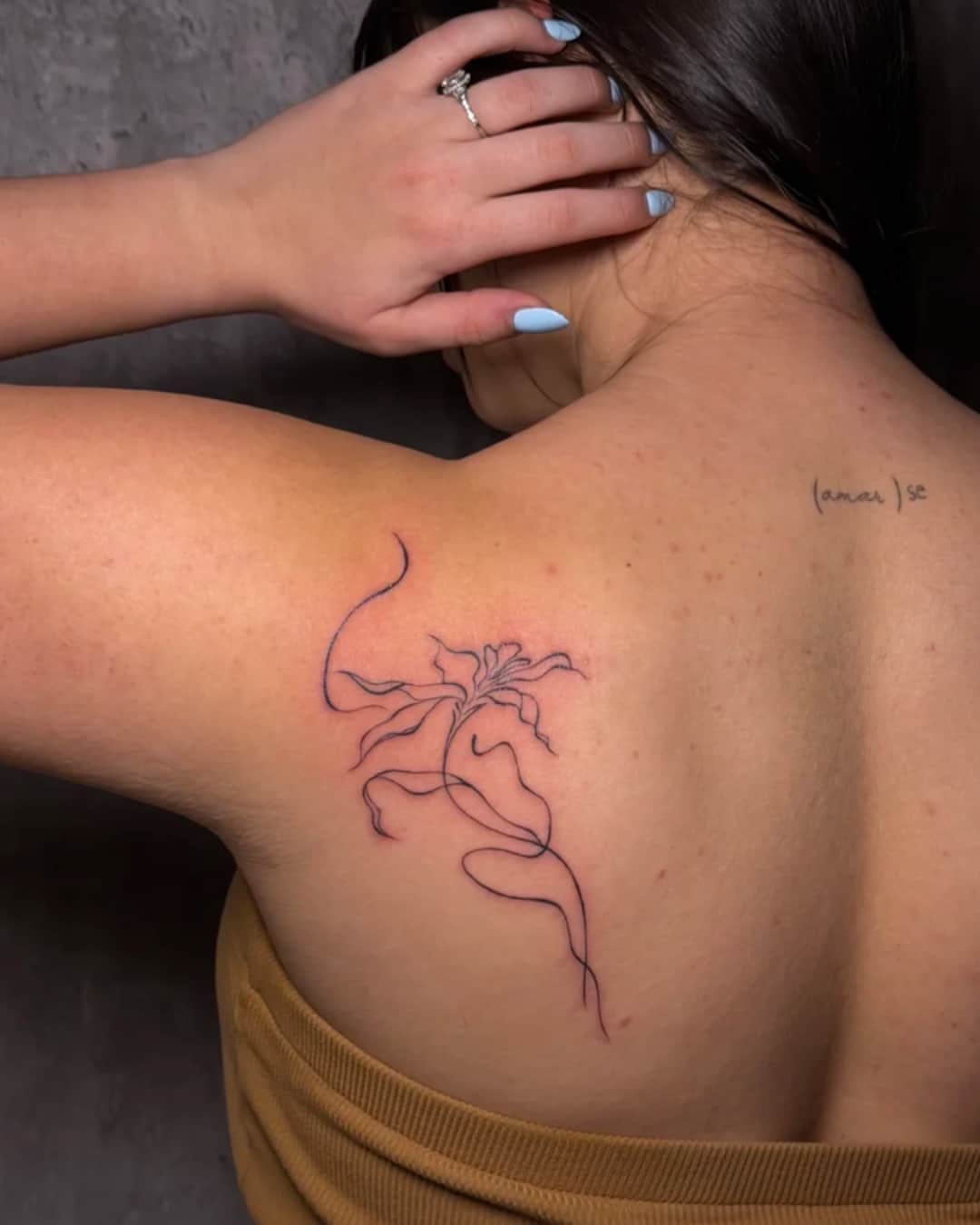
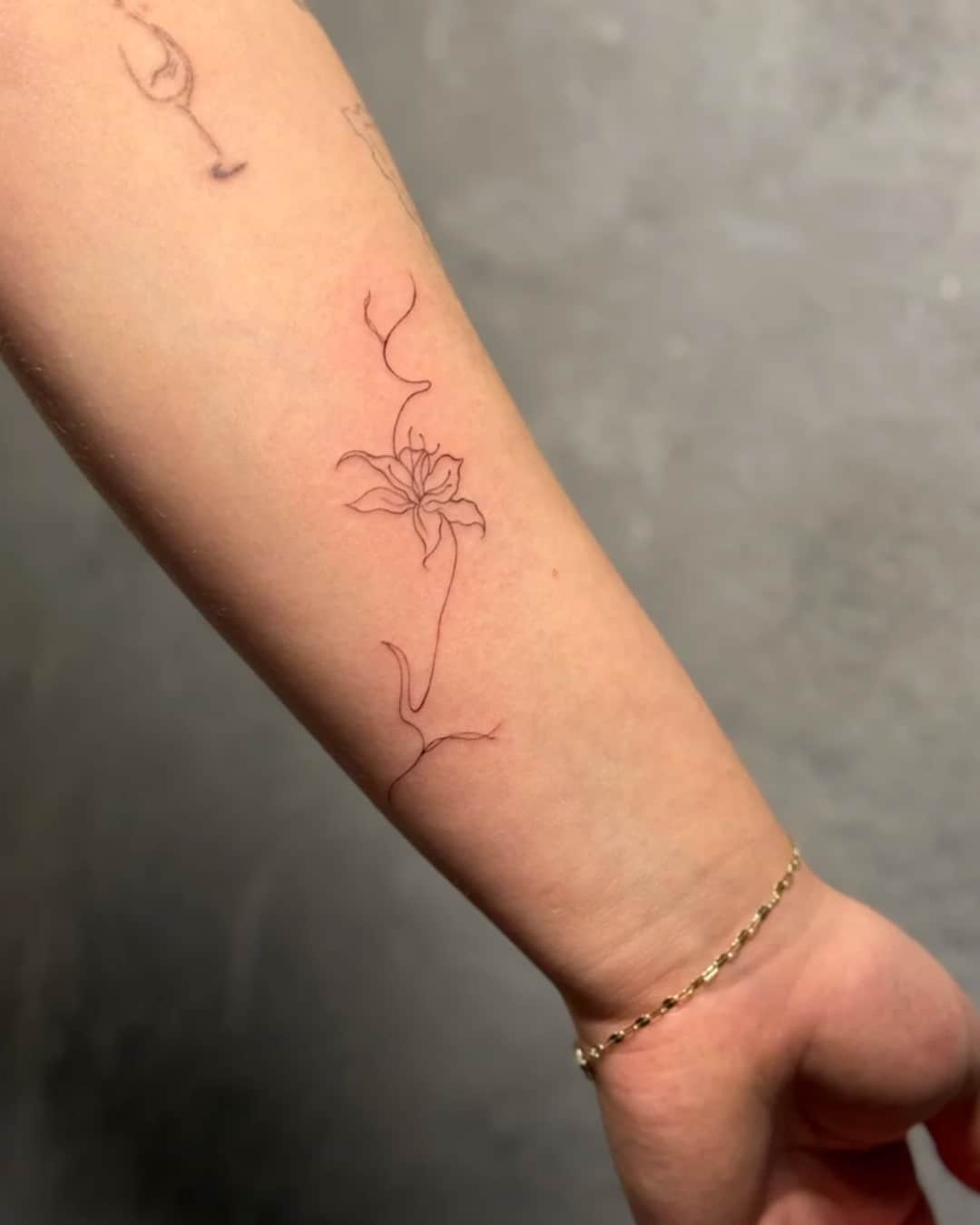
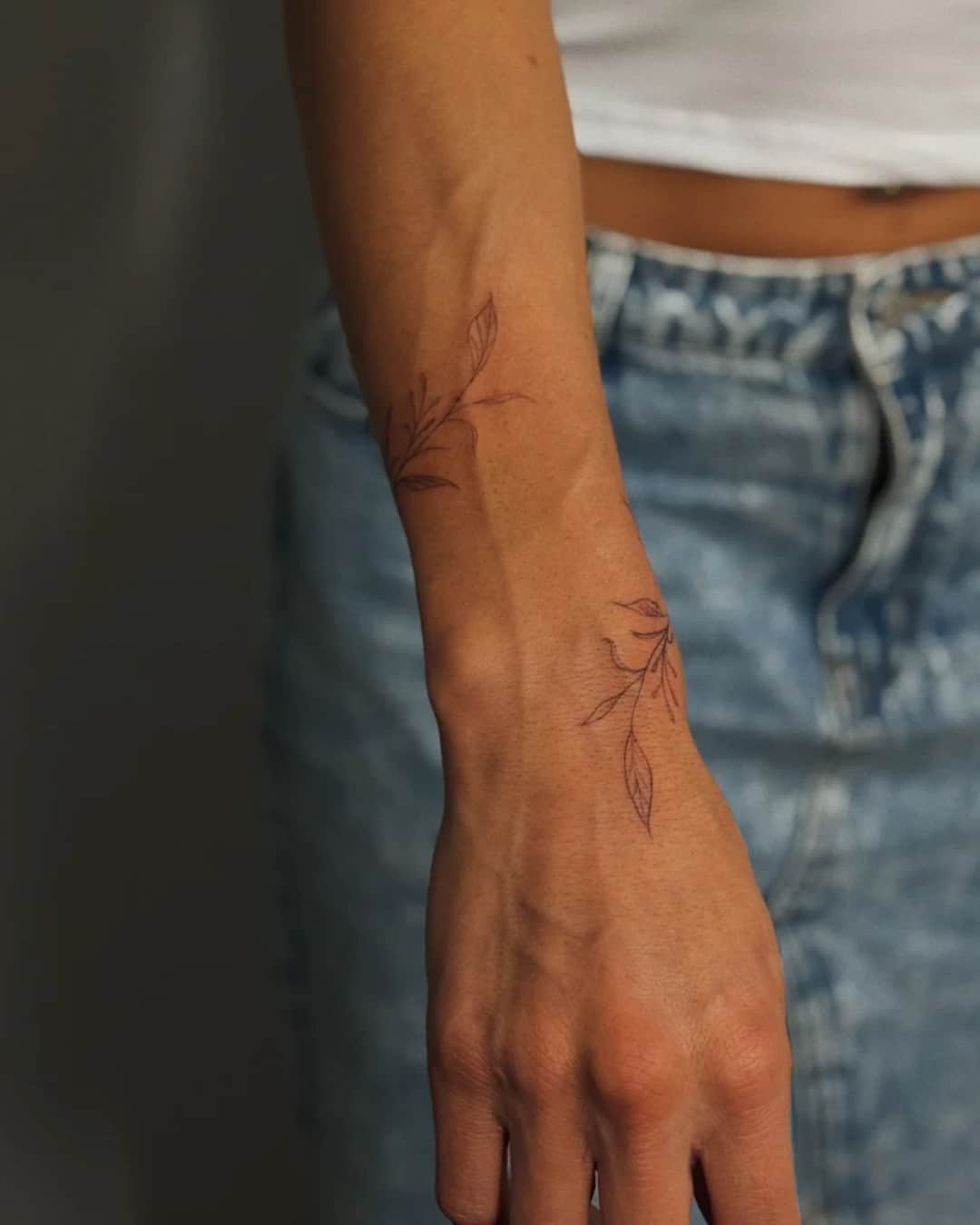
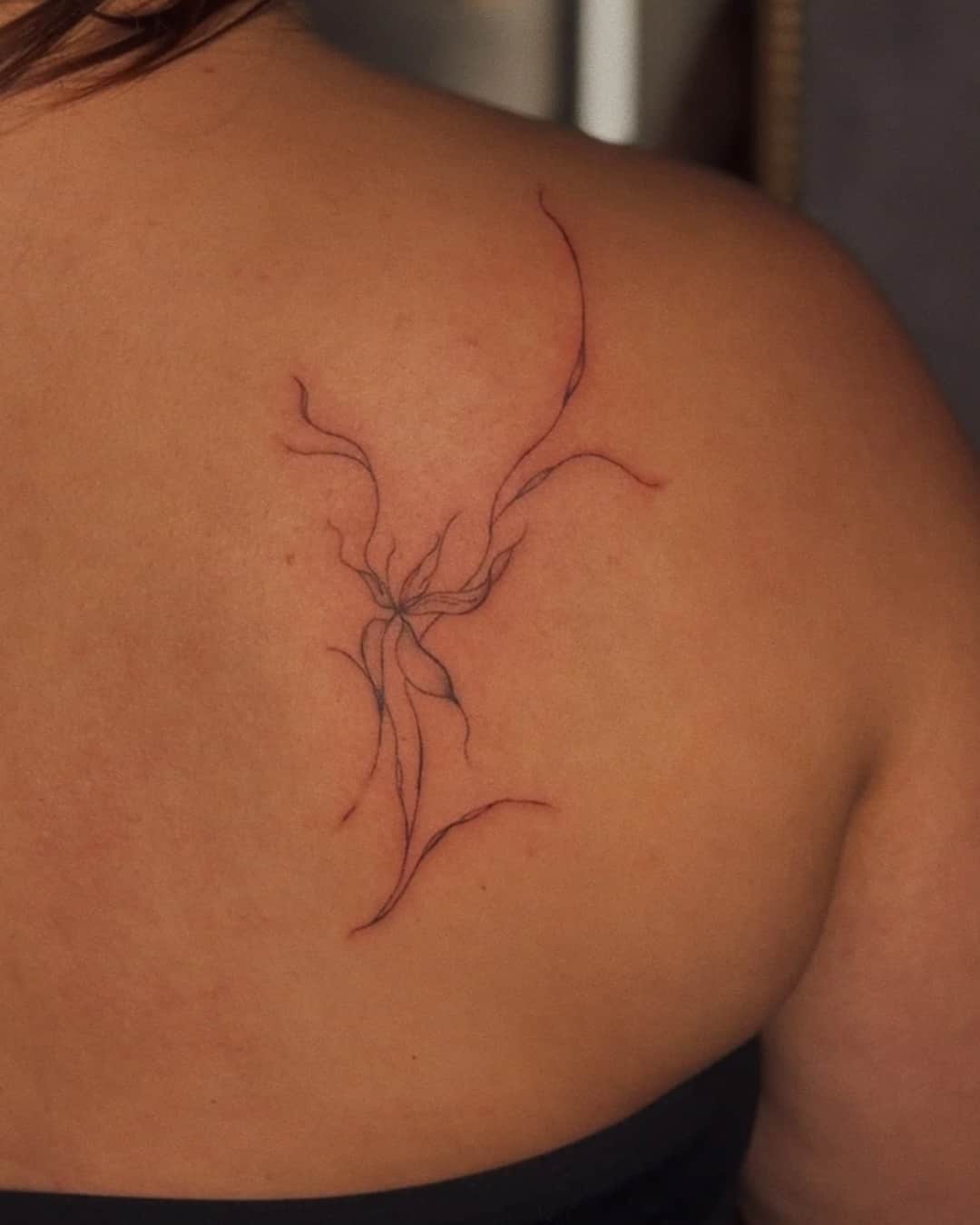
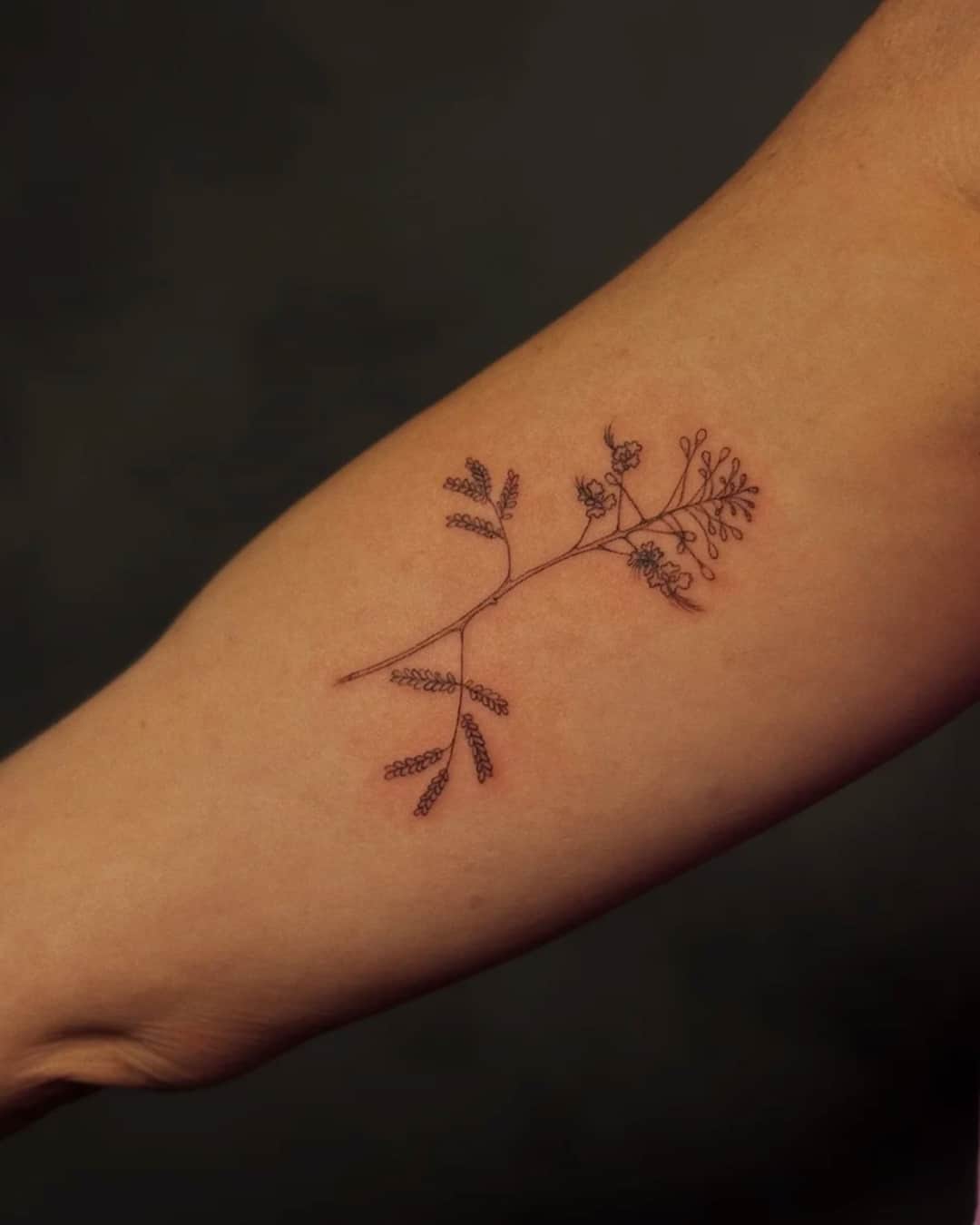
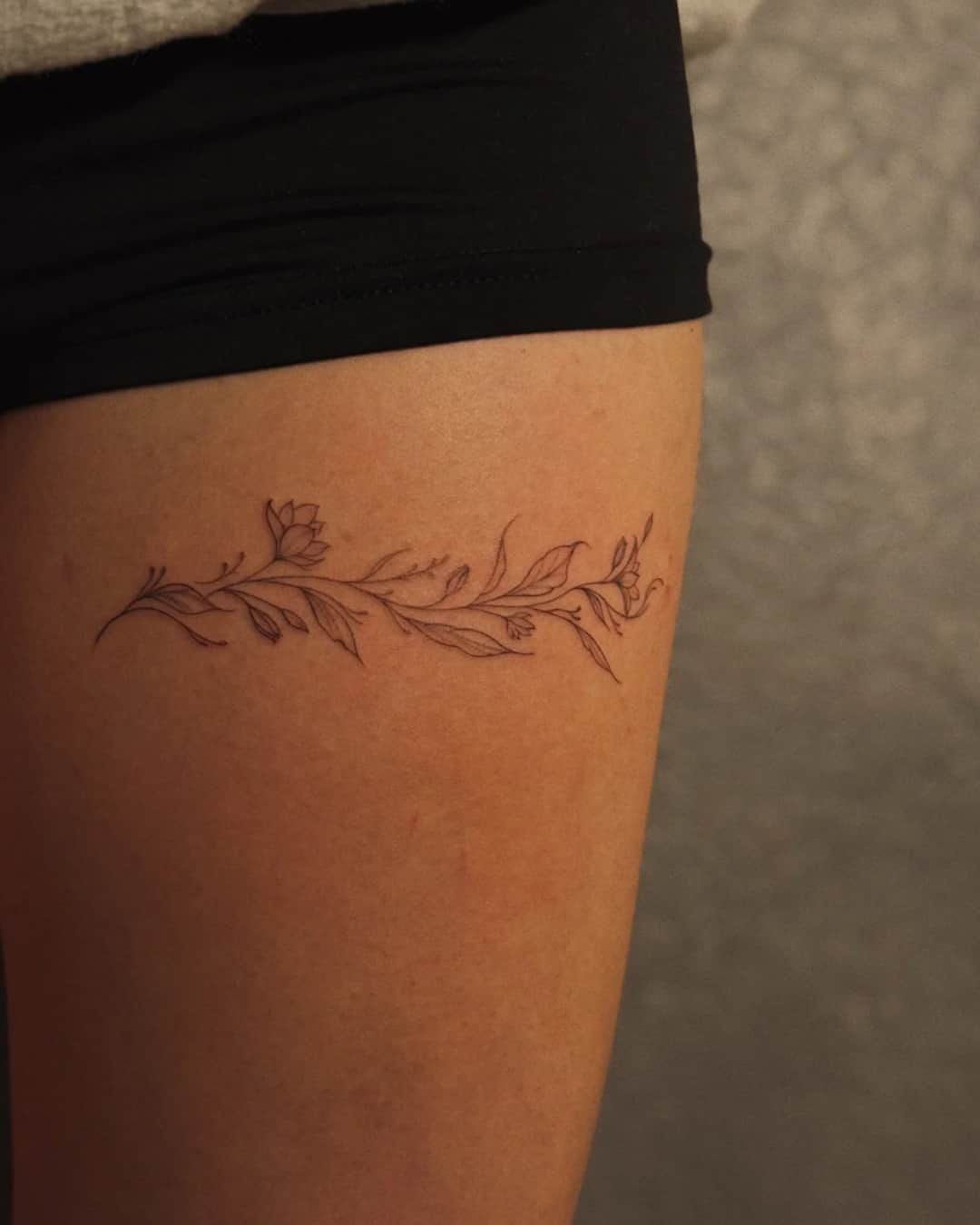
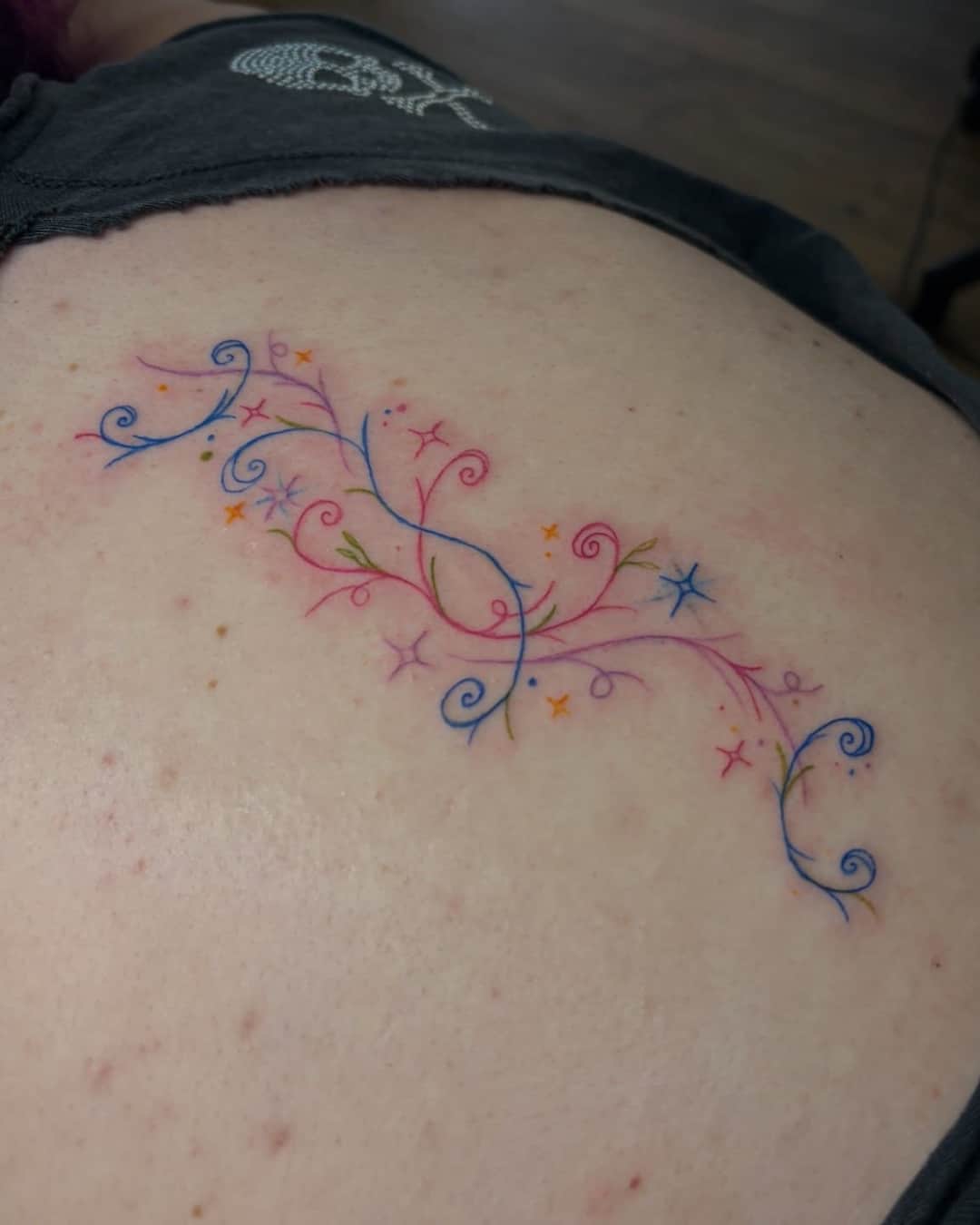
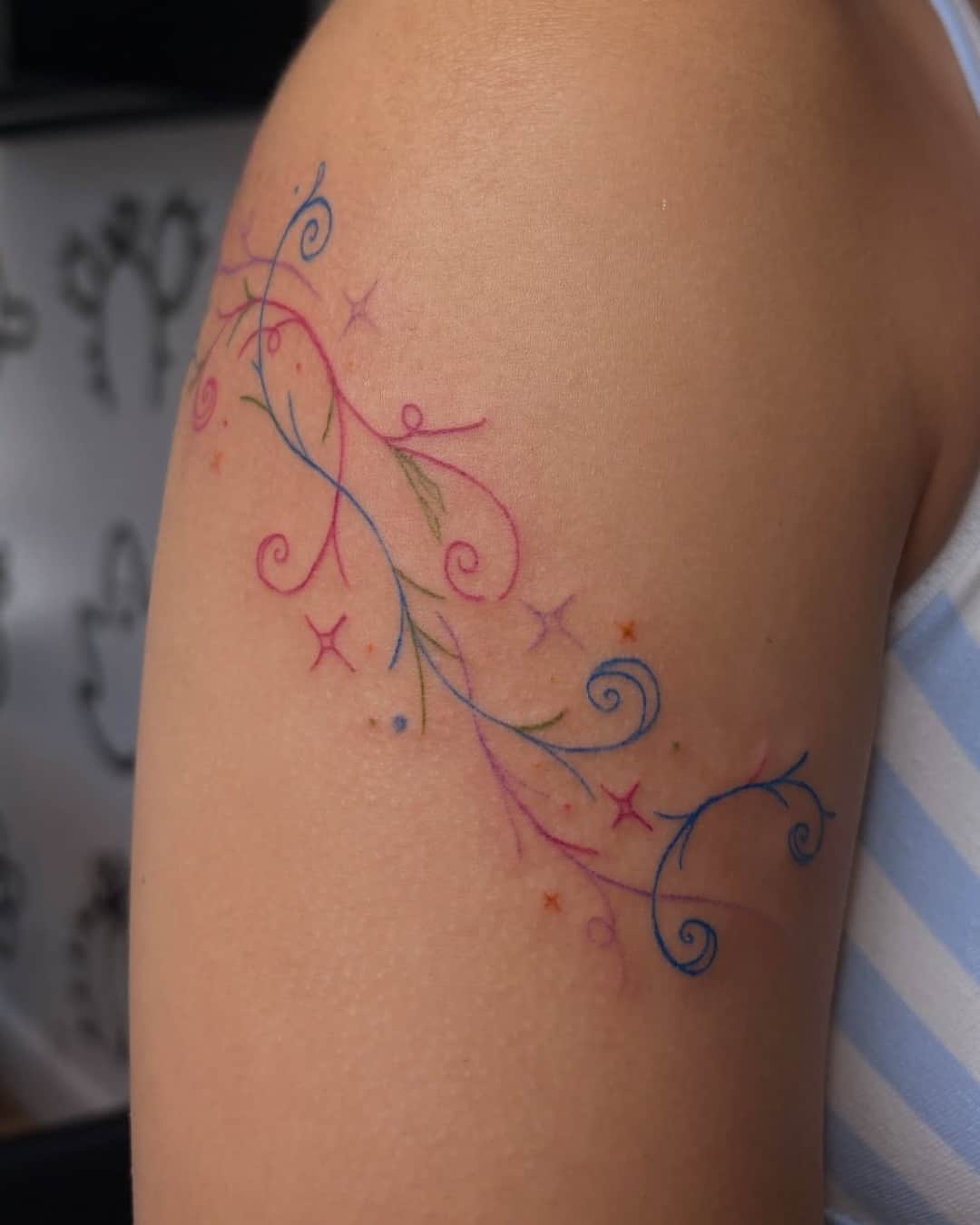
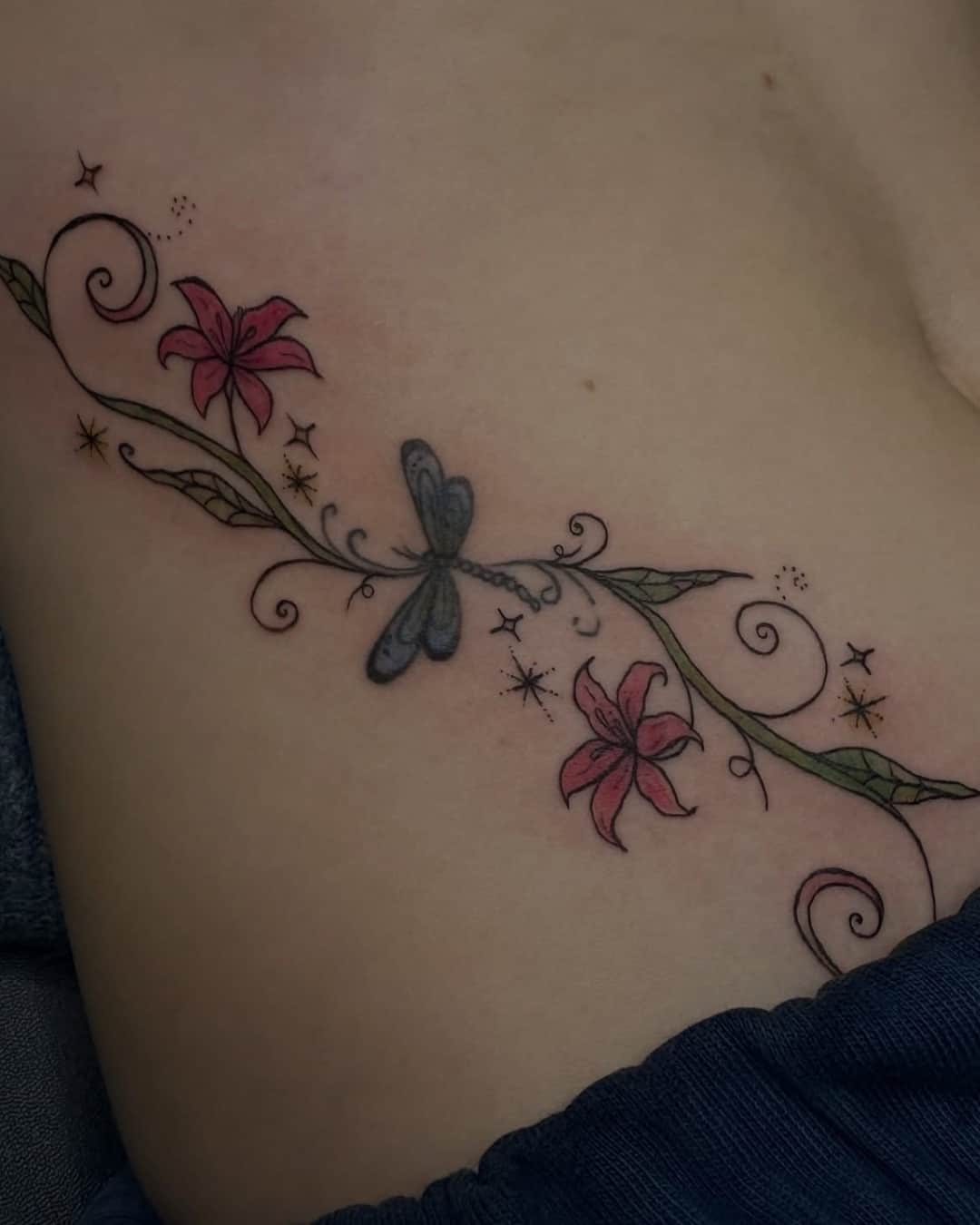
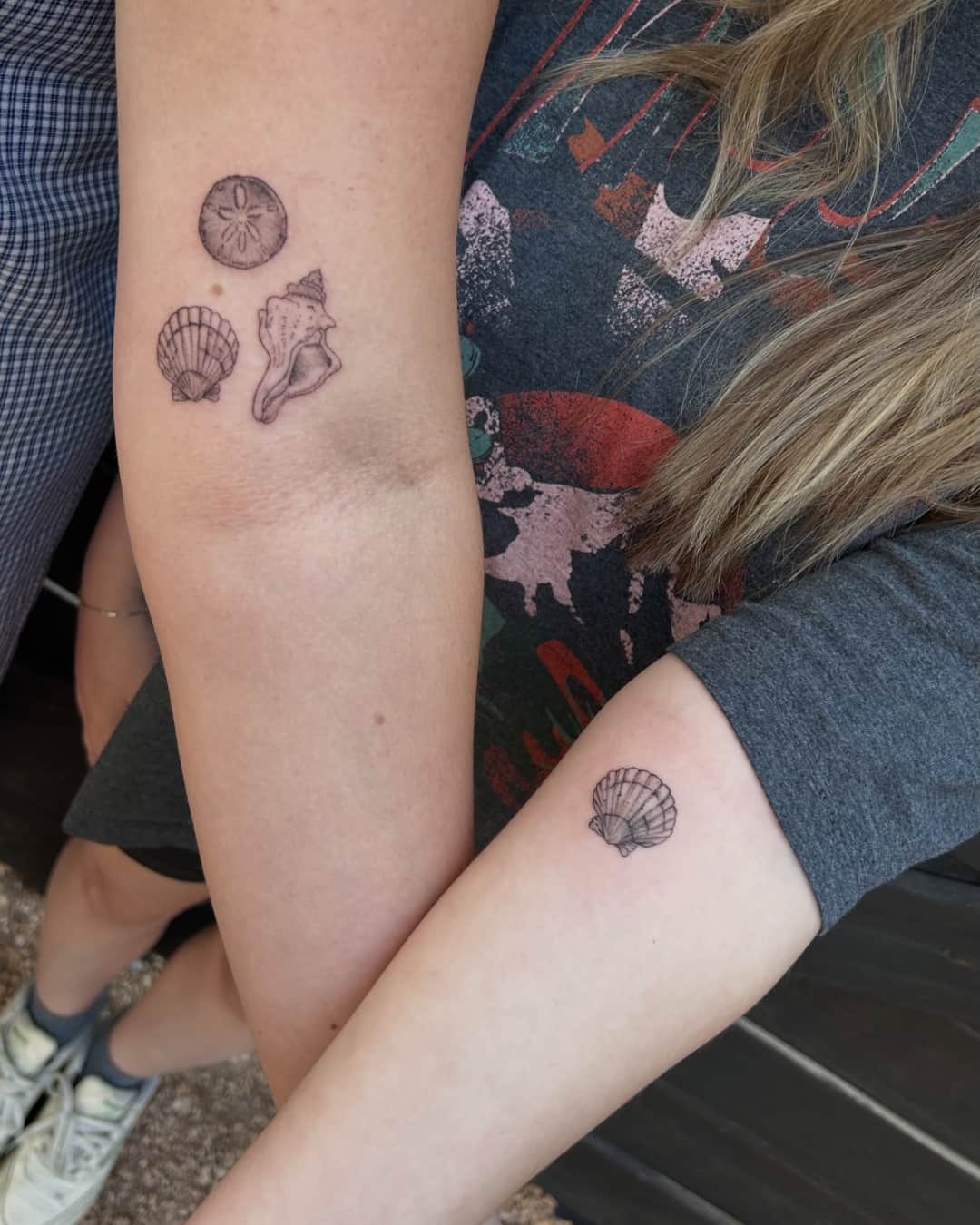
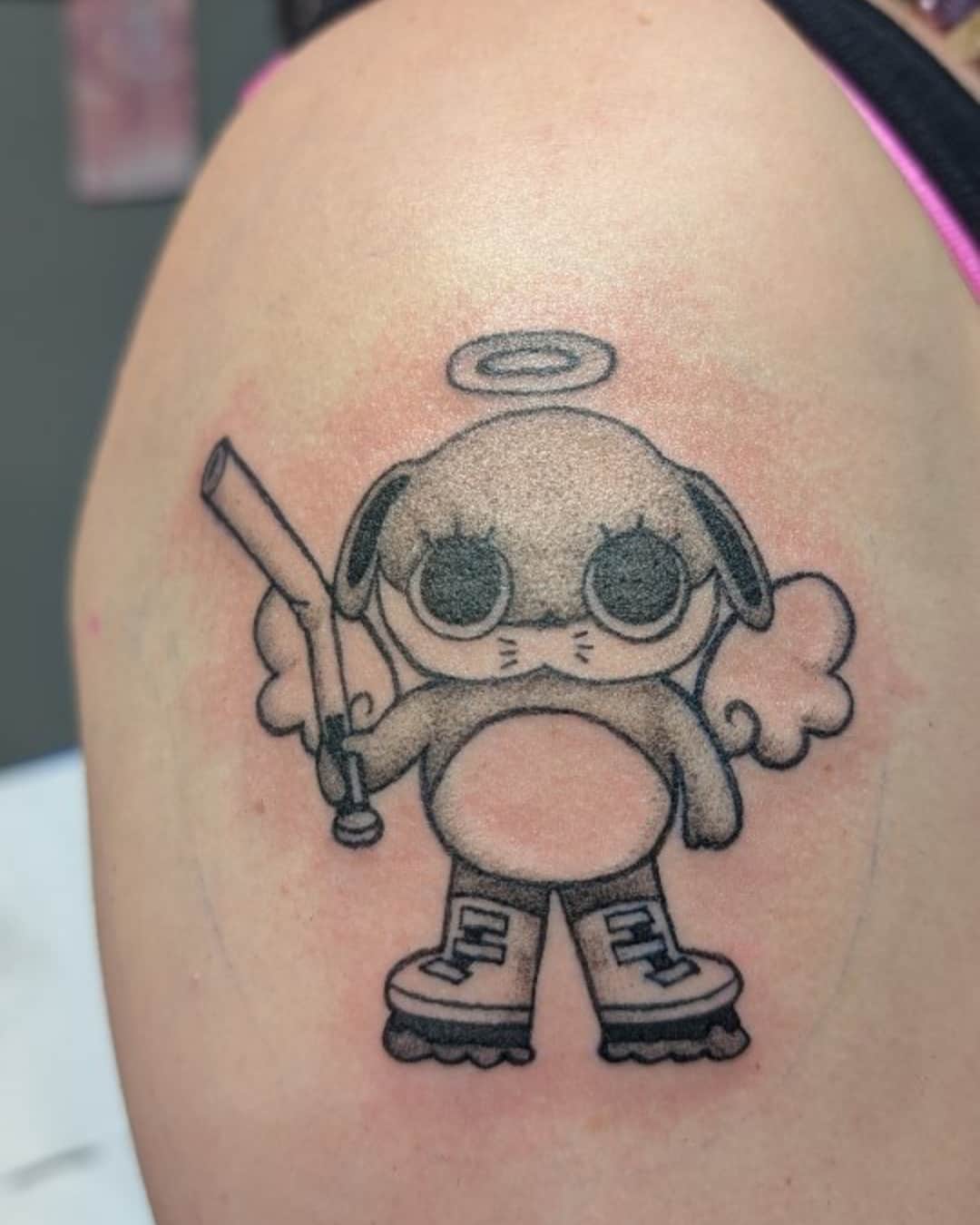
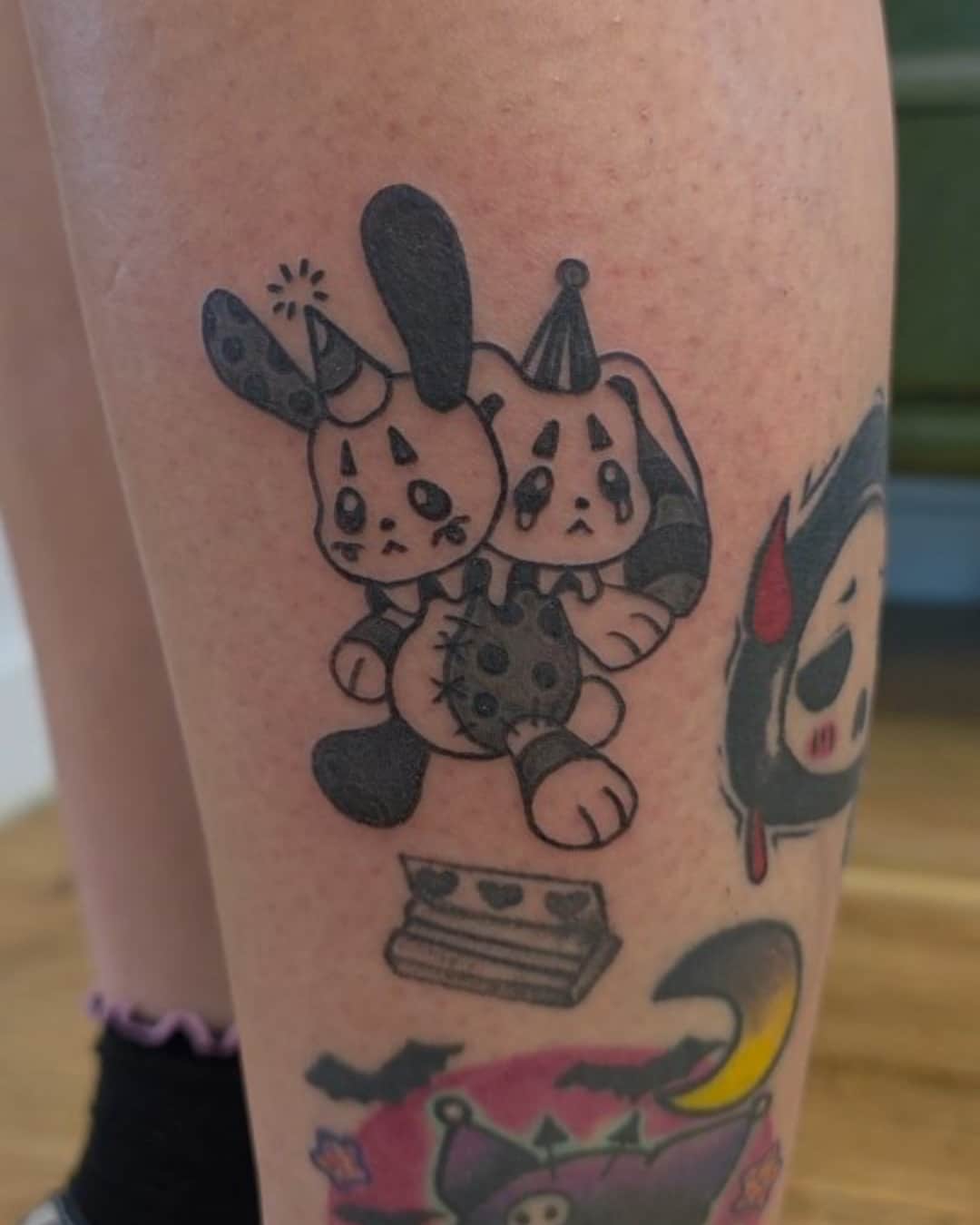
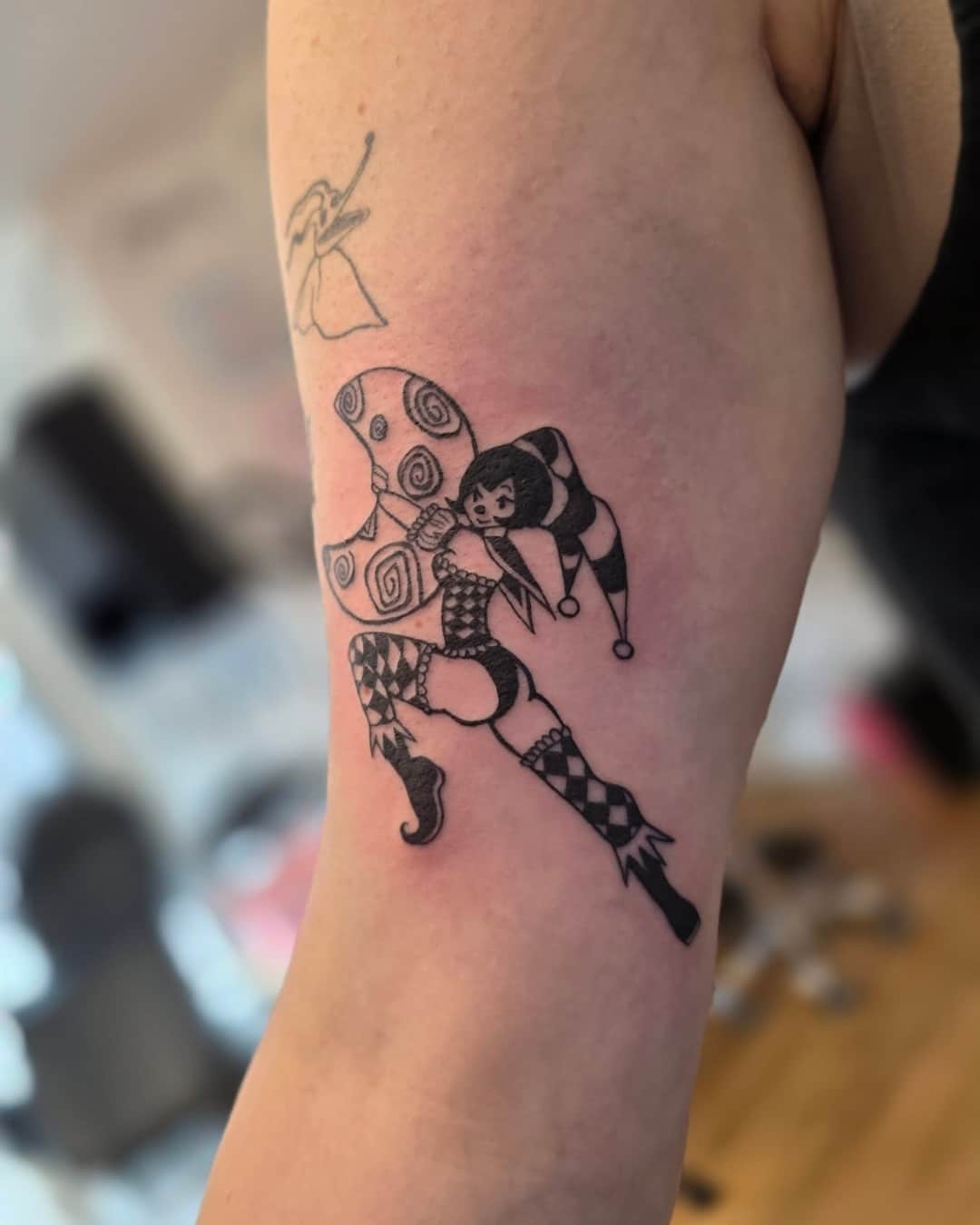
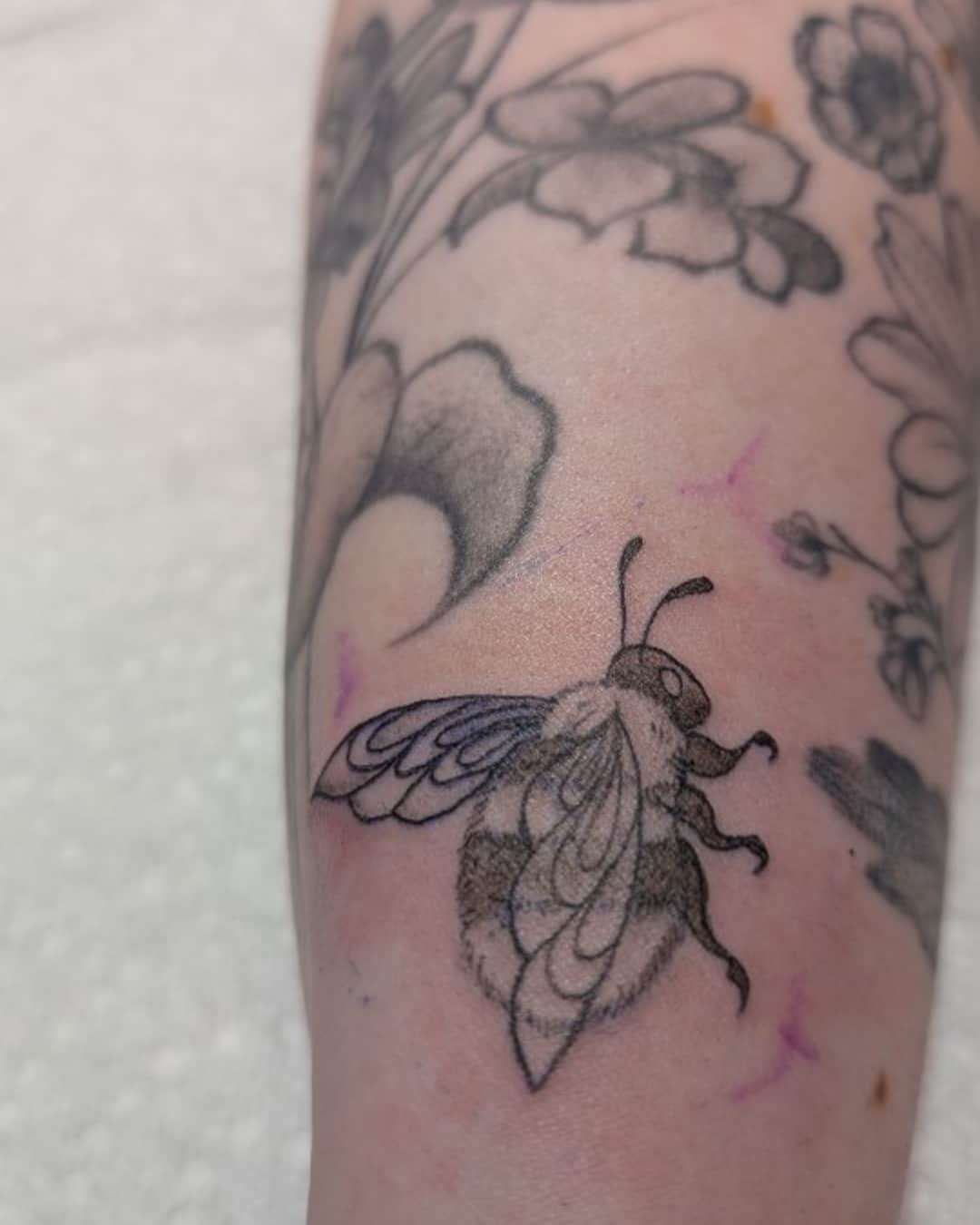
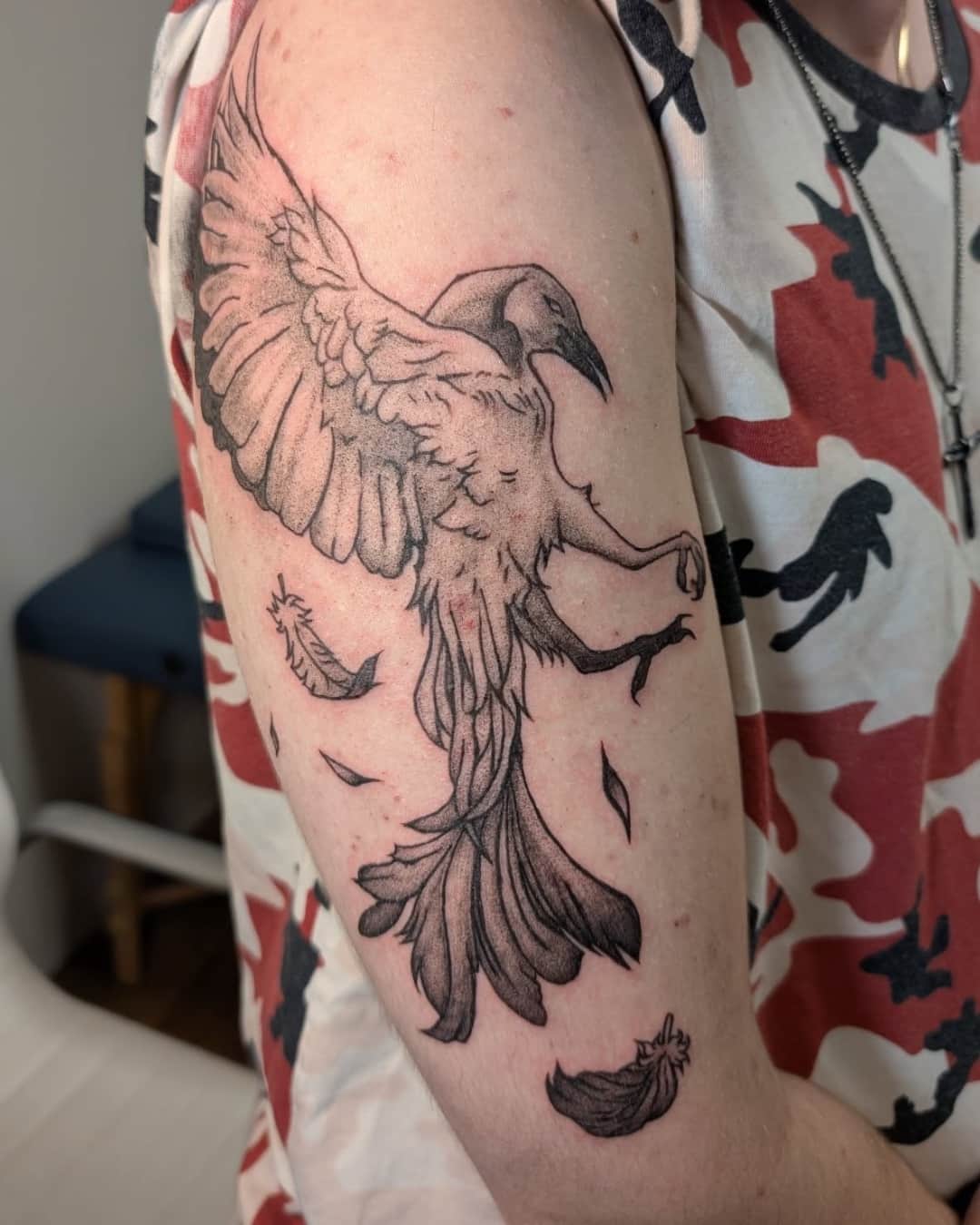
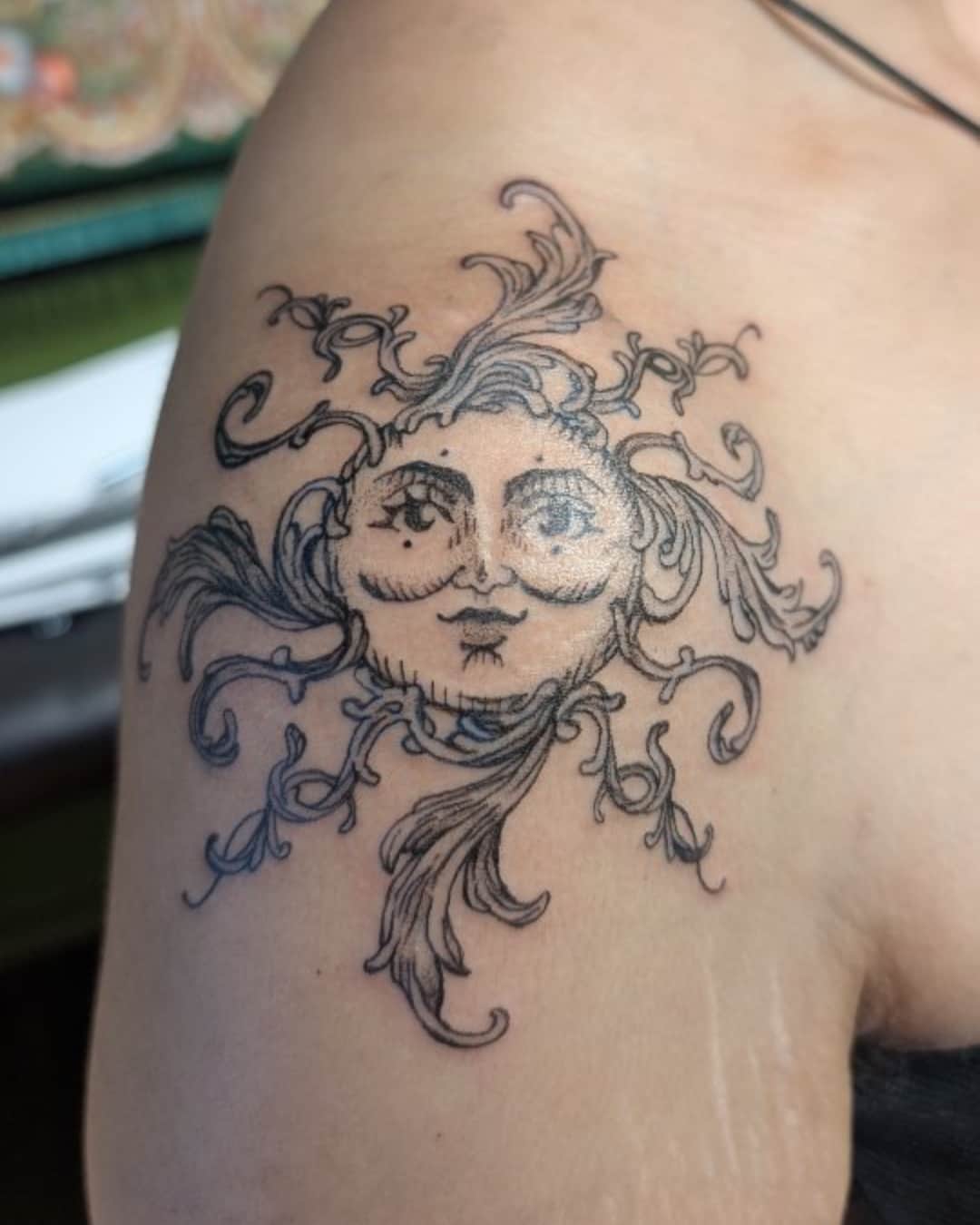
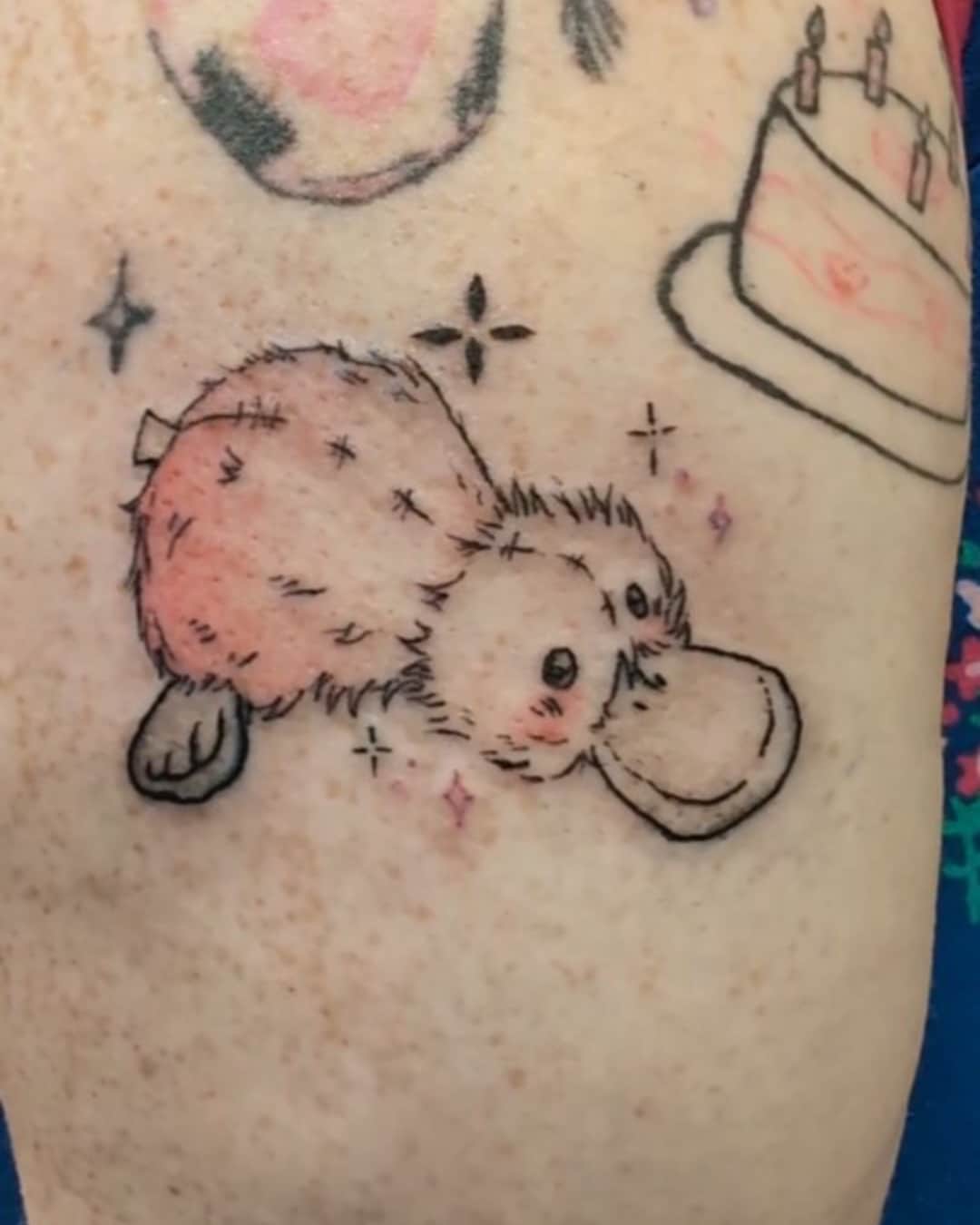
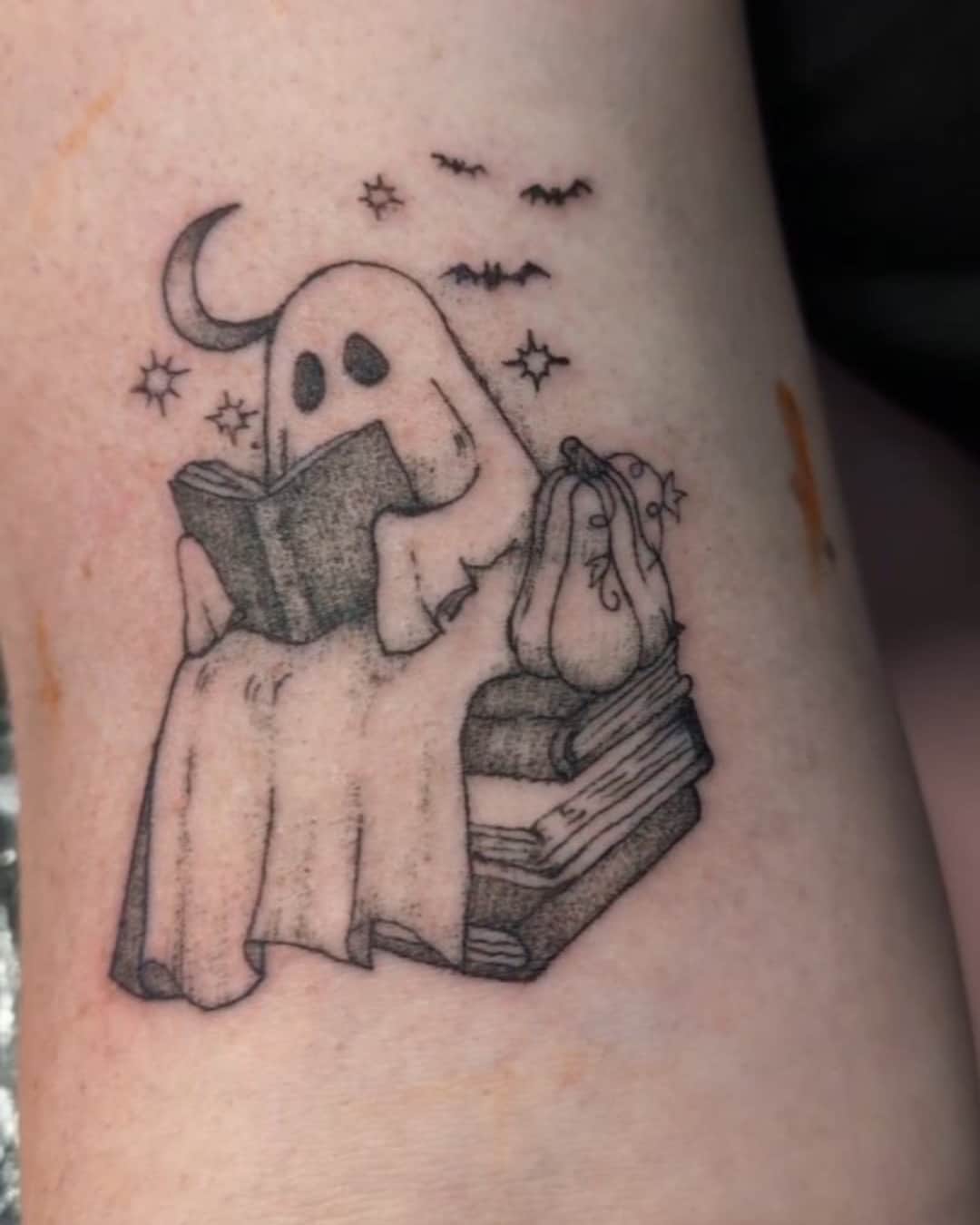
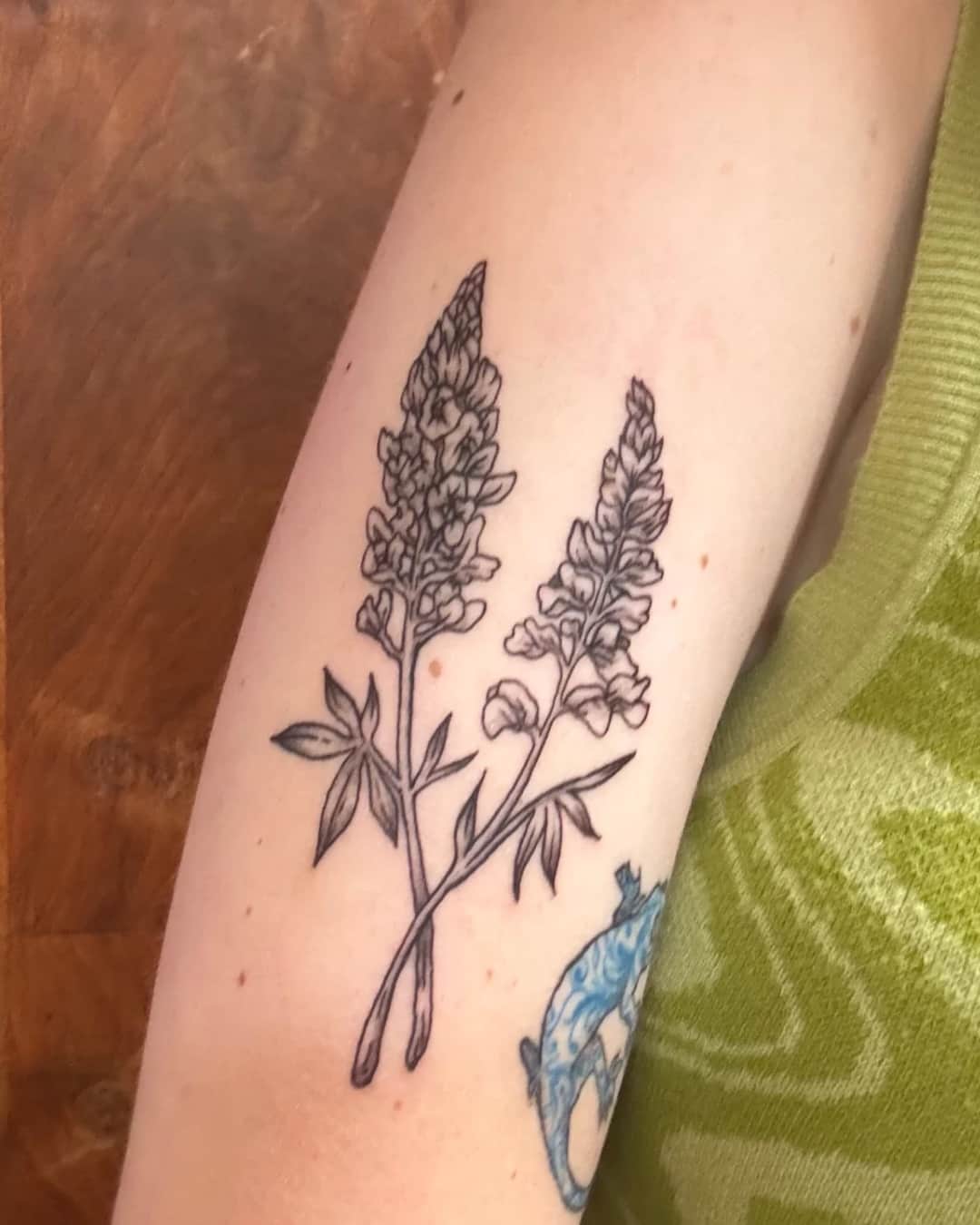
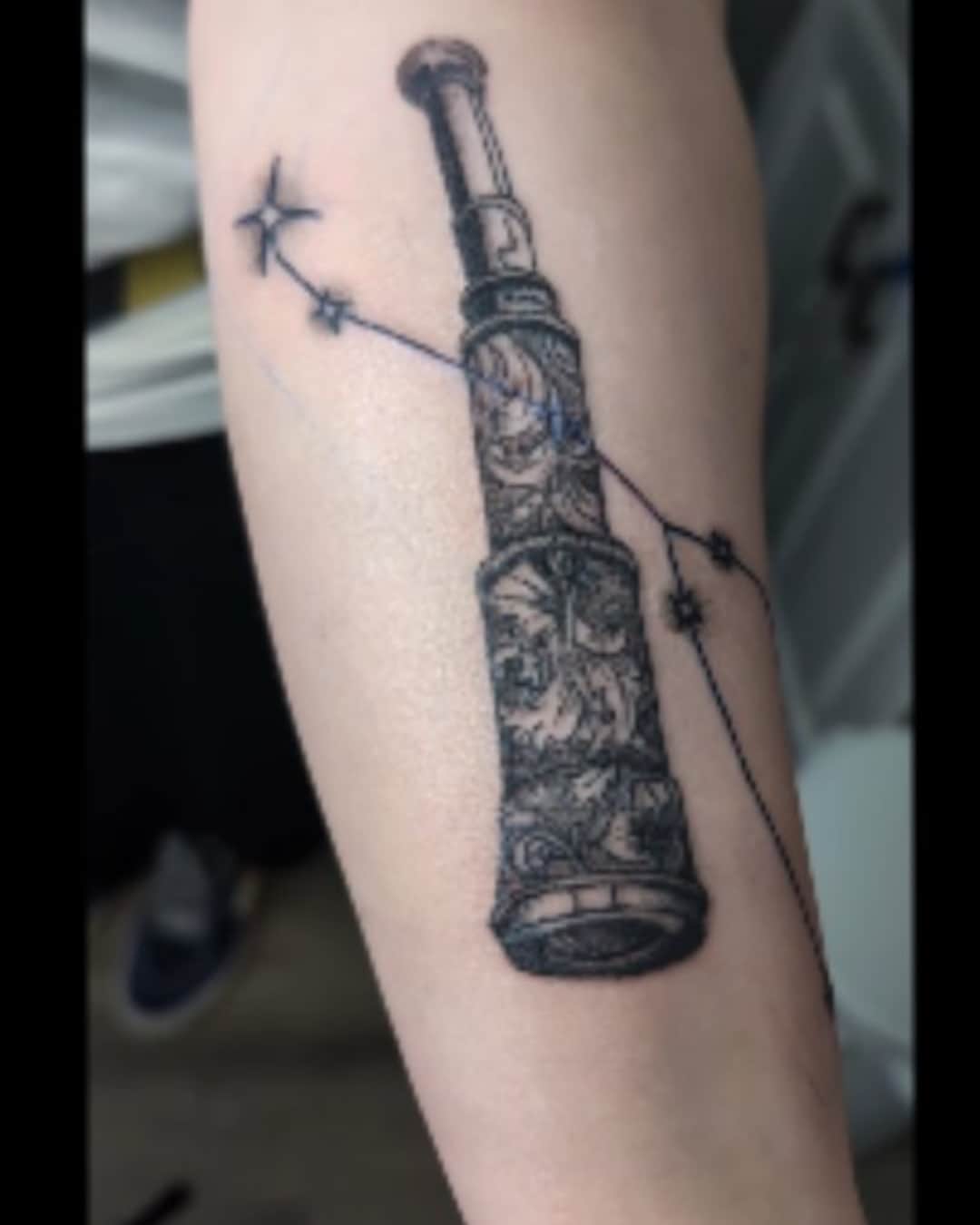
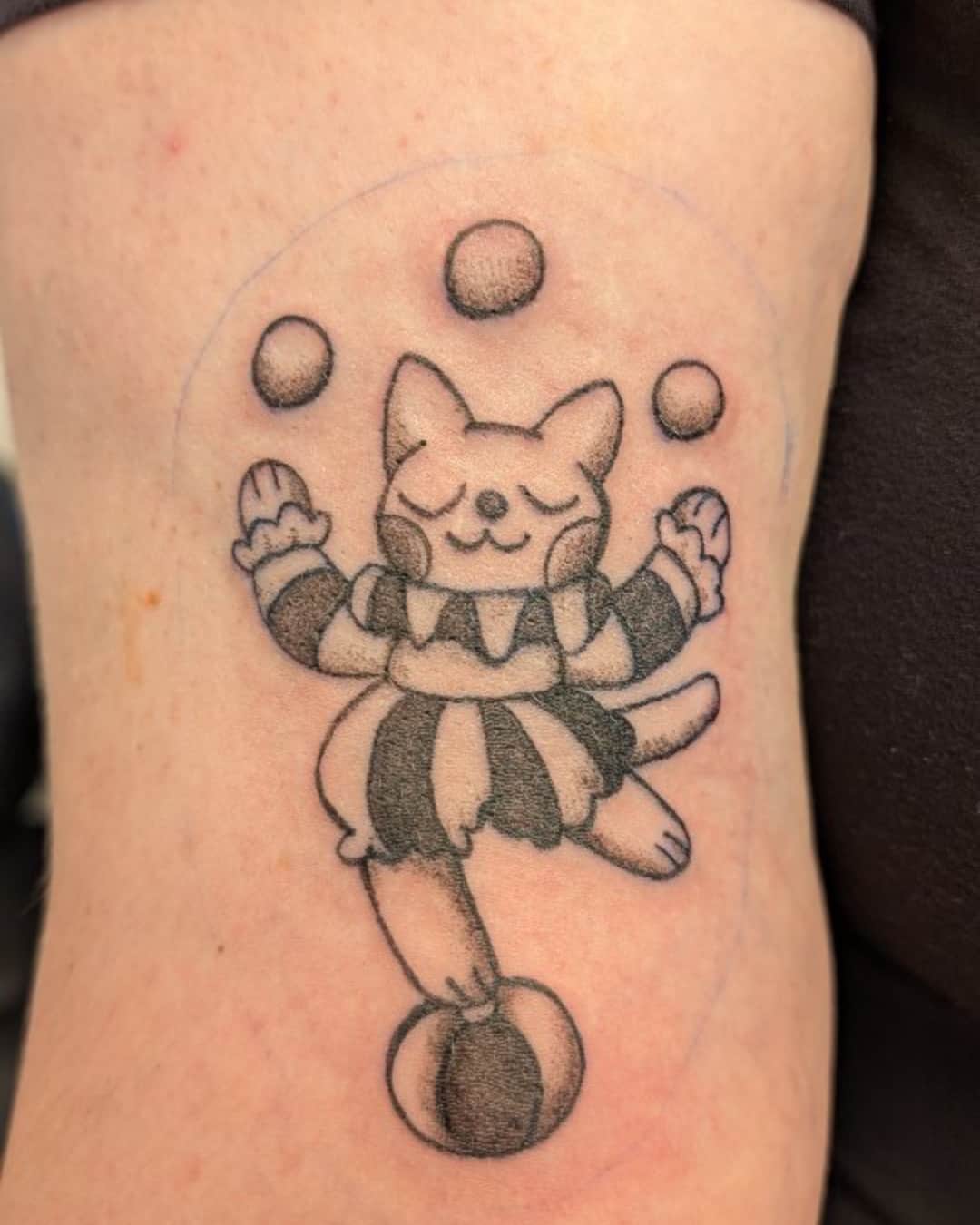
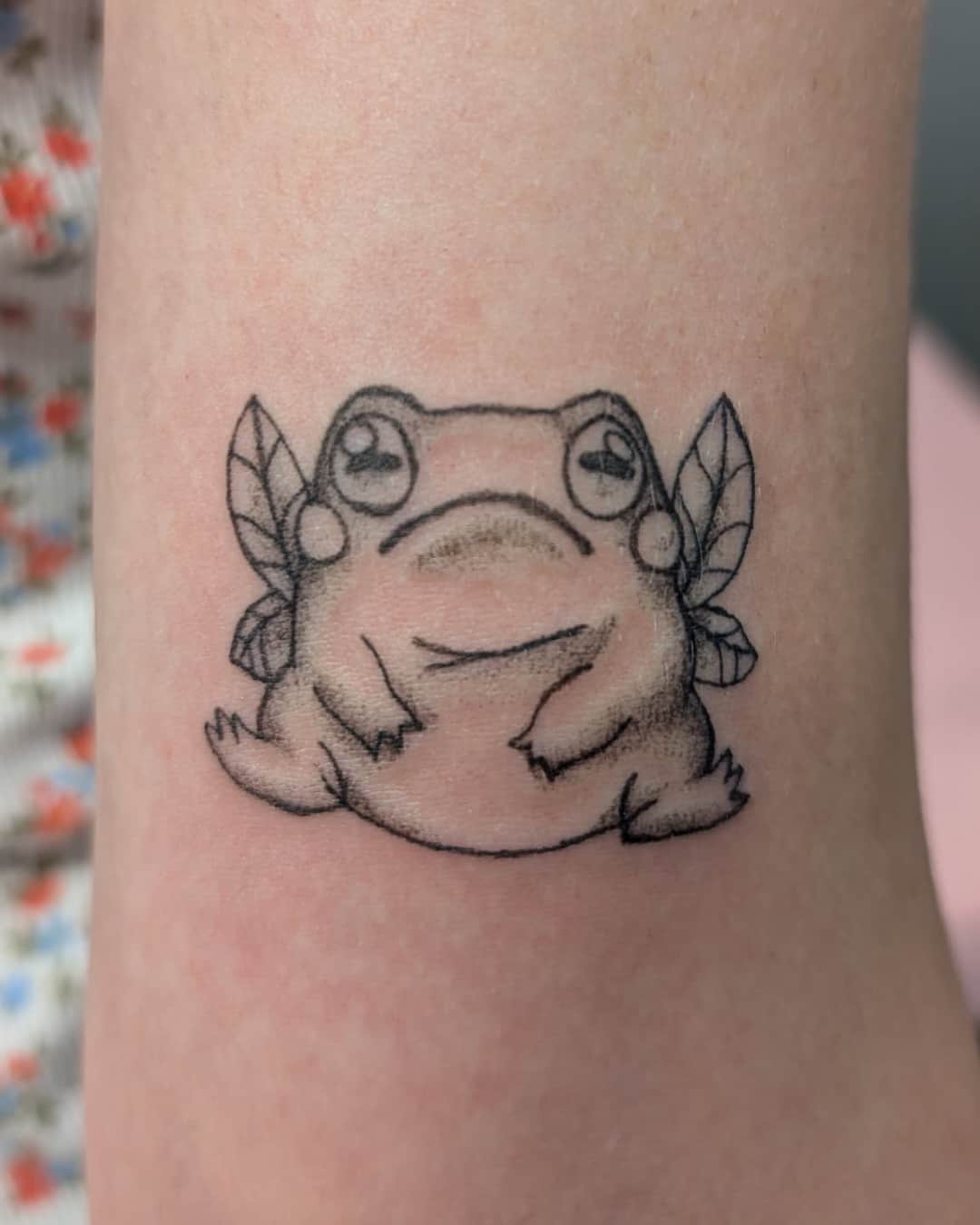
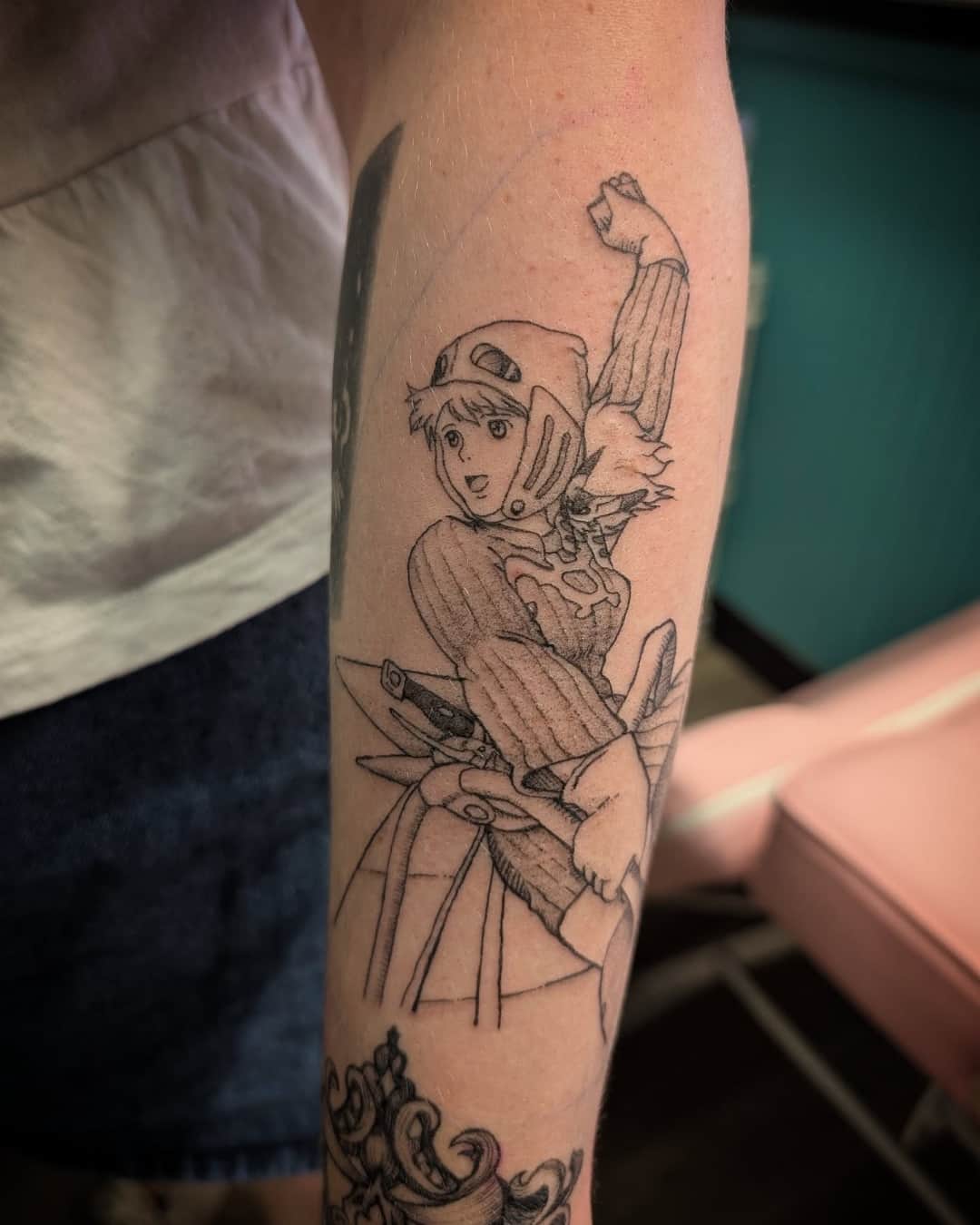
Fine Line rests on one thin, steady line, plenty of bare skin, and no black mass to cover up a slip.
On YokoFolio, pick the style Fine Line and then your city, and widen the radius if the list is short. To judge a portfolio, look at one thing first: the line. It should be even in weight, with no visible rework and no shake in the curves. Then look for healed photos, not just shots taken right after the session — that's where you see whether the line blew out or stayed crisp. Any serious artist posts them.
Around five years, a well-placed fine line has thickened slightly: the design is intact, a little softer. Around ten, the spread is more obvious, and places where two lines ran close together may have merged. Too deep and the line blows out faster; too shallow and it drops out in spots. High-friction areas — fingers, feet, palms — change the most. A touch-up after a few years is common and nothing to worry about.
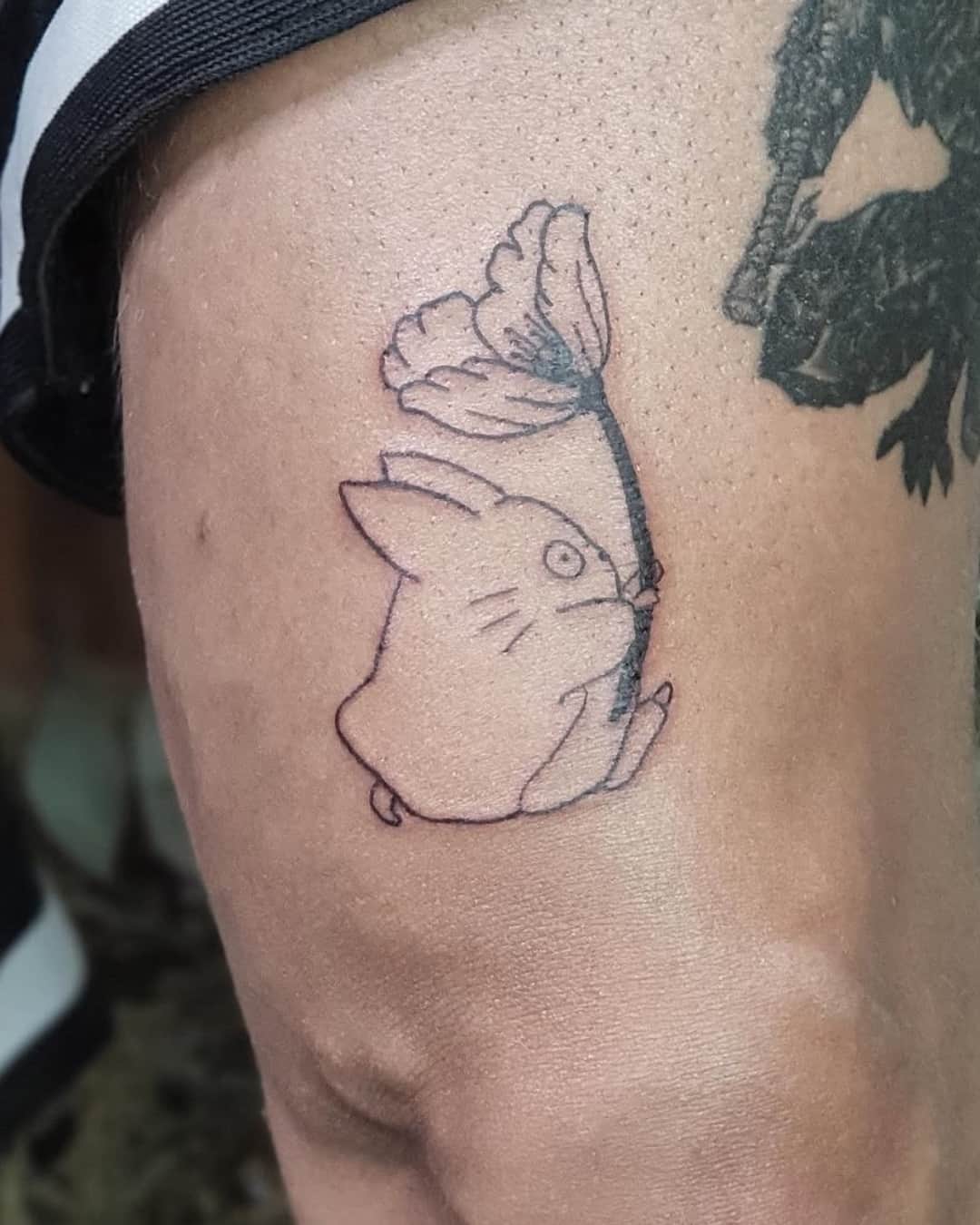
A little less crisp than on day one, and that's normal: fresh out of the session the skin is irritated and the line looks sharper than it will be. After three or four weeks it settles — slightly softer, a little less dense in black, sometimes with a spot or two to go back over. That's the state to look for in a portfolio, and it's the one you'll live with. Always ask to see healed work.
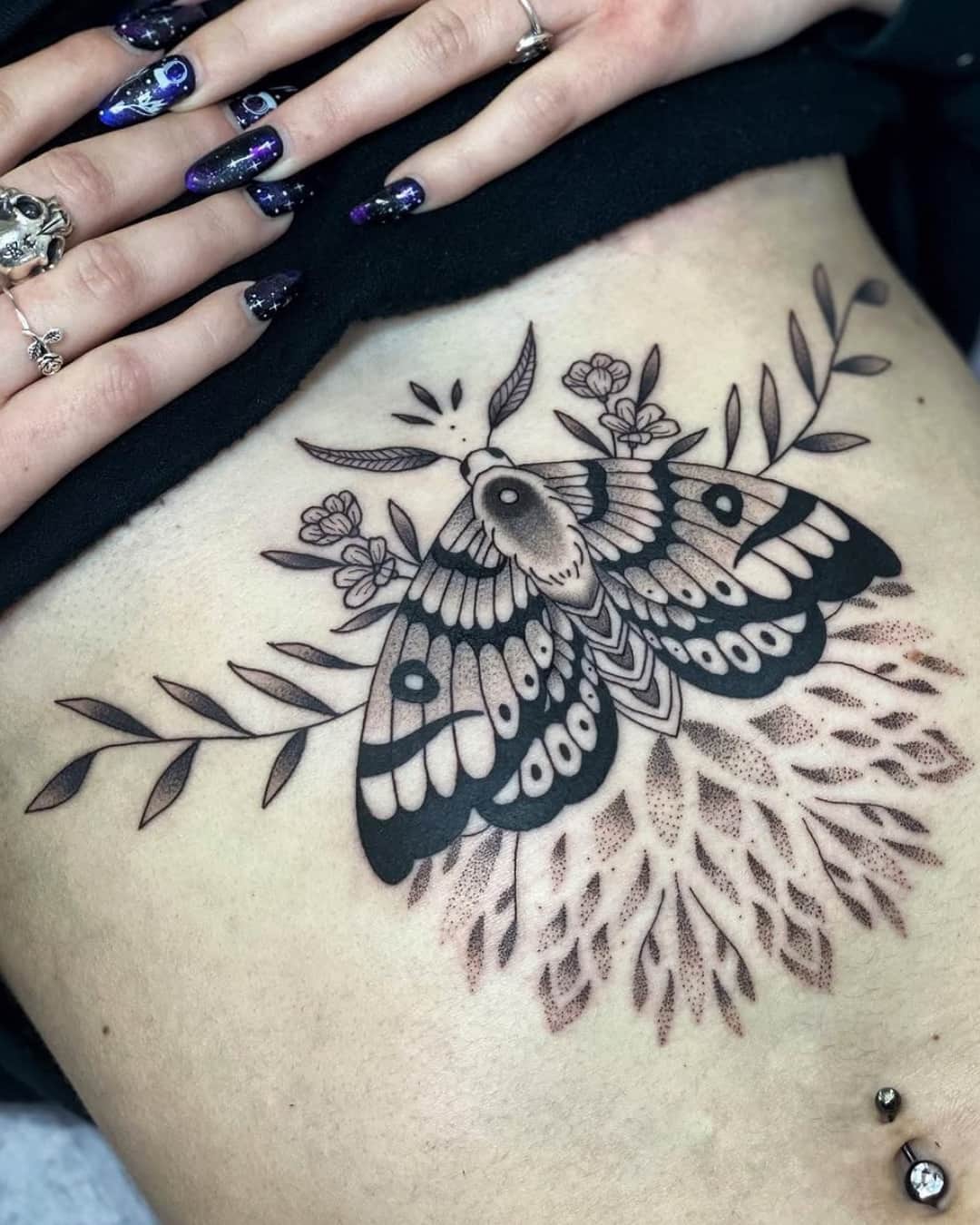
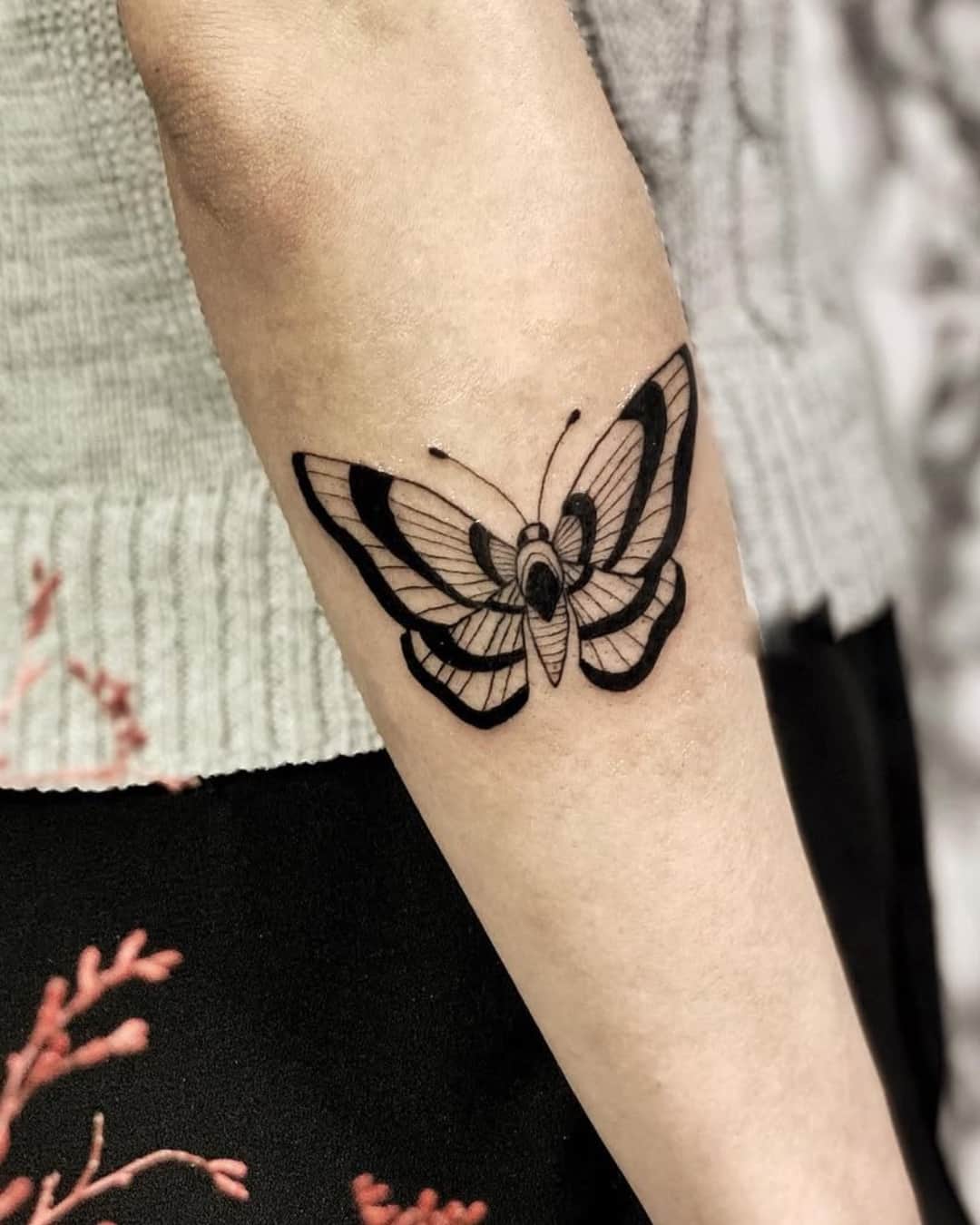
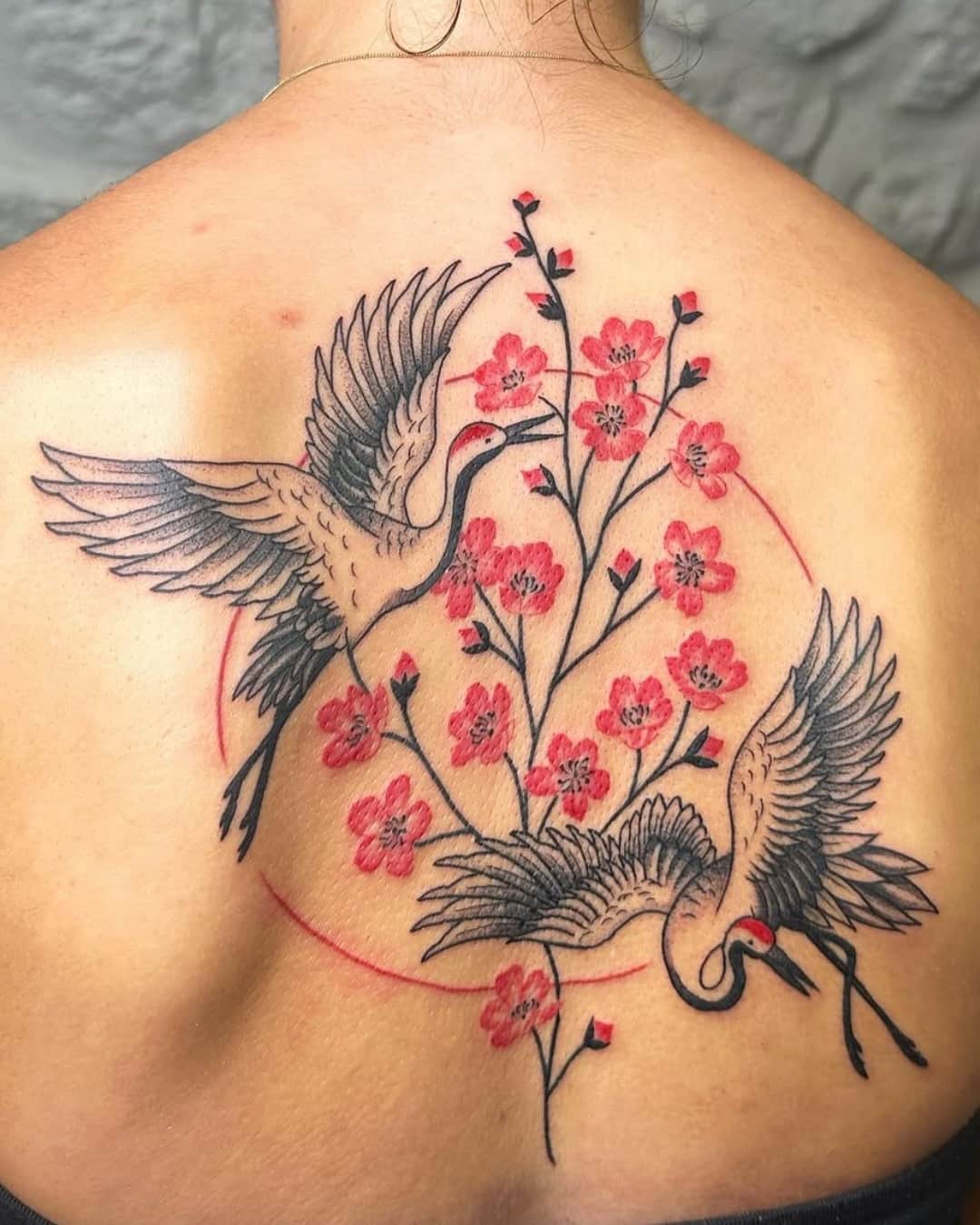
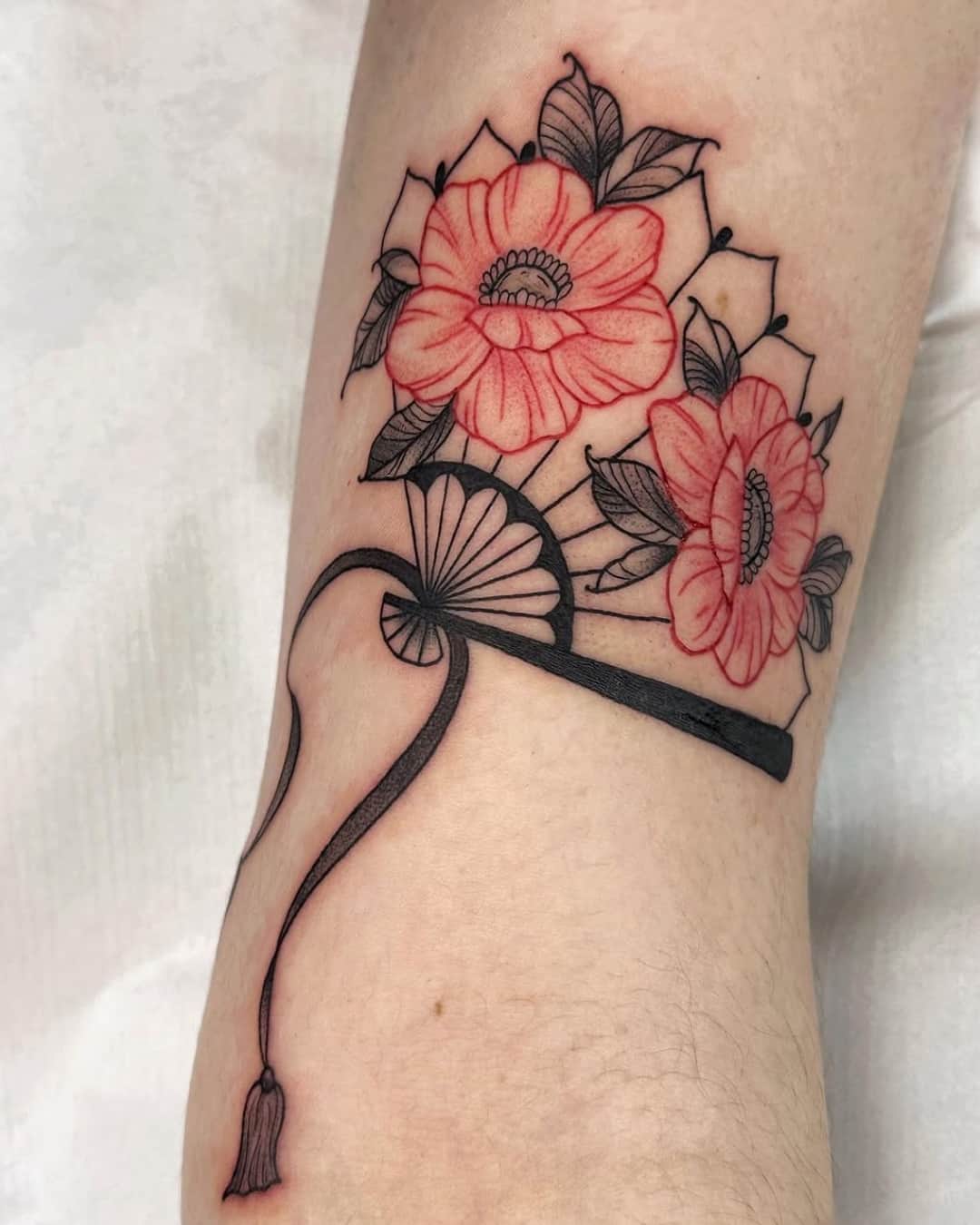
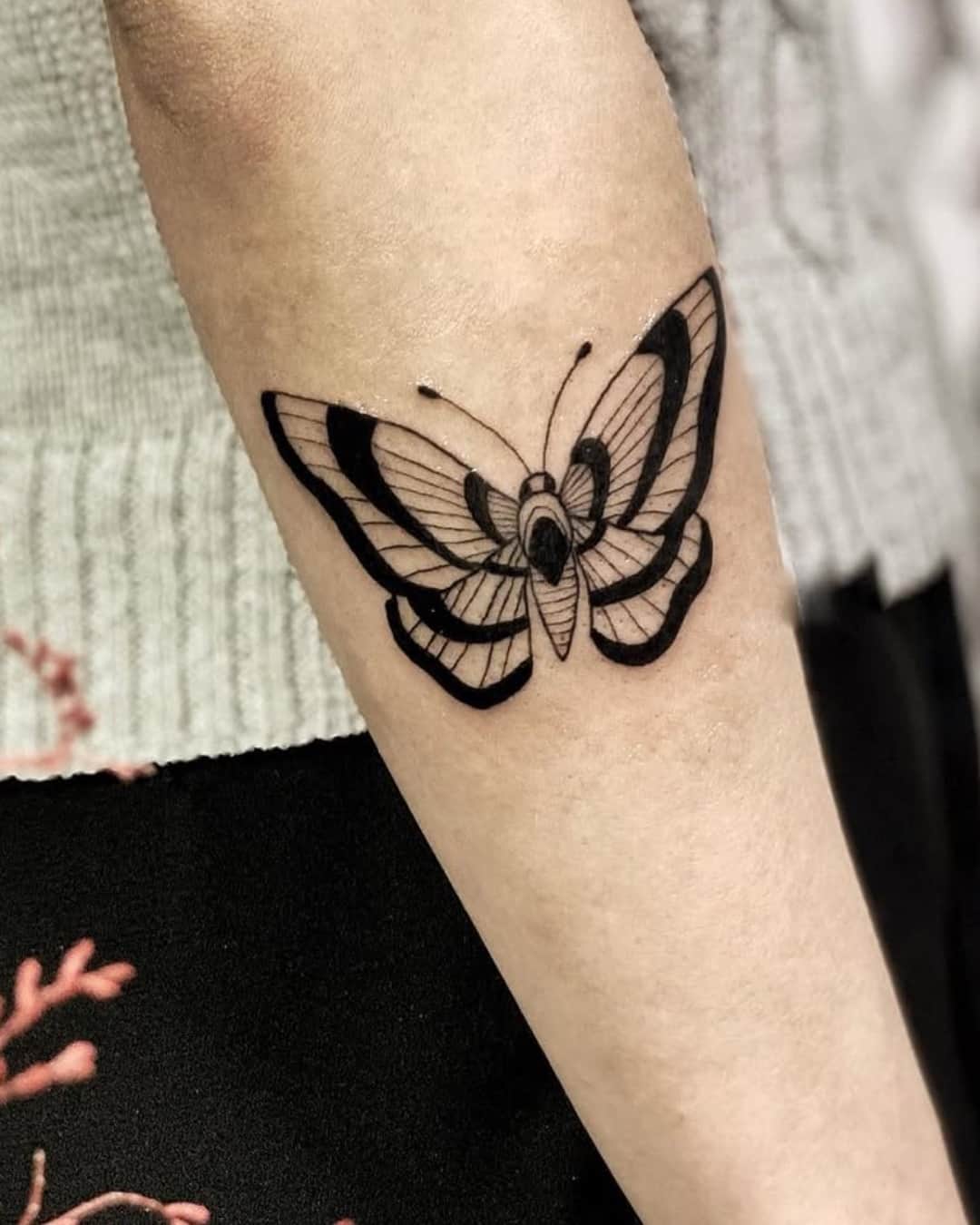
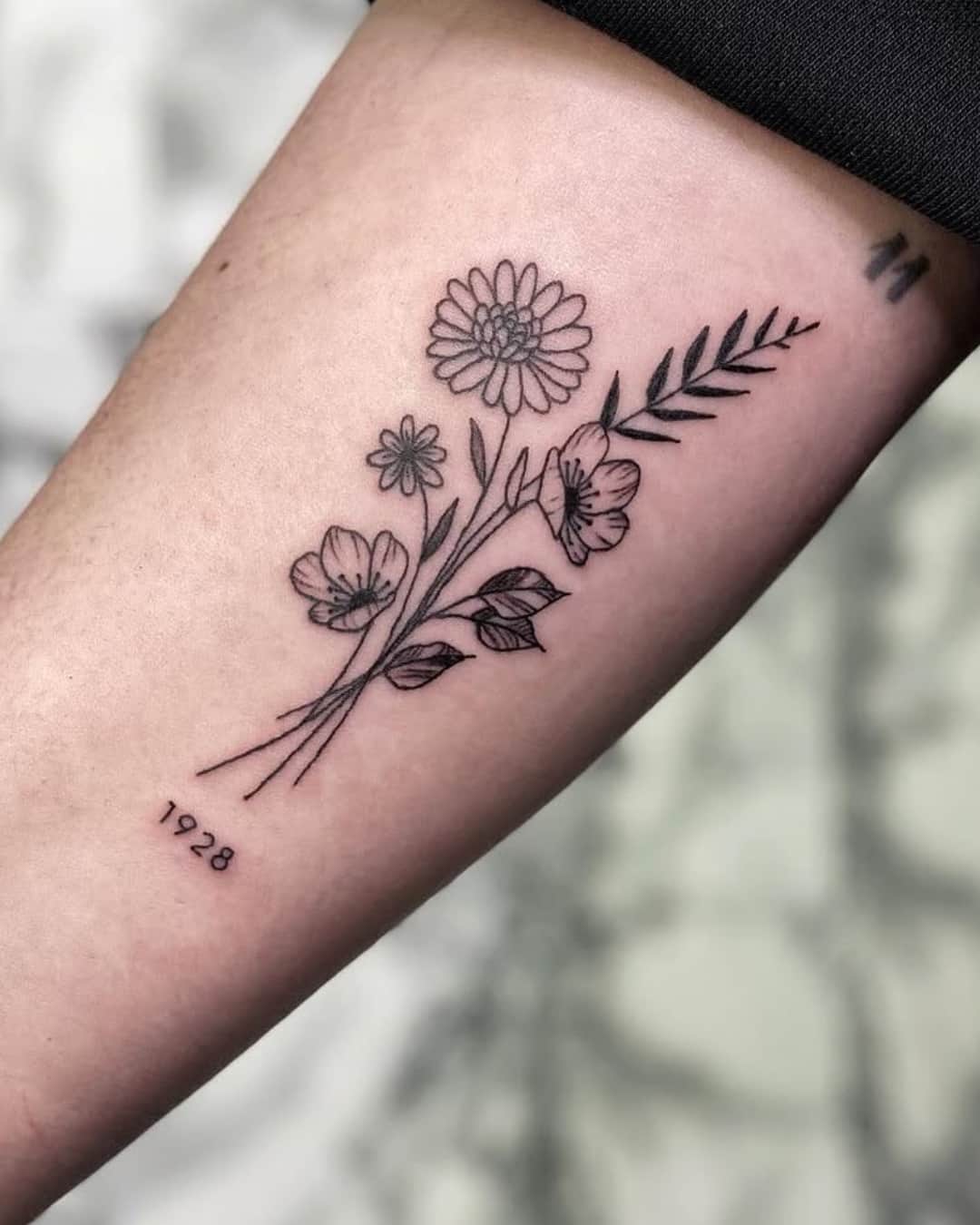
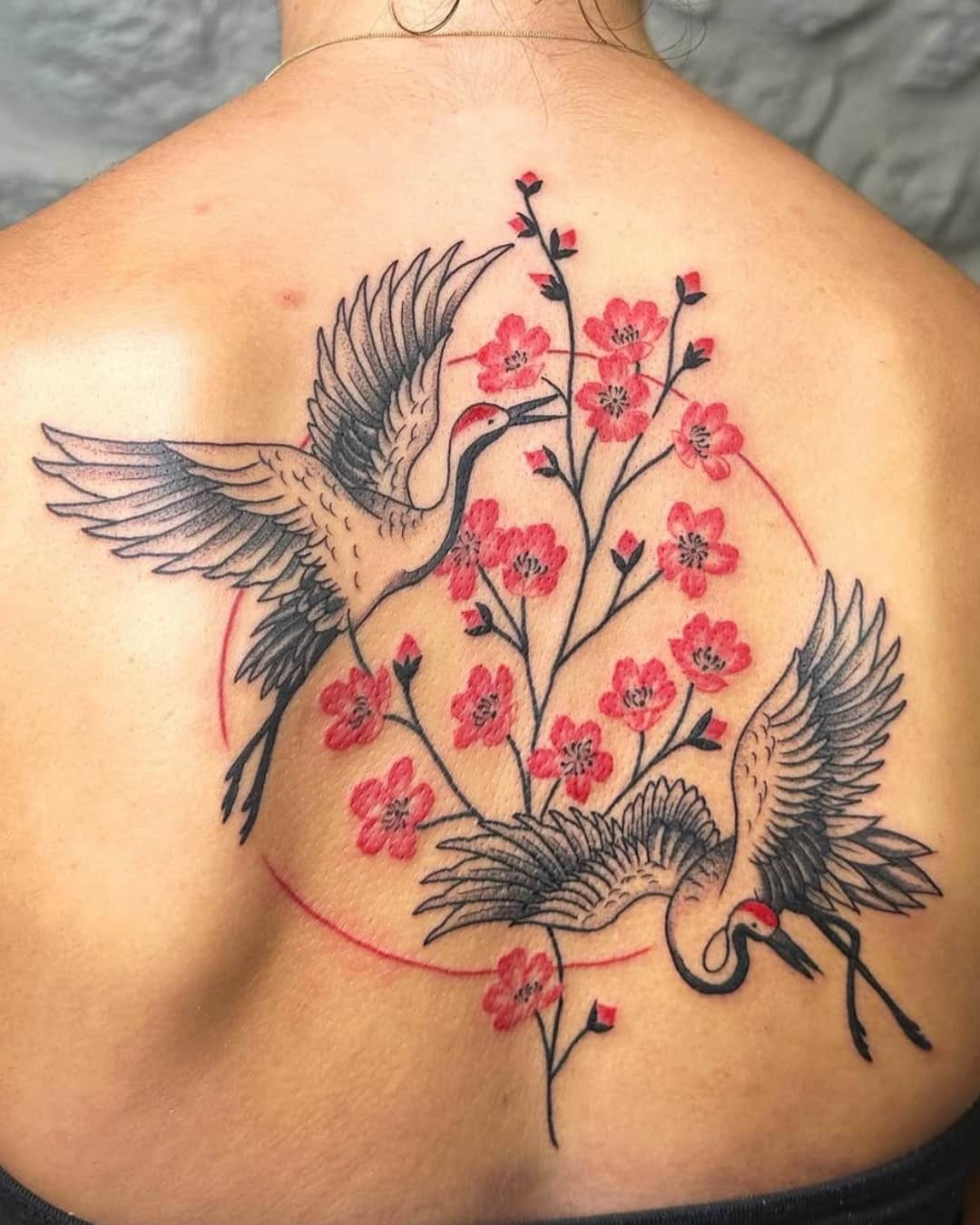
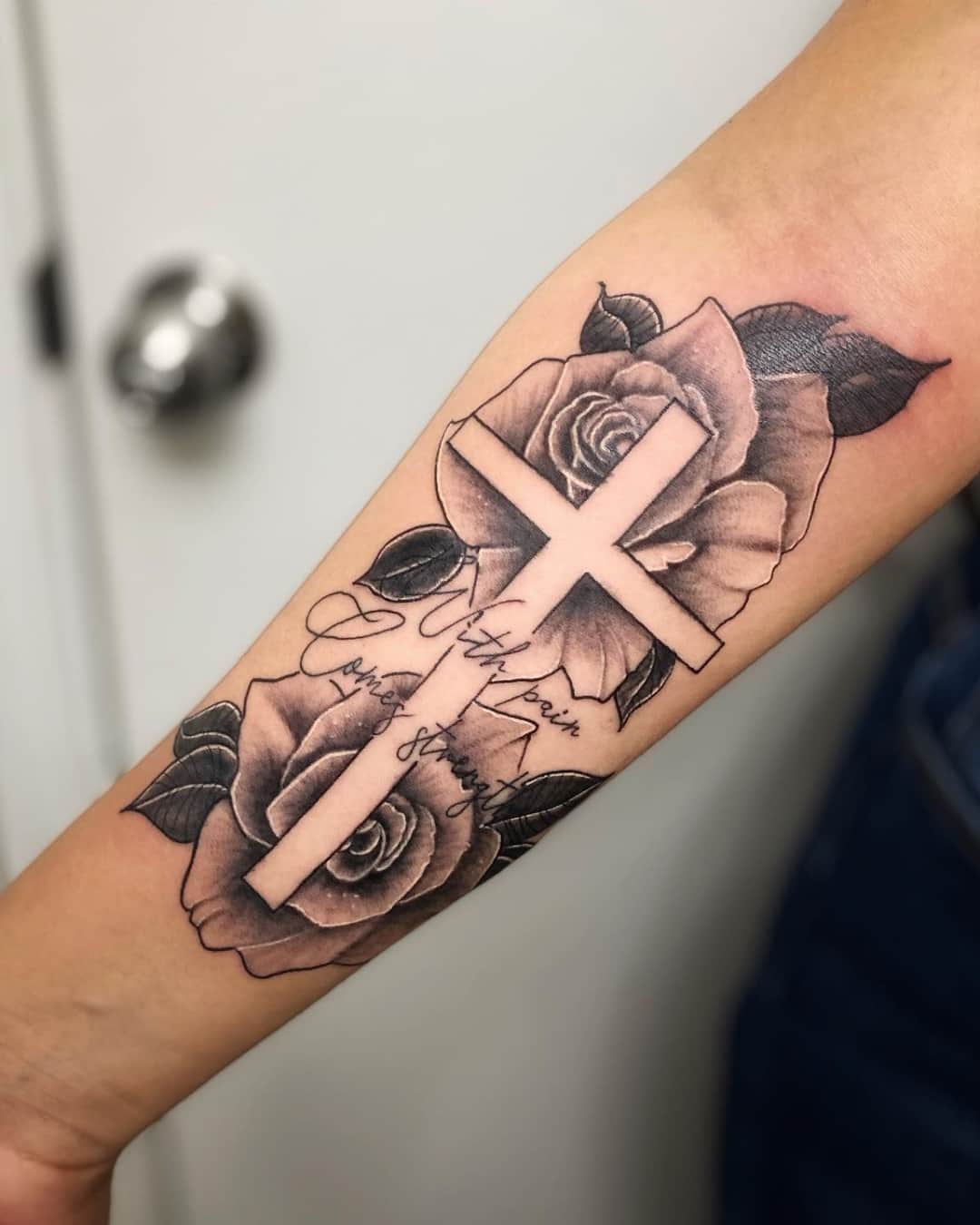
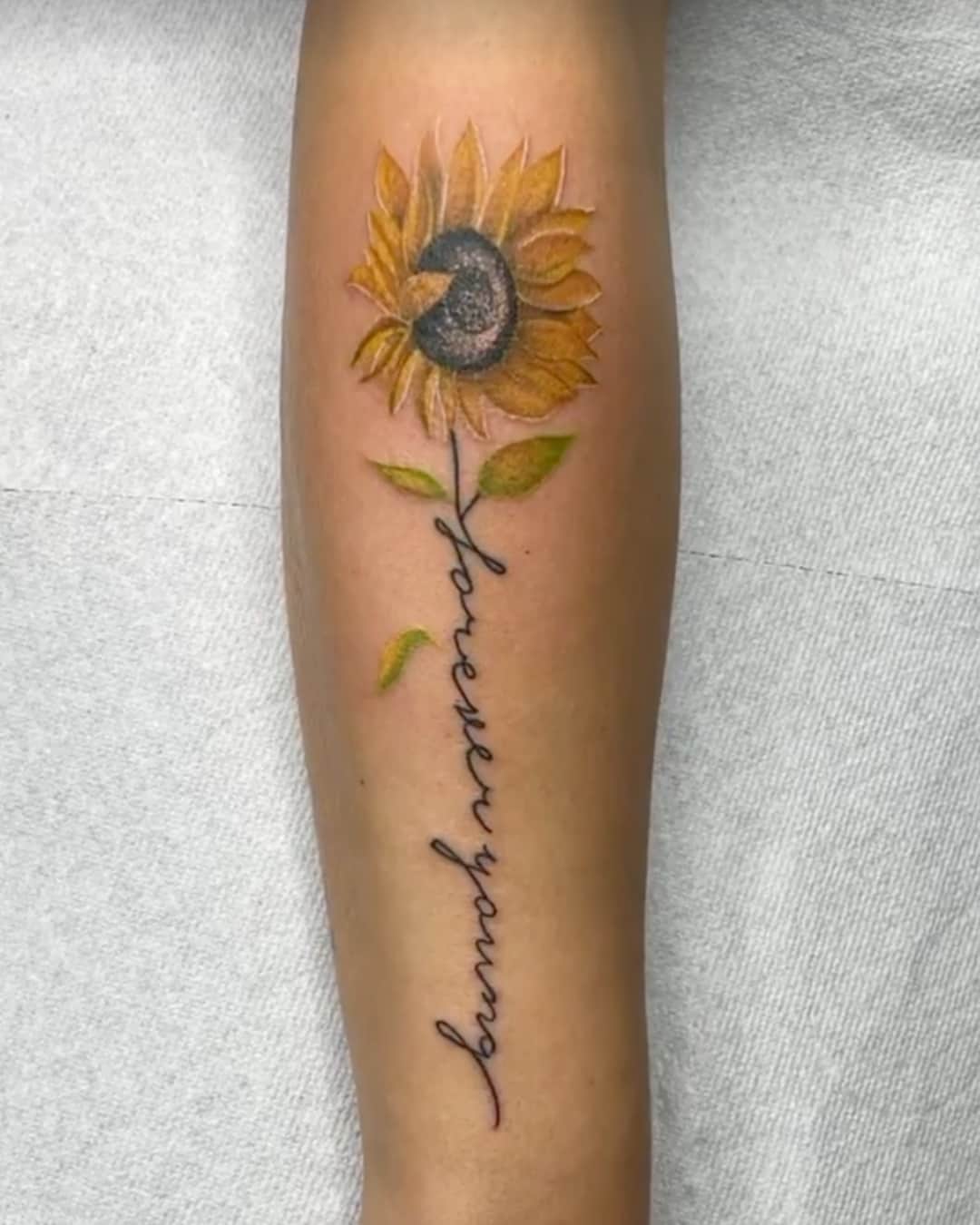
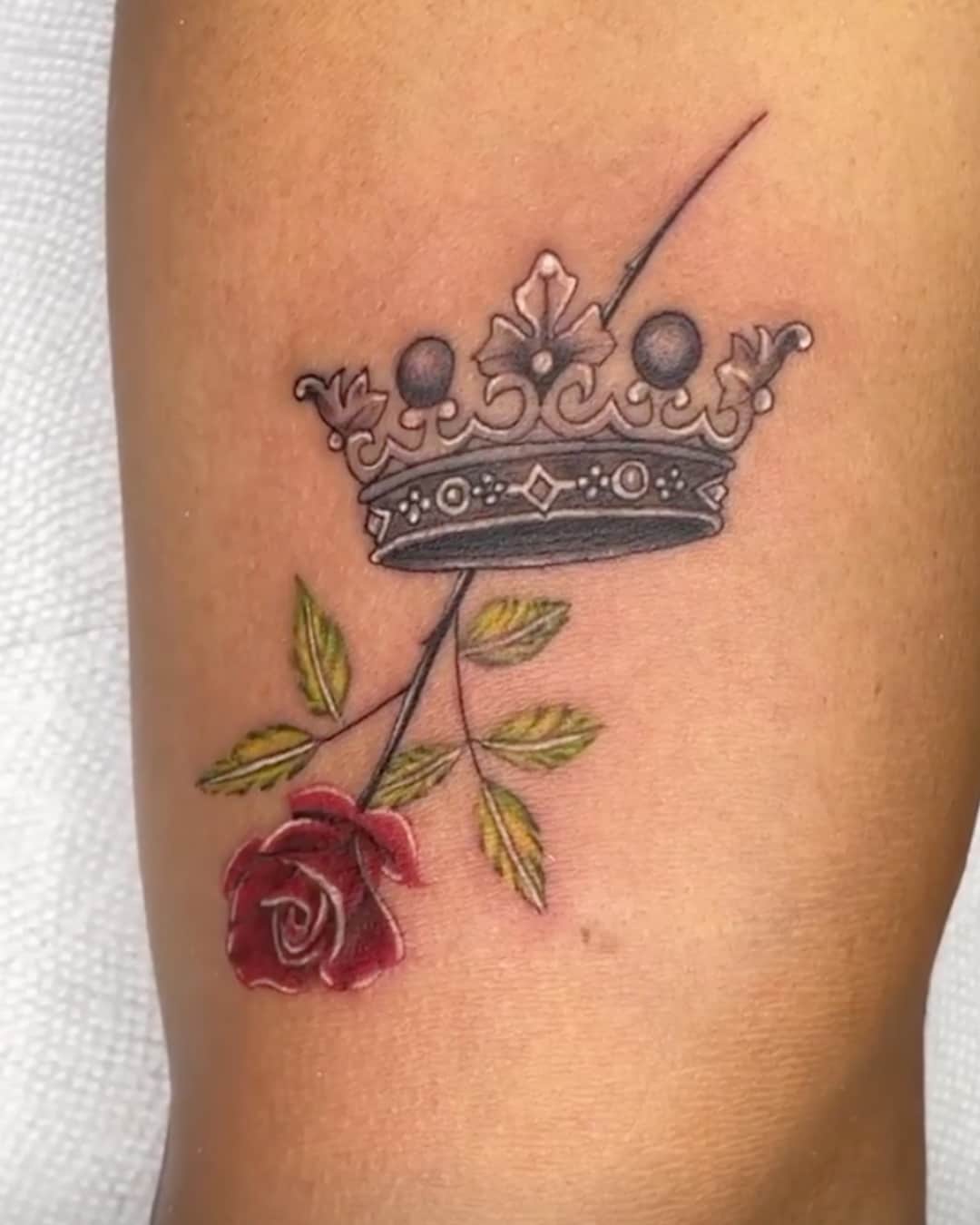
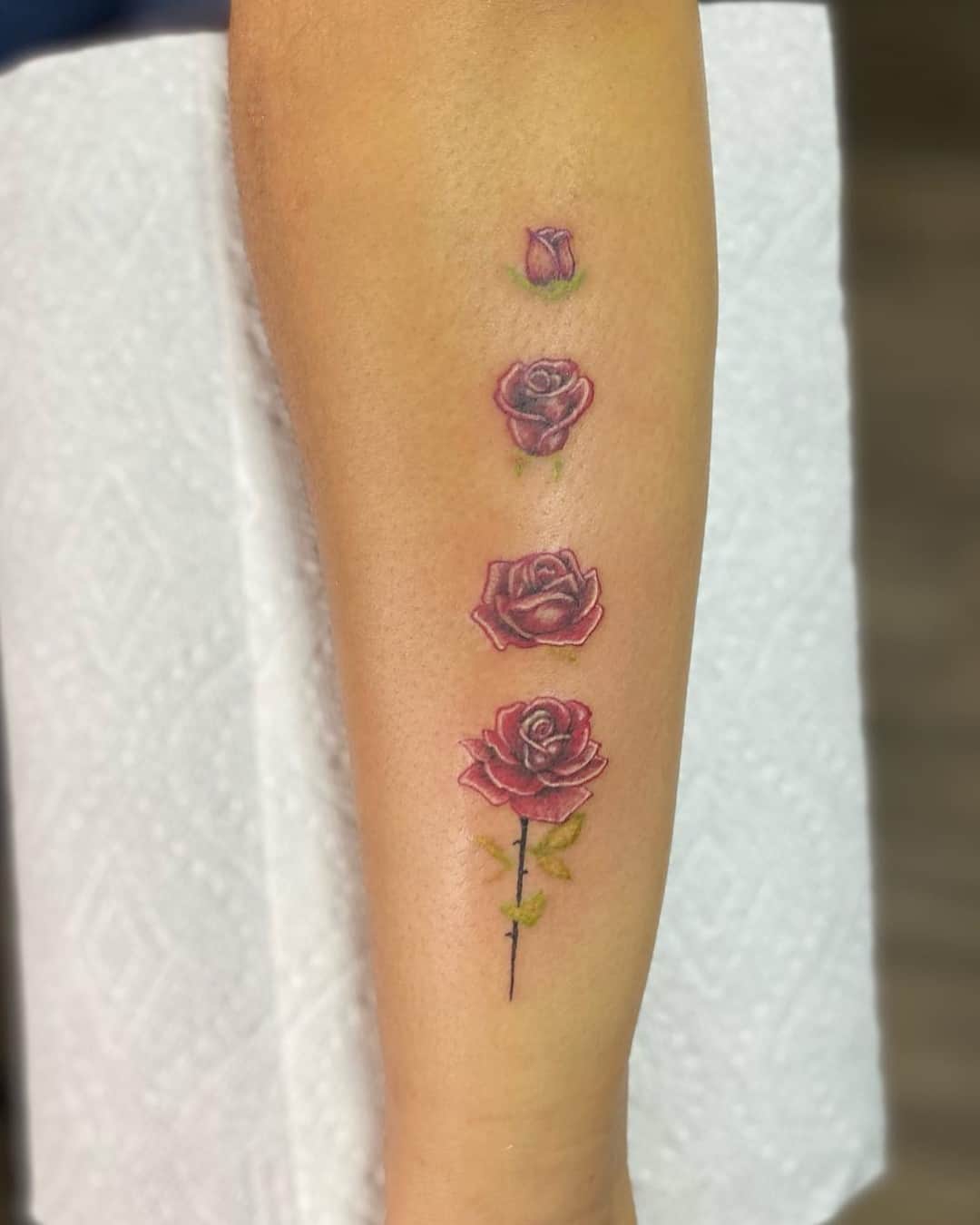
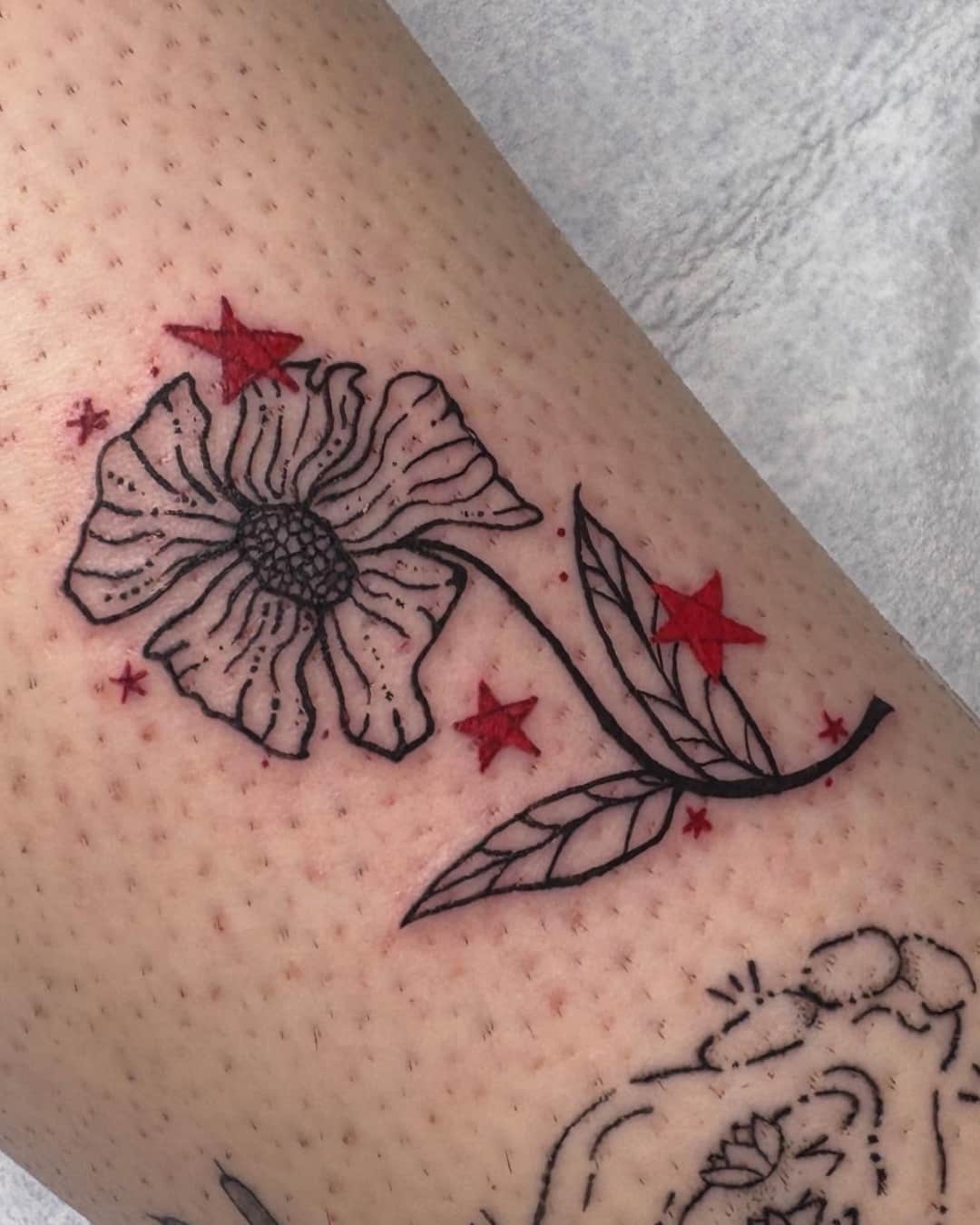
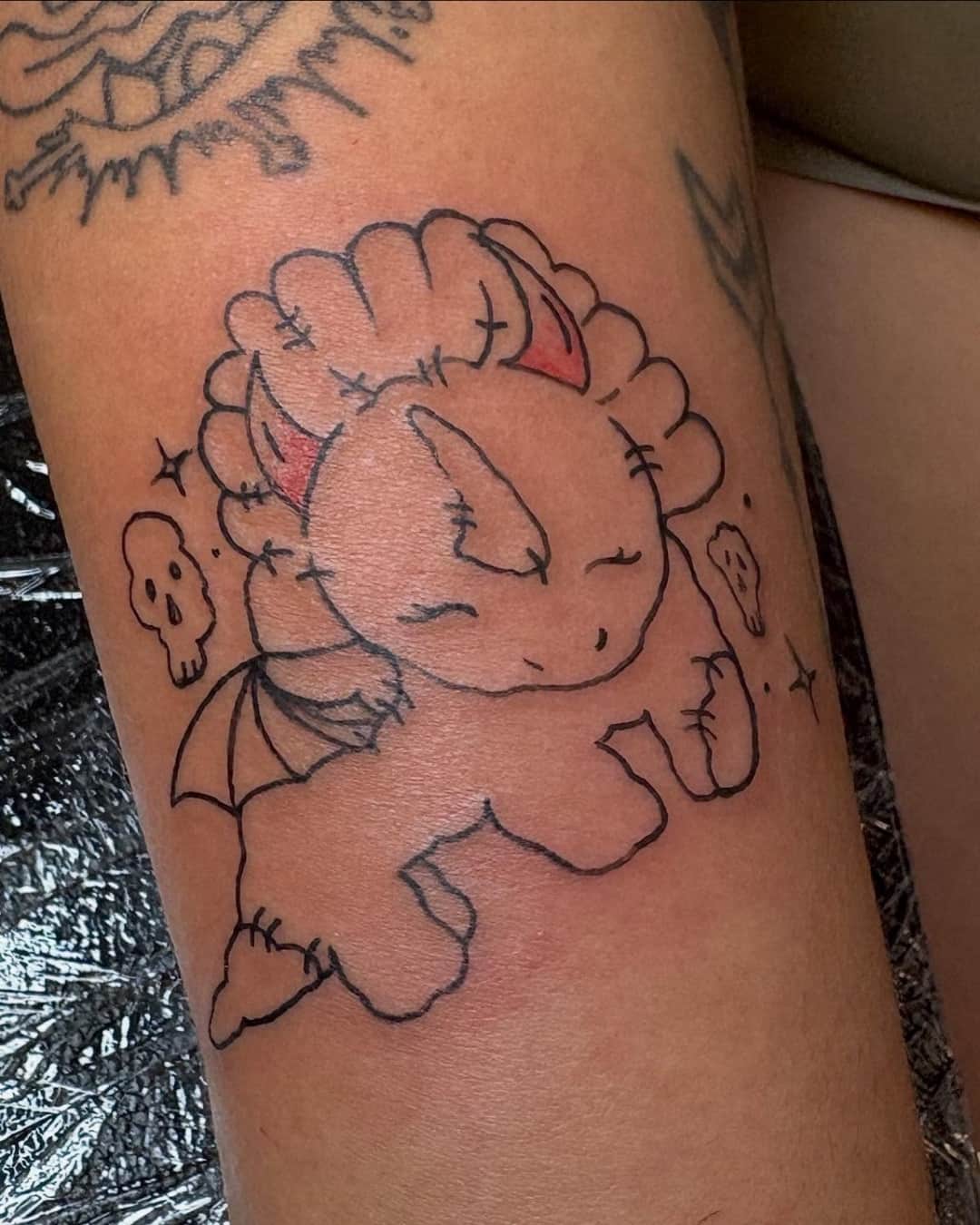
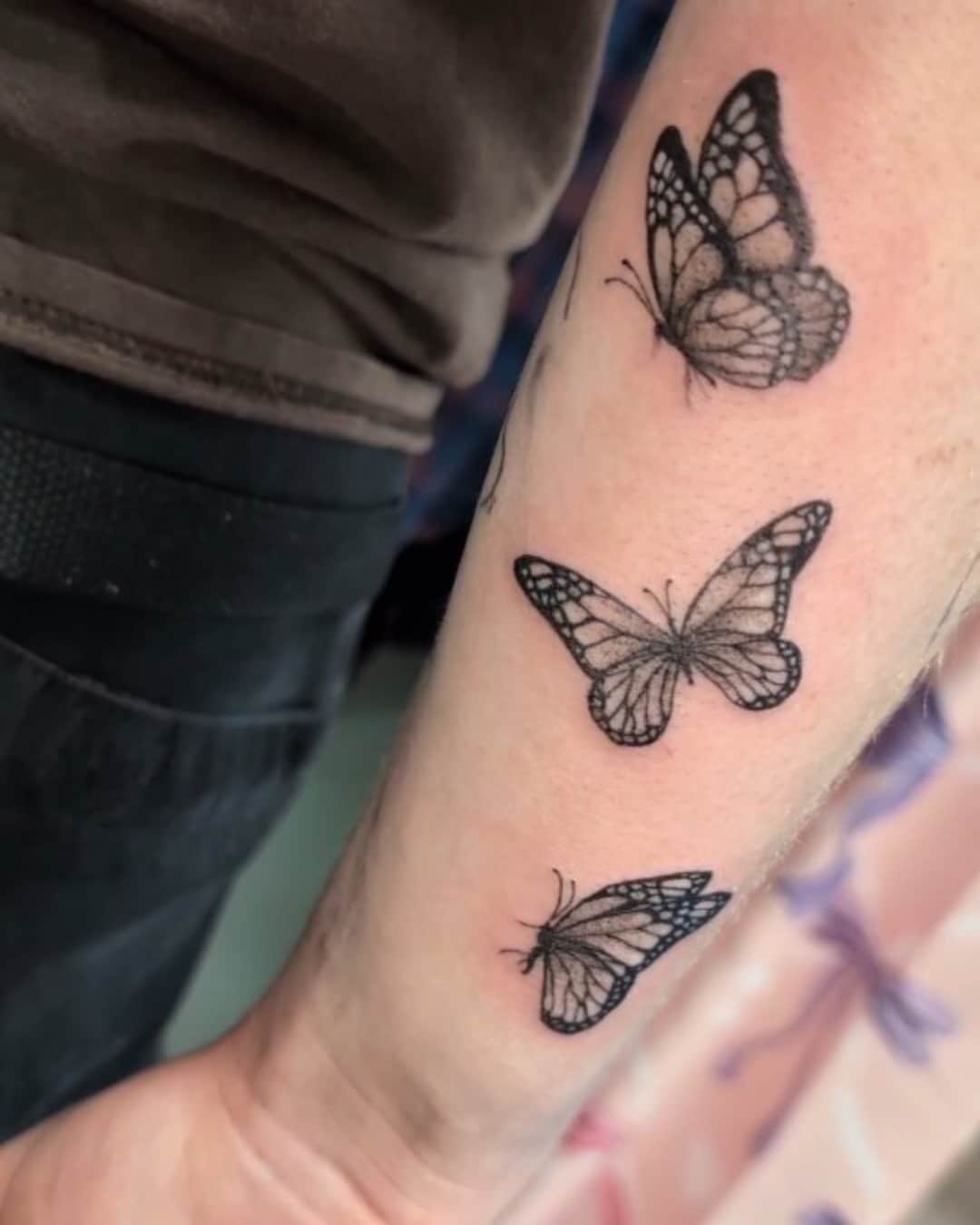
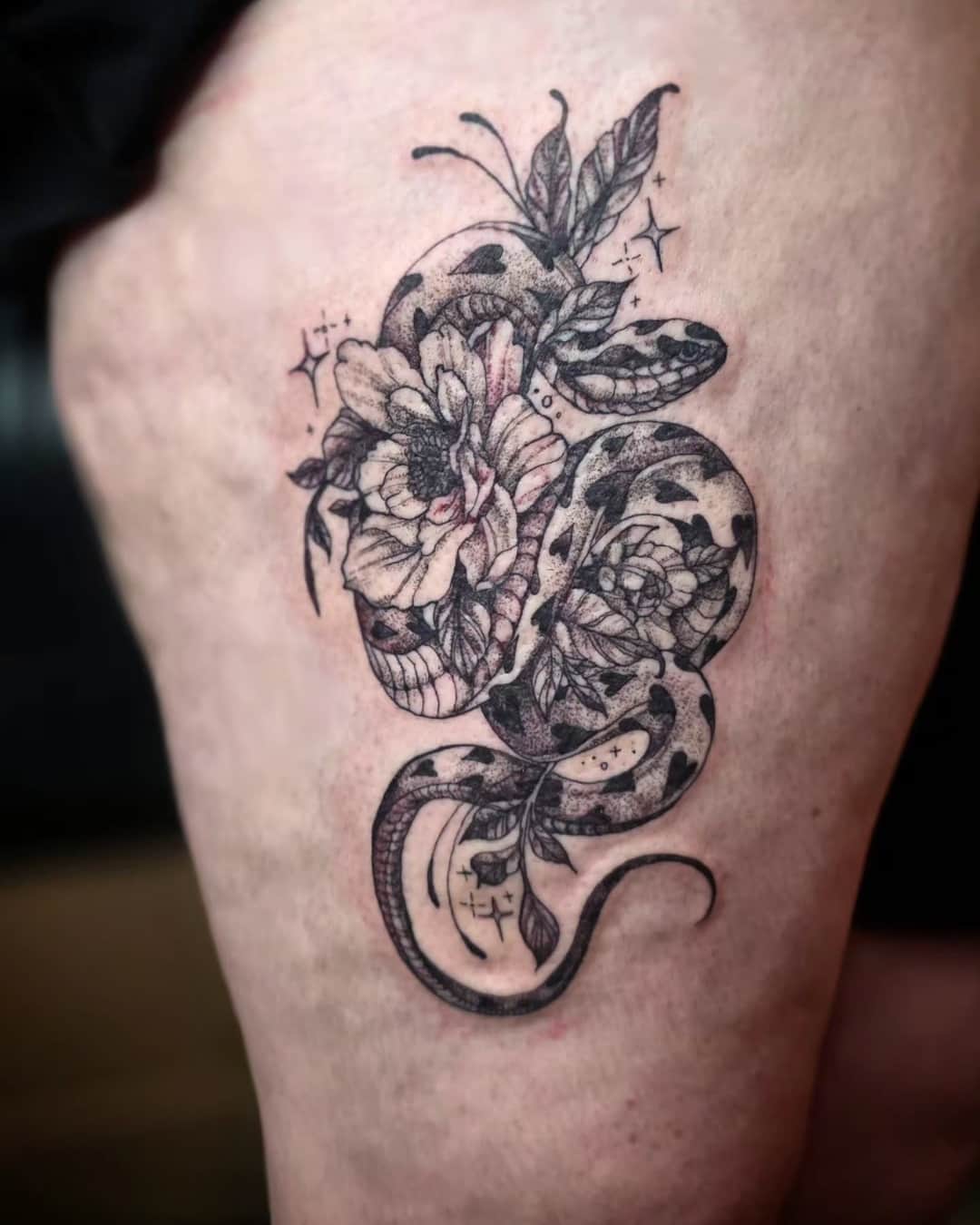
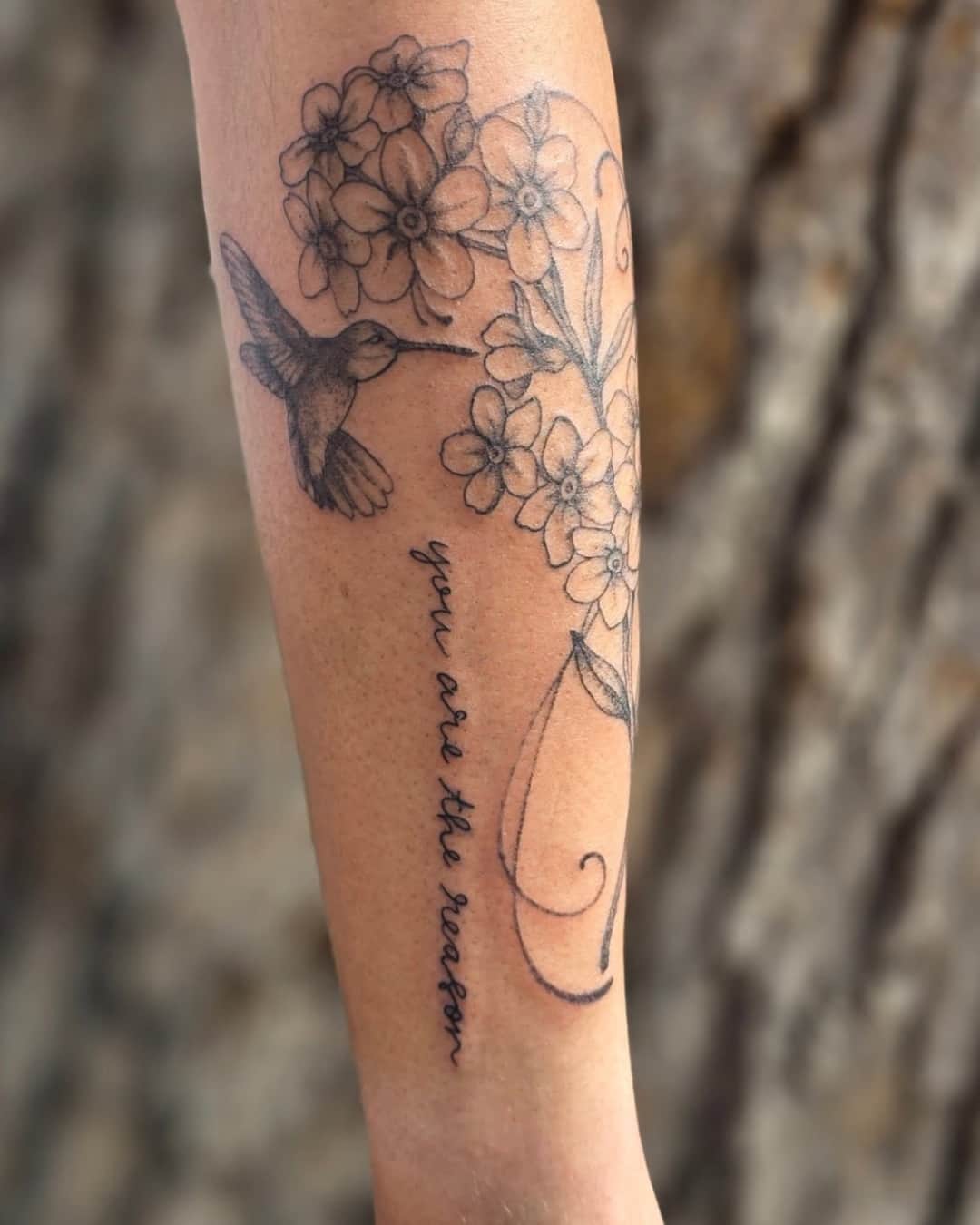
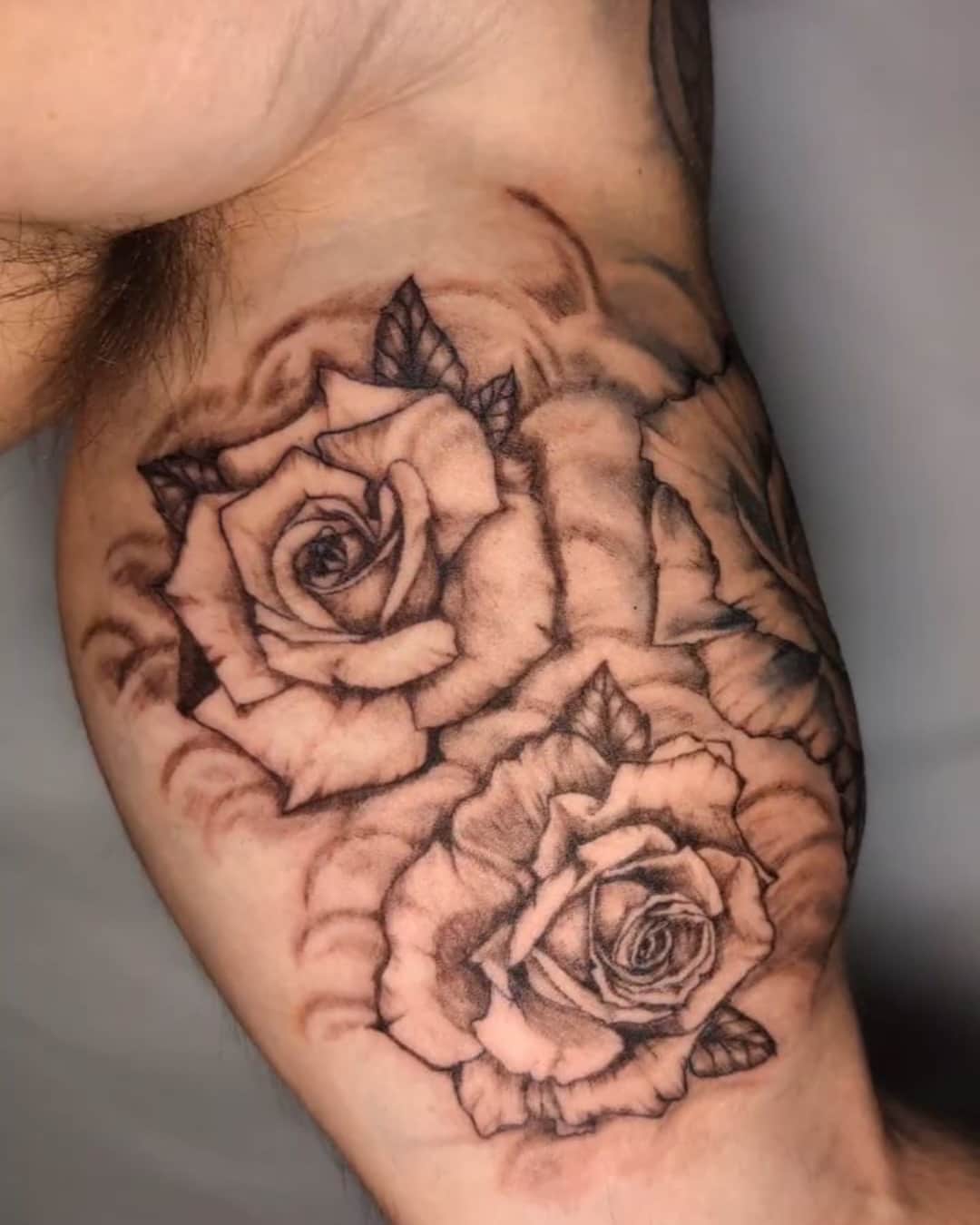
Designs that read by their outline: a rose, a butterfly, a sunflower, an olive branch, an animal silhouette, script. Long floral compositions that run down a forearm or a spine give beautiful results. Stay away from subjects that need fill or heavy shading — they lose their point in line alone. And give the design a couple more inches than you picture: fine line does not take well to being shrunk.