1/5

10 tattoo artists · 1 tattoo studio · 1 tattoo shop
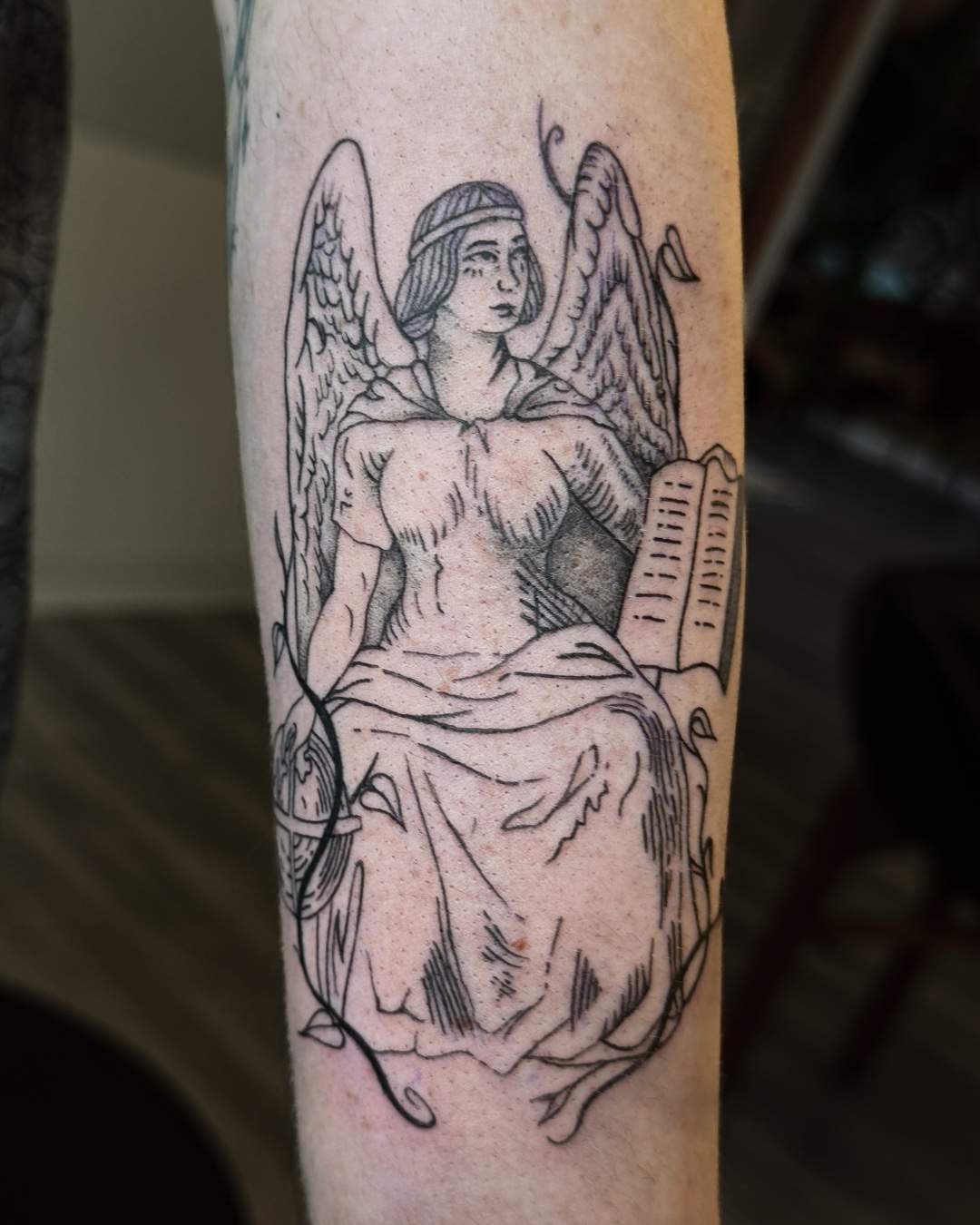
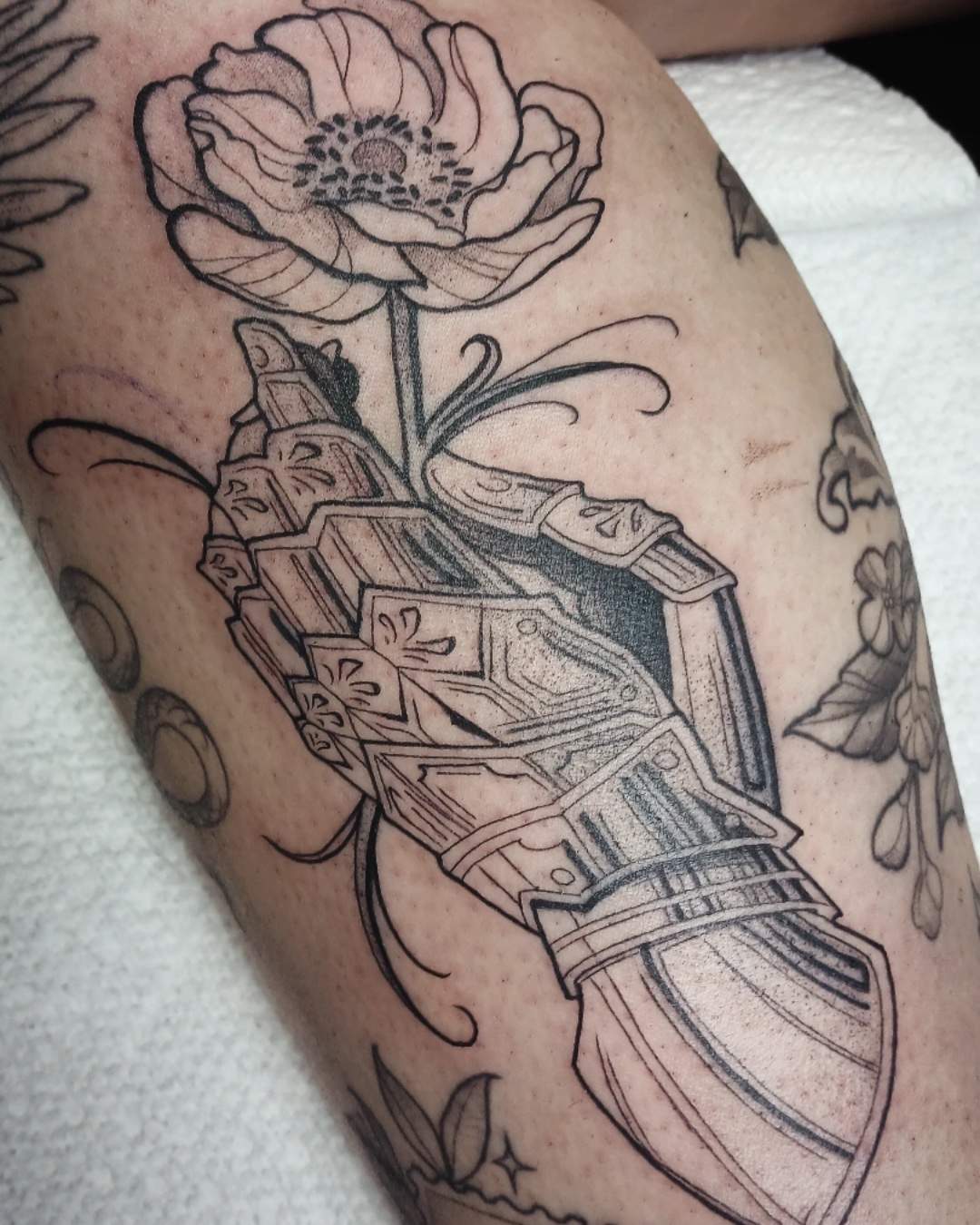
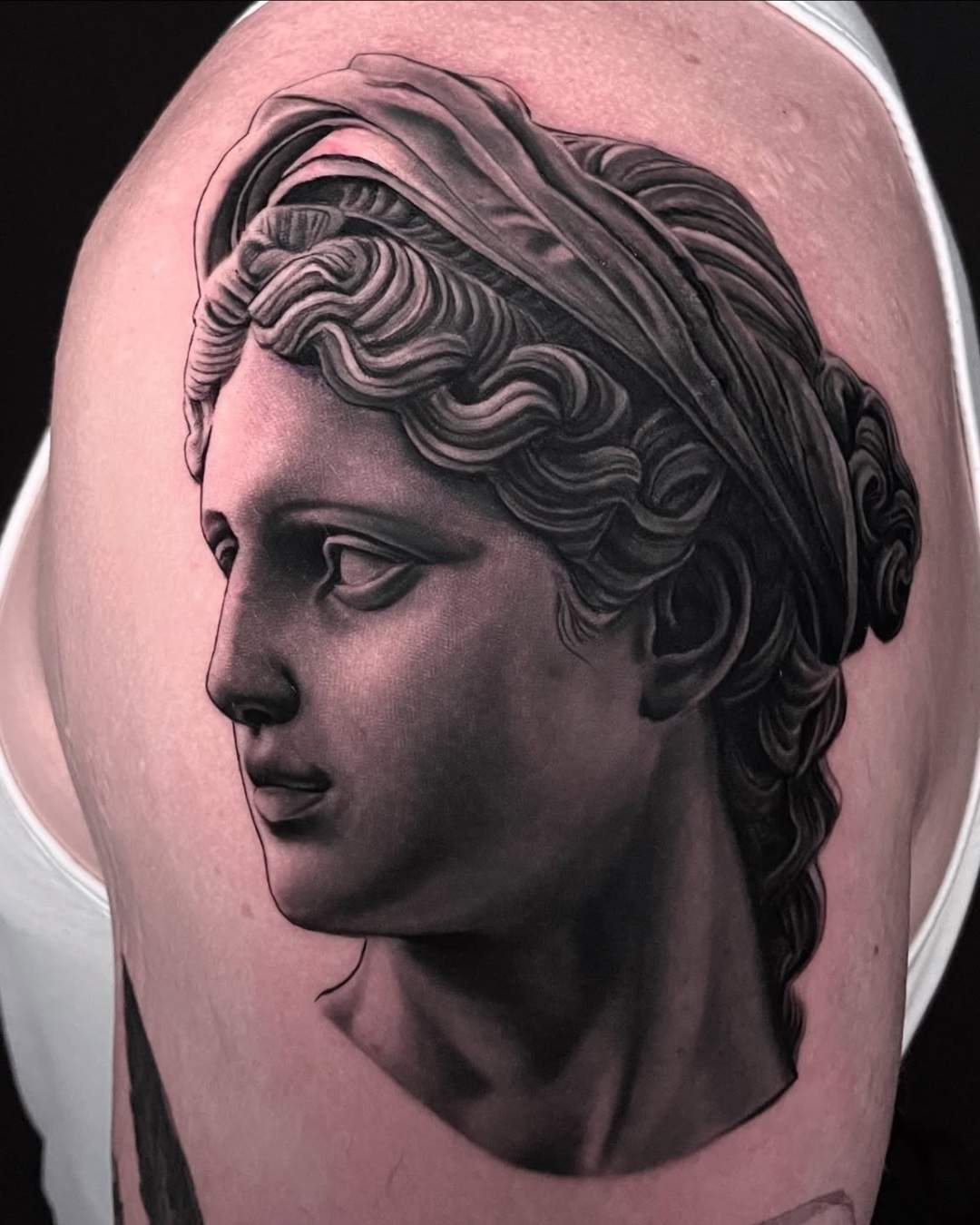
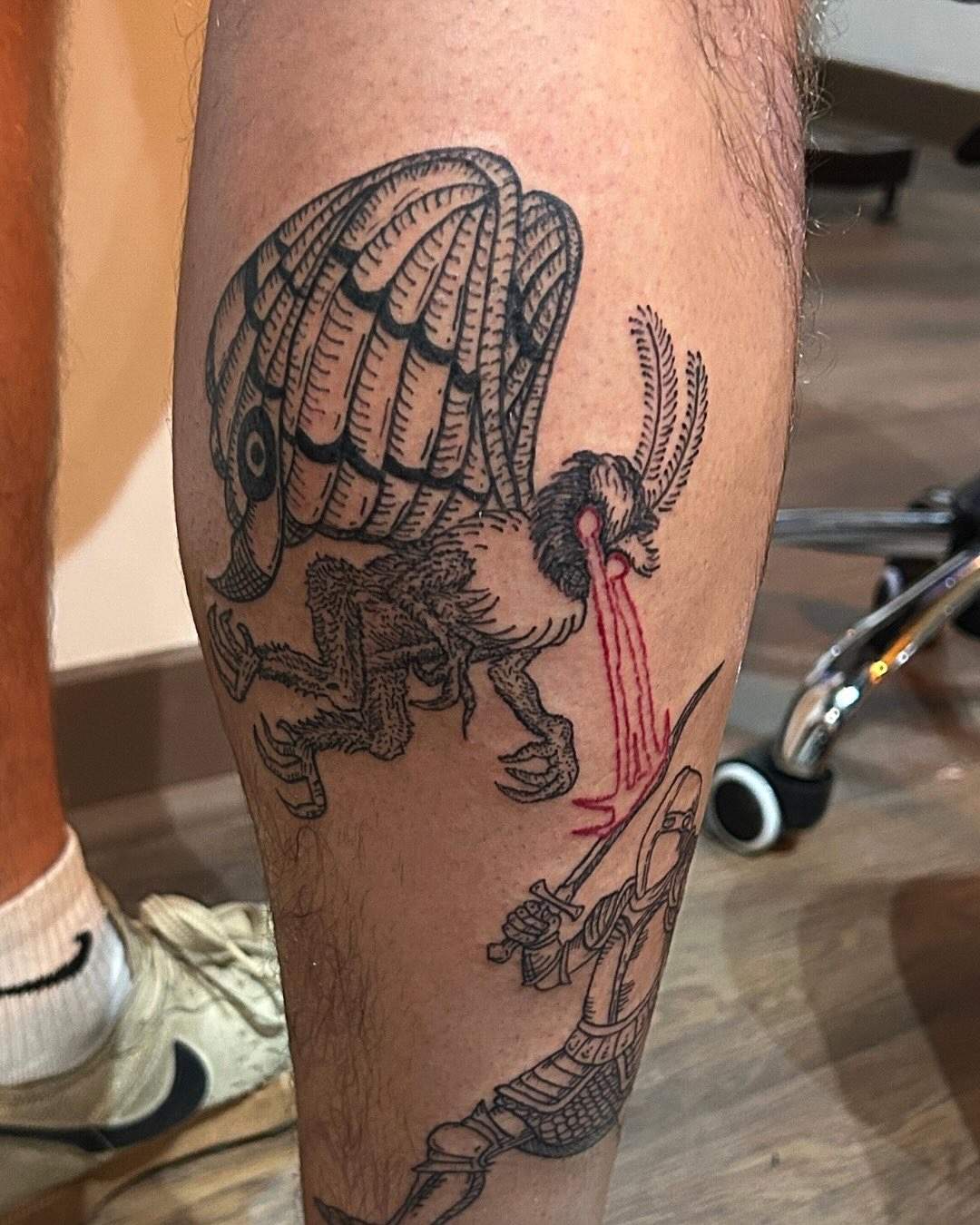
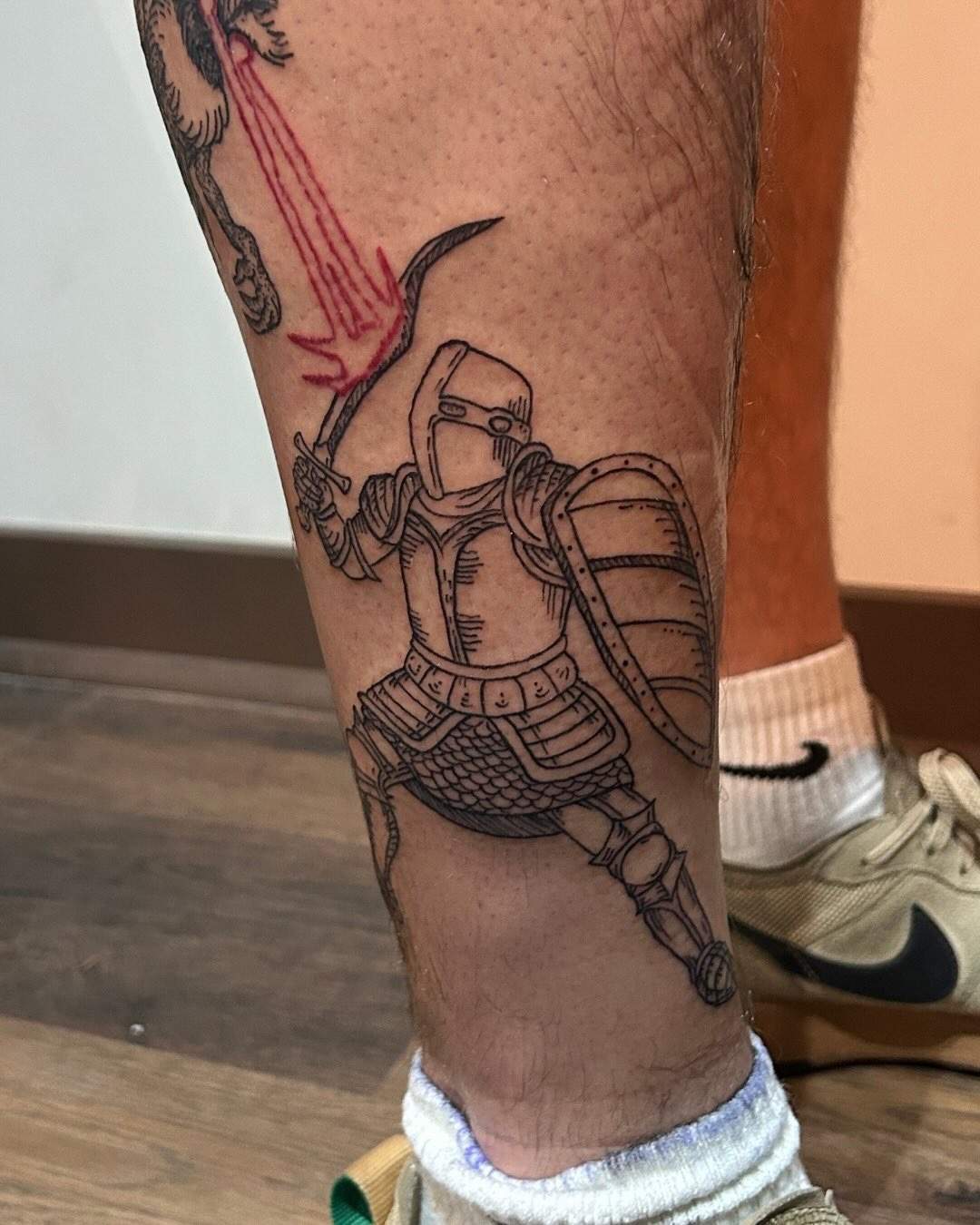
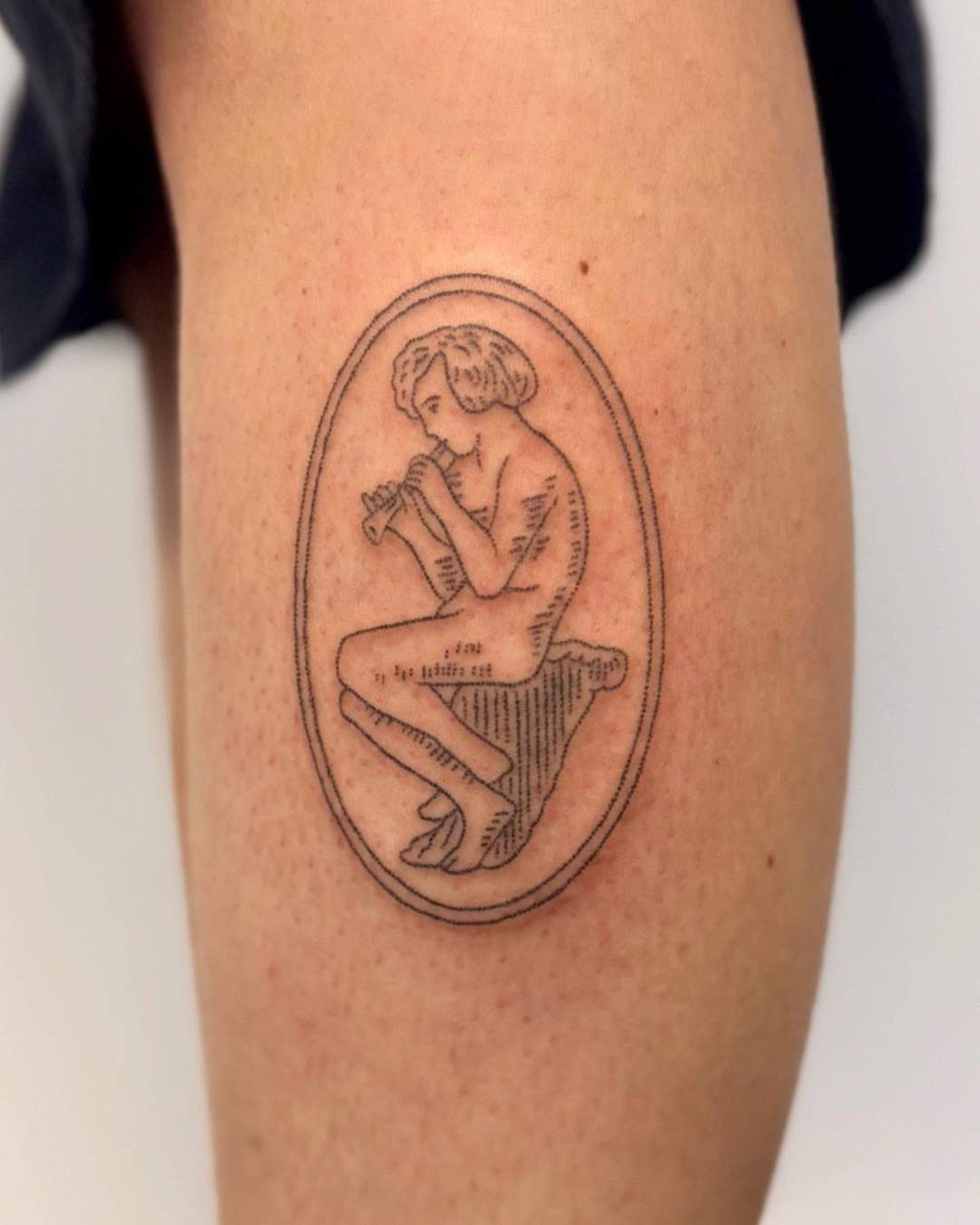
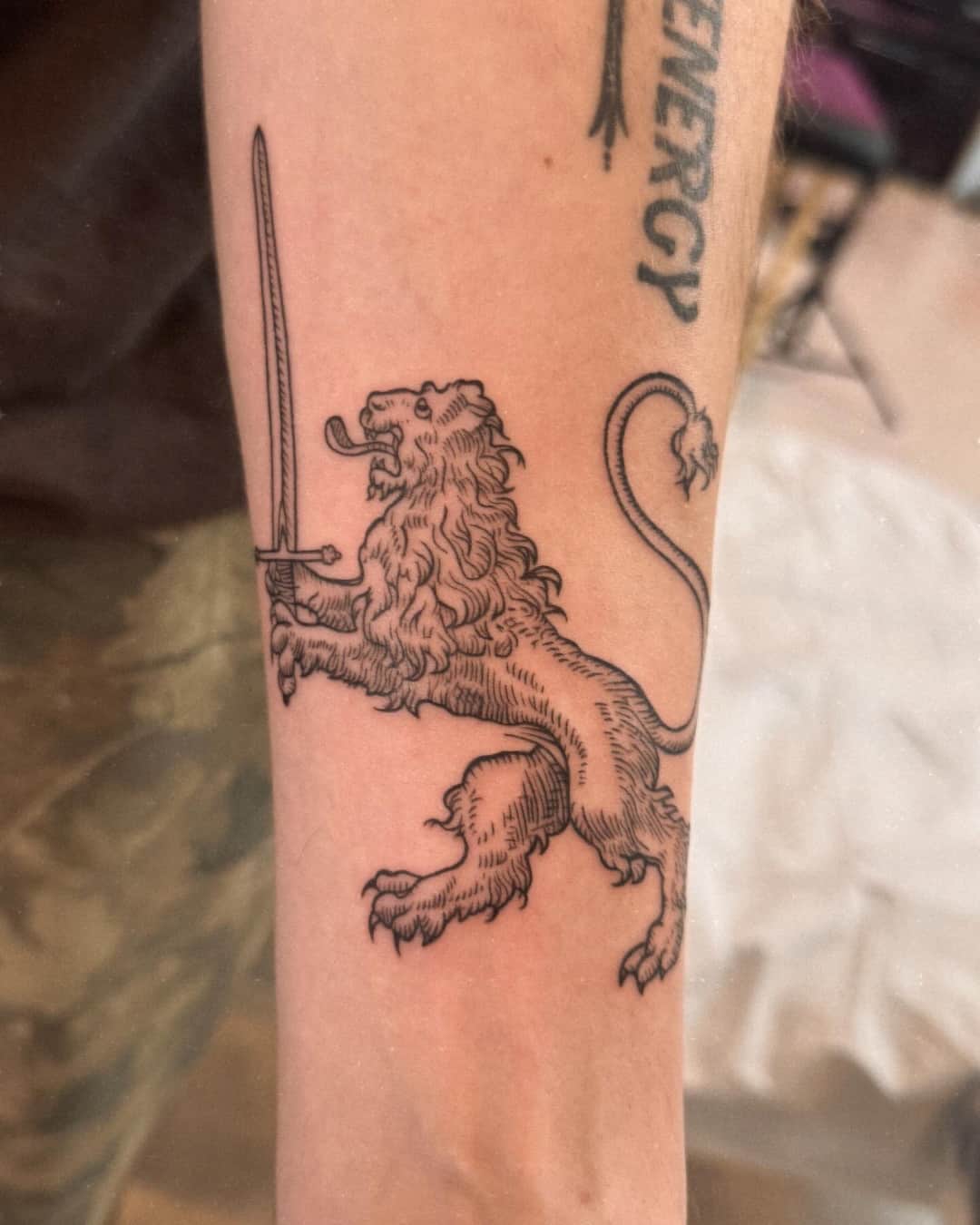
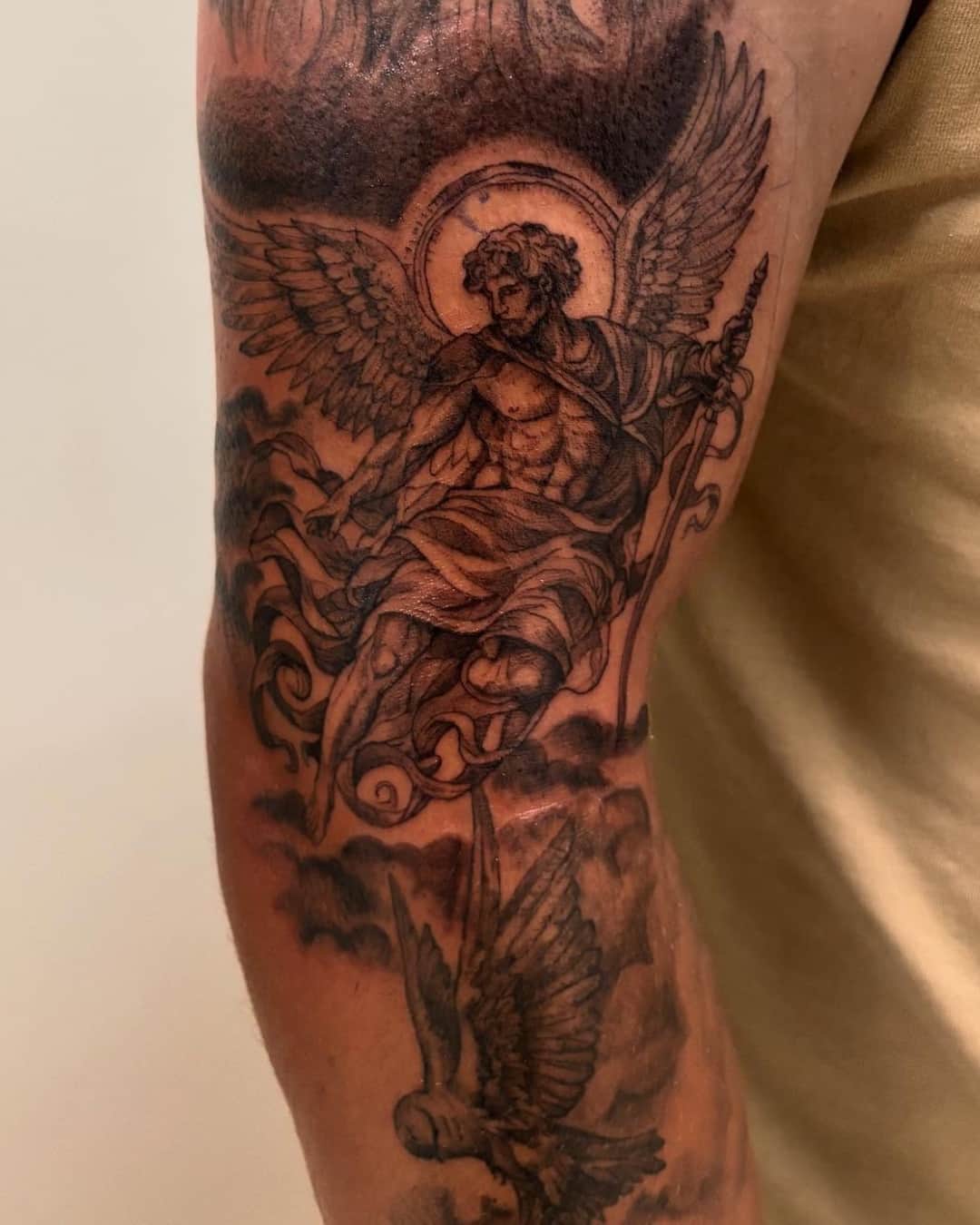
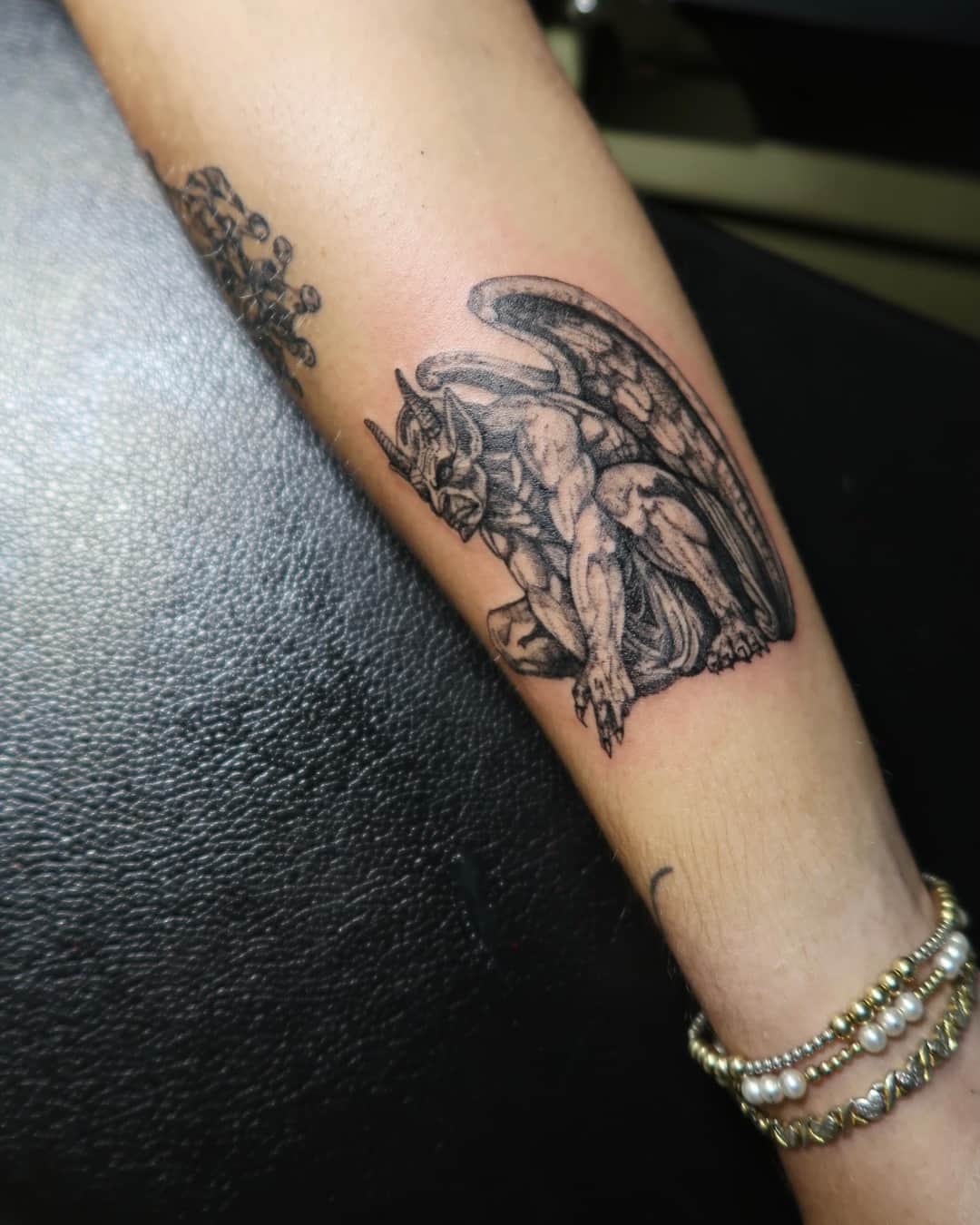
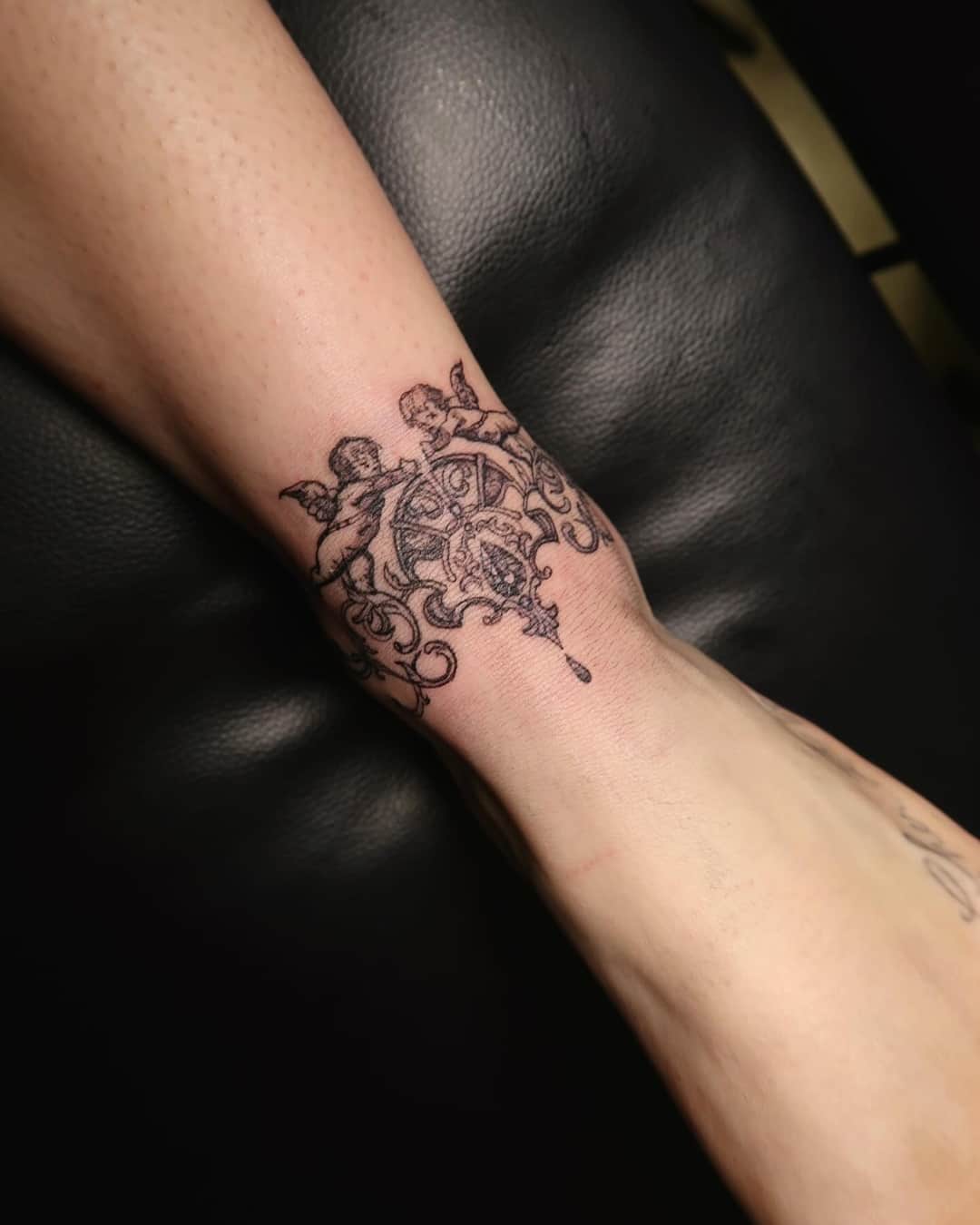
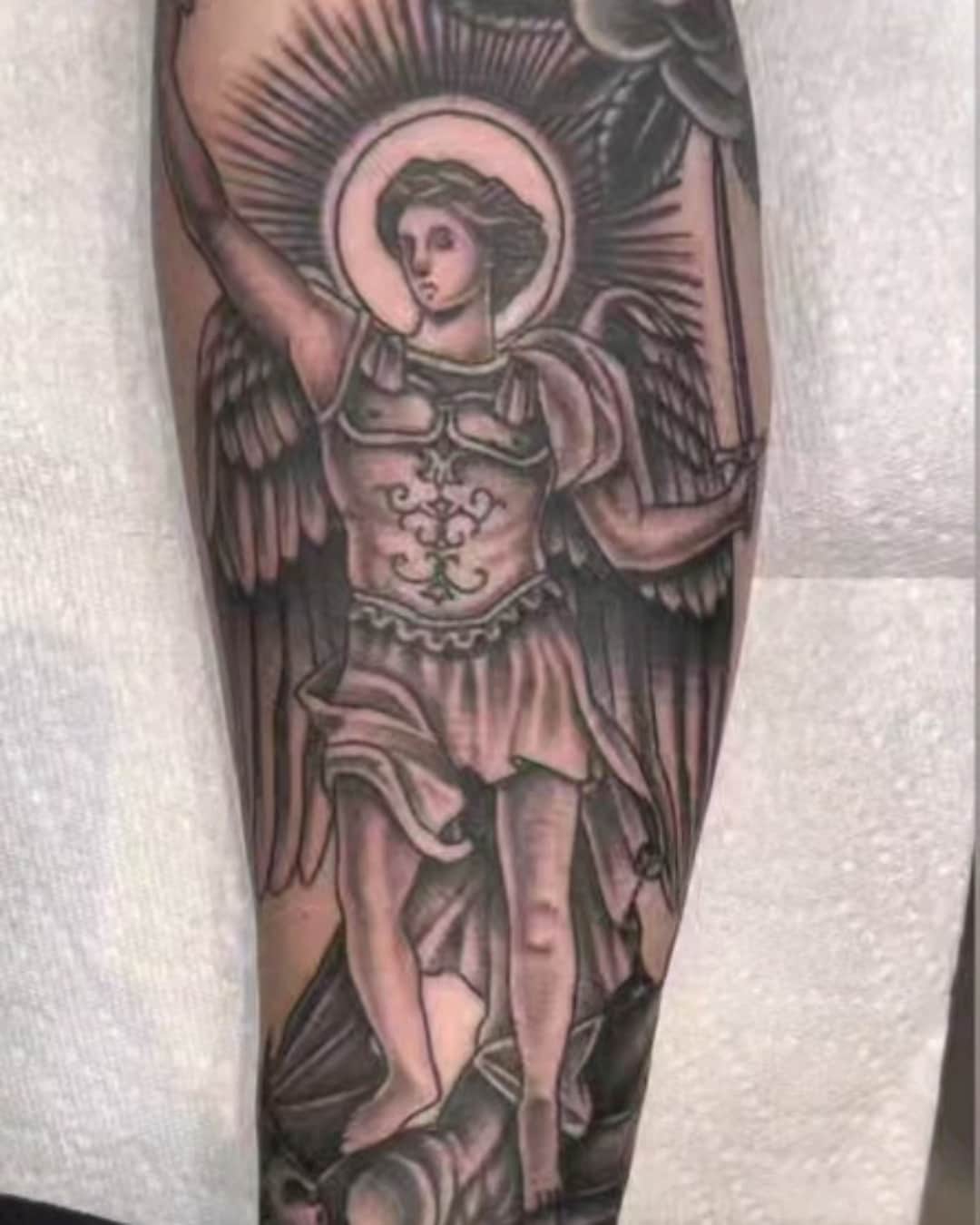
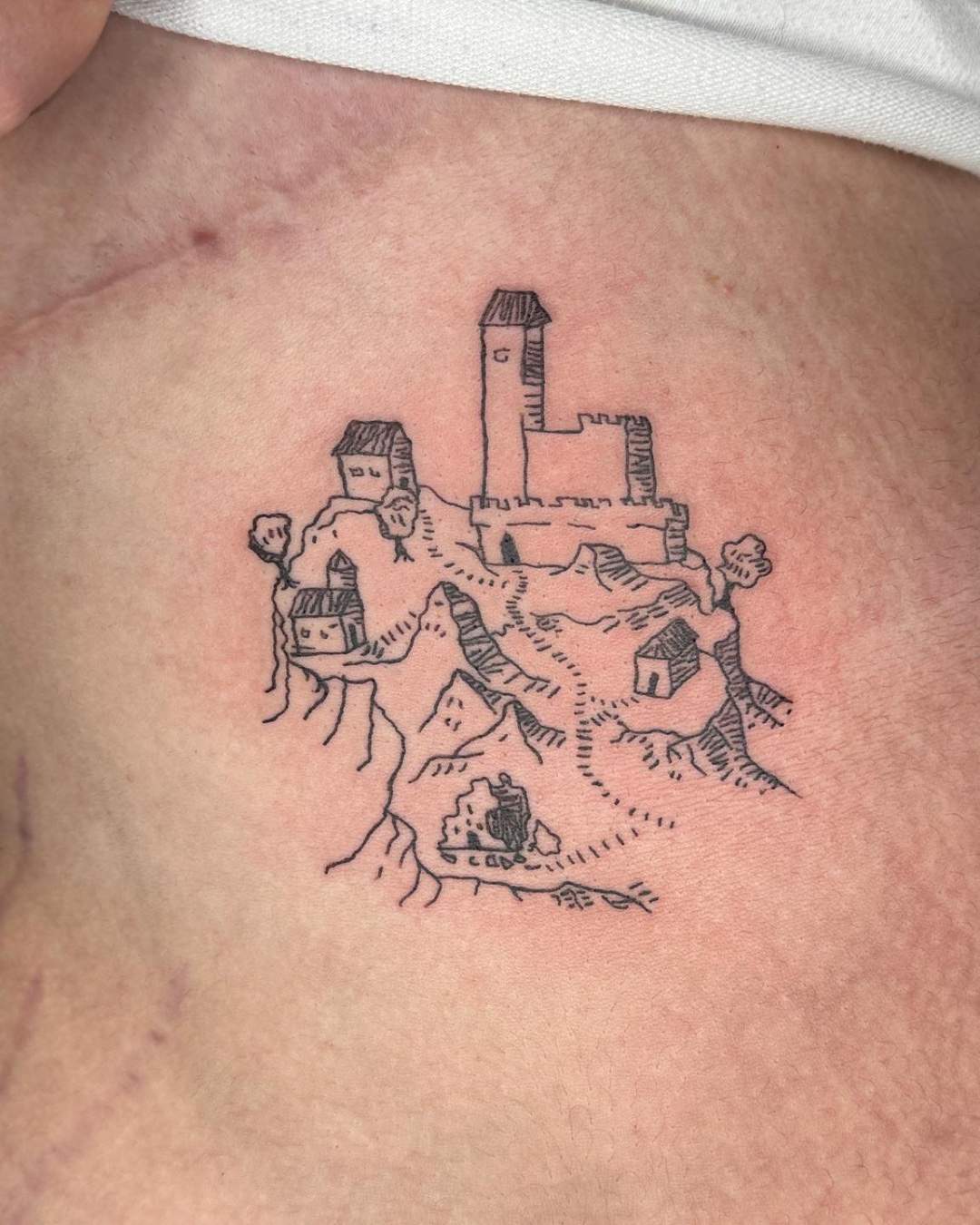
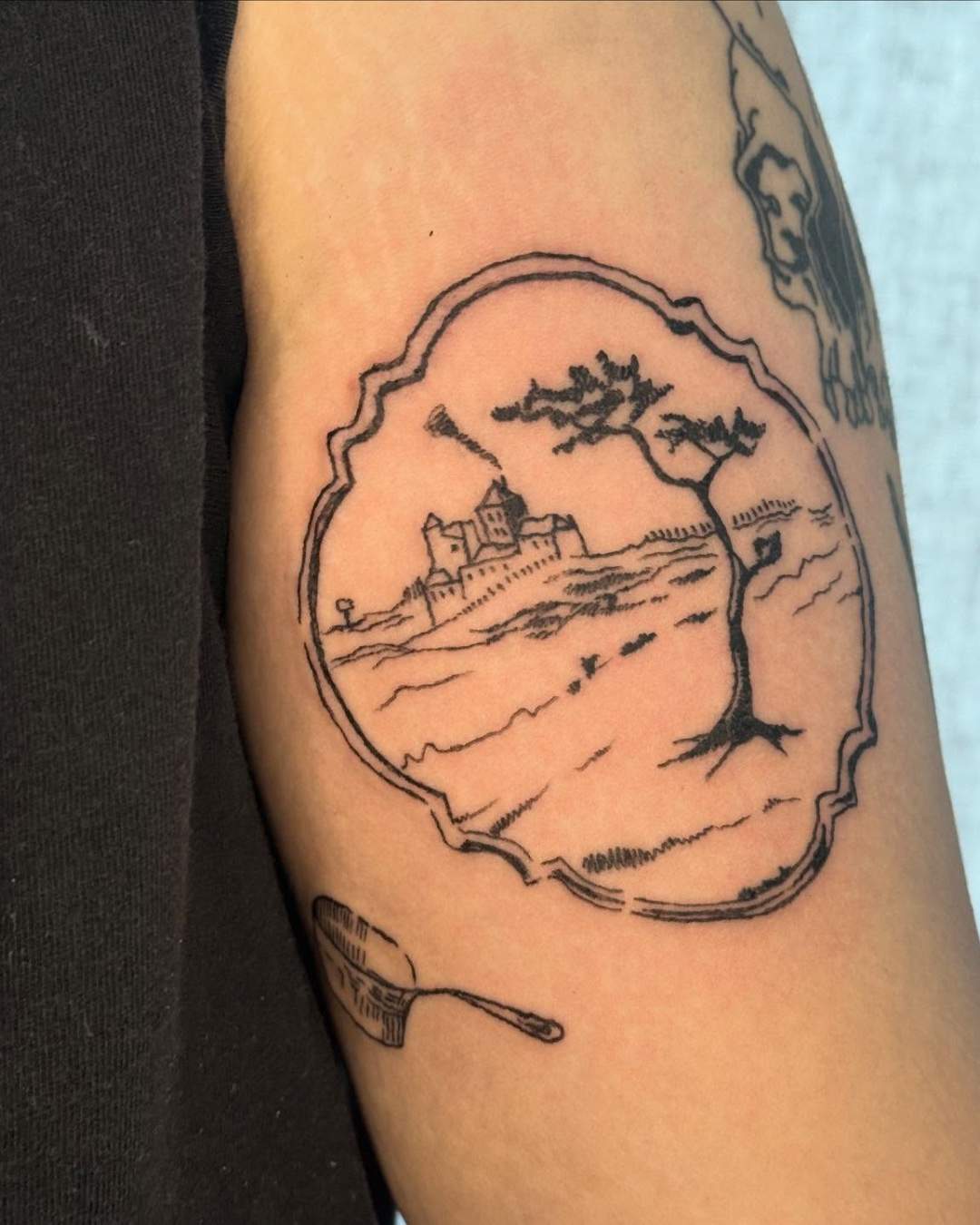
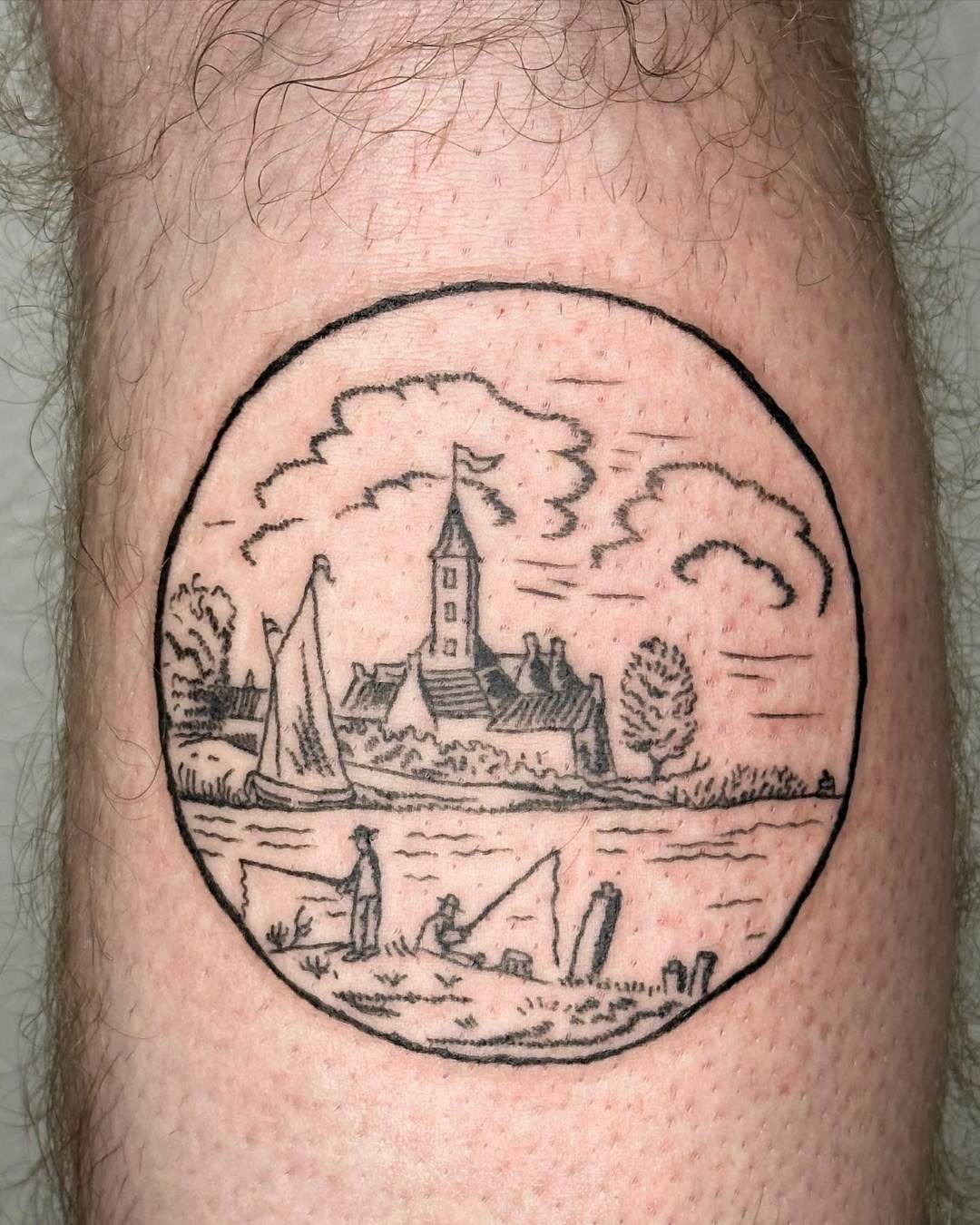
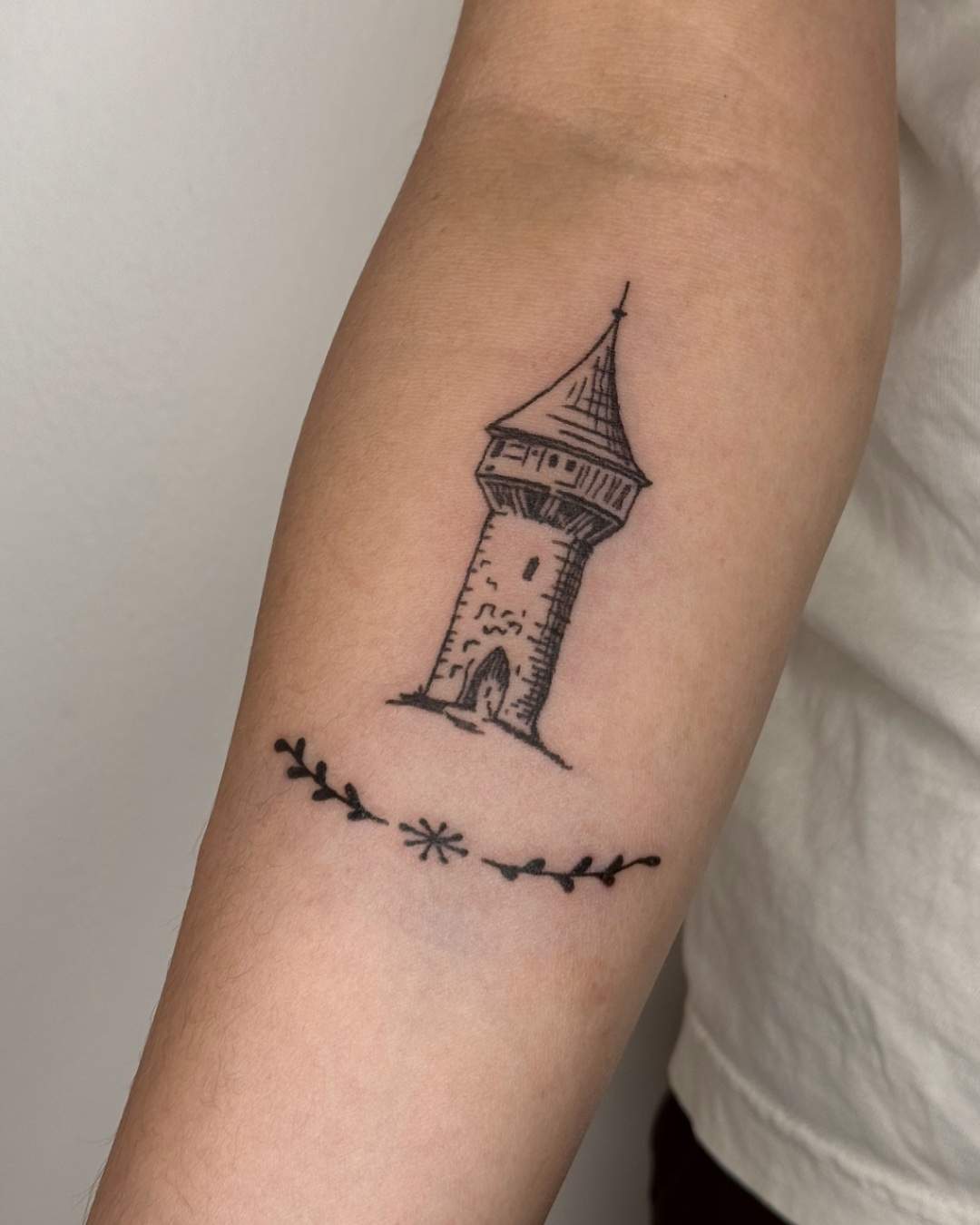
Engraving tattoos look like an old etching or woodcut: parallel and cross-hatching, with volume built from the density of the line.
On YokoFolio, pick the style Engraving and then your city, and widen the radius if the list is short. There's one test, and it's merciless: the spacing of the hatching. In healed photos the strokes should still breathe — if they've run together into grey, they were too tight when they went in. Look at the evenness too: engraving hatching is judged on how constant its spacing stays, from one end of a volume to the other, and on strokes that stay straight and parallel where they should. Then check that each subject still reads from a distance, not only up close. Ask the artist how they adapt an old print to skin, and what size your design needs so its finest hatching stays open over the years.
Old and scientific imagery suits it naturally: skulls, insects, plants, animals, hands, astrolabes, star charts, maps, allegories. The Flammarion engraving — the missionary pushing his head through the vault of the sky — is one of the most requested designs in the style, and it sits well on a thigh or a back. Natural history plates are an obvious source, since they were drawn to be read clearly. Pick a subject whose silhouette reads from a distance: the hatching gives the relief, it doesn't hold the drawing up on its own. If you bring a reference from an old book, expect the artist to redraw it rather than copy it line for line: the hatching has to be spaced for skin, not for paper.
The strokes spread over the years, and the tightest hatching ends up running together: an area of shadow built from very close strokes turns into flat grey, and the volume flattens. That's the one real risk in this style. So an experienced artist spaces the hatching more than seems necessary — a fresh engraving piece should look slightly too light. Size works the same way: the bigger the design, the more room each stroke has, which is why small engraving pieces lose their detail first. Areas that rub or see a lot of sun blur and fade the hatching faster. Drawn properly and given enough room, it keeps its relief for a very long time; healed photos a few years old will show you how an artist's spacing holds.
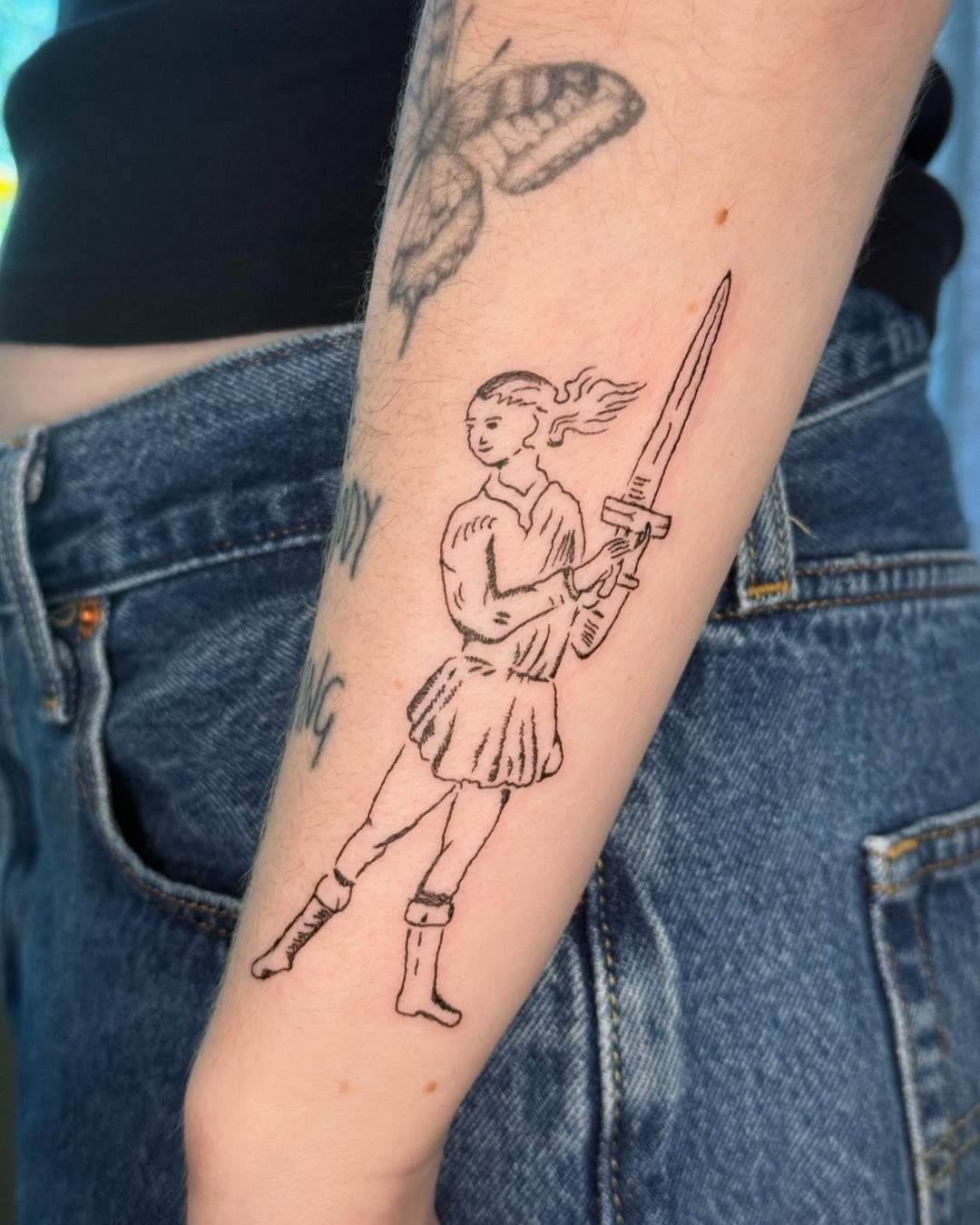
Illustrative is outlined and shaded however the artist likes — smooth grey, stippling, color, some hatching — with the feel of a book illustration; Engraving builds every tone from lines alone, parallel and crossed, with no smooth grey, and looks like a print pulled from an old plate. Sketch also uses hatching, but loose and quick, crossing at free angles, with construction lines left in view and edges left unfinished; Engraving's hatching is ordered, evenly spaced and finished from edge to edge. In other words, Sketch shows the drawing being made, and Engraving shows the plate after the engraver's last stroke. If every shadow is made of regular parallel or crossed lines, like an old print, it's Engraving.