Filters

9 tattoo artists · 1 tattoo shop
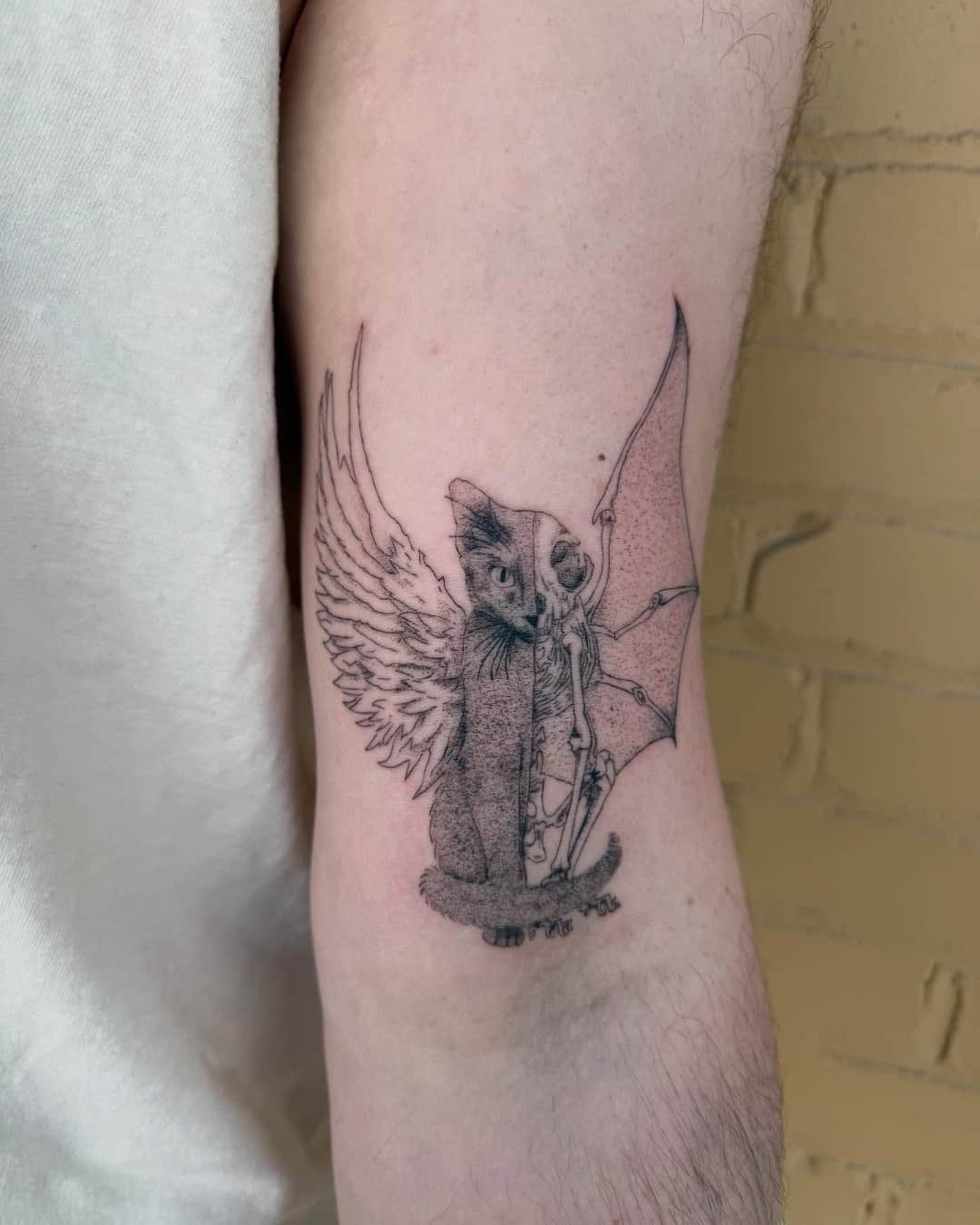
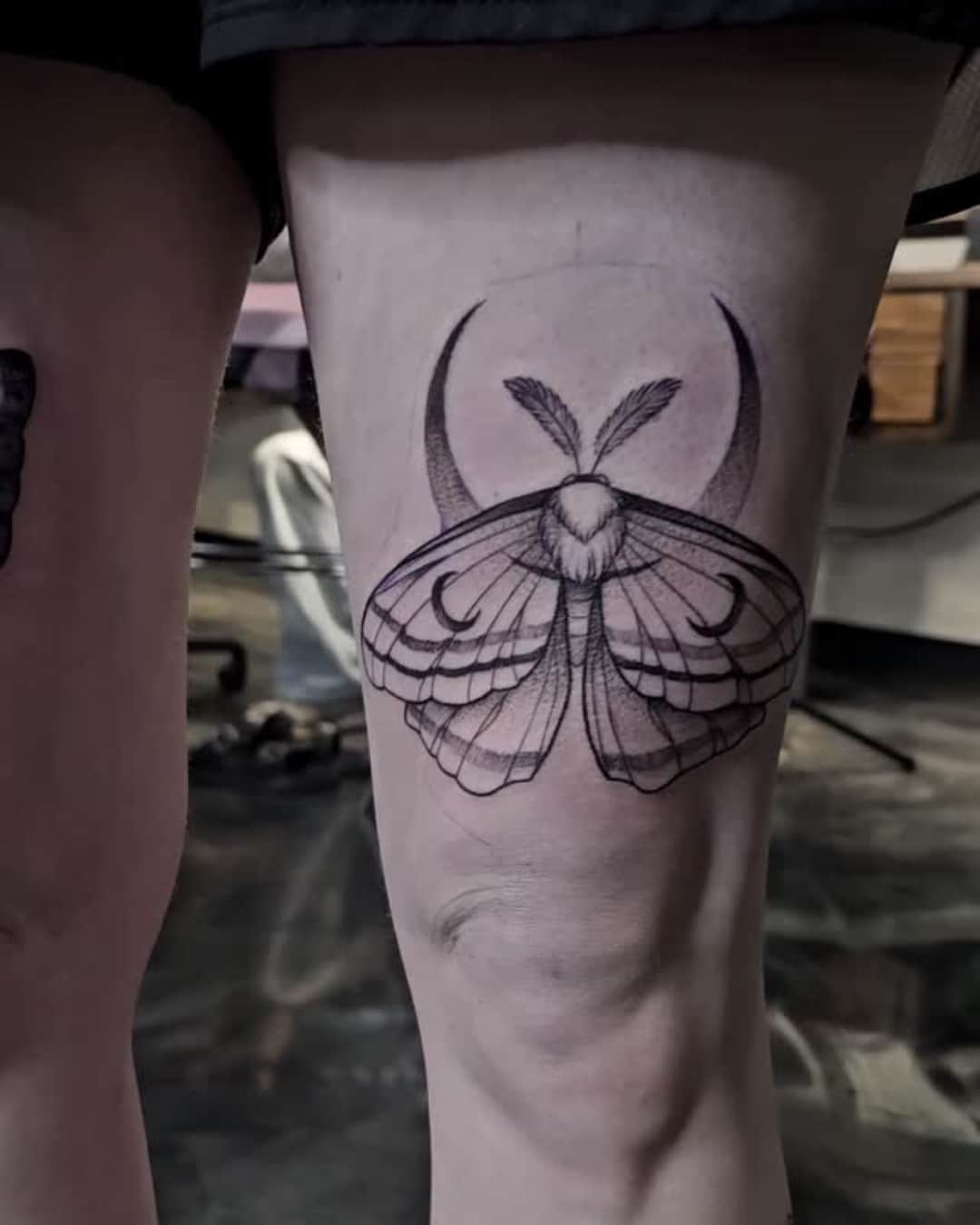
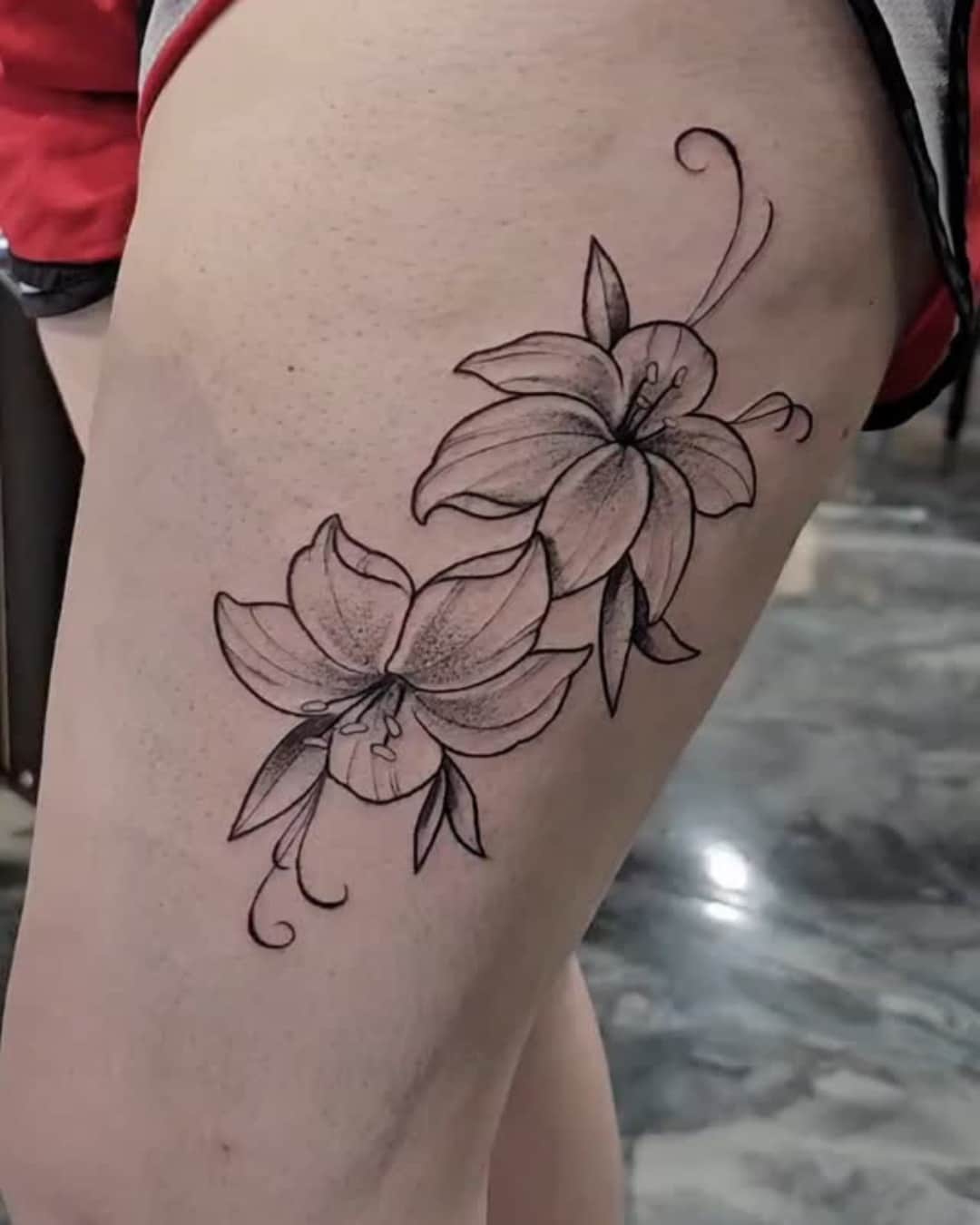
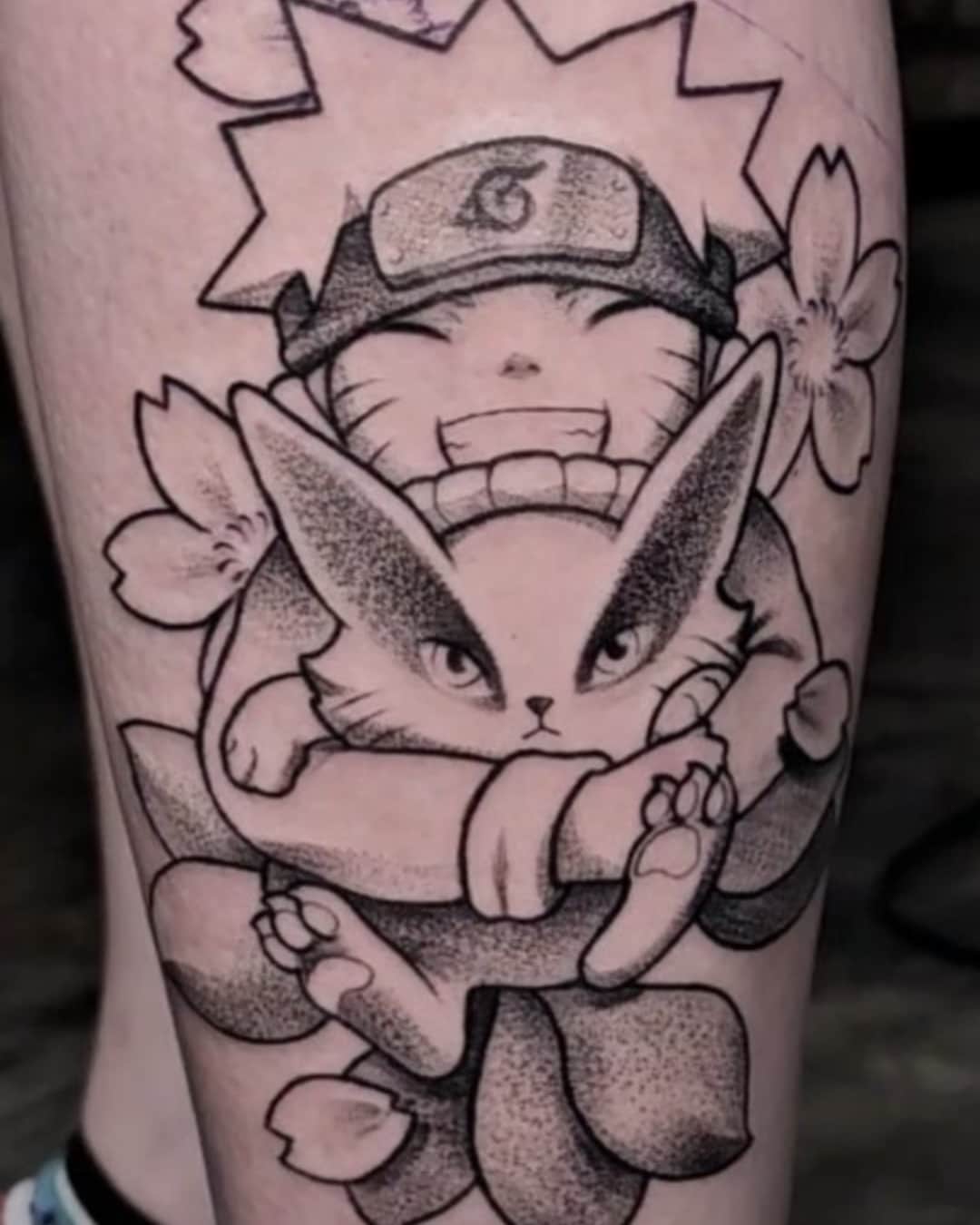
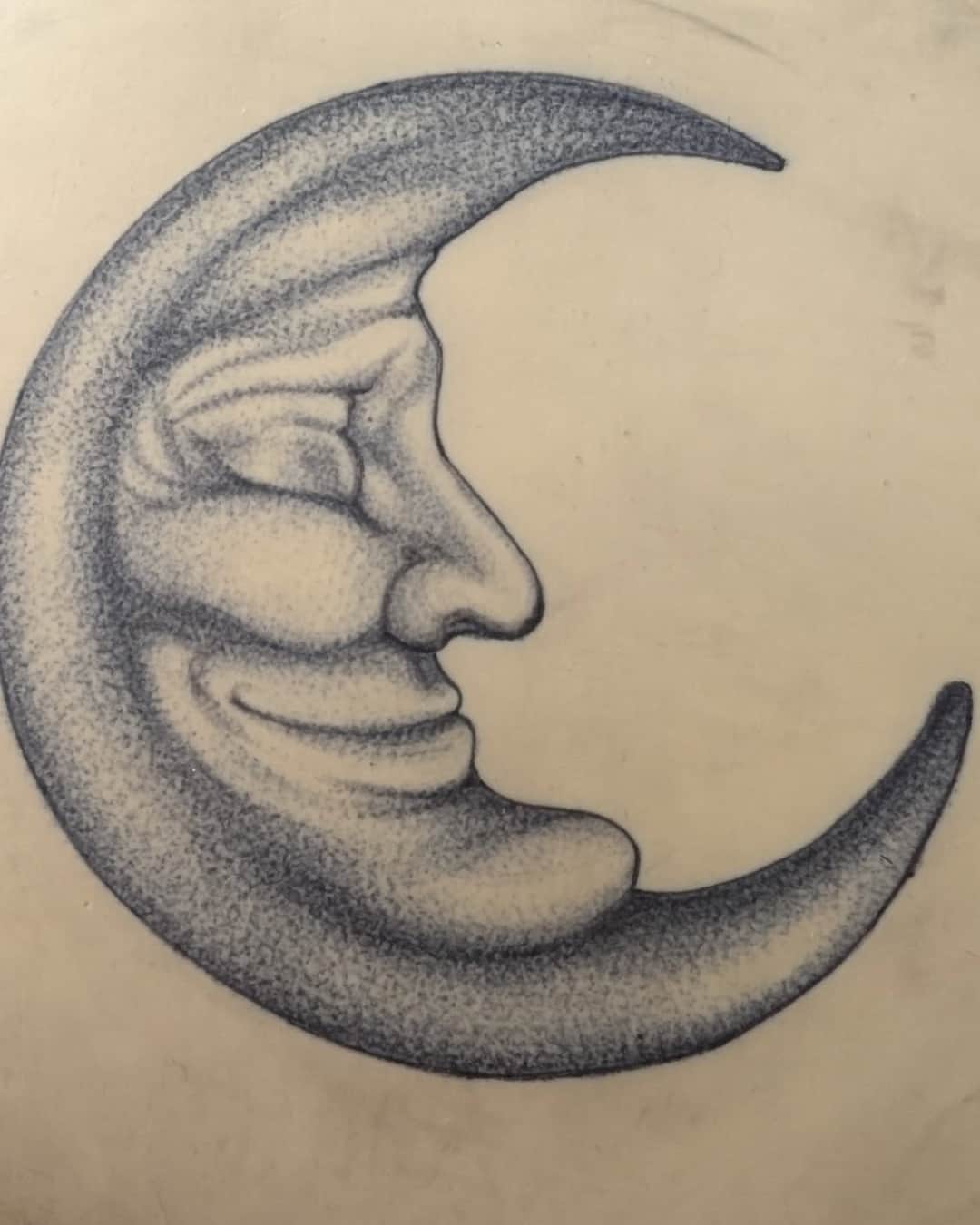
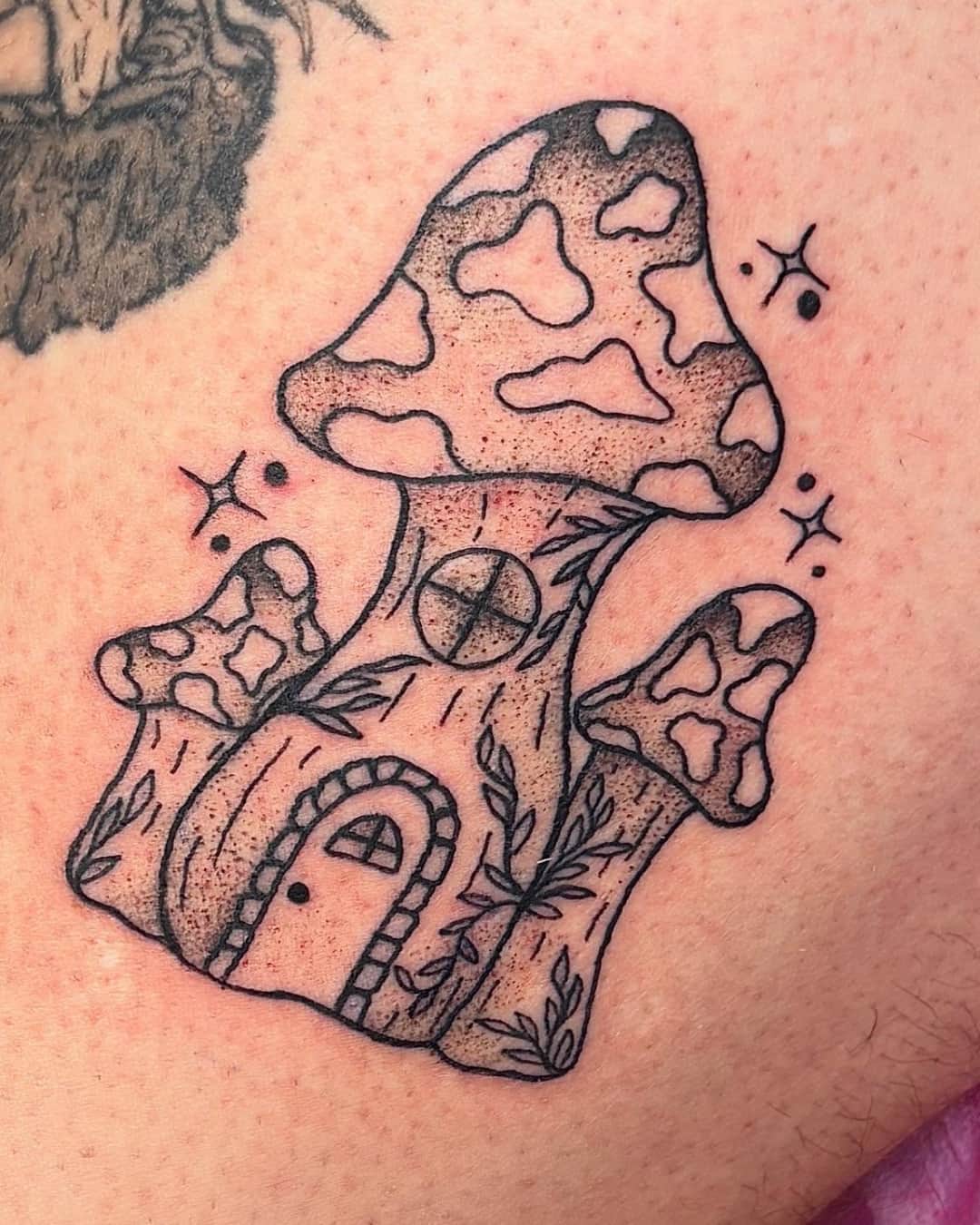
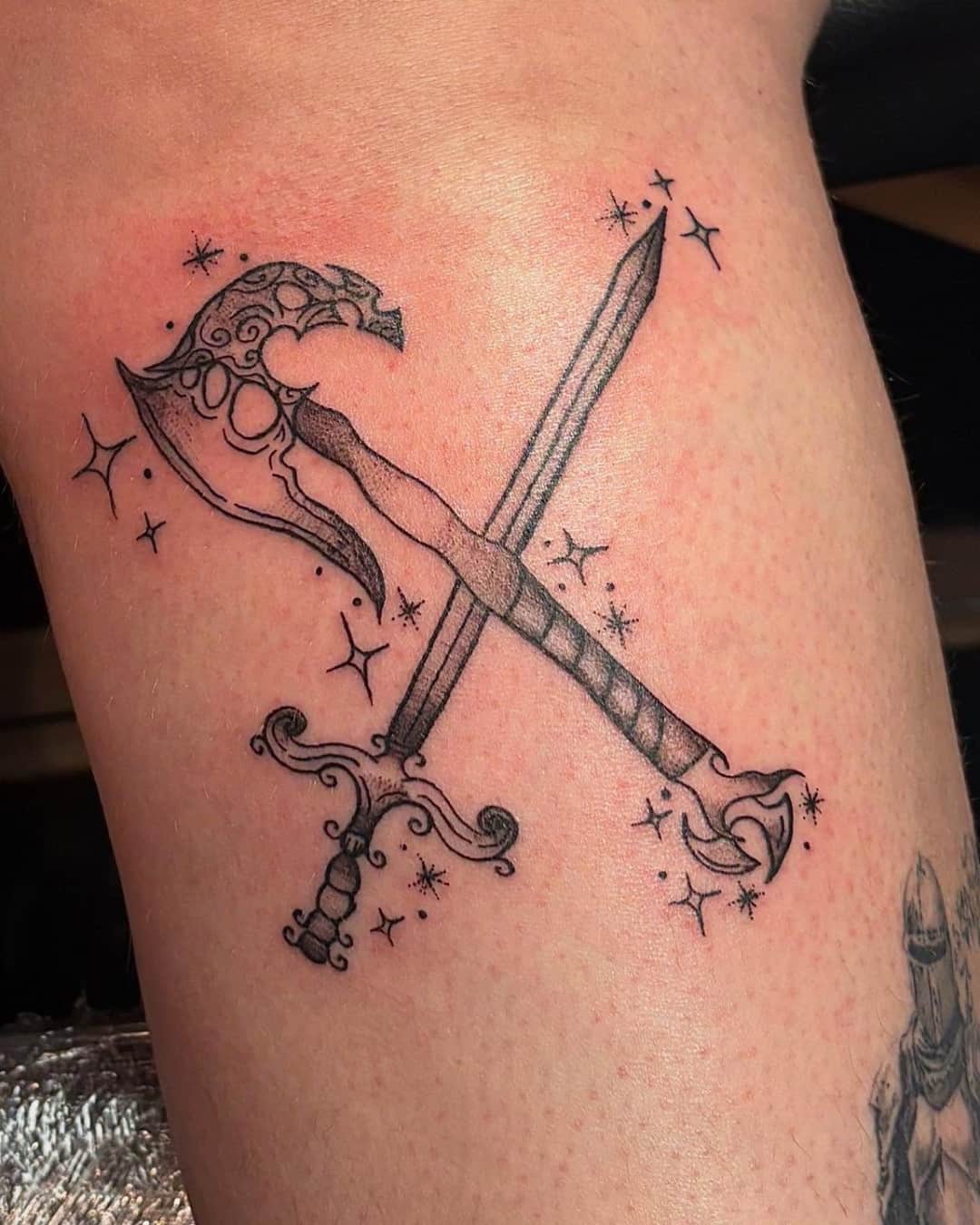
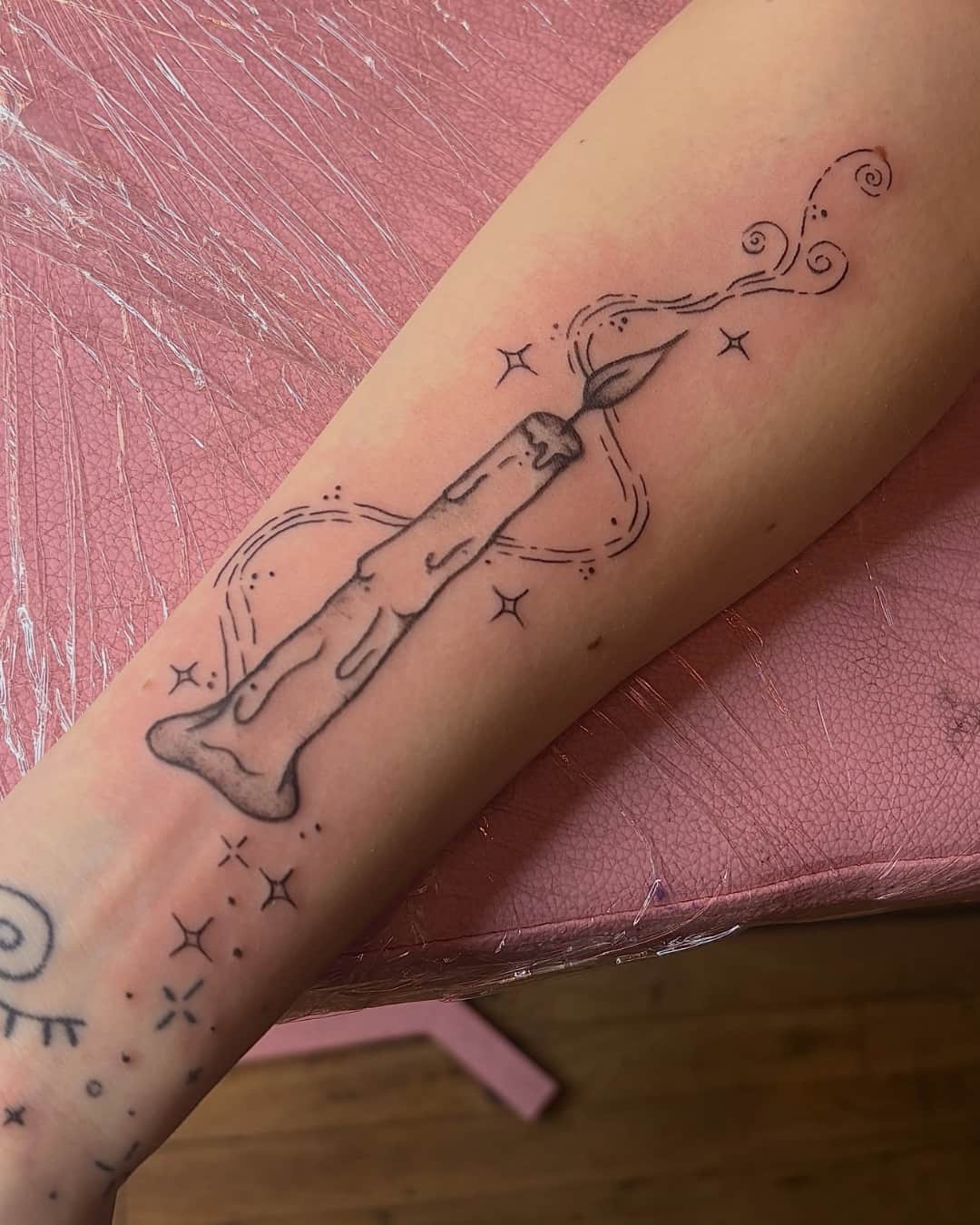
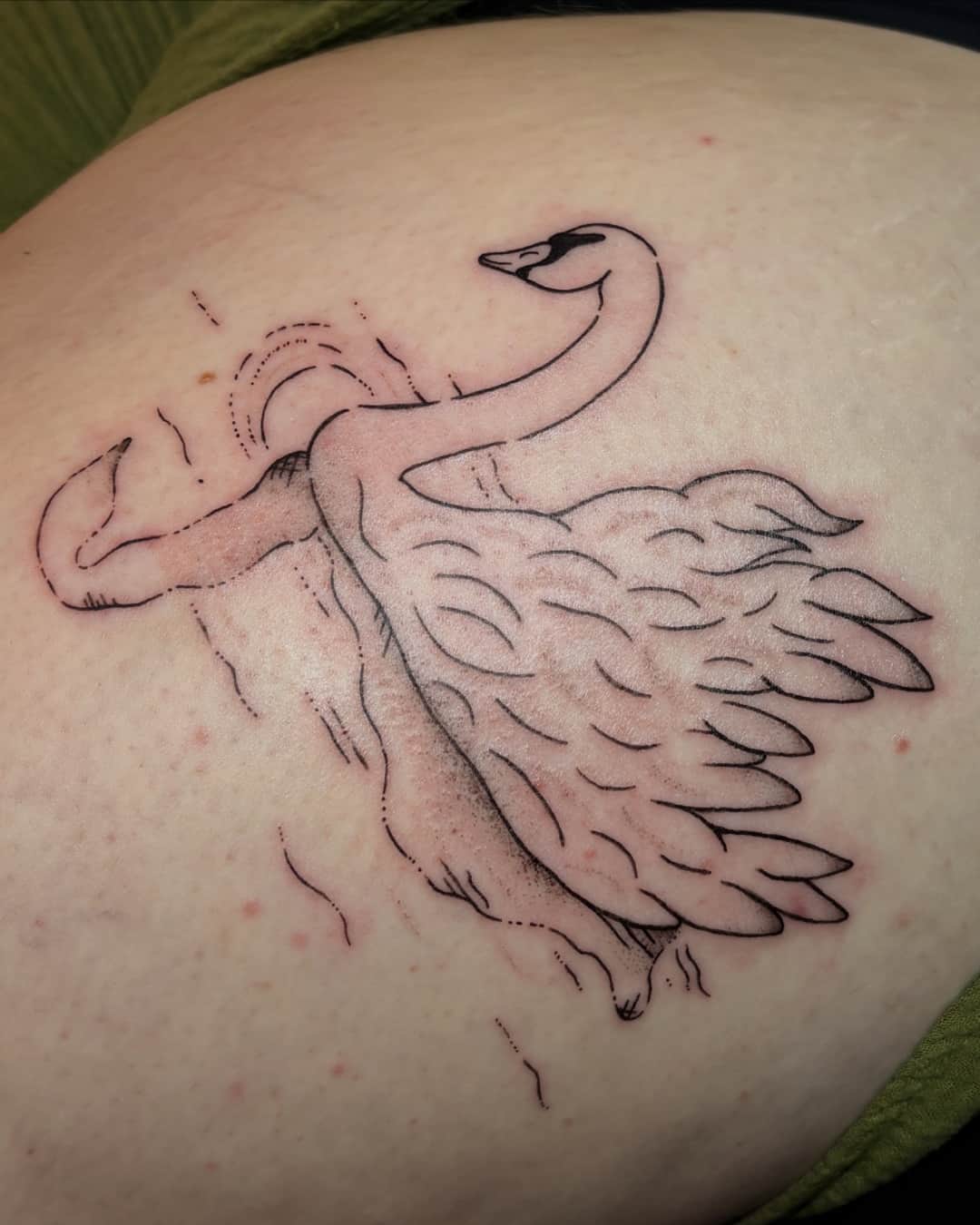
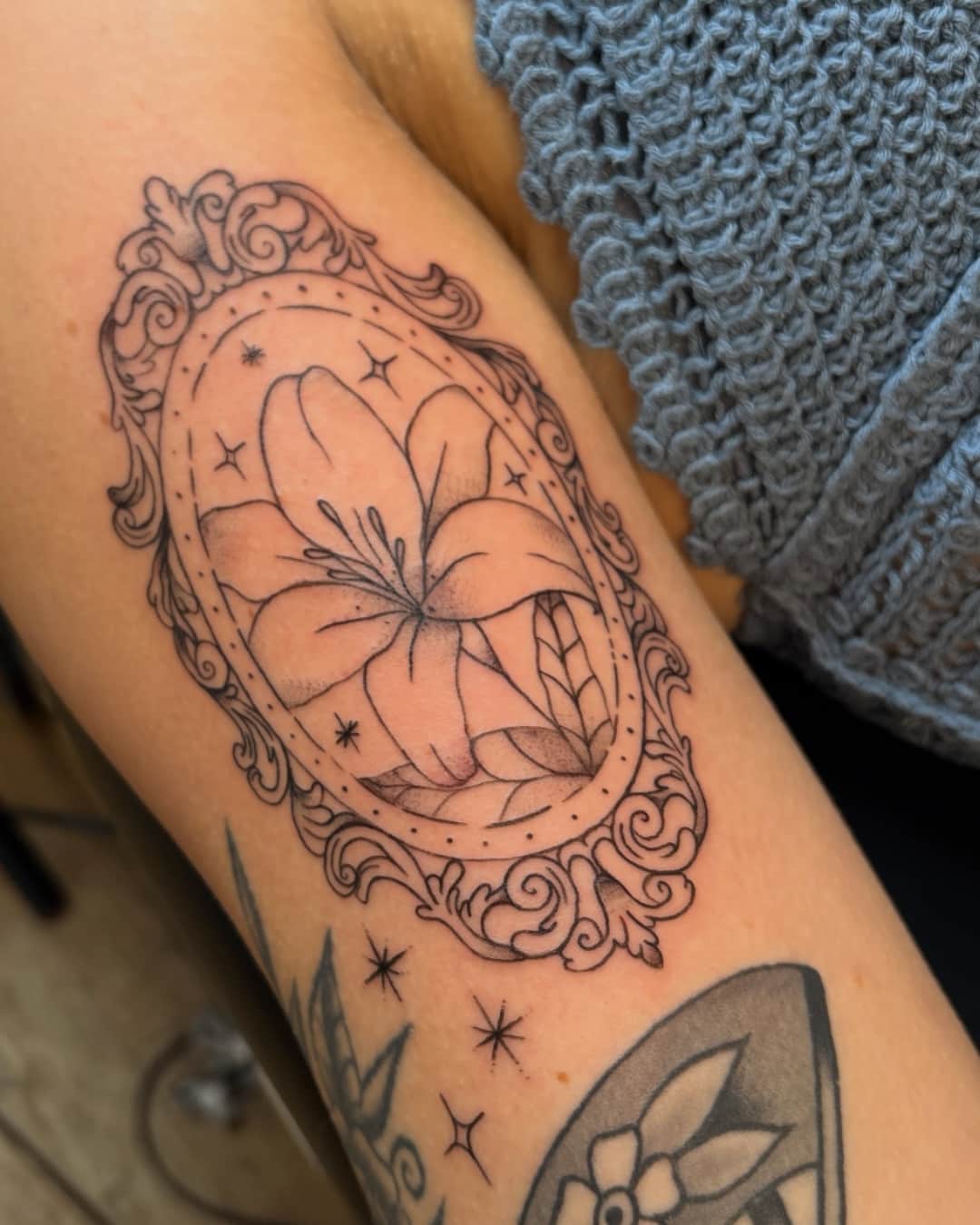
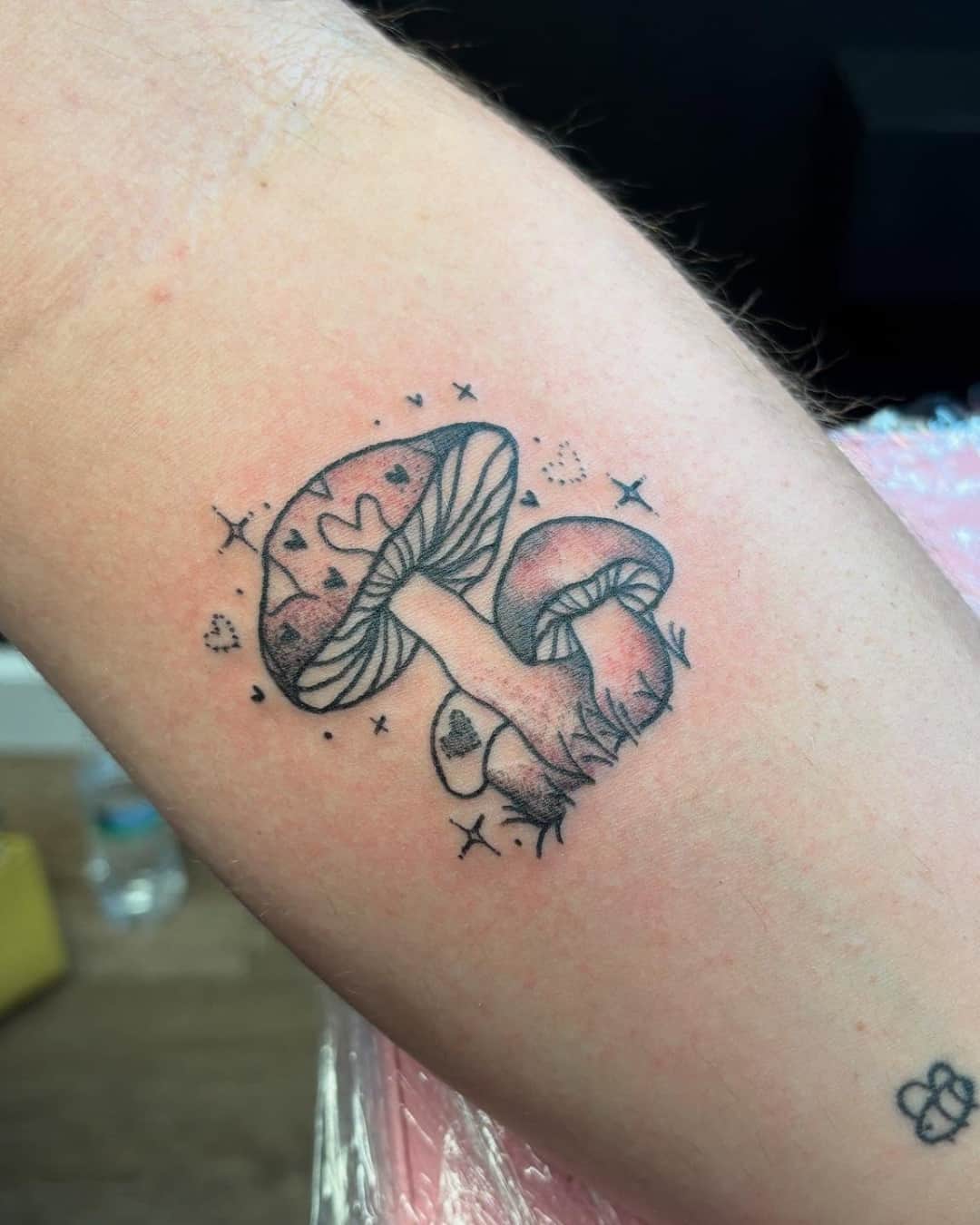
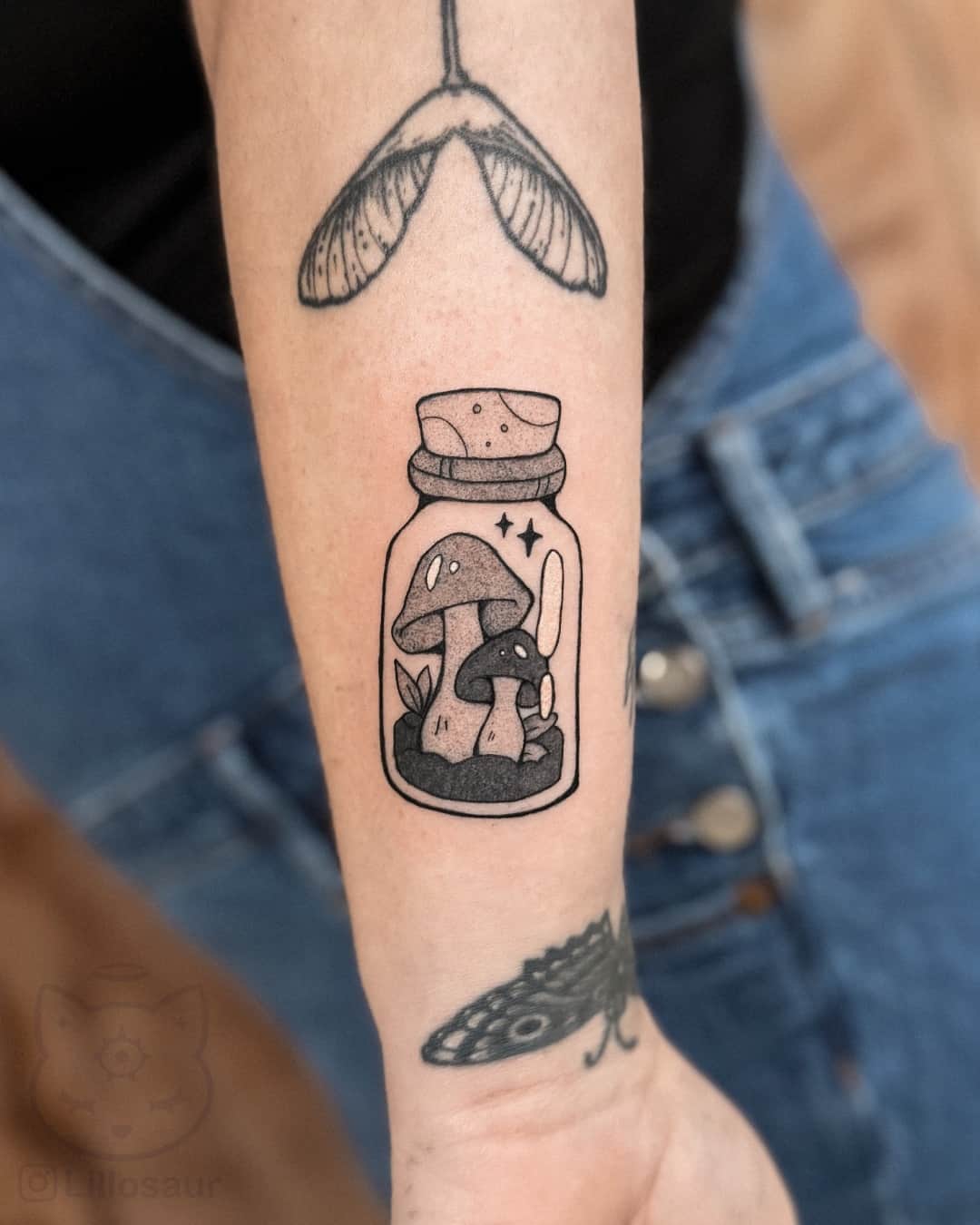
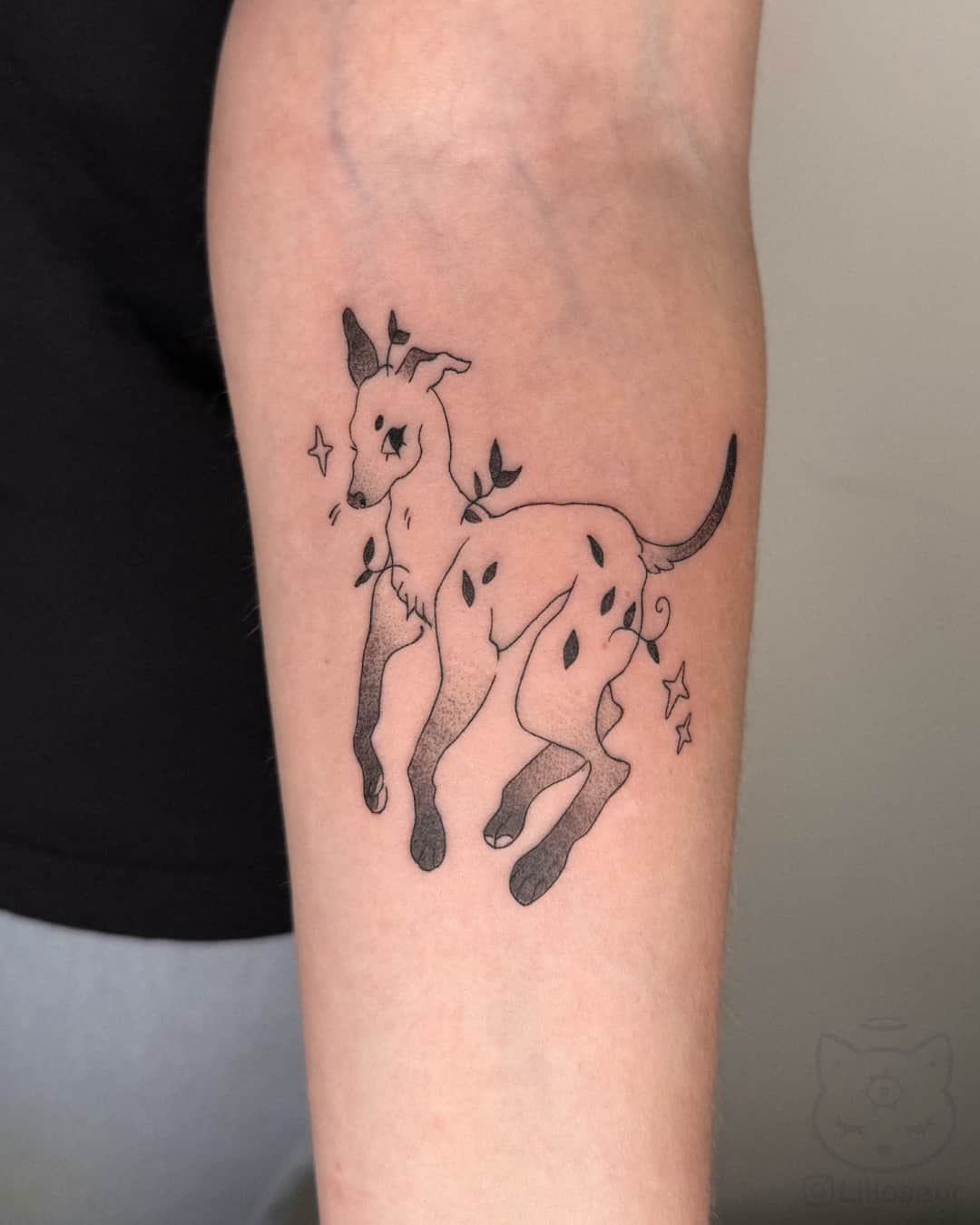
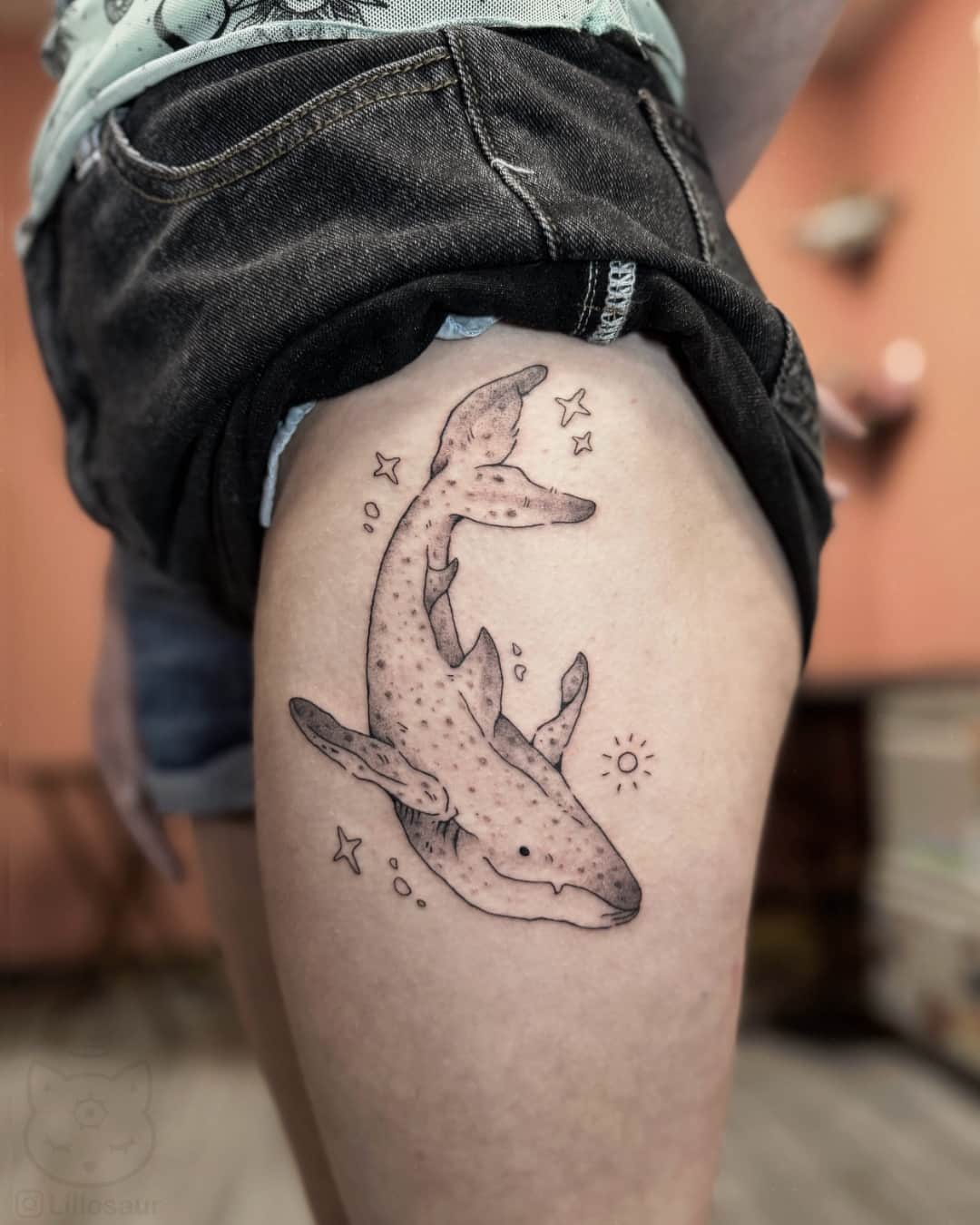
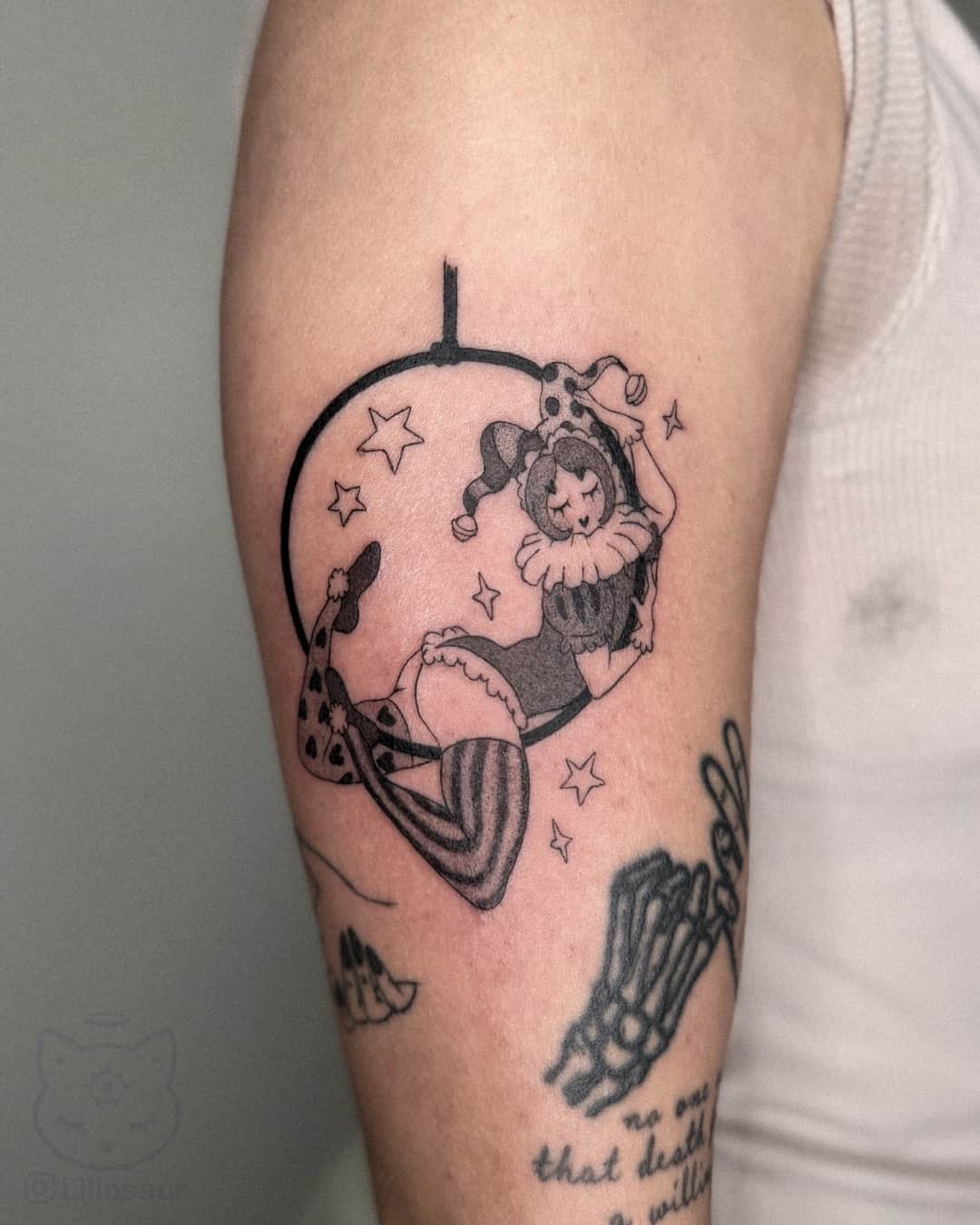
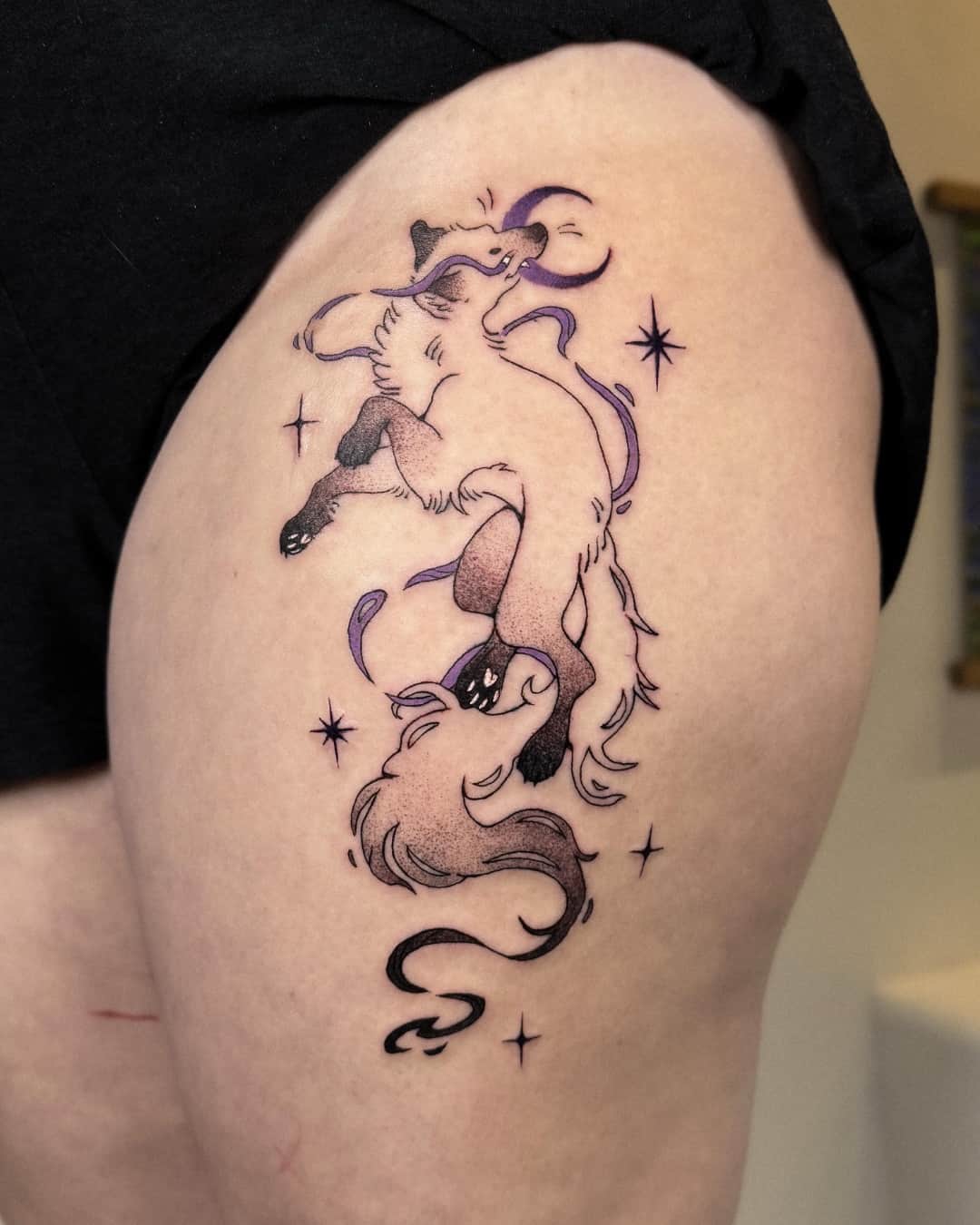
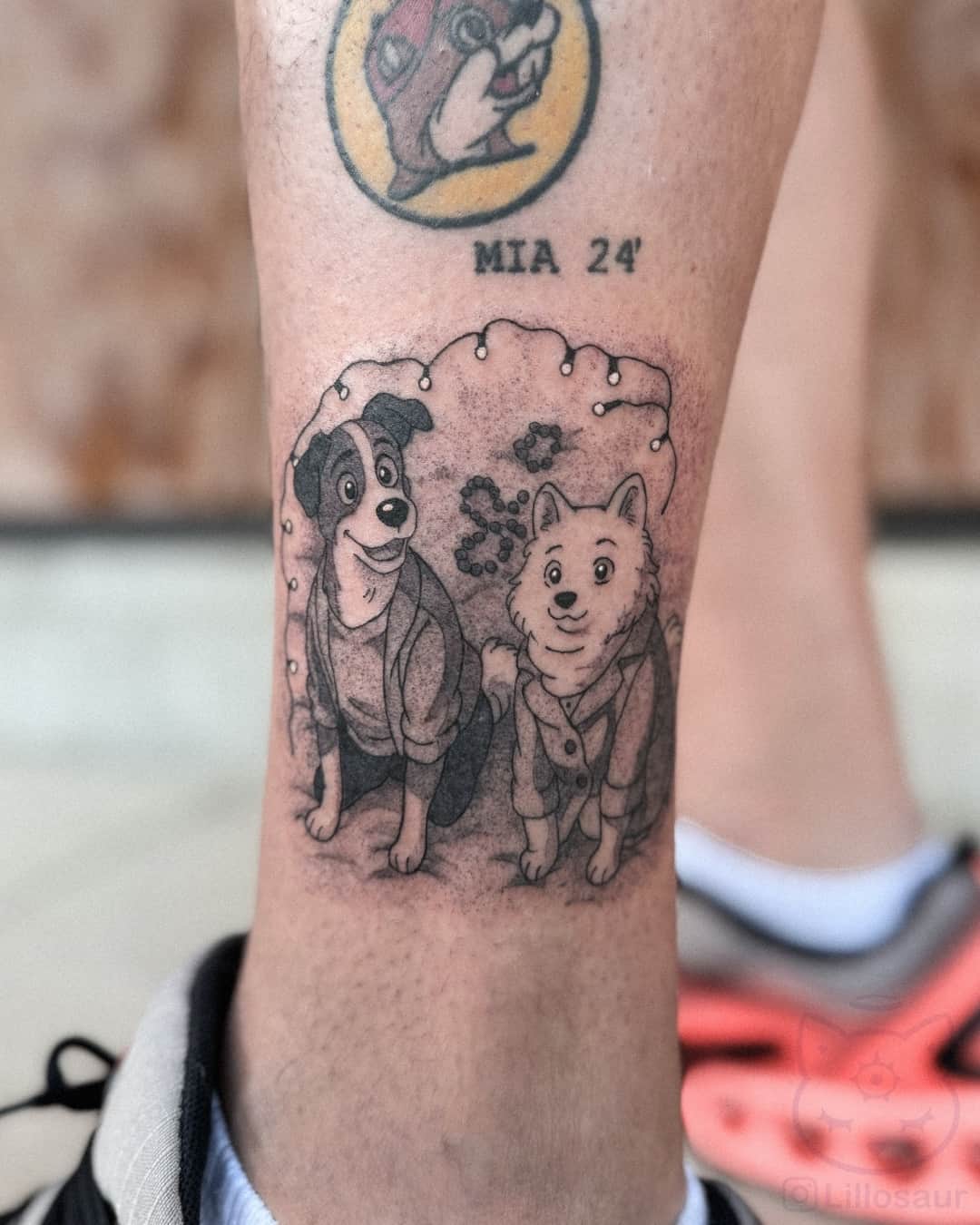
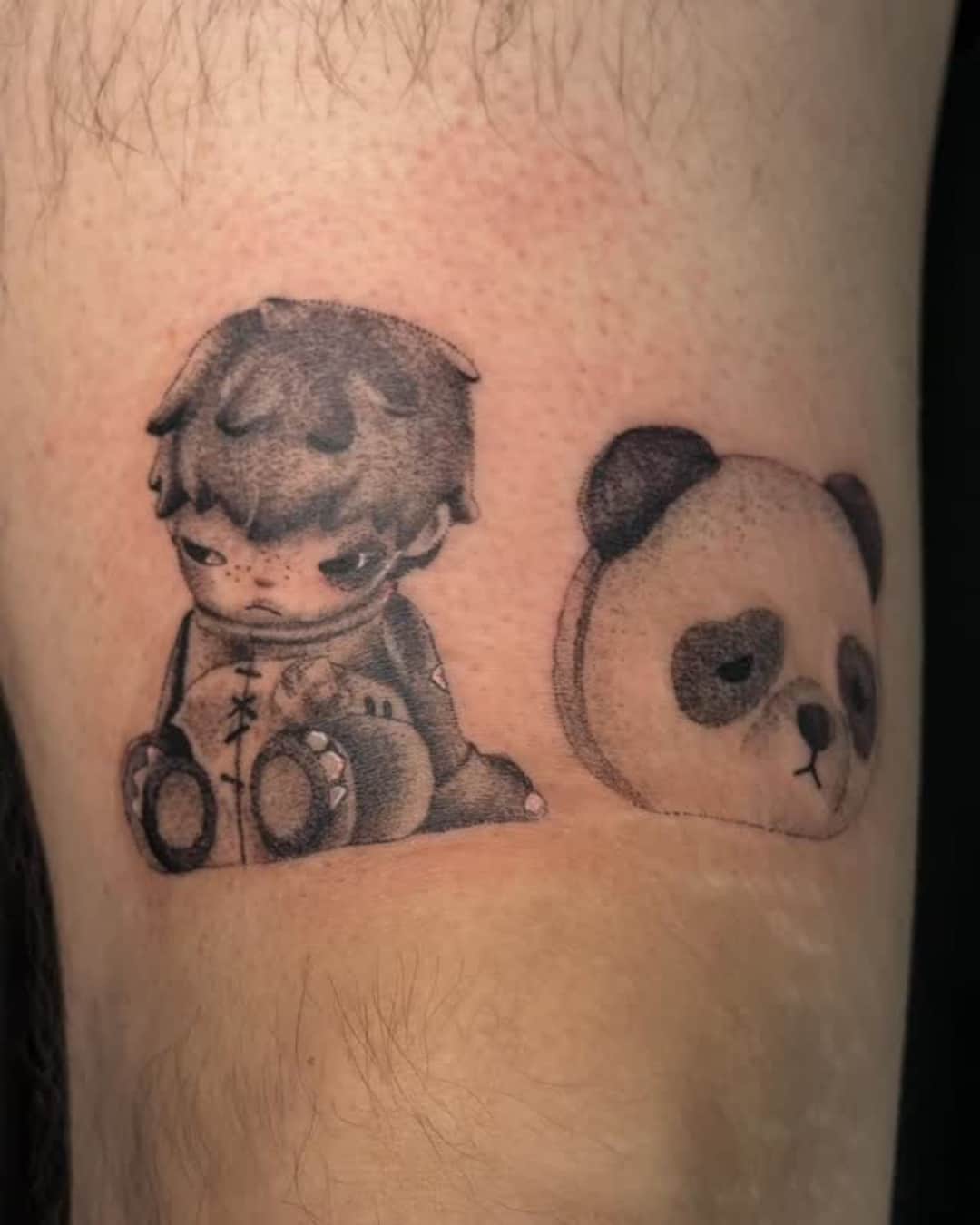
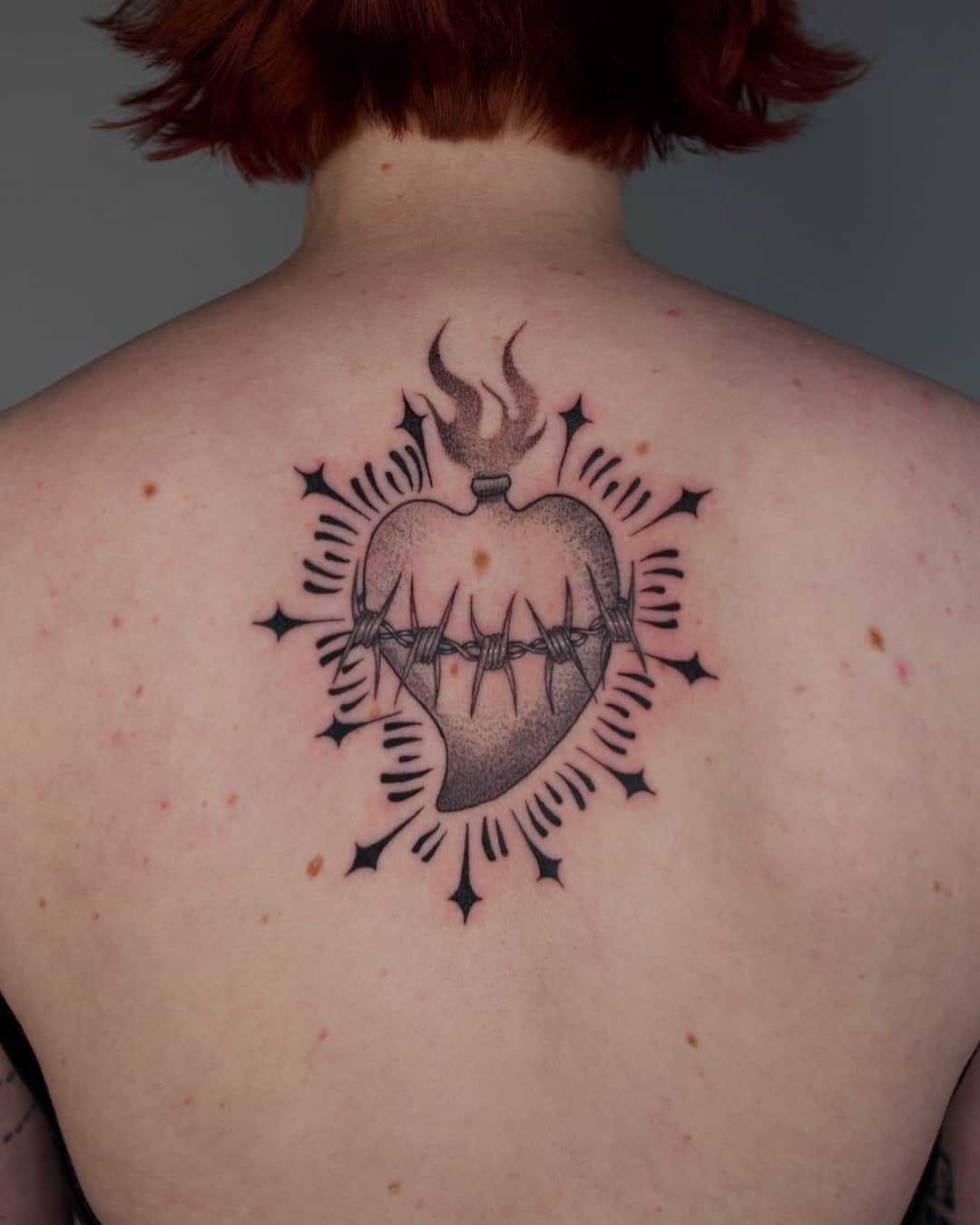
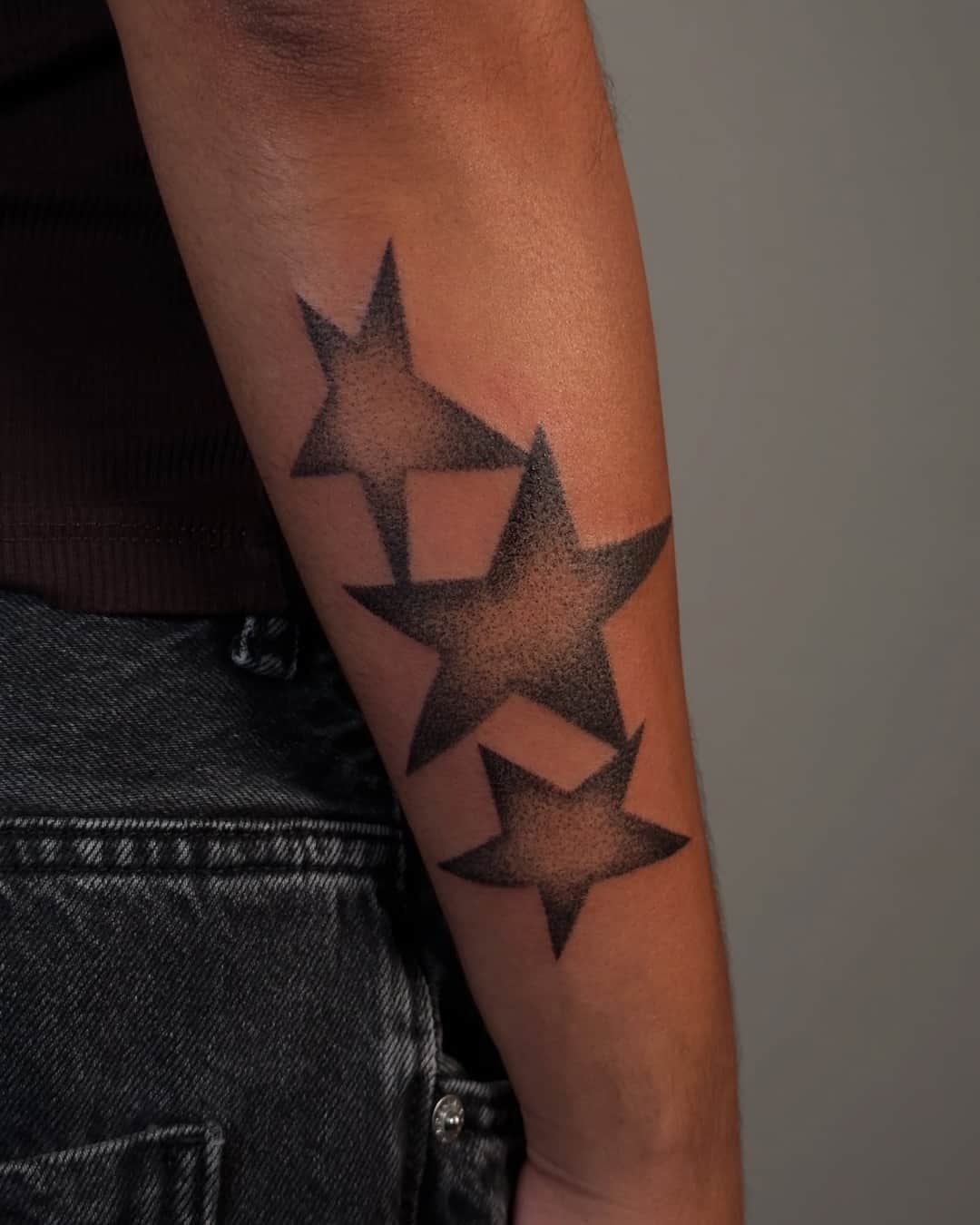
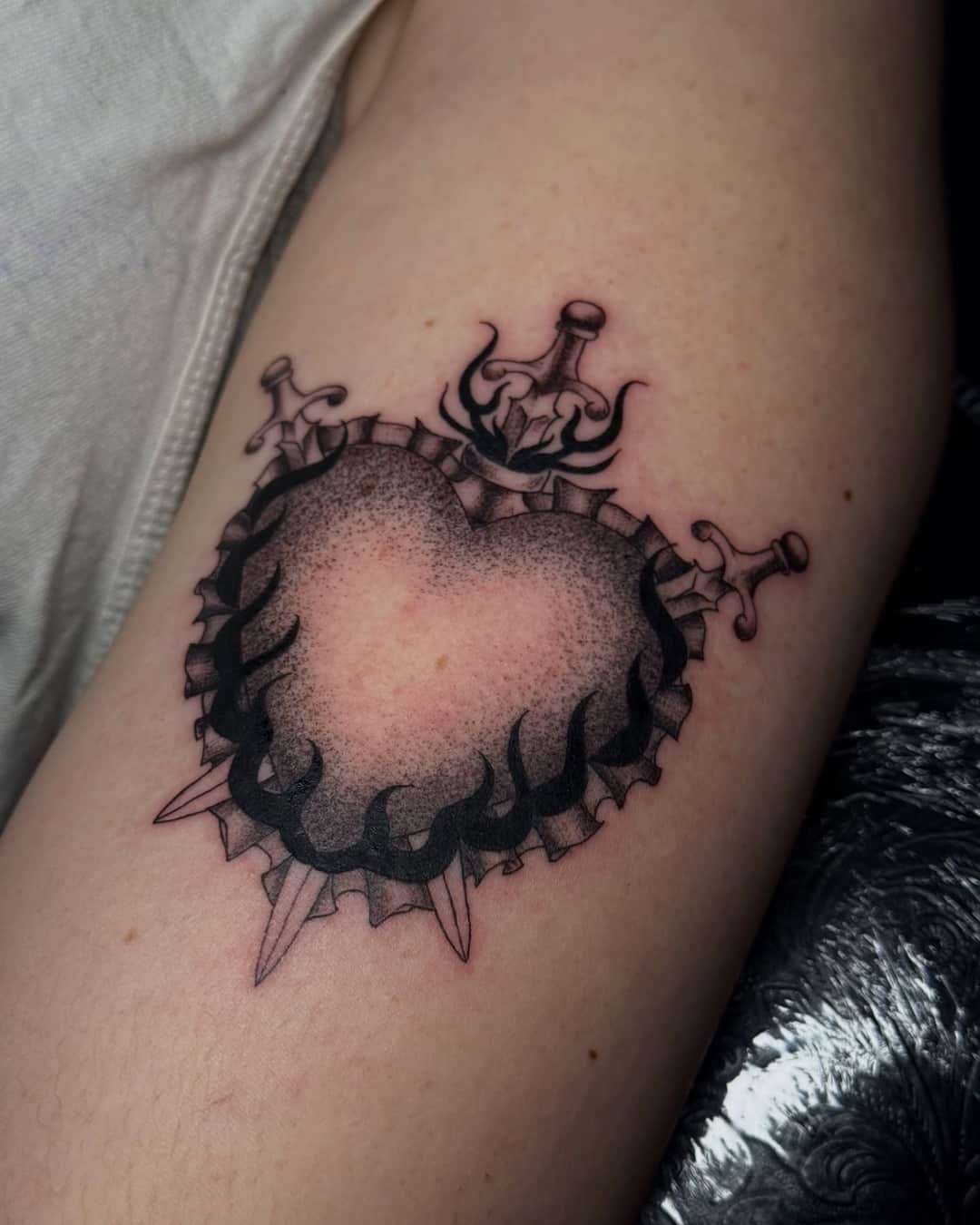
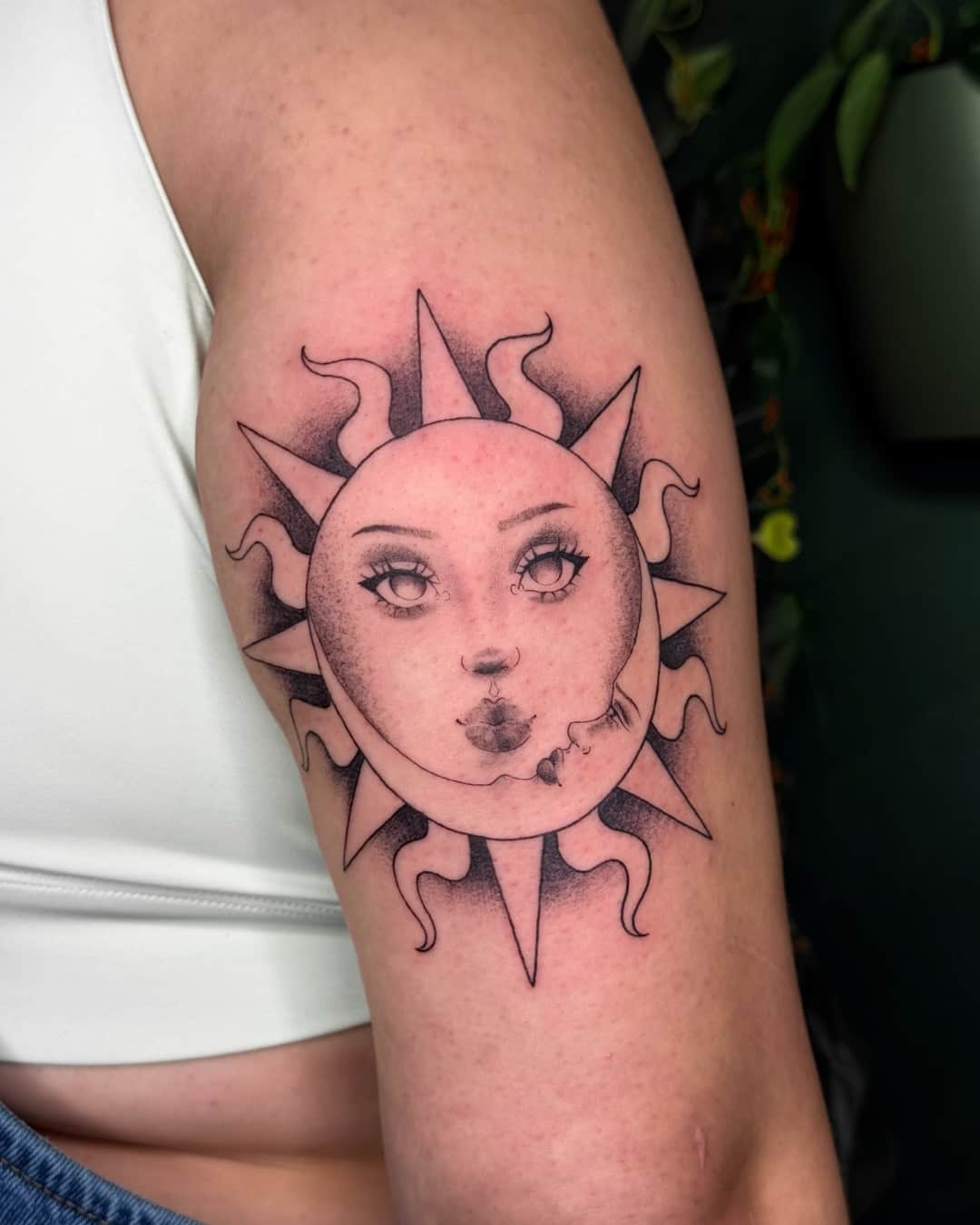
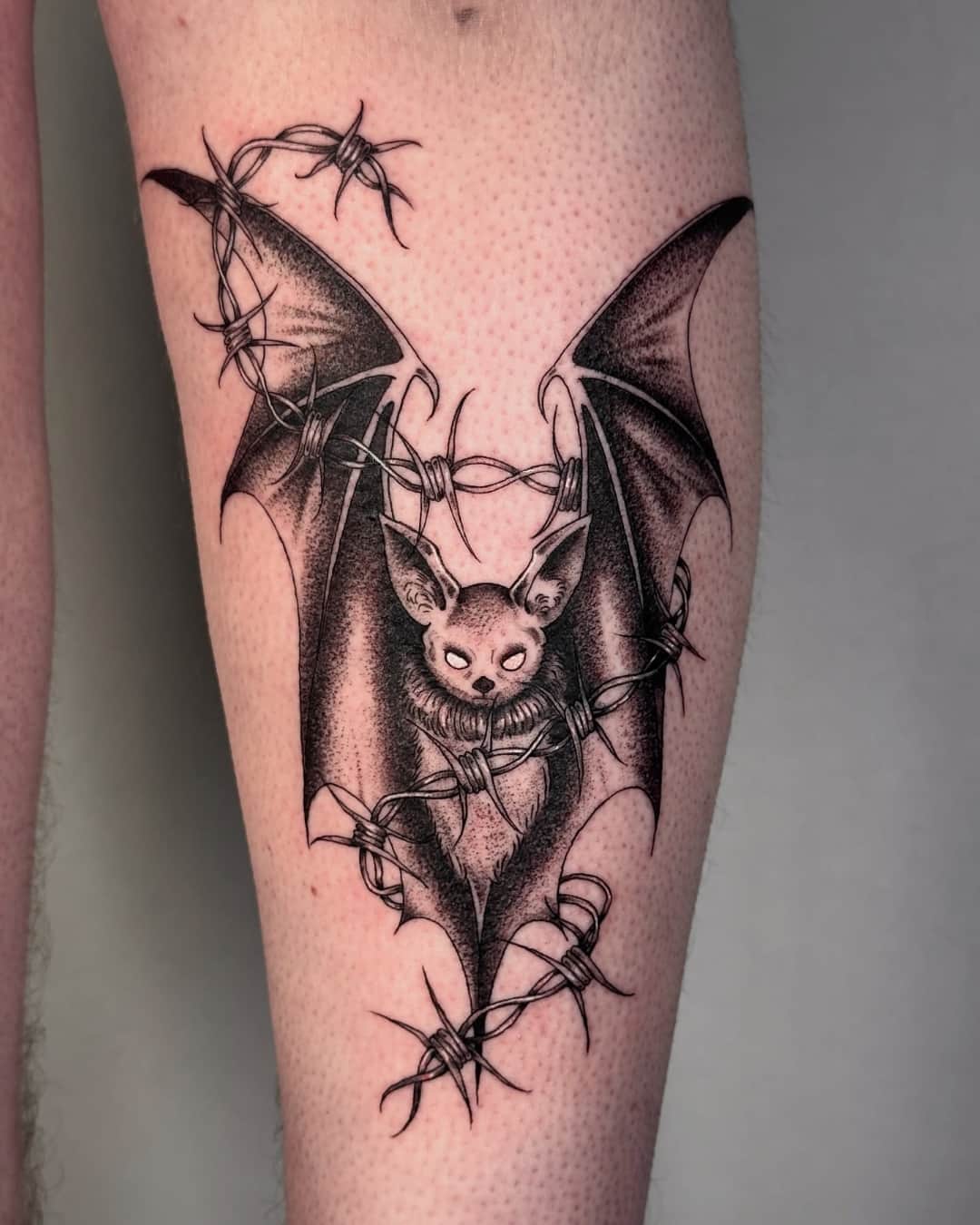
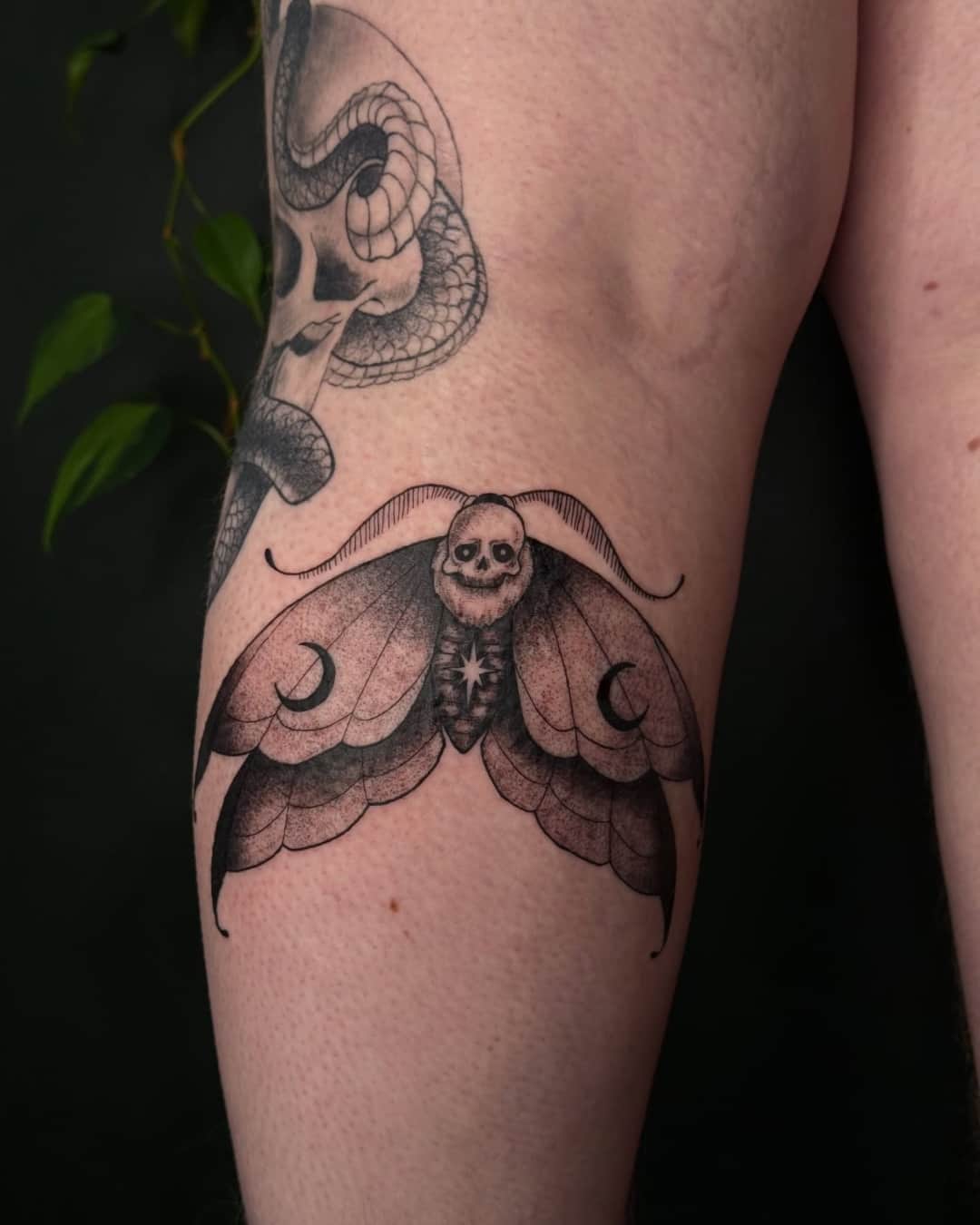
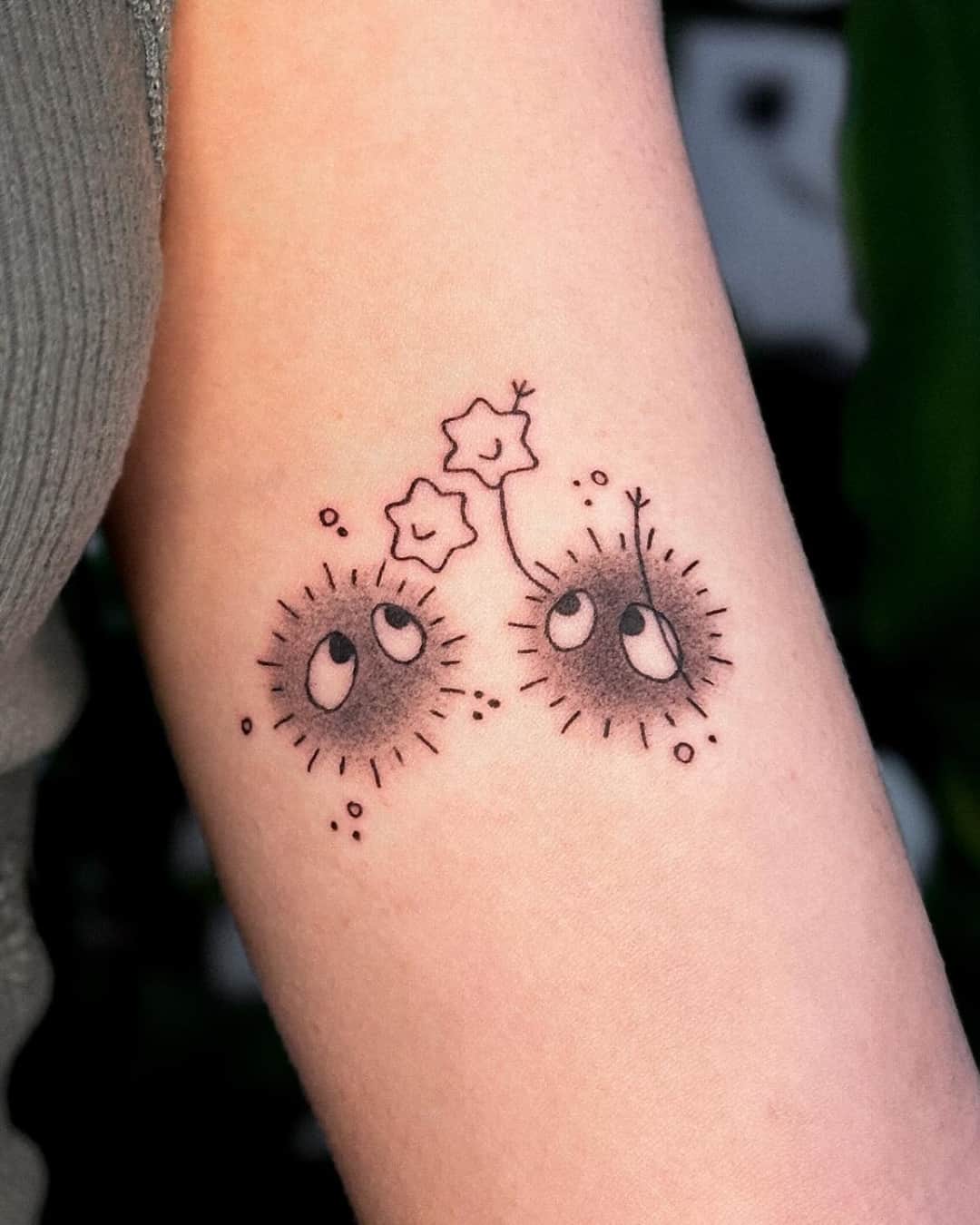
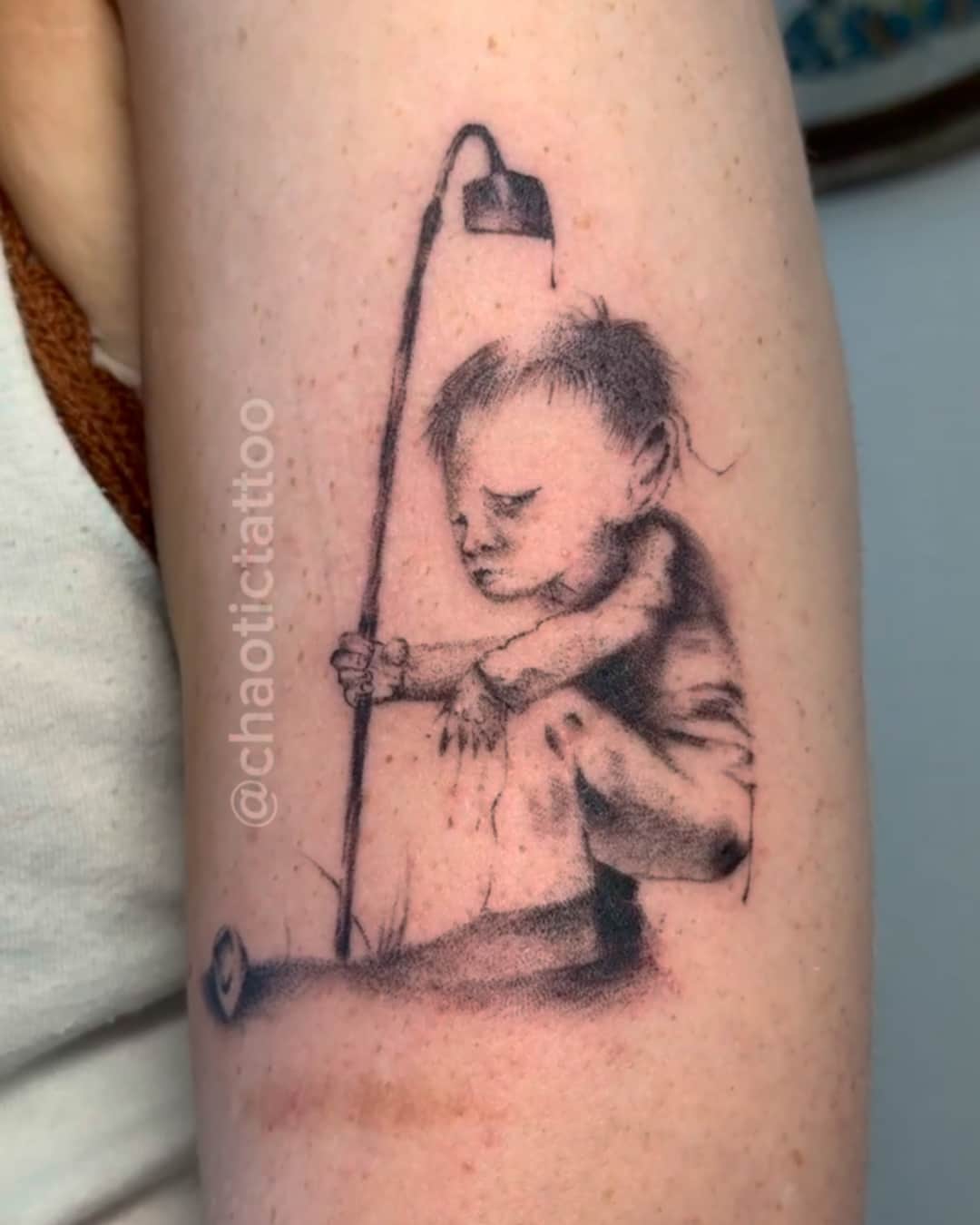
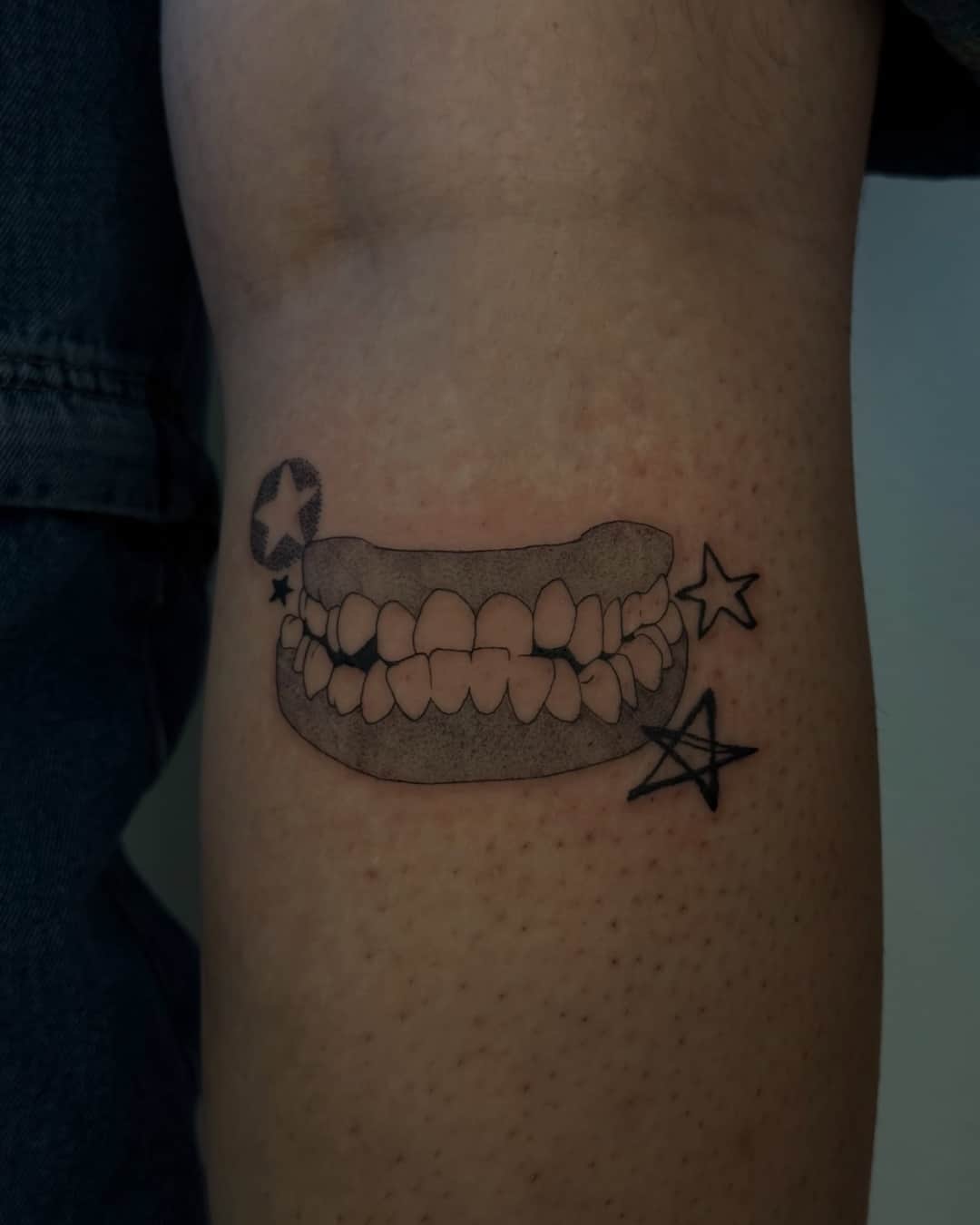
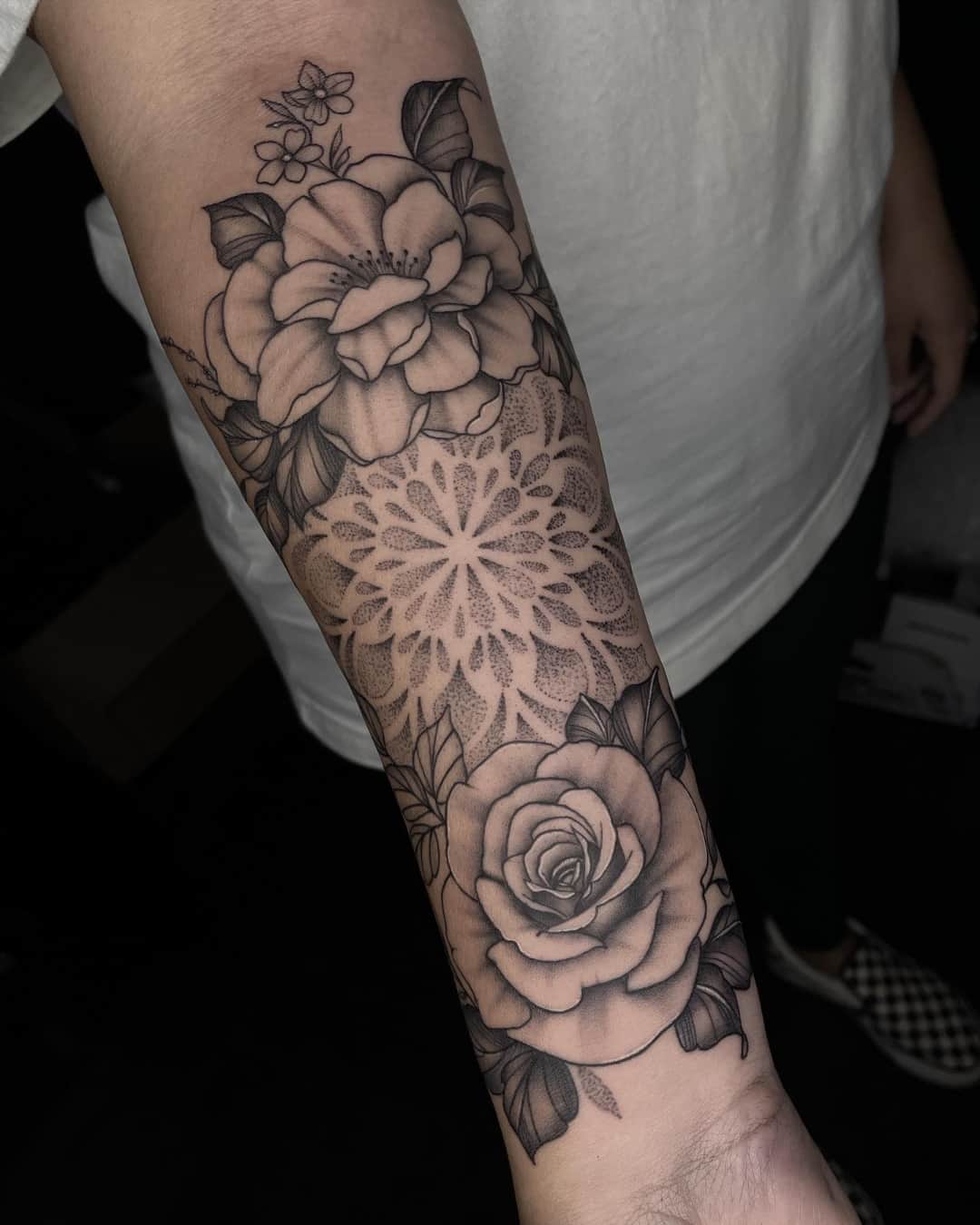
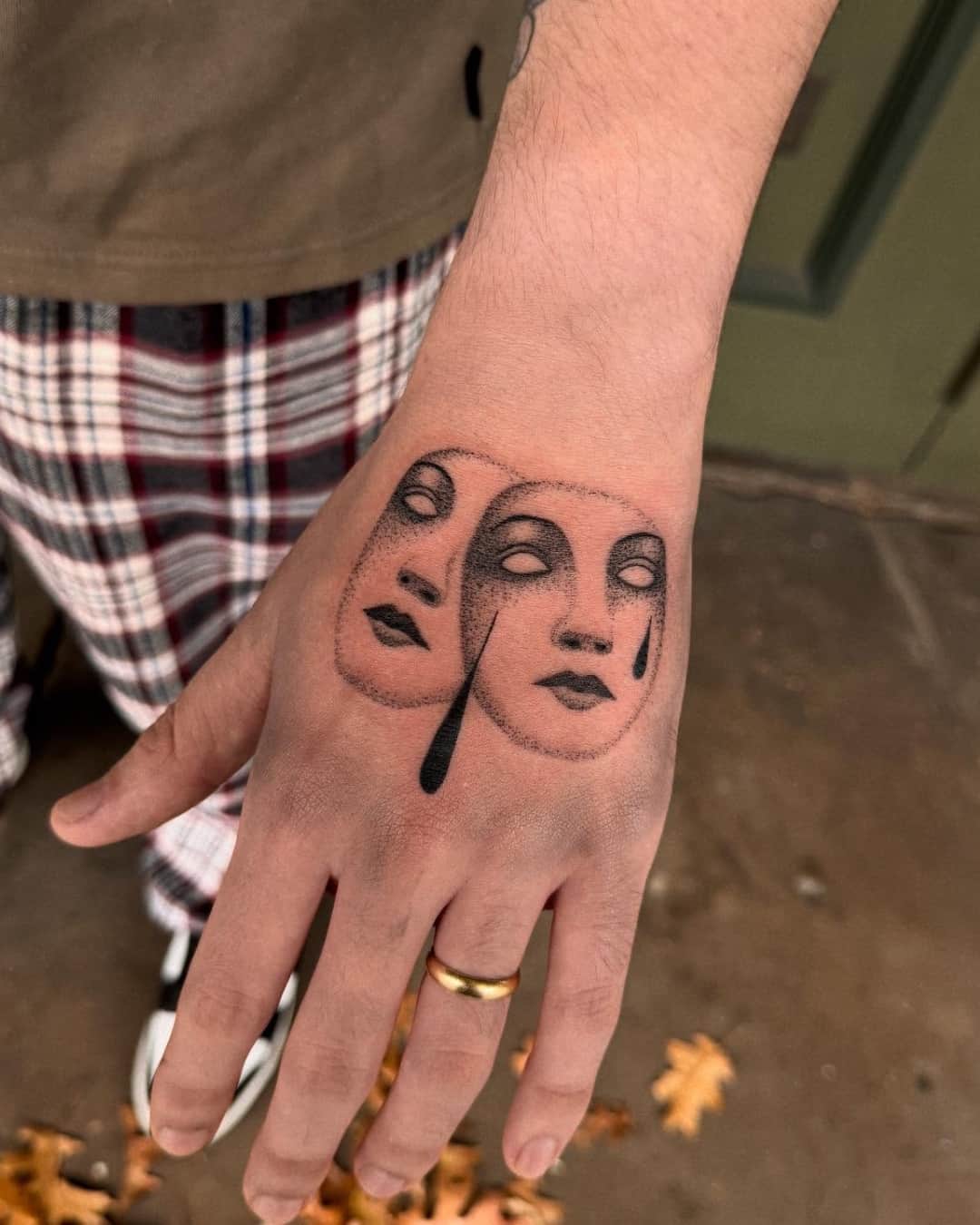
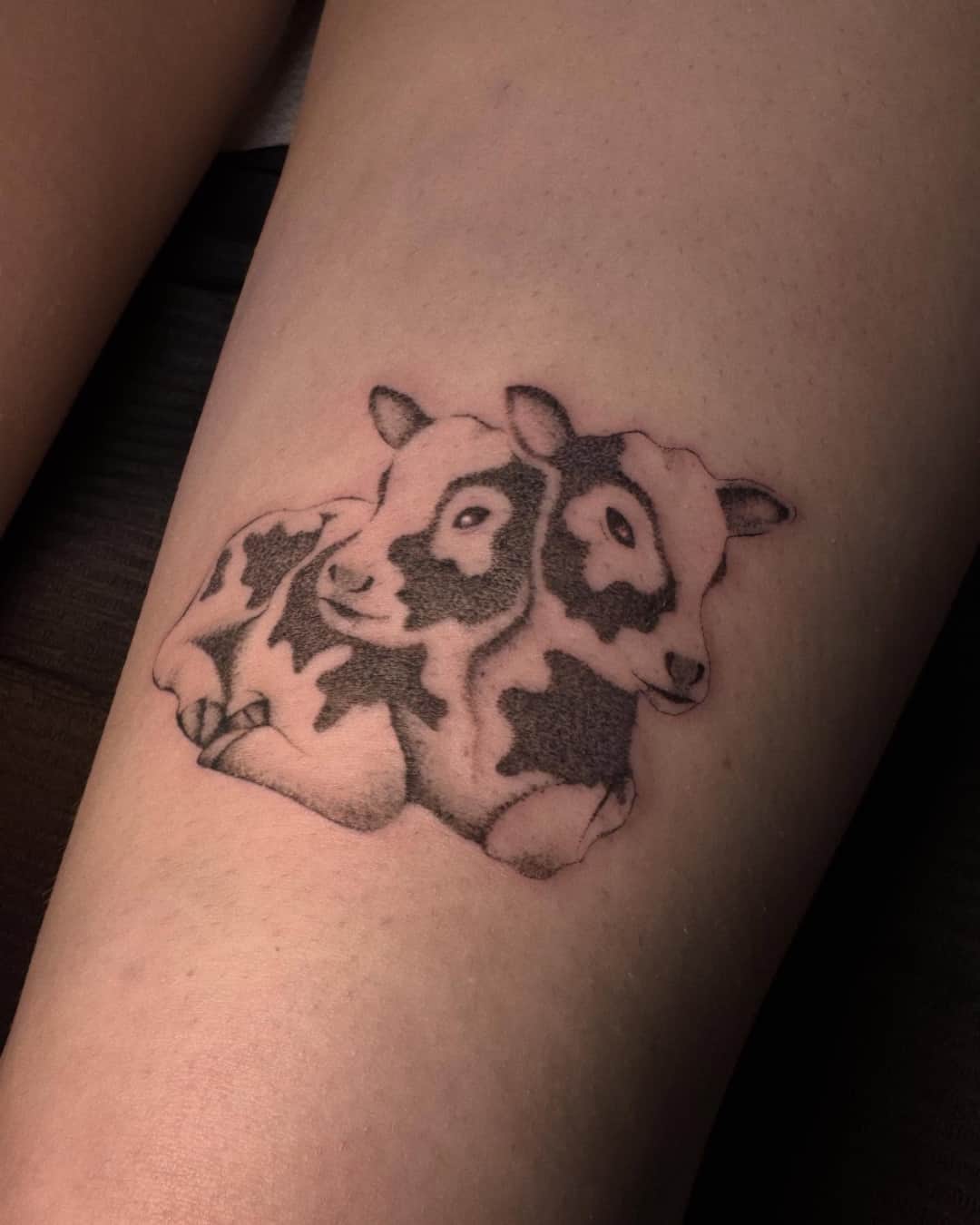
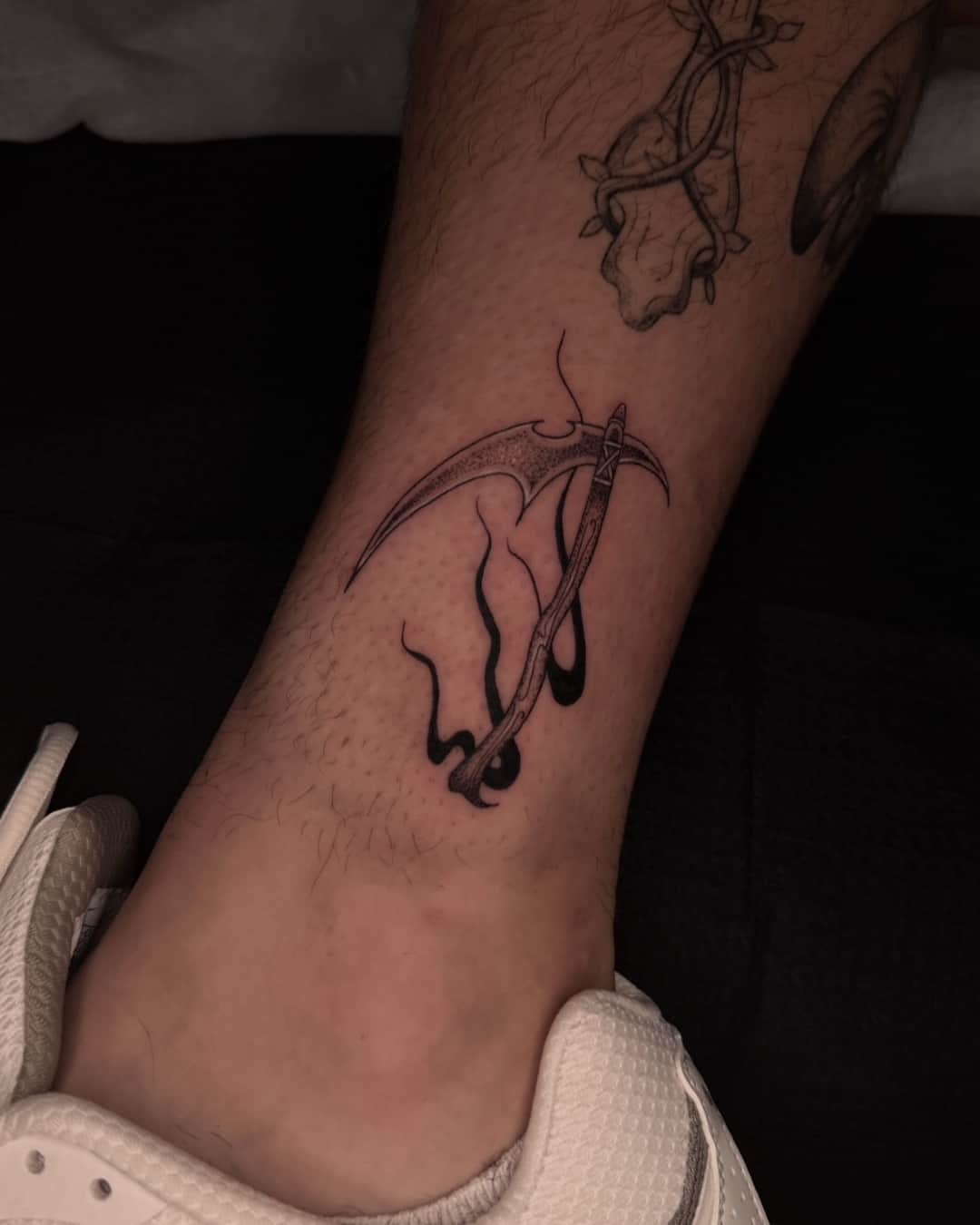
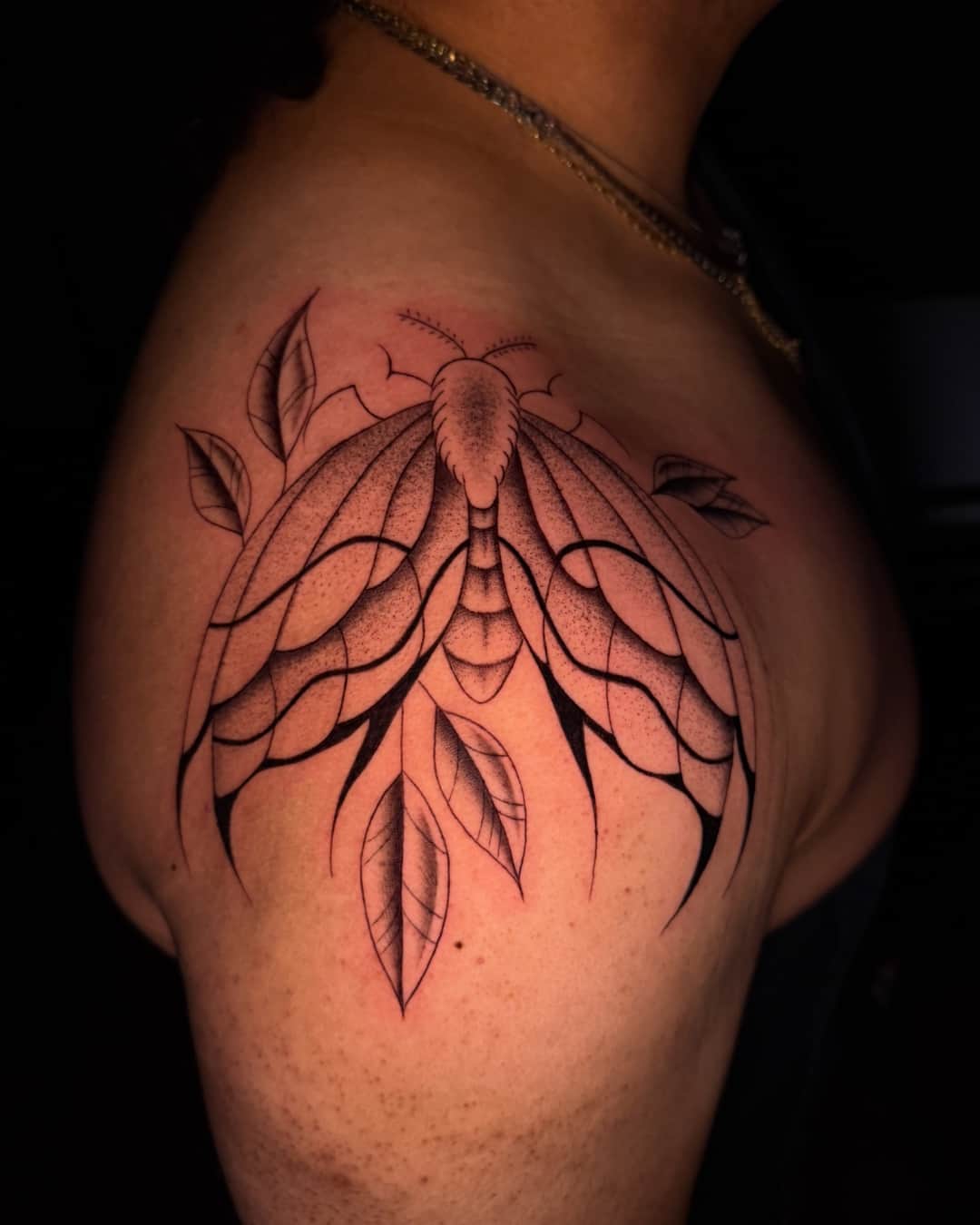
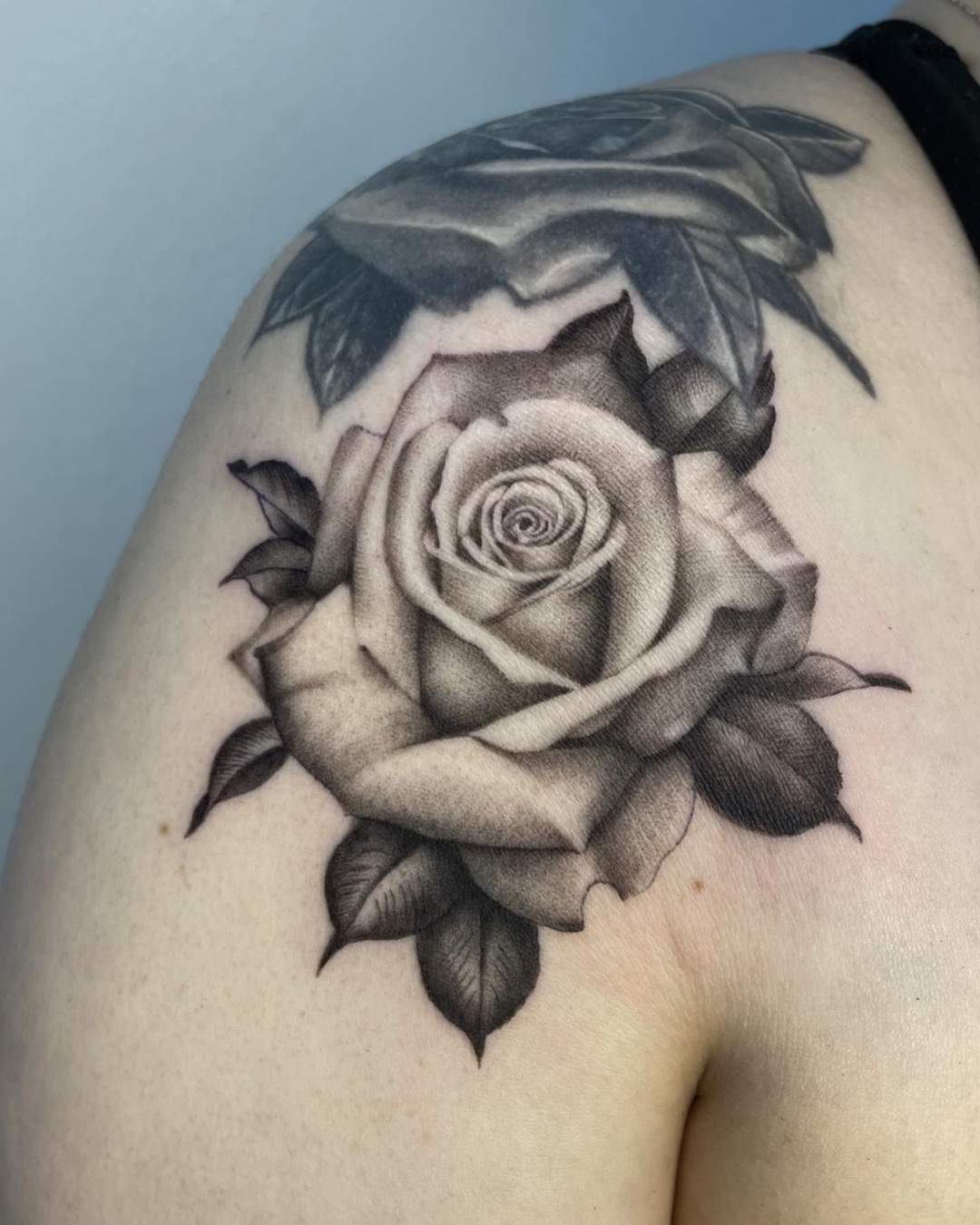
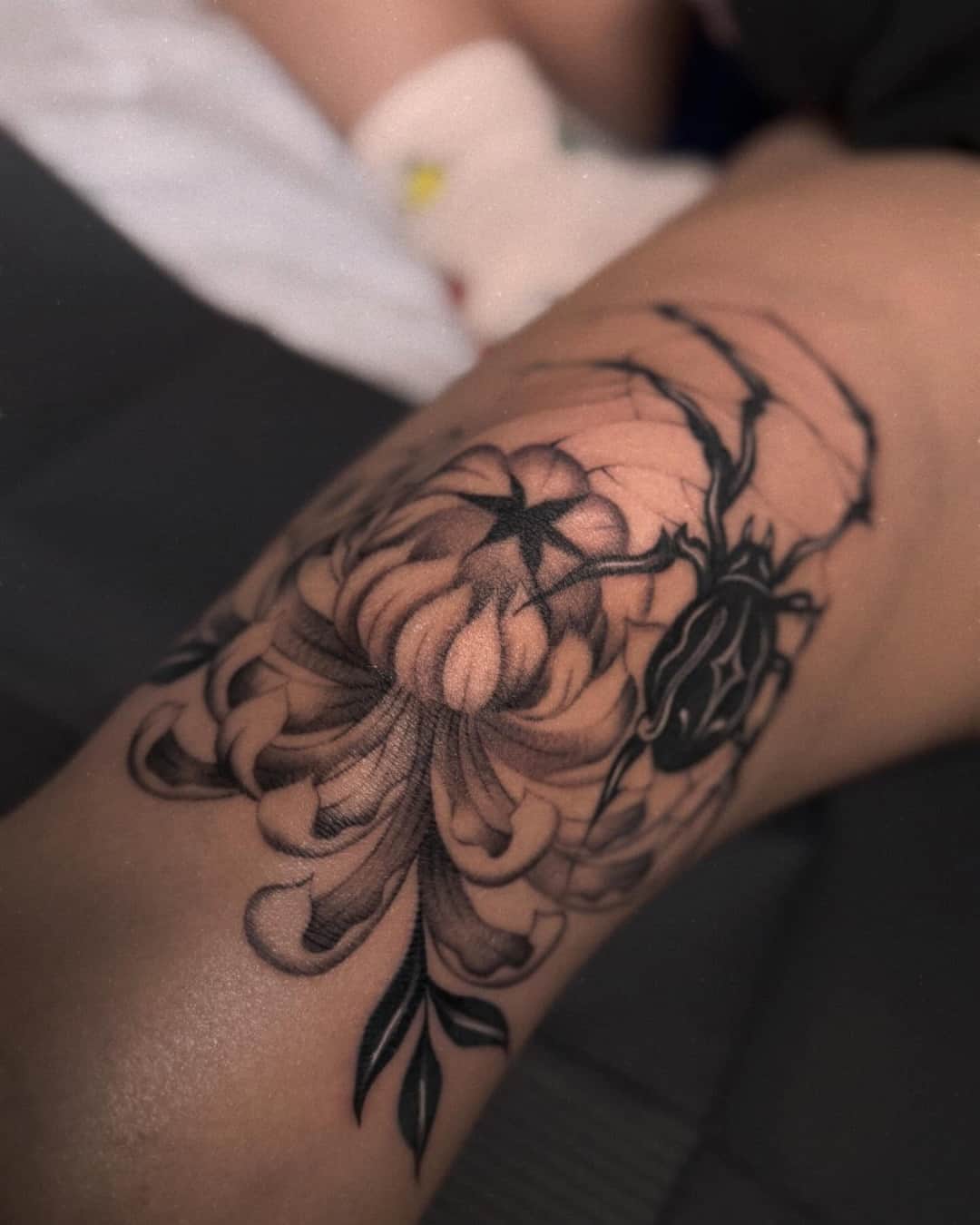
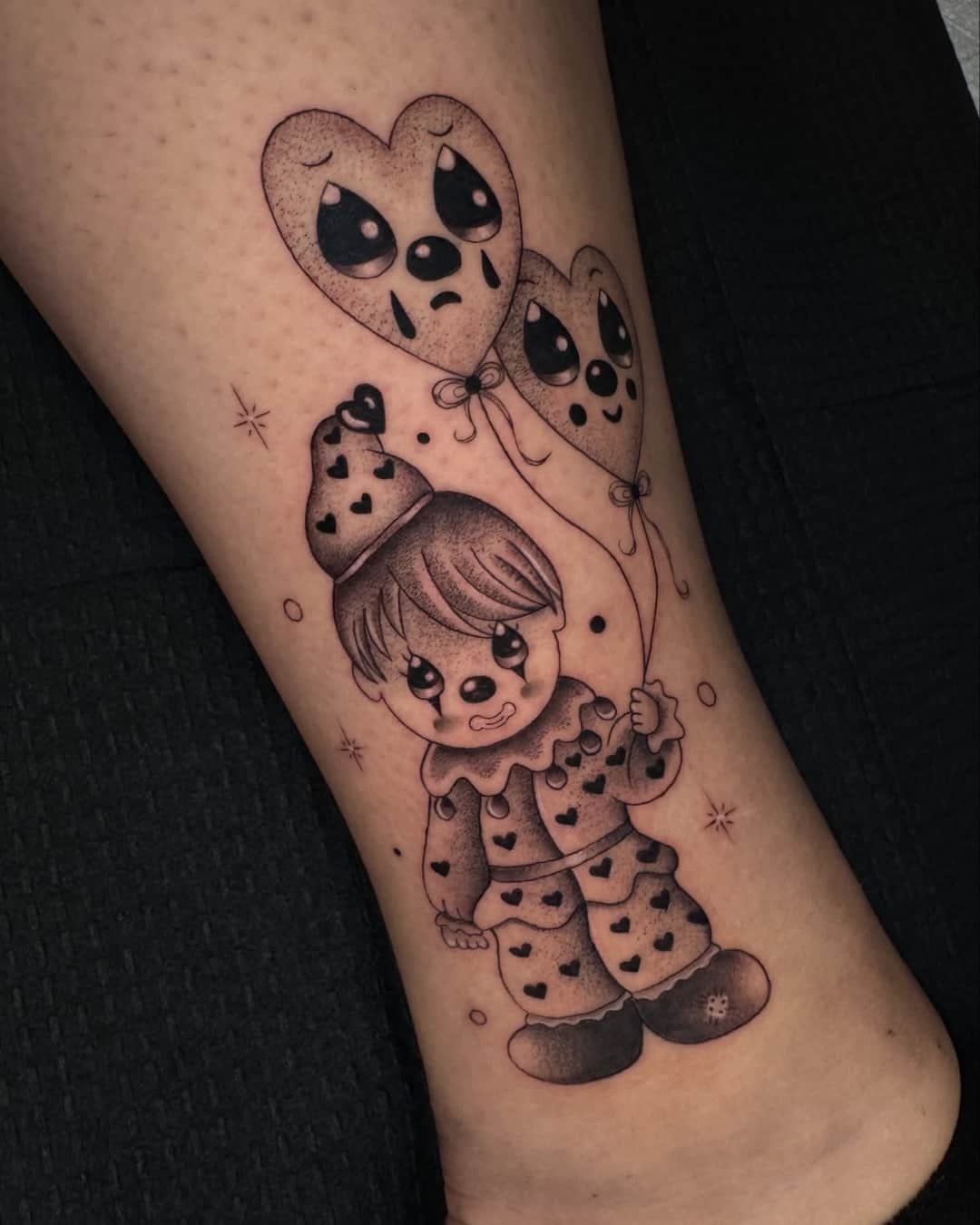
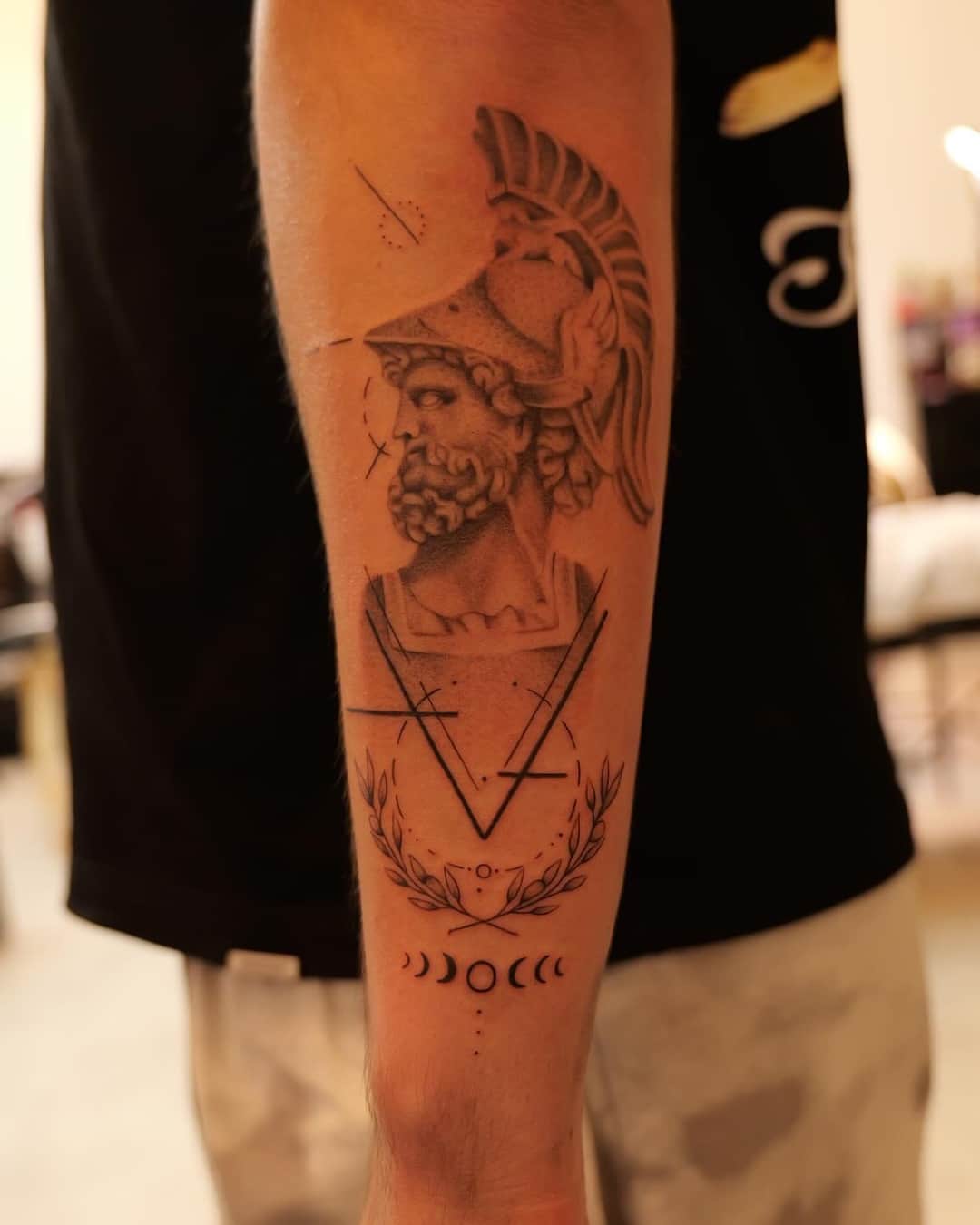
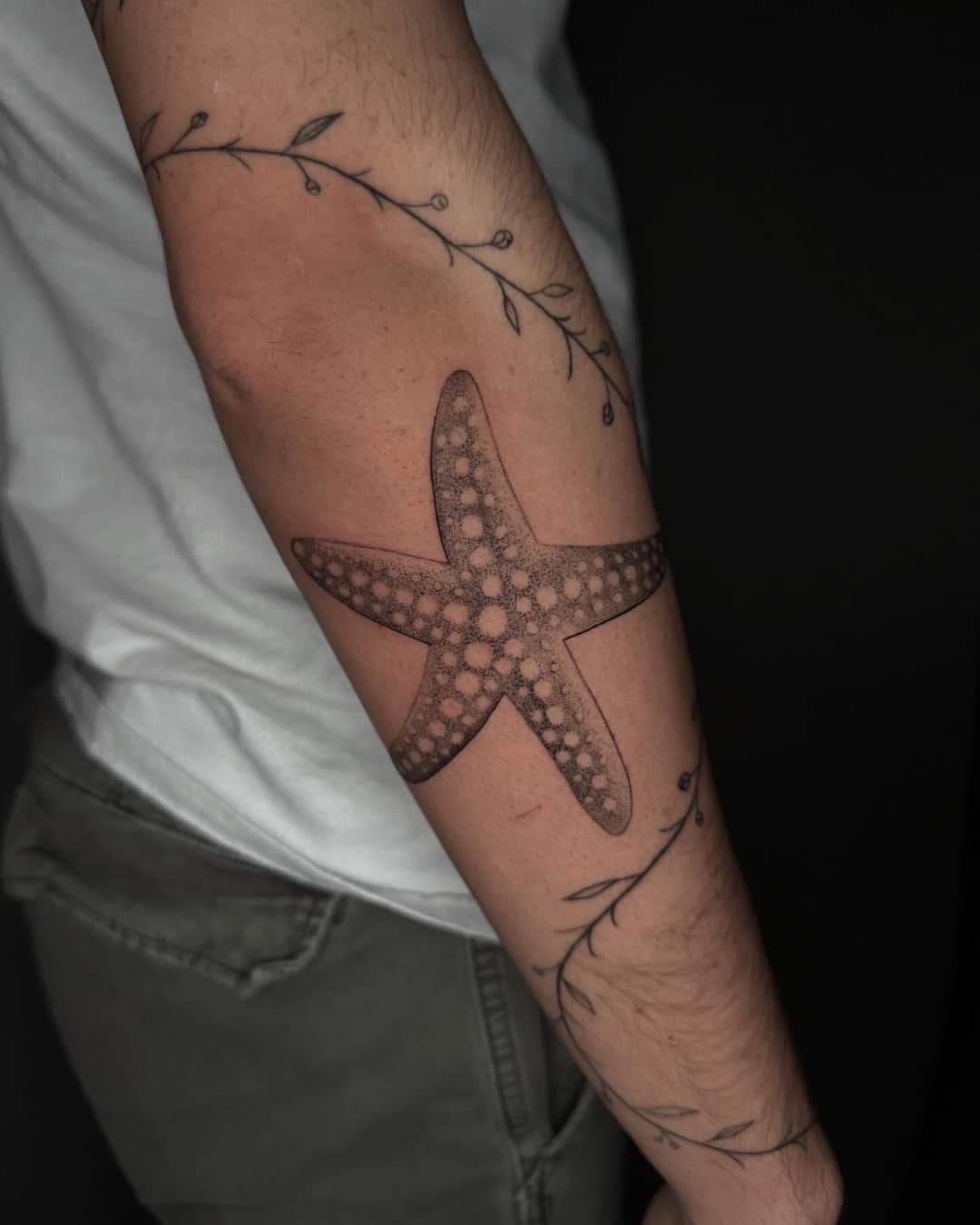
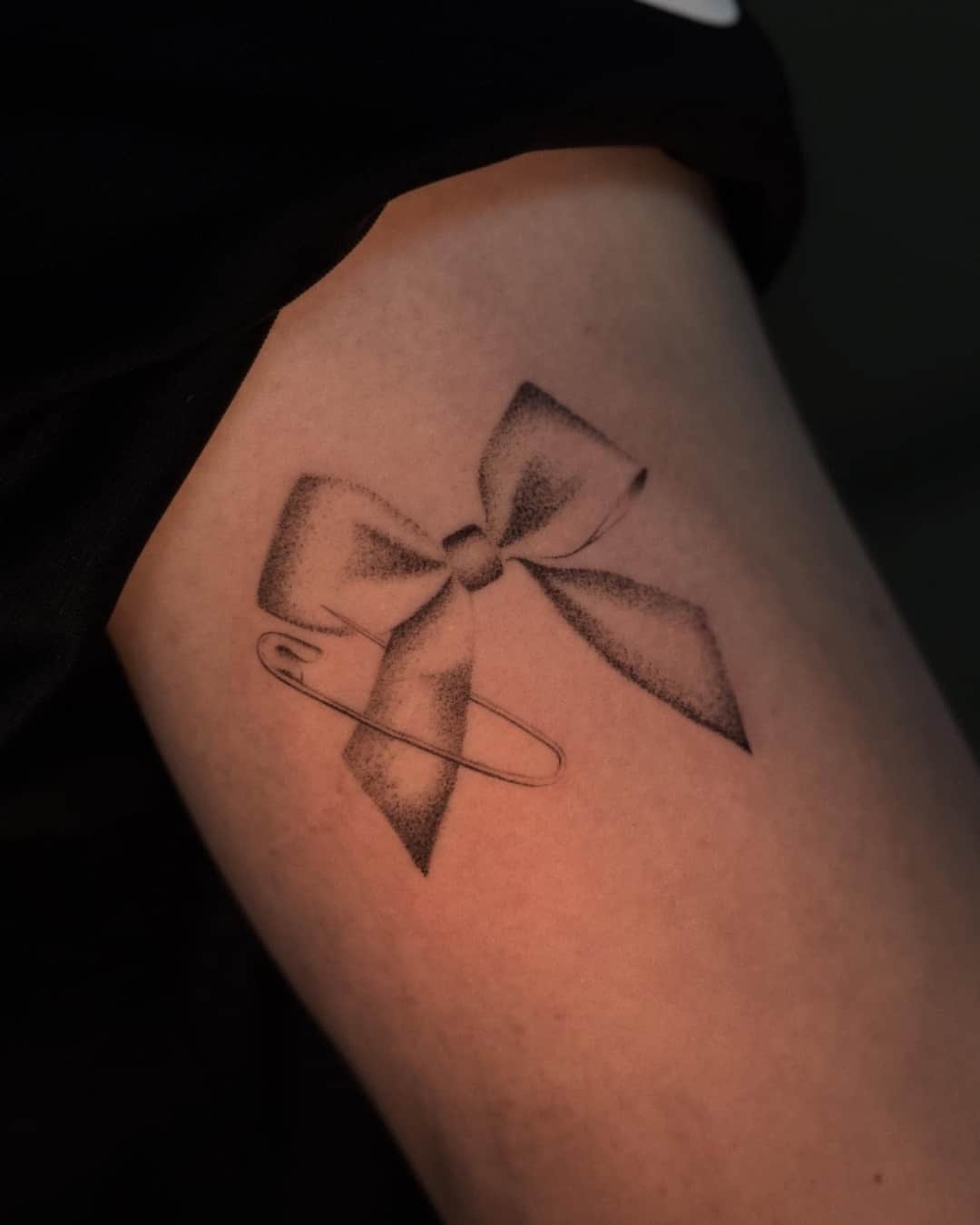
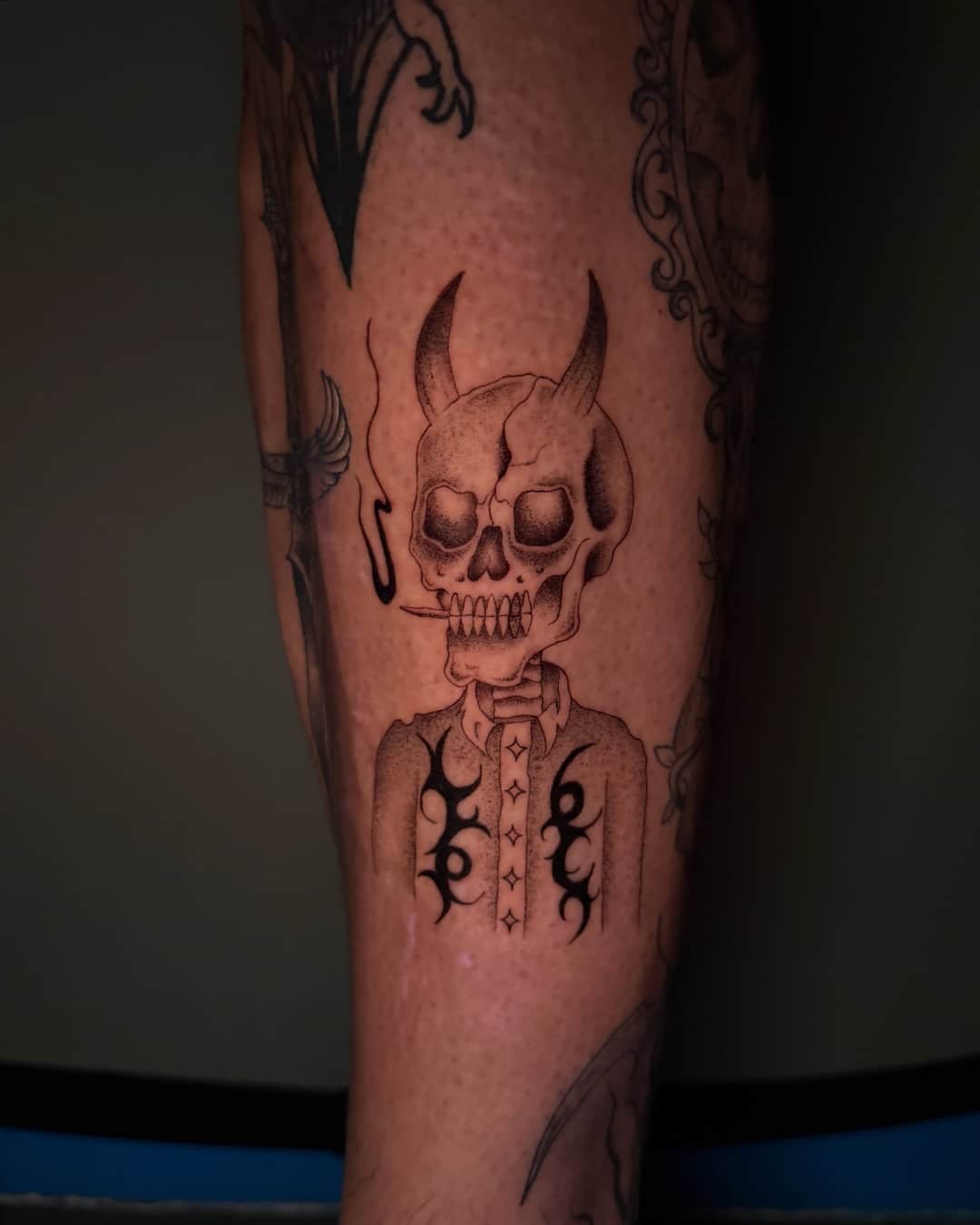
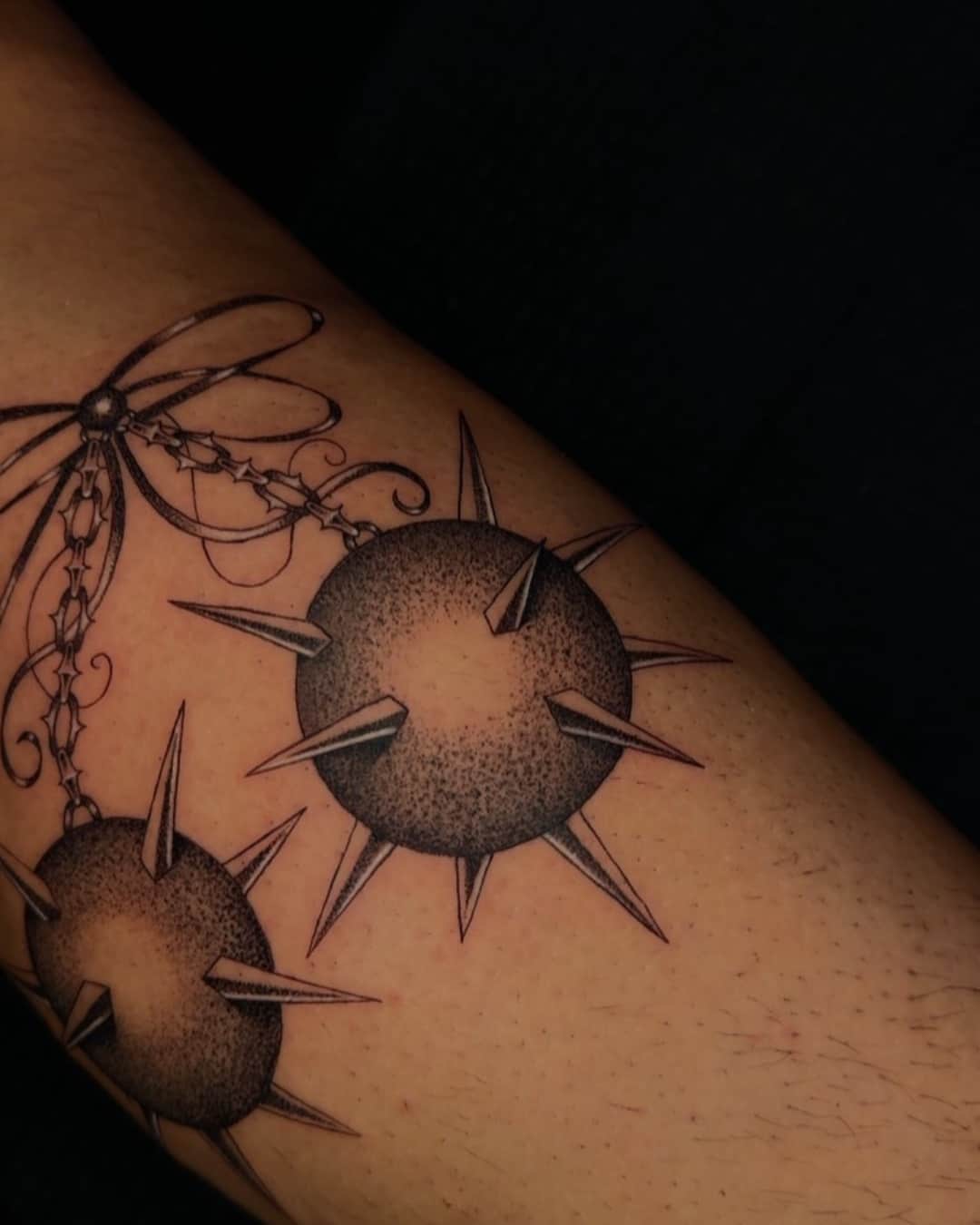
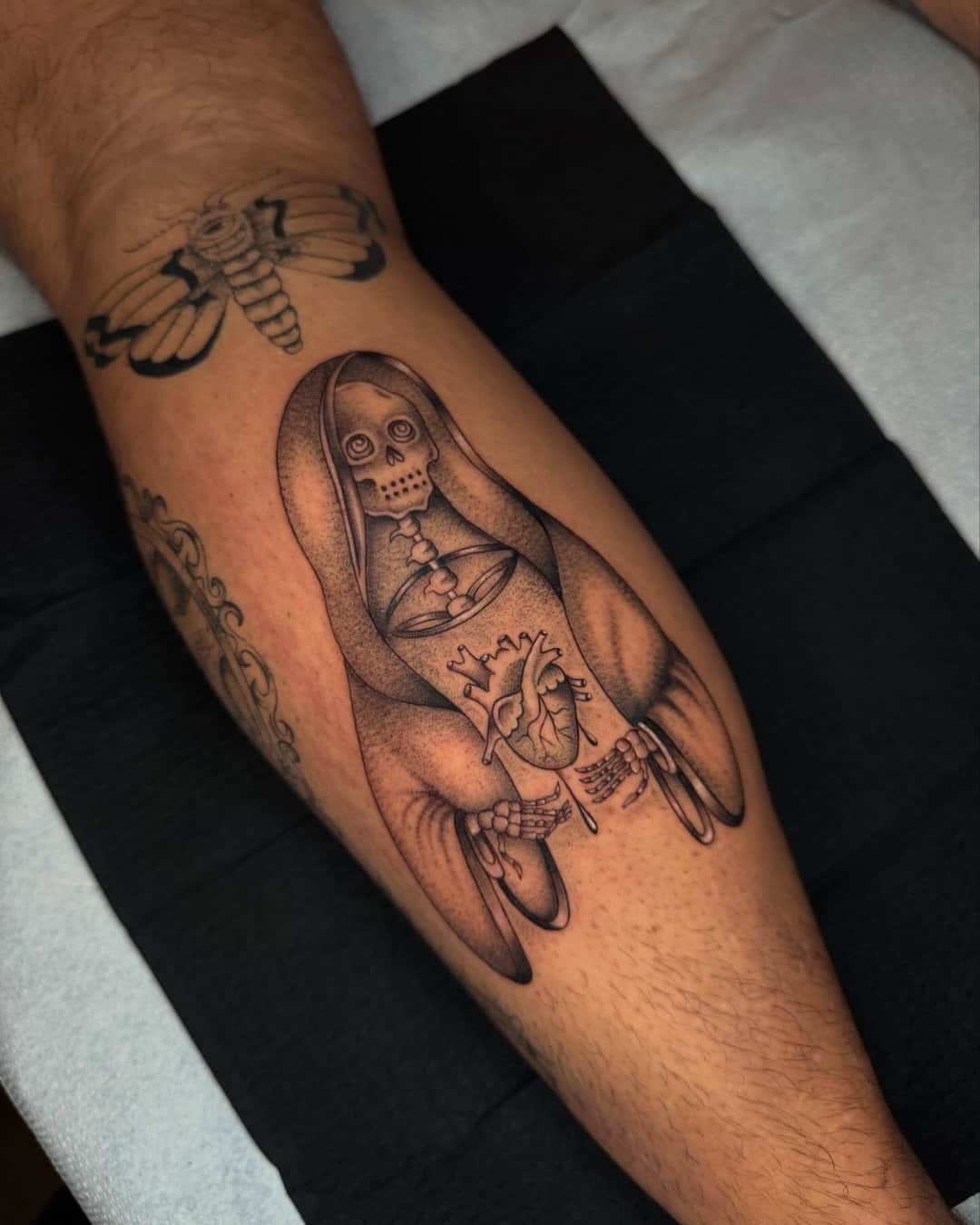
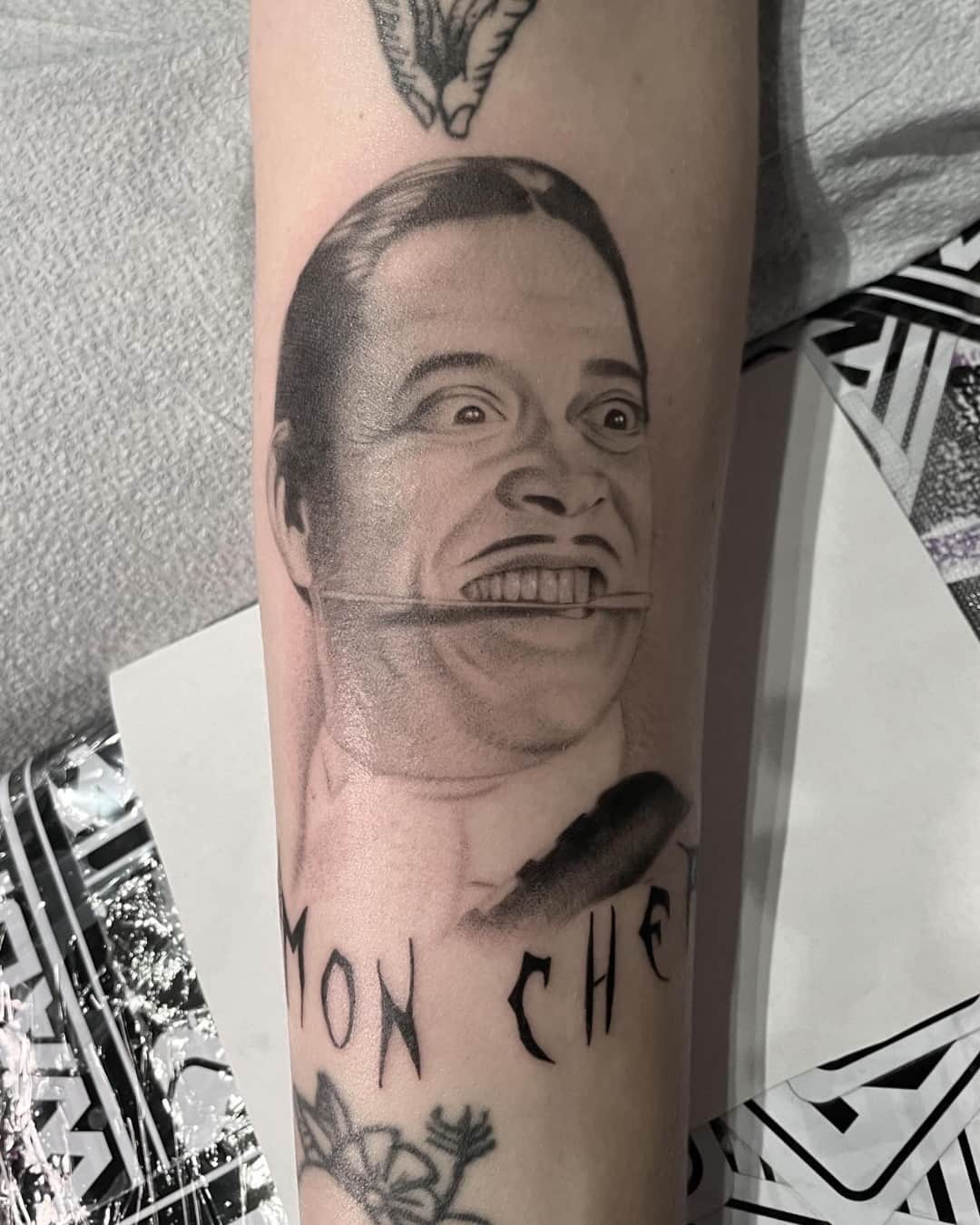
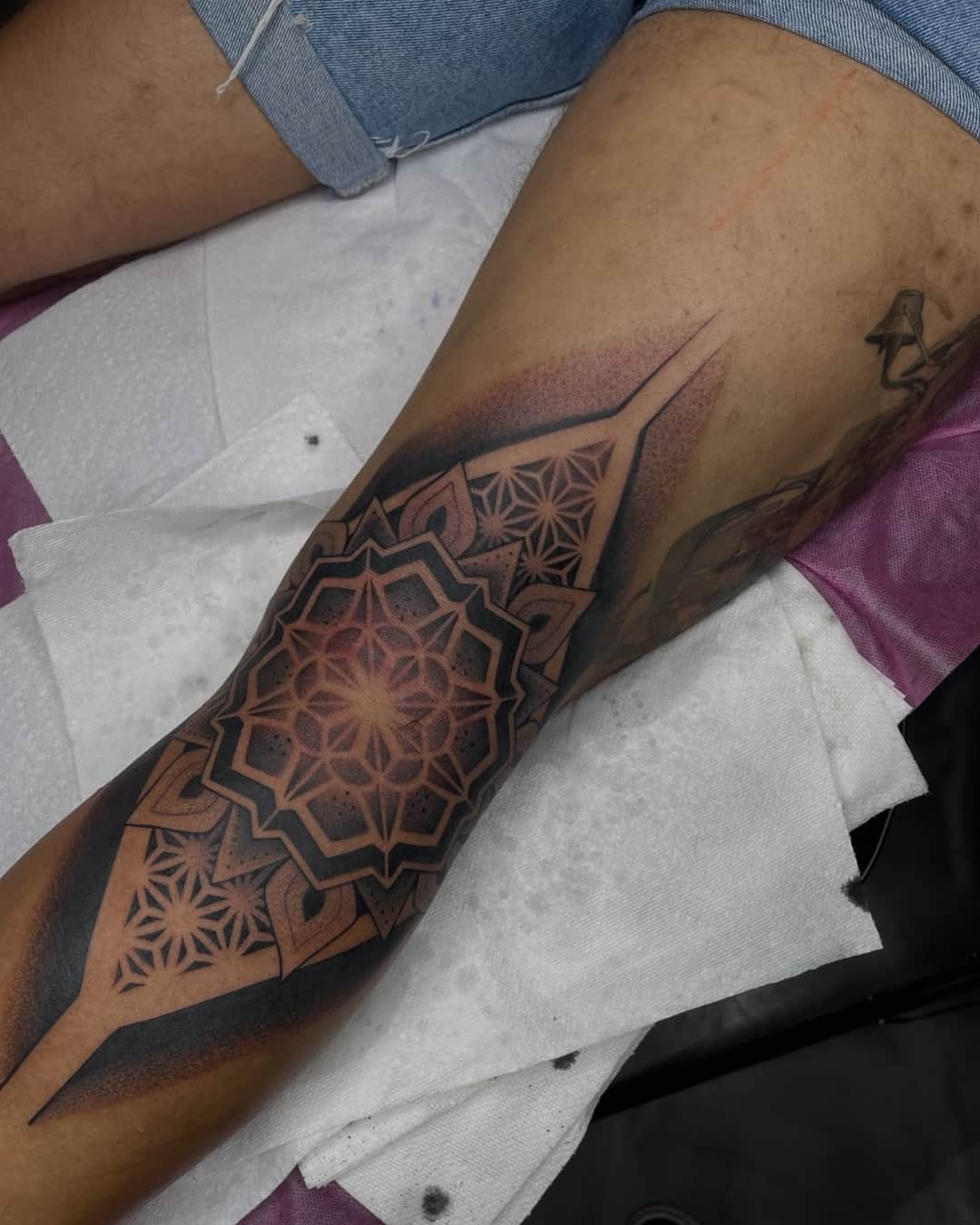
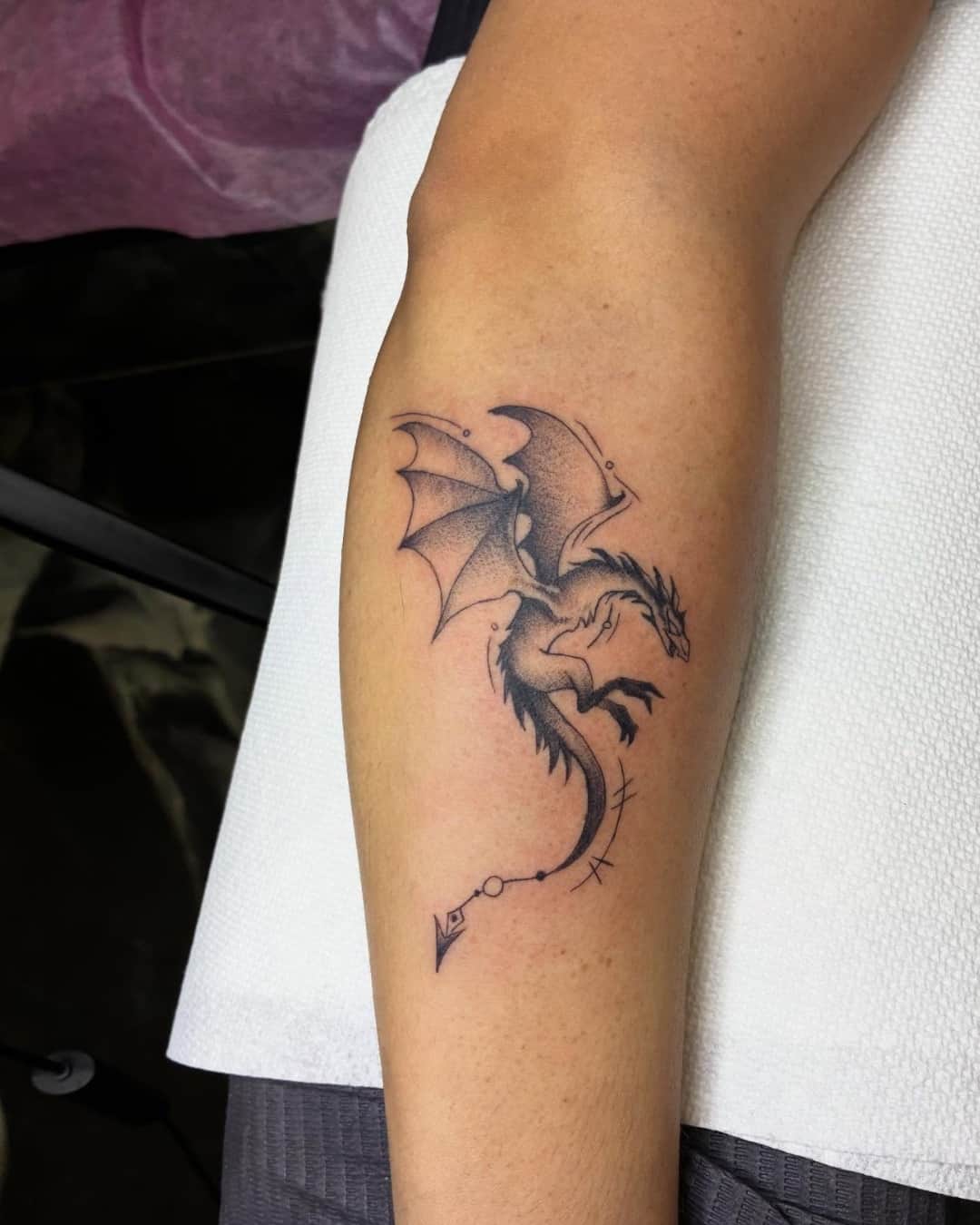
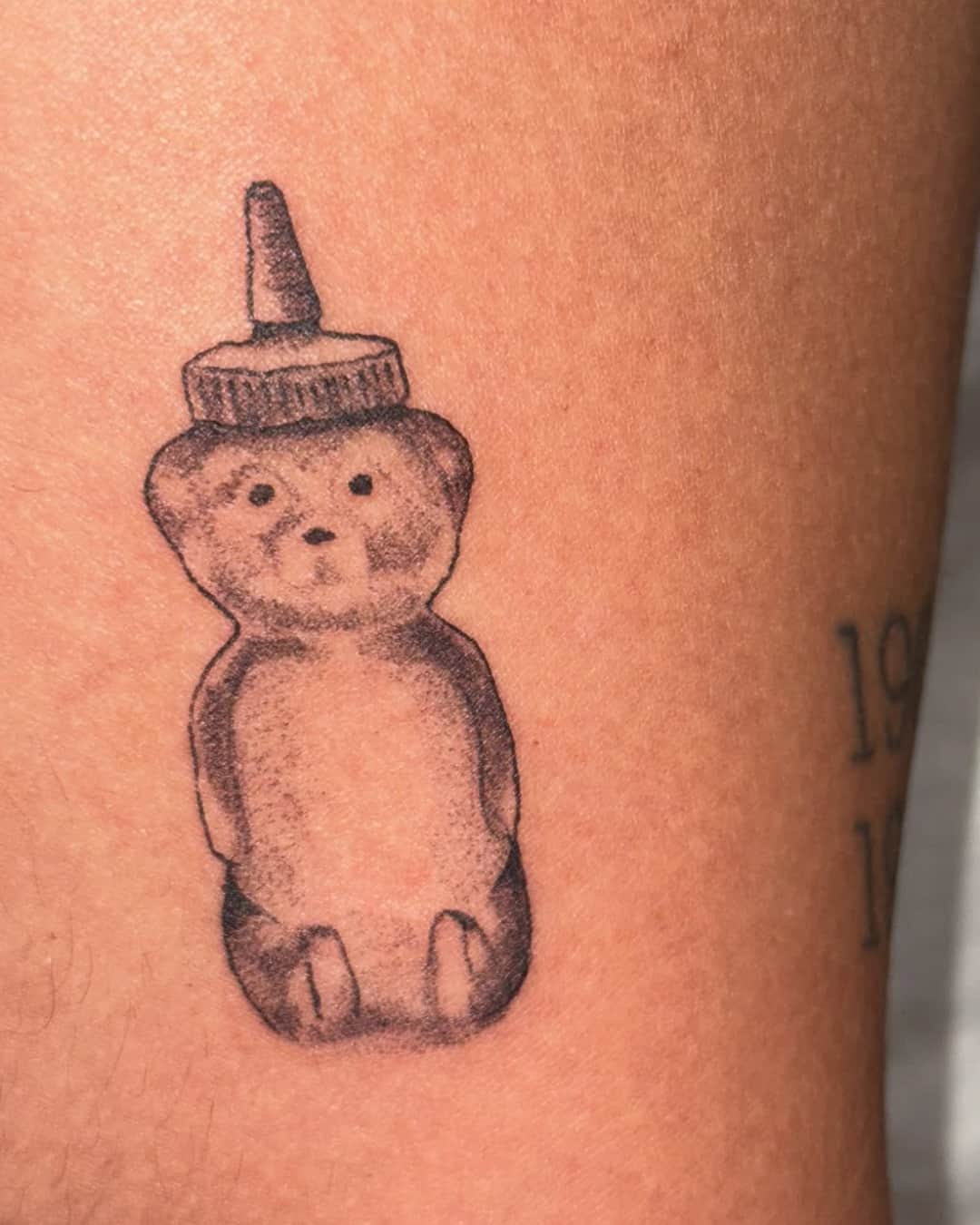
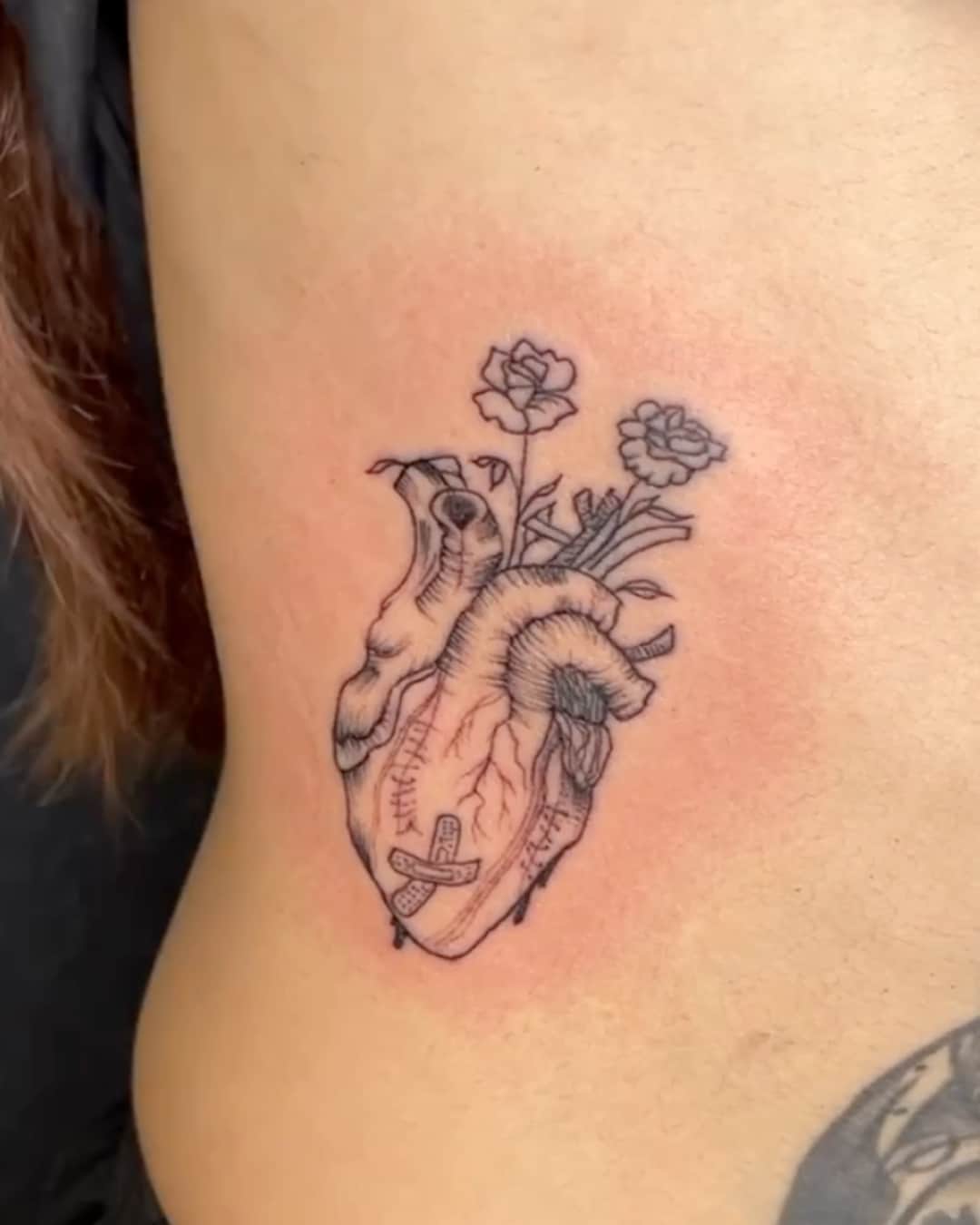
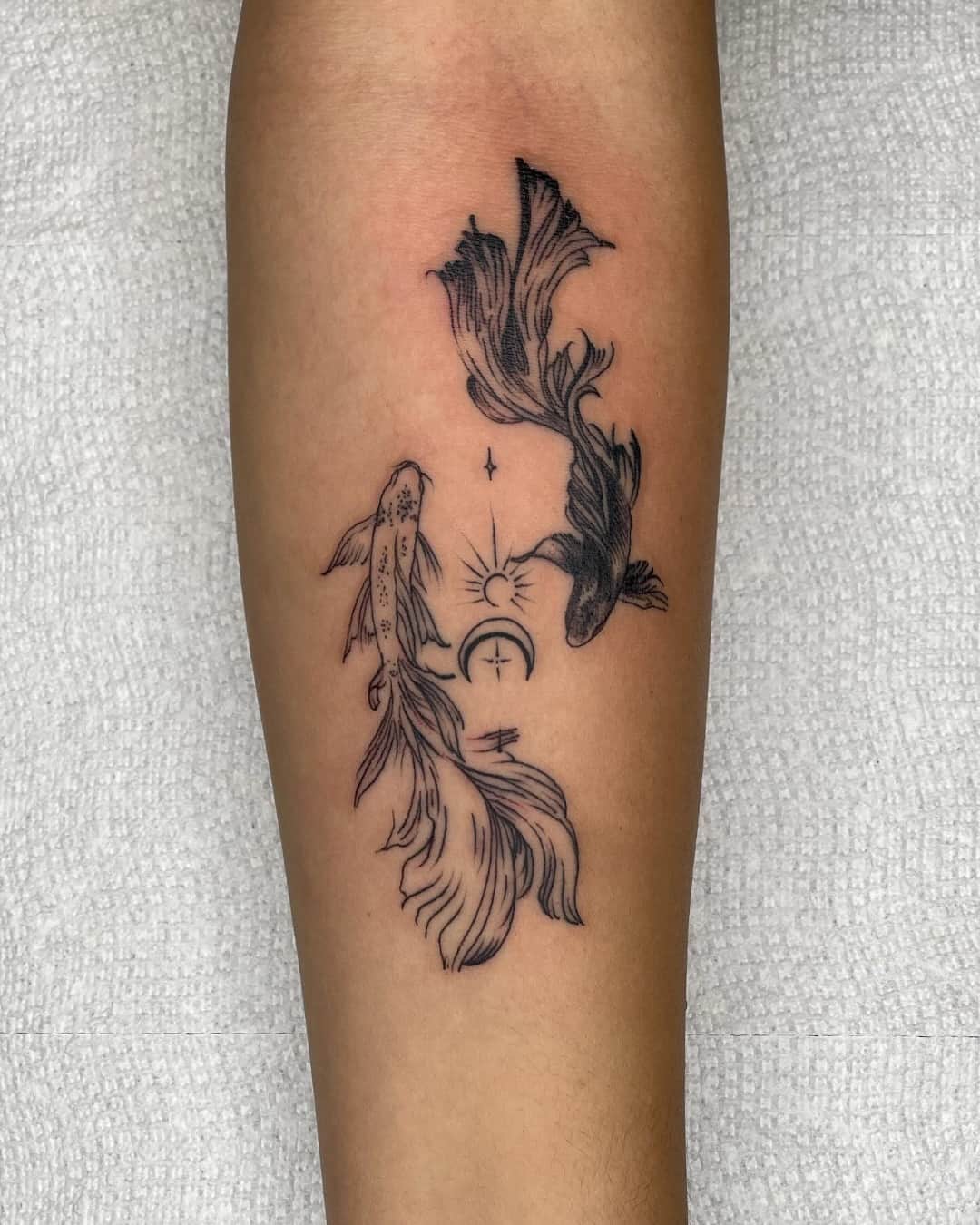
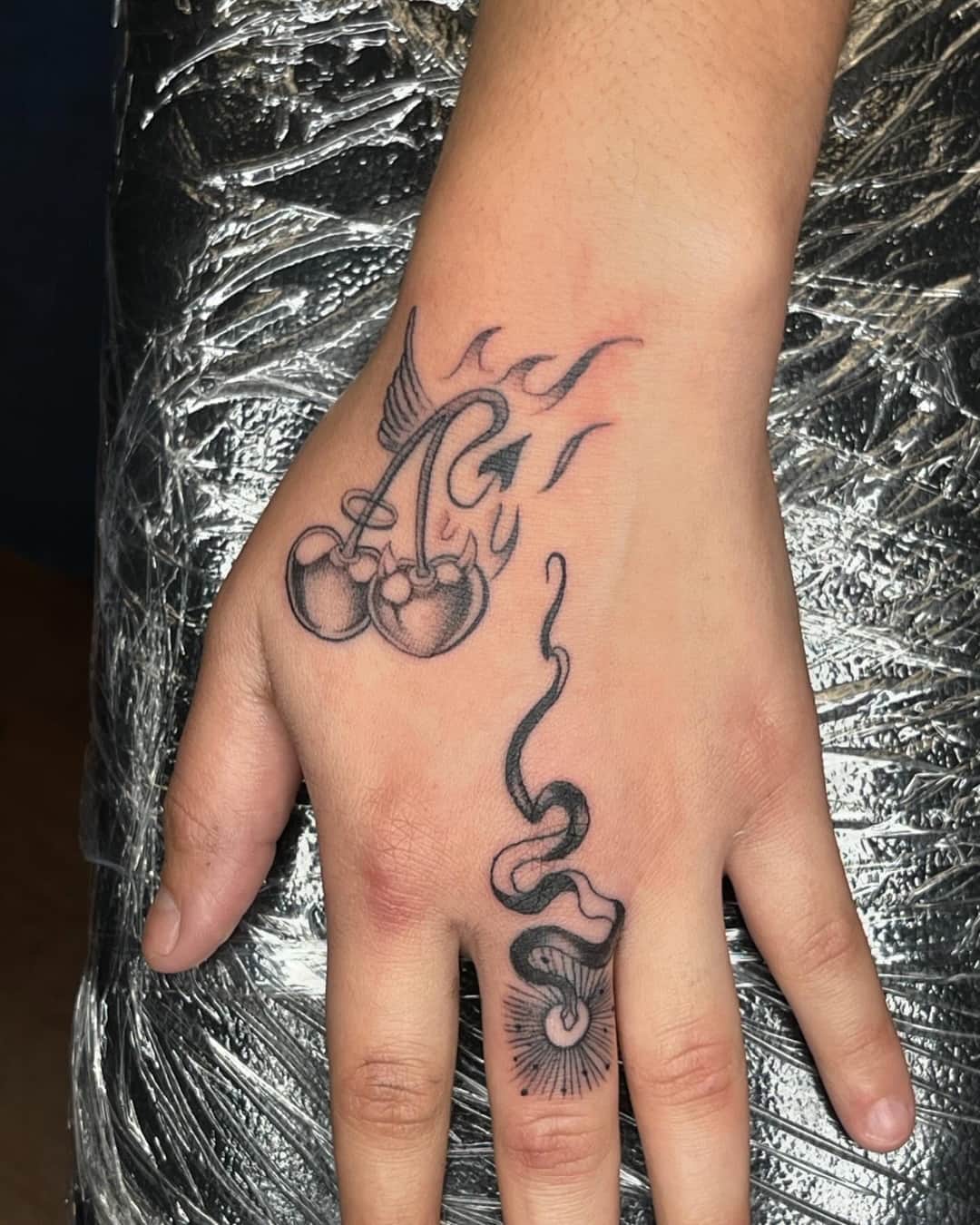
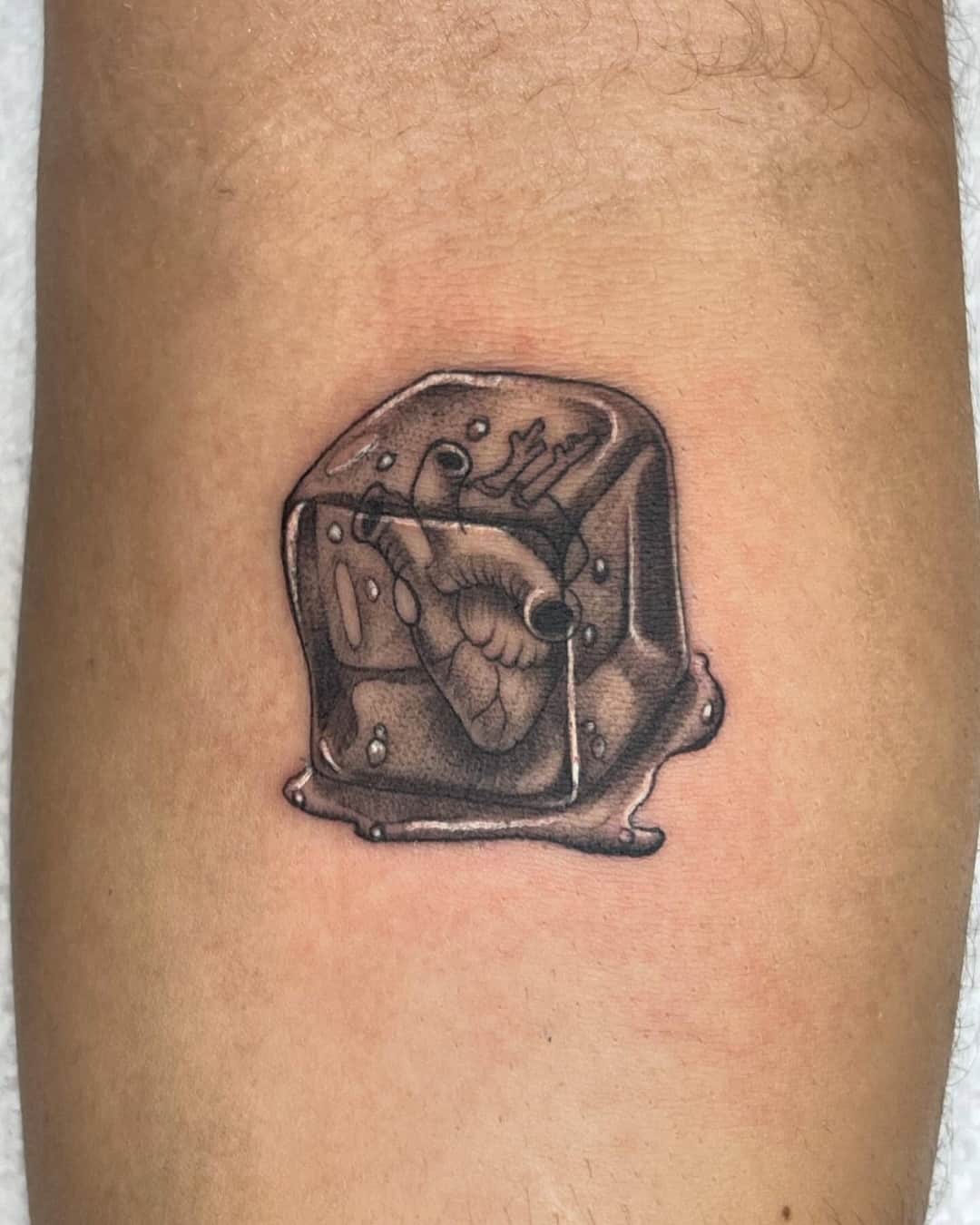
Dotwork builds tone and shape out of dots, dense for shadow and sparse for light, with a visible grain instead of smooth grey.
On YokoFolio, pick the style Dotwork and then your city, and widen the radius if the list is short. Dotwork is judged up close, so zoom in on the photos. Gradients shouldn't show rows of dots or clumped patches, and the move from a shadow to a highlight should be gradual with no break. Then step back: from a distance, the design should read as a clear shape before it reads as grain. Look for healed pieces too — that's where you see whether the dots went in at the right depth and the right distance from each other, and whether the lightest areas held. When you contact the artist from their profile, ask whether they shade only with dots, how many sessions your design needs at the size you want, and to see a healed piece of similar size.
The sensation is different rather than worse: repeated needle pricks at a steady rhythm, instead of the continuous pass of a line or a fill. A lot of people find it easier to sit through, because the skin takes less of a beating than it would from a dense fill over the same area. What actually weighs on you is time — dotwork is slow, a large gradient can take hours, and a long session is tiring. Placement counts for more than technique: areas over bone or with thin skin, such as the ribs, the sternum or the ankle, feel sharper whatever the style. Talk it through with your artist, split a large piece into several sessions, and plan for breaks rather than trying to push through in one sitting.
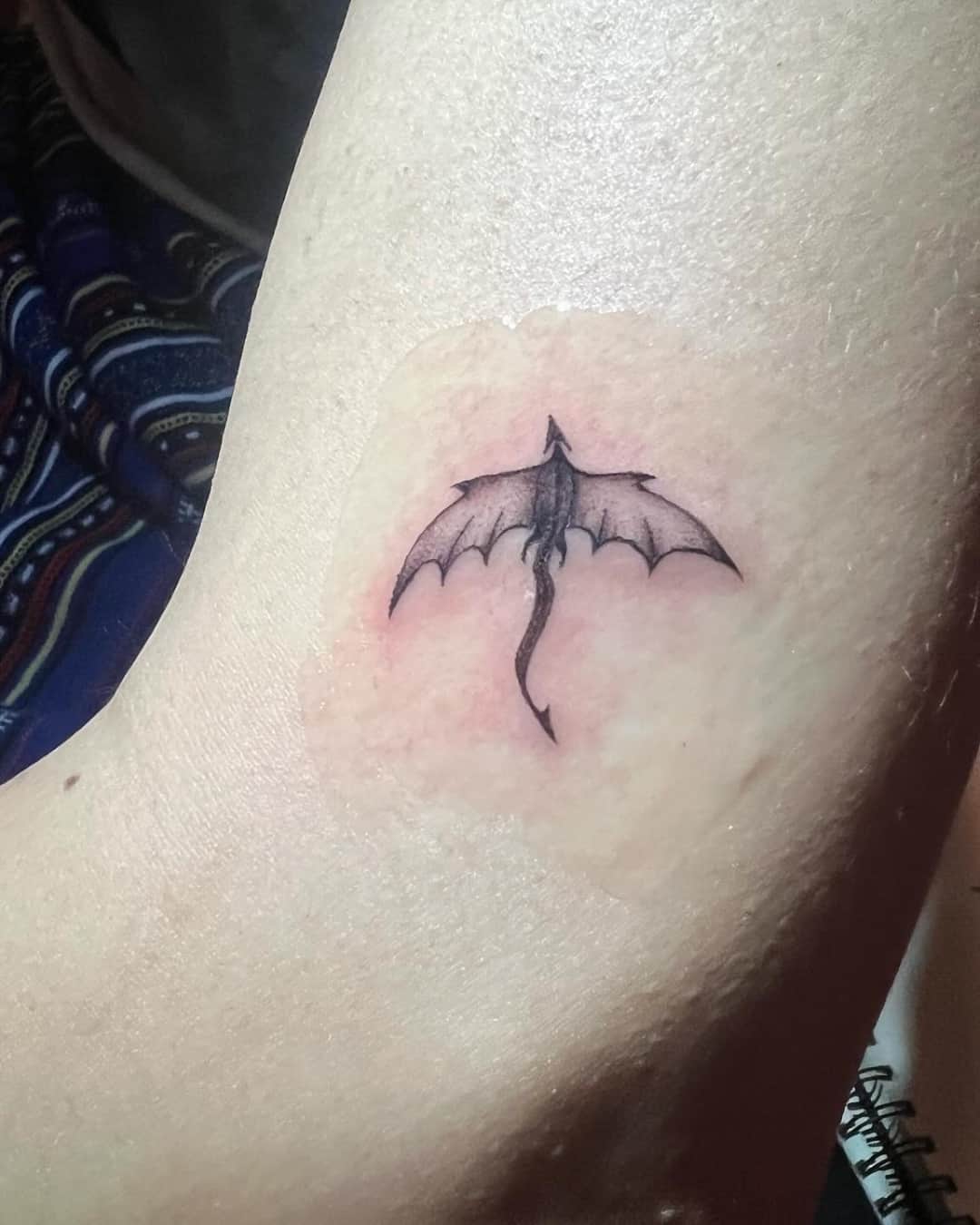
The dots spread slightly and the gradient tightens: a light area gets a little denser, a subtle transition closes up. Dotwork built on real differences in density stays perfectly readable; dotwork whose gradient hangs on a few isolated dots goes there first, and the widely spaced dots at the edges disappear soonest. Two choices made before the first session decide most of it. Size: go bigger than you picture, because a dot gradient needs surface to settle in, and a small piece has no room to lose contrast. Subject: favor shapes that read from a distance — the grain is a texture, not a structure, and it's the silhouette that carries the design ten years out. Sun fades every tattoo, and fine grain shows it first. A light touch-up after several years is usually enough to get the original depth back.
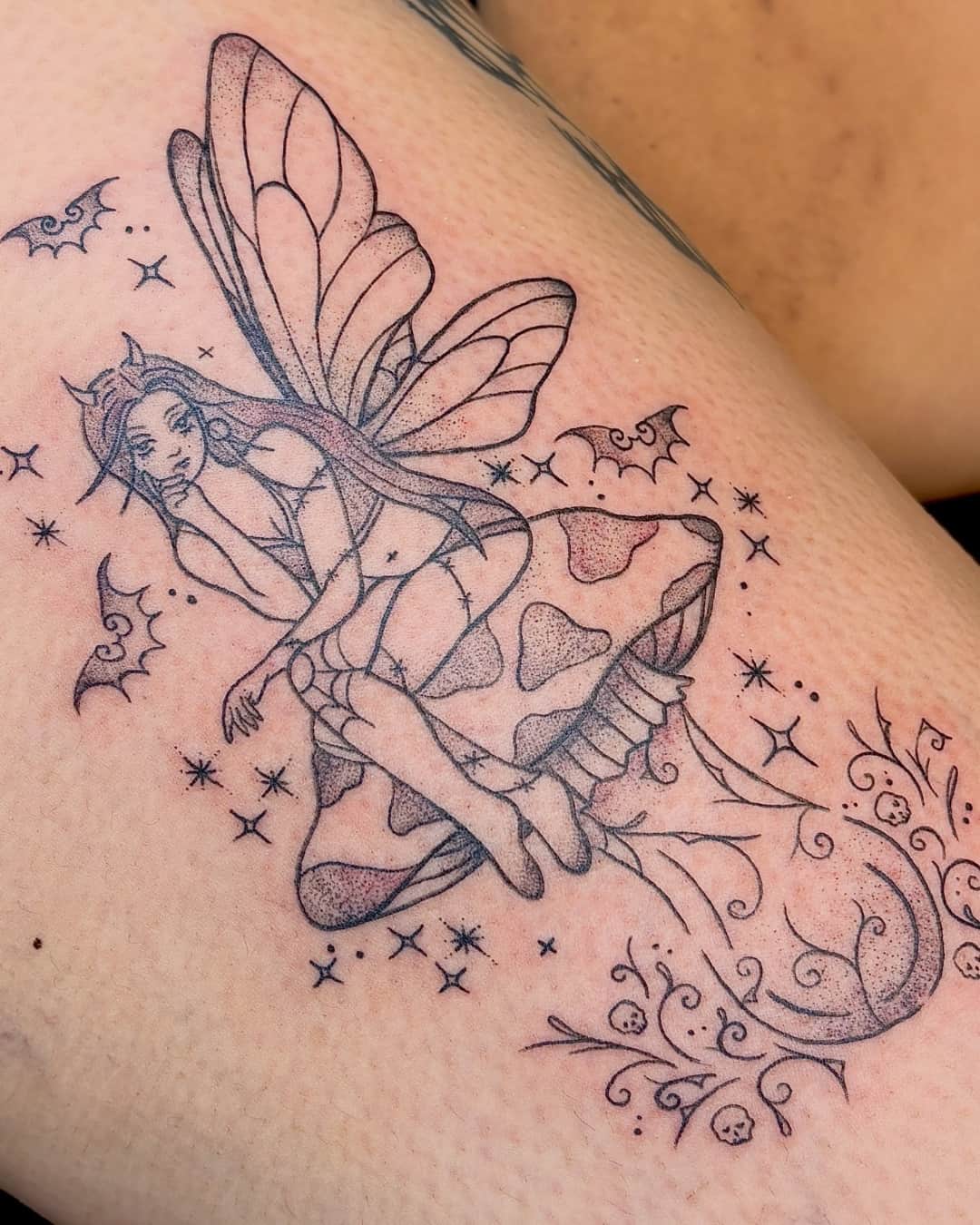
Blackwork is about mass: large areas of solid black dominate the piece, with bare skin as the only other value. Dotwork makes its darks by packing dots tighter rather than filling solid, and its gradients stay grainy when you get close — so a piece done entirely in black ink isn't Blackwork just for that. Geometric is defined by what's drawn rather than how it's shaded: circles, polygons, symmetry and patterns, usually laid out in clean lines. Dotwork and Geometric meet all the time — a compass-drawn mandala shaded in stipple, a sacred-geometry figure built entirely from dots — and the piece then carries both styles, the dominant one first. But a few dots added as accents to a line drawing don't make it Dotwork. If the tone is a visible grain of dots, it's Dotwork.