1/11

9 tattoo artists · 1 tattoo shop
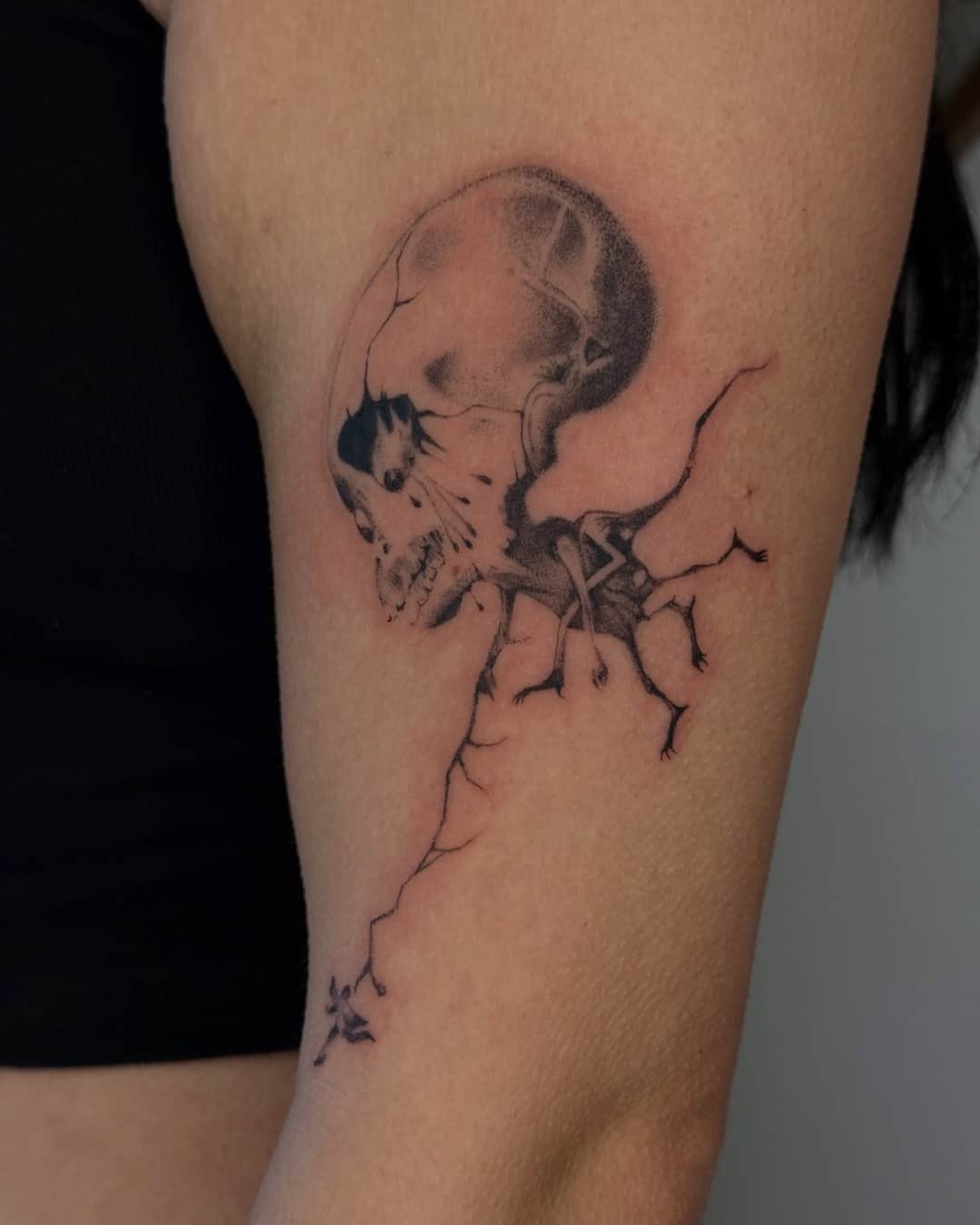
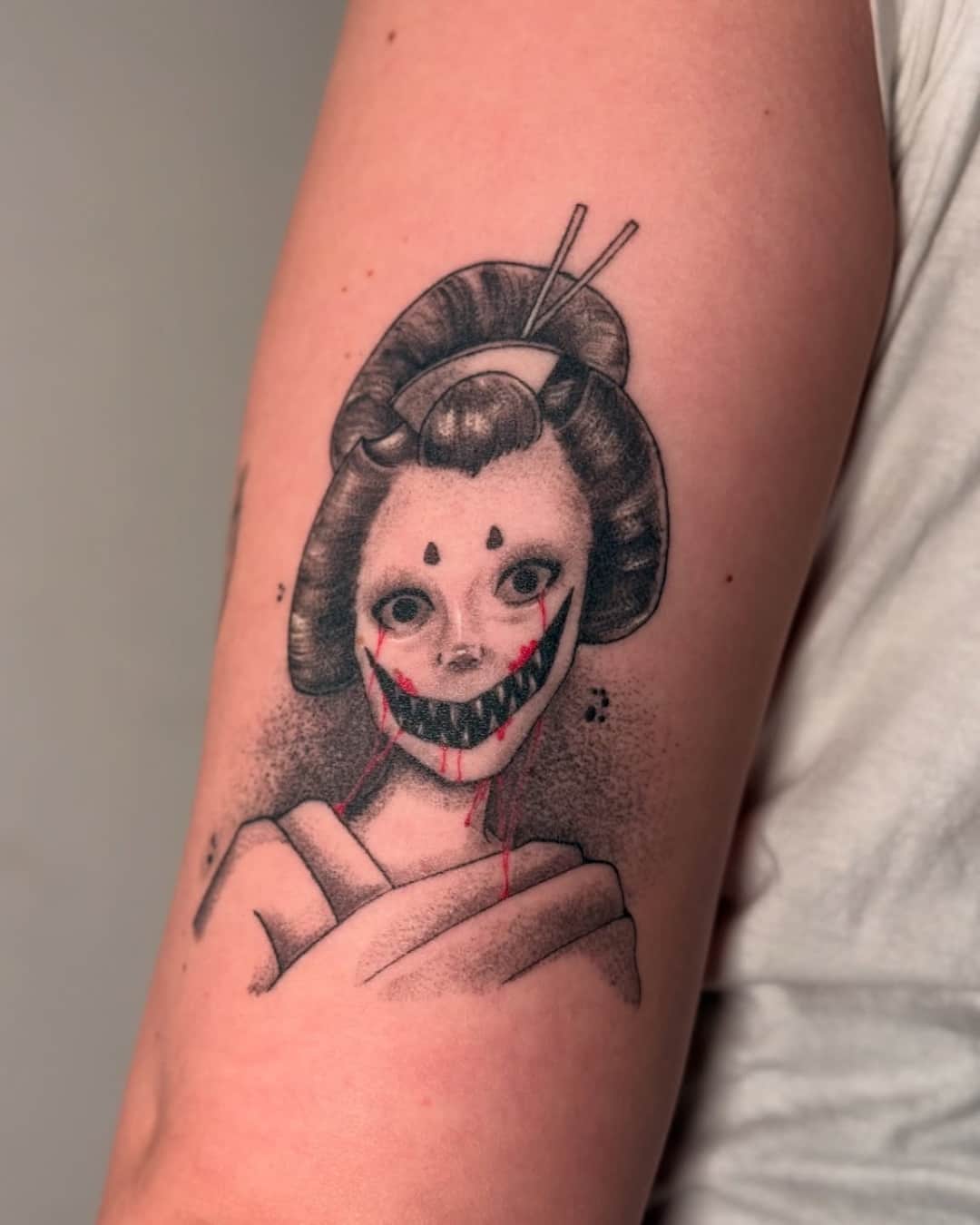
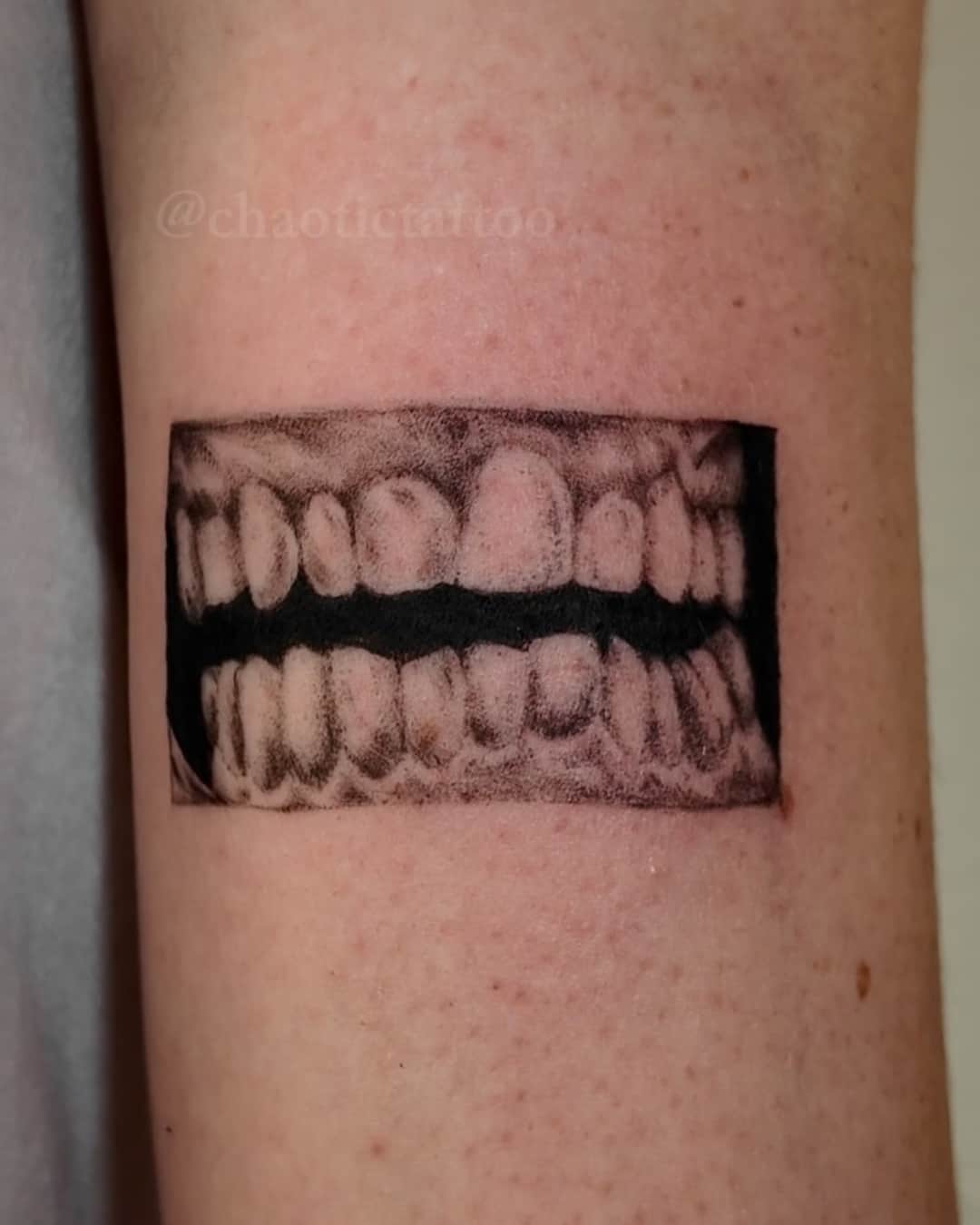
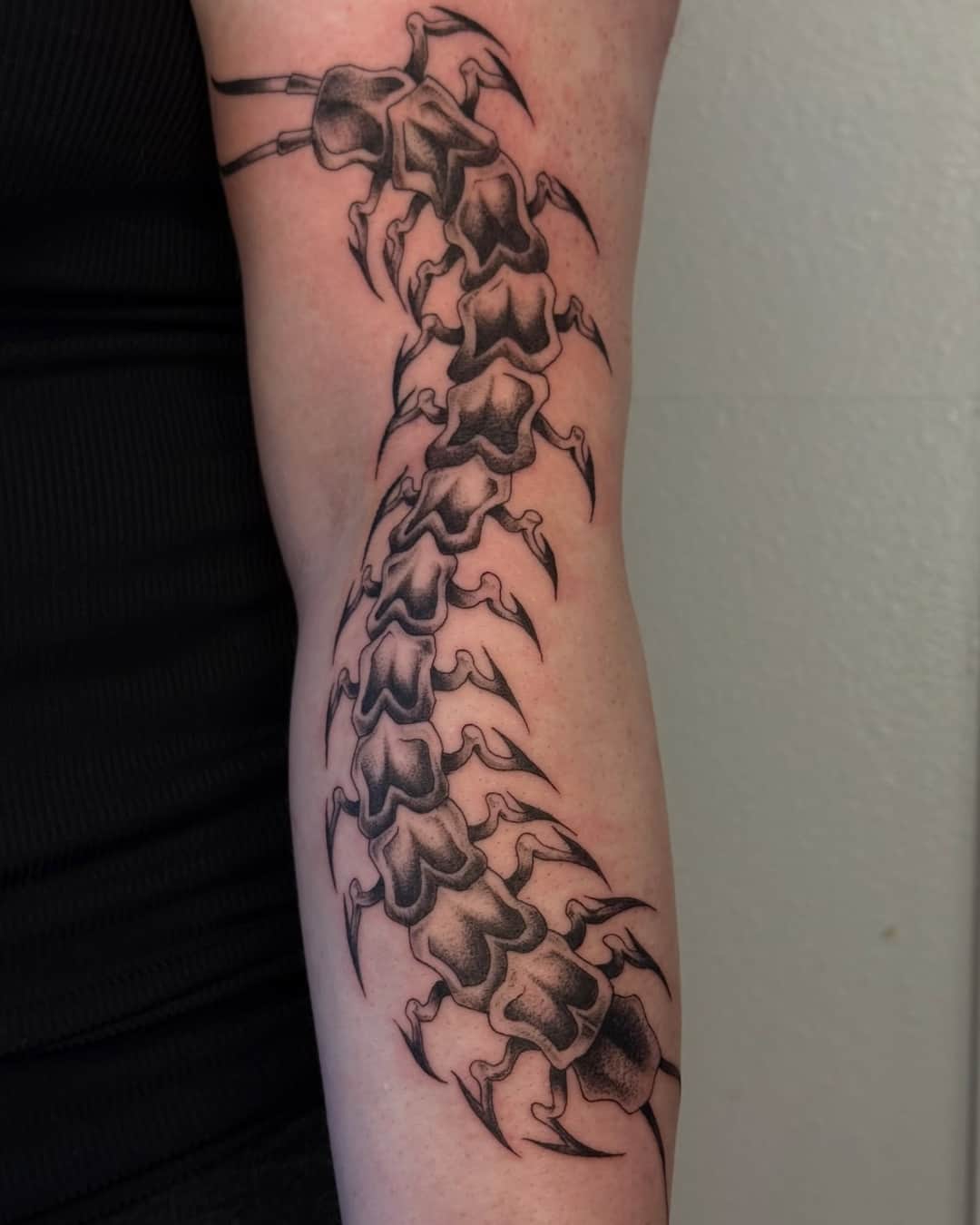
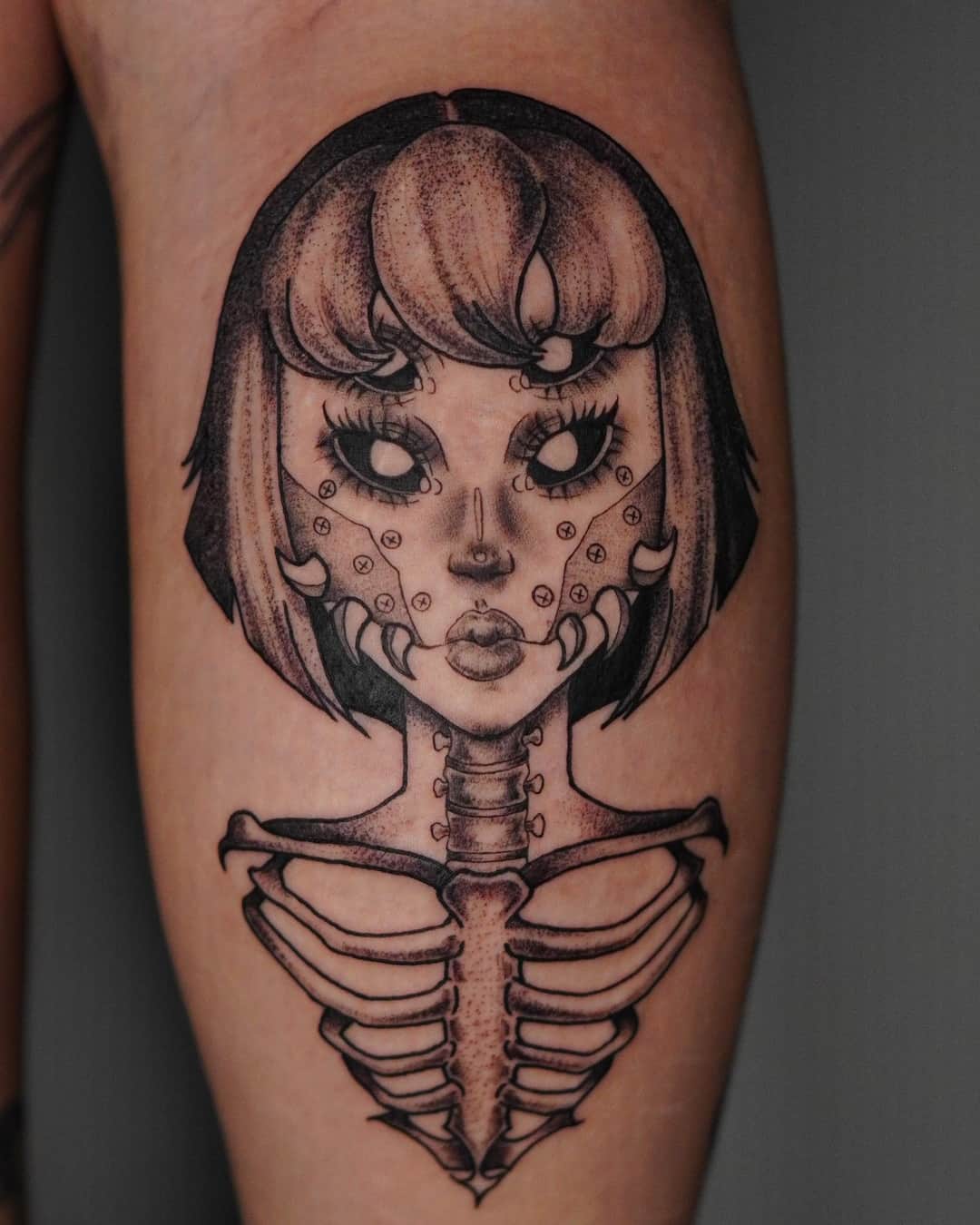
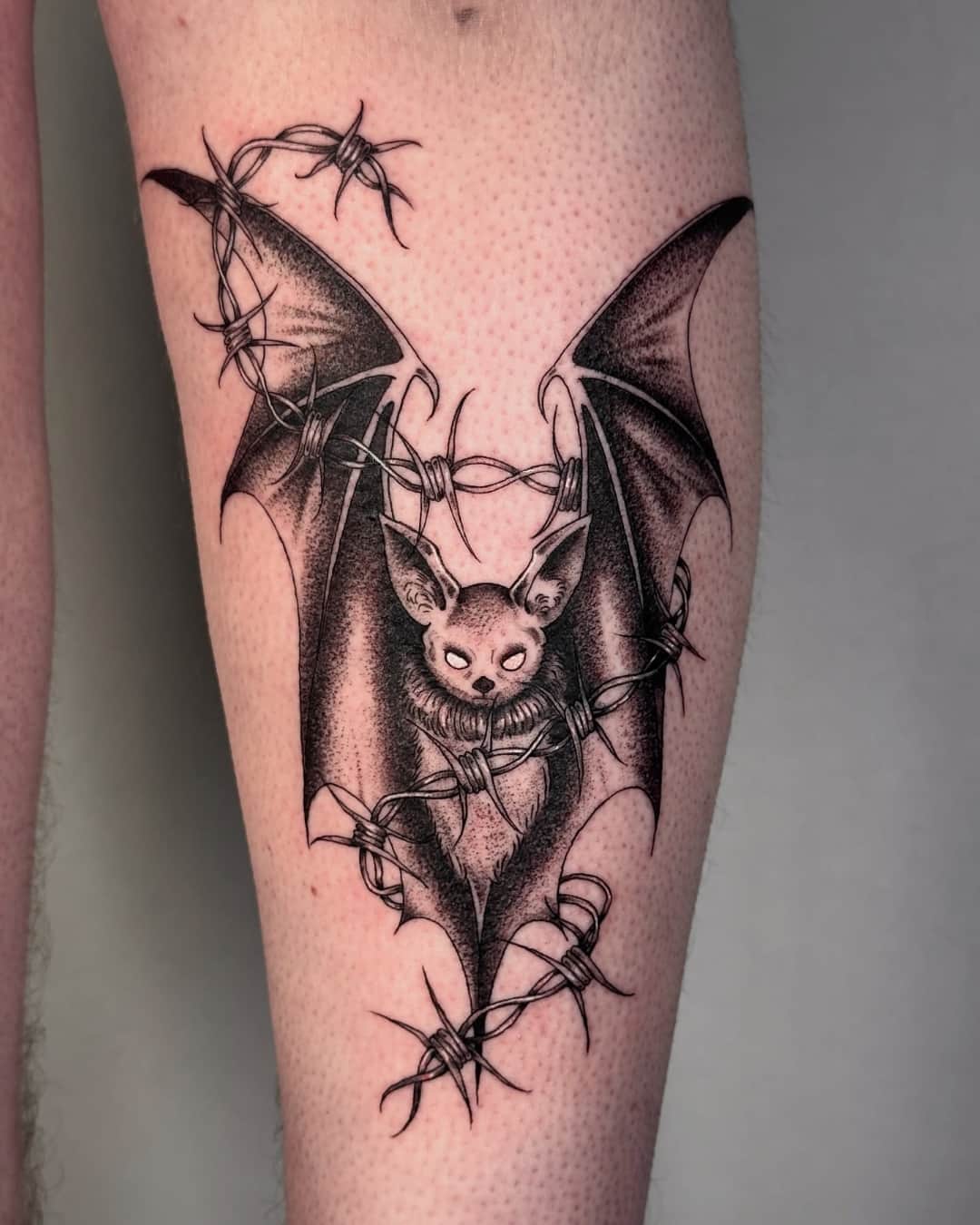
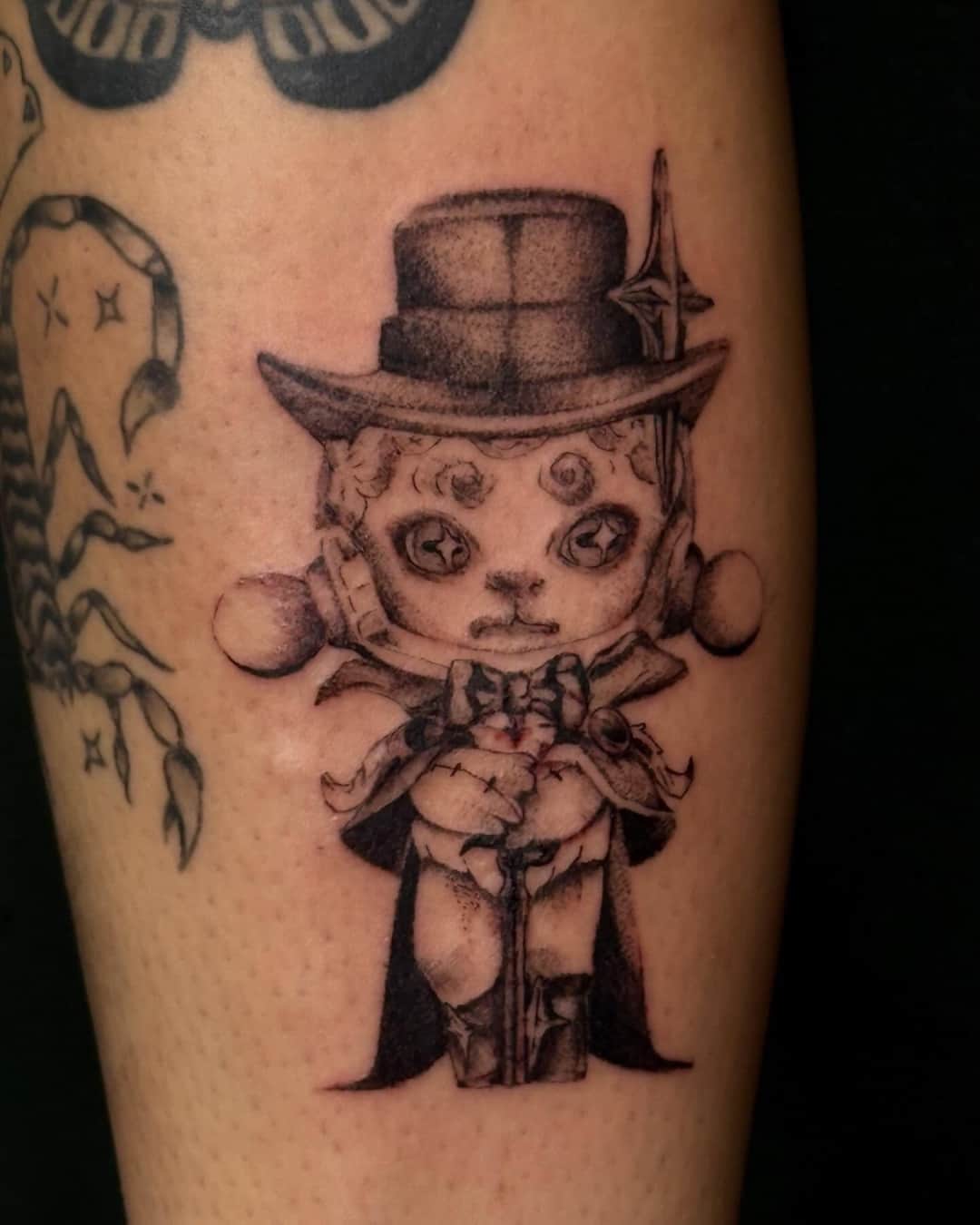
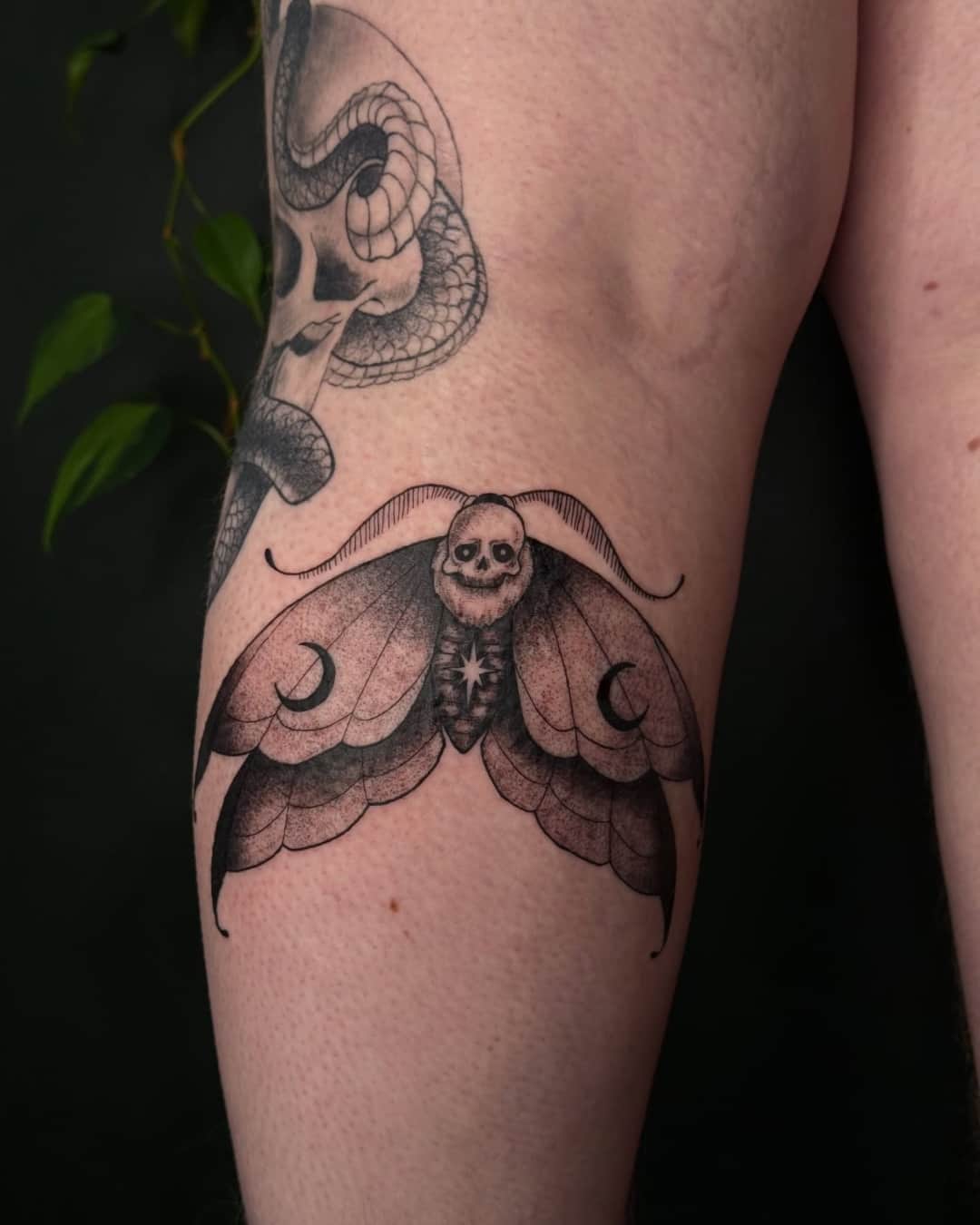
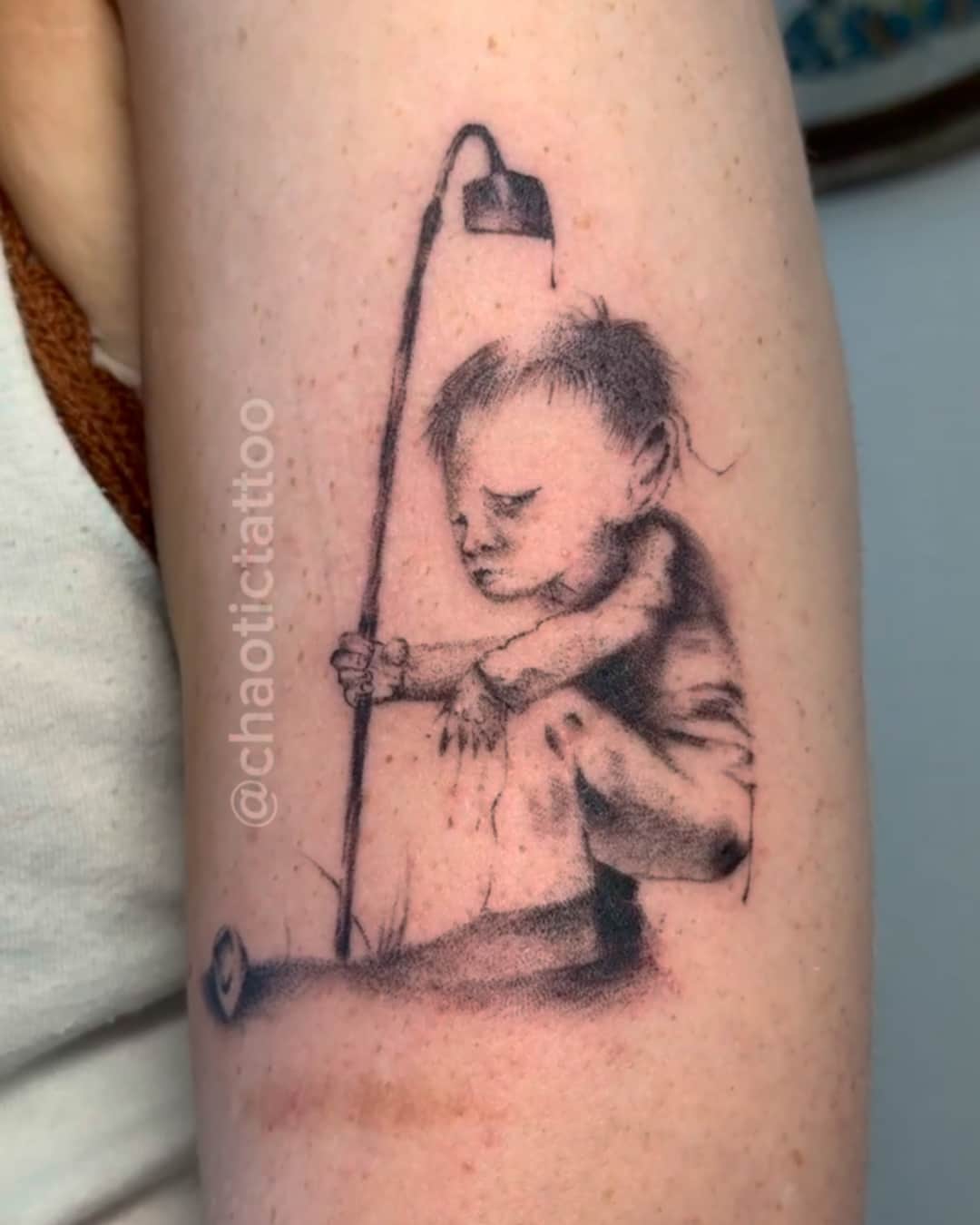
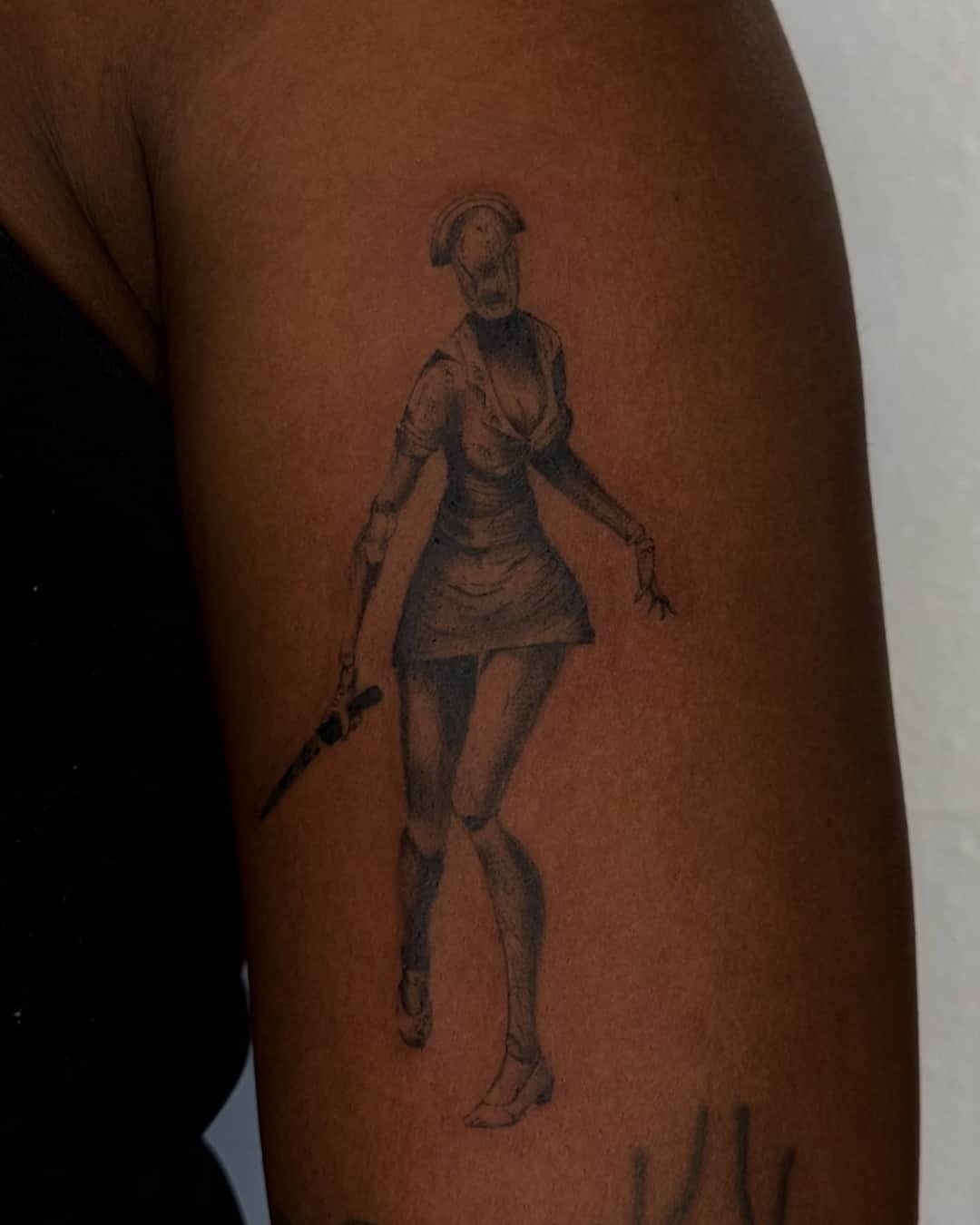
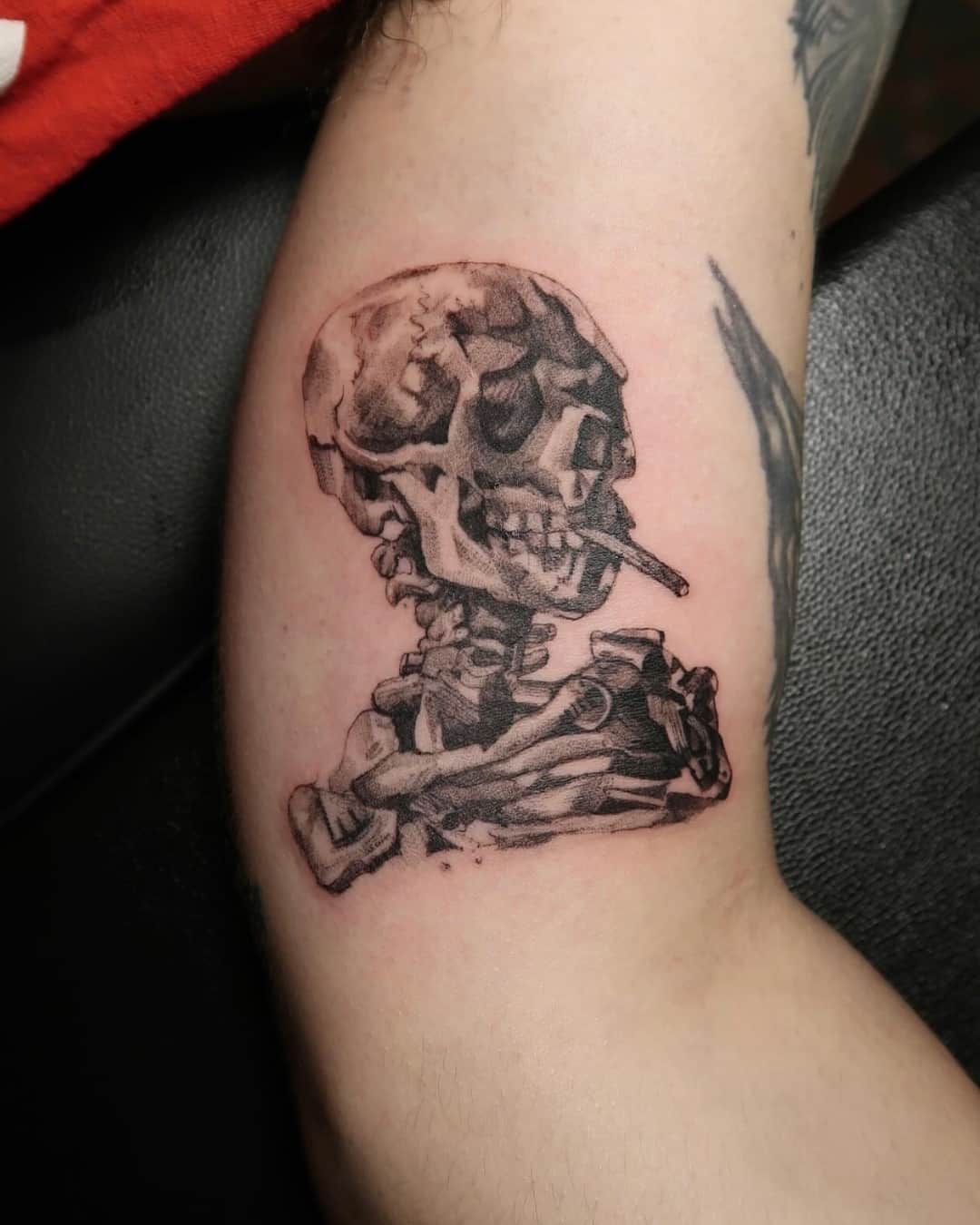
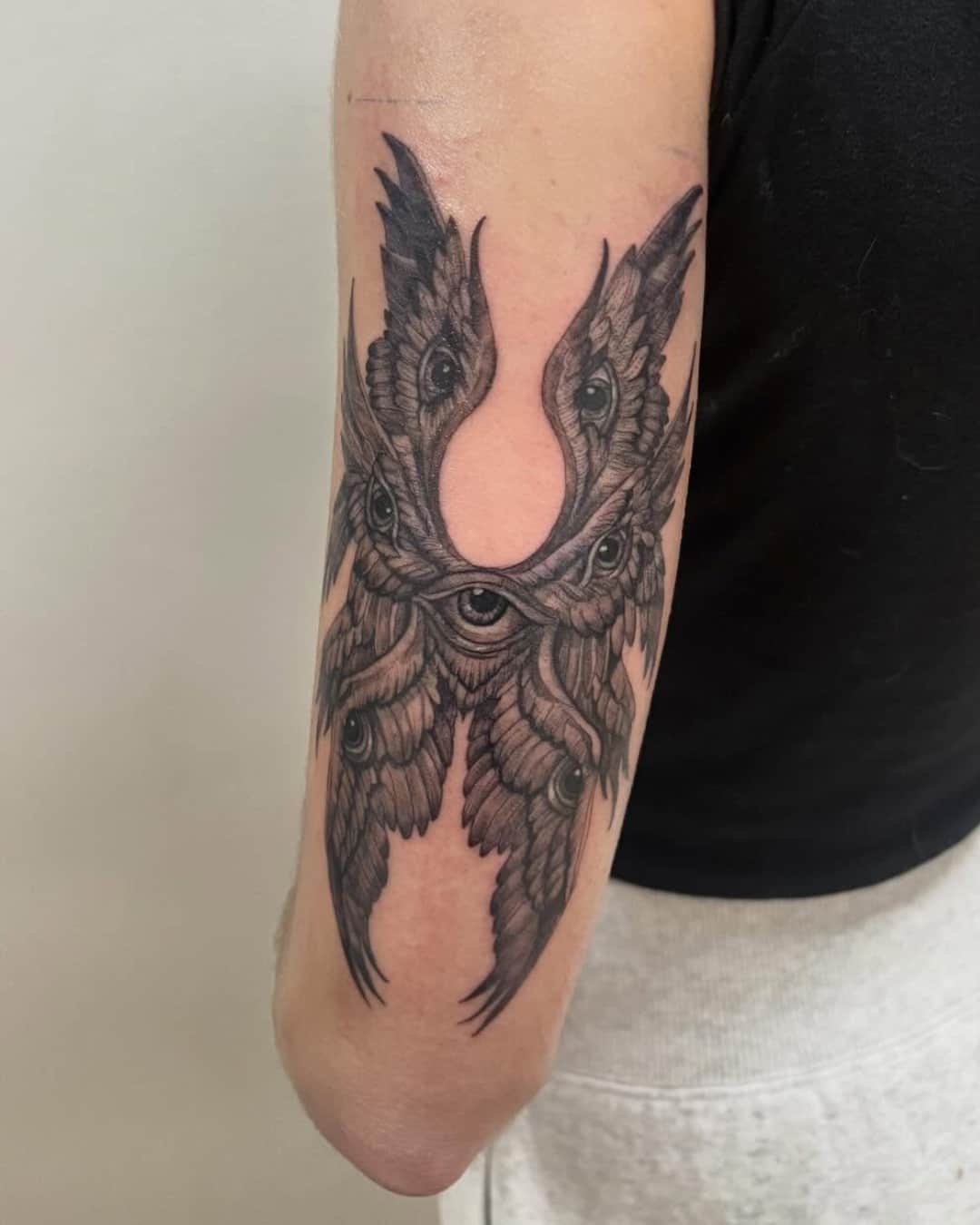
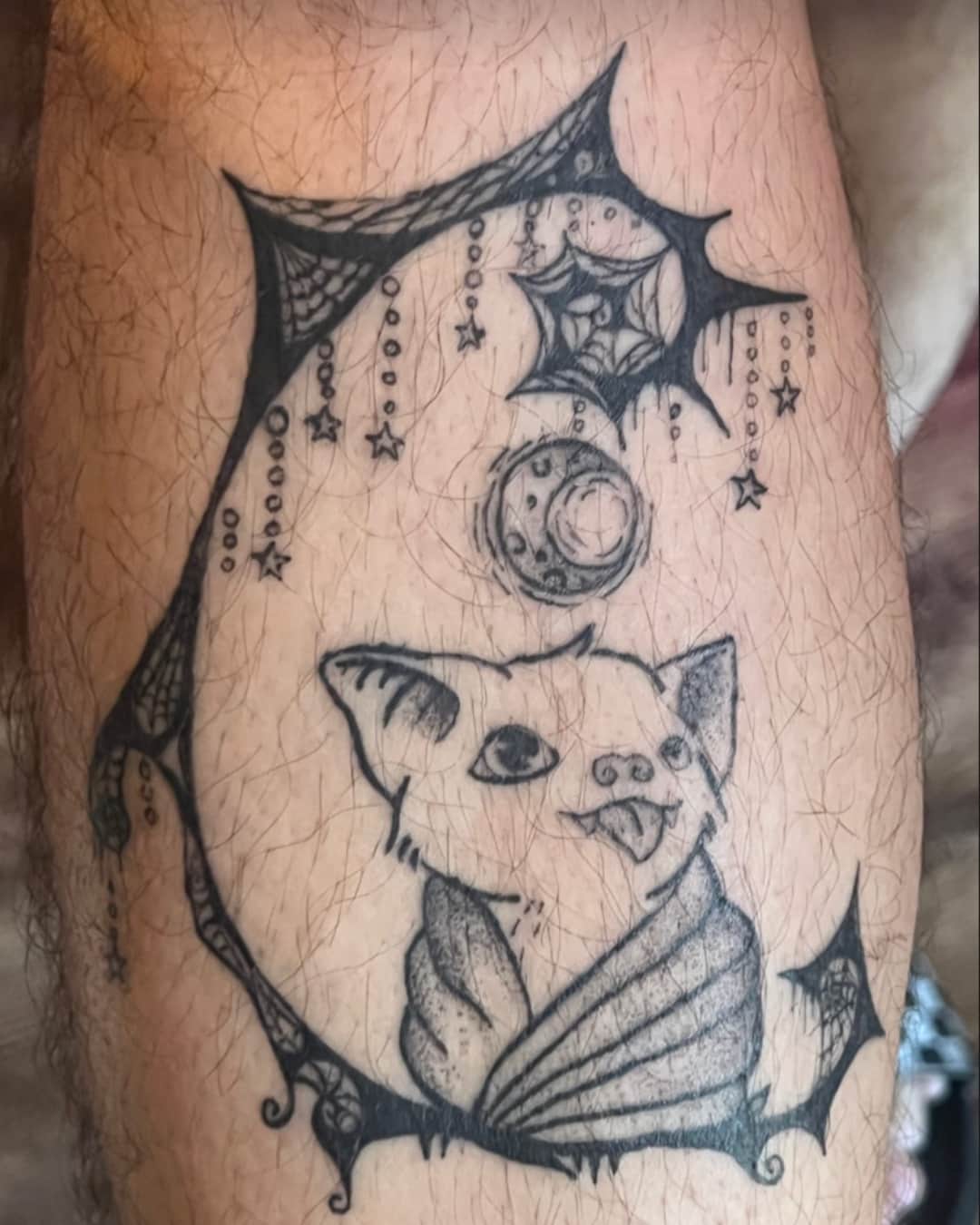
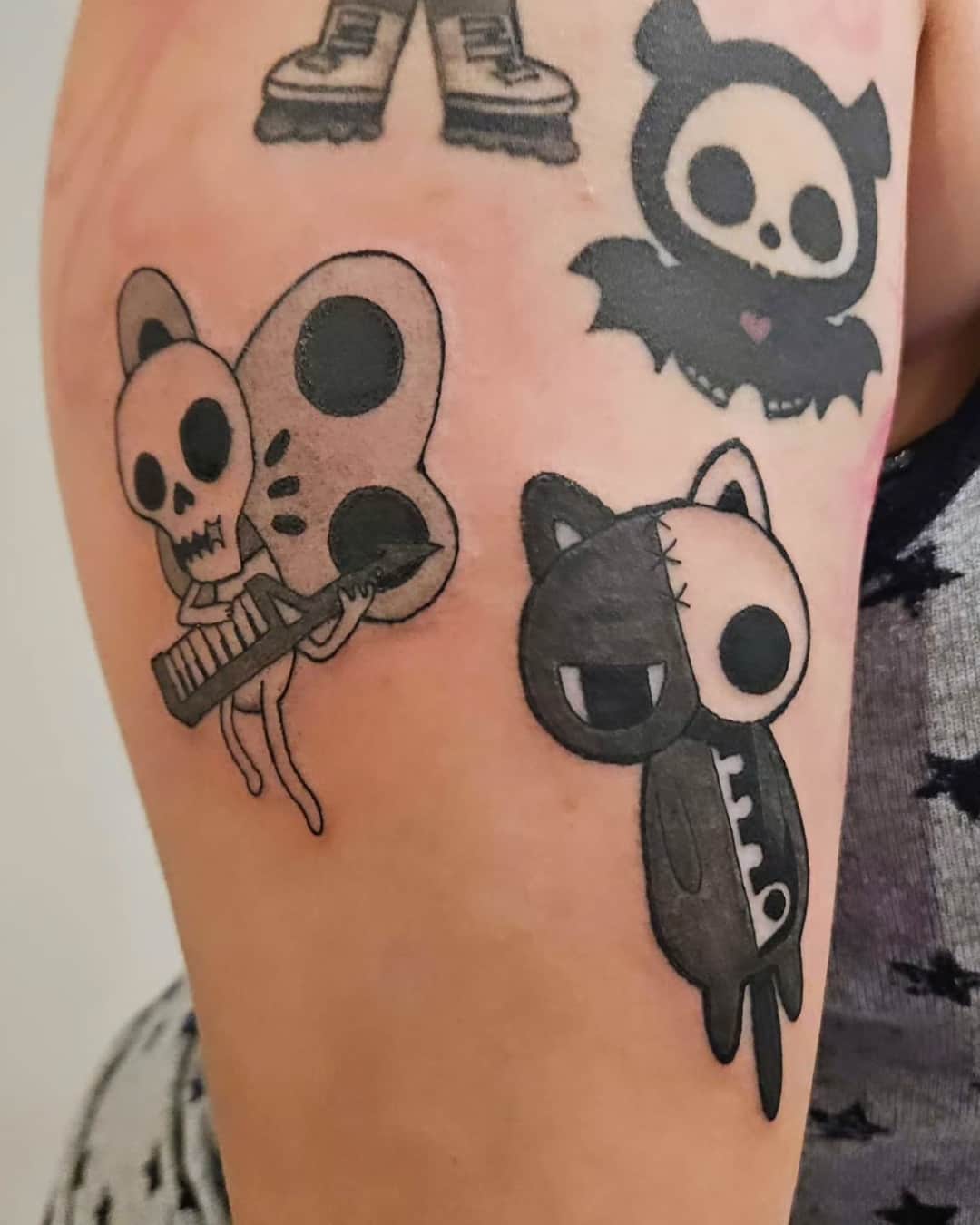
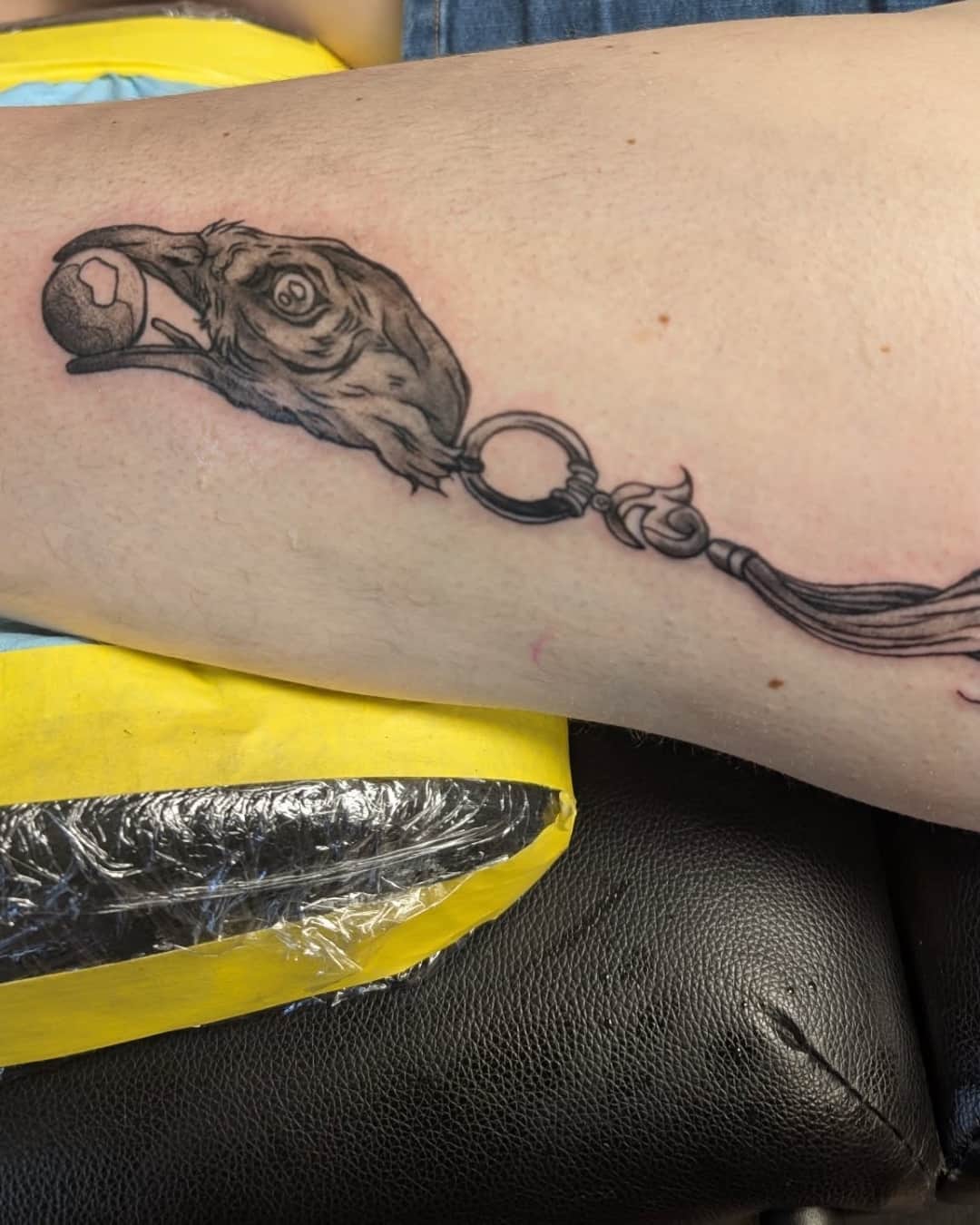
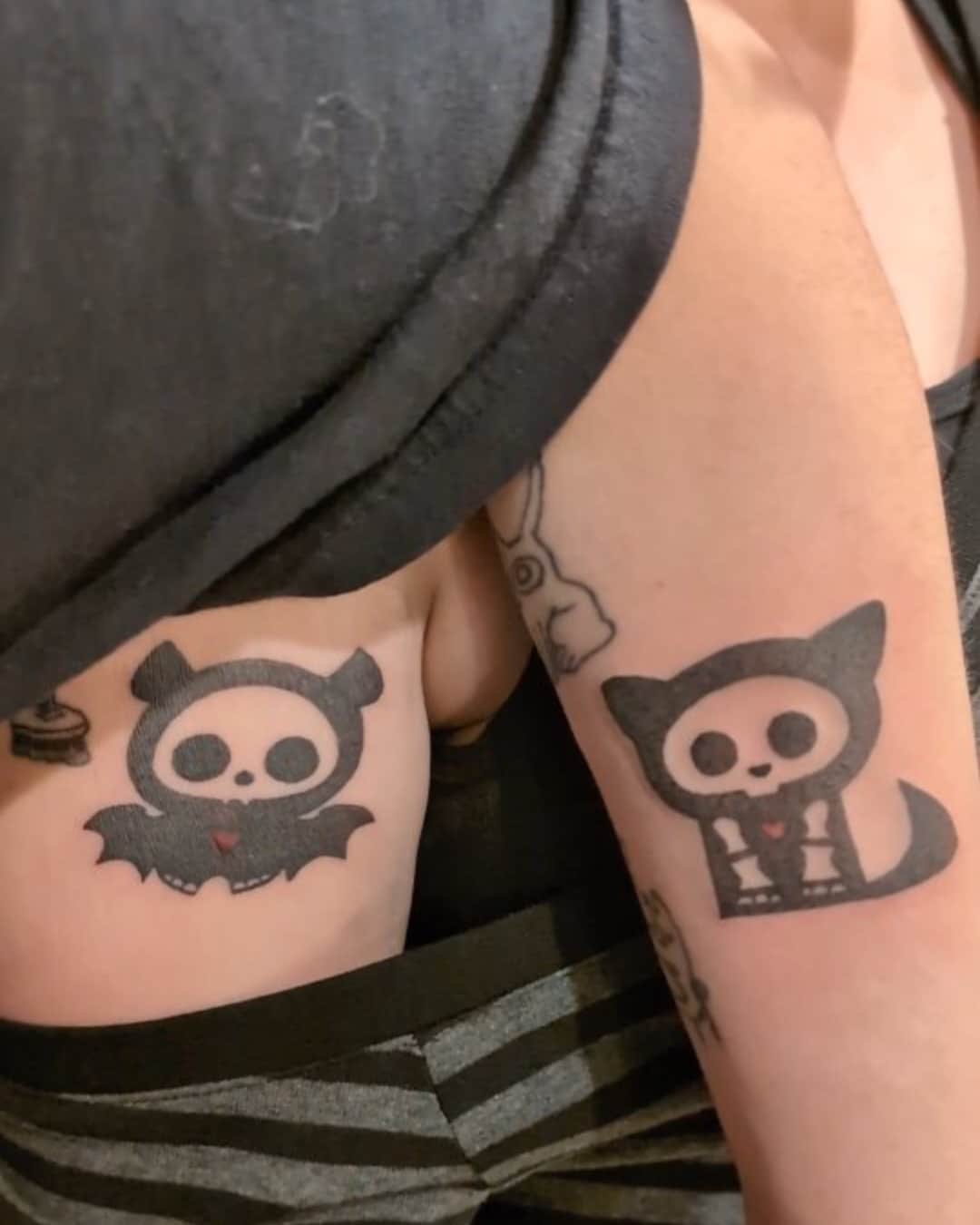
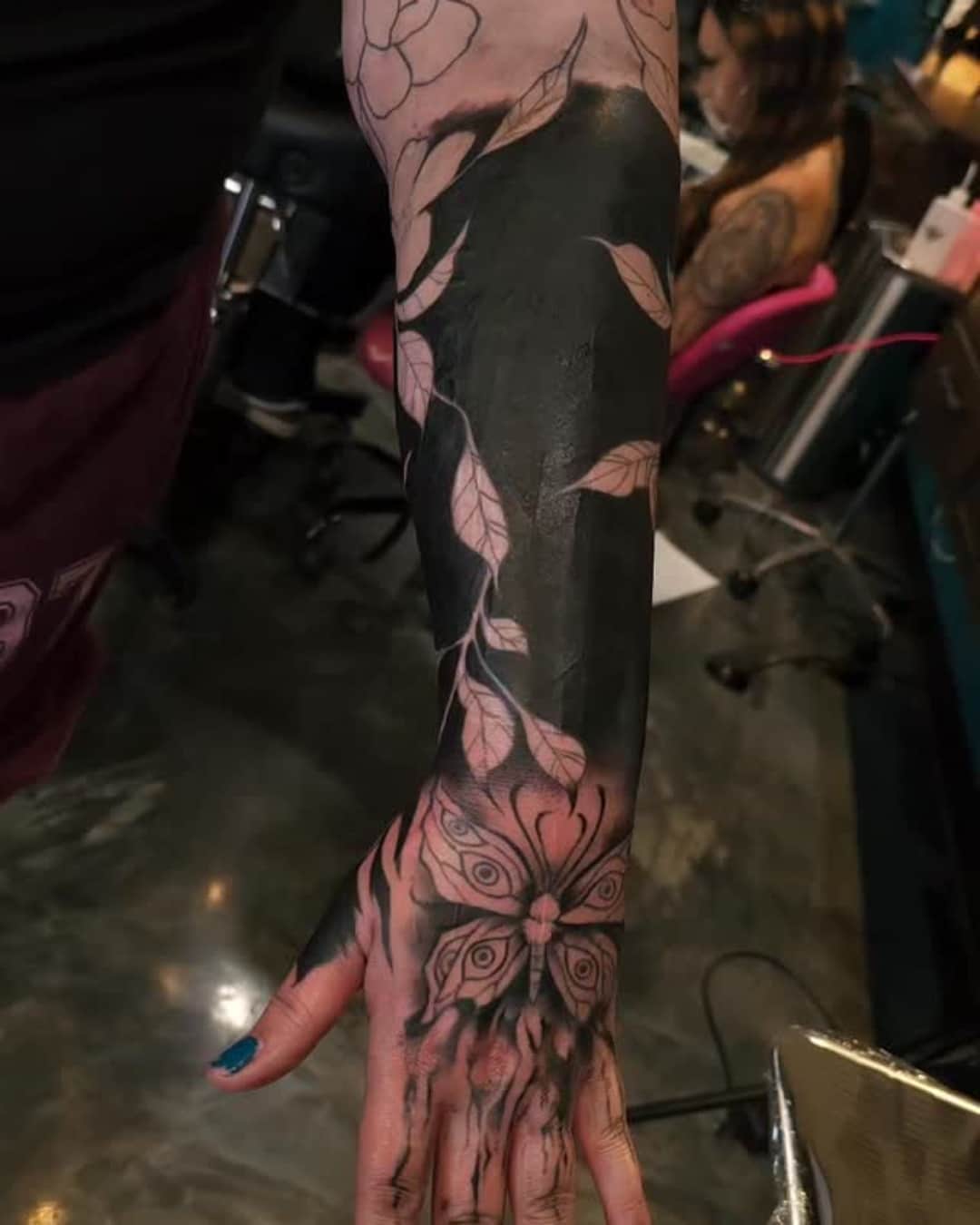
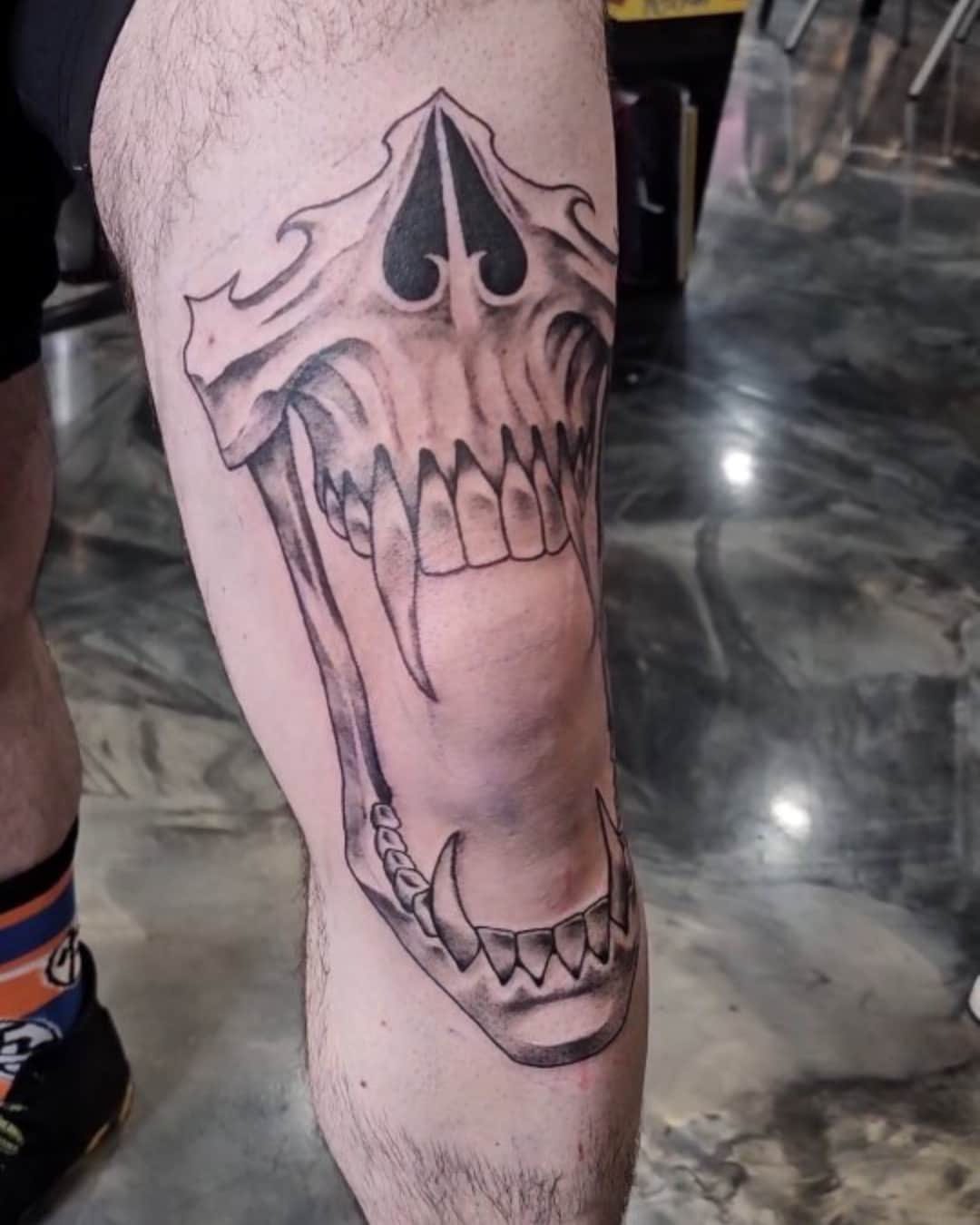
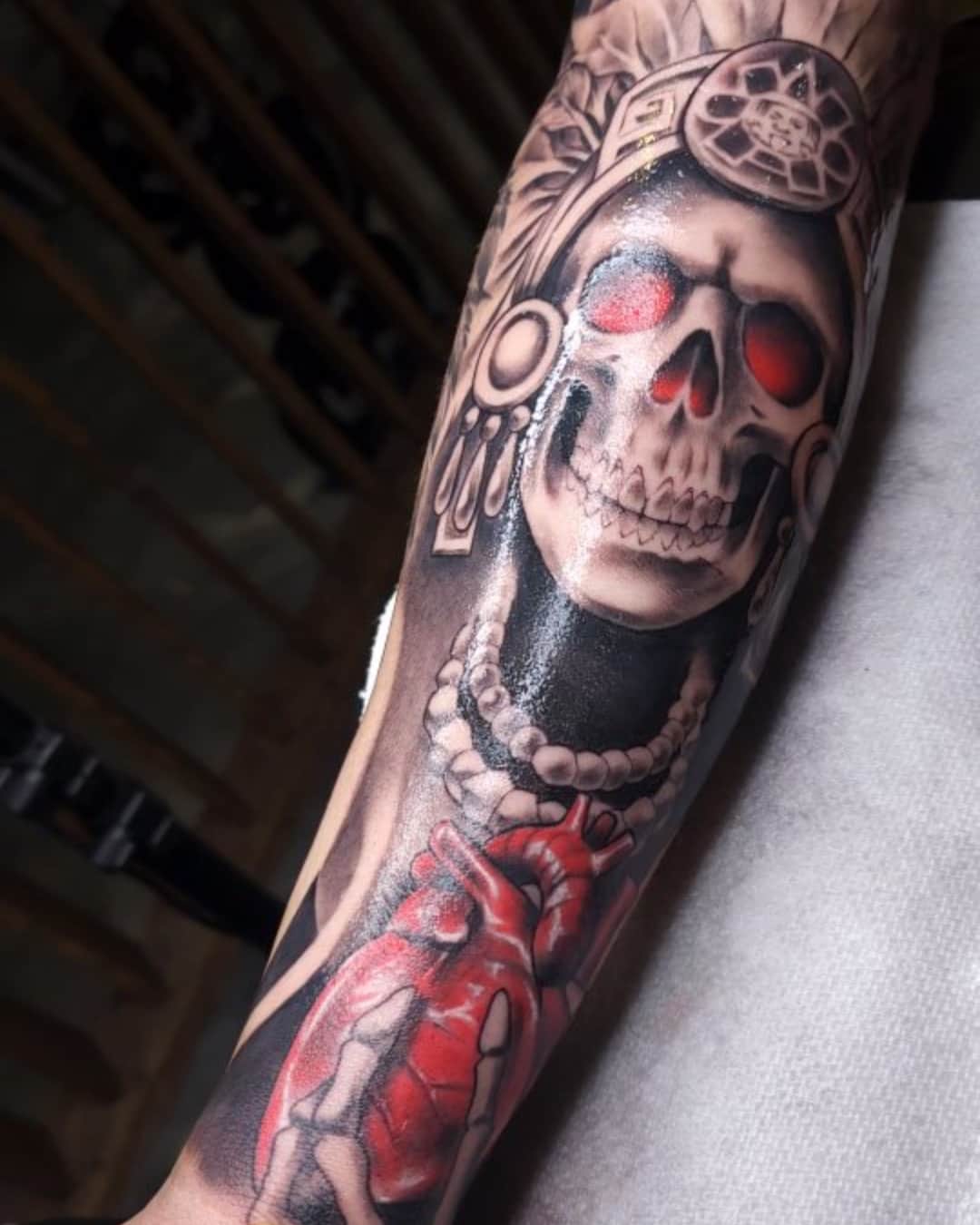
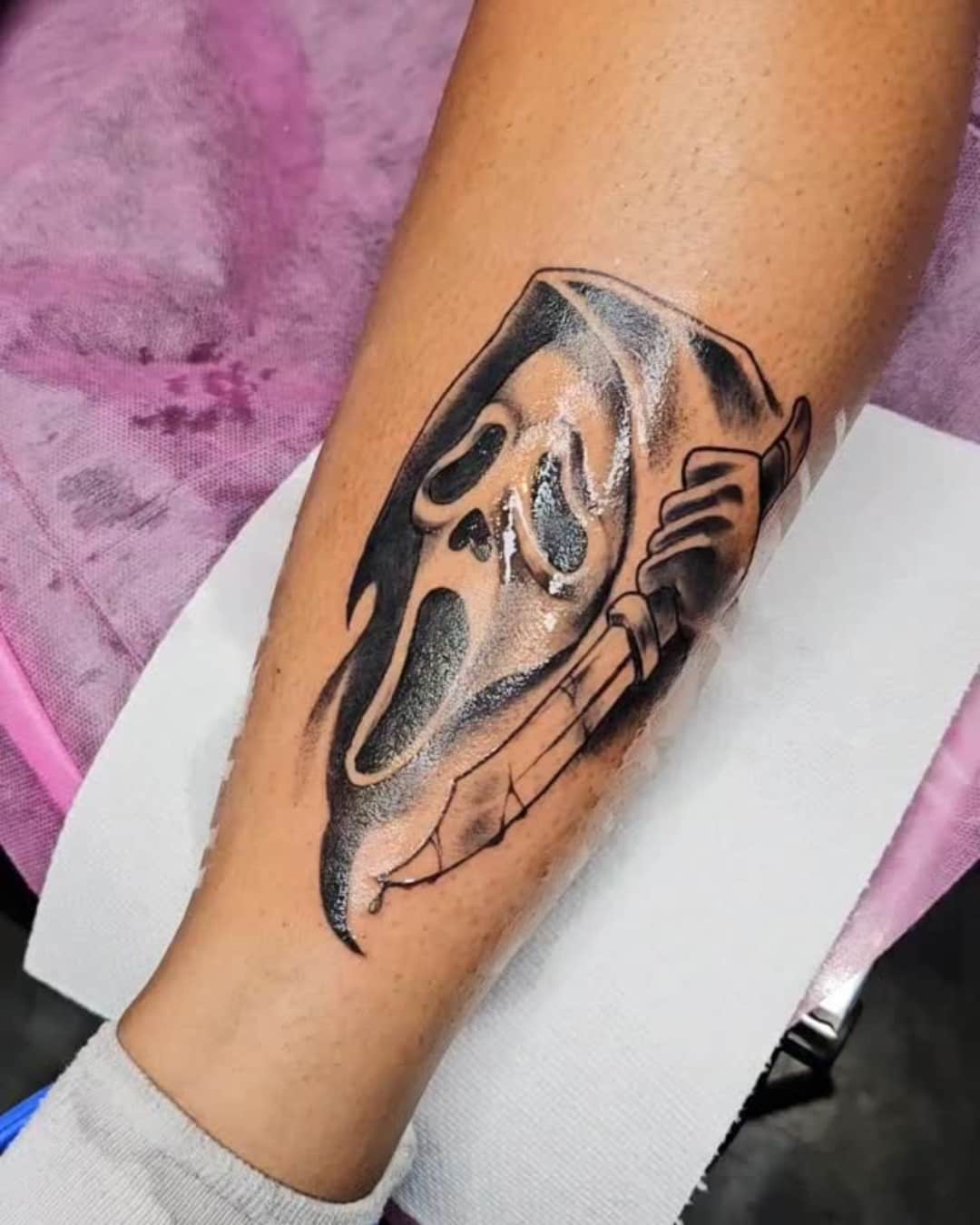
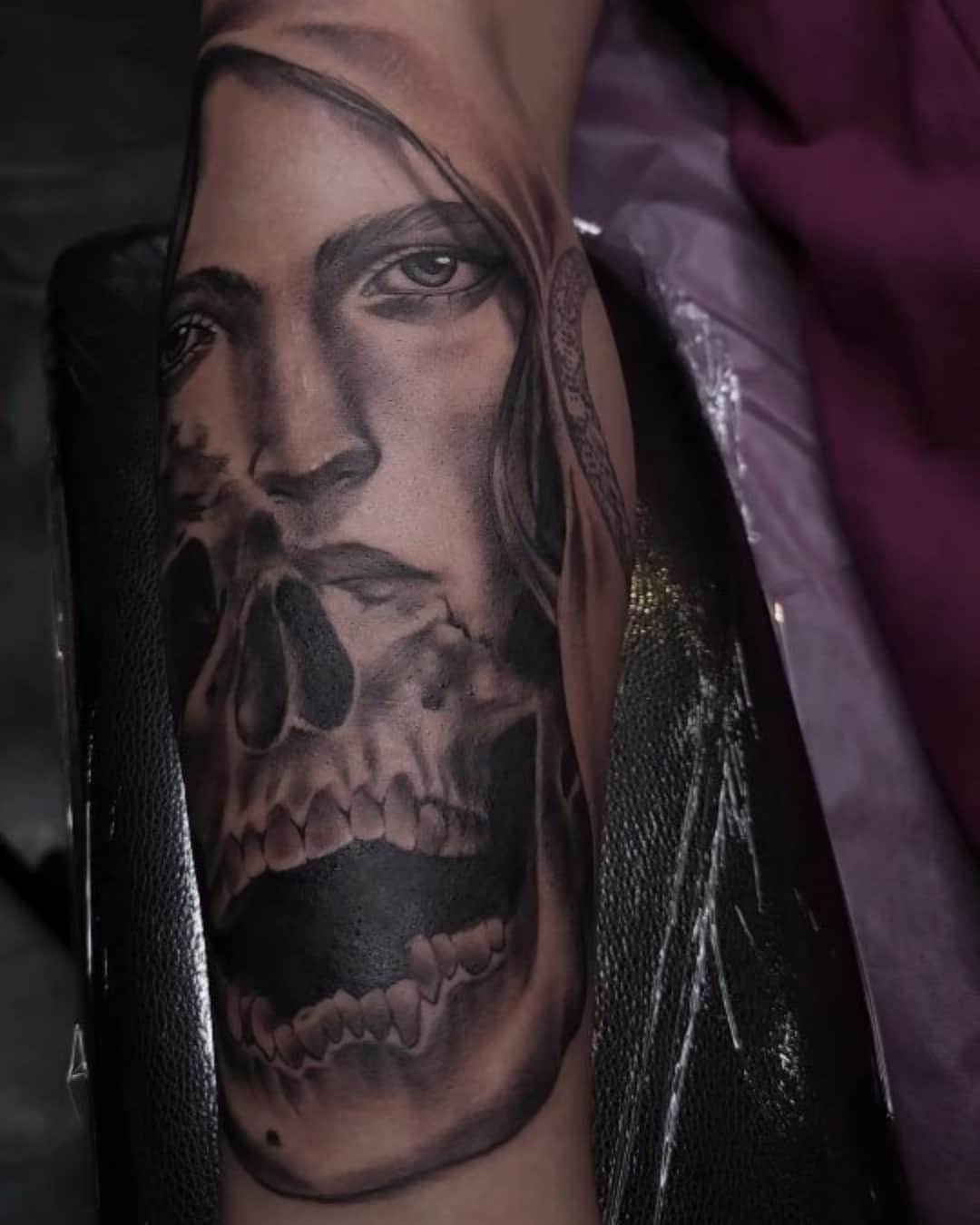
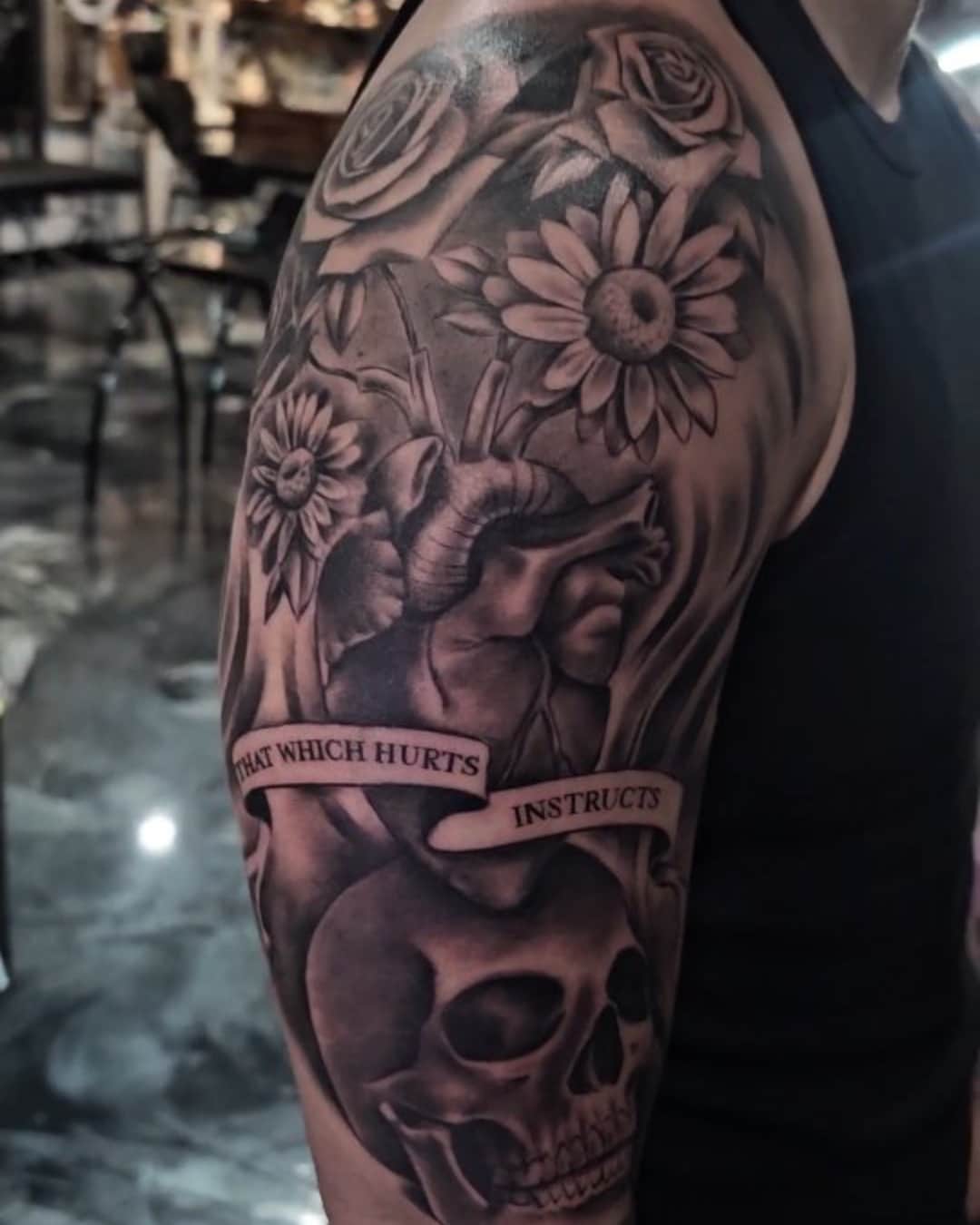
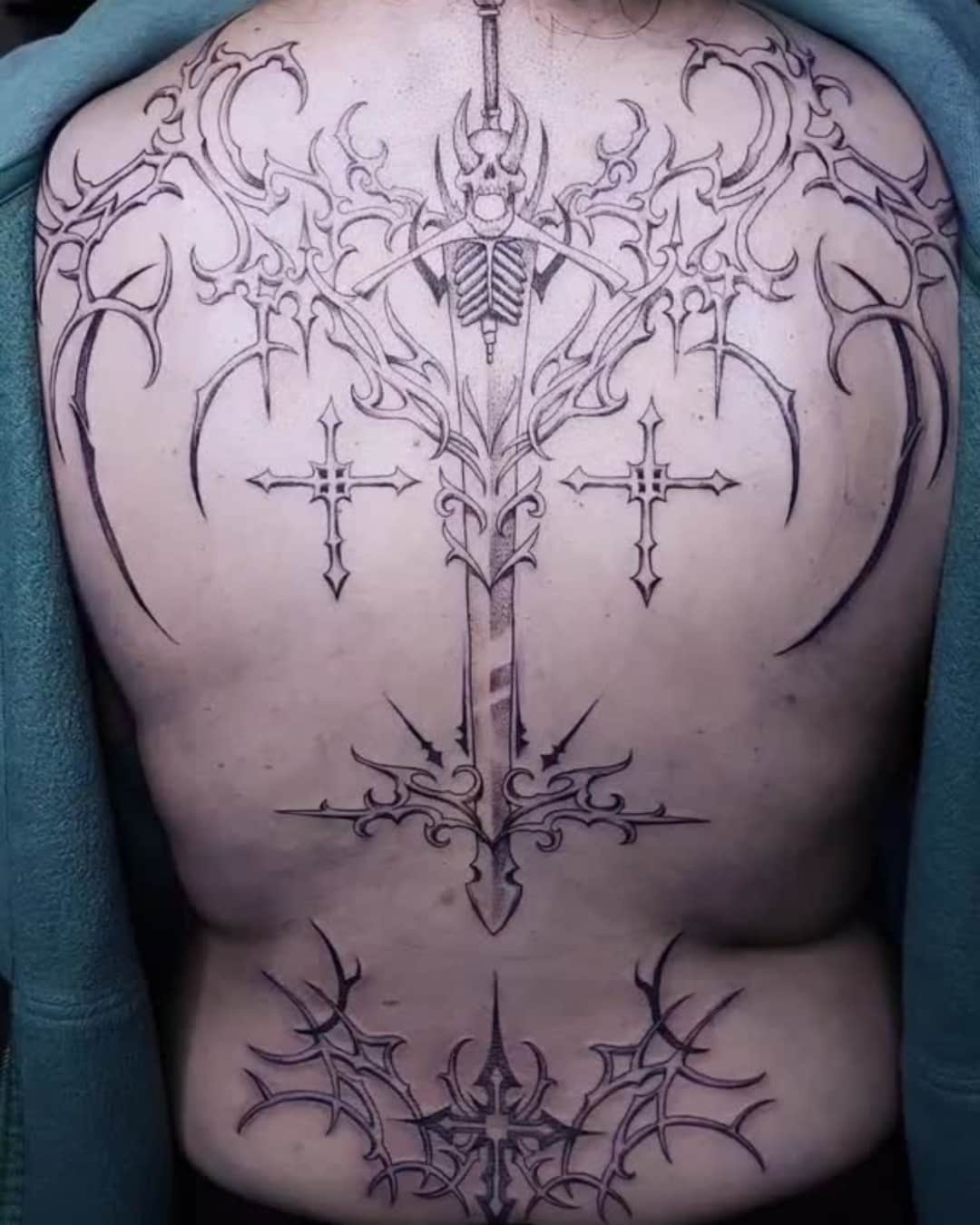
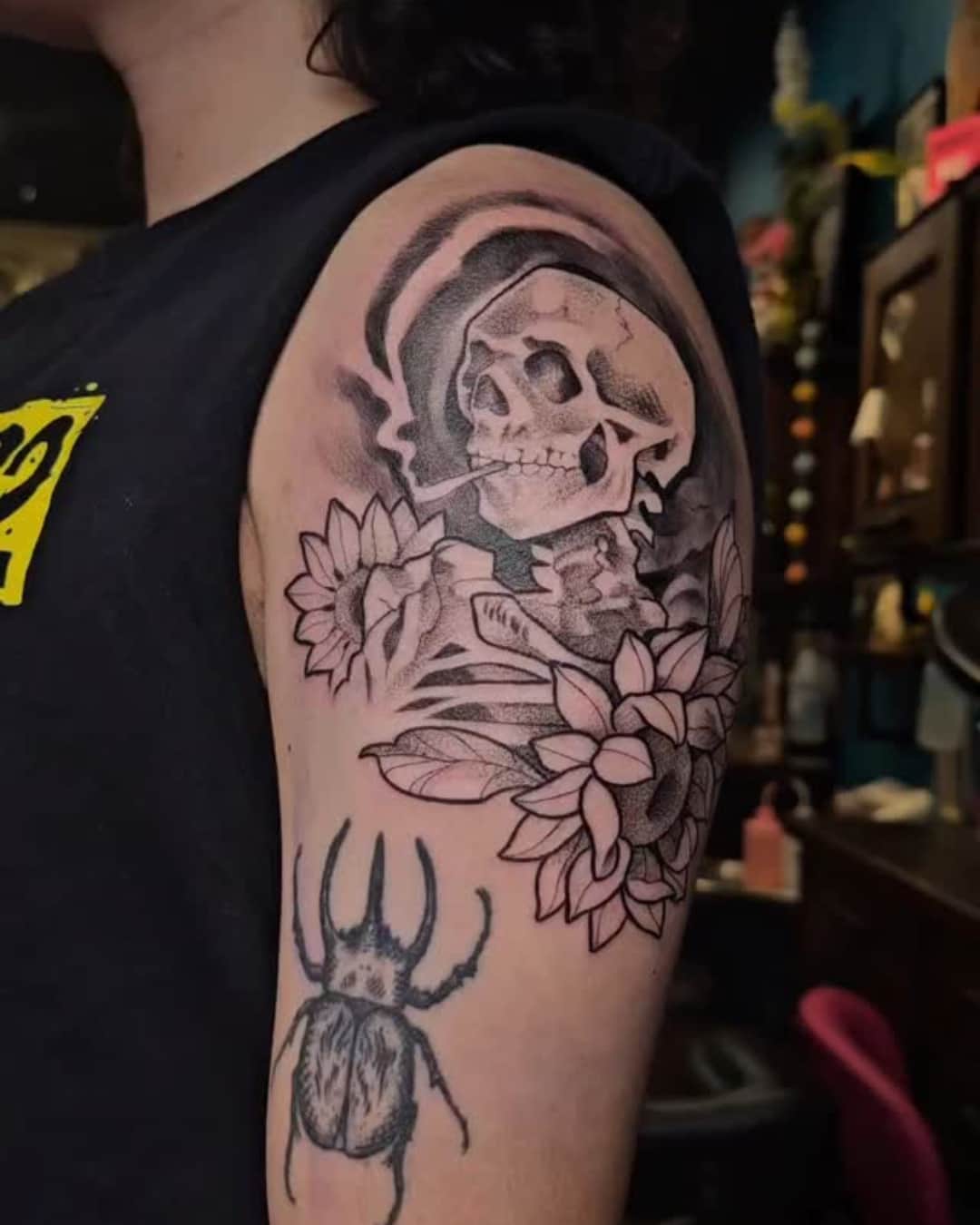
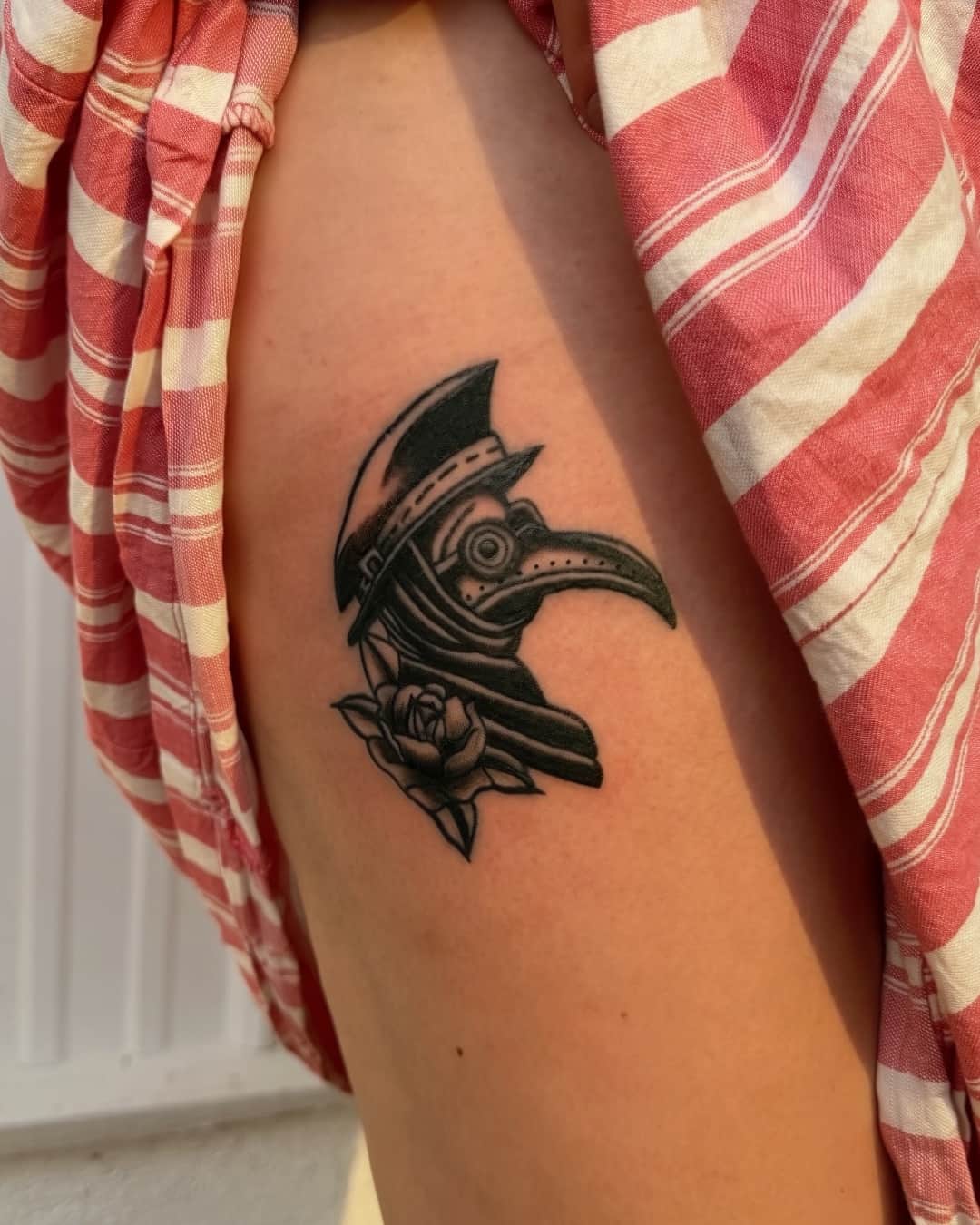
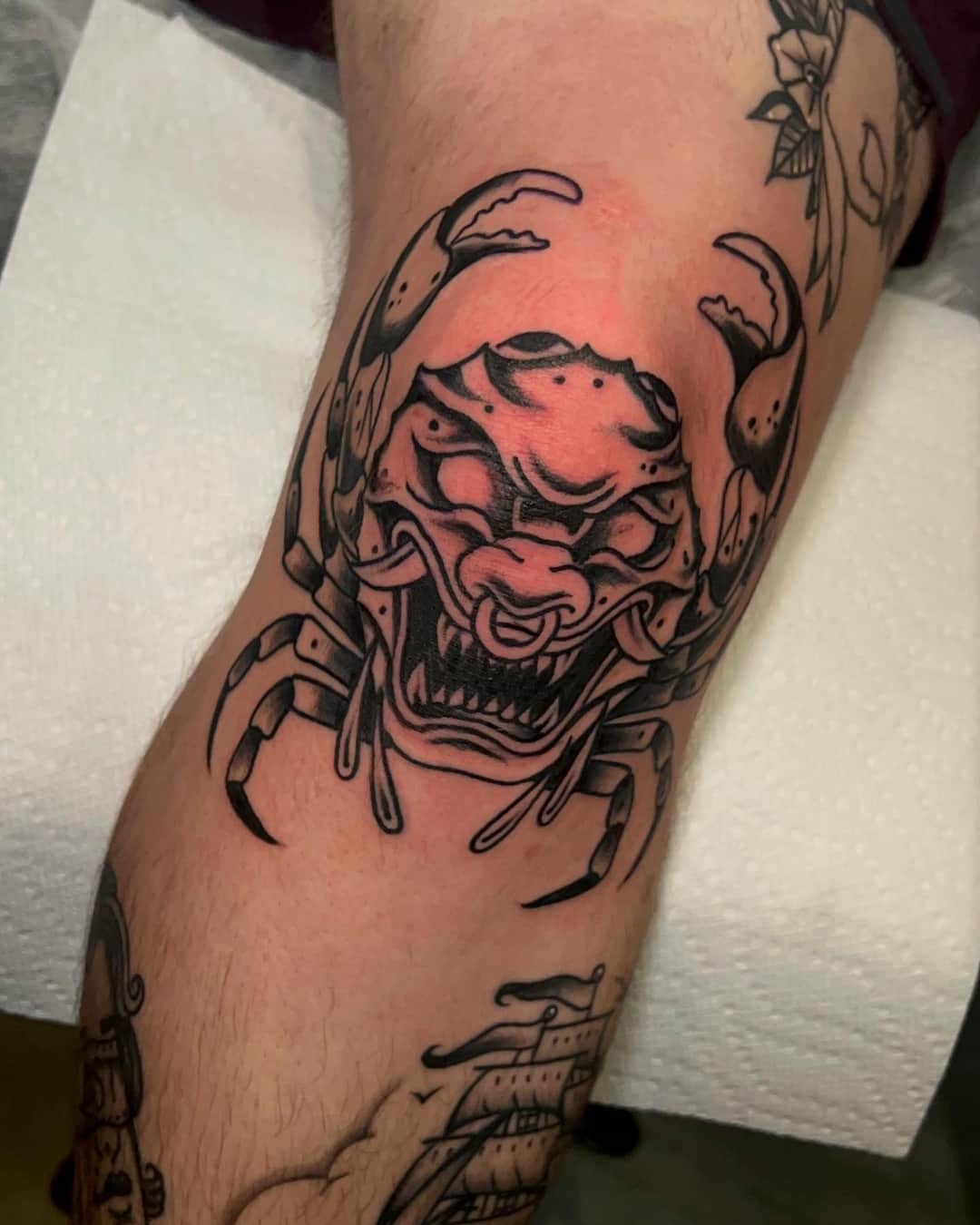
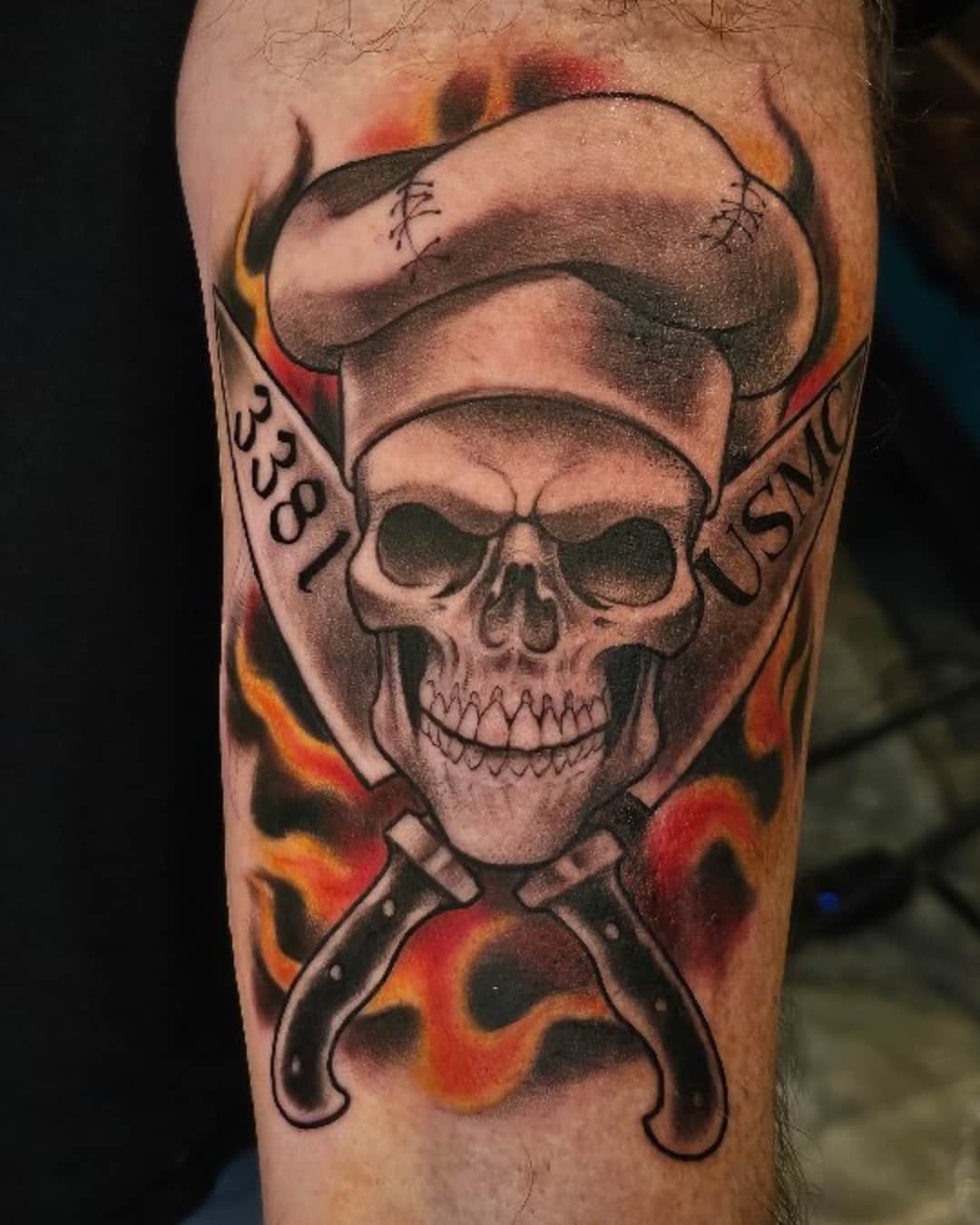
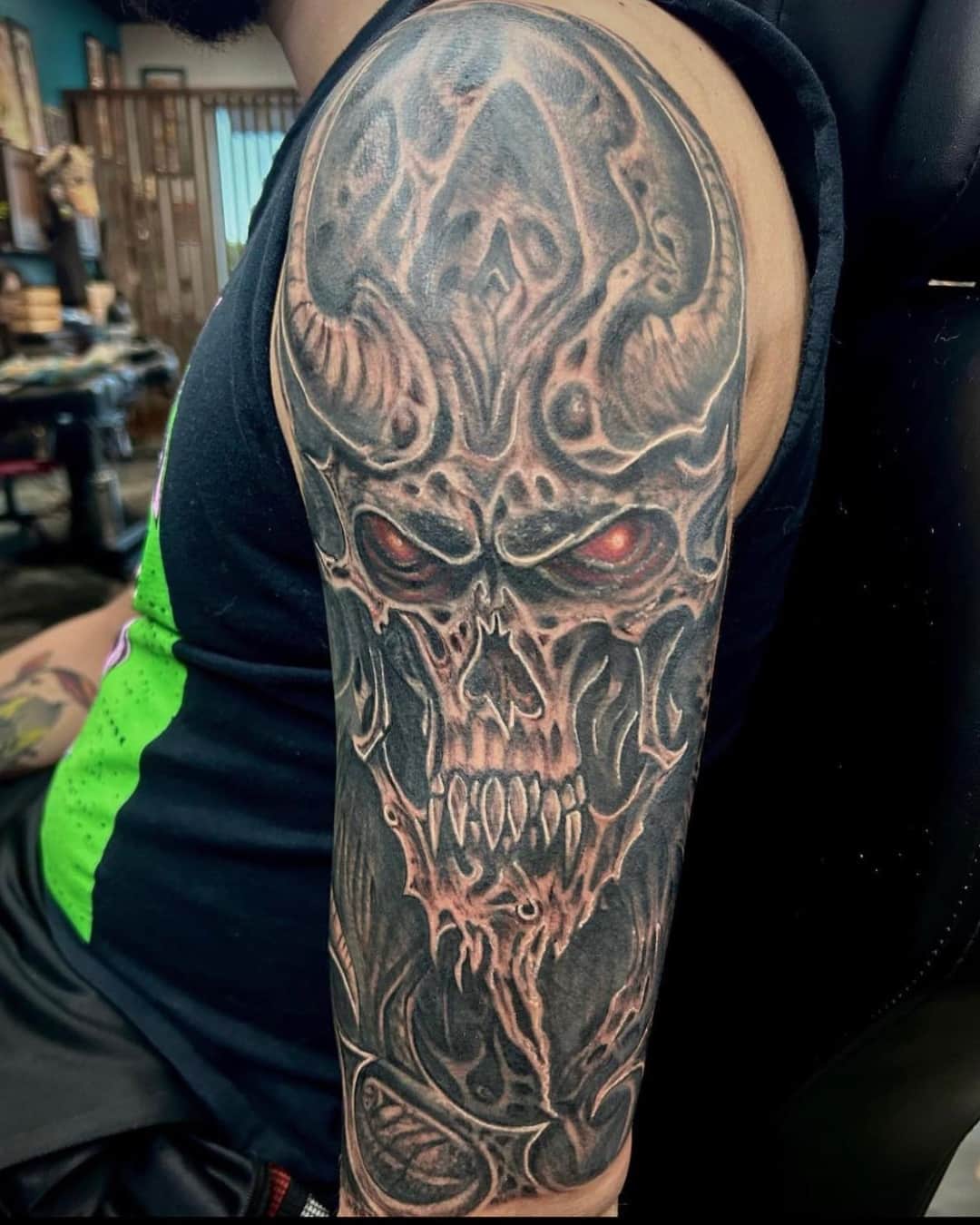
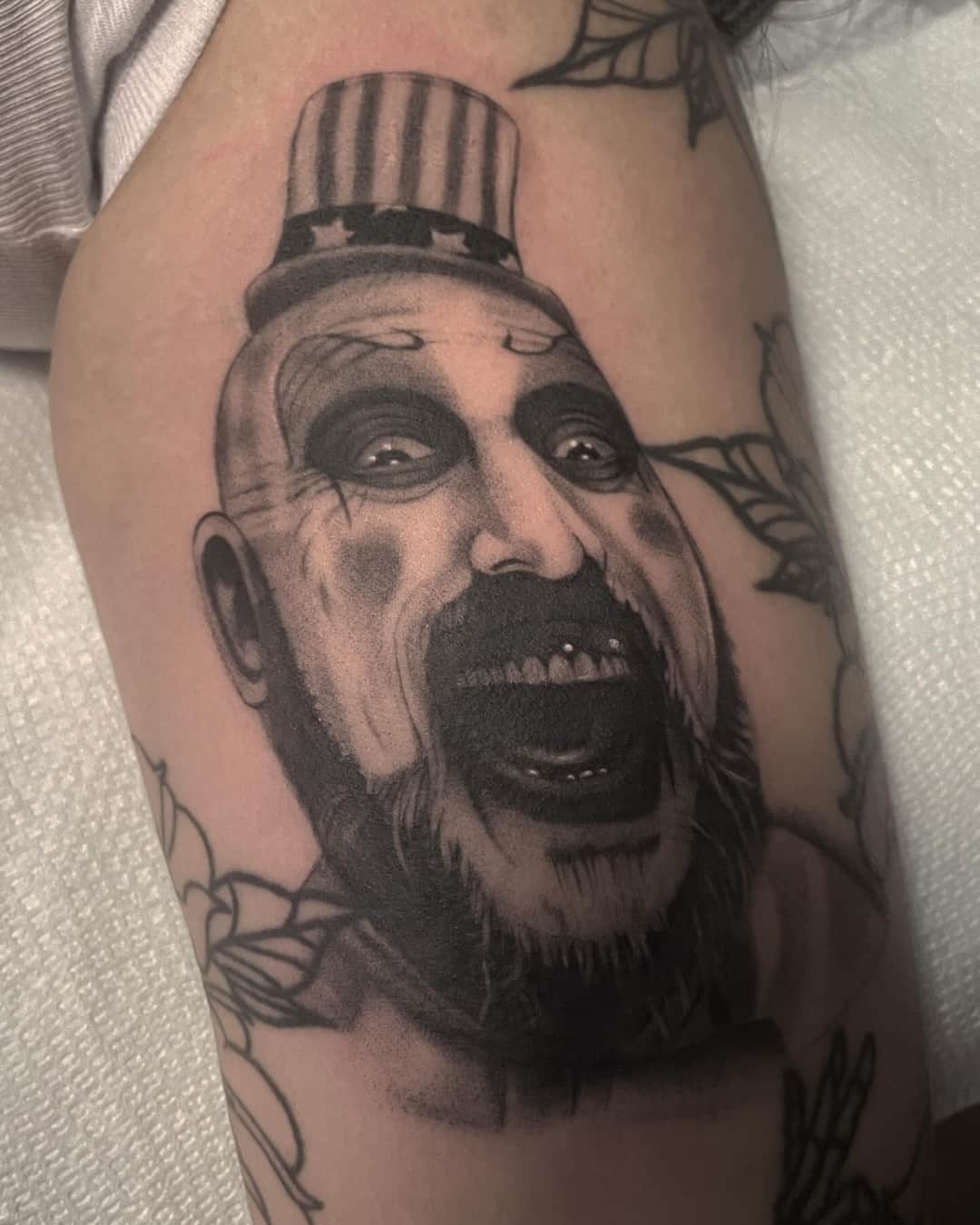
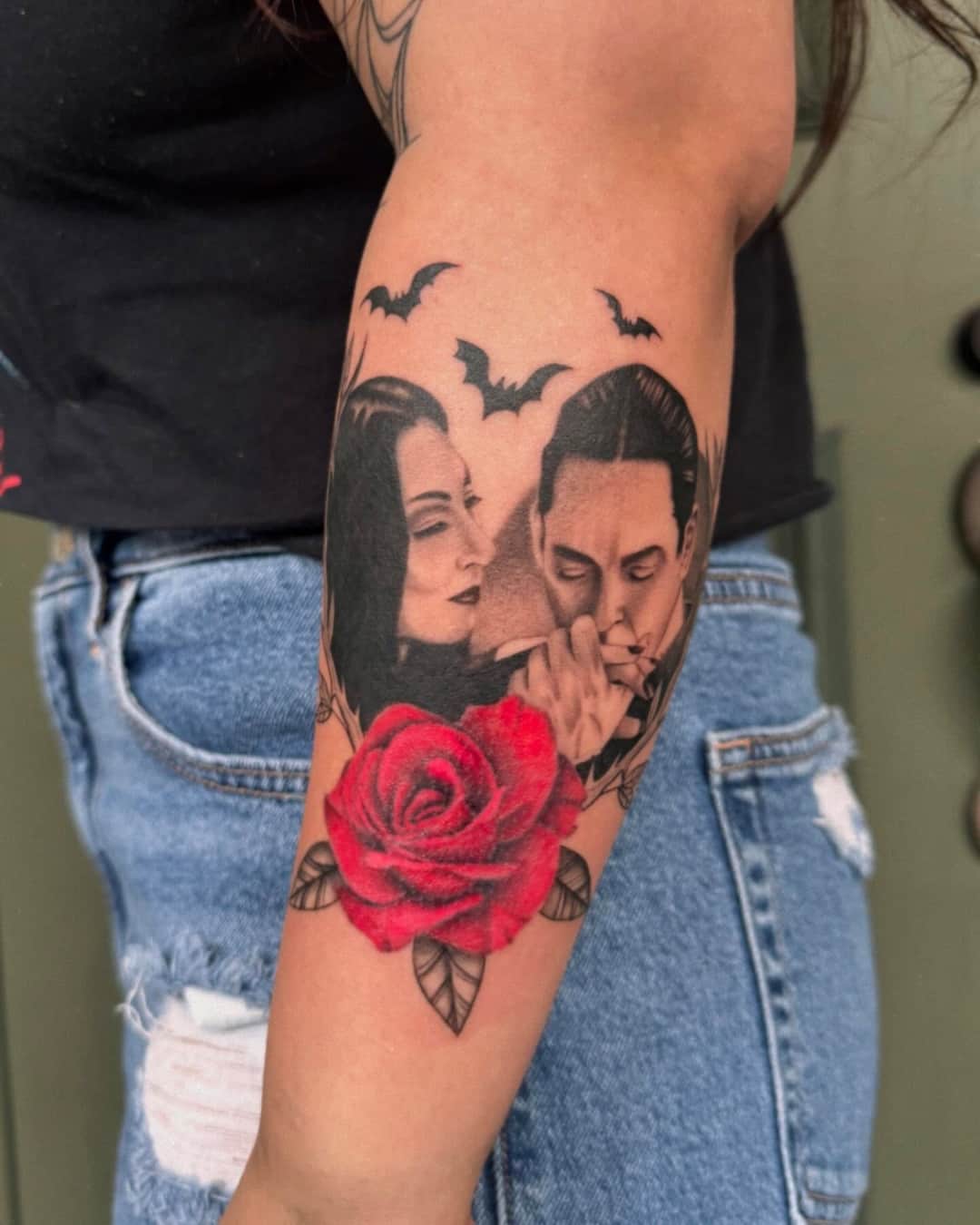
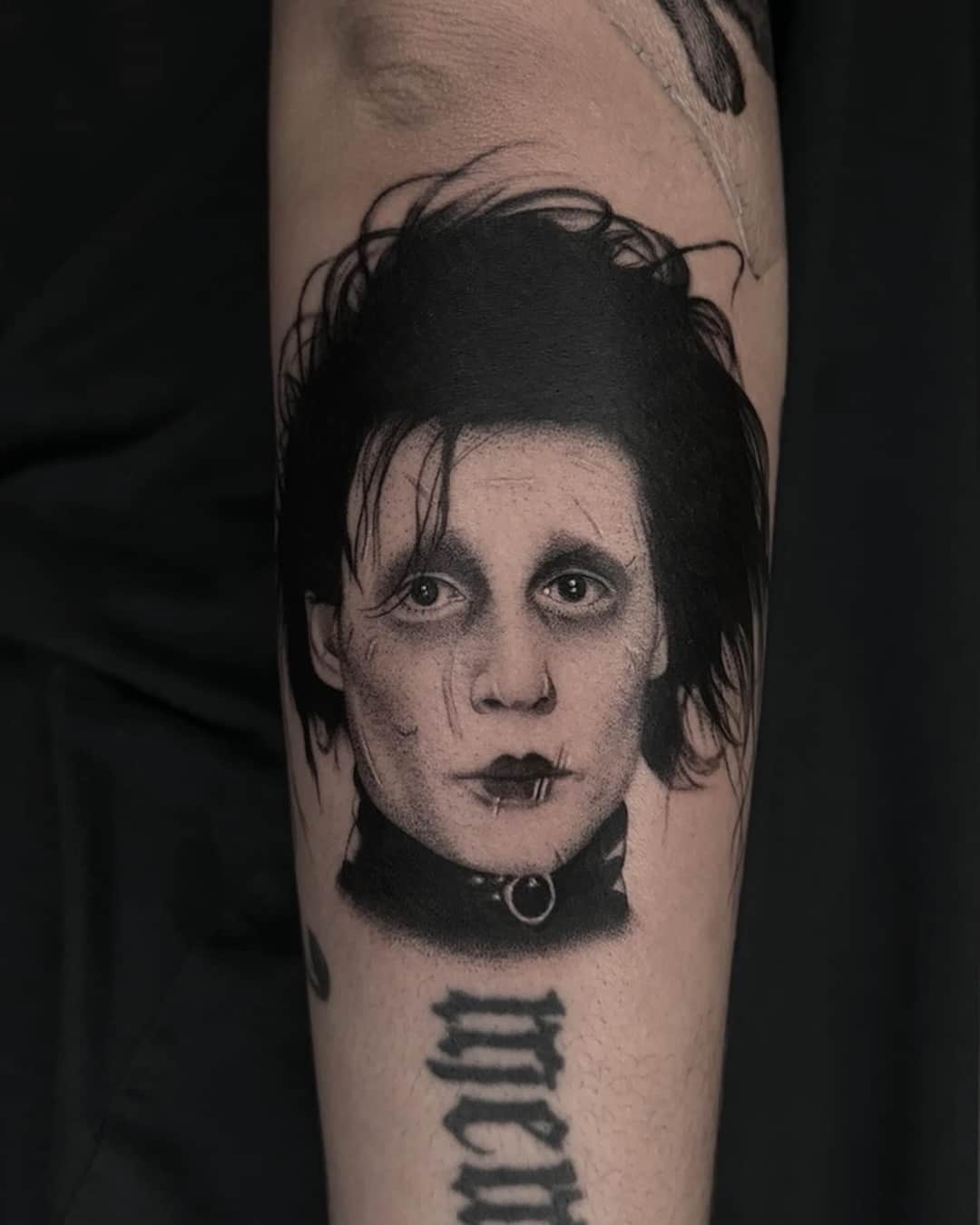
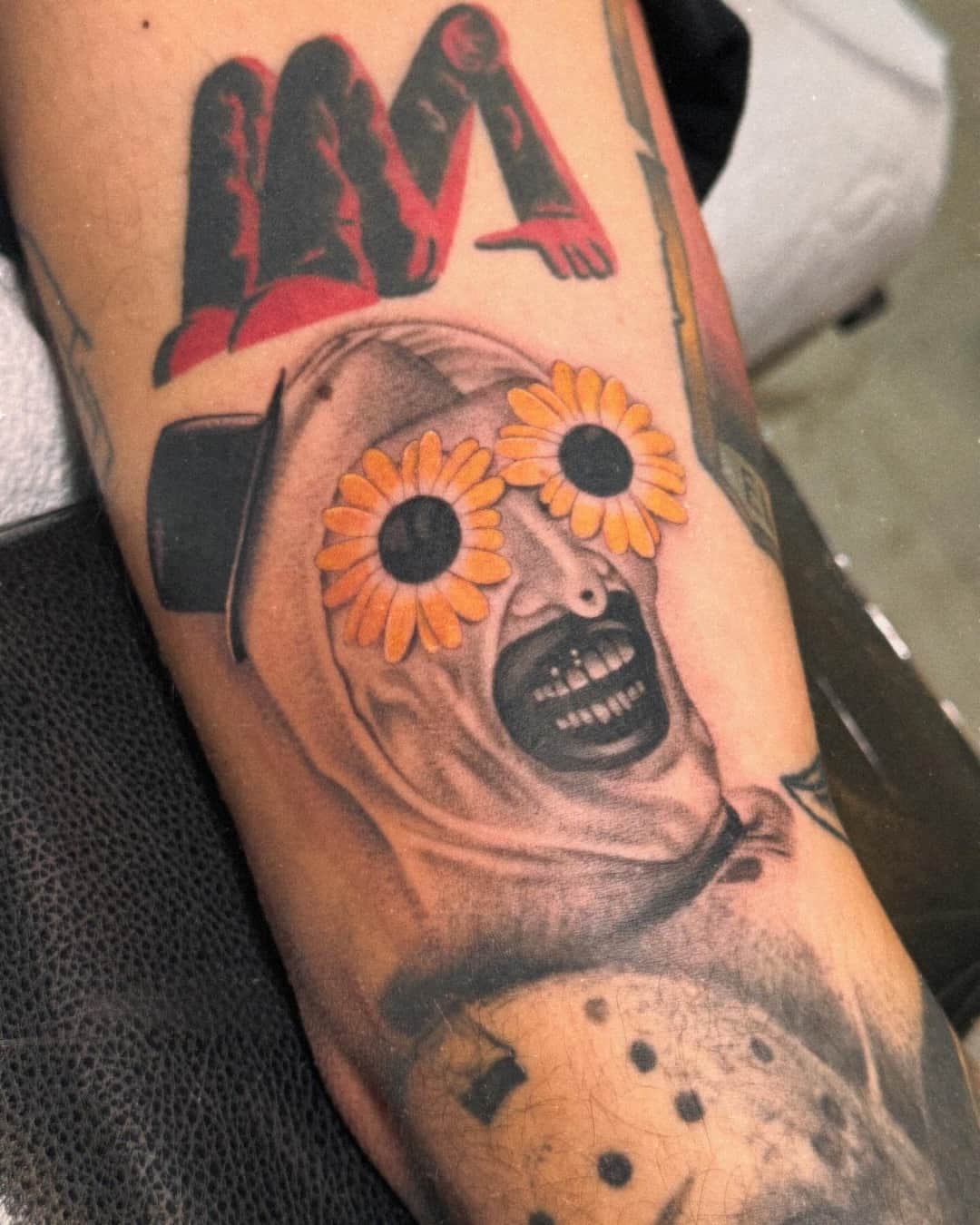
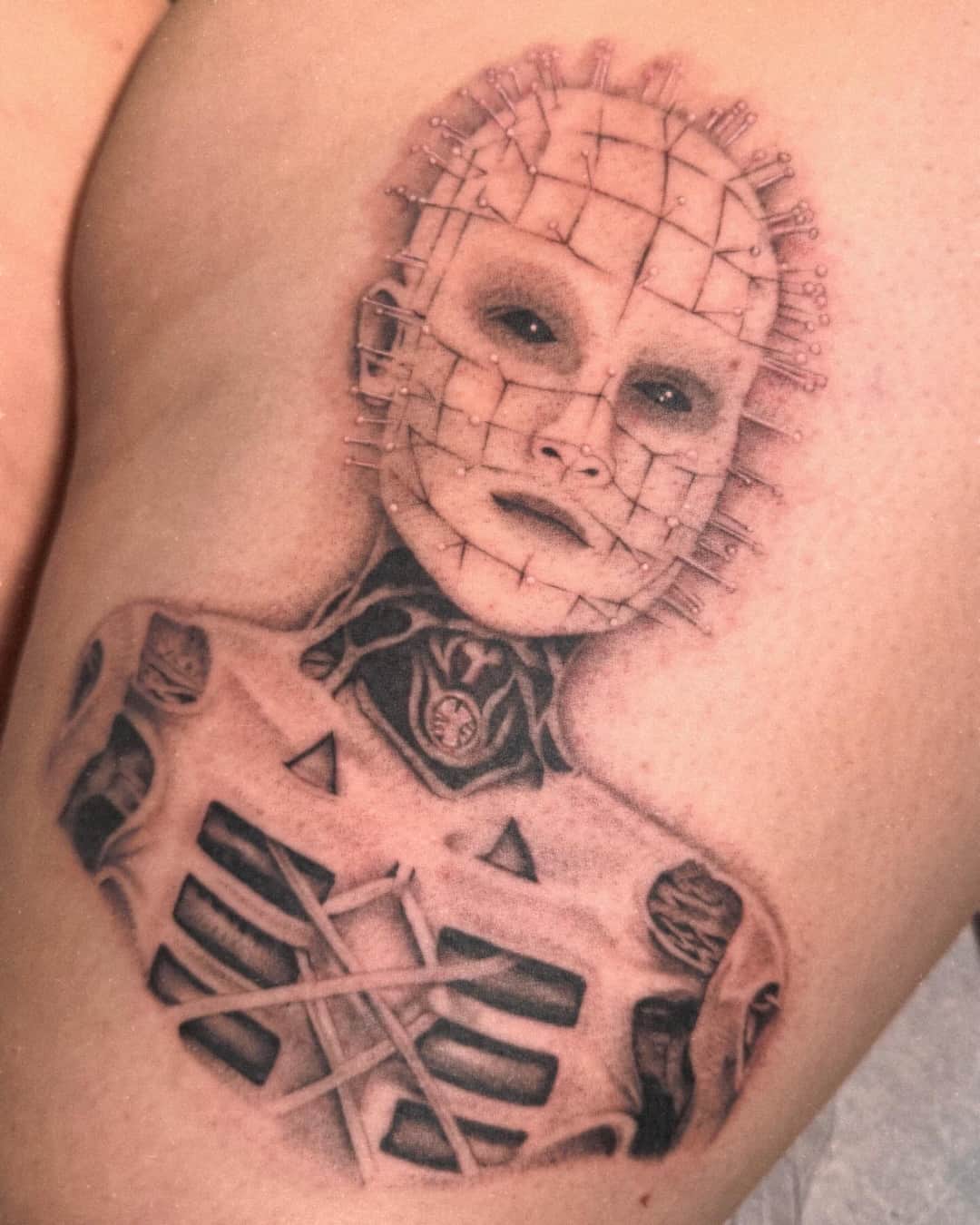
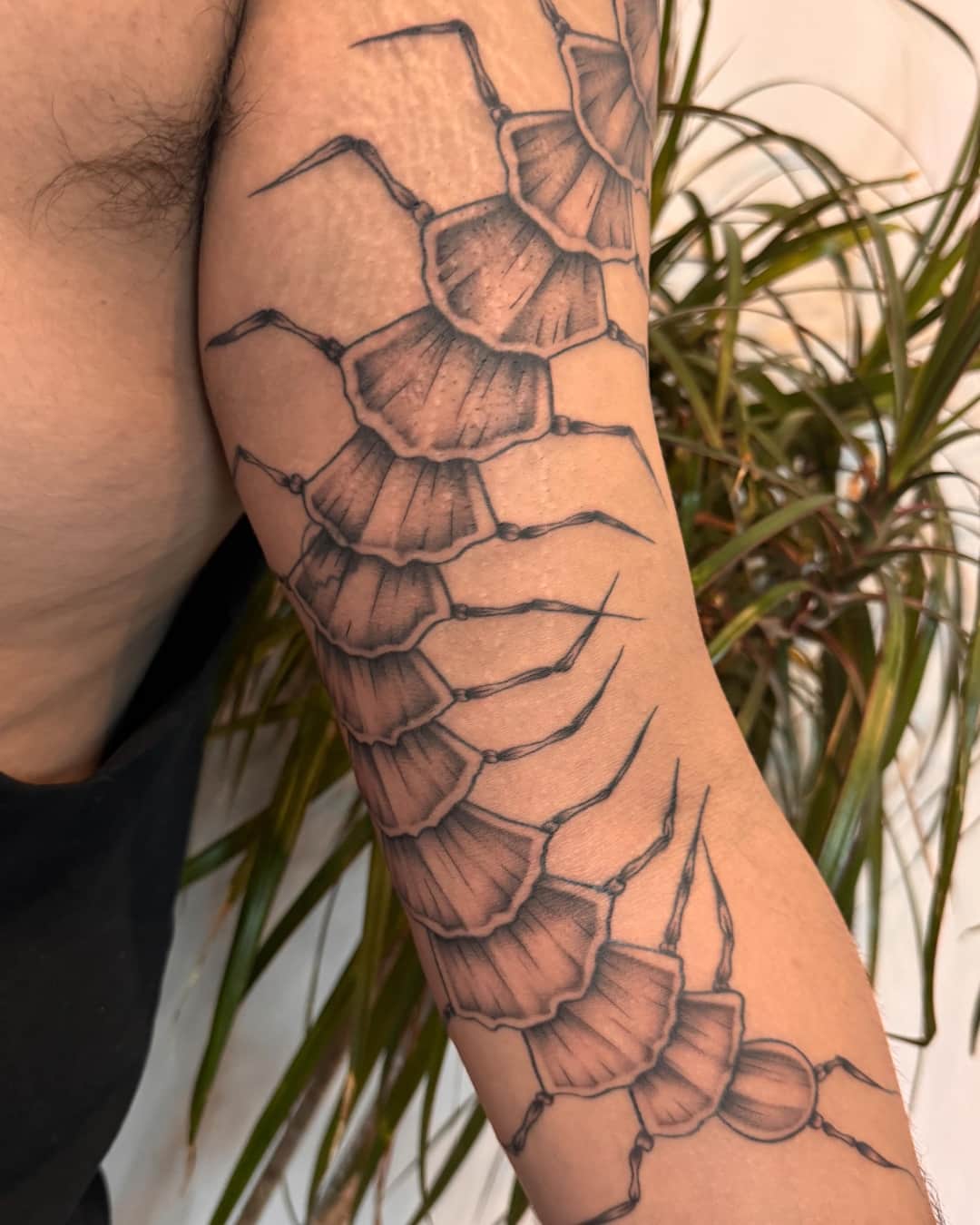
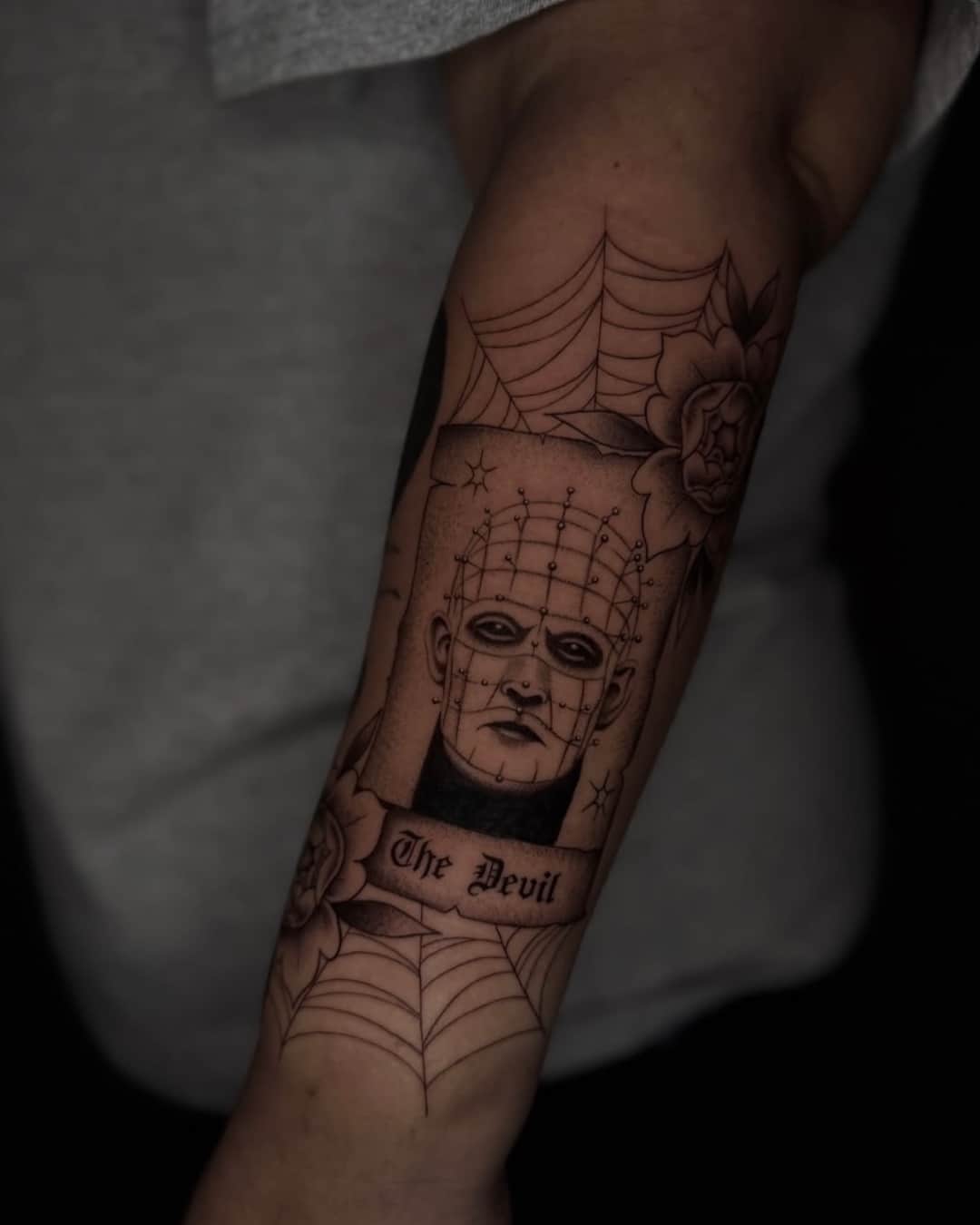
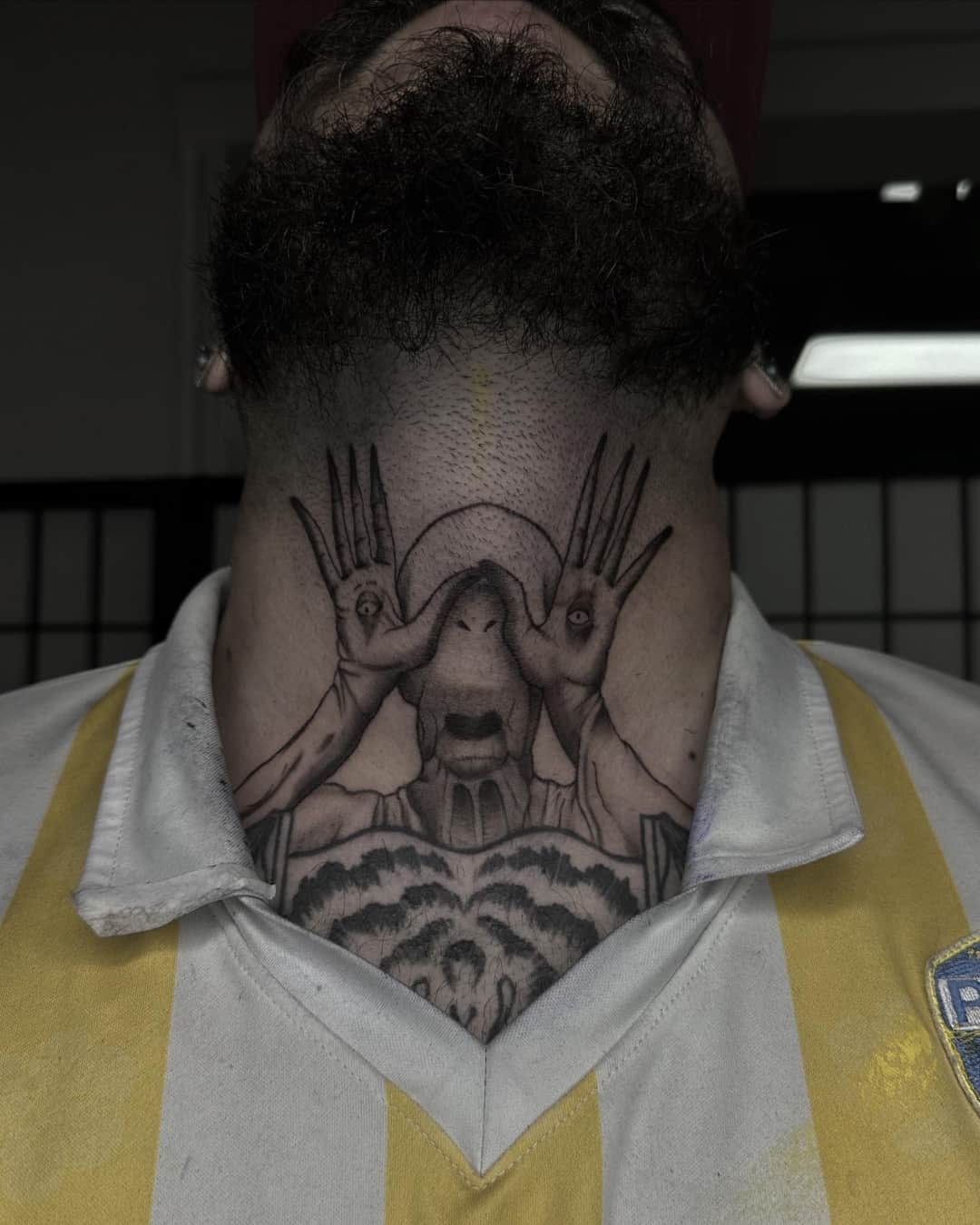
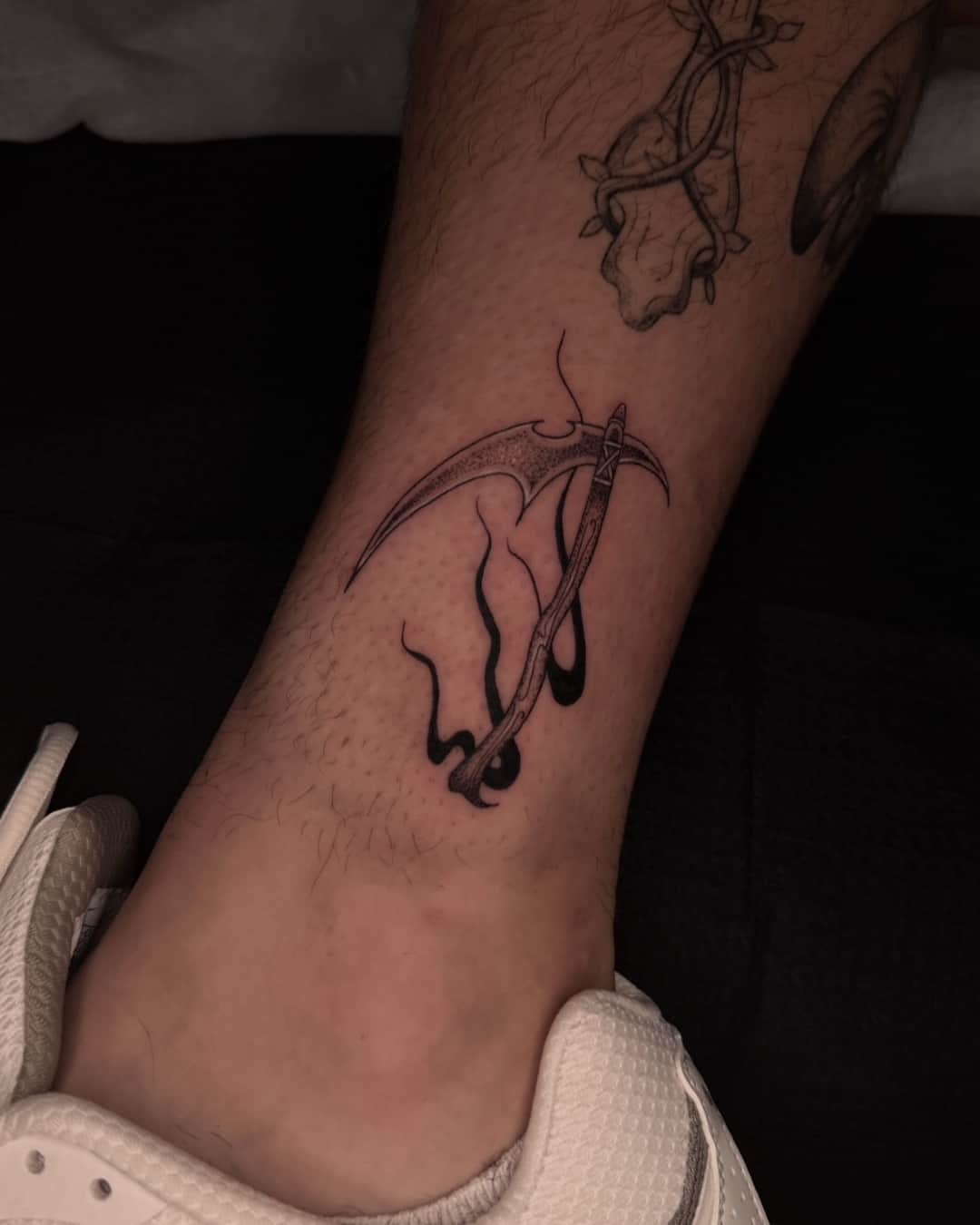
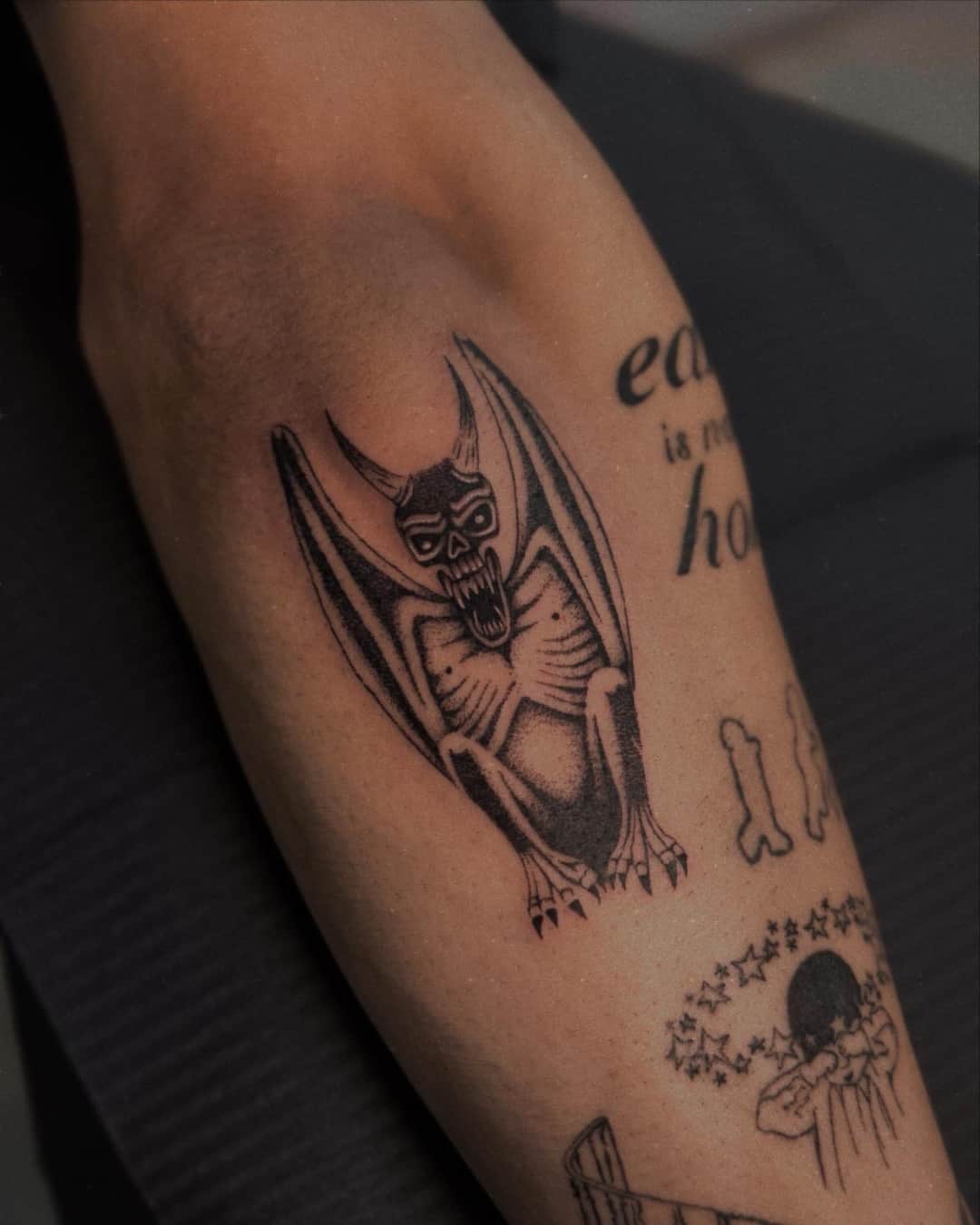
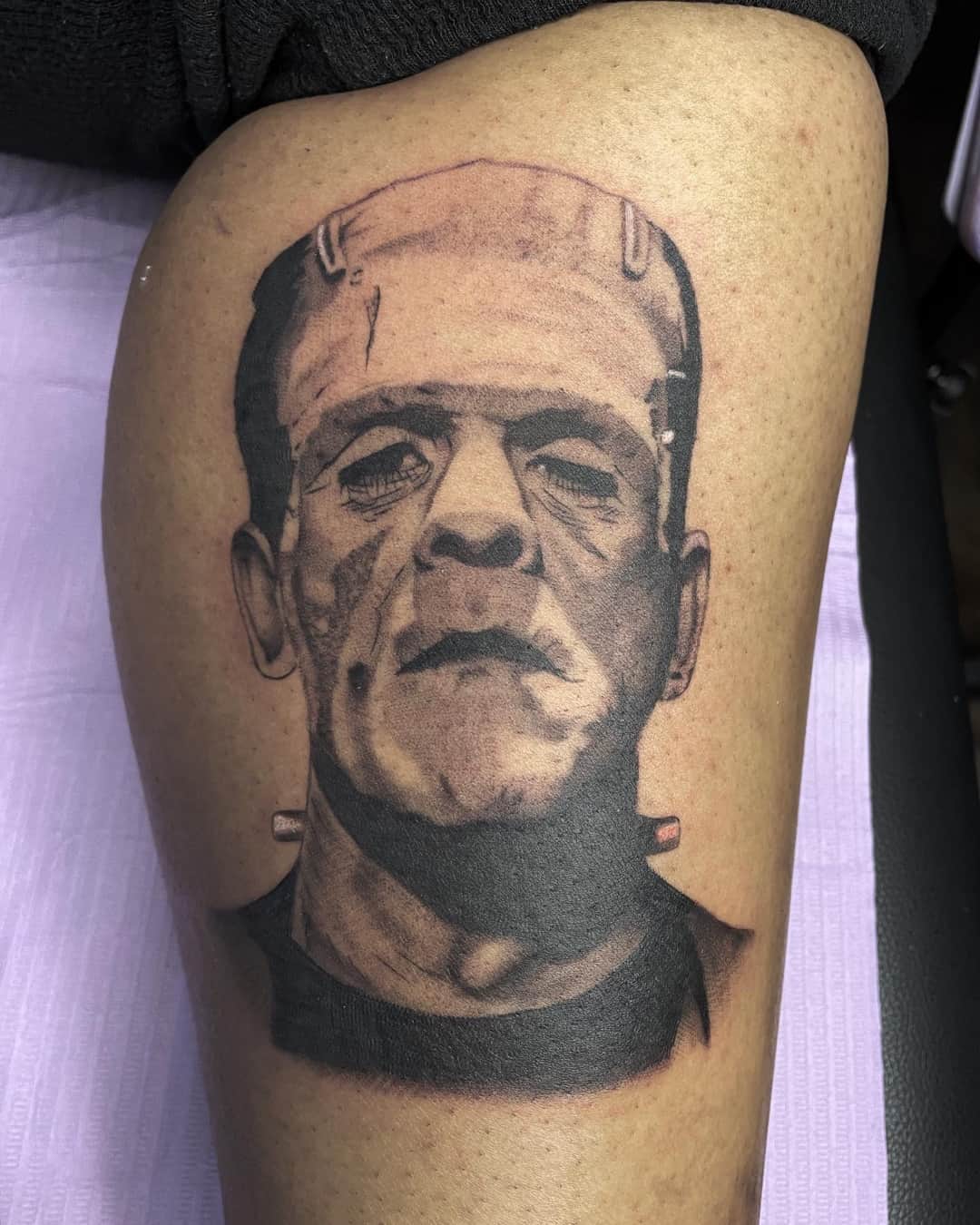
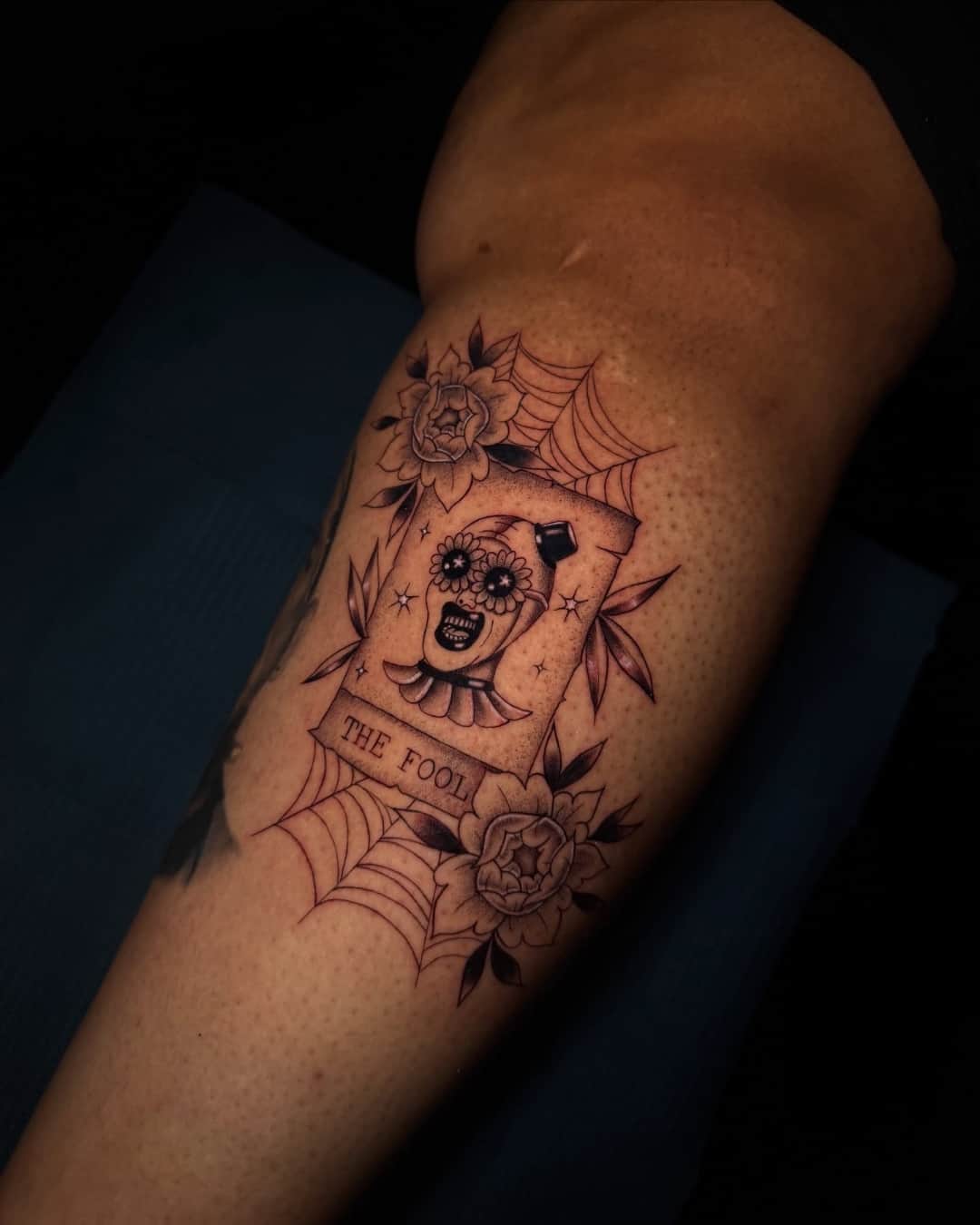
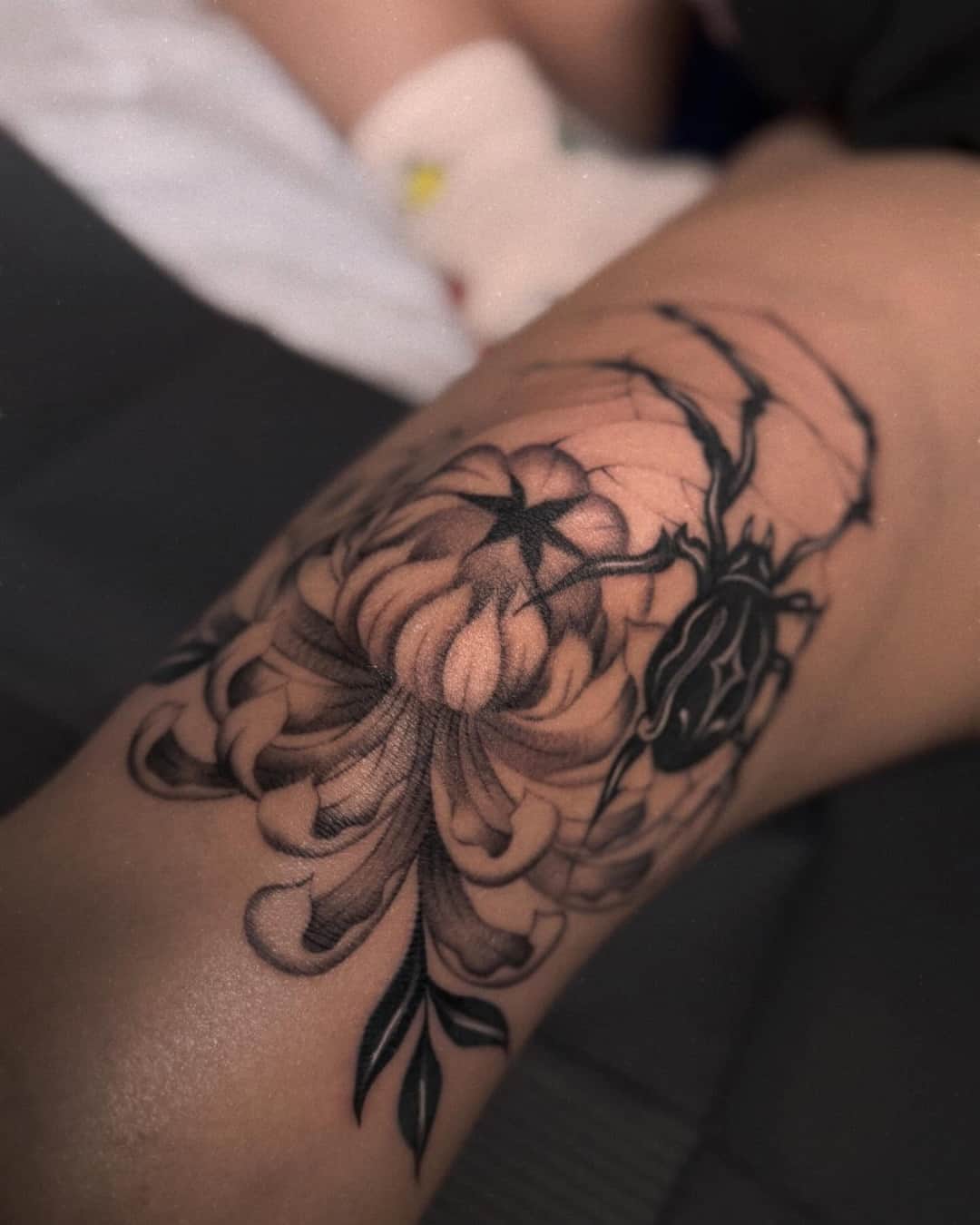
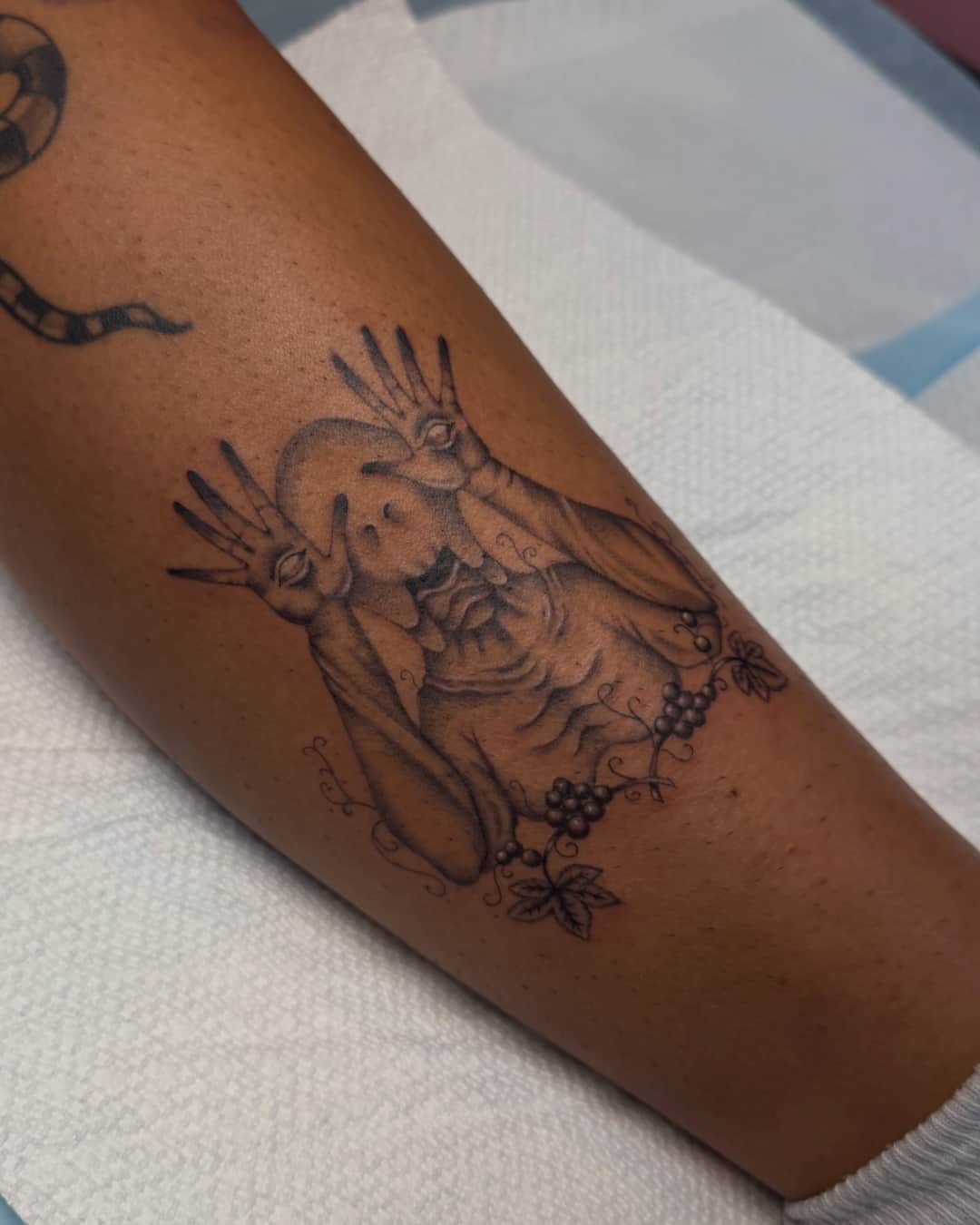
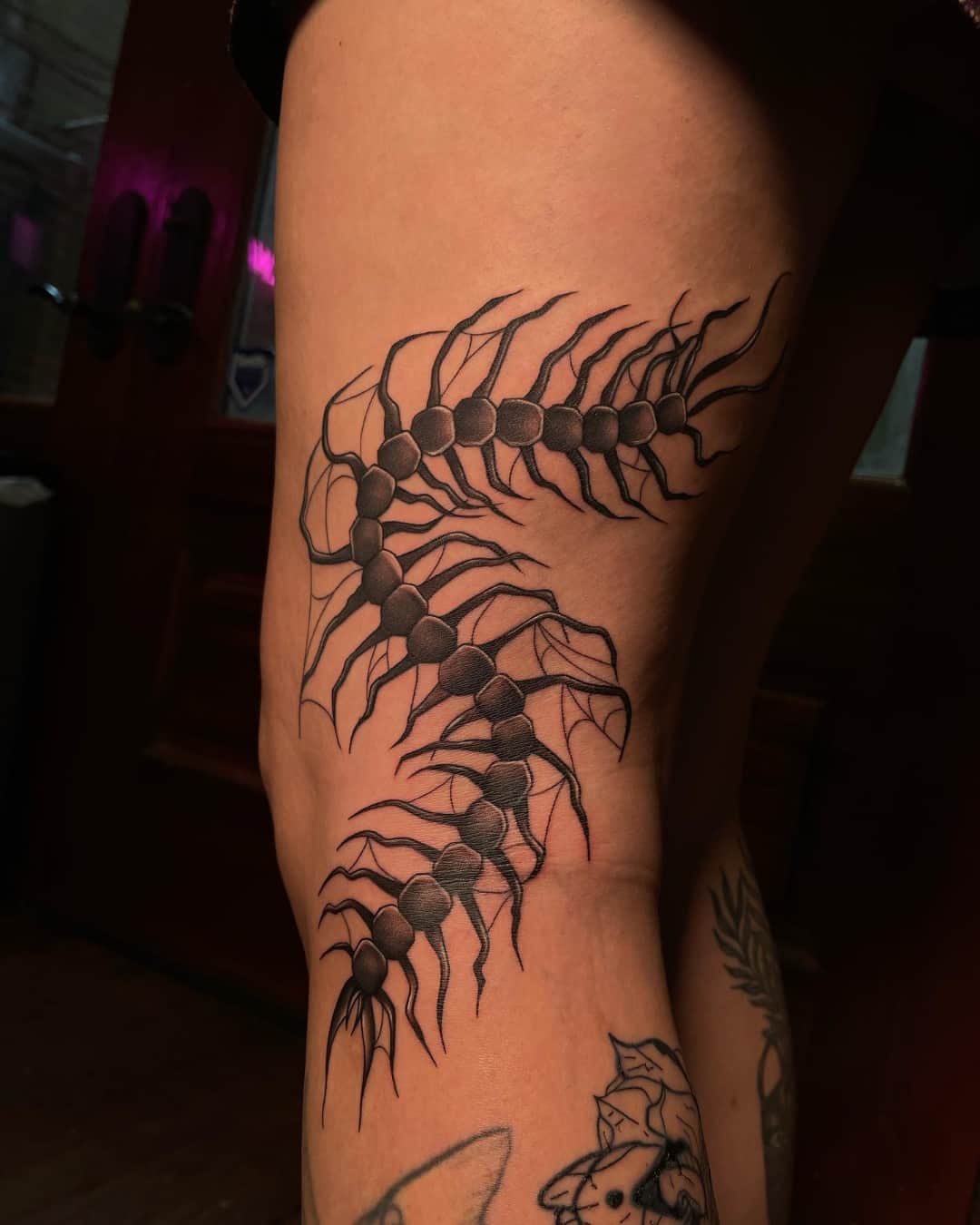
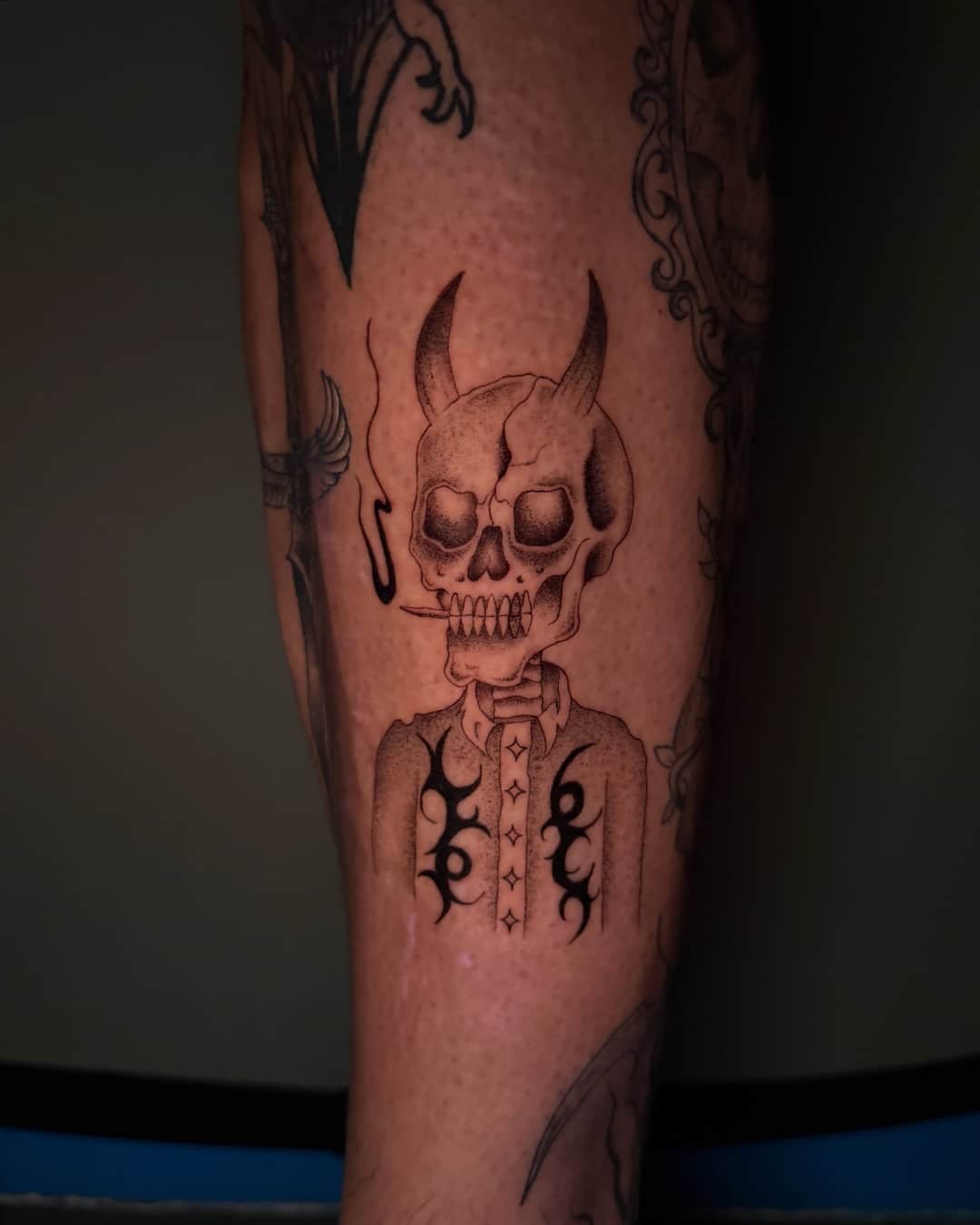
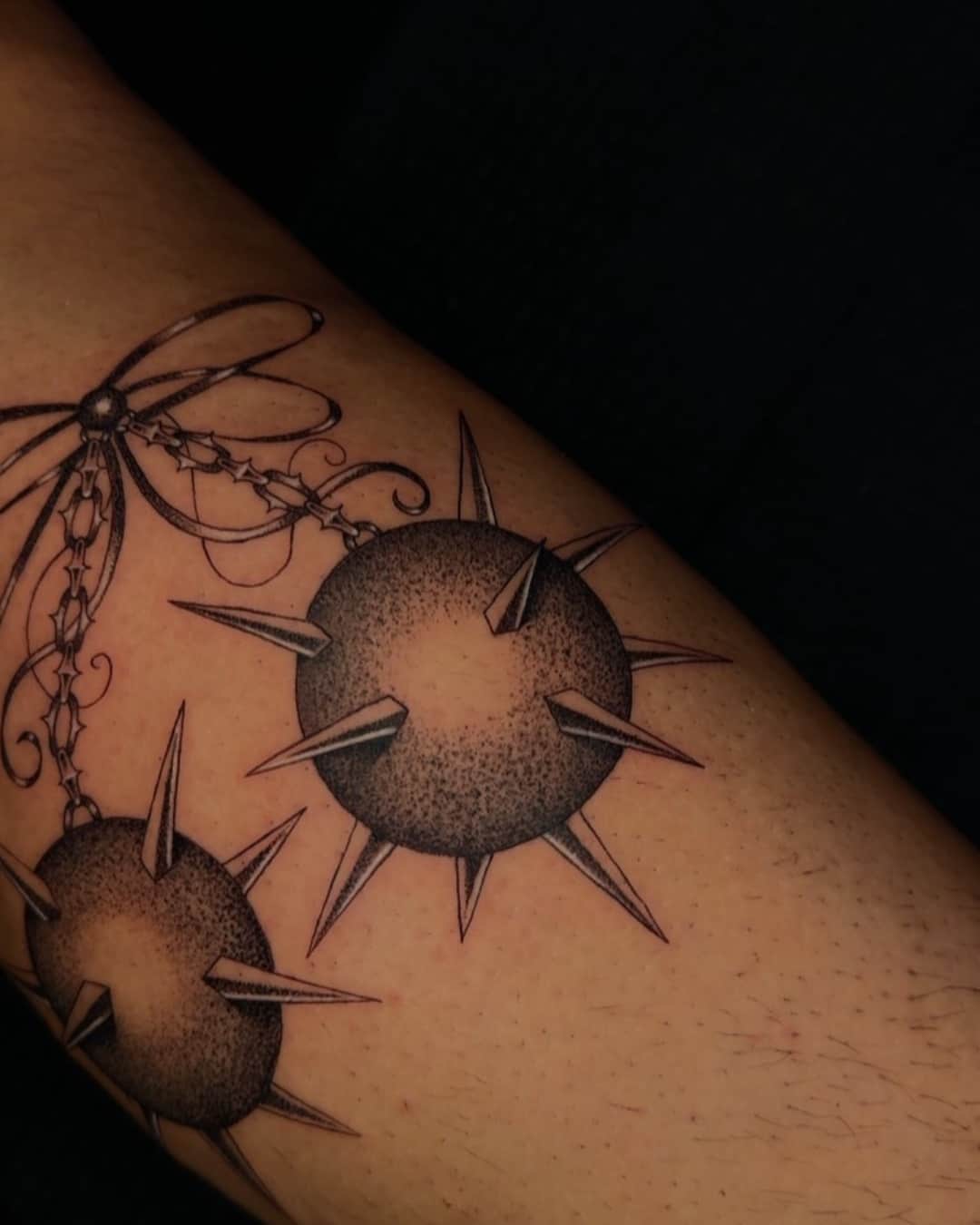
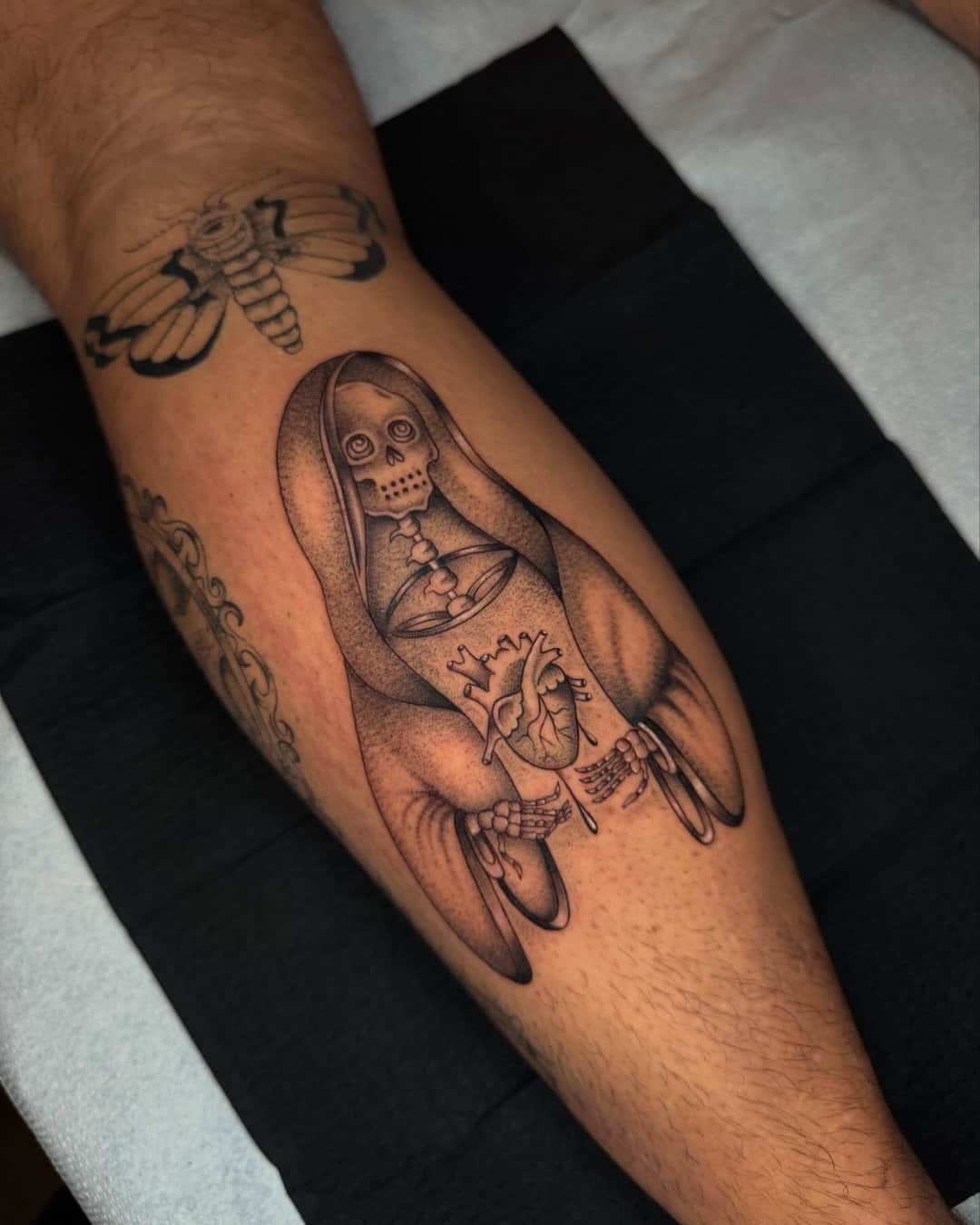
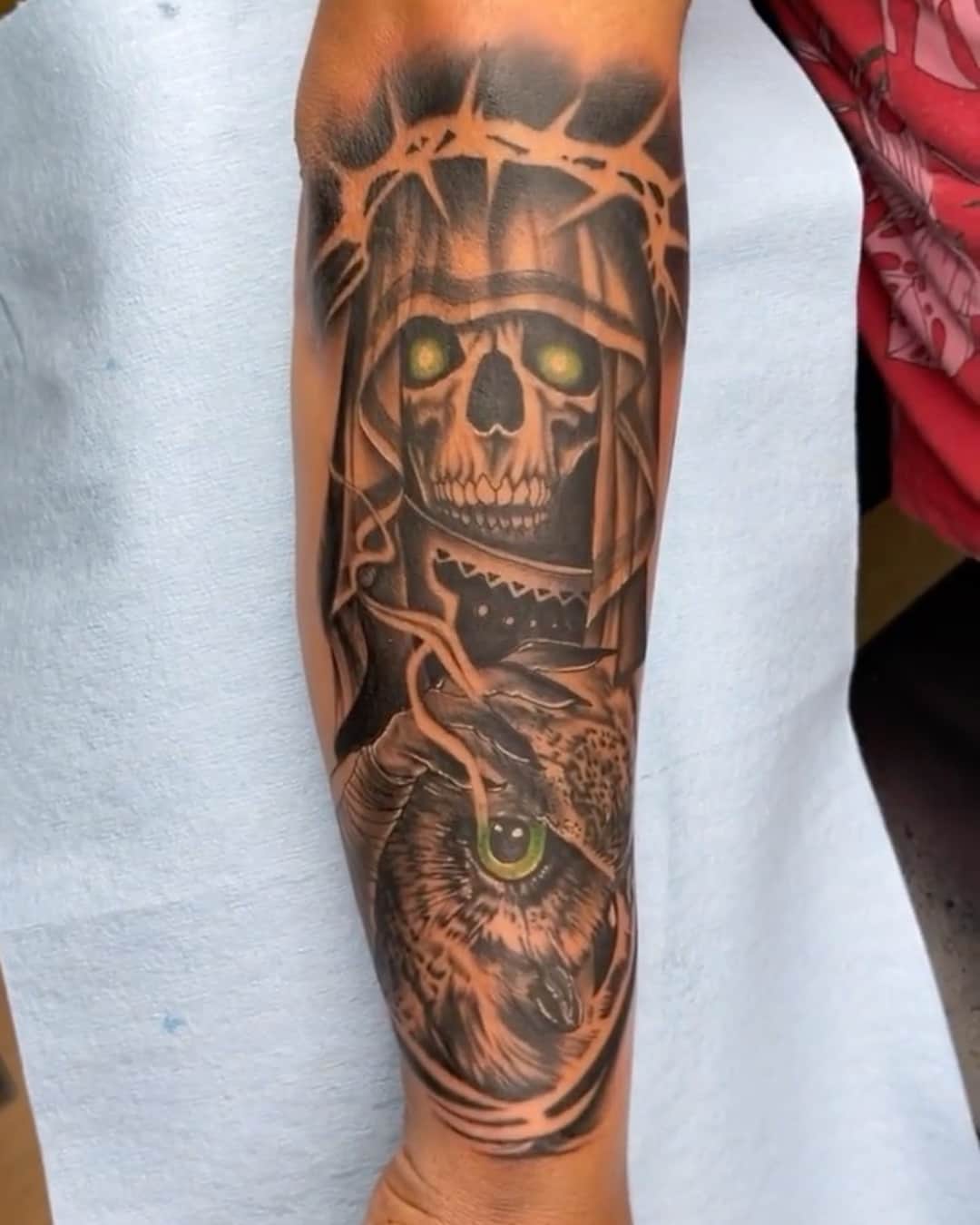
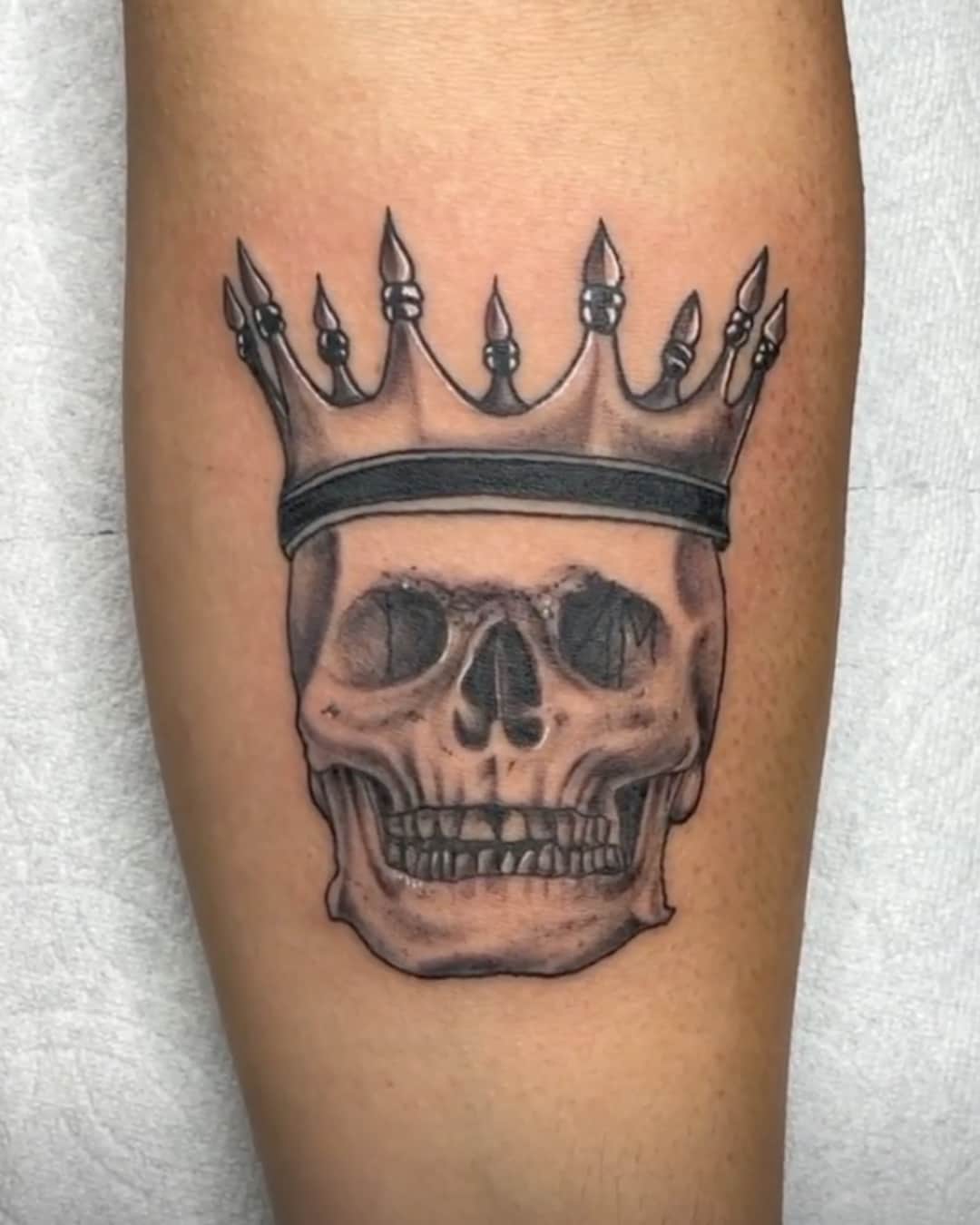
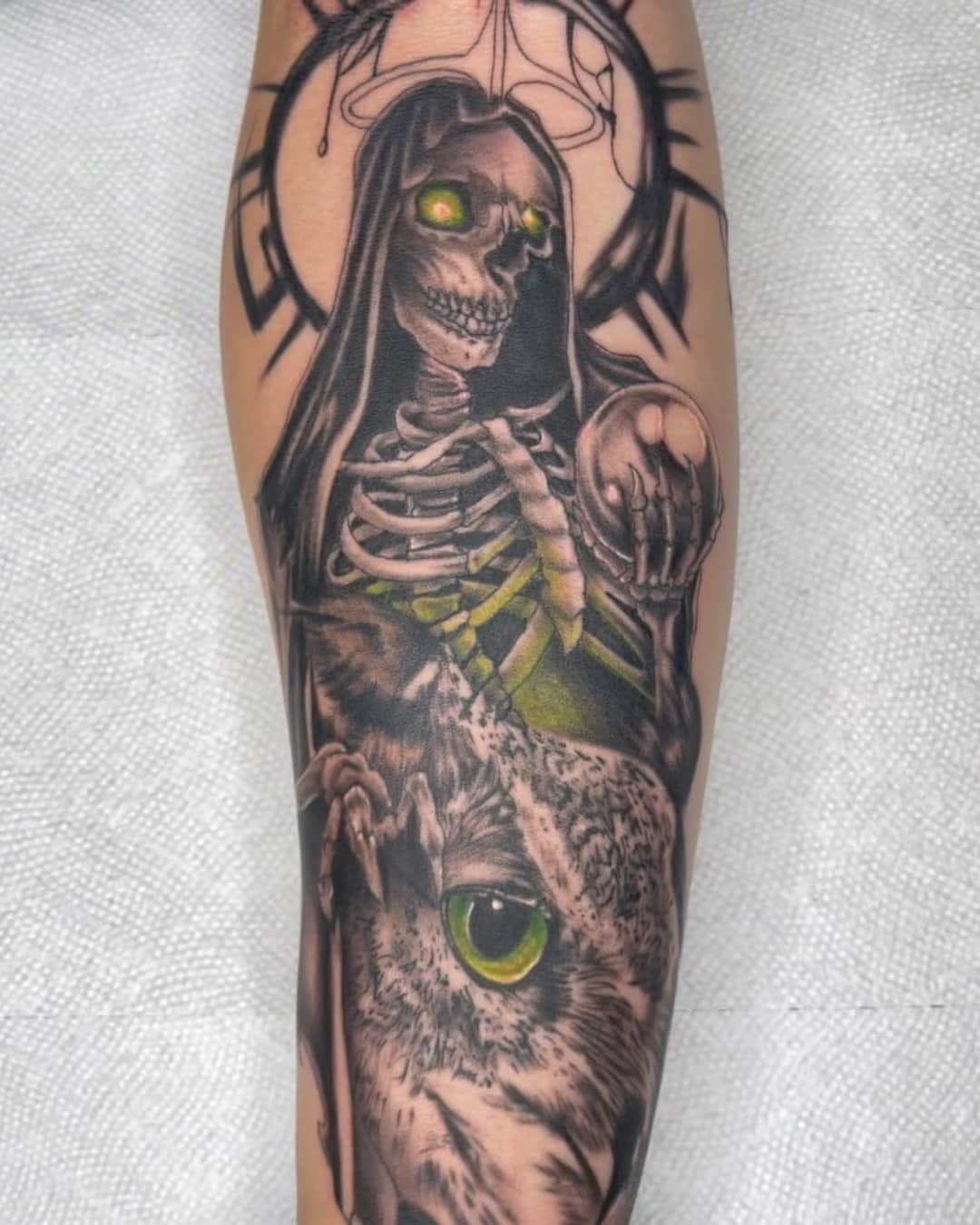
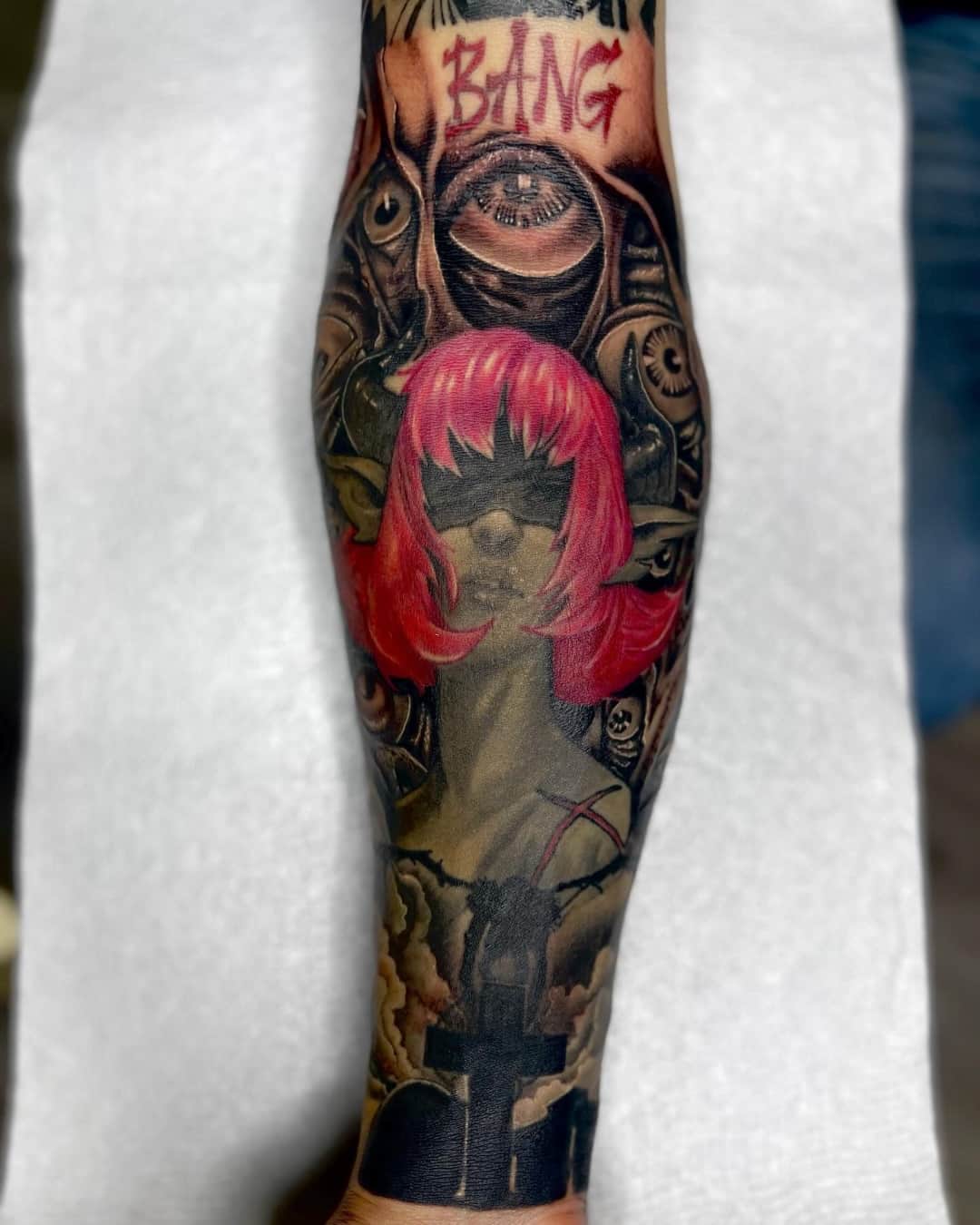
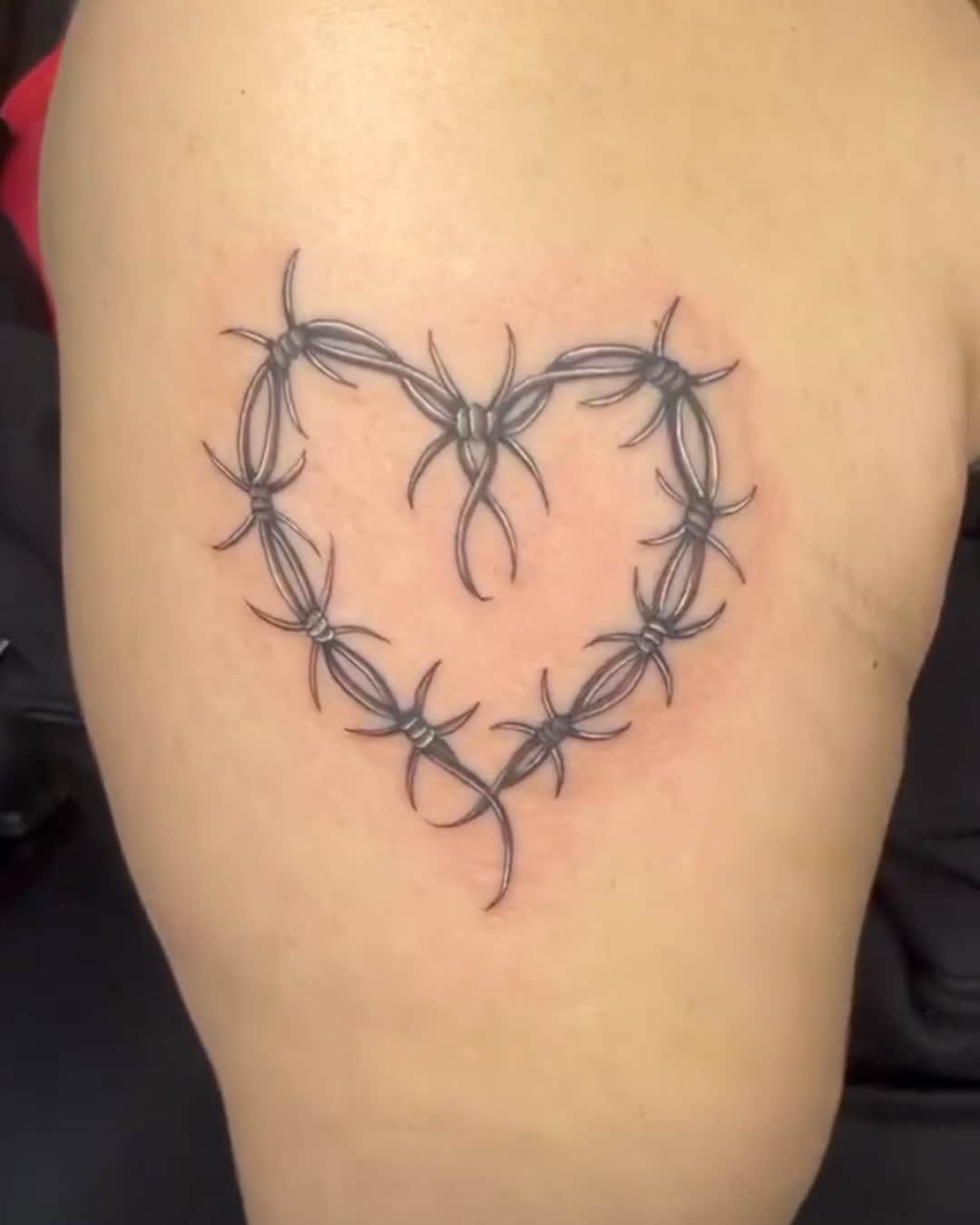
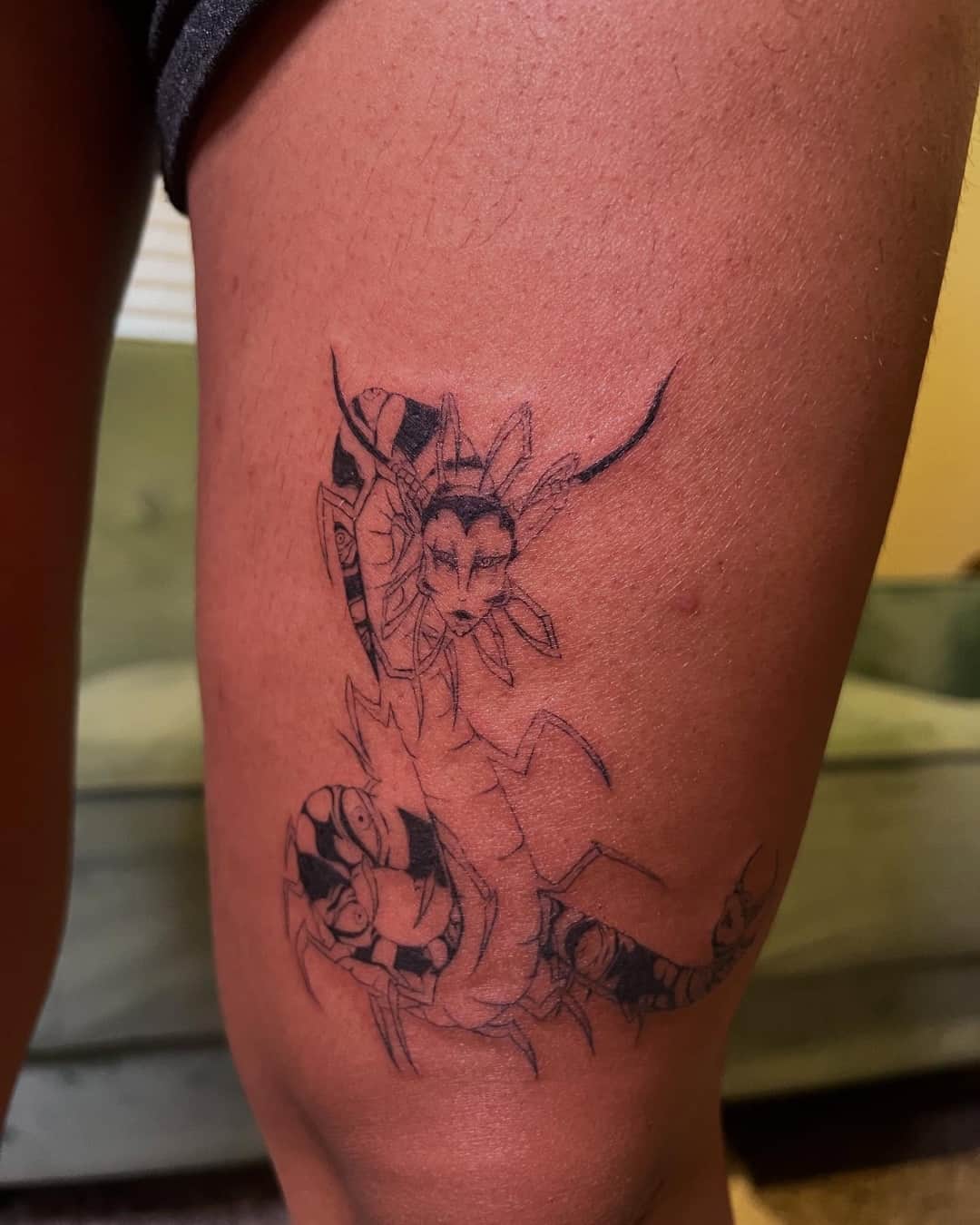
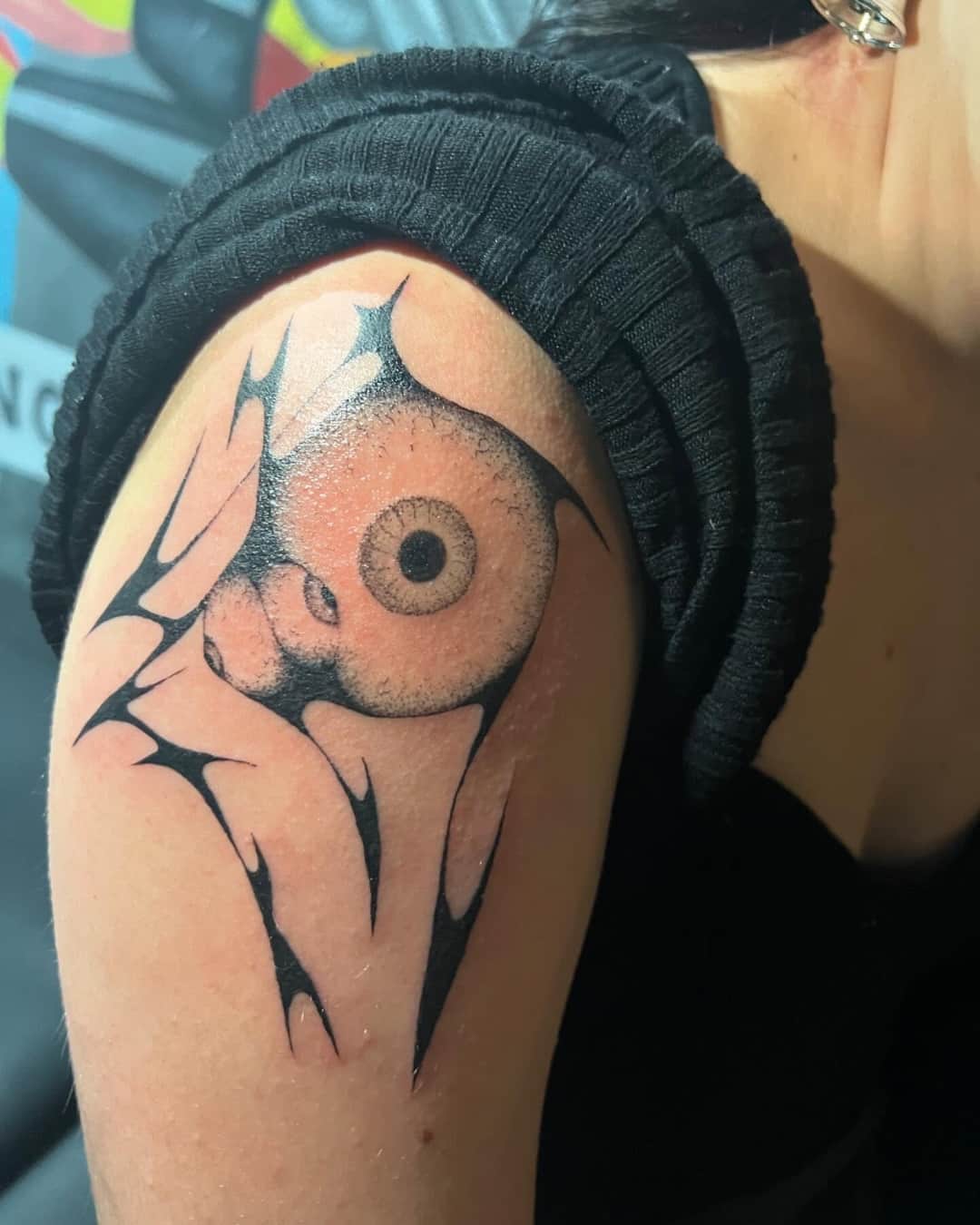
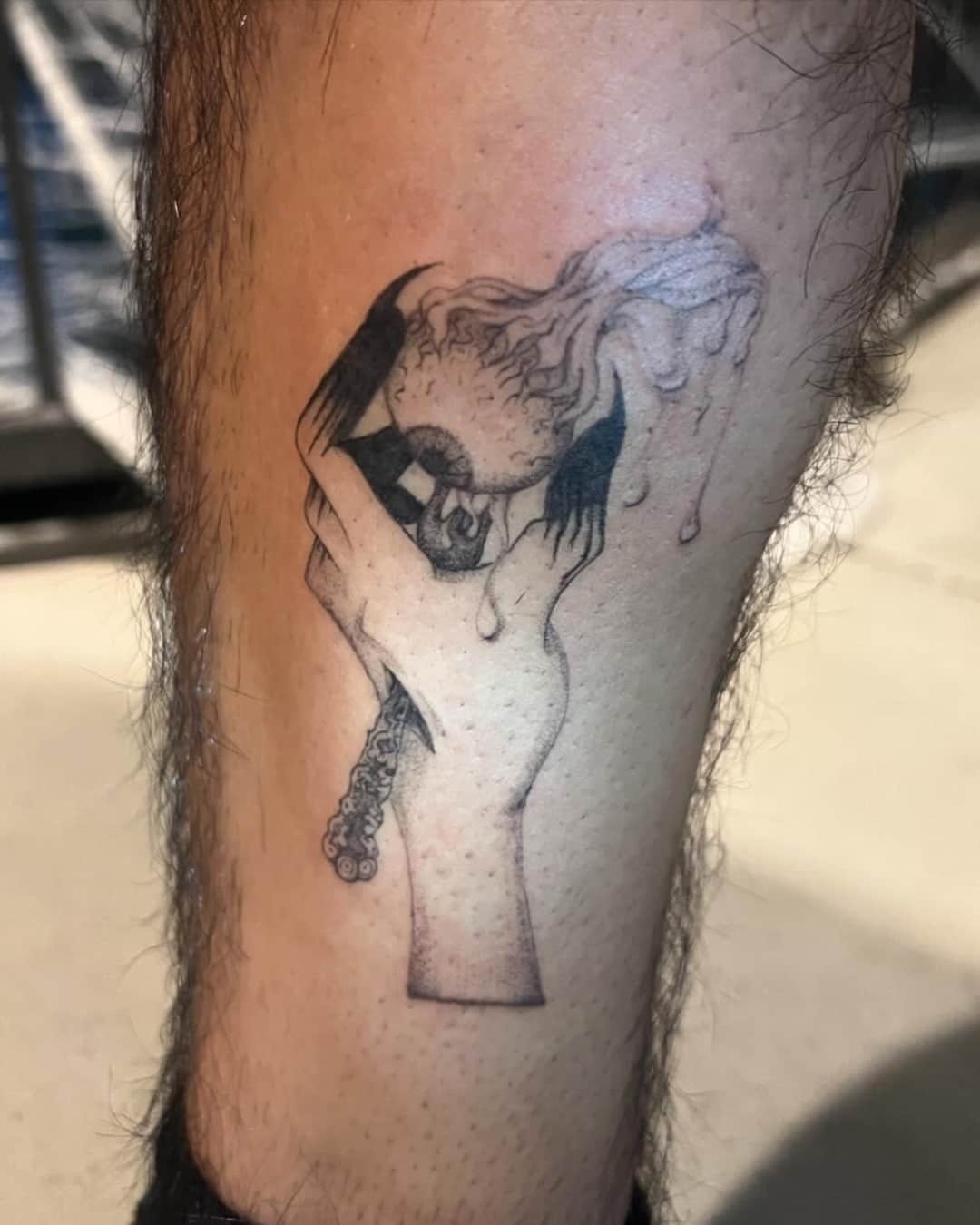
Dark Art tattoos take on horror, the occult and the macabre, in any rendering, from gothic engravings to photorealistic nightmares.
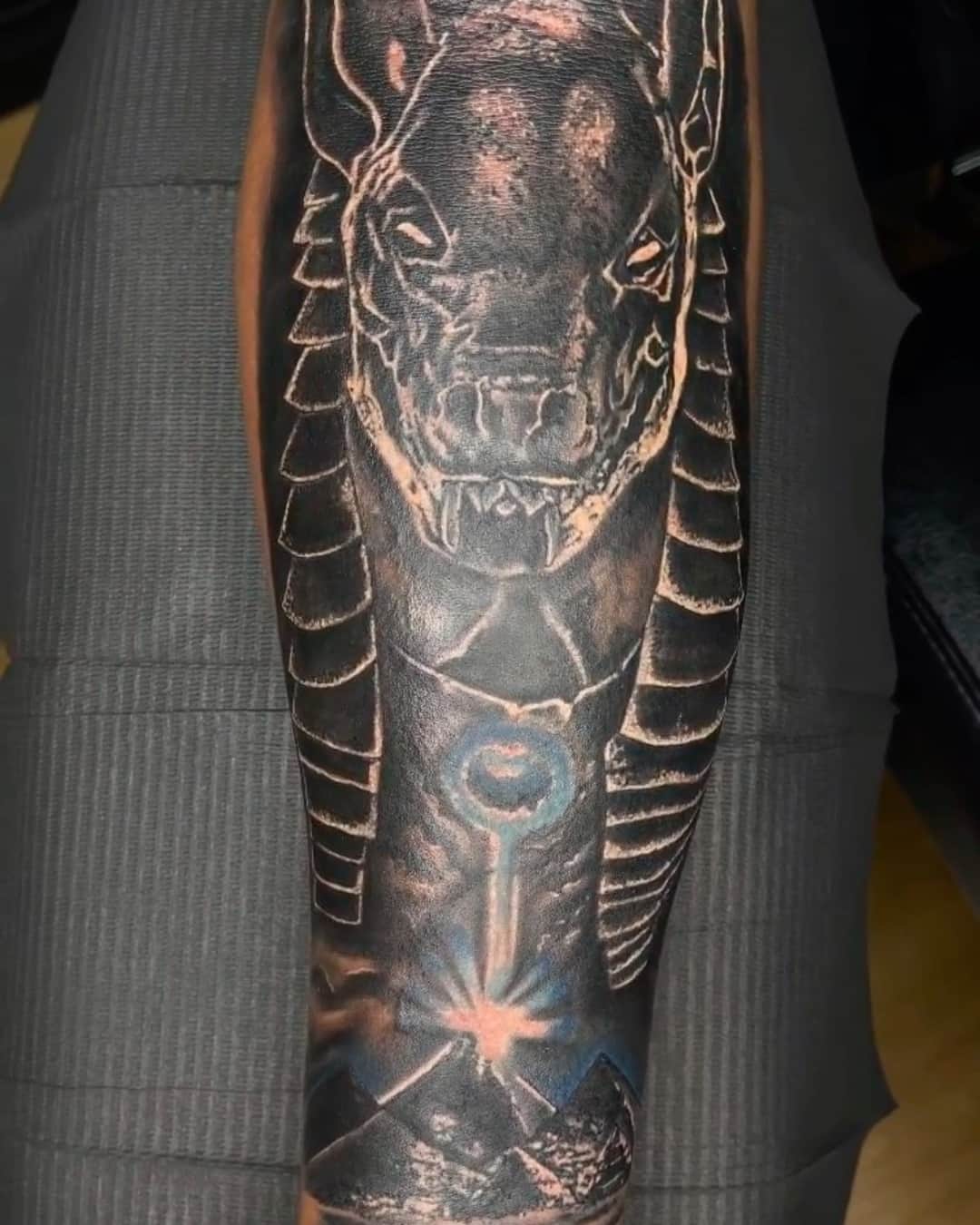
On YokoFolio, pick the style Dark Art and then your city, and widen the radius if the list is short. Since Dark Art is a subject, look for an artist who also masters the rendering you want — photorealism, an engraving look, heavy black — and try a keyword search such as reaper or demon. In the portfolios, check whether the blacks are solid and even, and whether the shadows build a real atmosphere instead of just darkening the design. Above all, look for photos of healed tattoos: that's where you see whether the contrasts have held. Then ask the artist for a custom drawing rather than a copied image, and how they will keep light areas so the piece stays readable.
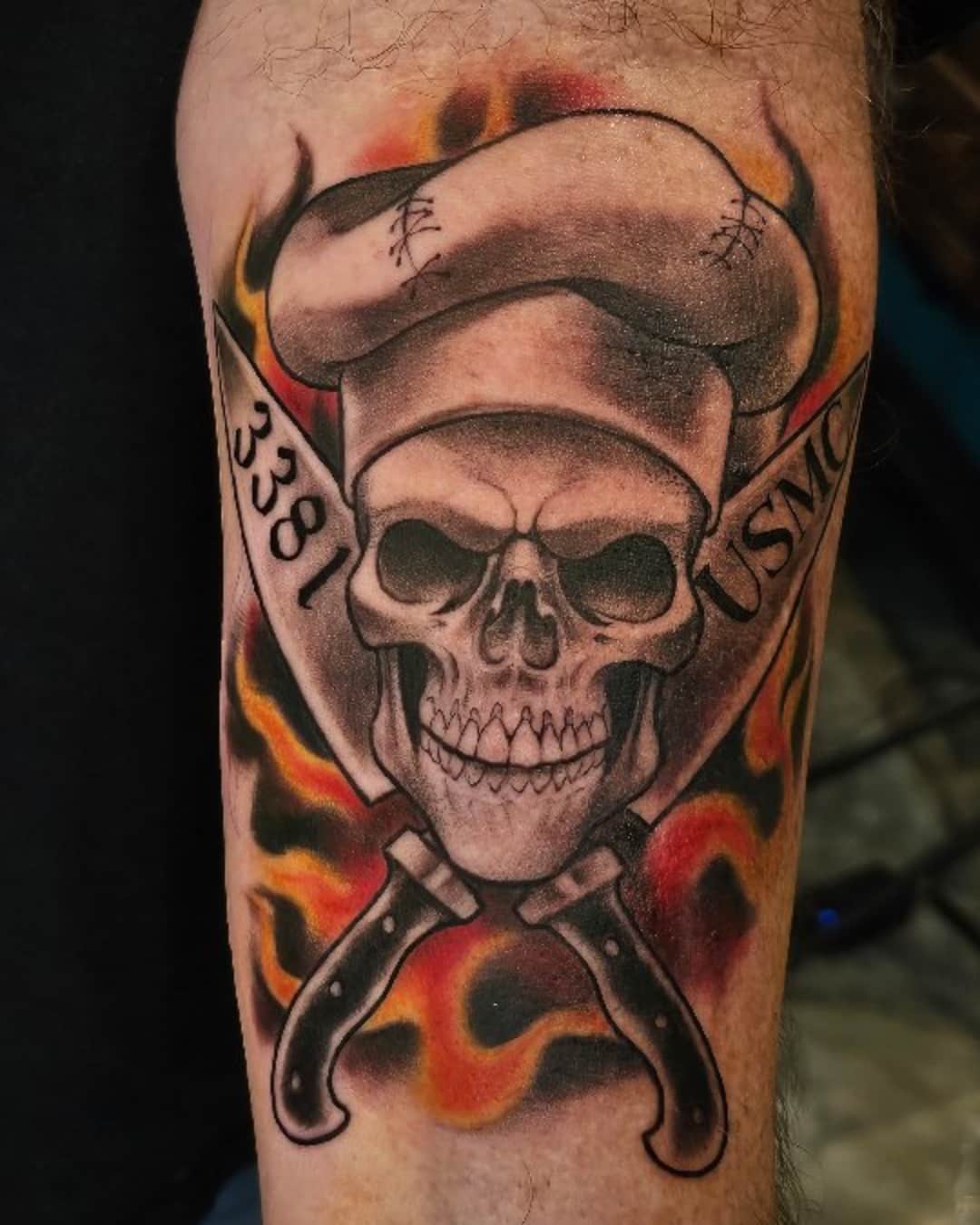
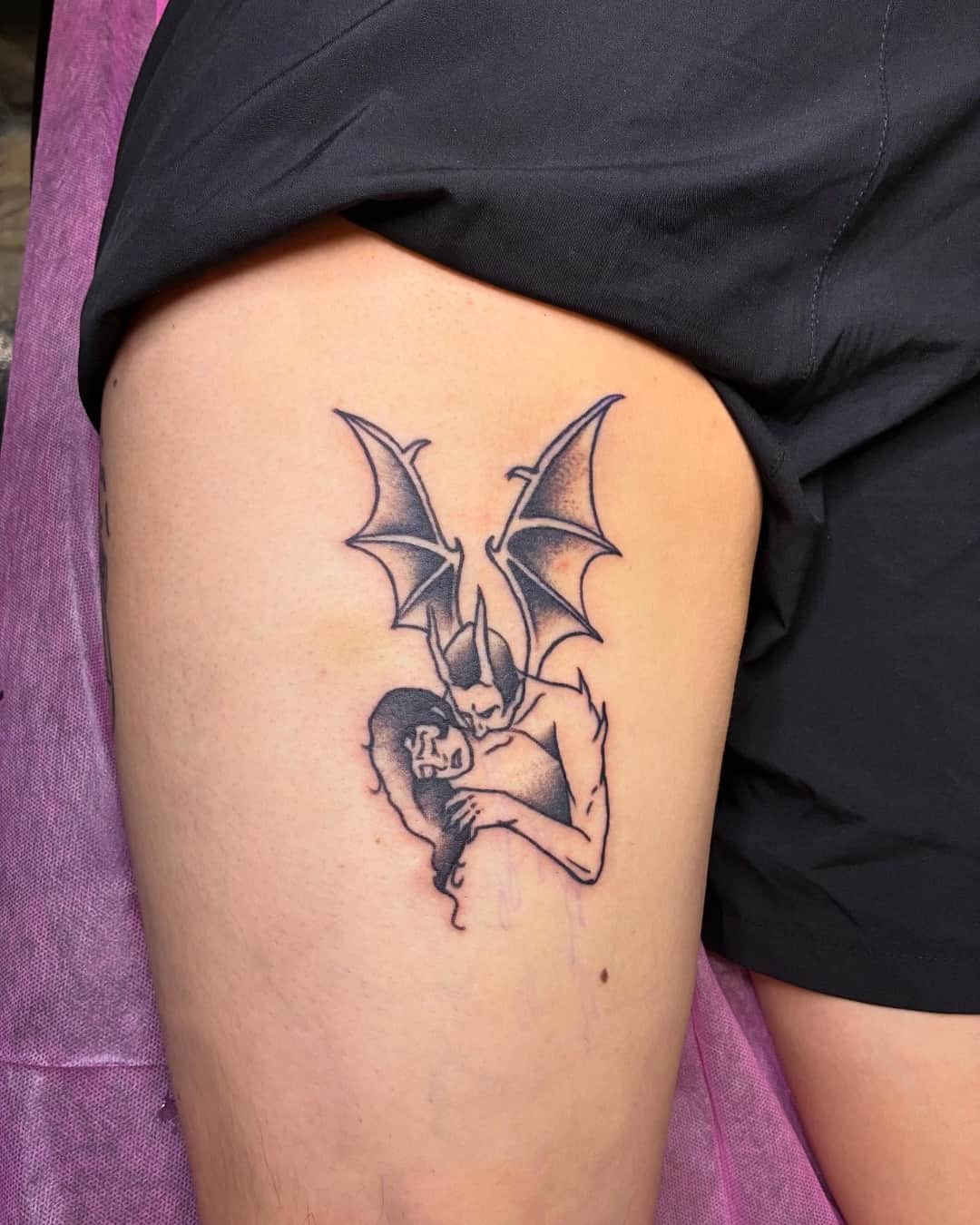
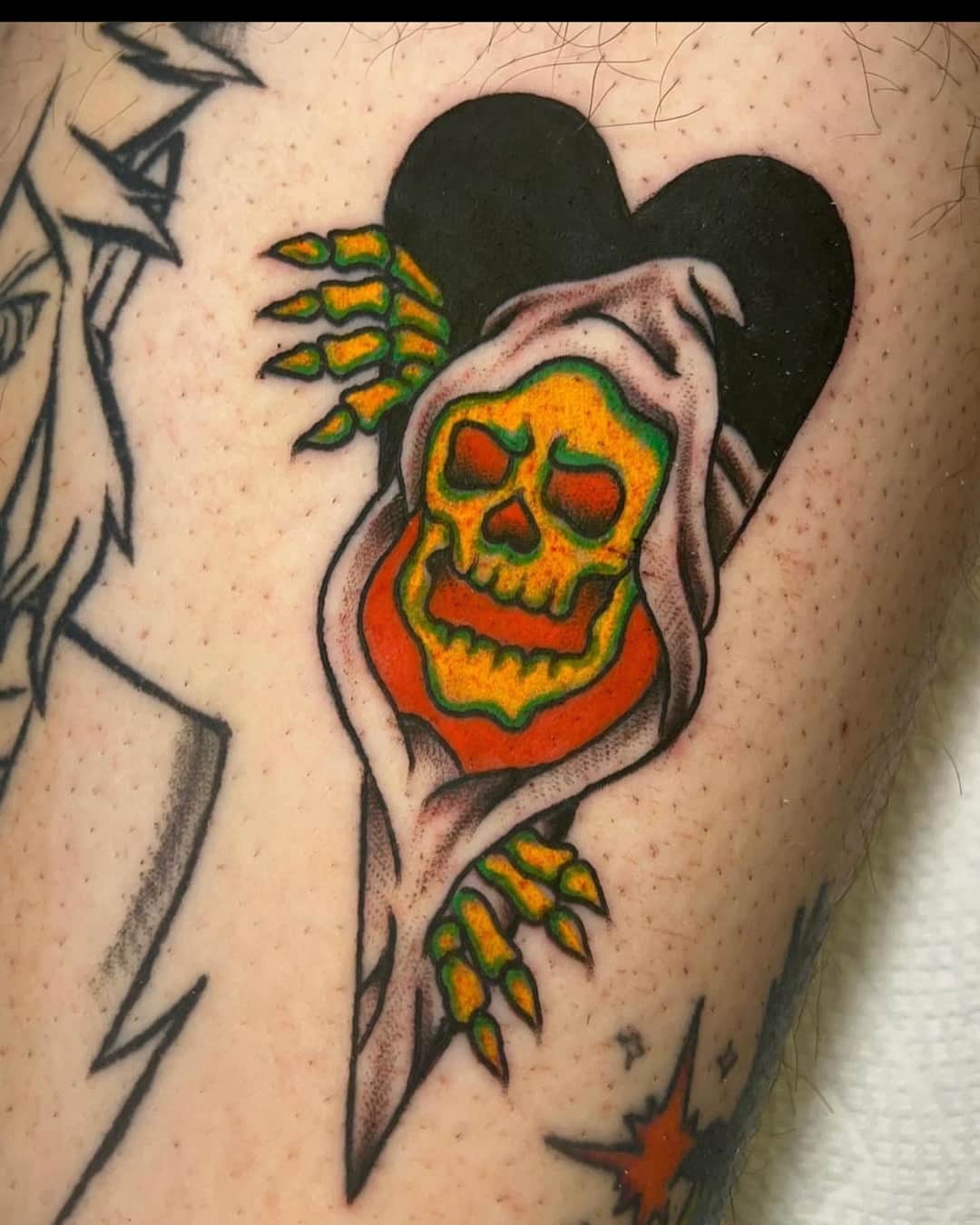
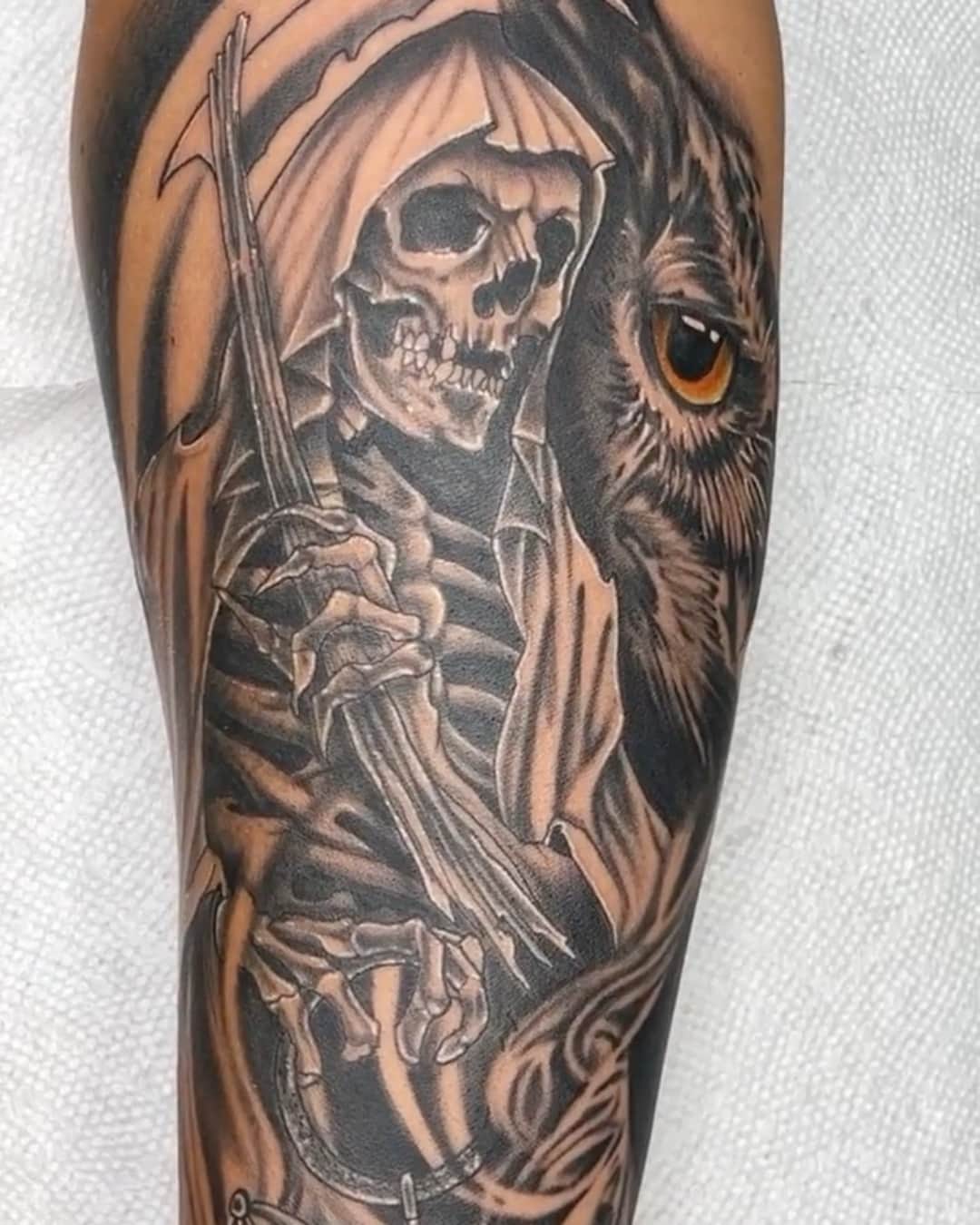
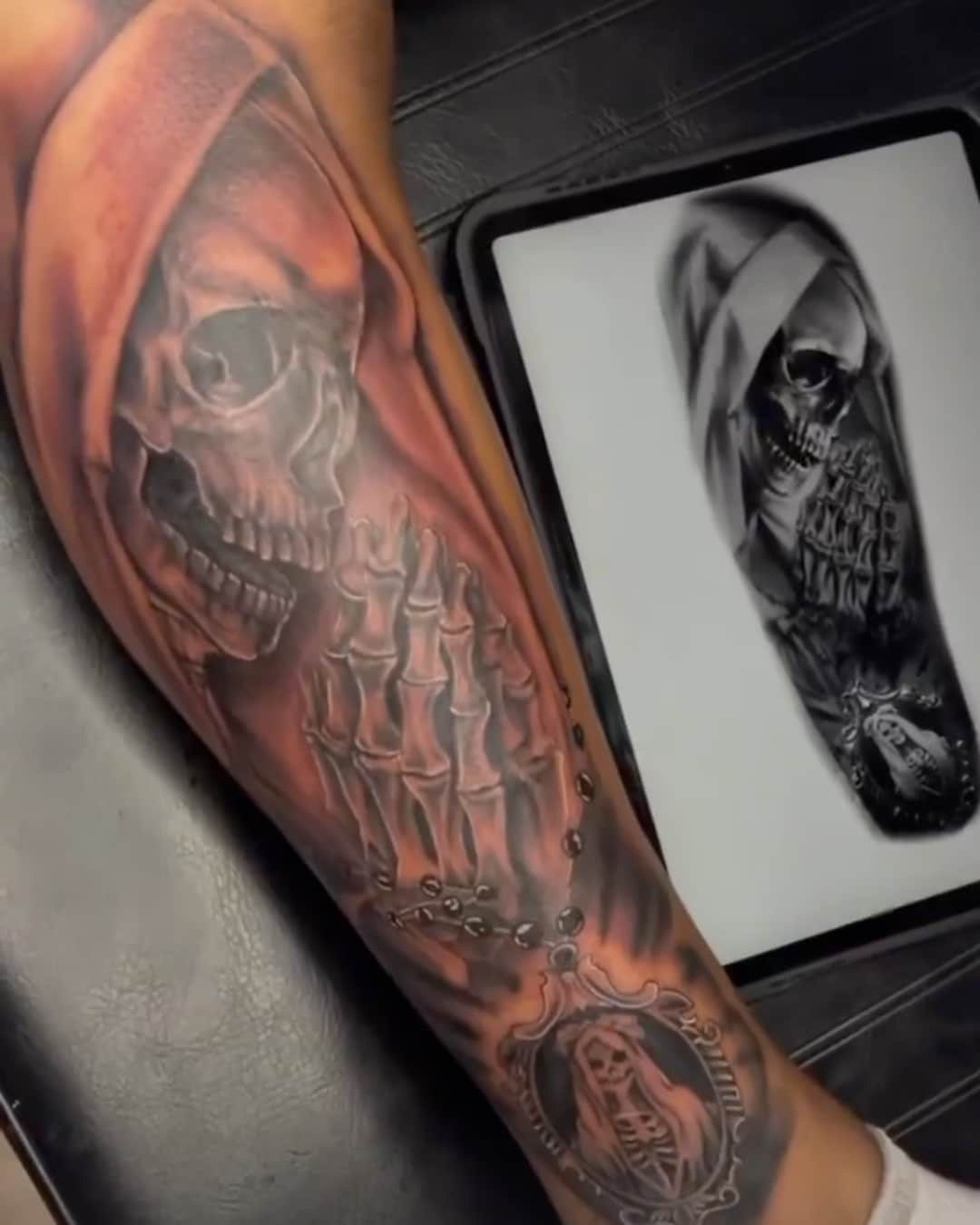
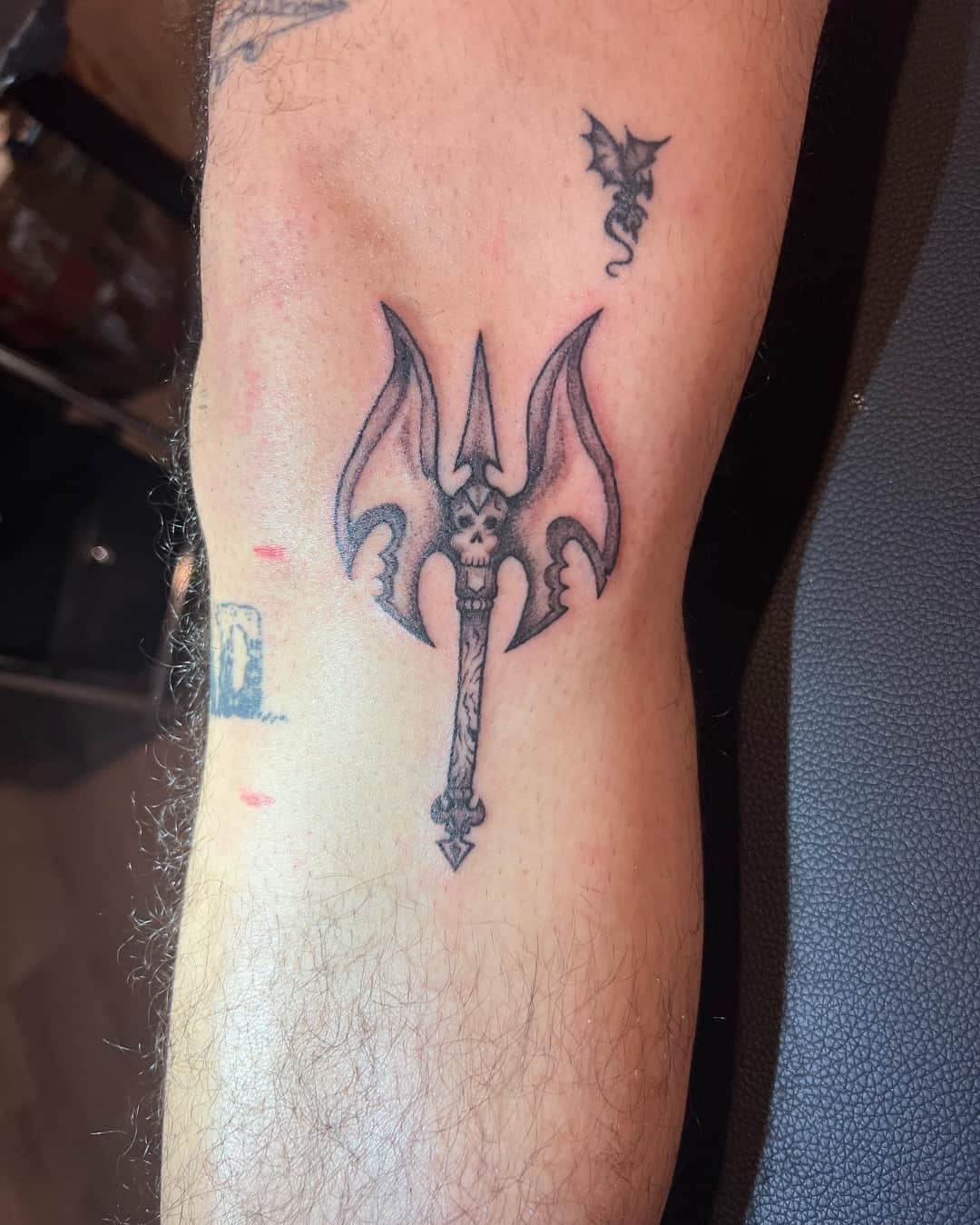
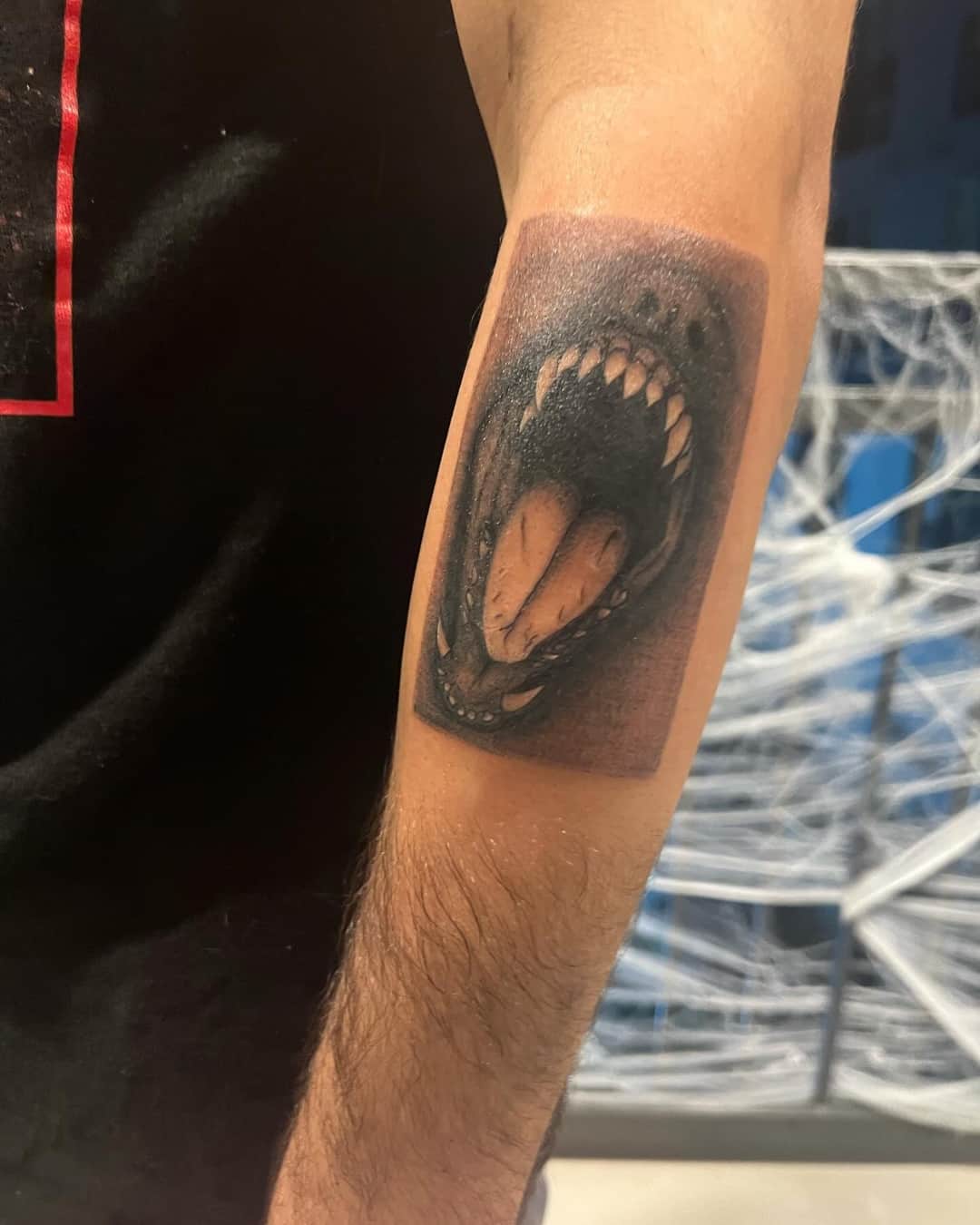
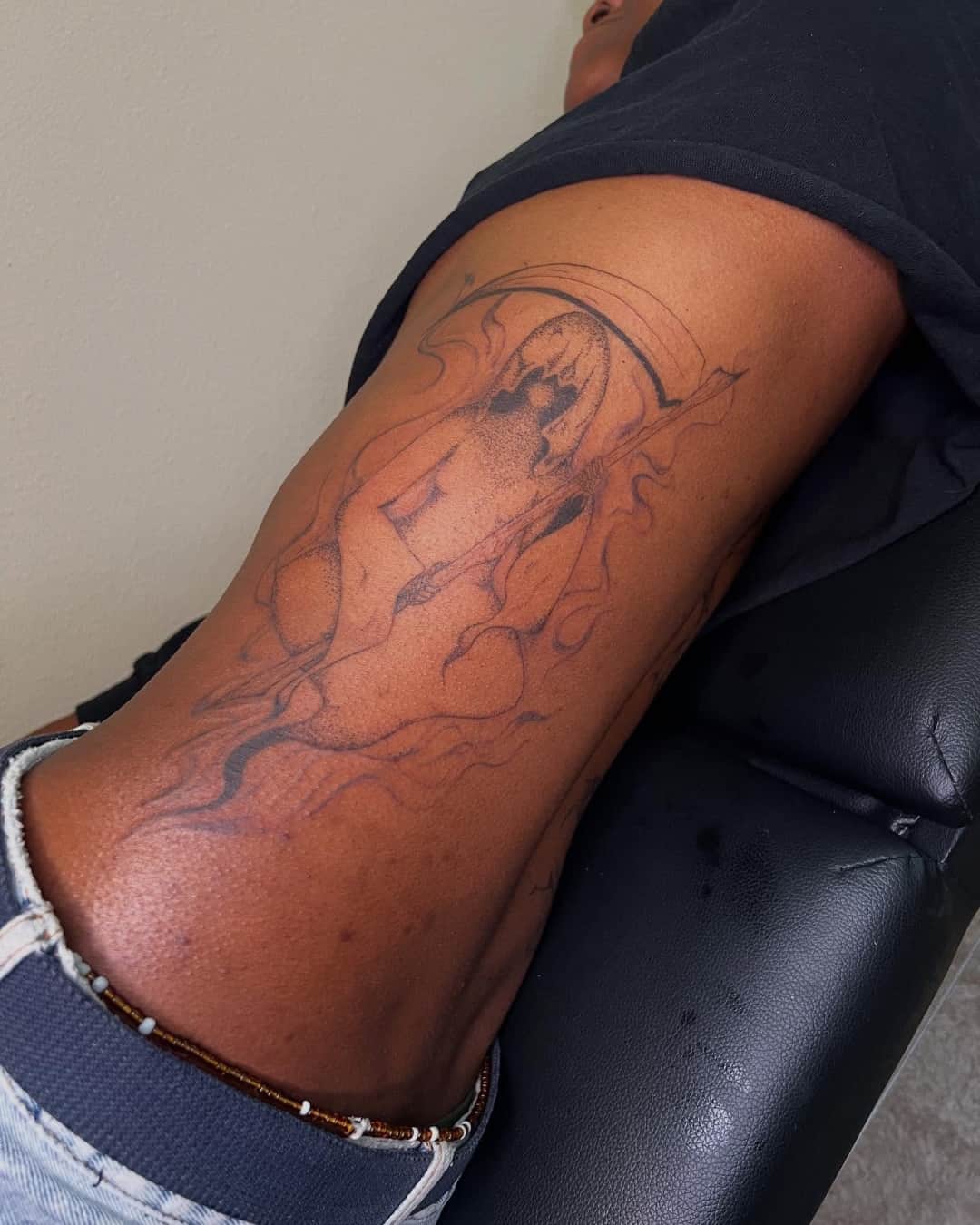
The great classics are the grim reaper and menacing skulls, demons and fallen angels, witches and occult symbols, and the creatures of folklore — werewolves, vampires, cryptids. Gothic scenes, haunted houses, and ravens or moths set in a dark scene work very well, as do the monsters of horror cinema. Many people pair the dark theme with a drawing style they love, like an engraving look or photorealism. Prefer a design with a strong atmosphere: that's what Dark Art renders best. If you want occult symbols, learn what each one means before you wear it, and ask the artist to draw them for you rather than copy a sign found online.
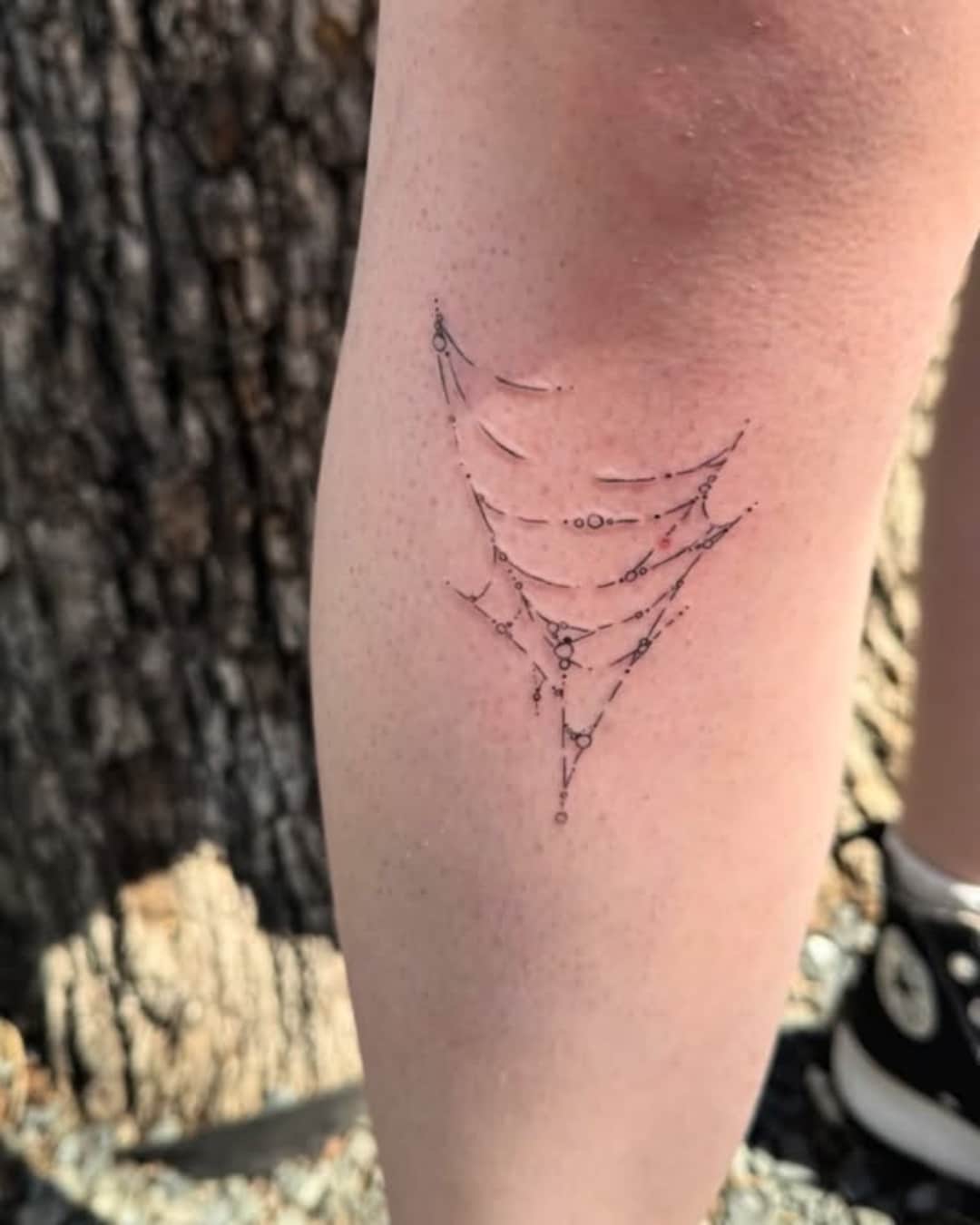
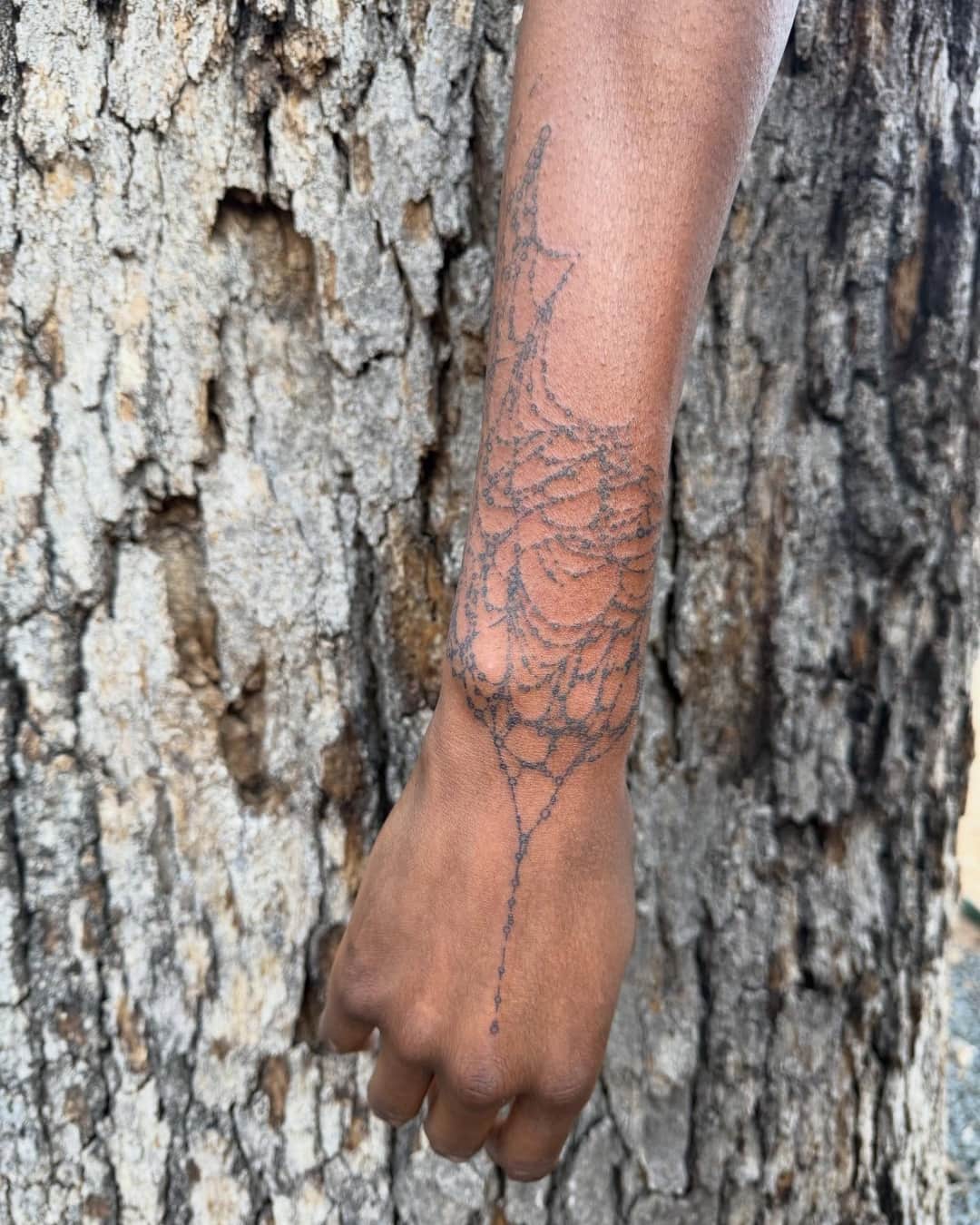
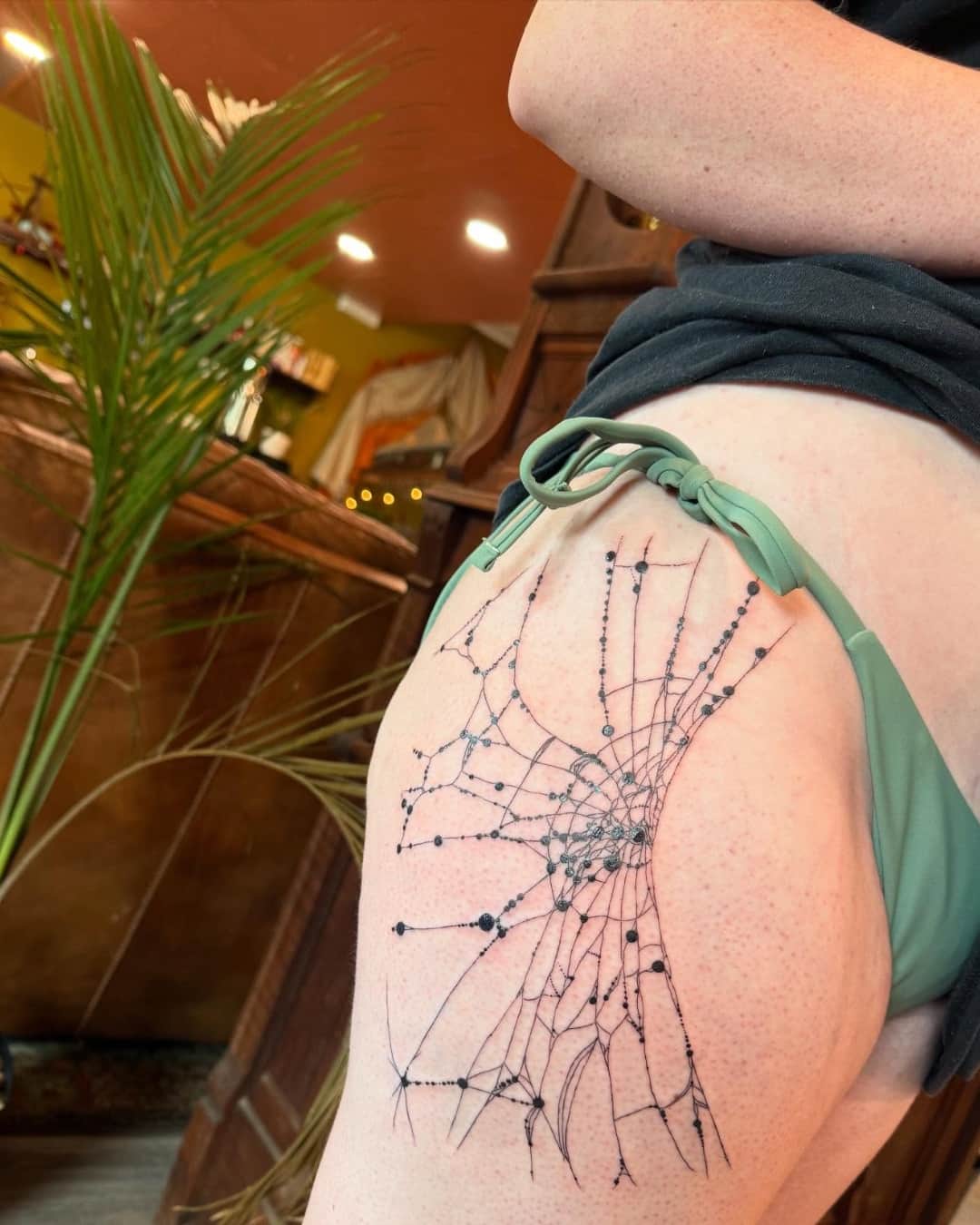
Yes, very well when it's well done. Dark Art relies on deep blacks and strong contrasts, which are what hold best over time. The risk is too many dark areas with too little skin left between them: as the ink spreads a little over the years, the design can become hard to read. A good artist keeps light areas and breathing room so the image stays clear, and keeps the main shapes large enough for the details to survive. The finest details, like the threads of a cobweb or the texture of a robe, soften first, and a touch of red can fade faster than the black around it. Protected from the sun, a Dark Art tattoo keeps its intensity for years.
Dark Art is defined by its subject and its mood: demons, the reaper, menacing skulls, monsters, witchcraft and horror scenes, often in deep blacks and heavy shadows, made to unsettle. Surrealism is defined by an impossible idea: a clock that melts, a face that opens like a door, a double exposure, reversed scales — the image puzzles more than it frightens, and it can be bright or gentle. A menacing skull is Dark Art even though nothing in it is impossible; a whale floating among the clouds is Surrealism with nothing dark about it. The two often meet in nightmare scenes. If horror, the occult or the macabre is the heart of the piece, it's Dark Art.