Filters

1 tattoo artist
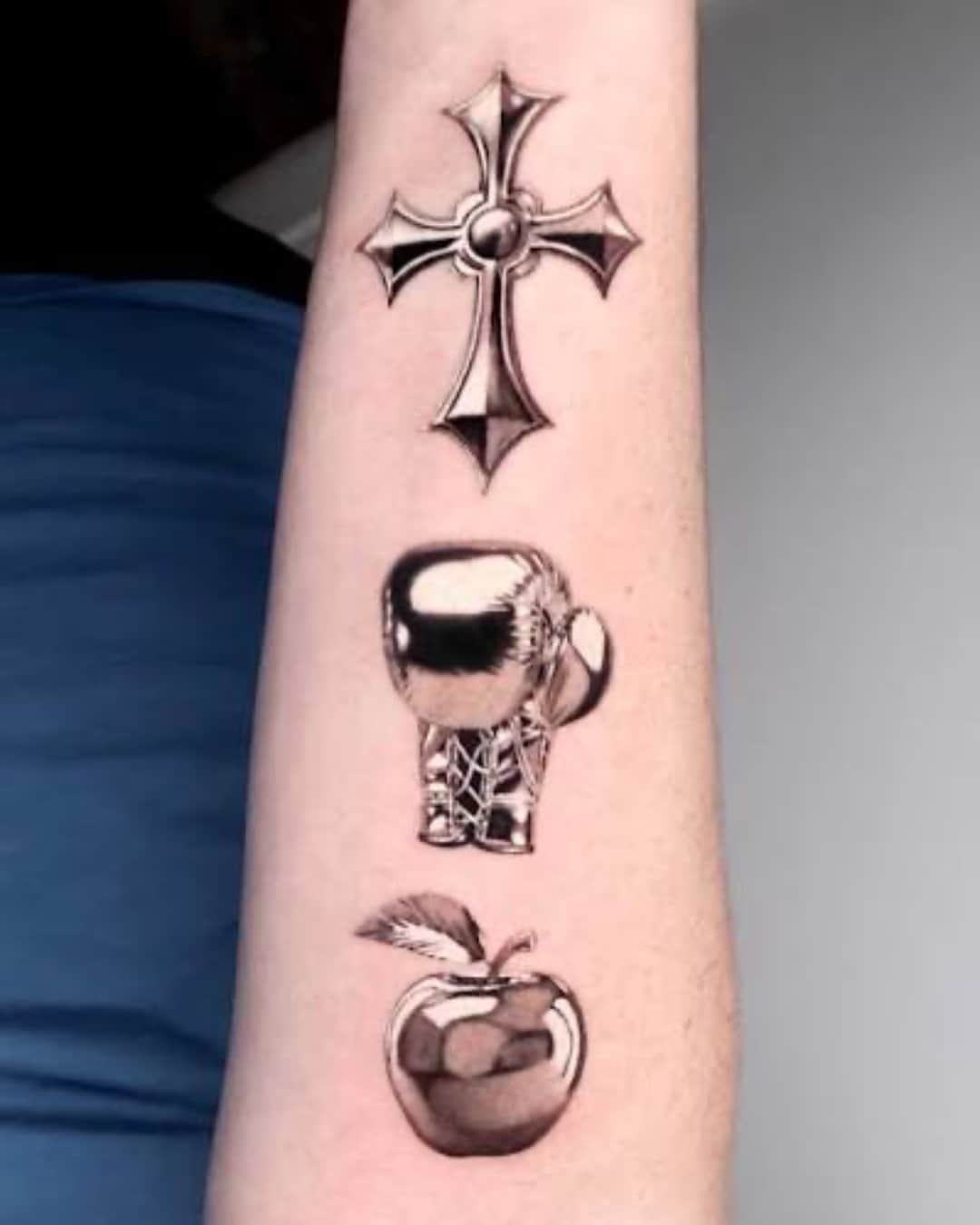
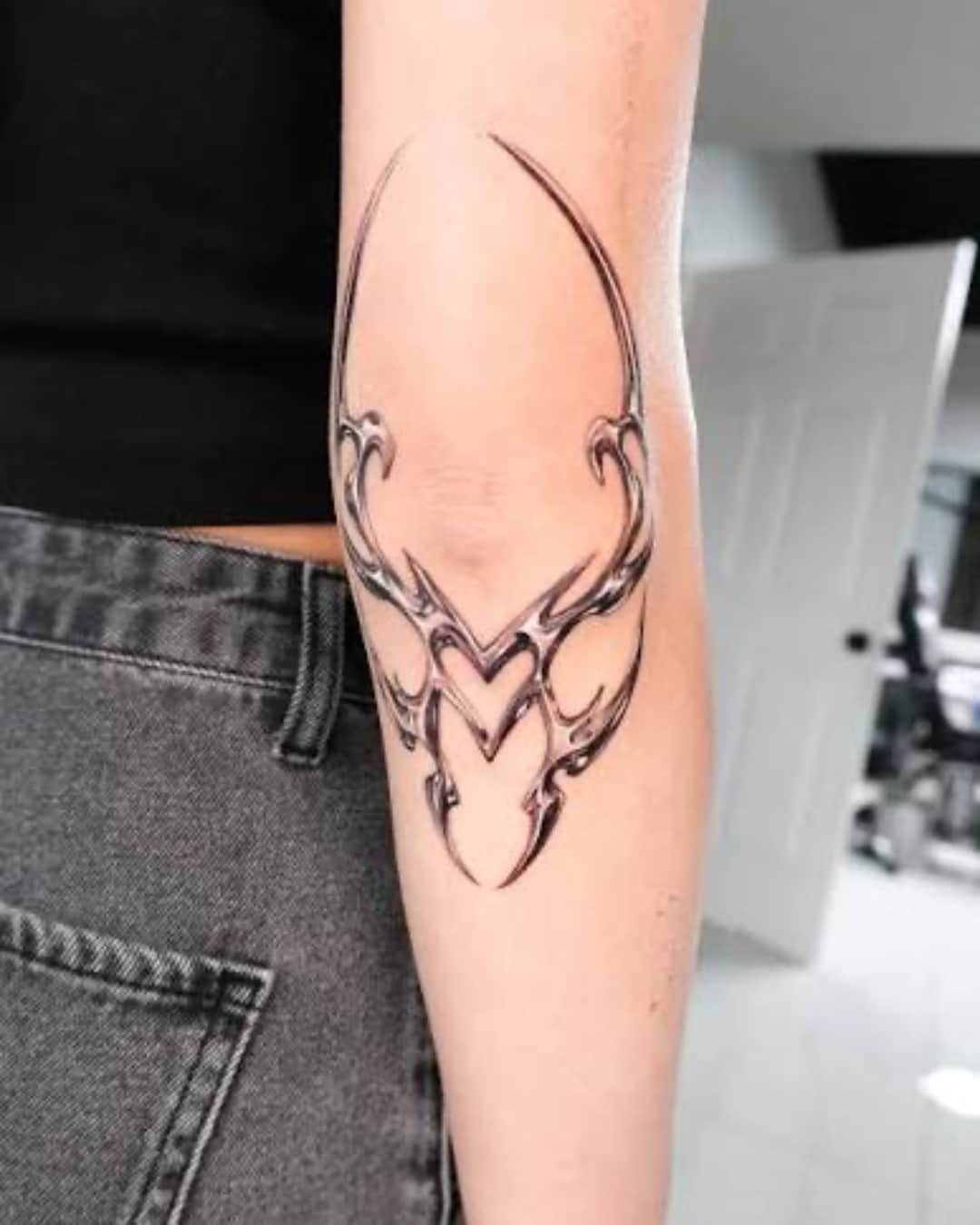
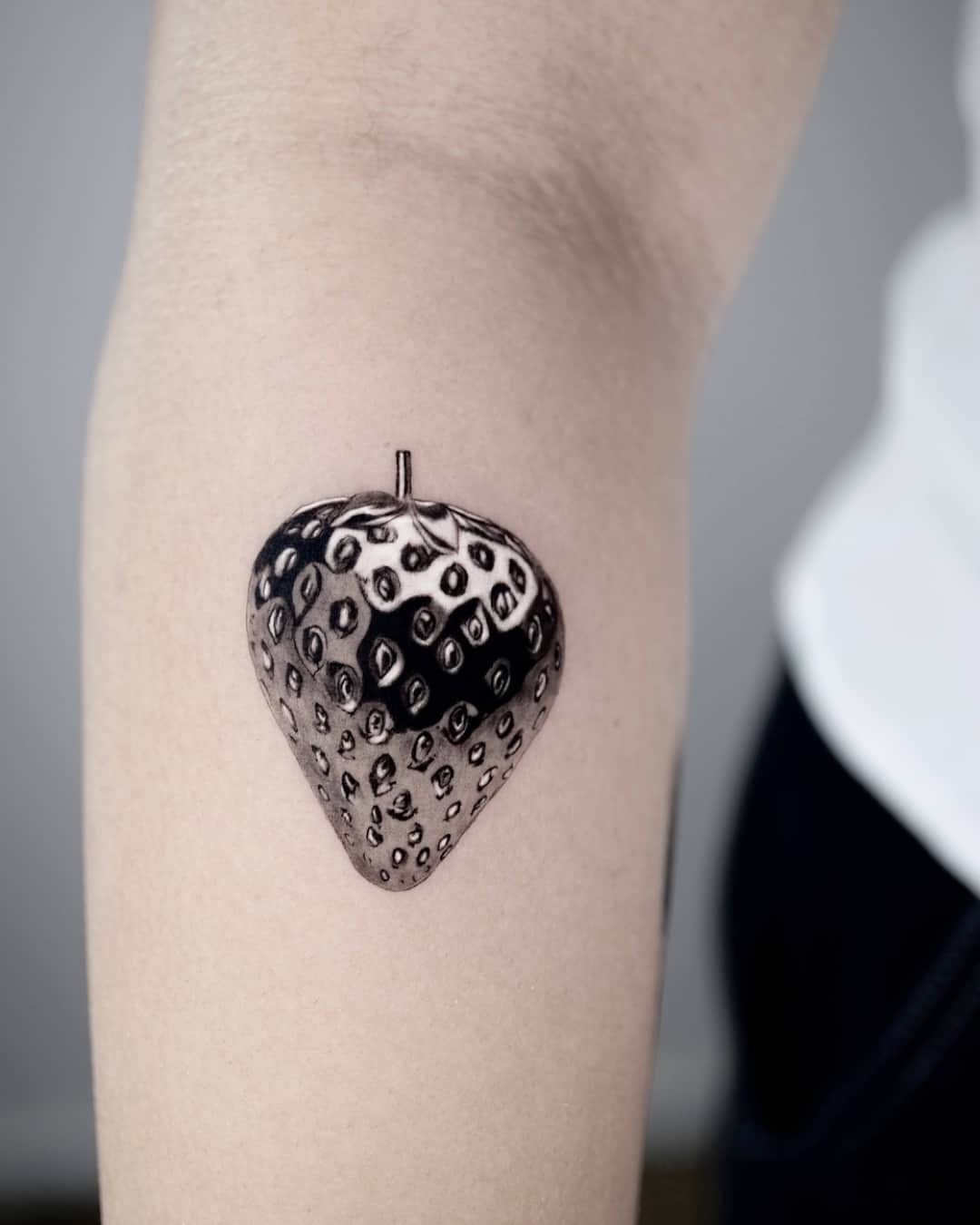
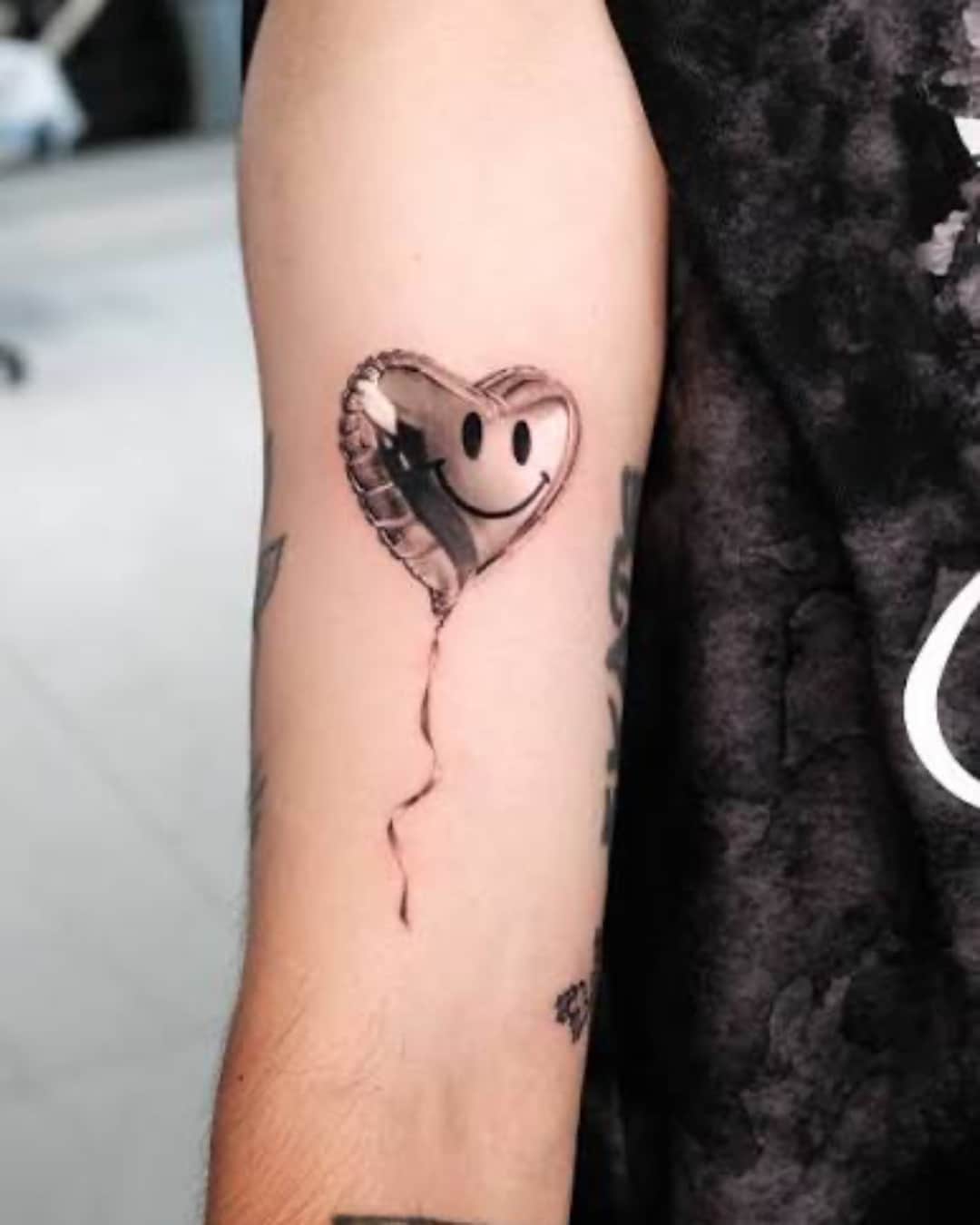
Chrome imitates polished metal: mirror surfaces, horizon highlights and liquid curves, made entirely out of values.
On YokoFolio, pick the style Chrome and then your city, and widen the radius: it's a recent style and still not widespread. The test is clear — look at the distance between the blacks and the whites. Believable chrome alternates very dense blacks and areas of bare skin, with short transitions. If the values are soft, the reflection doesn't read. Ask for healed work: that's where the contrast either holds or gets lost.
No, and it's the question asked most often about this style. No ink reflects light the way metal does: the chrome effect is an illusion produced entirely by values — very deep blacks, whites that are untattooed skin, and transitions placed just right. Inks sold as metallic or reflective don't exist in that sense. Be wary of any promise along those lines and judge on healed photos.
It's the most requested version of the style: soft shapes with no corners, like drops of mercury sitting on the skin. It comes straight from the 3D renders of the 2000s and from the digital design that fashion brought back. The effect rests entirely on where the highlights sit and on the horizon line that cuts the shape — that line is what your eye reads as a sky. Plan on a generous surface: shrunk down, the effect disappears.
That's its delicate point. The illusion rests on the gap between very dense blacks and whites that are bare skin; when the black lightens slightly and the edges spread, the contrast narrows and the reflection loses its sharpness. The pieces that last best are the ones built on decisive masses rather than on very fine plays of light. Plan on going back over the blacks after several years.