Filters

1 tattoo artist
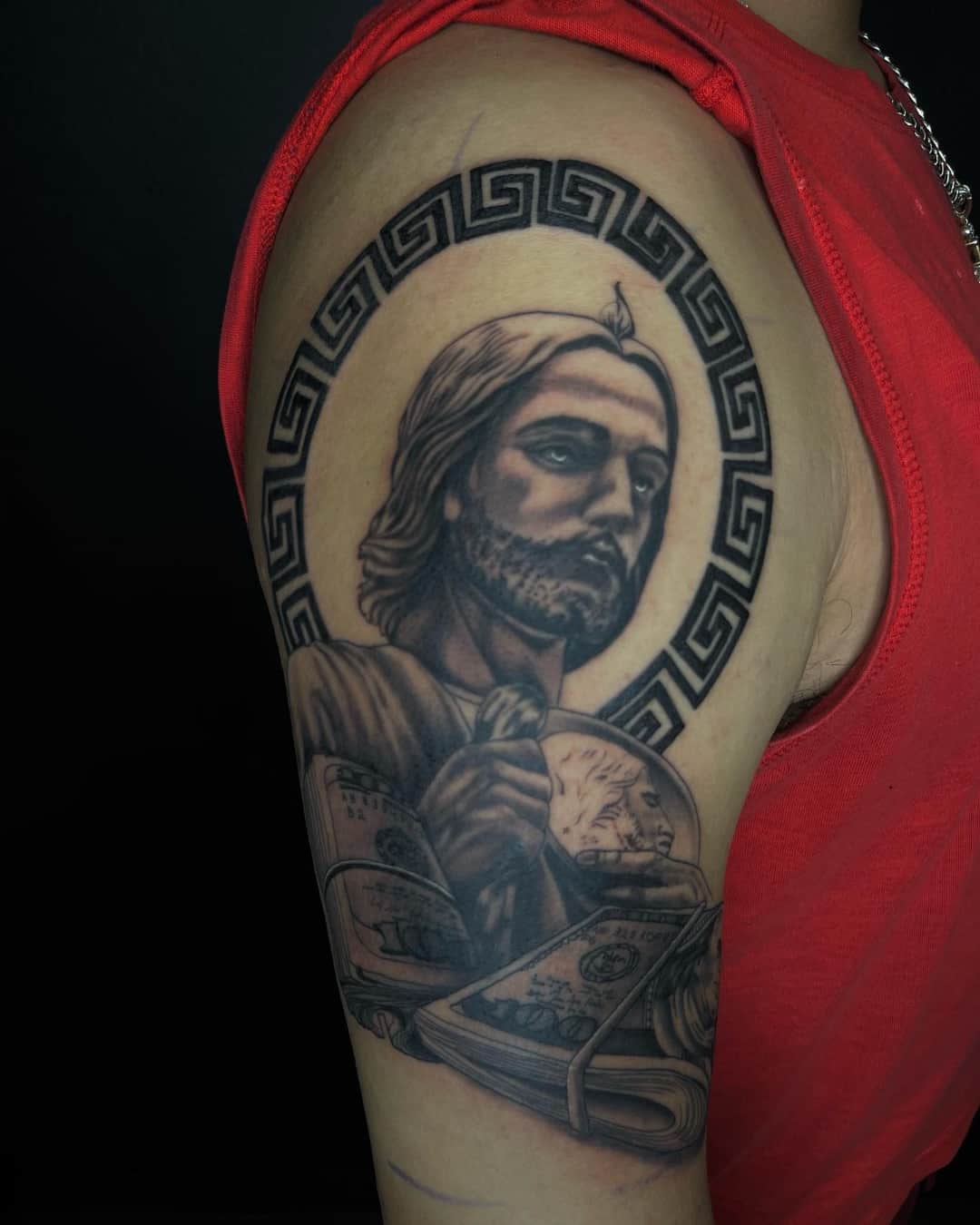
On YokoFolio, pick the style Chicano and then your city, and widen the radius if the list is short. Look at the greys first: they should be very soft, with no blotches or stair-stepping, and the portraits should look like the person. Lettering is the other test — good Chicano script is perfectly even. Ask for healed work: single-needle work moves more than most, and that's where you judge the hand.
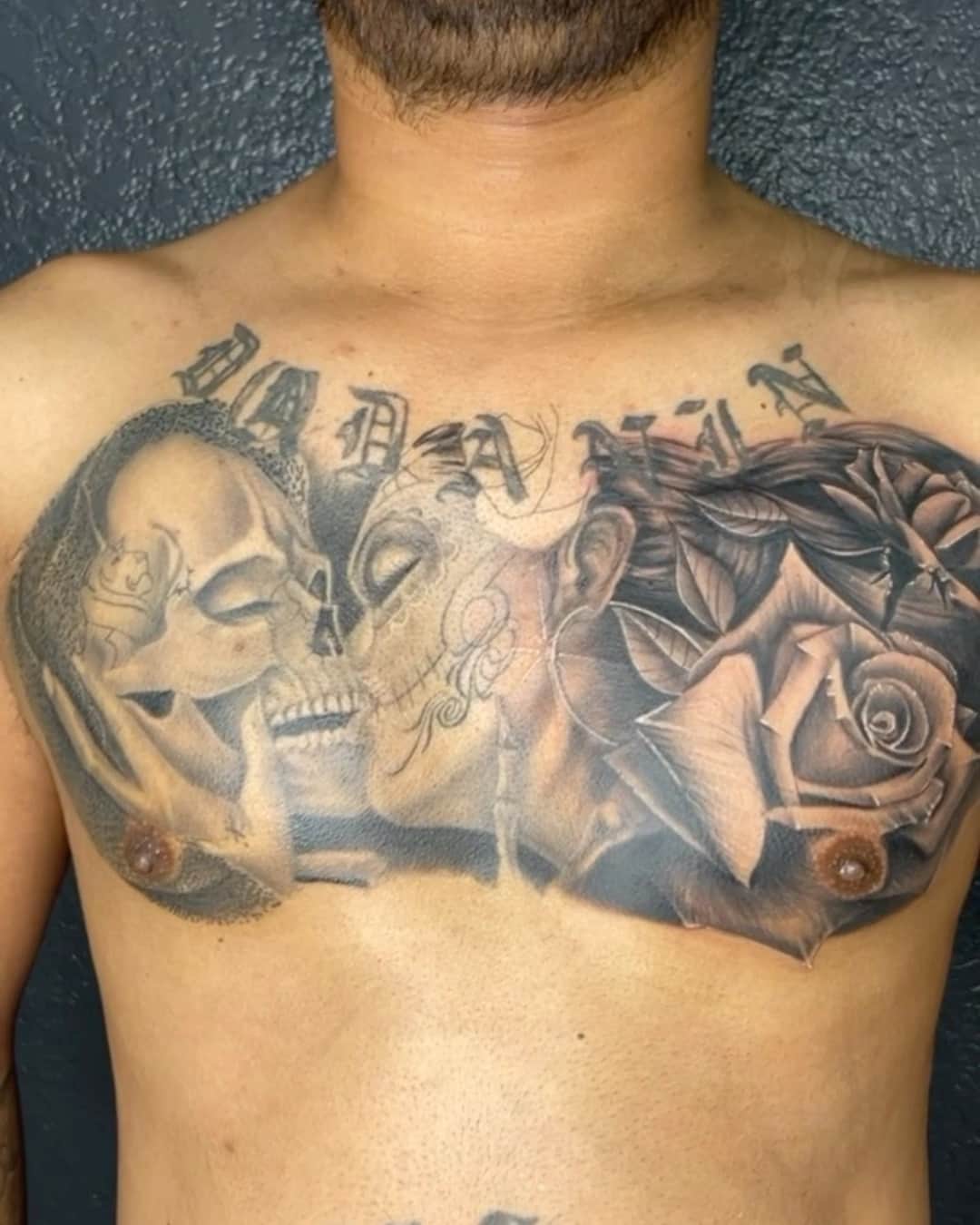
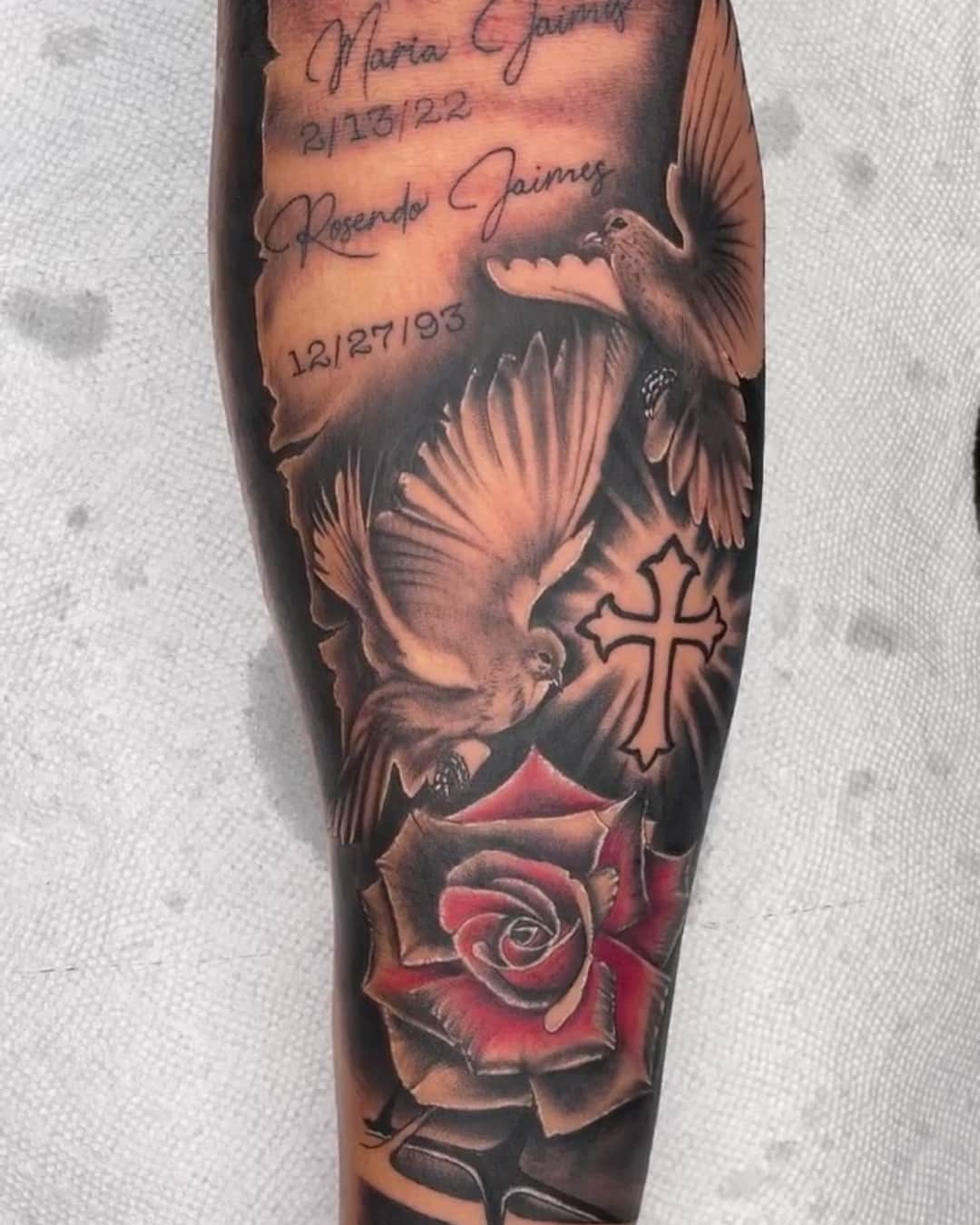
It isn't a font but a family of hand-drawn scripts, inherited from neighborhood calligraphy and prison letters: steeply slanted English script, gothic letters, shaded capitals, strong thick-and-thin. Nothing is typed on a computer — good Chicano lettering is drawn freehand so it fits the length of the text and the curve of the body. Ask to see the preparatory drawing and read it letter by letter before the session.
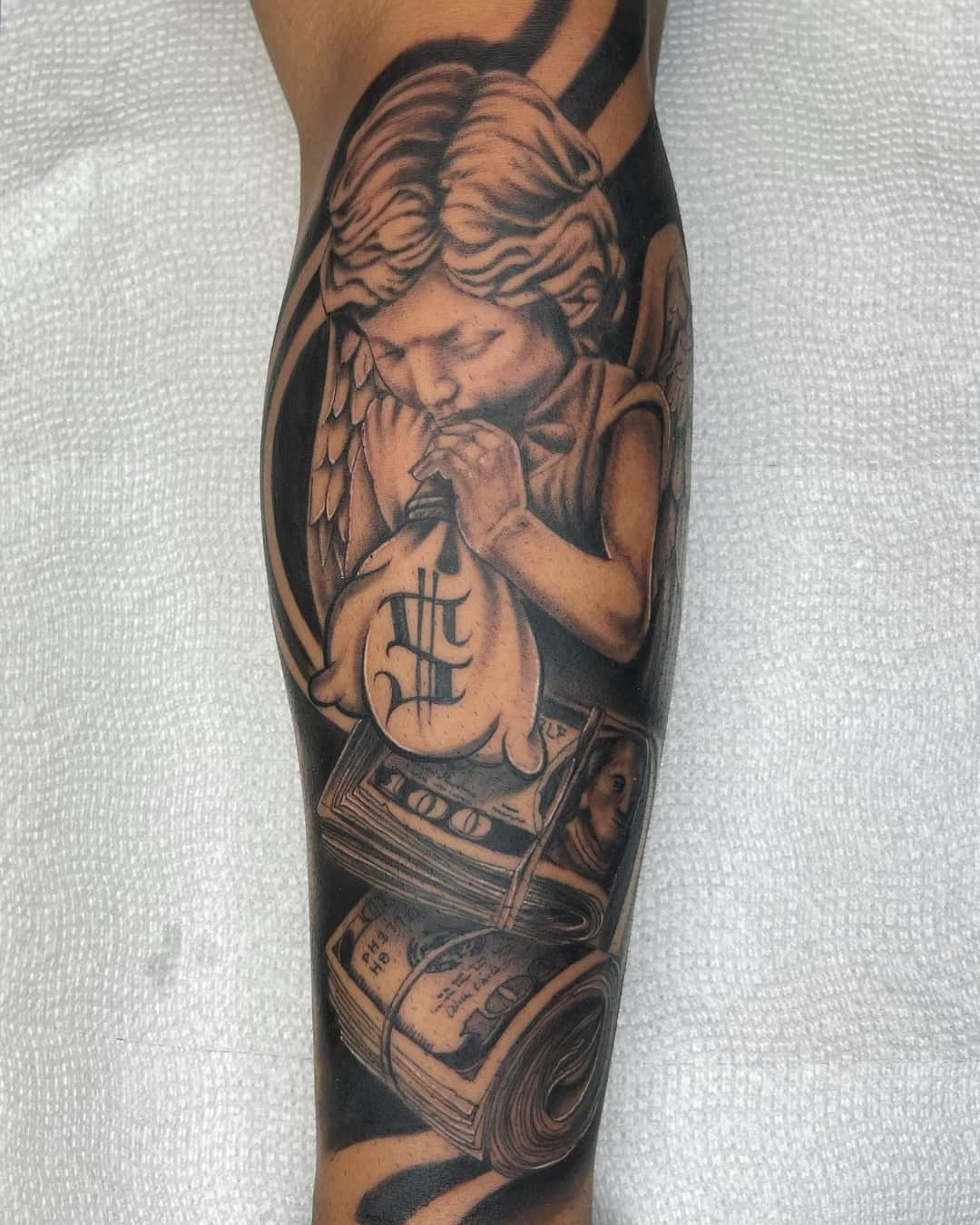
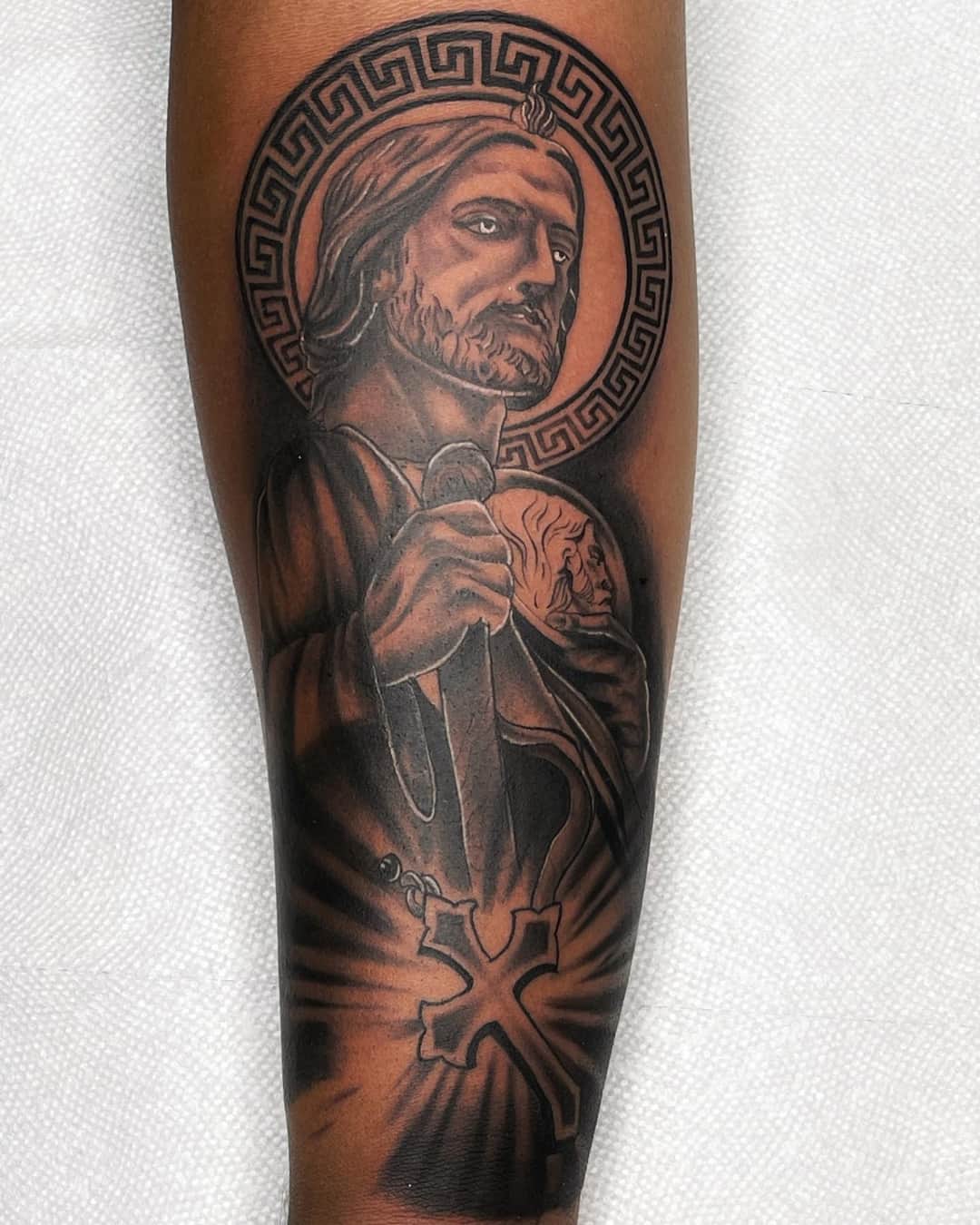
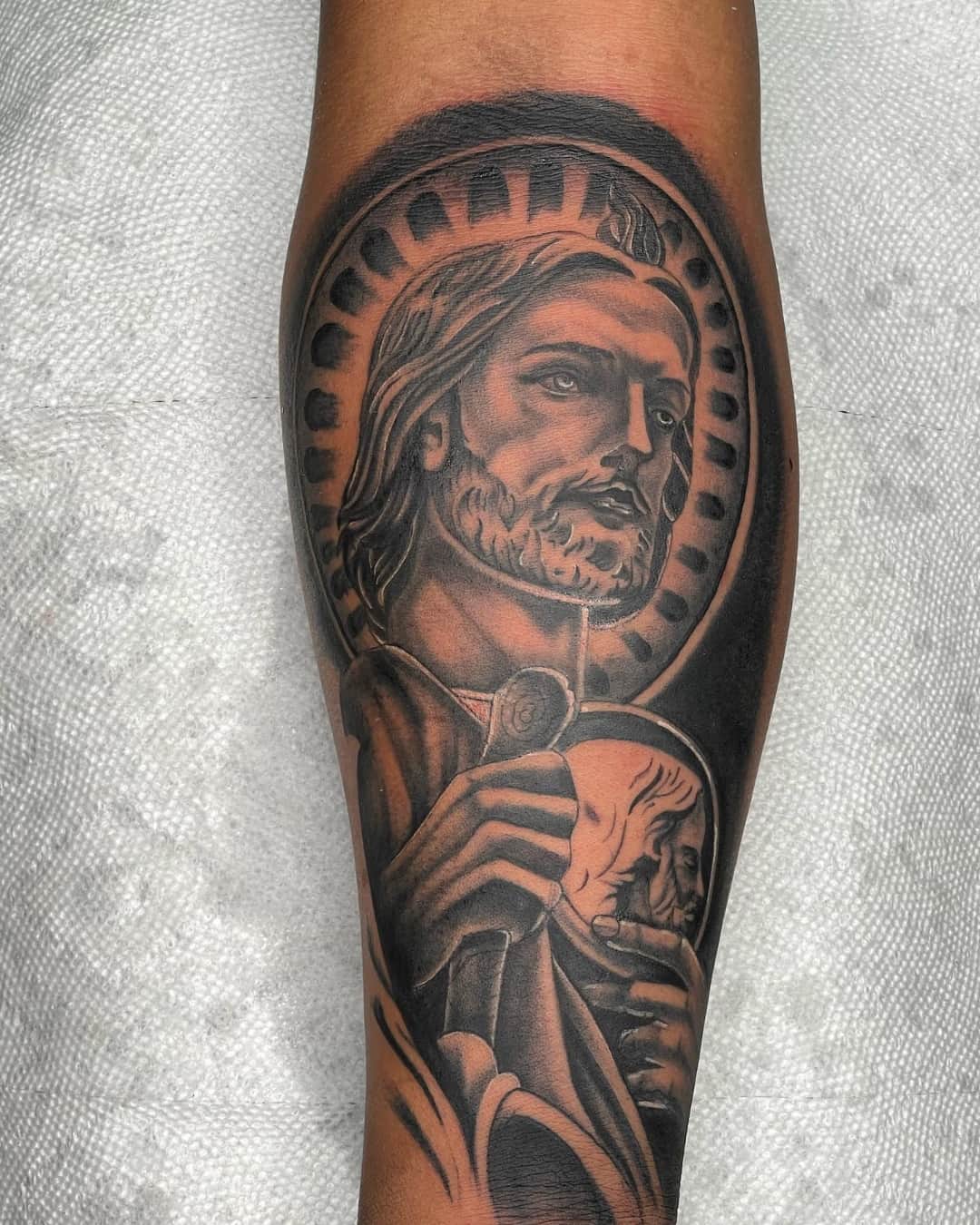
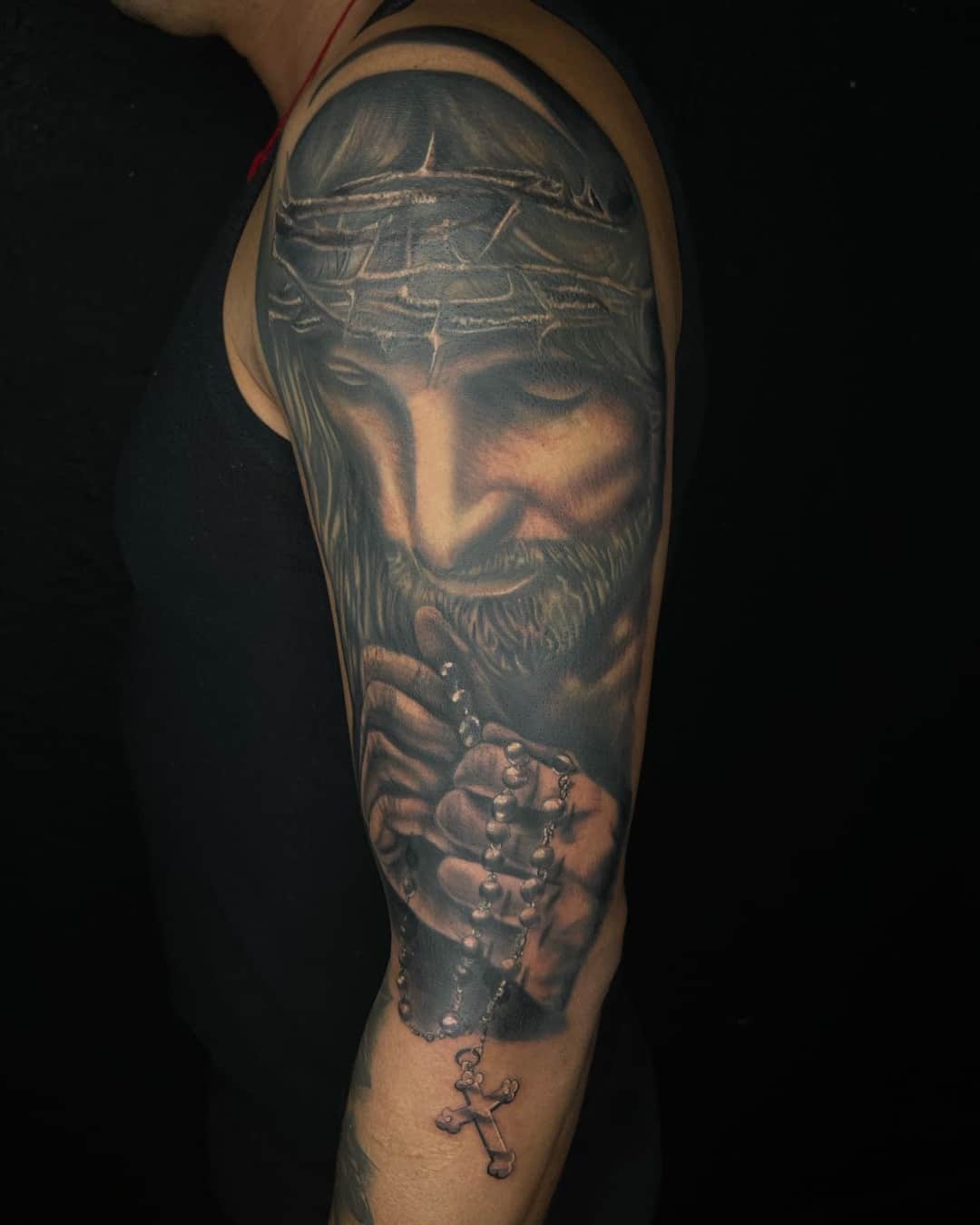
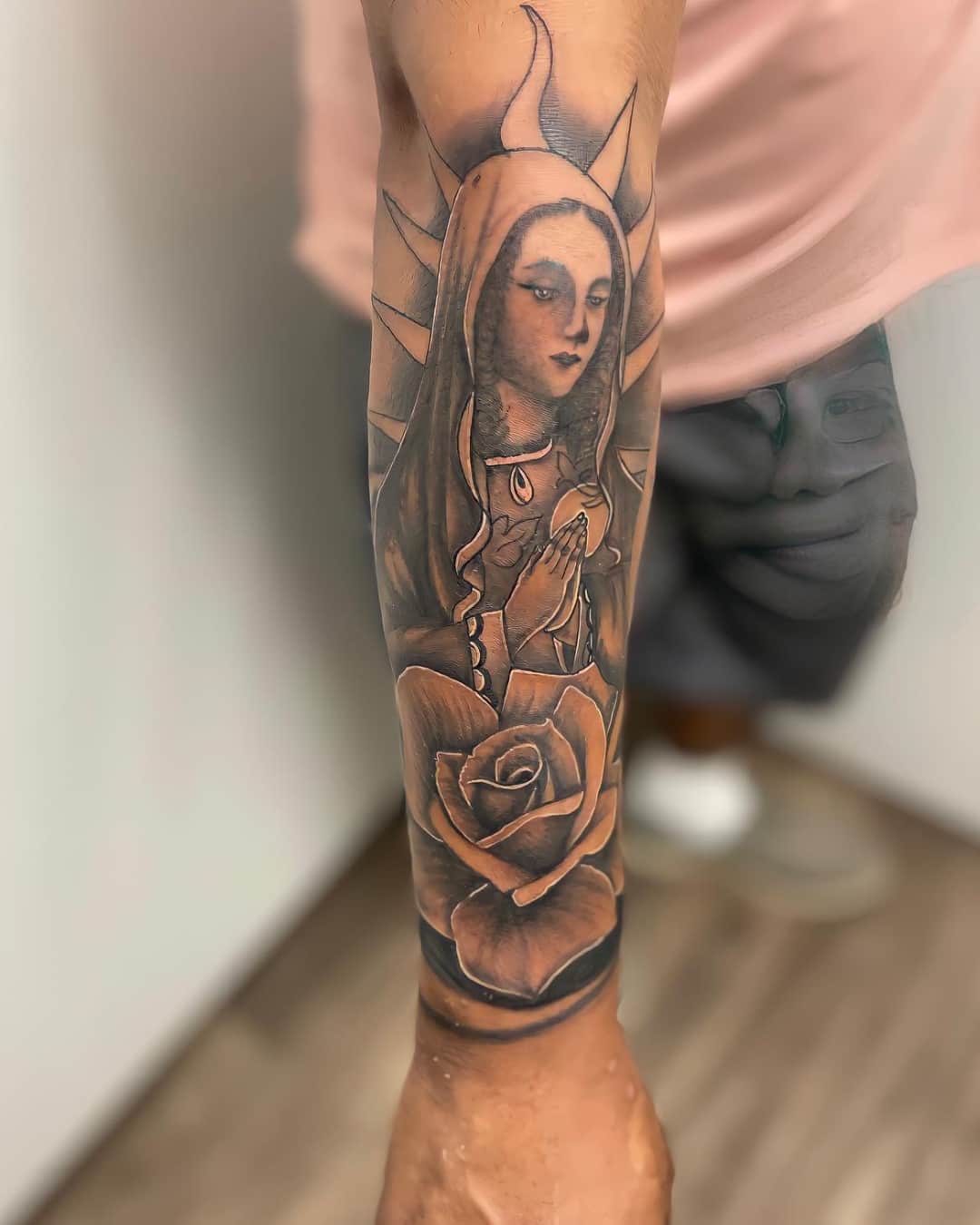
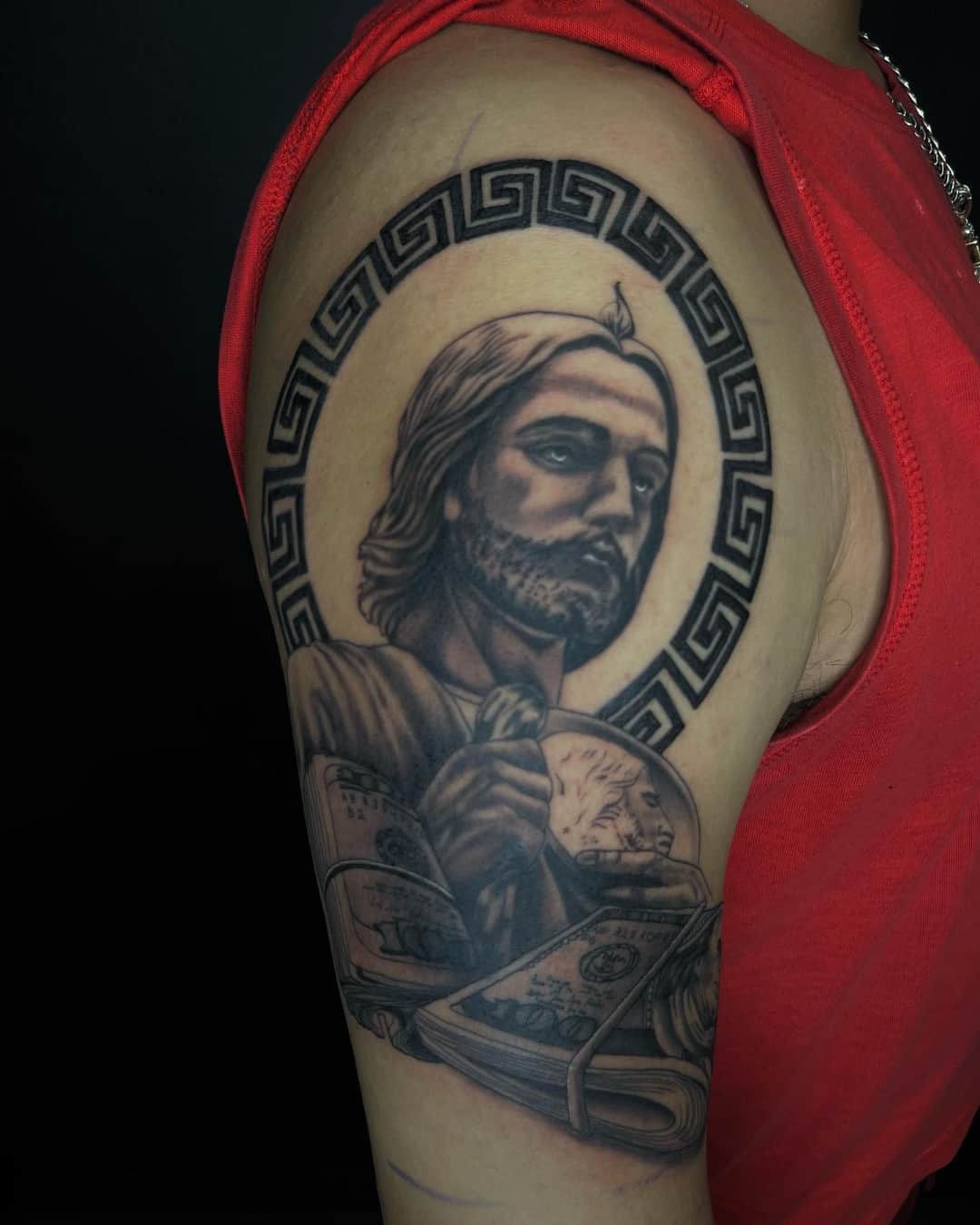
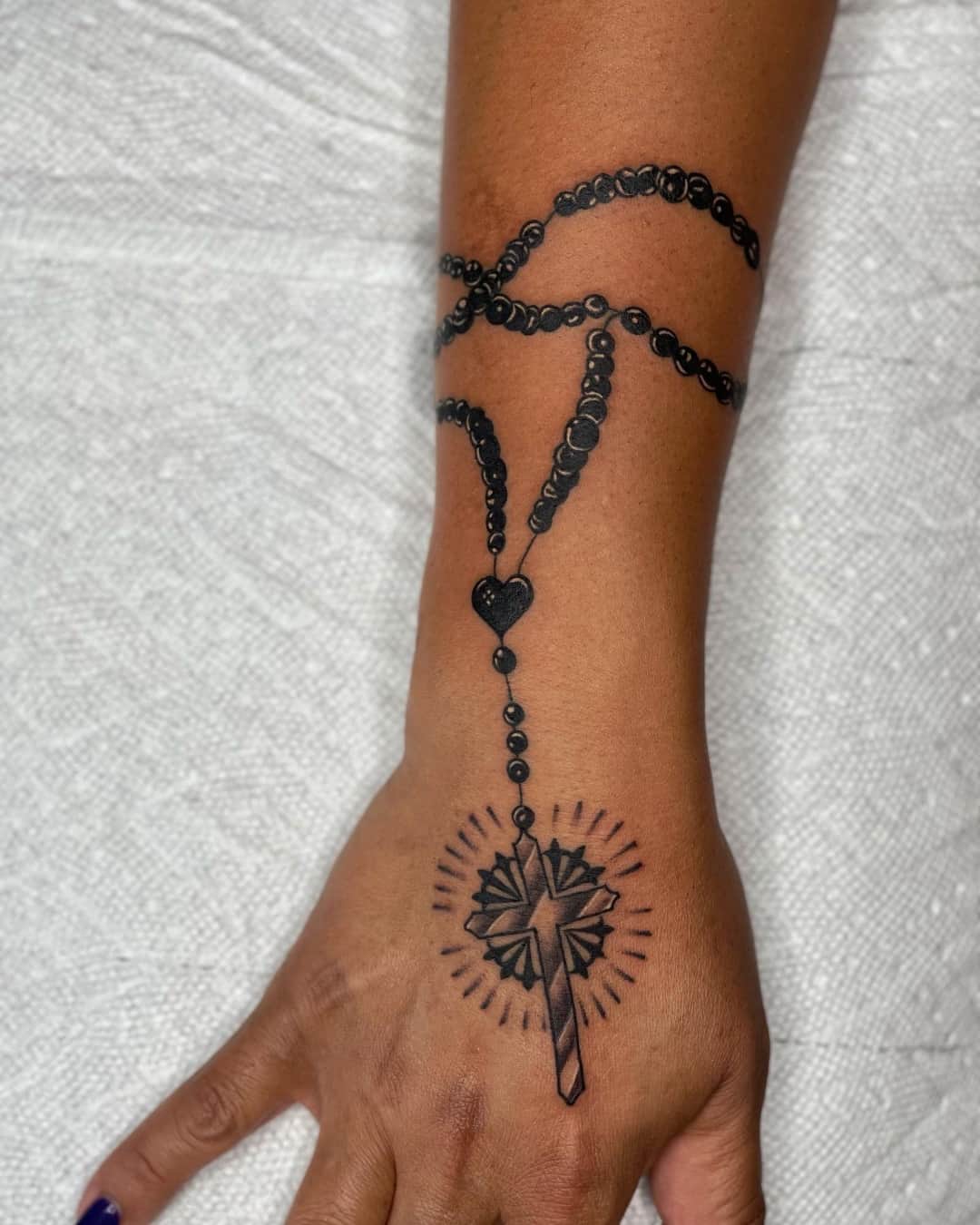
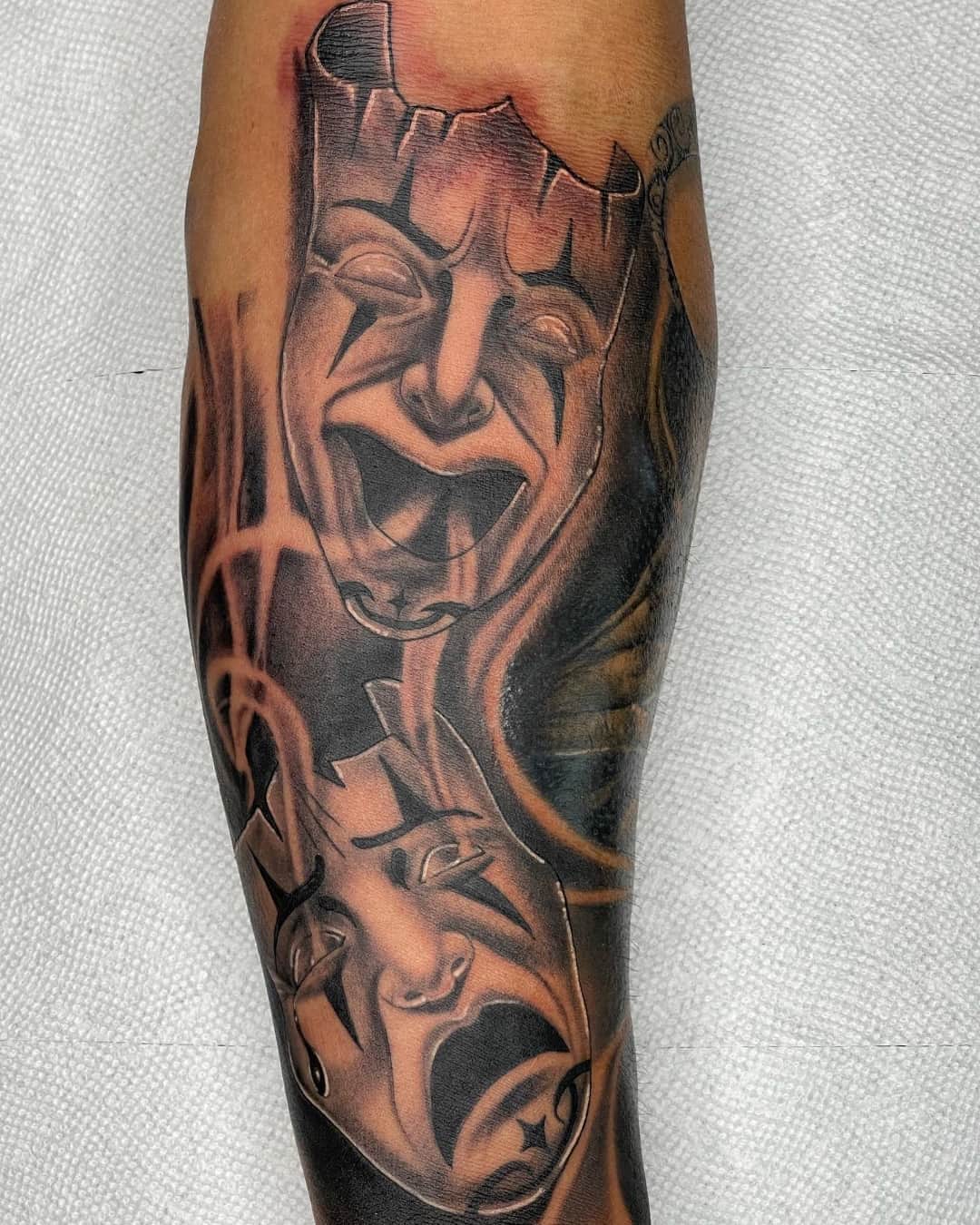
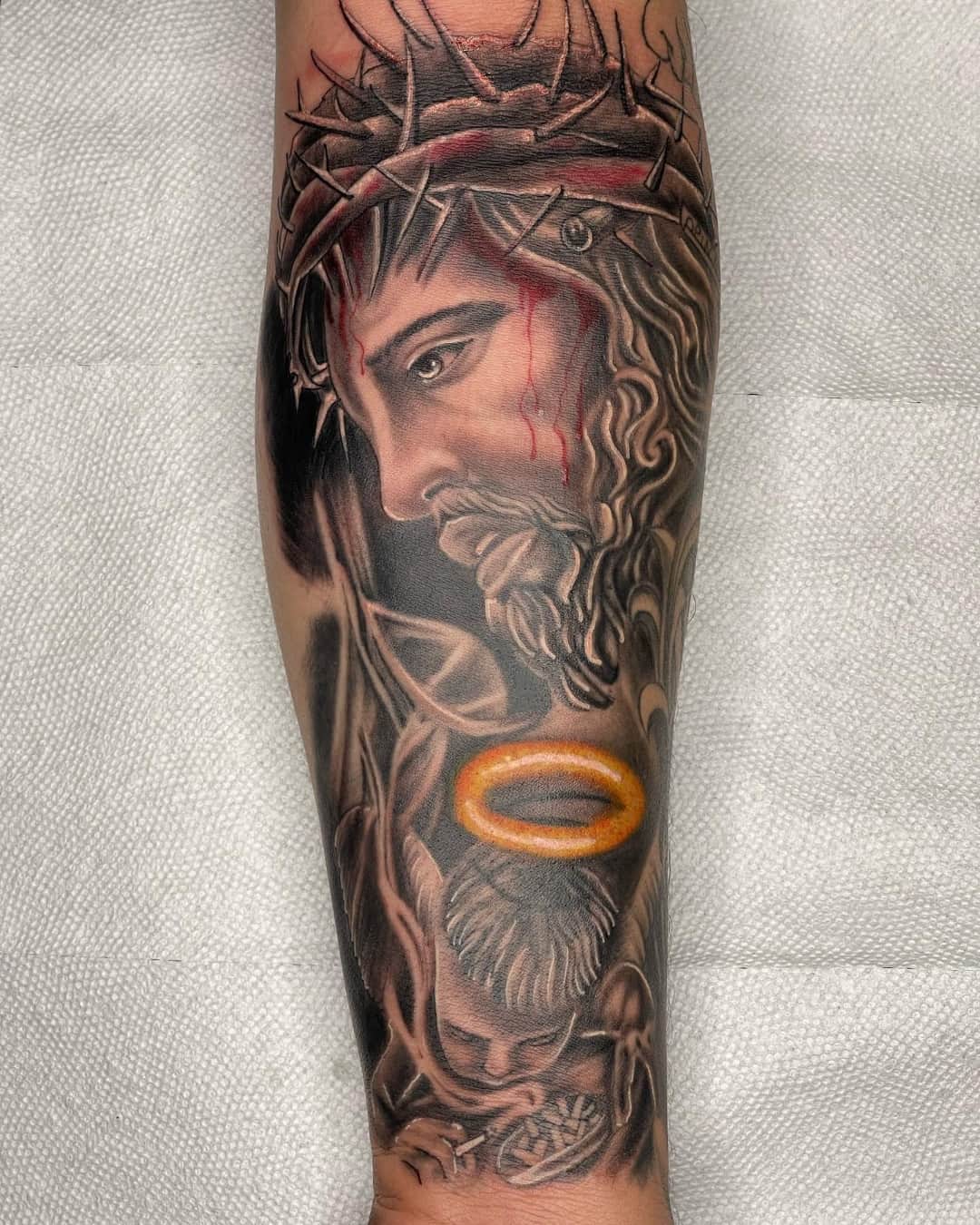
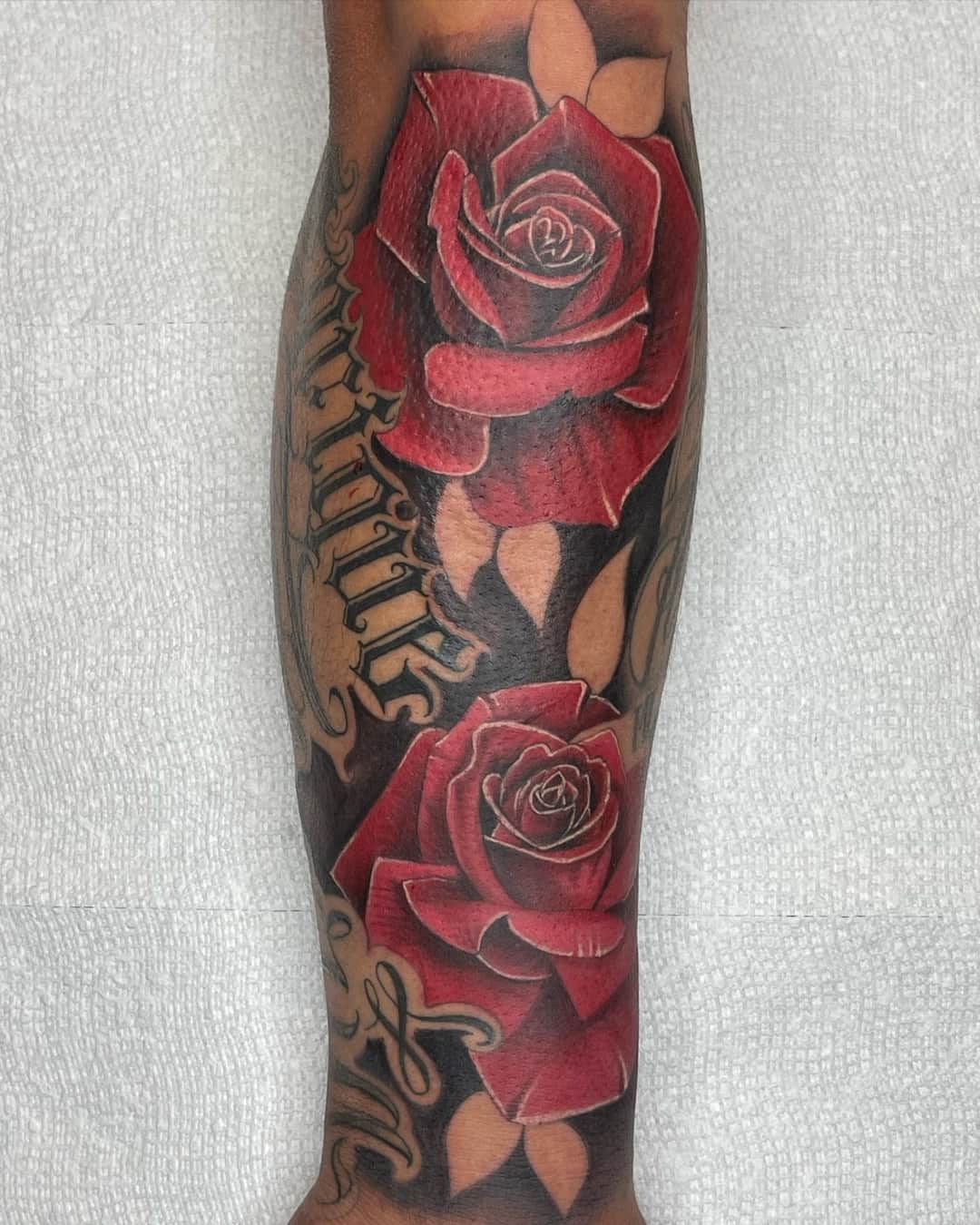
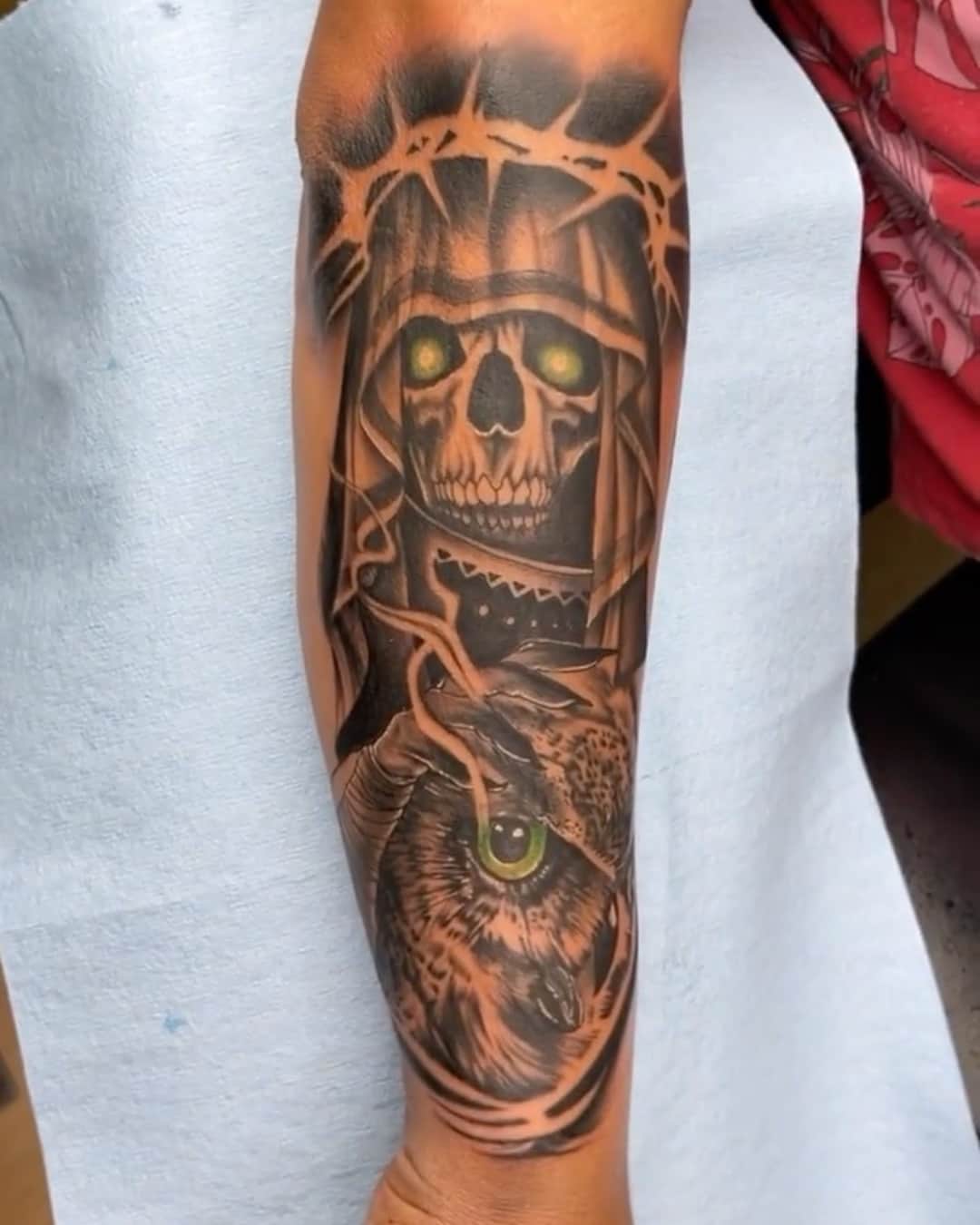
The smile now, cry later clown, the laughing and crying masks, the angel, the skull, the rose, praying hands, the Virgin of Guadalupe, lowriders, neighborhood scenes, family portraits. Every element says something specific, and a piece is put together like a story. Some signs have had — or still have — a strong meaning within the community: read up before you wear a symbol you don't know.
From California, and at first from outside the trade entirely: no shops, no magazines, no suppliers. The style moves into professional studios in Los Angeles over the 1970s, picks up machines and visibility there, and then travels the world through the specialist magazines and the conventions. One word worth keeping in mind: Chicano was first used as a slur before it was reclaimed, from the 1960s on, by the movement it ended up naming.