Filters

1 tattoo artist · 1 tattoo shop
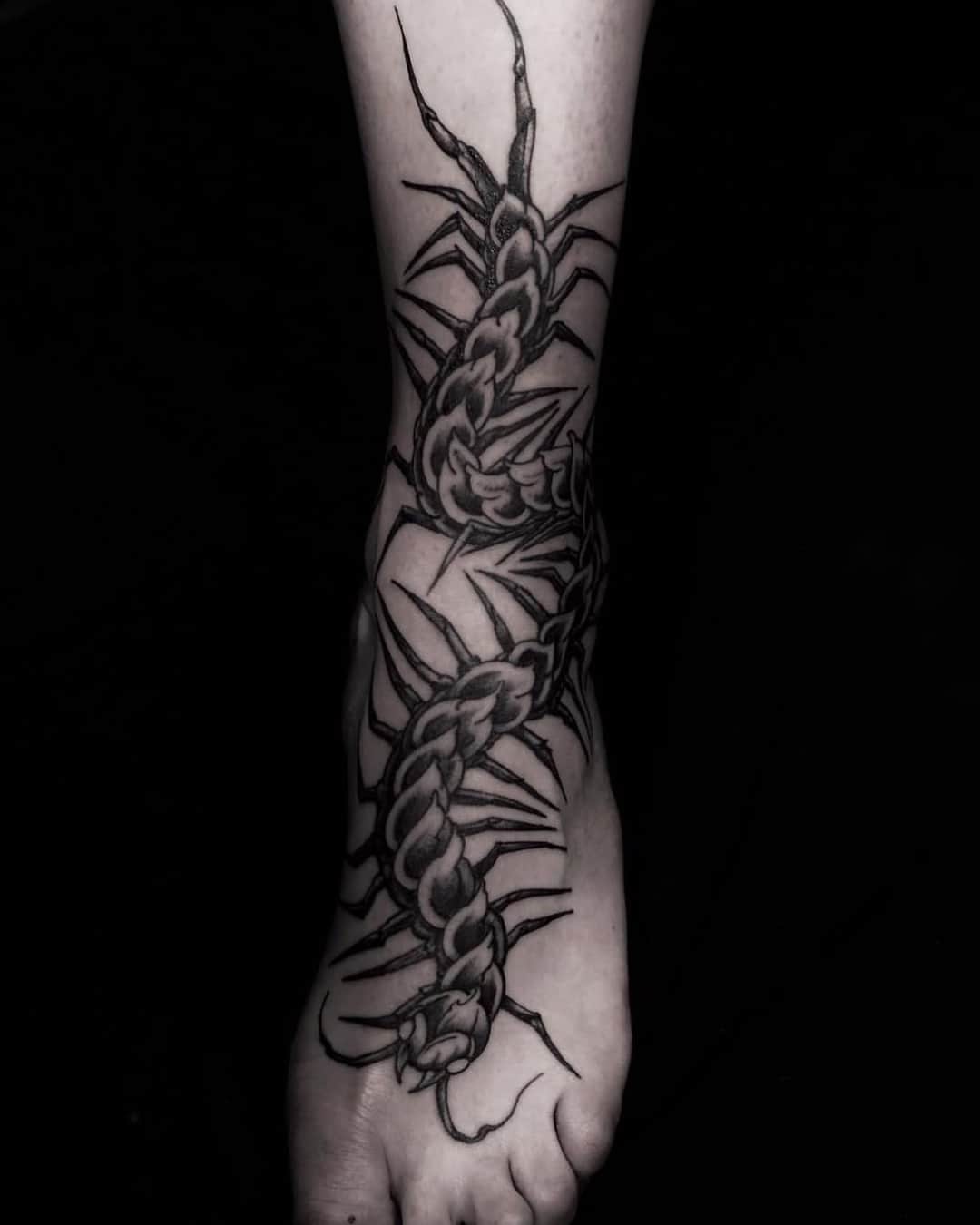
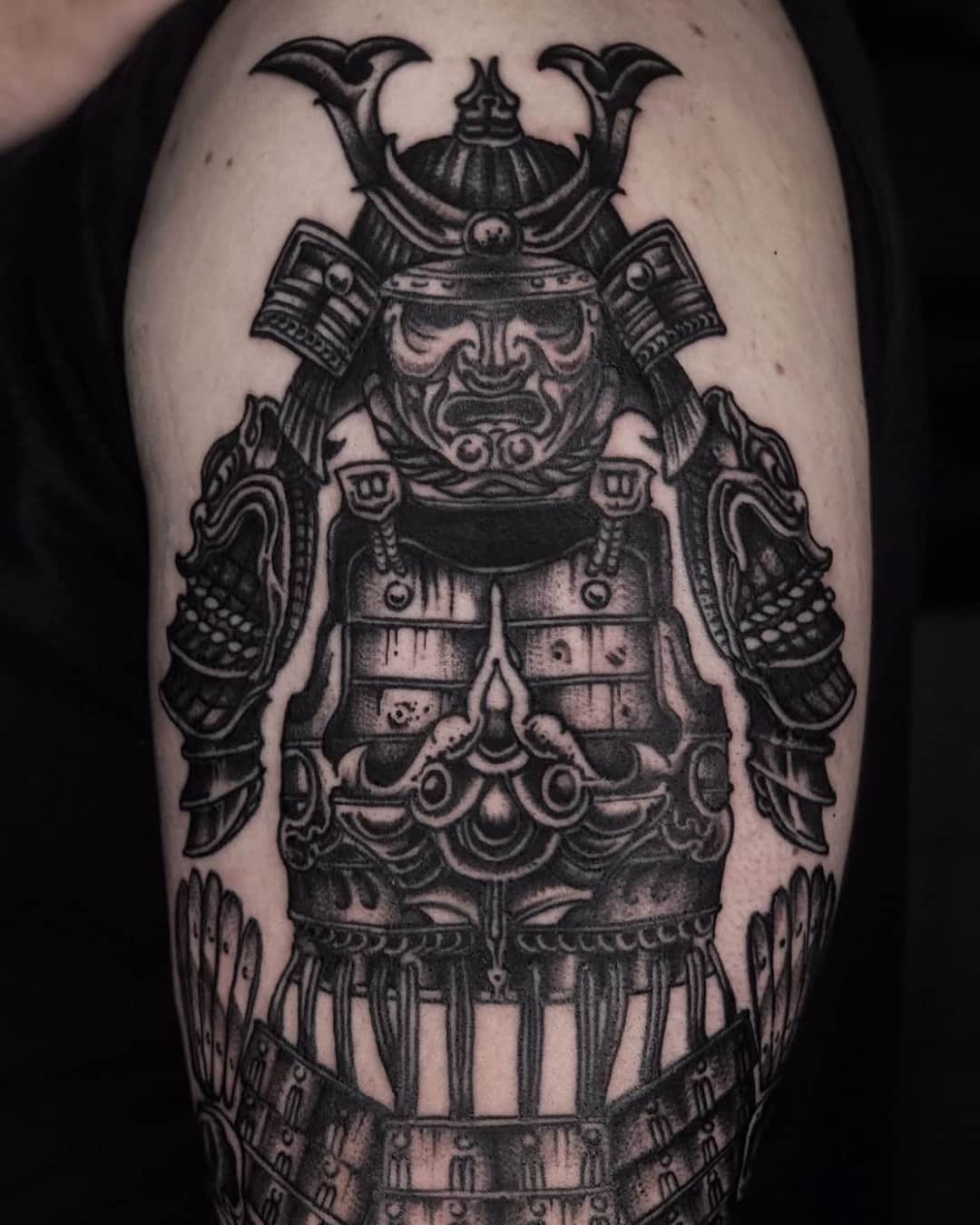
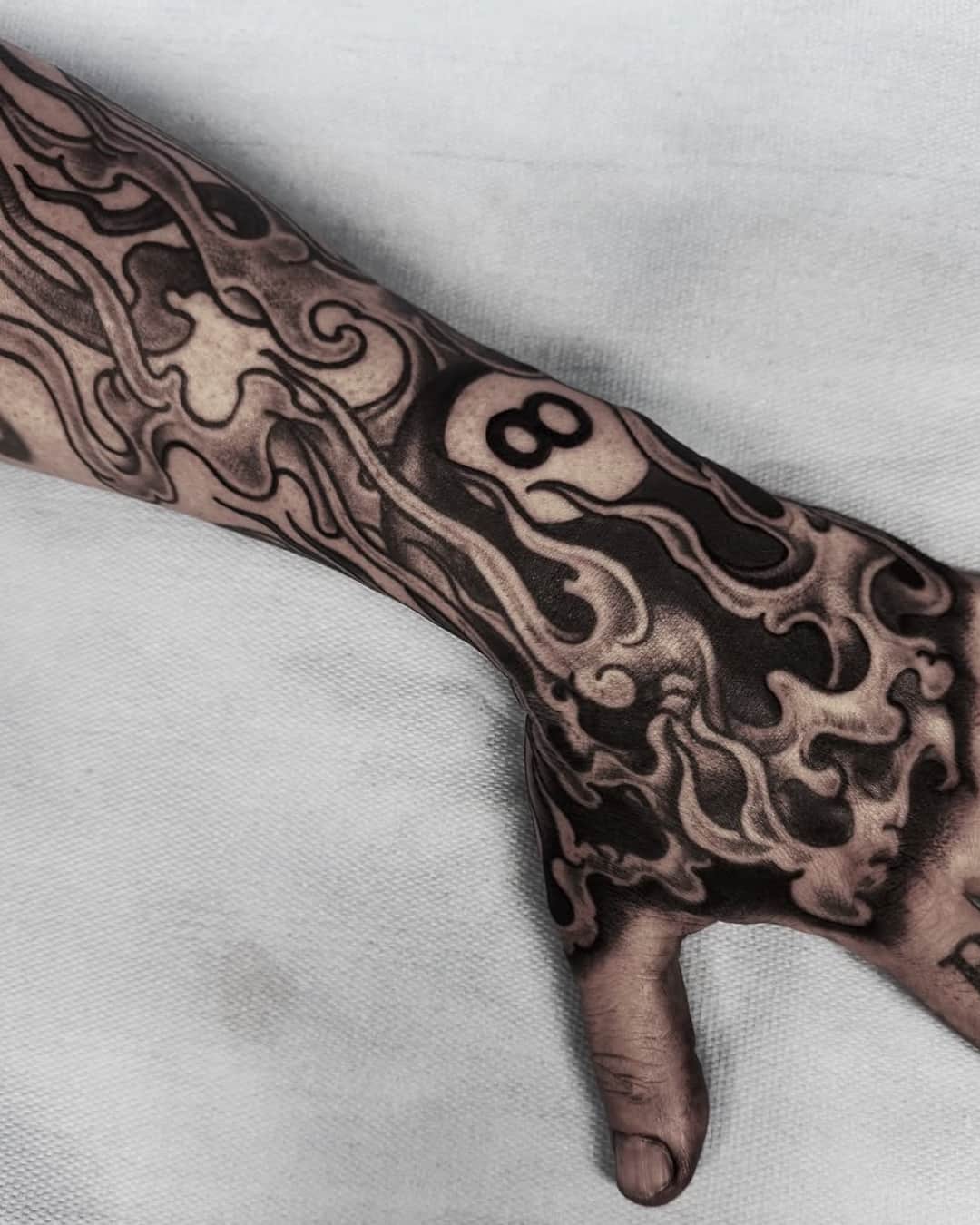
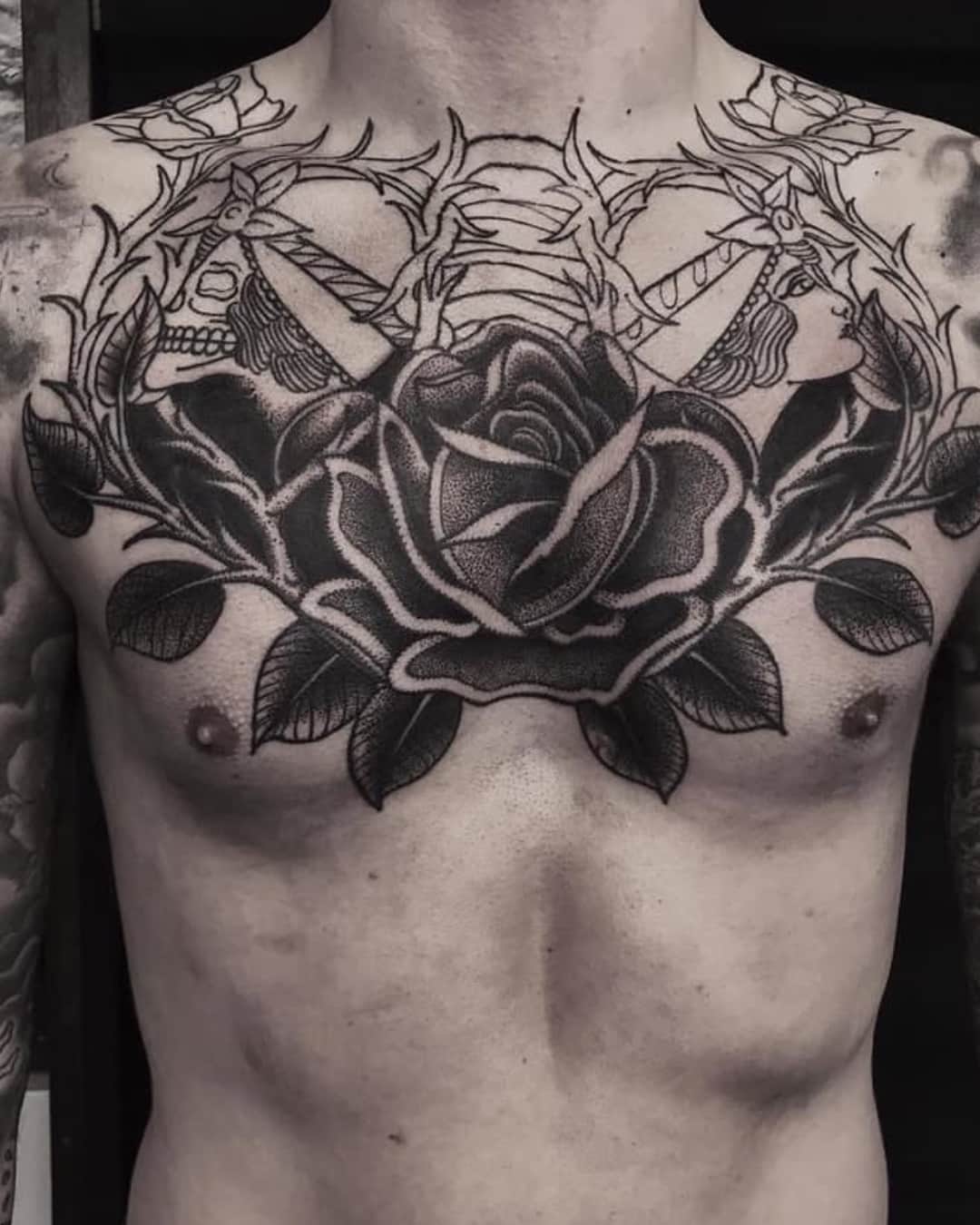
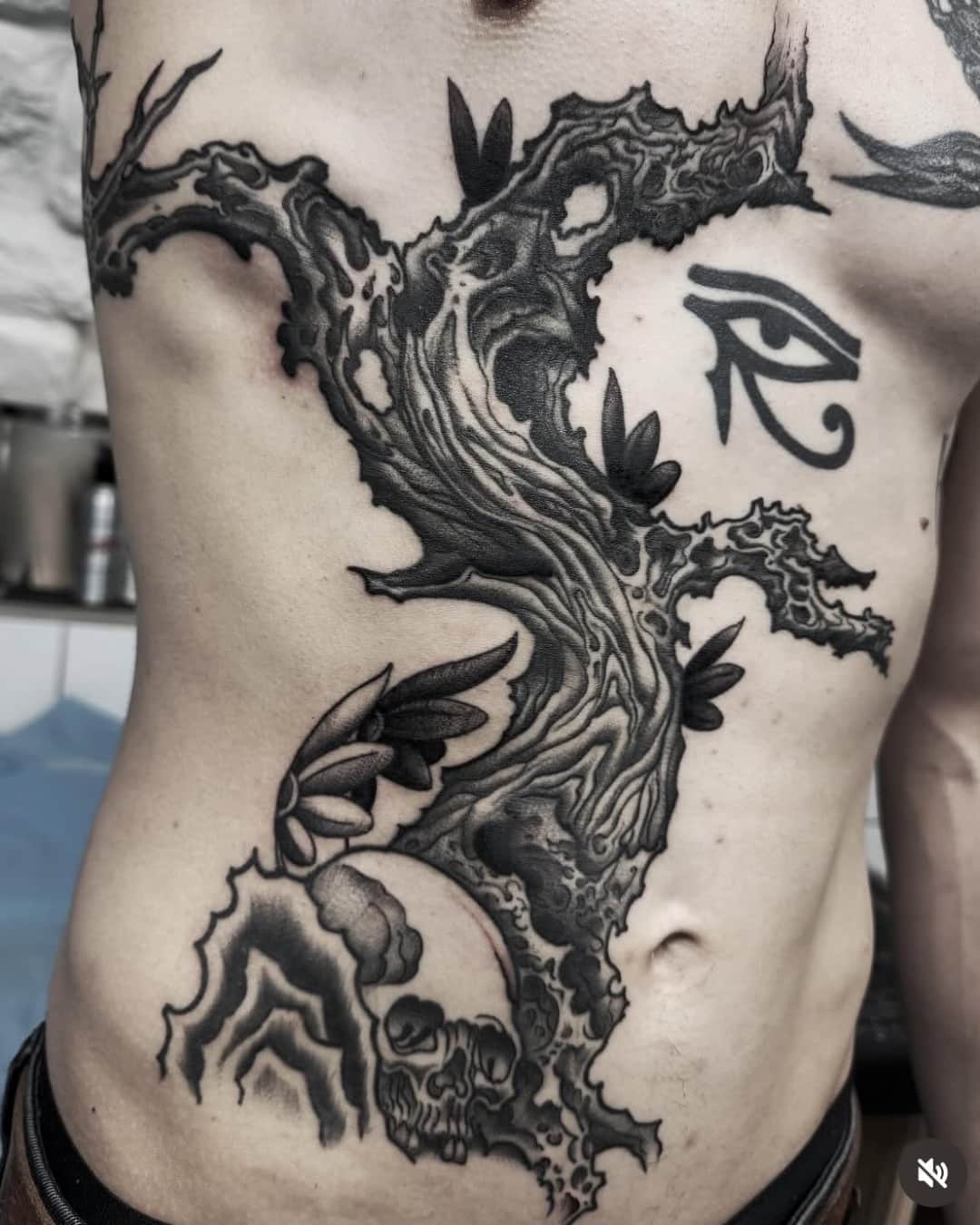
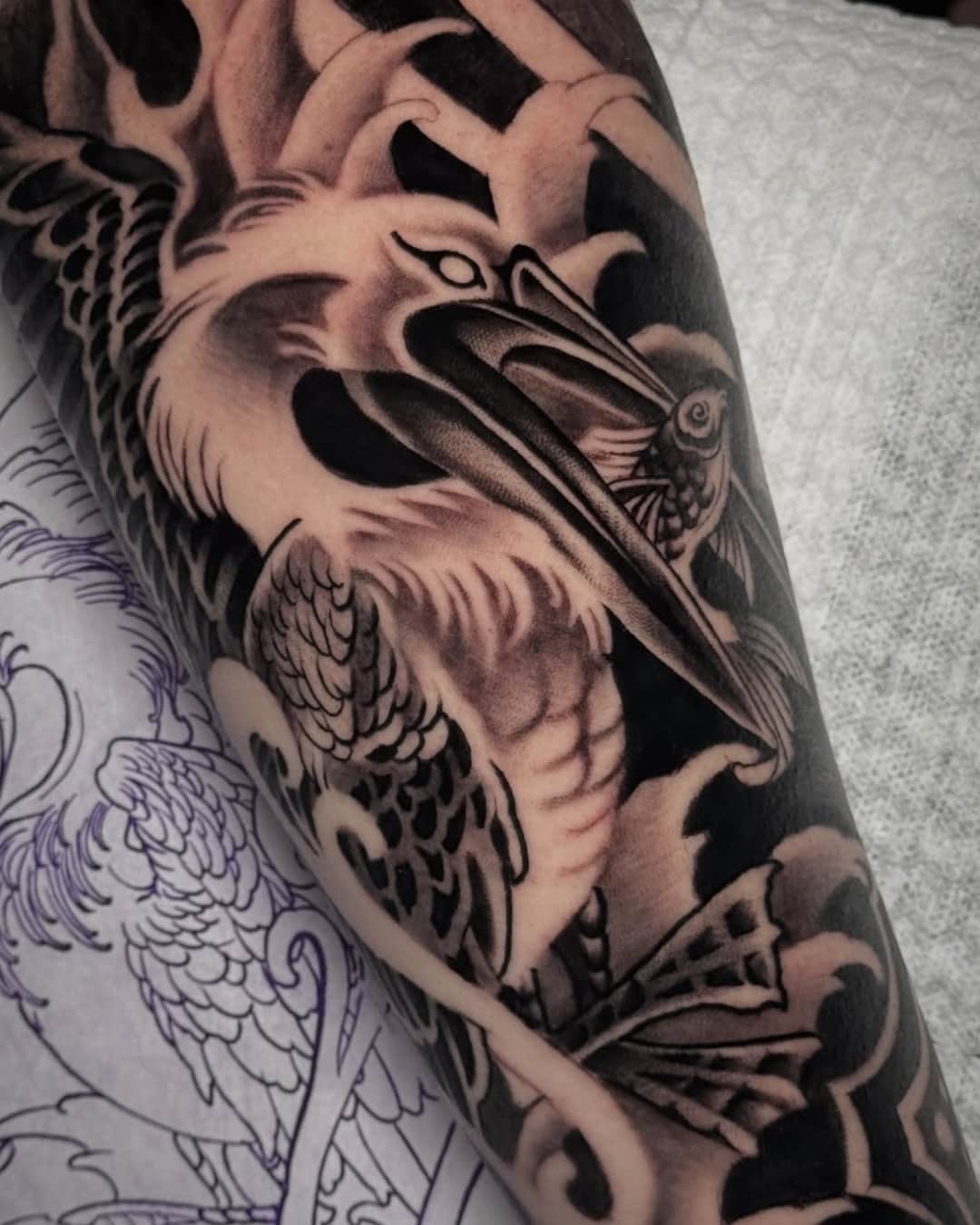
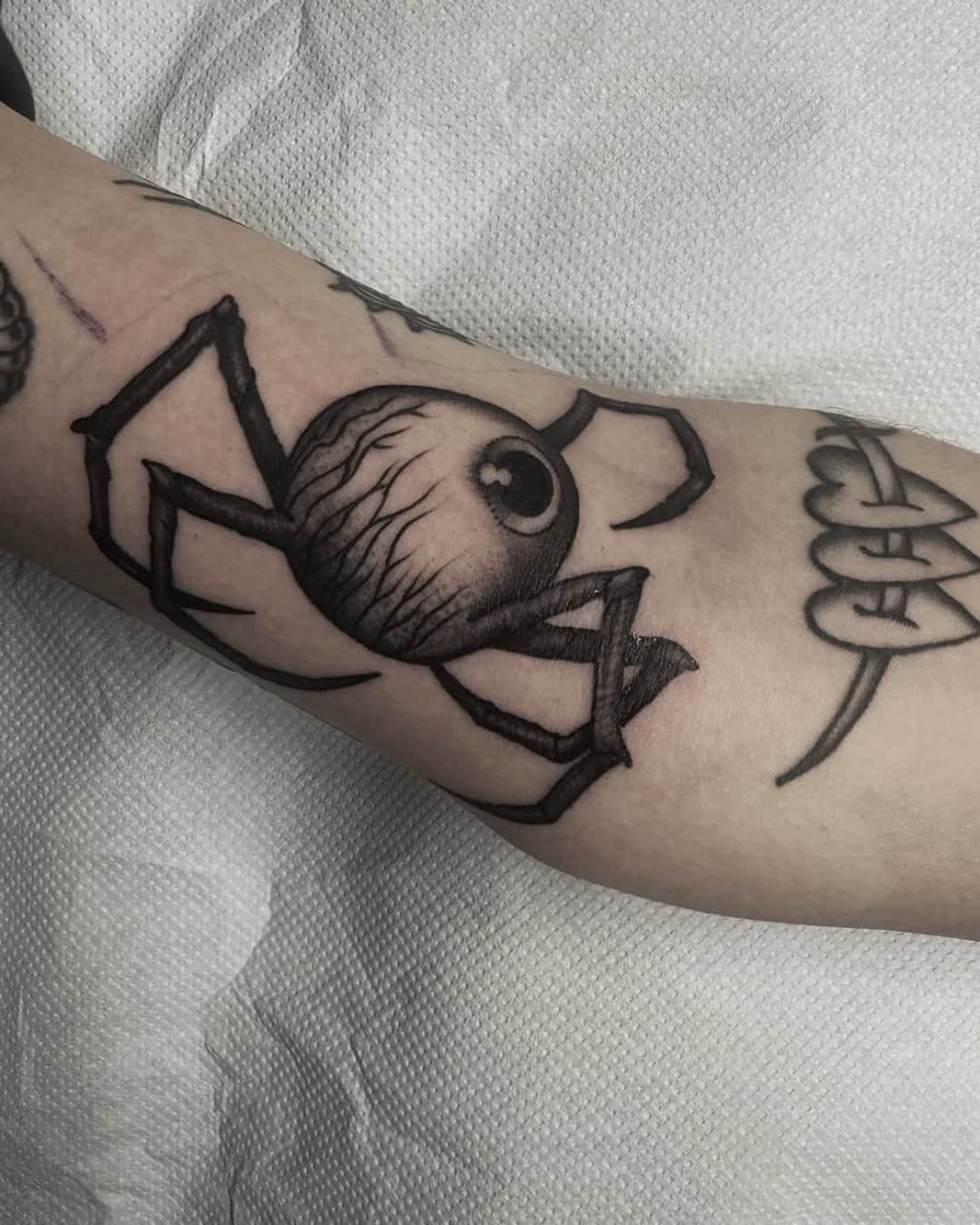
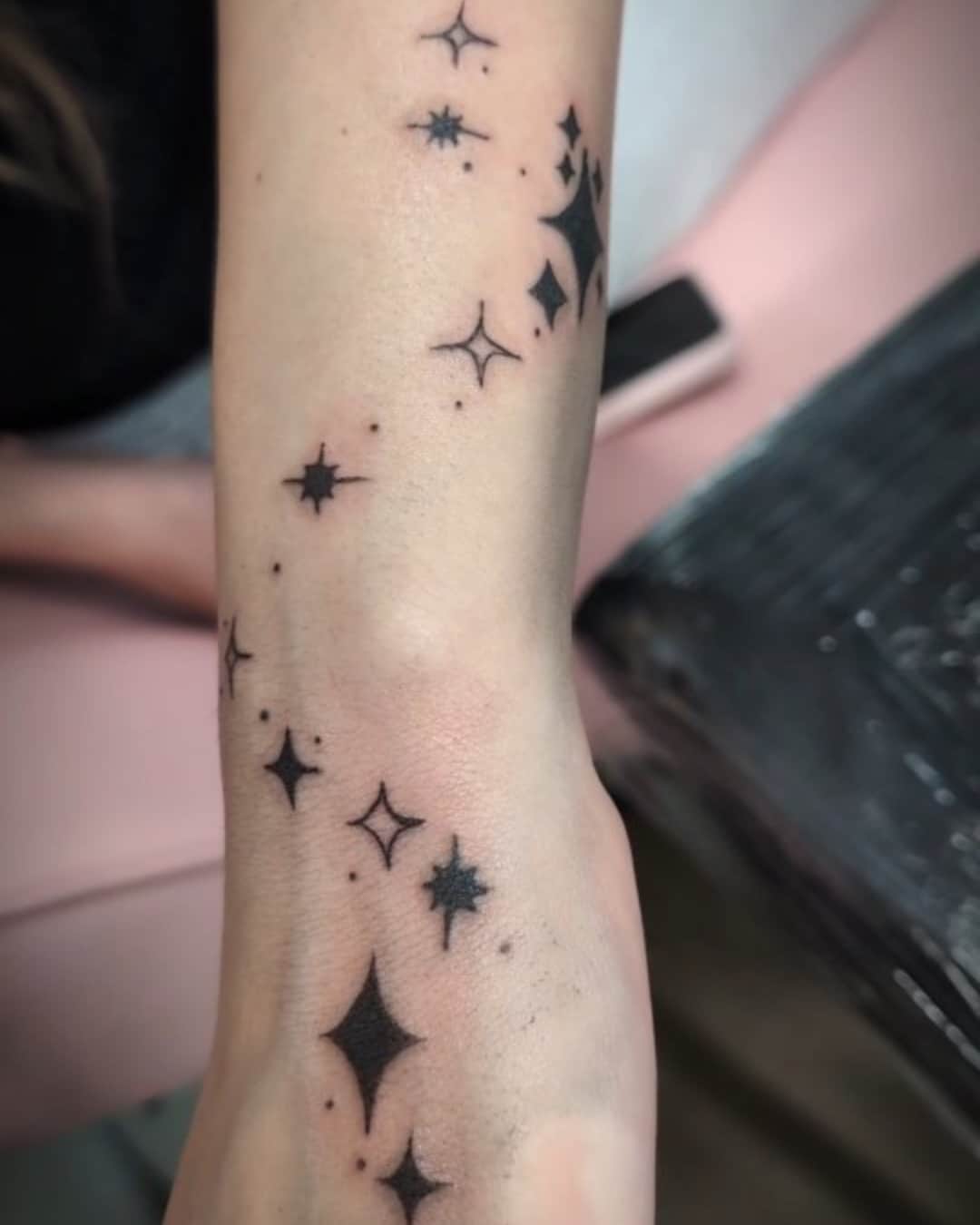
Blackwork uses black and nothing else. Bare skin becomes a color of its own, and the shapes read from thirty feet away.
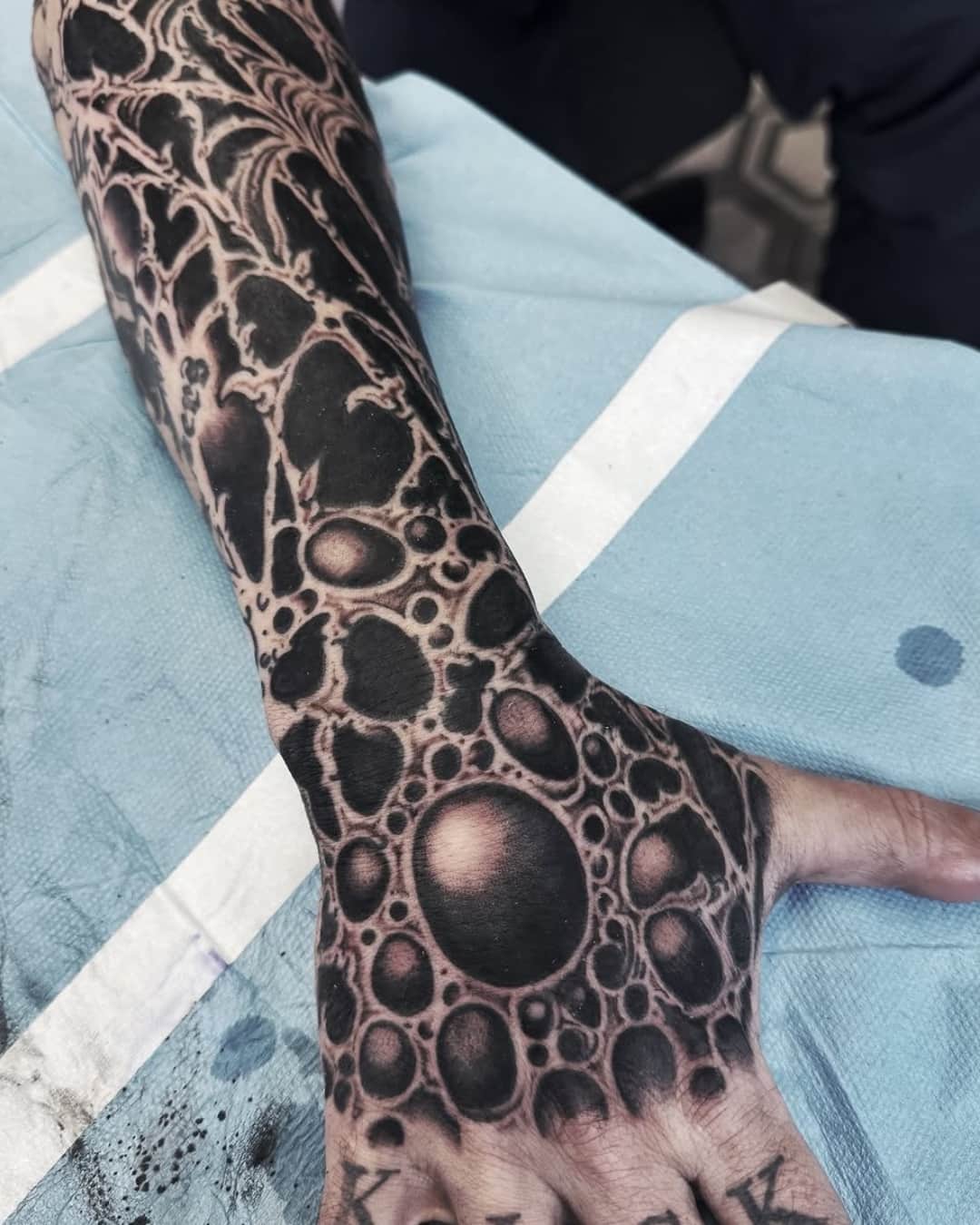
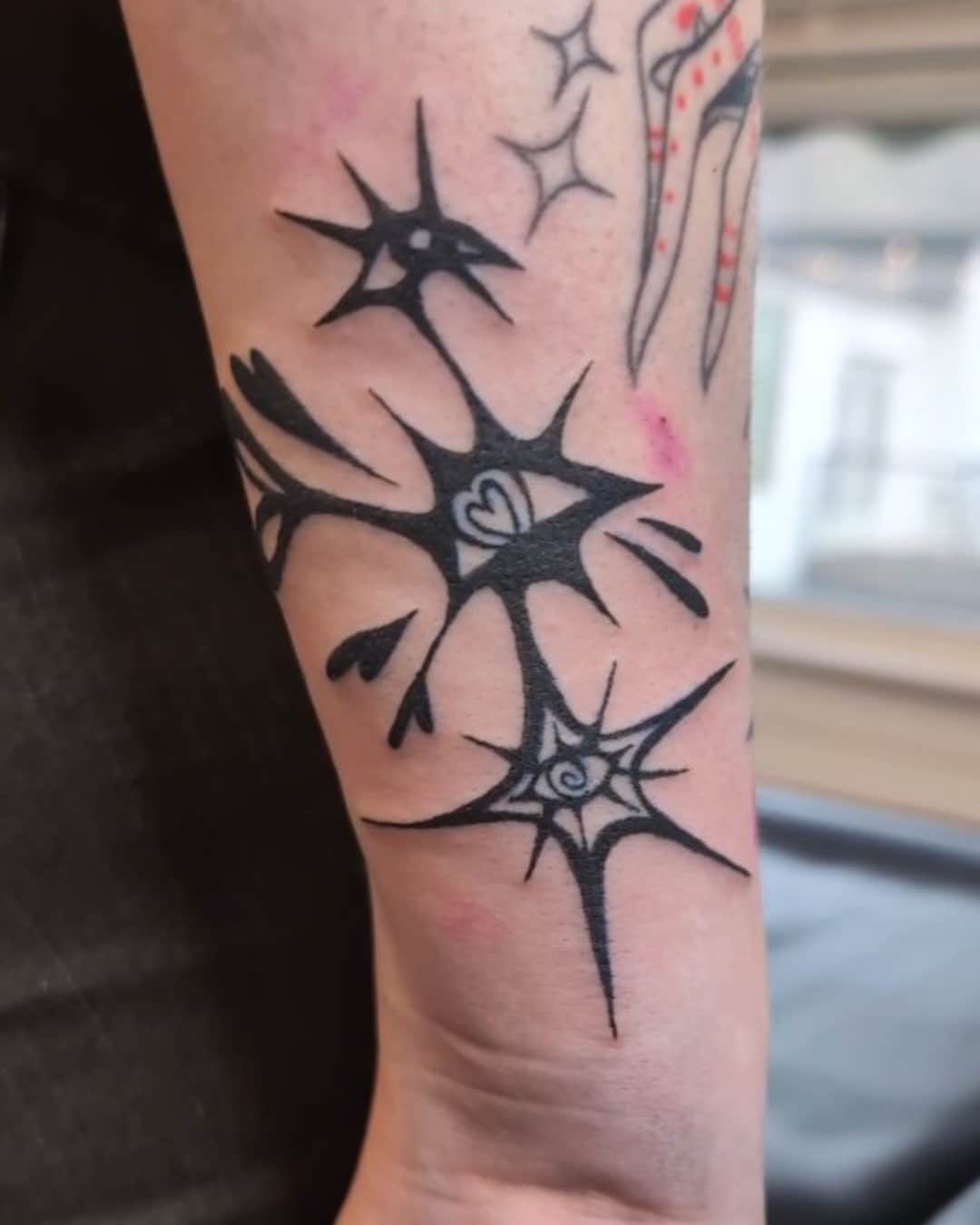
On YokoFolio, pick the style Blackwork and then your city, and widen the radius if you need to. A blackwork portfolio is judged on the evenness of the black: a fill should be uniform, with no lighter patches, and clean, decisive edges. It's long, physical work, and that's exactly where experience shows. Look at large pieces healed for several months — an uneven fill only really shows up then.
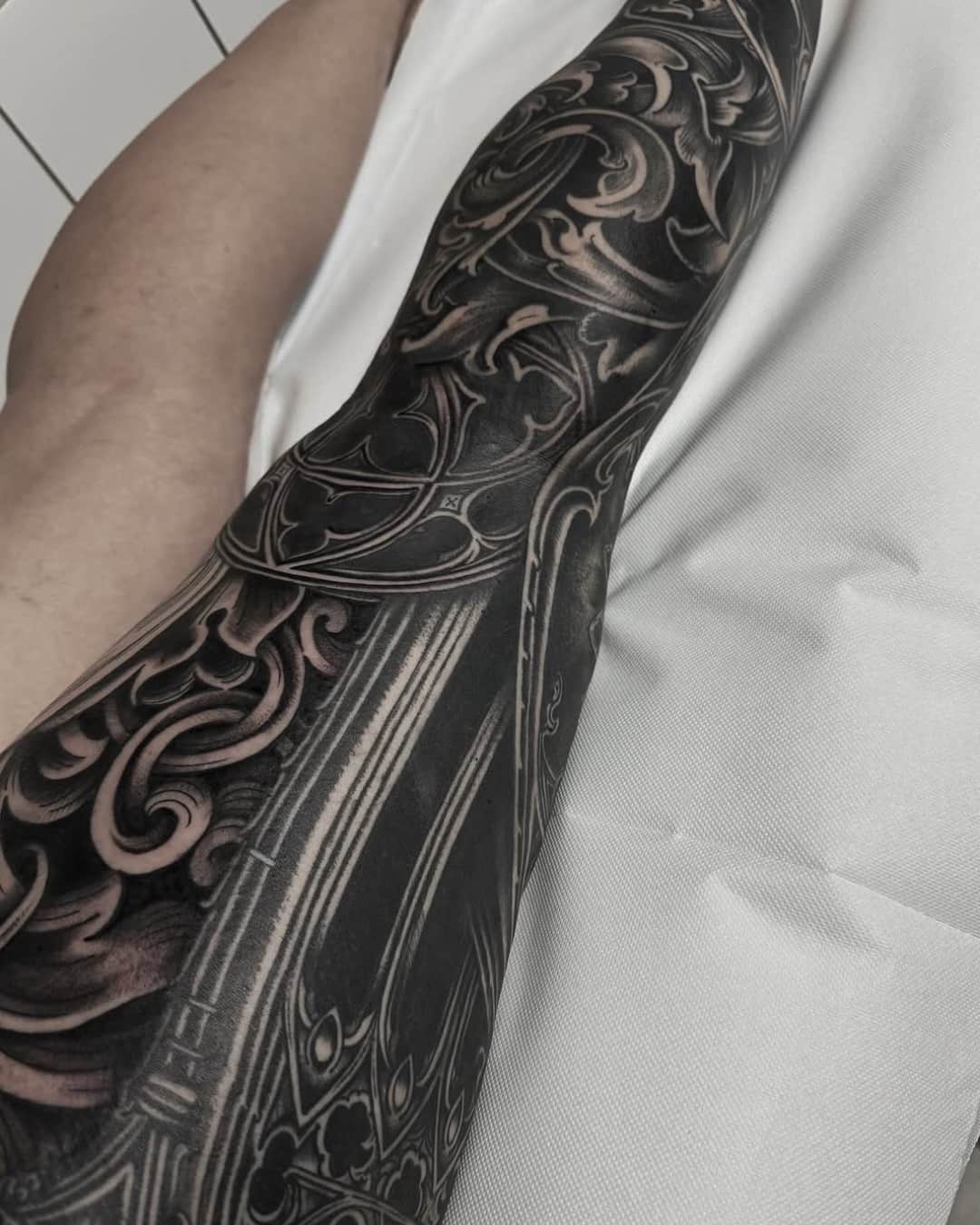
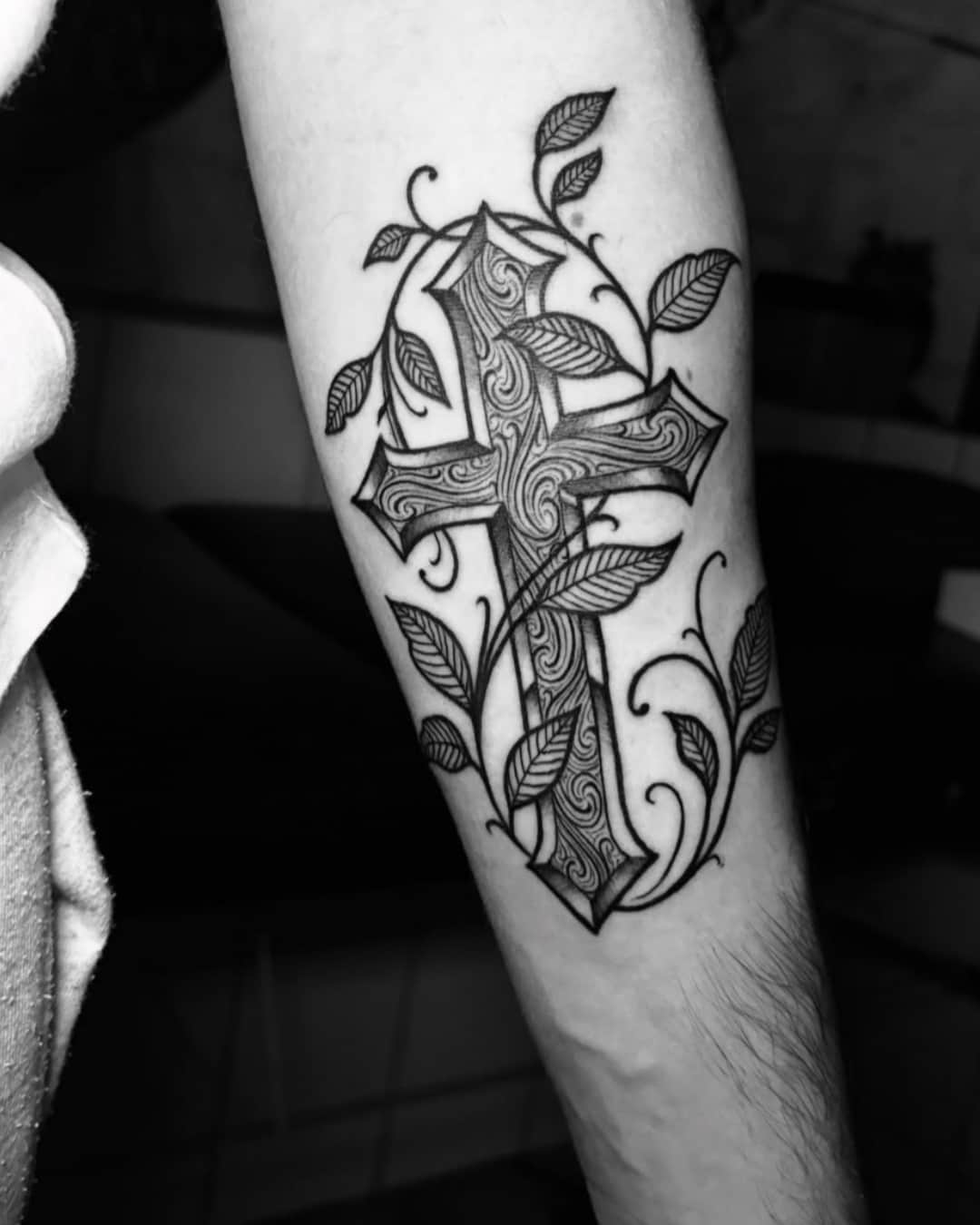
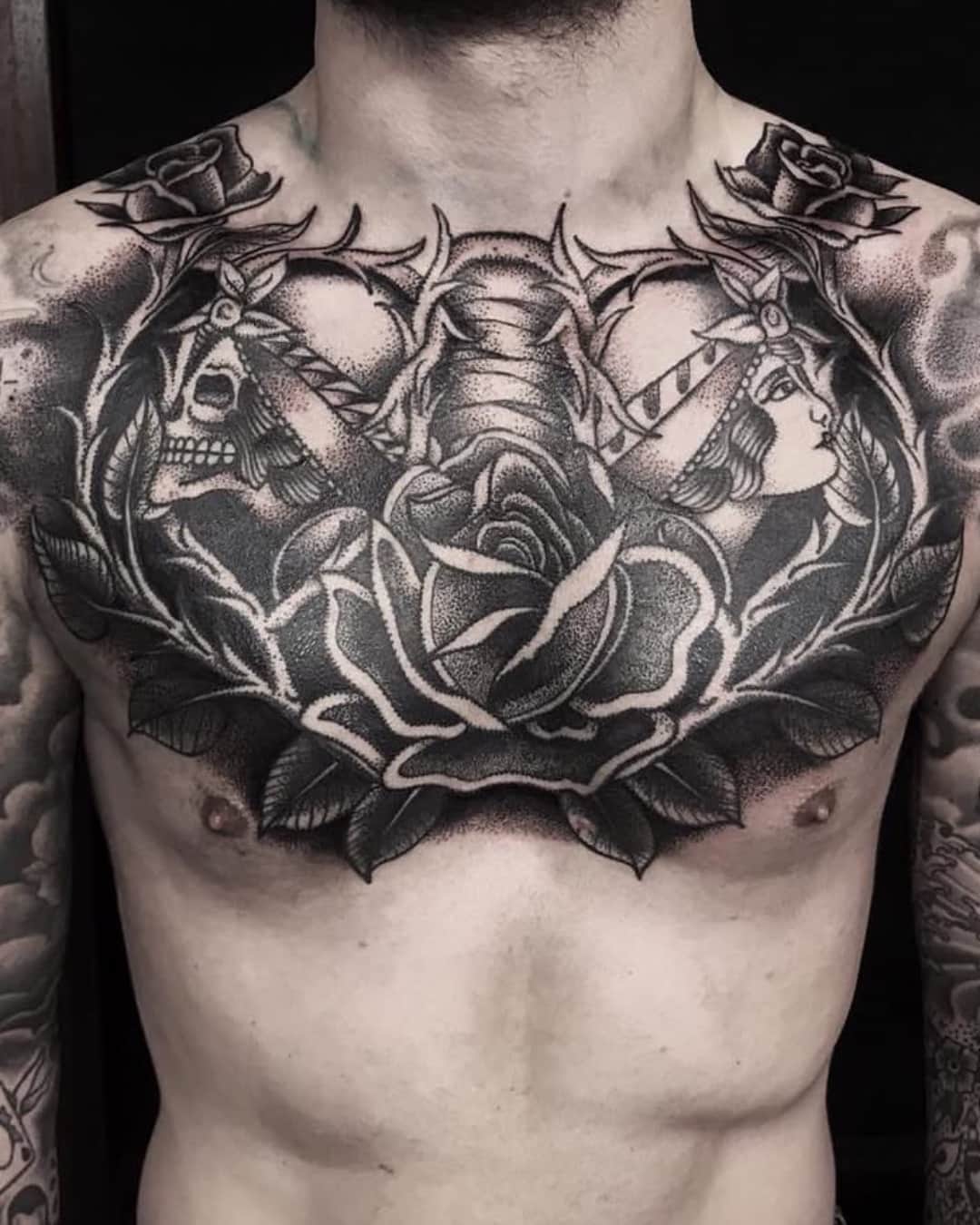
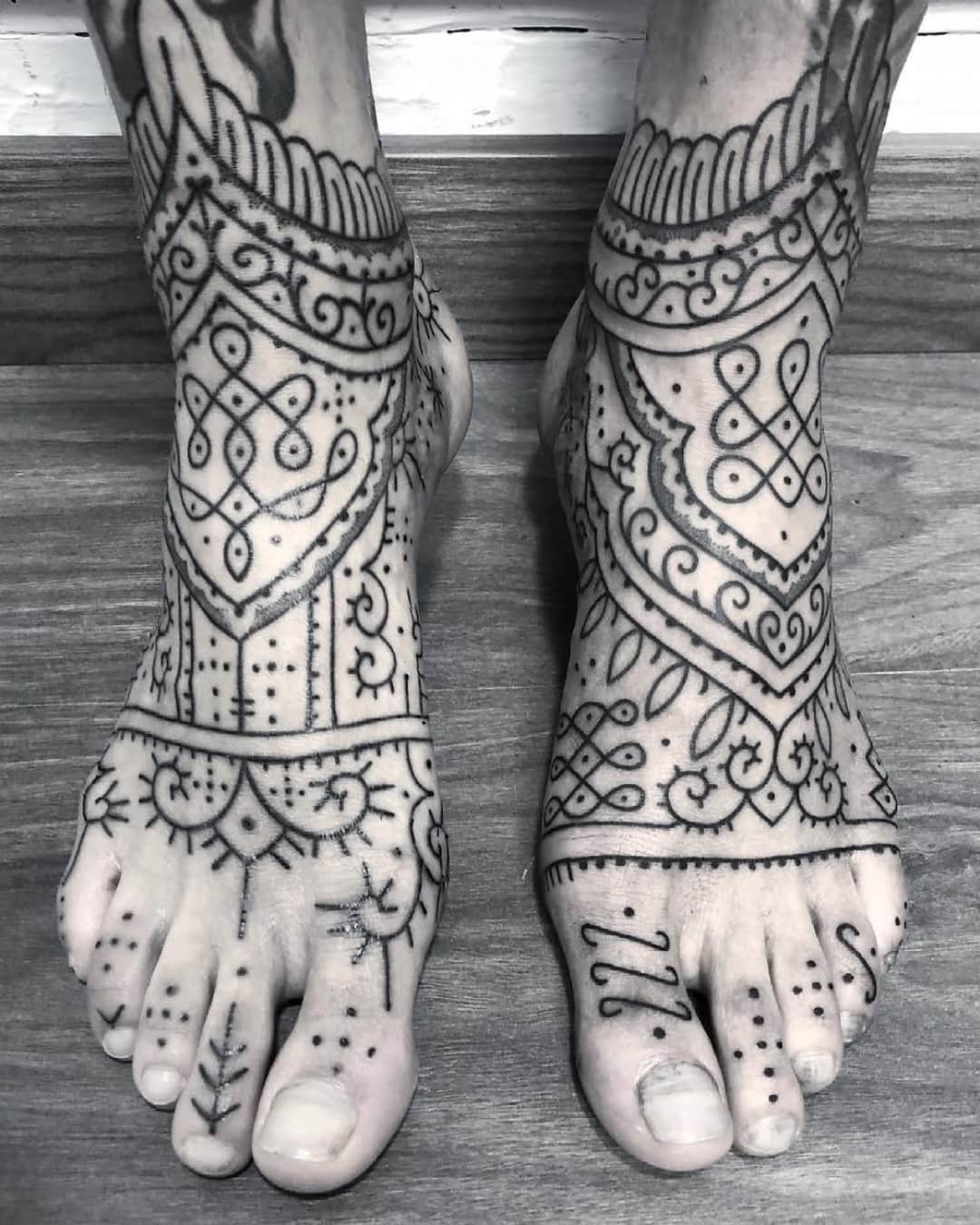
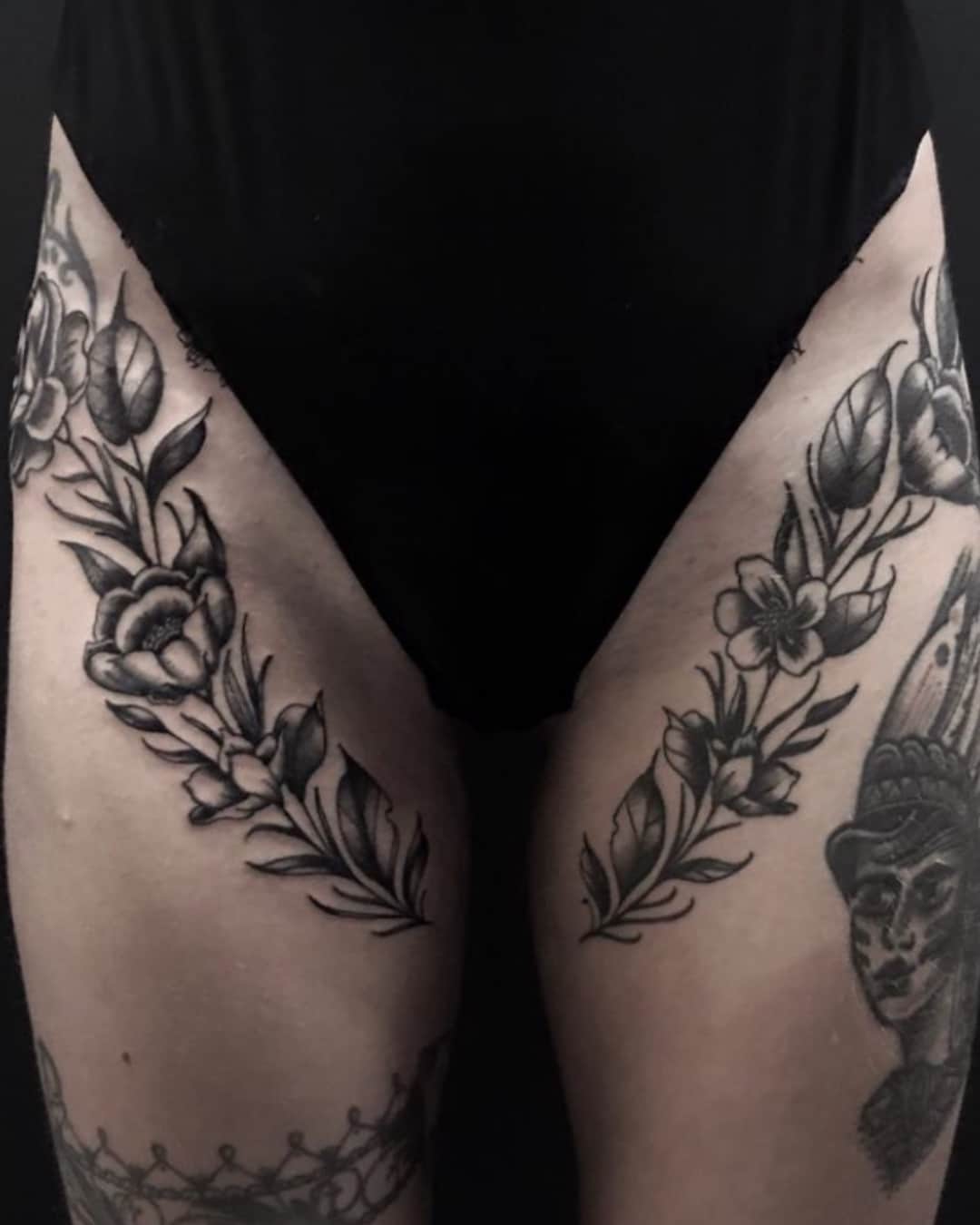
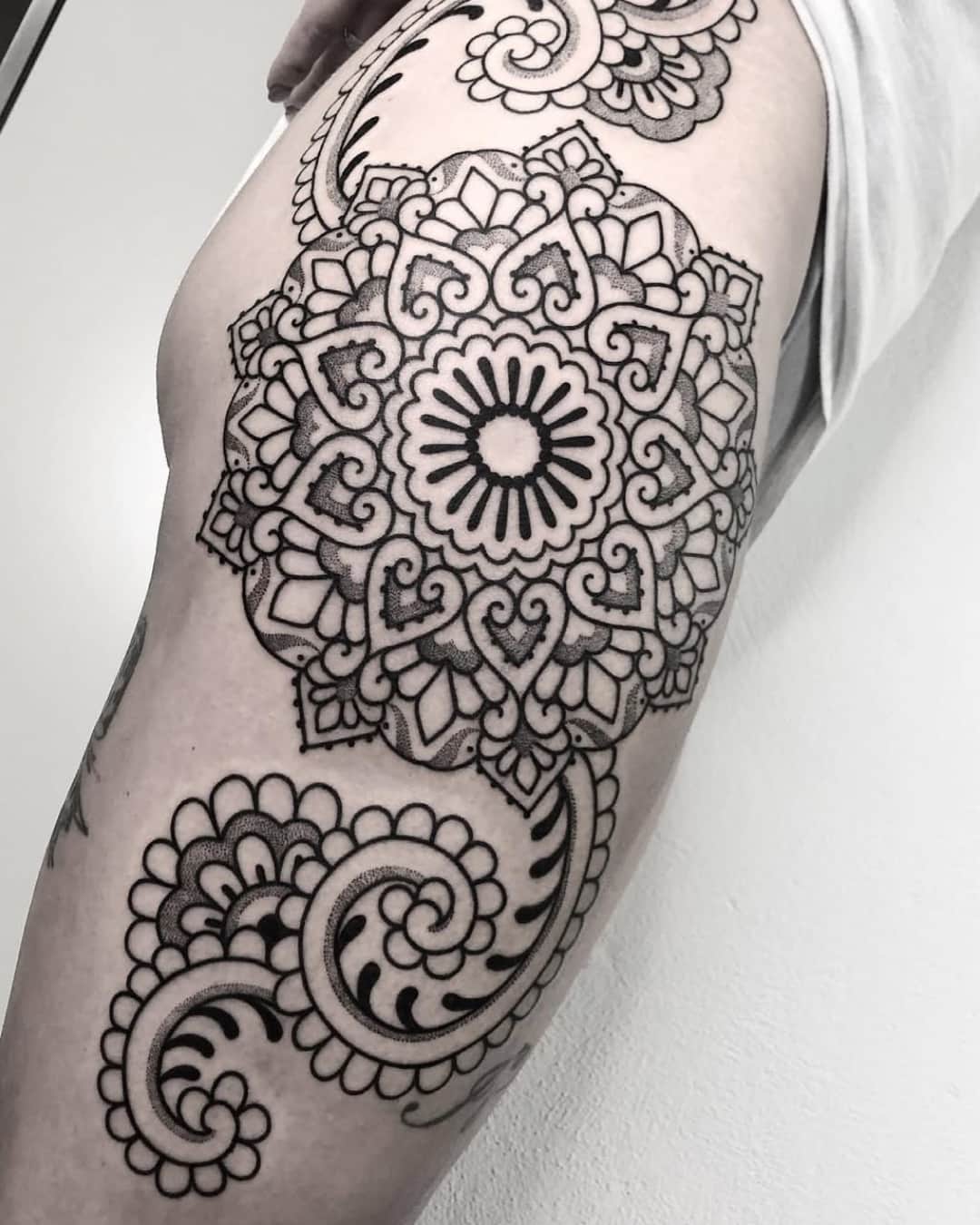
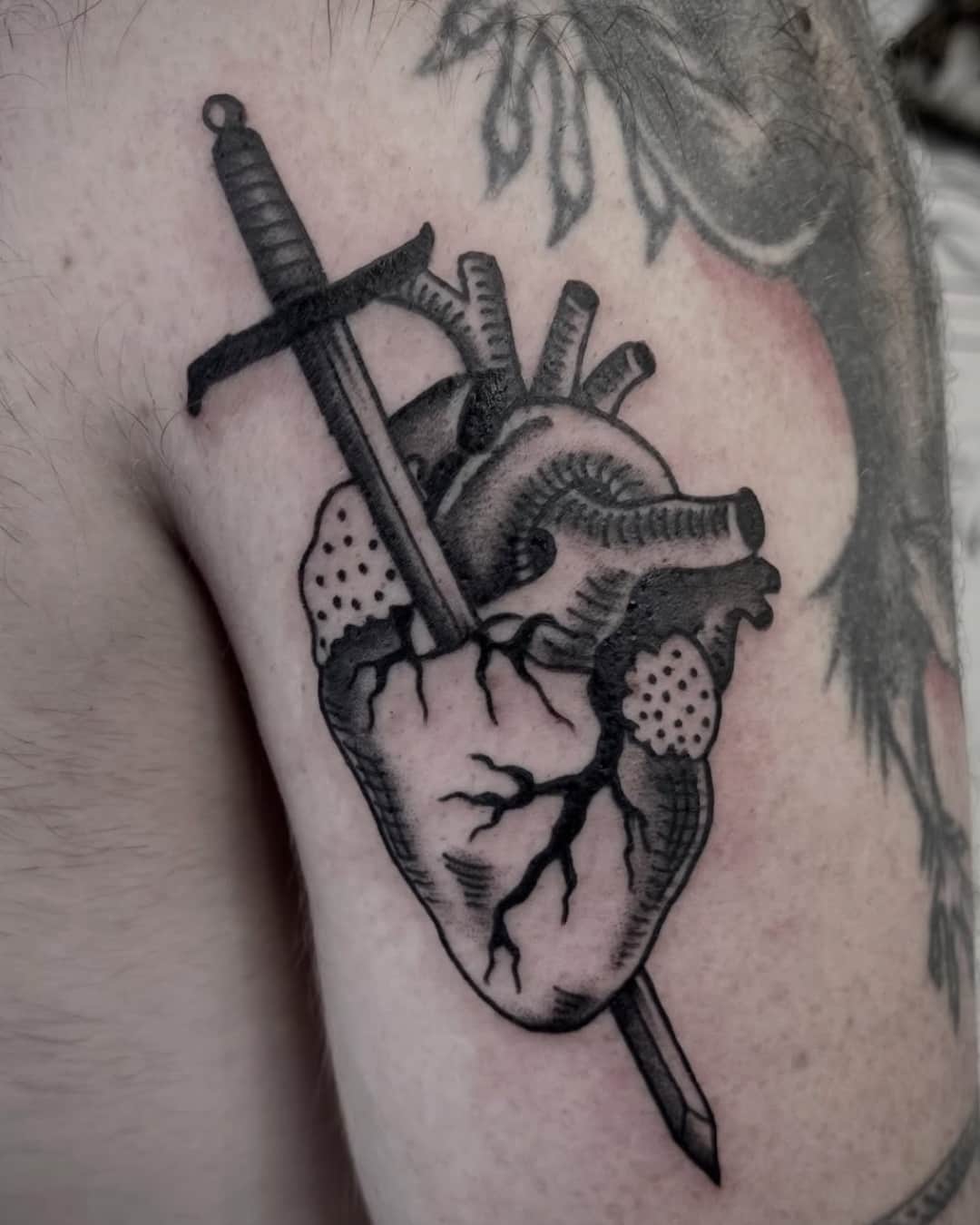
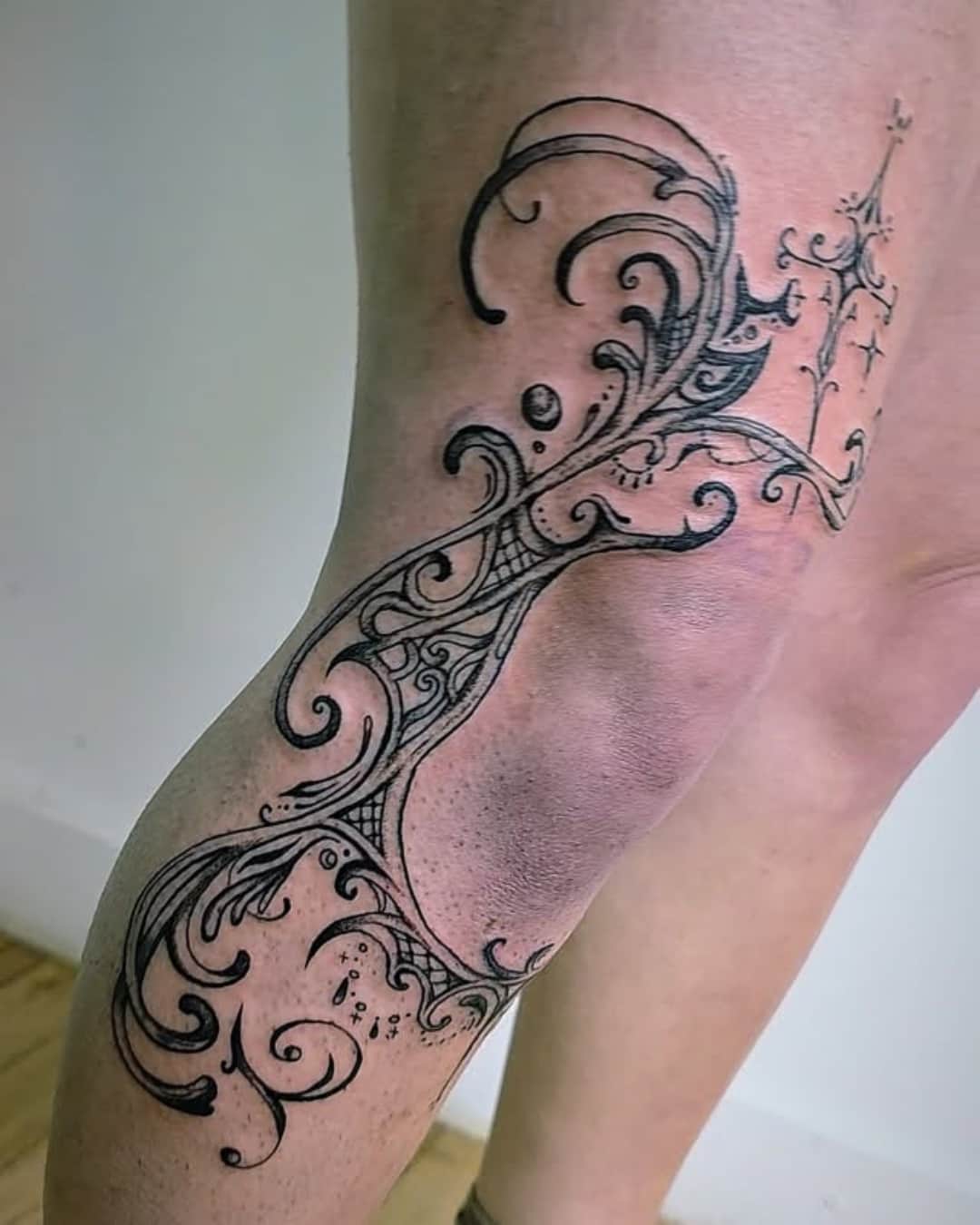
The word covers several families that share one principle, black ink. Ornamental blackwork dresses the body in decorative motifs, jewelry, lace, bands. Geometric builds regular figures and patterns. Illustrative draws subjects in line and hatching. Gothic draws on medieval and religious imagery — cathedrals, engravings, letterforms. All four often mix in the same artist's work: look at the images rather than the label.
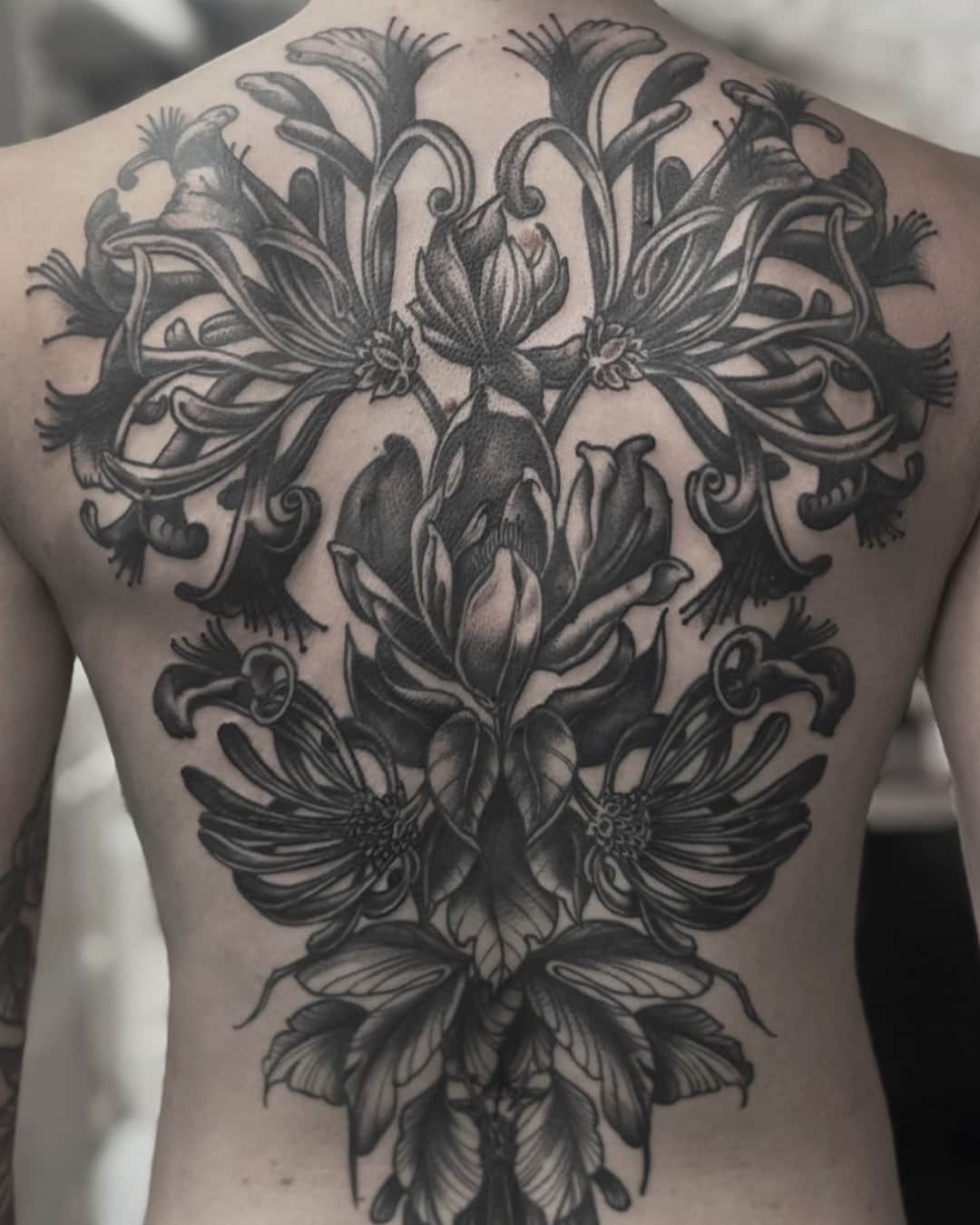
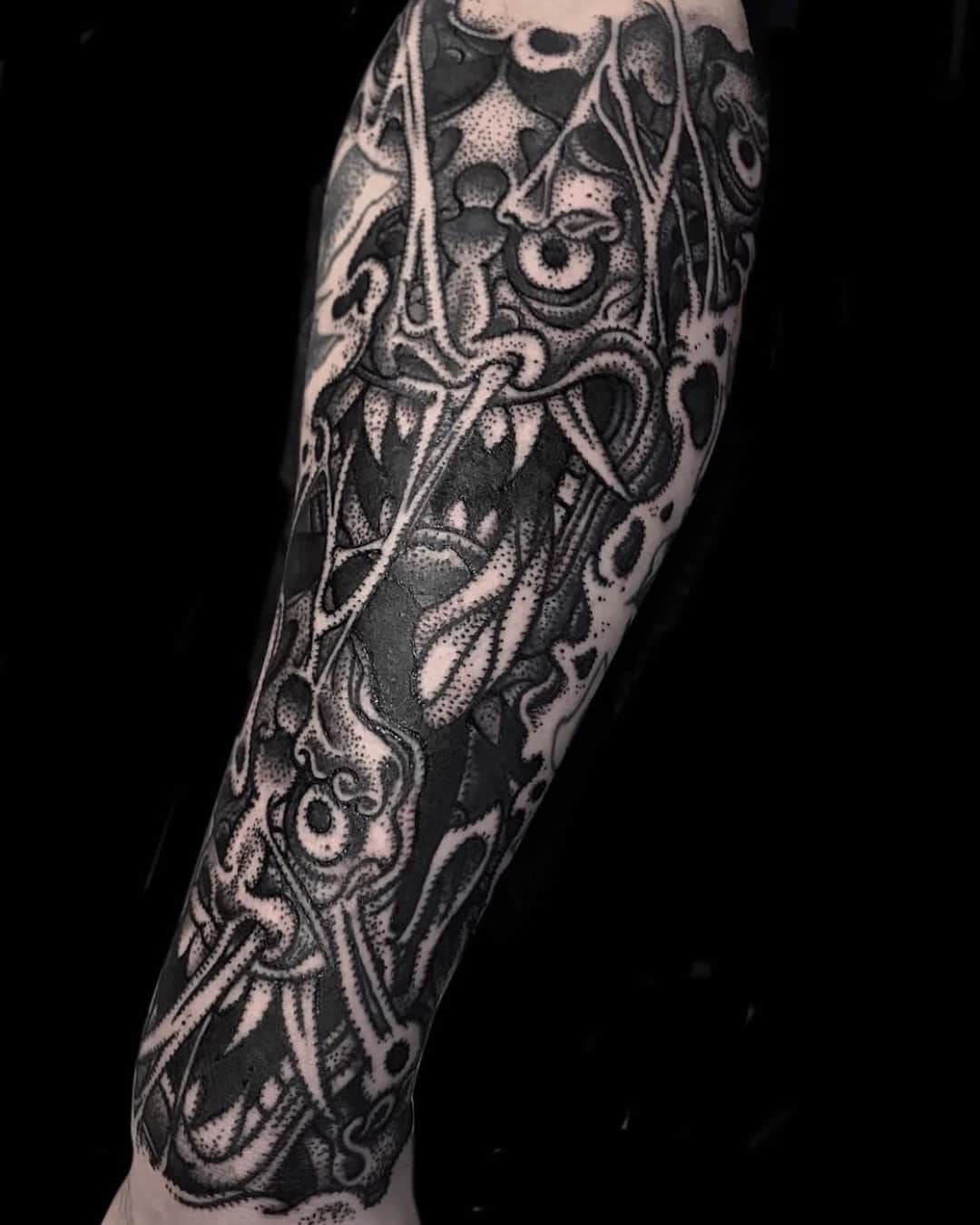
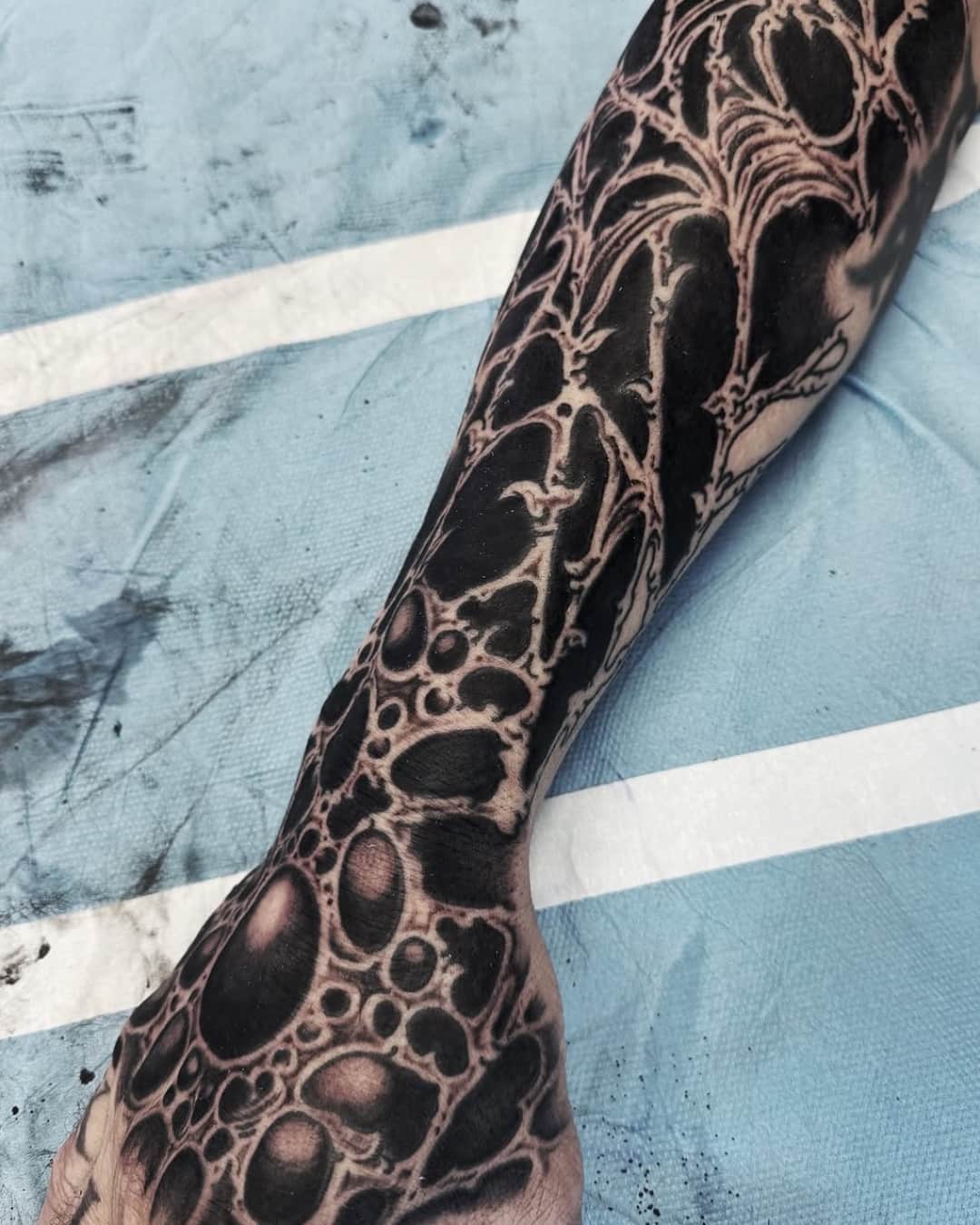
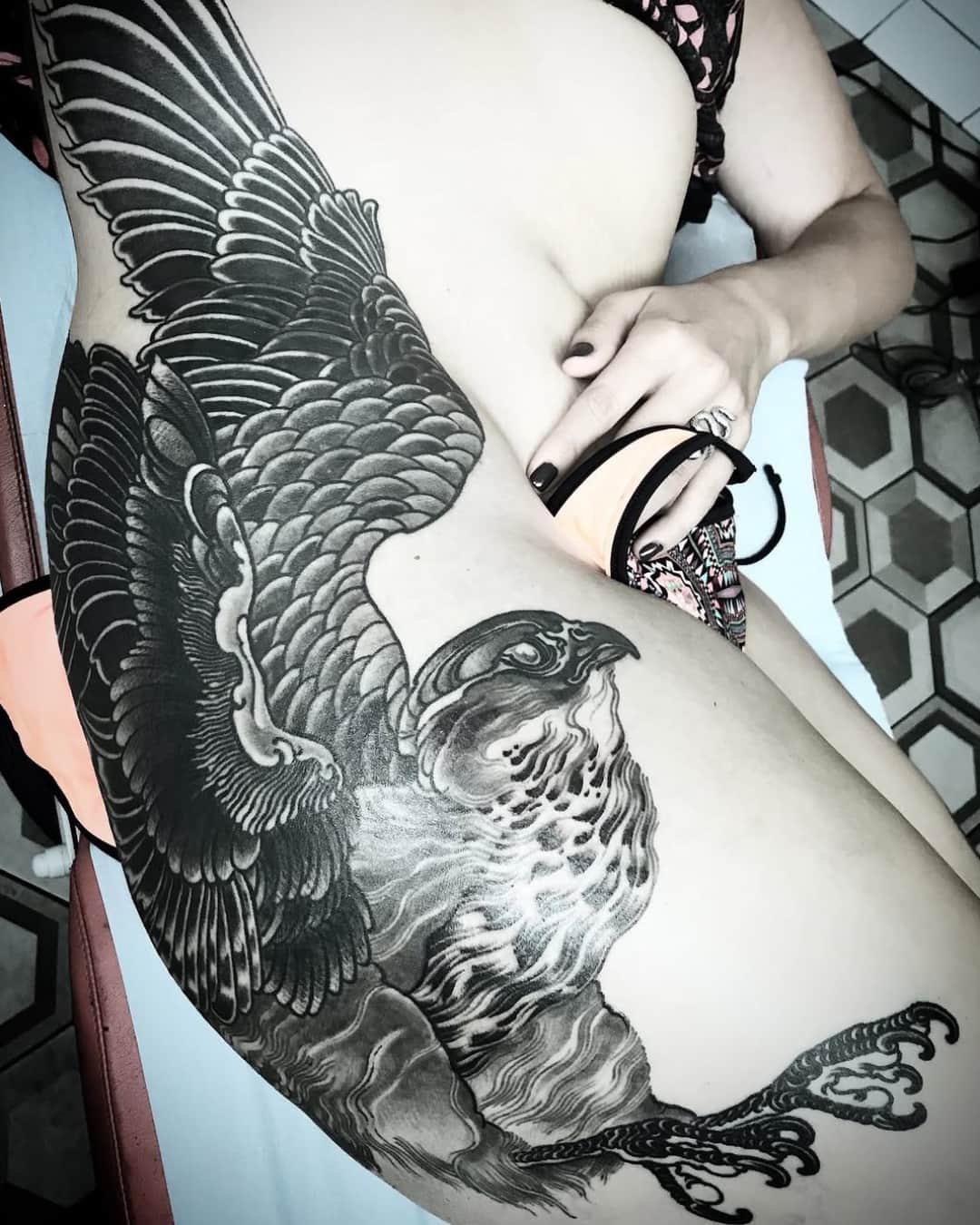
It's the most radical version: large fully blacked-out areas where the skin left bare draws the design in negative. Full cuffs, bands, covered backs. The effect is striking and holds up remarkably well over time, because it rests on nothing but black and empty space. It's also the biggest commitment — long to put in, hard to alter later, and almost impossible to cover. Take your time with the drawing, and ask to see pieces at the same scale.
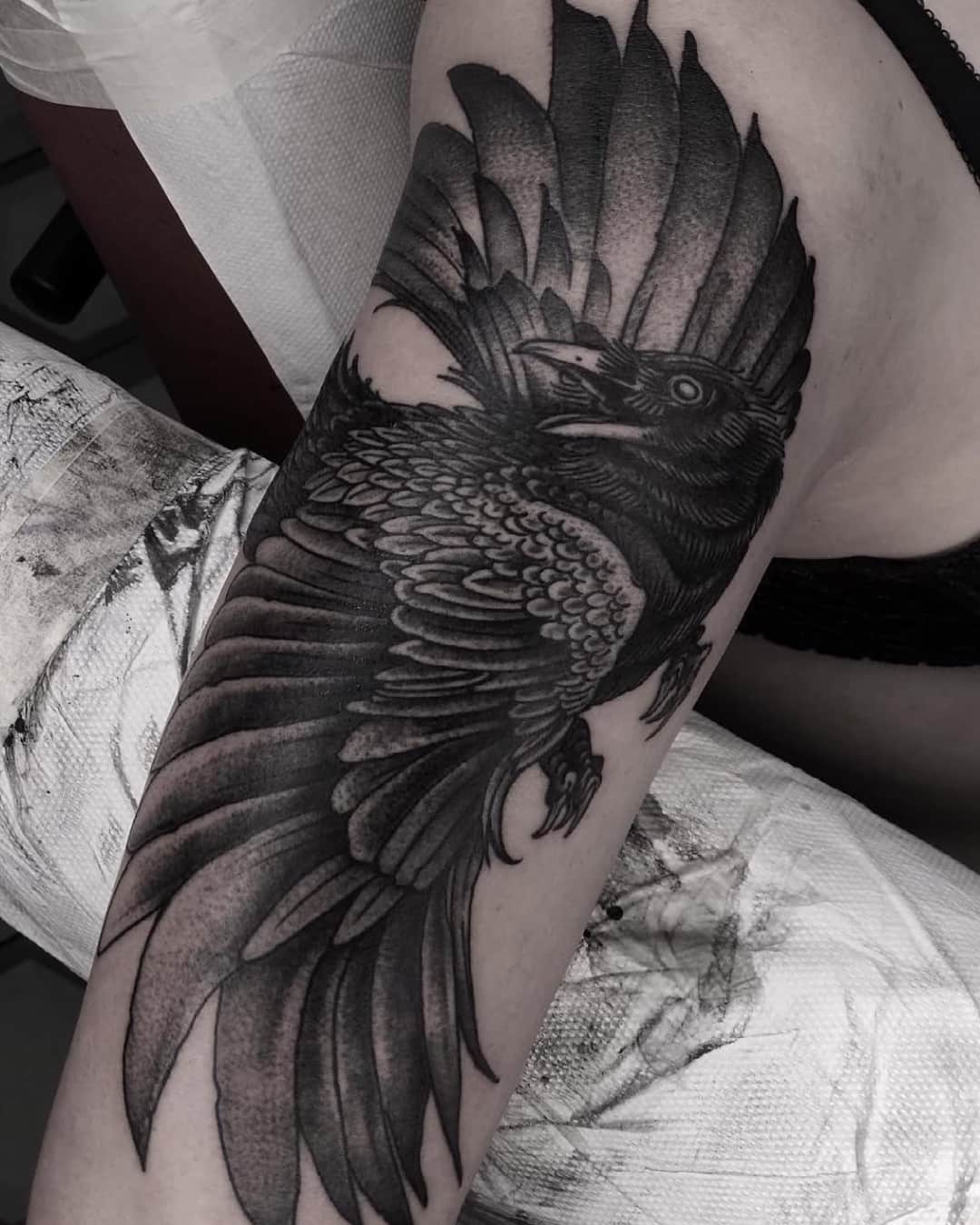
Subjects that read as mass rather than detail: a raven, a stylized wolf, a hand, a moon, a skull, a dense floral composition, an ornamental band, a geometric pattern. Religious and medieval imagery finds a home here too. Avoid anything that needs shading — blackwork has neither grey nor color to model with. If you want volume, it has to be built out of the gaps: bring it up while the design is still being drawn.