Filters

3 tattoo artists
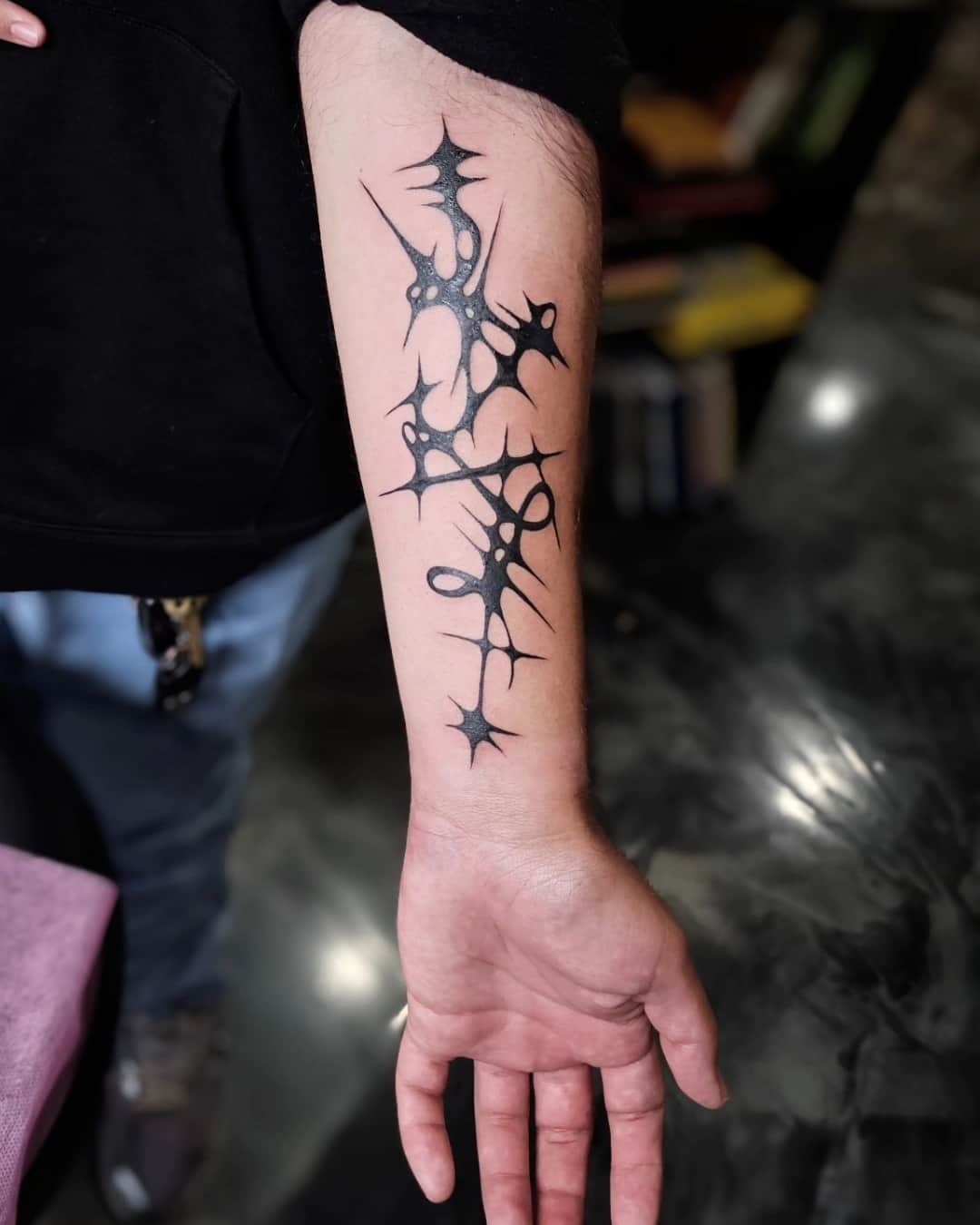
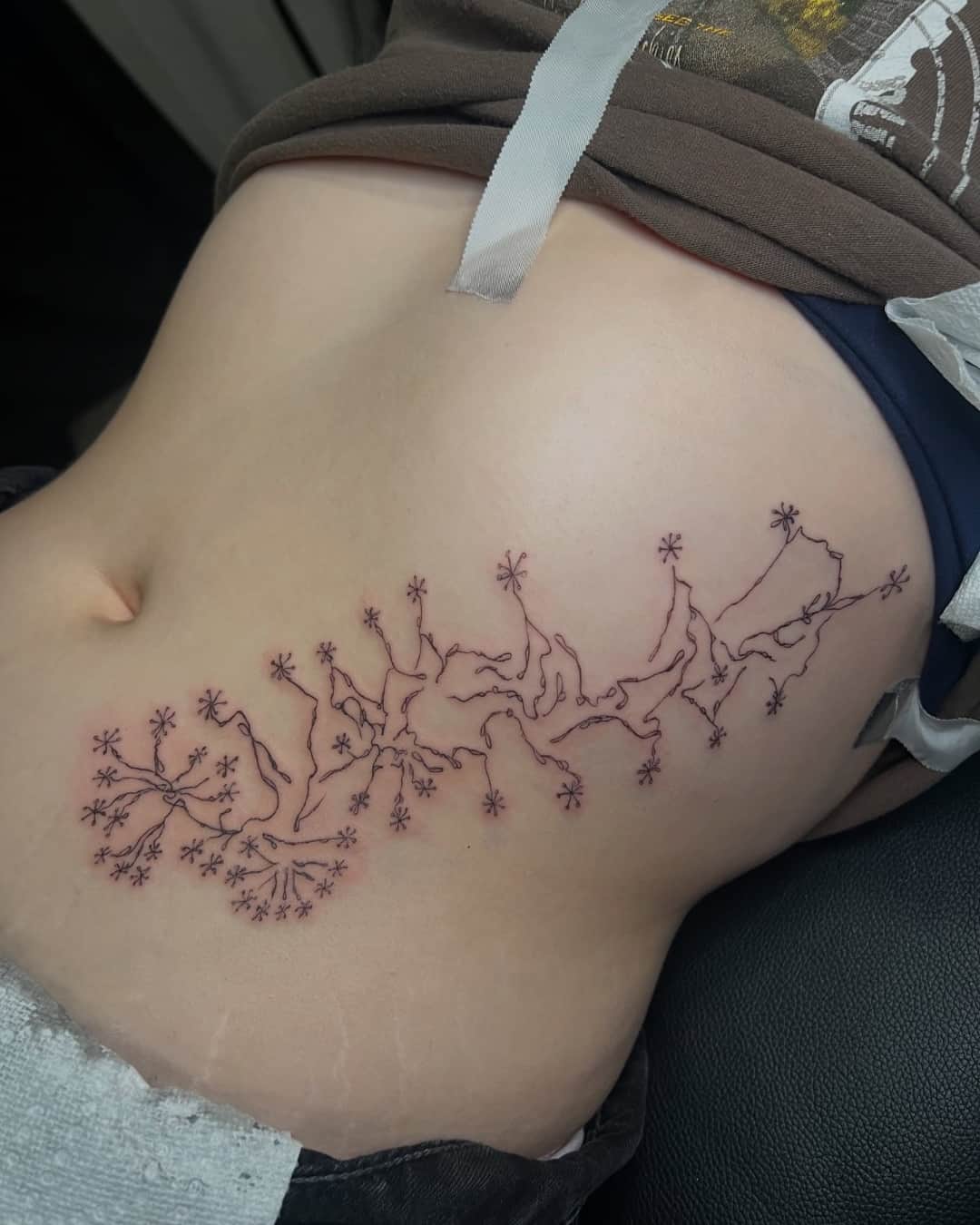
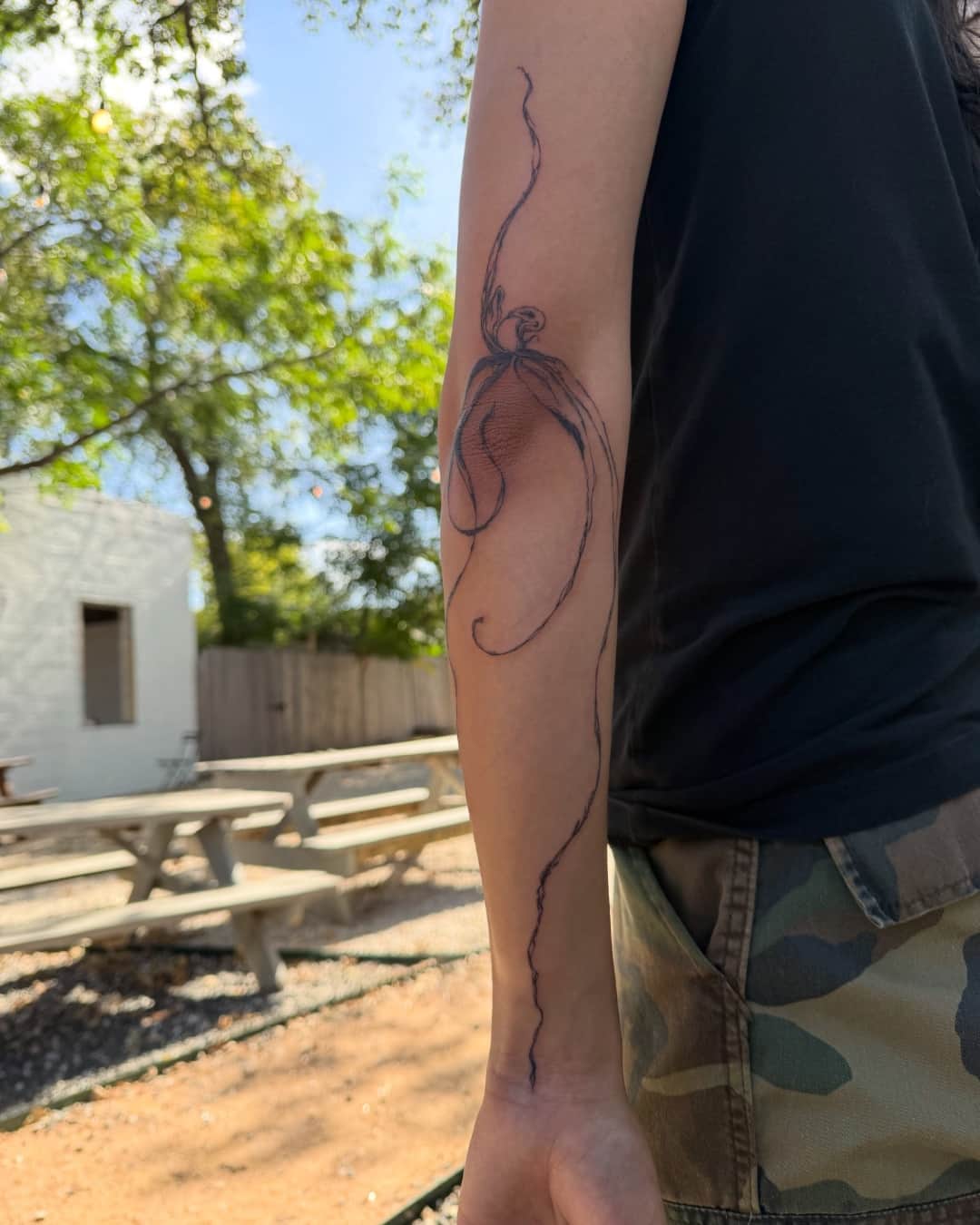
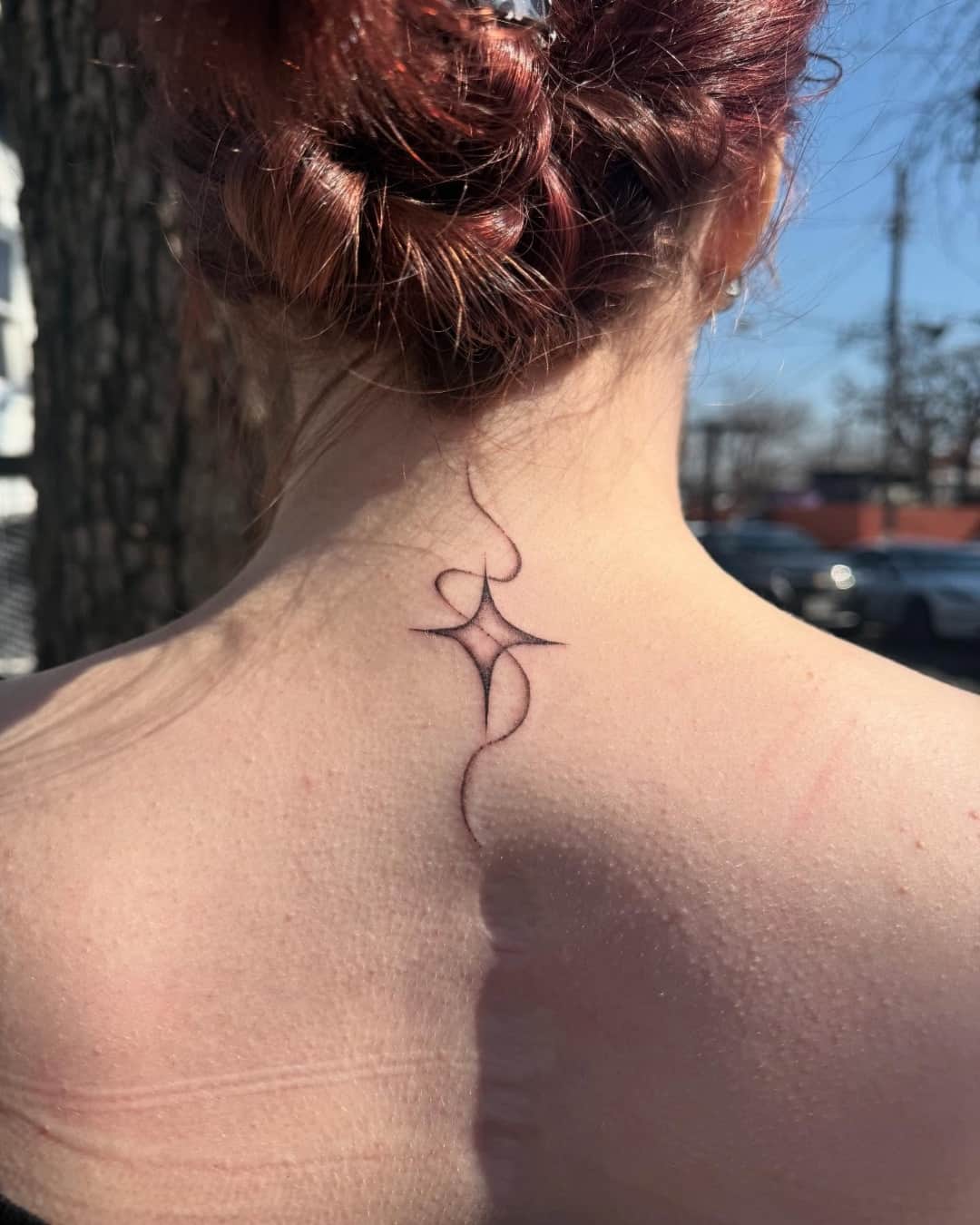
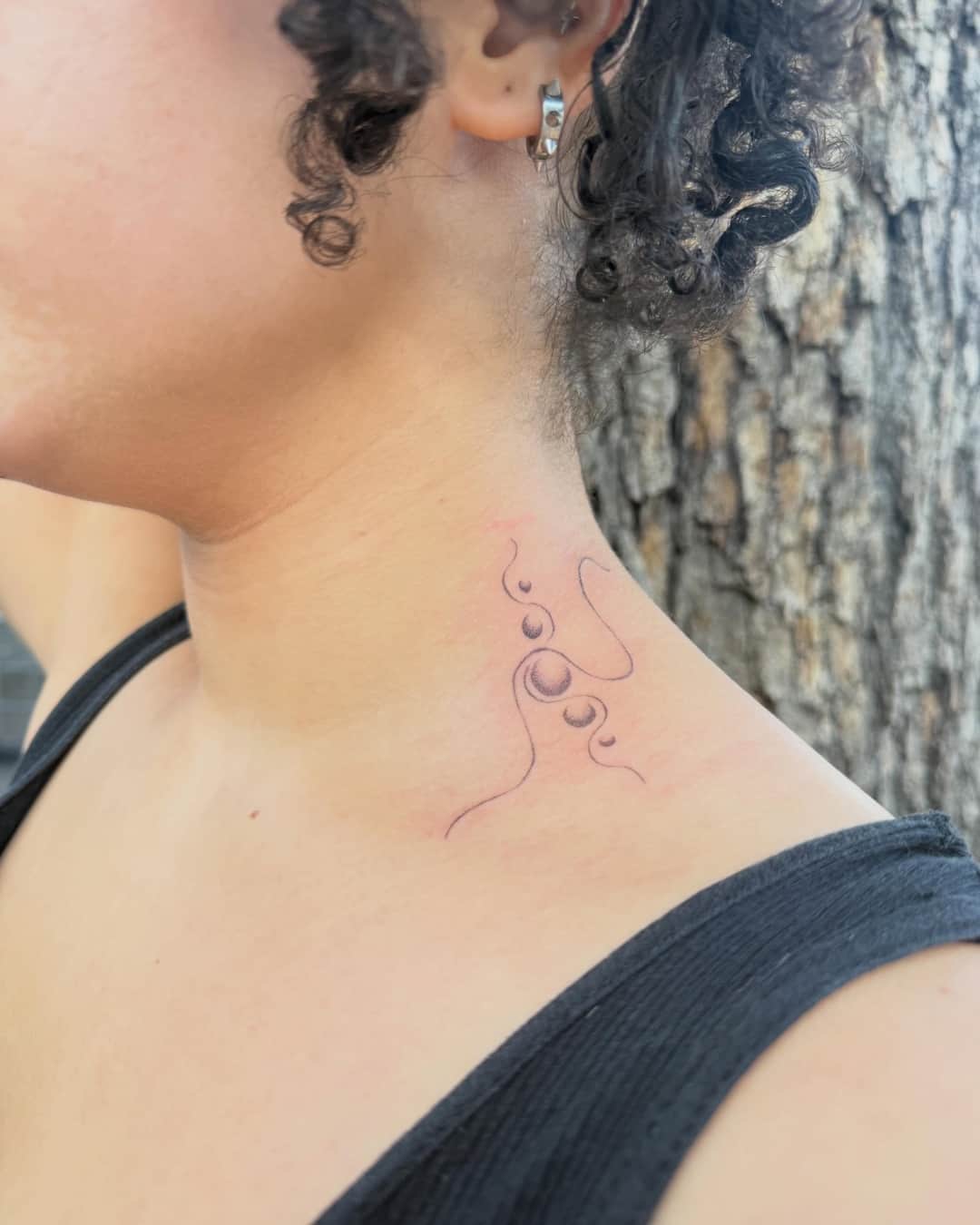
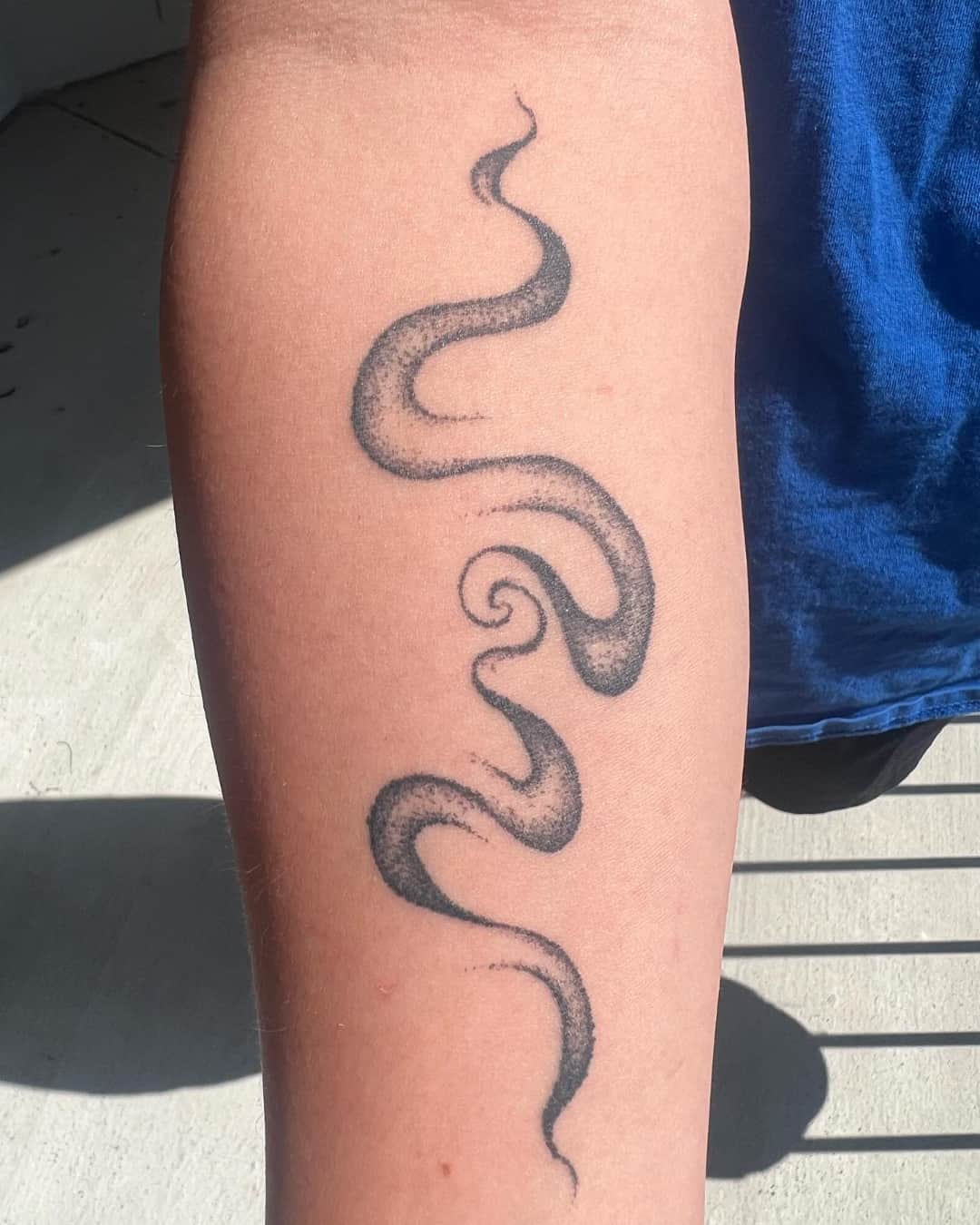
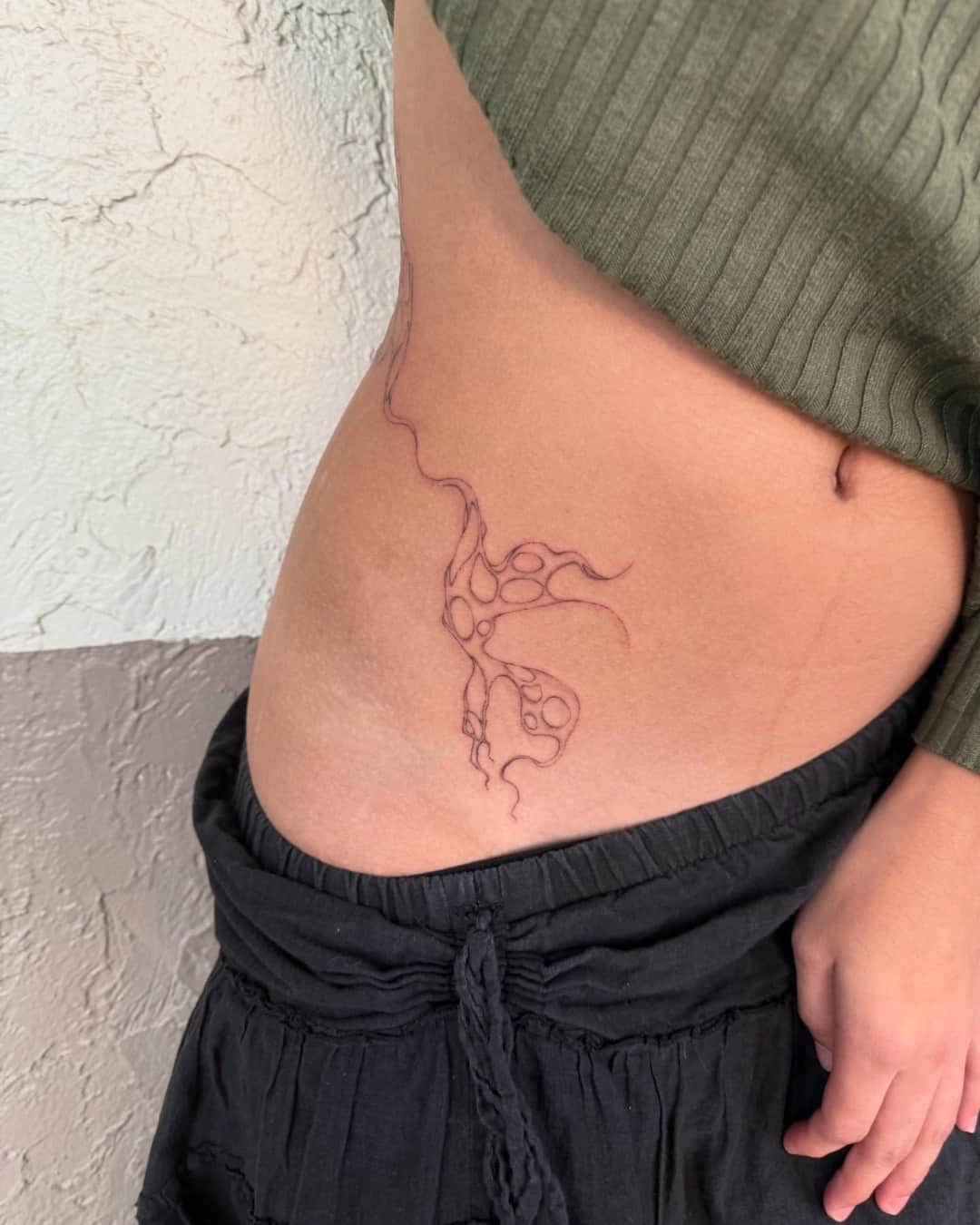
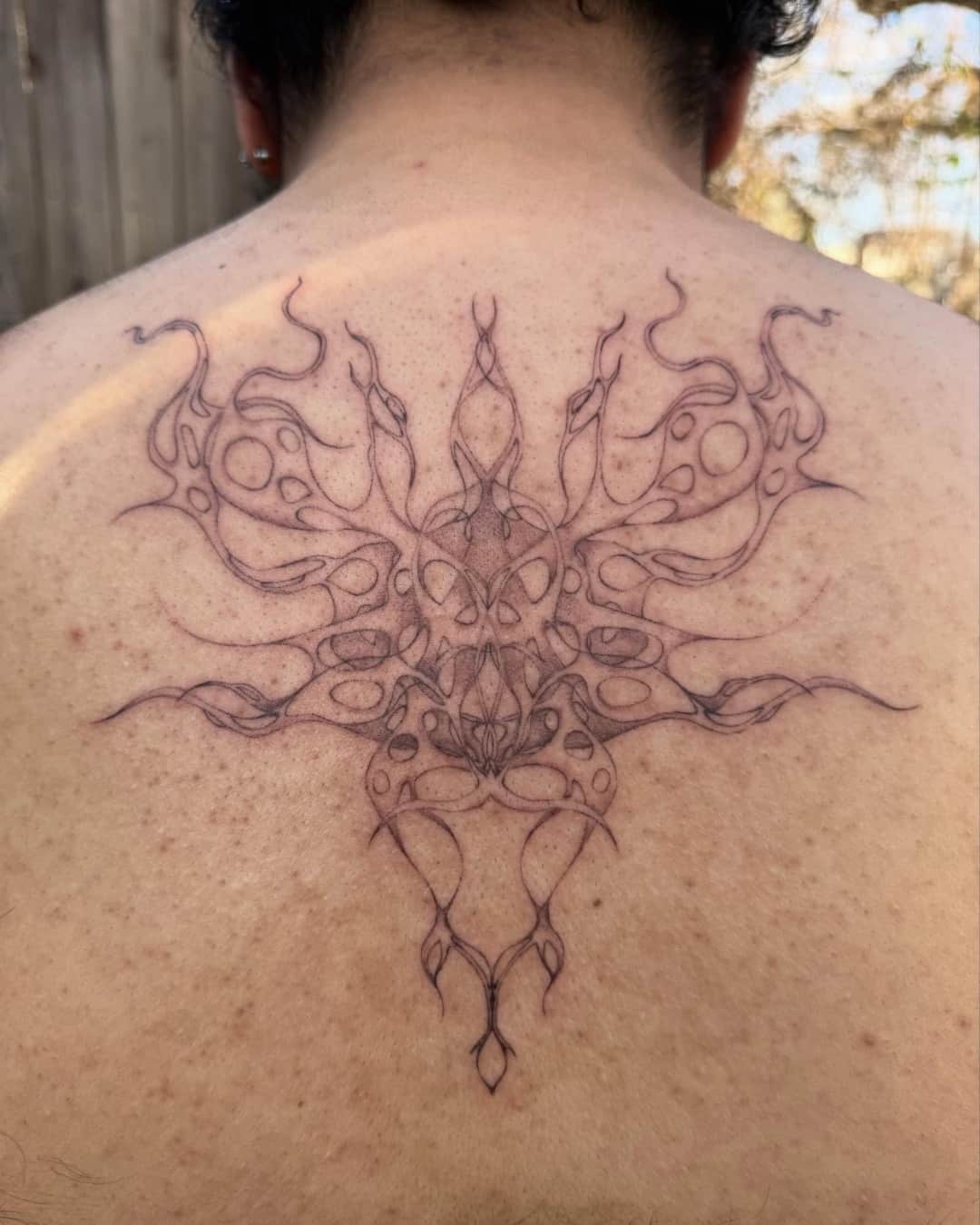
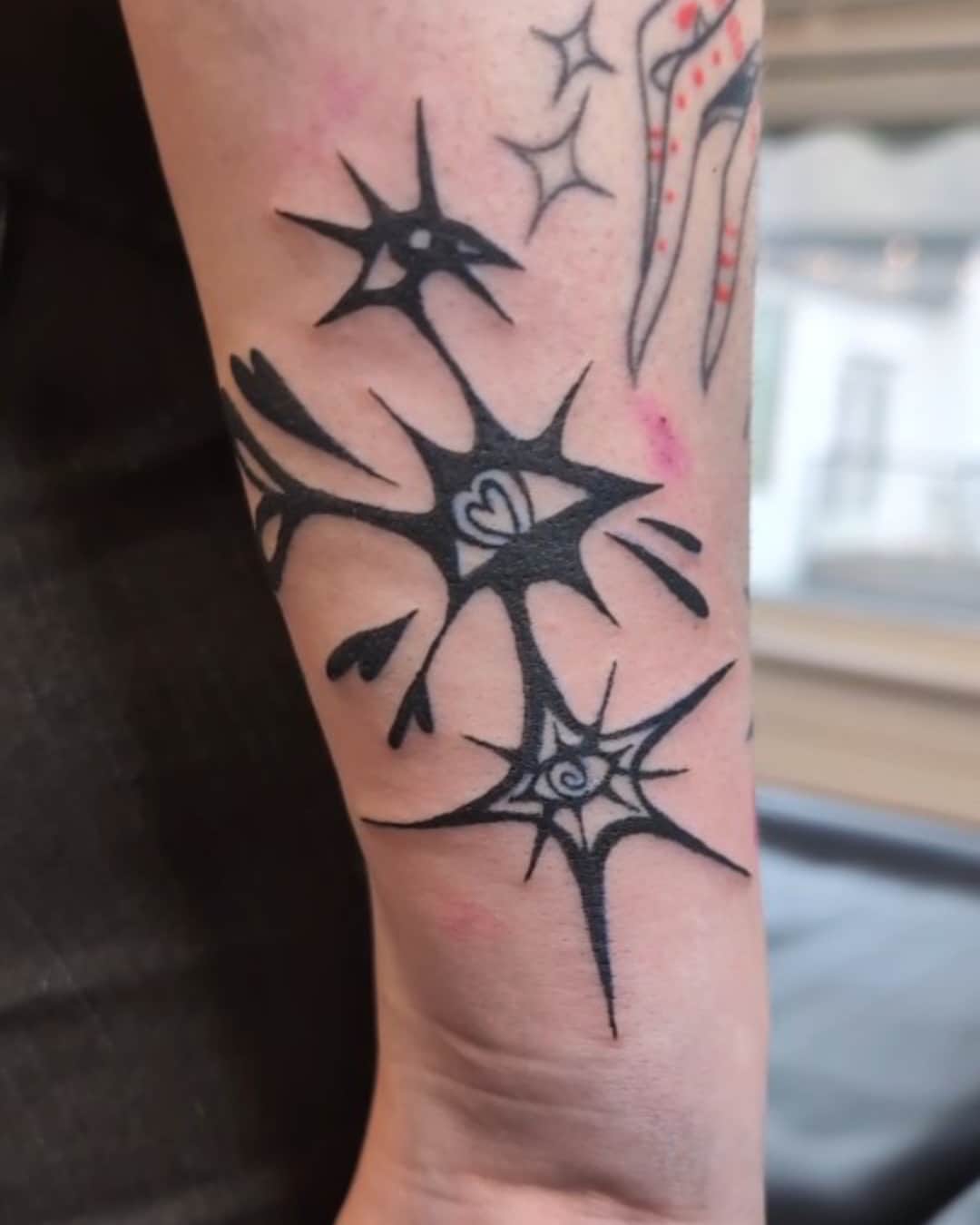
Abstract tattooing leaves the subject behind: shapes, strokes, color fields and splatters, composed for a body in motion.
On YokoFolio, pick the style Abstract and then your city, and widen the radius if you need to. Here the rule for choosing is different from every other style: you're not picking a drawing, you're picking a hand. Look at the portfolio as a whole and ask yourself whether you like all of it, because you'll be handing that person the composition. Check too that there are real masses and real contrast — that's what will hold over time — and look for healed photos, where you can see how light washes and thin marks have aged. Ask the artist how they work: whether they draw on paper first or directly on your body, and how much say you keep over the result.
Intentions rather than designs: a trail of smoke, a flow crossing an arm, a phoenix taking off reduced to a few strokes, an ink mark, free lines following a shoulder. Bring your artist a feeling, a palette, an area of the body and work of theirs that speaks to you, rather than a reference image. Plenty of them compose directly on the skin with a marker: accept that bit of the unknown, it's what the style asks for. You can also choose how far to go: pure shapes with no subject at all, or a subject dissolving into strokes, which keeps a trace of meaning. Black alone gives a graphic, durable piece; color brings fields and splashes that need strong contrast to last.
On a surface that lets the gesture open out: the back, the flank, the thigh, the full arm, the shoulder blade. Take the time to look at the area in motion before you decide — a layout that looks right with the arm extended can break when the arm bends. Above all, don't box it into a small square: shrunk down, a gesture is just a mark with no intention behind it. Abstract also suits cover-ups and scarred areas, because the composition can be built around whatever is already there. For a cover-up, show the artist the old tattoo from the first conversation: its darkest areas decide which shapes and colors can go over it.
Watercolor looks painted with water: translucent washes, soft bleeding edges, runs and splashes, usually around a recognizable subject such as a bird or a flower. Abstract has no subject to name, or lets it dissolve, and isn't tied to that paint texture: its marks can be hard strokes, solid black masses, lines or flat color fields. Trash Polka always contains realistic black and grey fragments — a face, an eye, a clock — torn up by red strokes and lettering, on a palette locked to black and red; Abstract has no photo-like element and uses any palette. If there's nothing to recognize and the strokes, shapes and masses are the whole design, it's Abstract.