Filters

2 tattoo artists
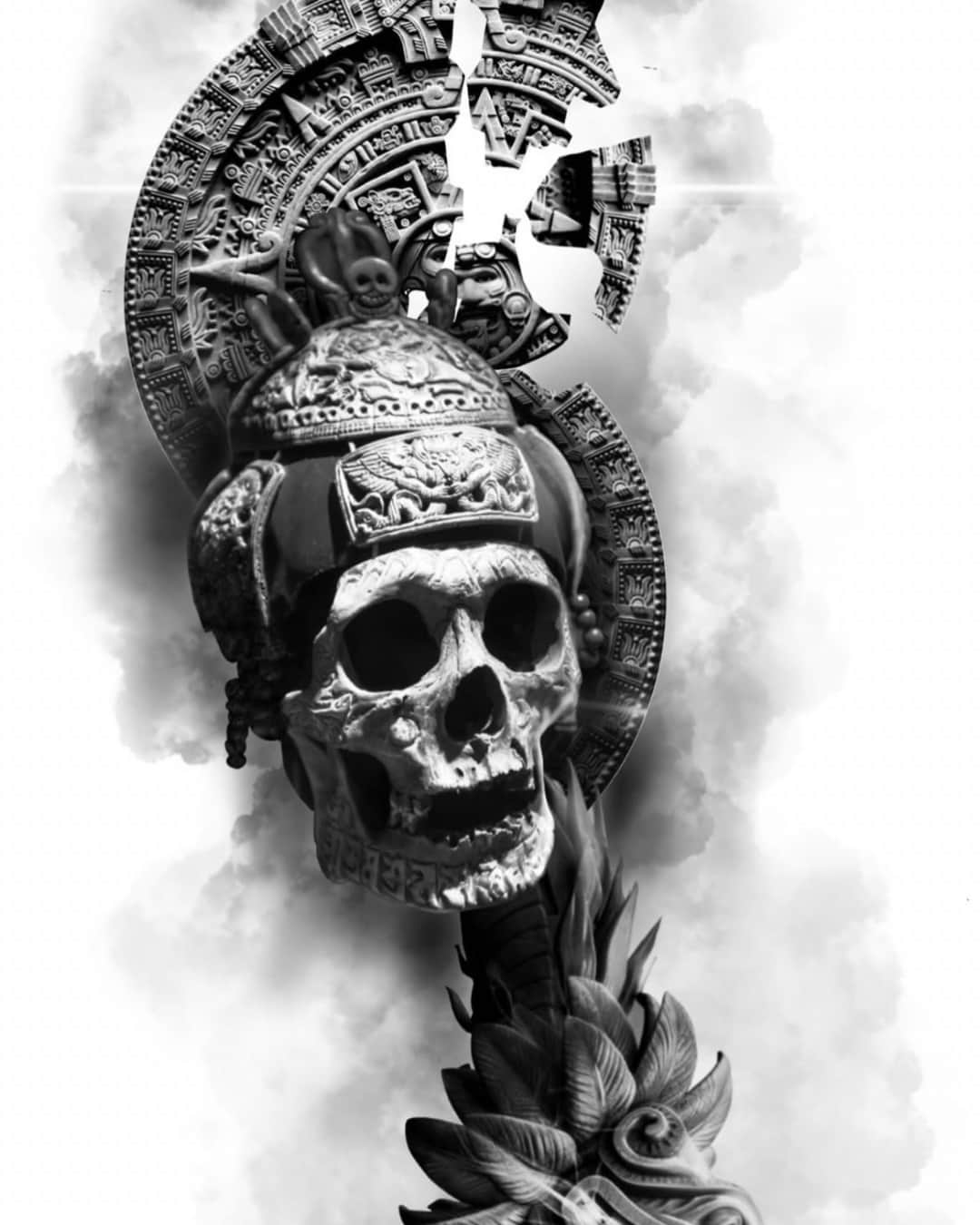
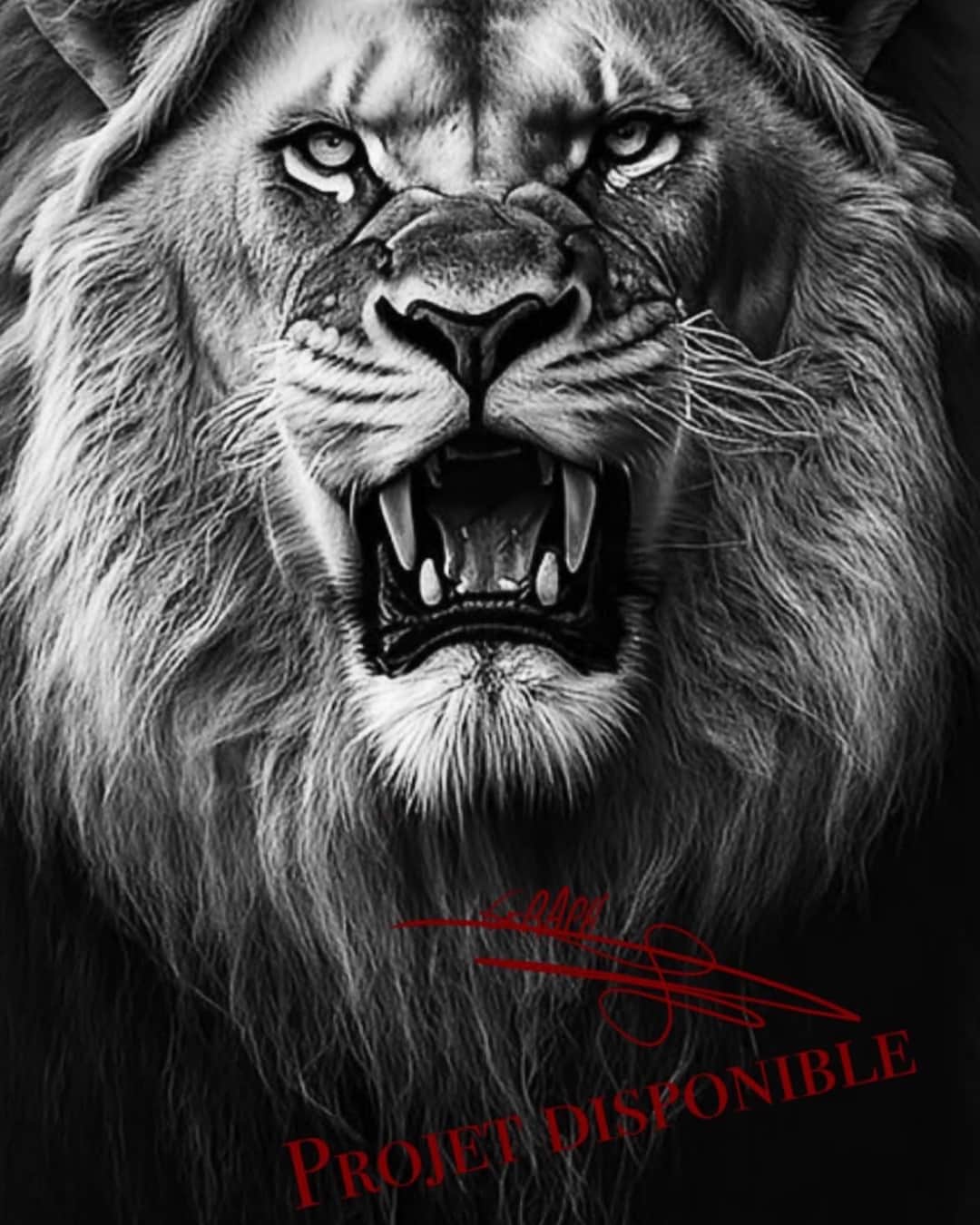
Realism chases the illusion: portraits, animals and textures so faithful you forget you're looking at a drawing.
On YokoFolio, pick the style Realism and then your city: the search only shows portfolios with work in that style, and you can widen the radius if your town is small. Then judge on the images, not the follower count — look for deep blacks, transitions with no stair-stepping, and portraits that actually look like the person. Above all, look at work healed for several months. That's where realism gets judged, not in a photo taken straight out of the chair.
Black and grey ages more evenly and is more forgiving: it rests on values, and values hold. Color has more immediate presence, but some tones — yellows, light reds, white highlights — fade faster than blacks. The subject matters too: a portrait in black and grey reads from across a room, while an animal or a still life gains truth from color. A good artist will tell you straight what your skin and the placement can carry.
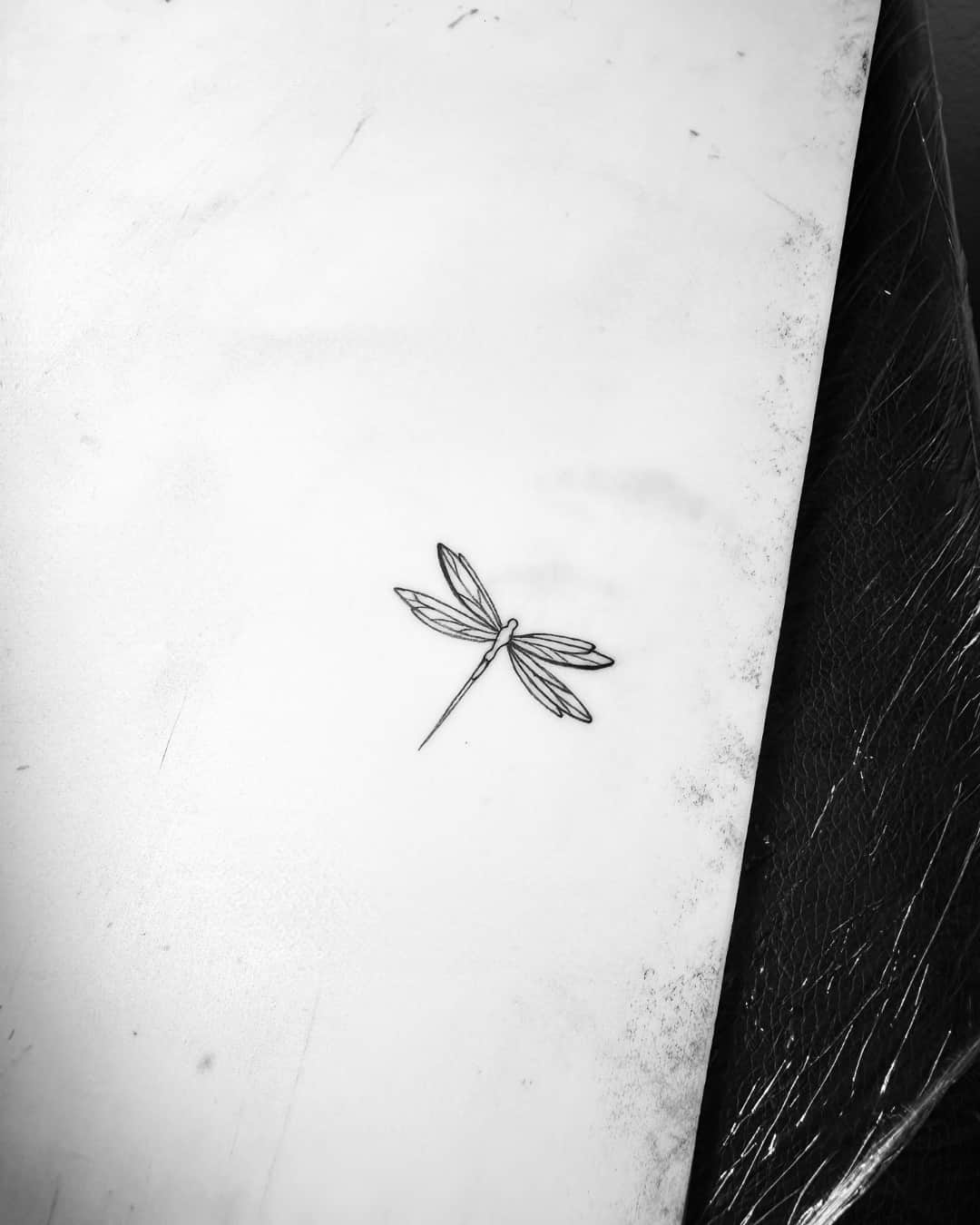
Micro-realism applies realism technique at very small sizes: a portrait an inch or two across, an animal, an object. It's spectacular the day you get it, and it's one of the styles that change most over the years — the value shifts hang on almost nothing, and that almost-nothing closes up. If you want it anyway, pick a simple subject, a stable spot like the inner forearm, and accept that you'll be back for touch-ups.
A well-executed realism piece holds, but it changes: the lightest greys fade, contrast flattens, and the finest details close up after ten to fifteen years. What makes the difference is the construction — a piece built on real value separation stays readable, while one held together by micro-detail turns into a smudge. Sun is the number one cause of wear. A maintenance touch-up every five to ten years brings the contrast back.