Filters

2 tattoo artists
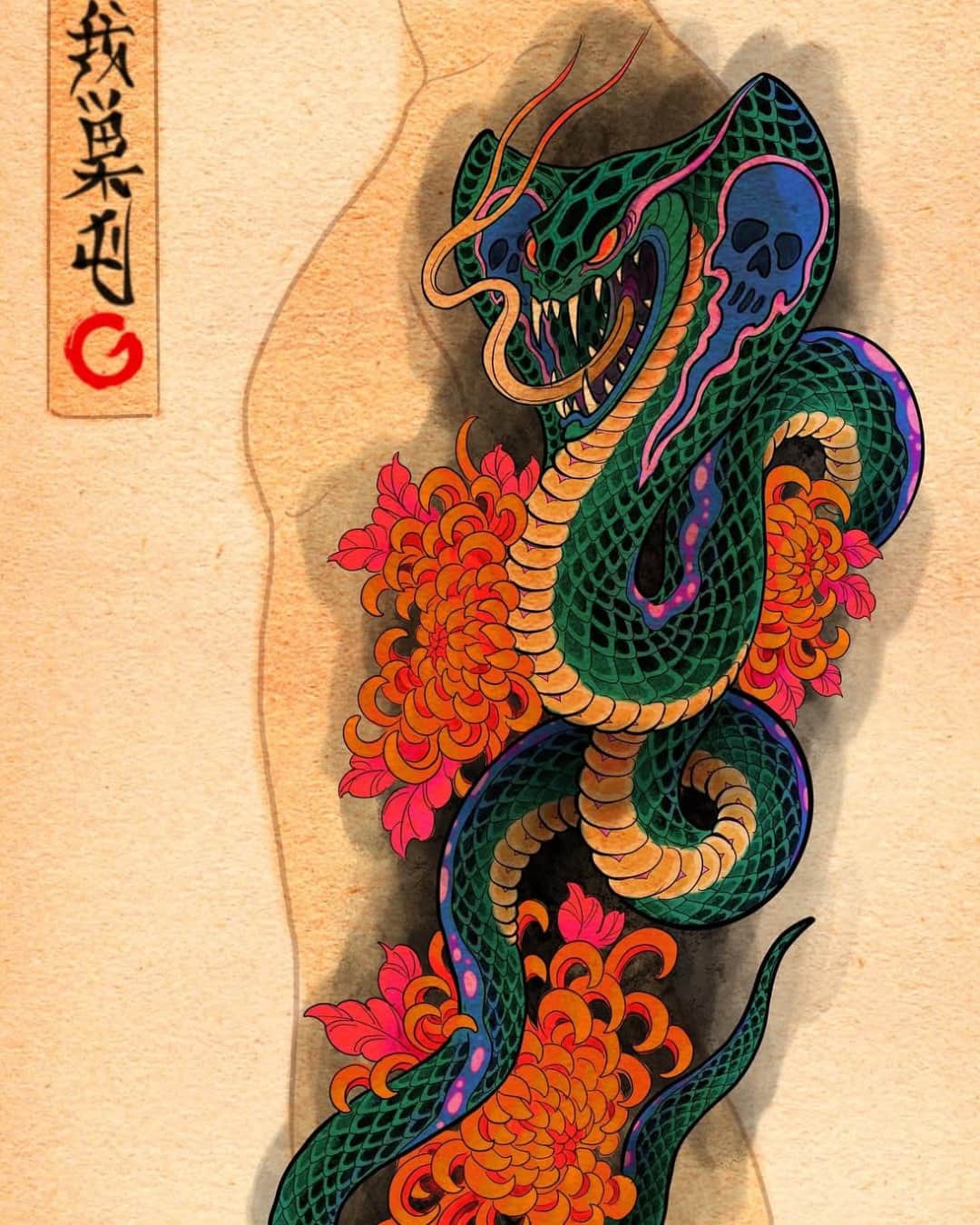
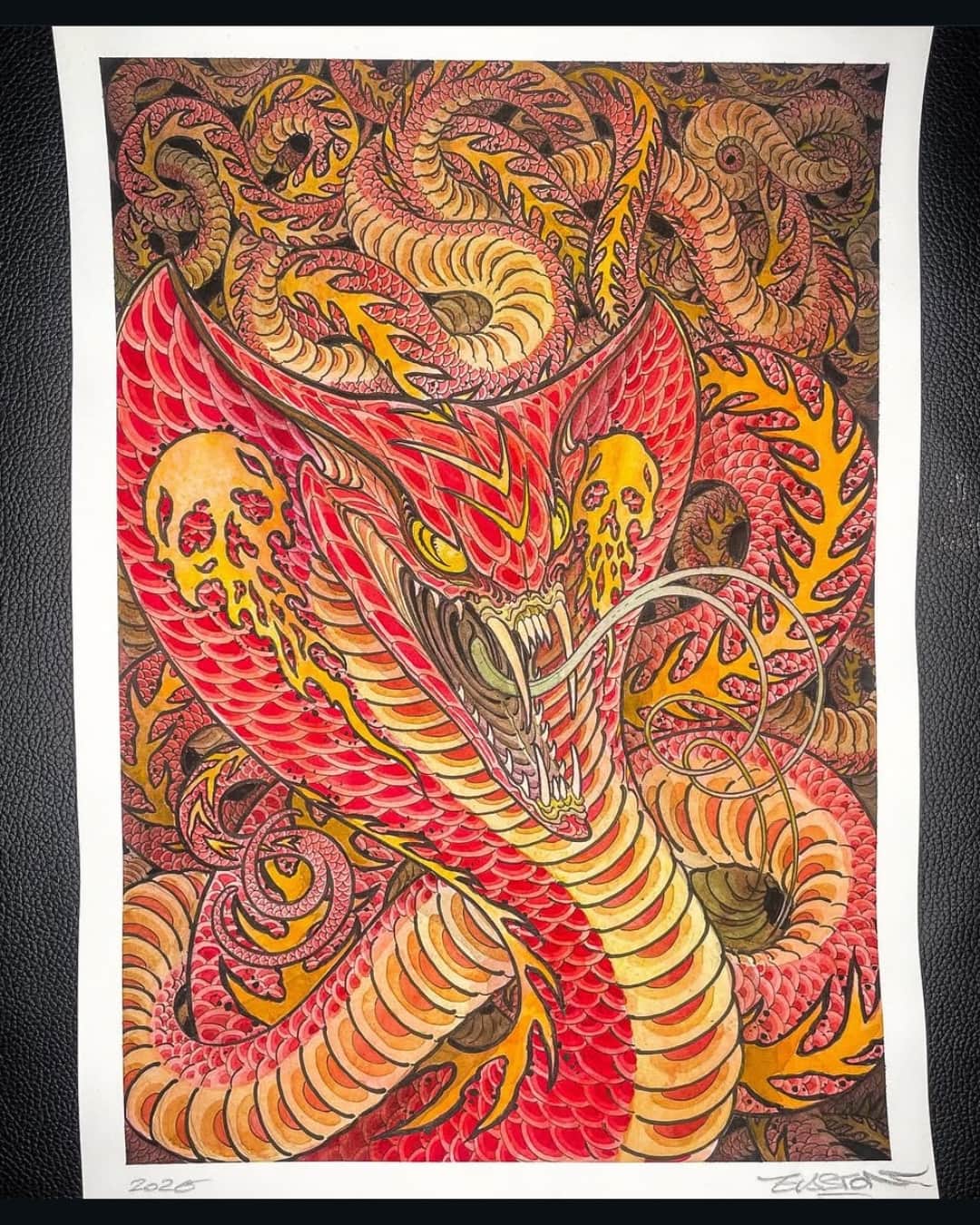
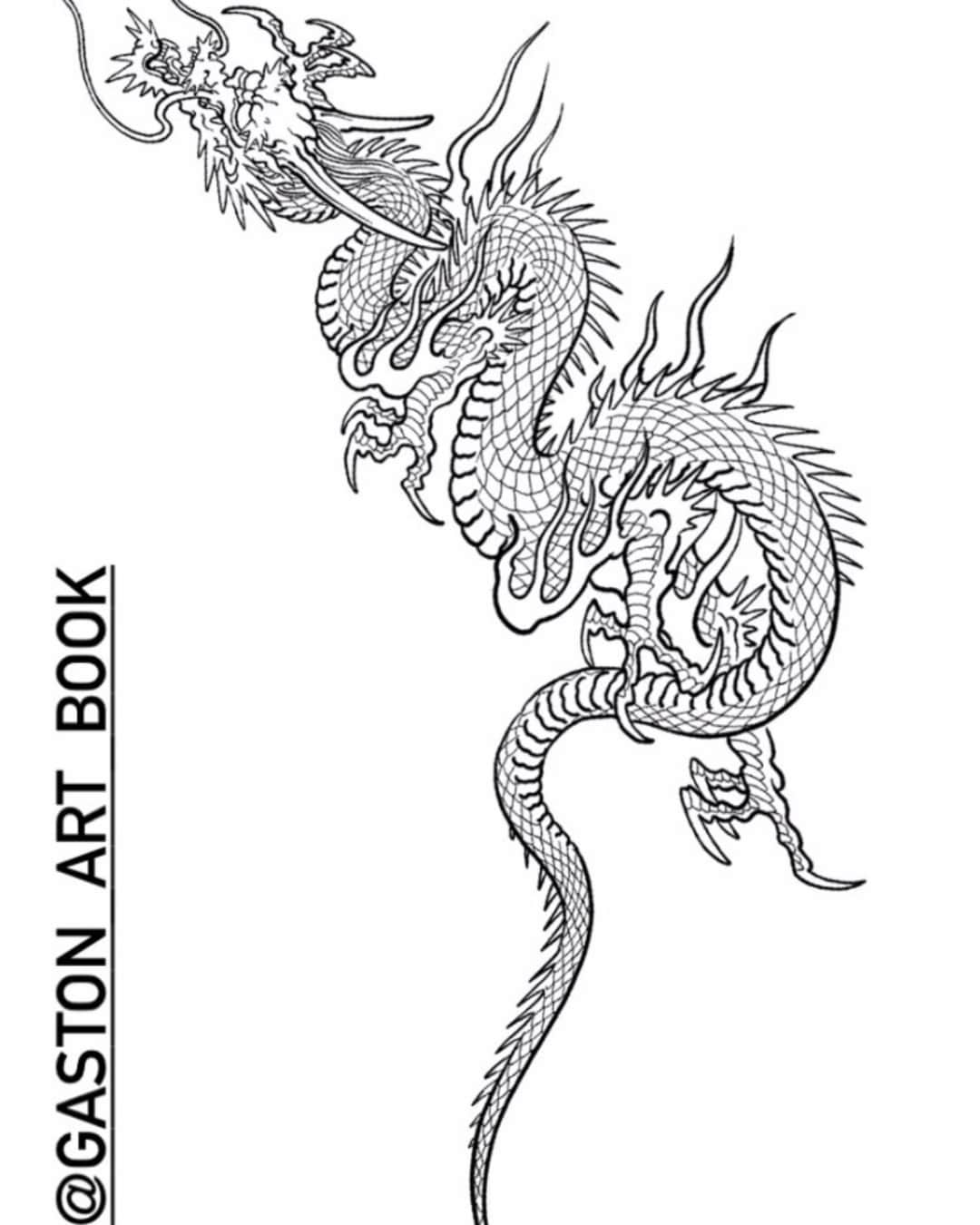
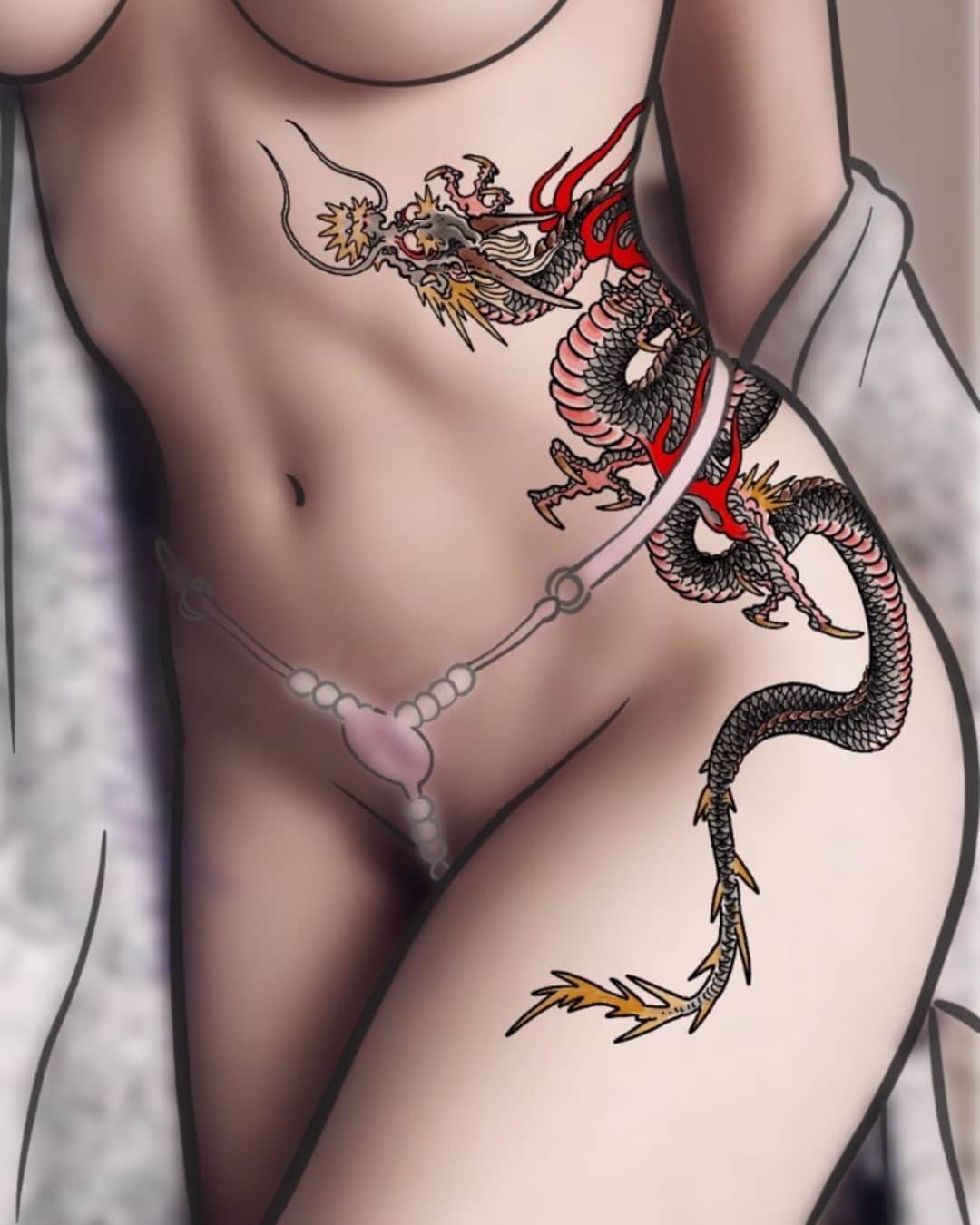
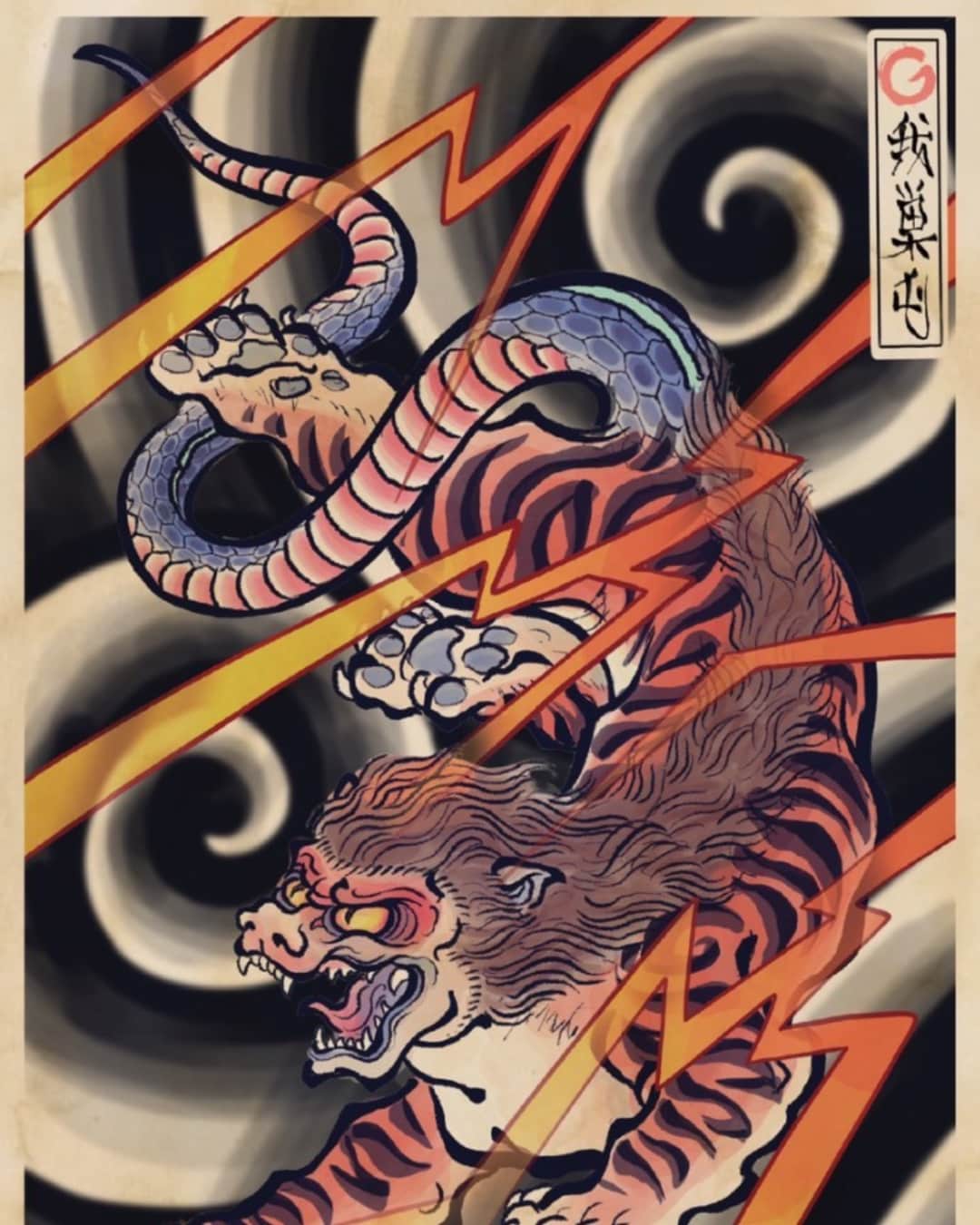
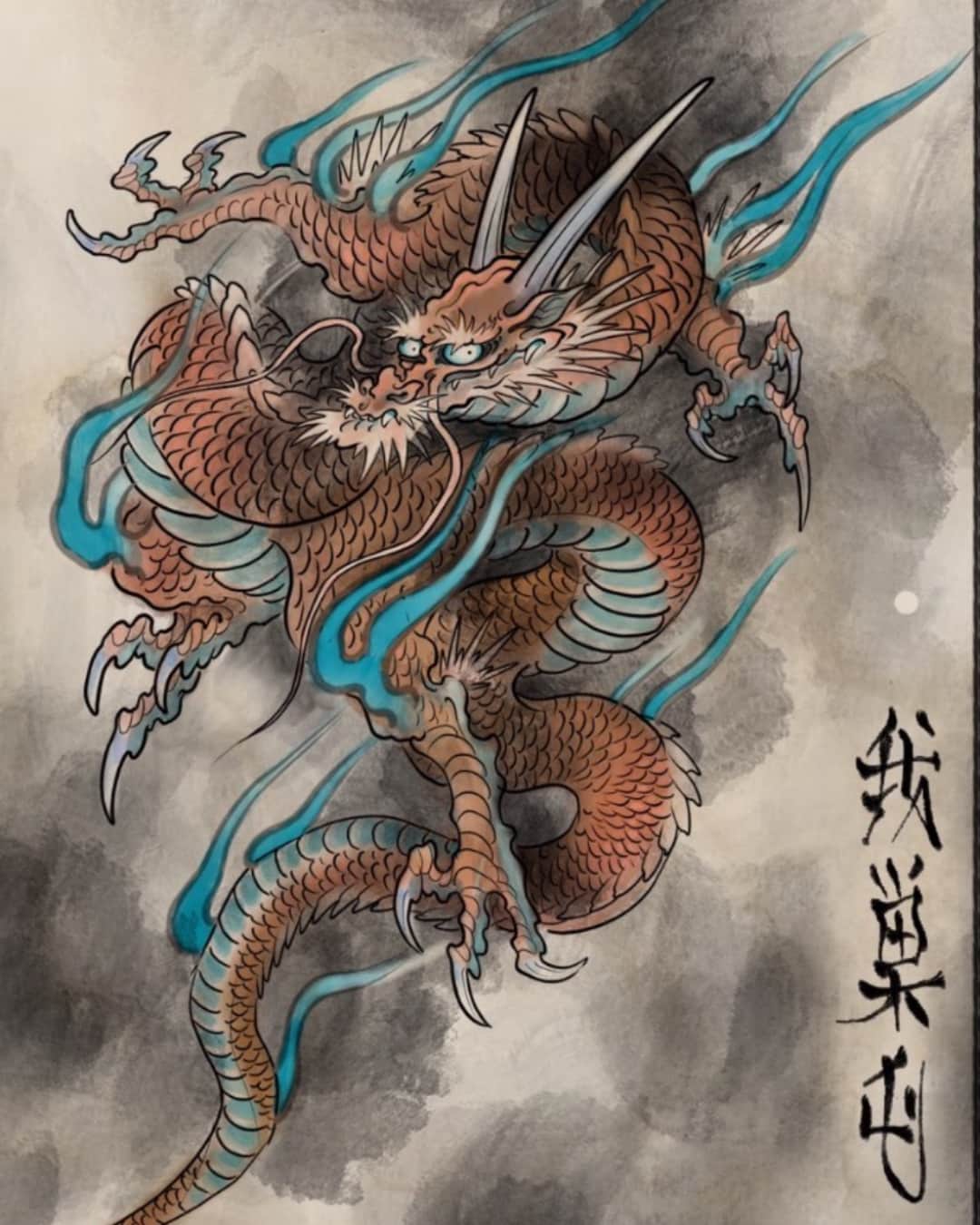
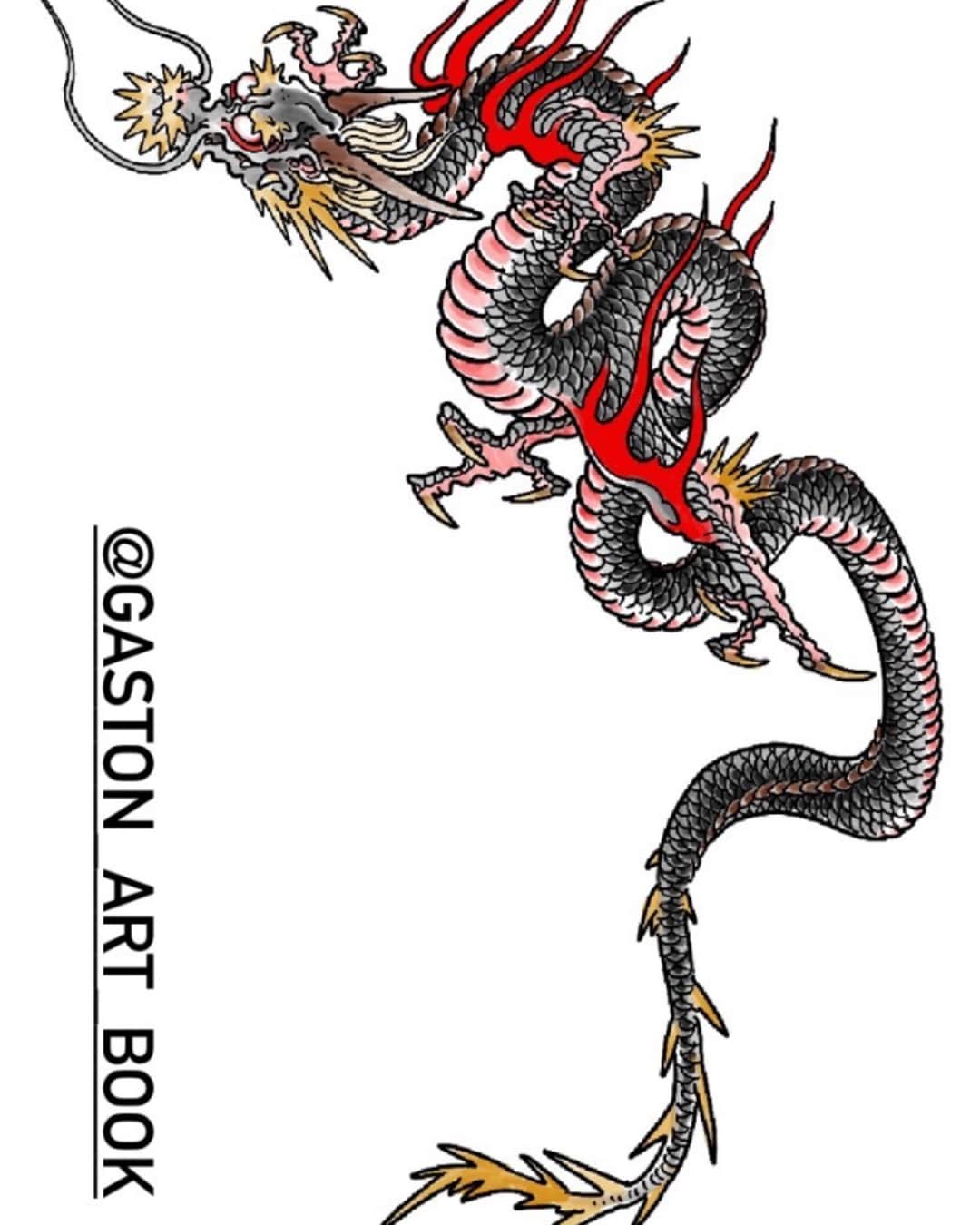
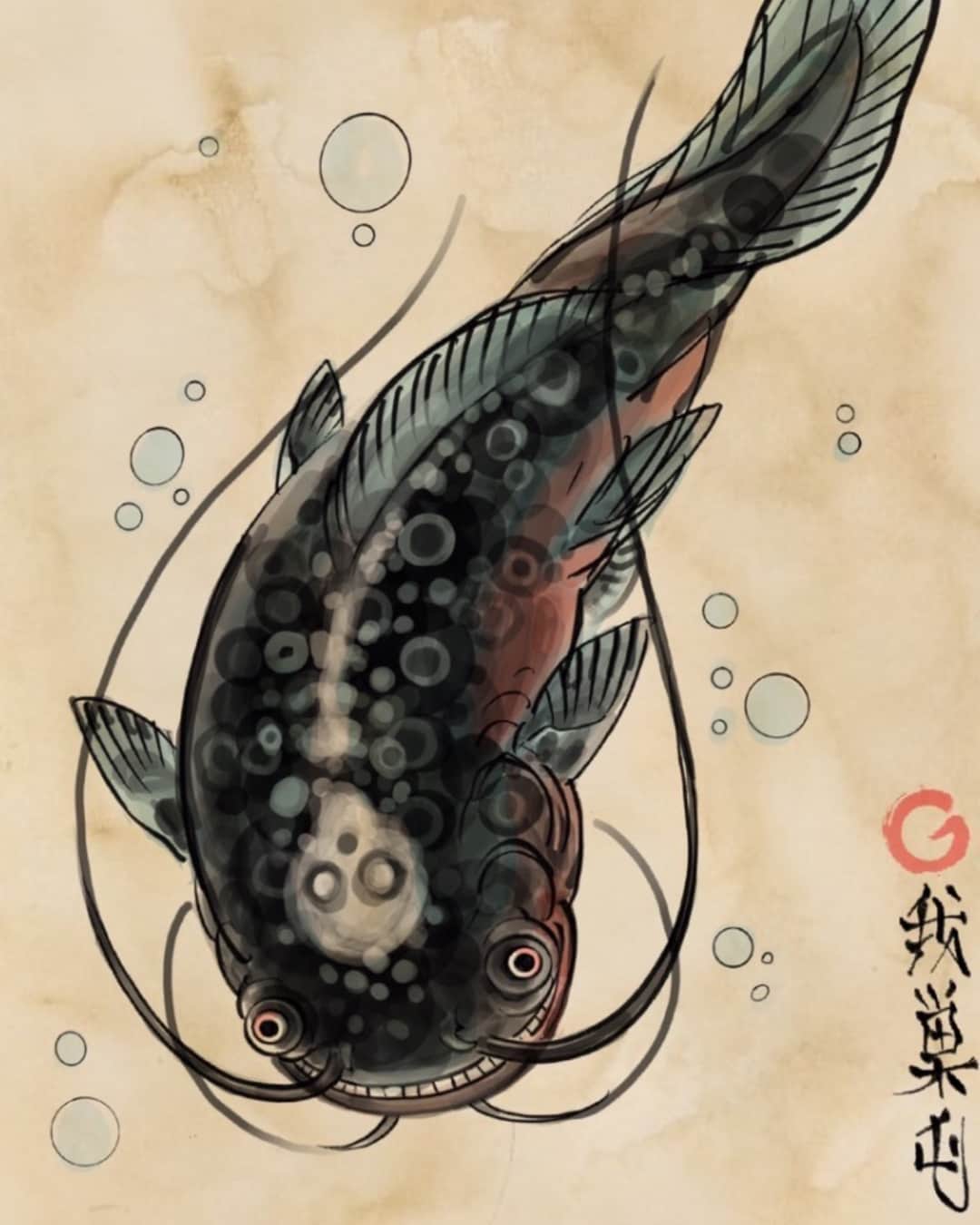
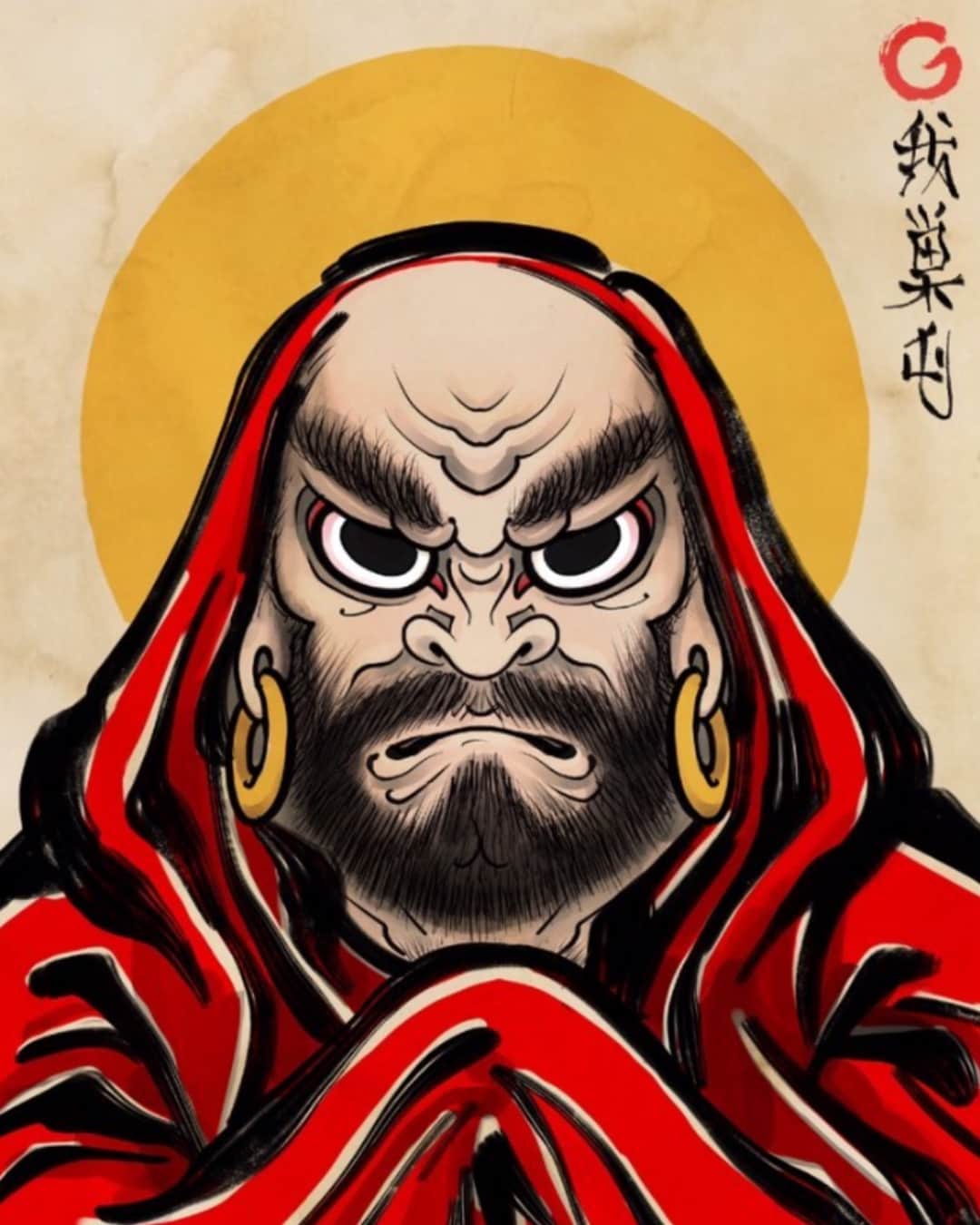
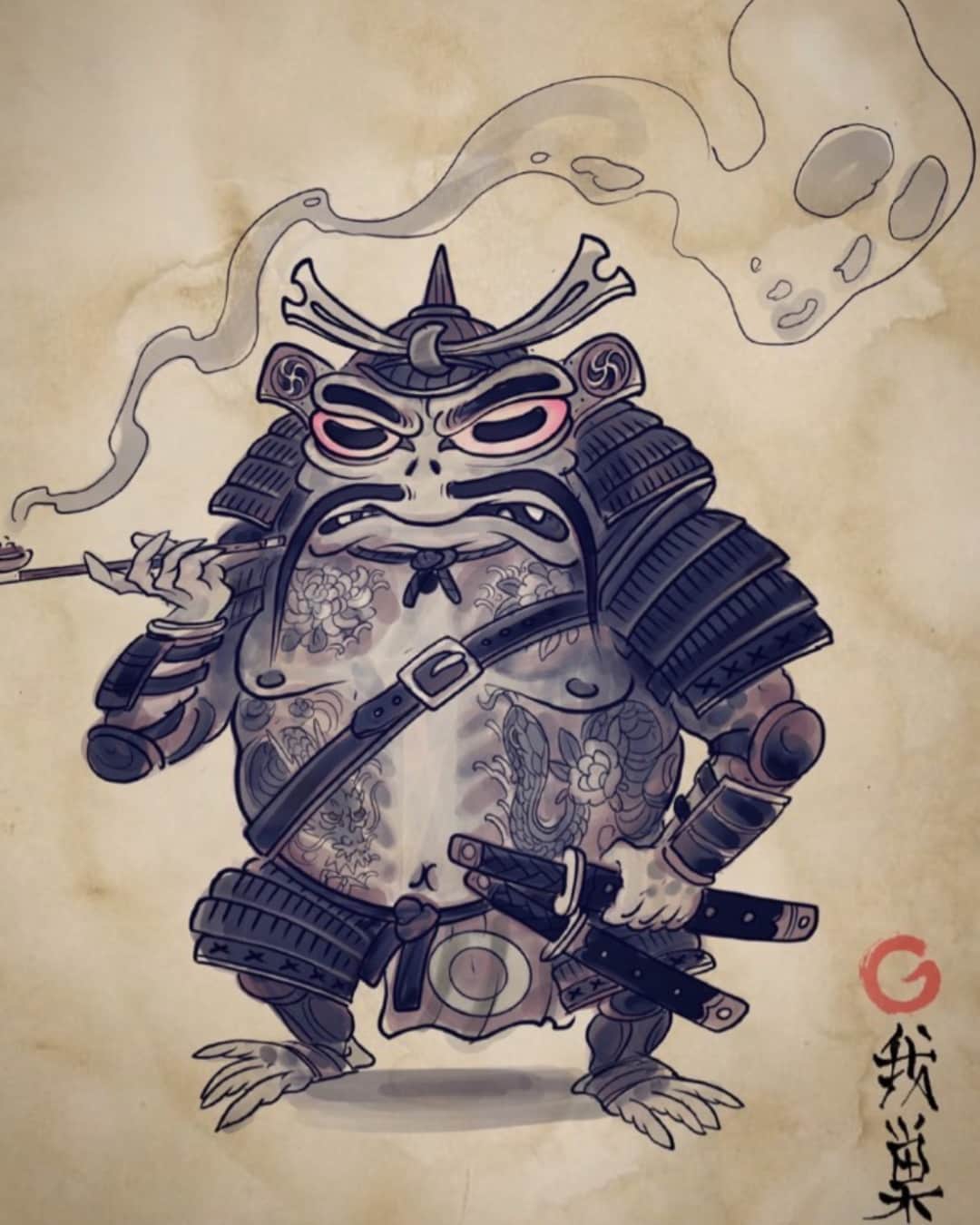
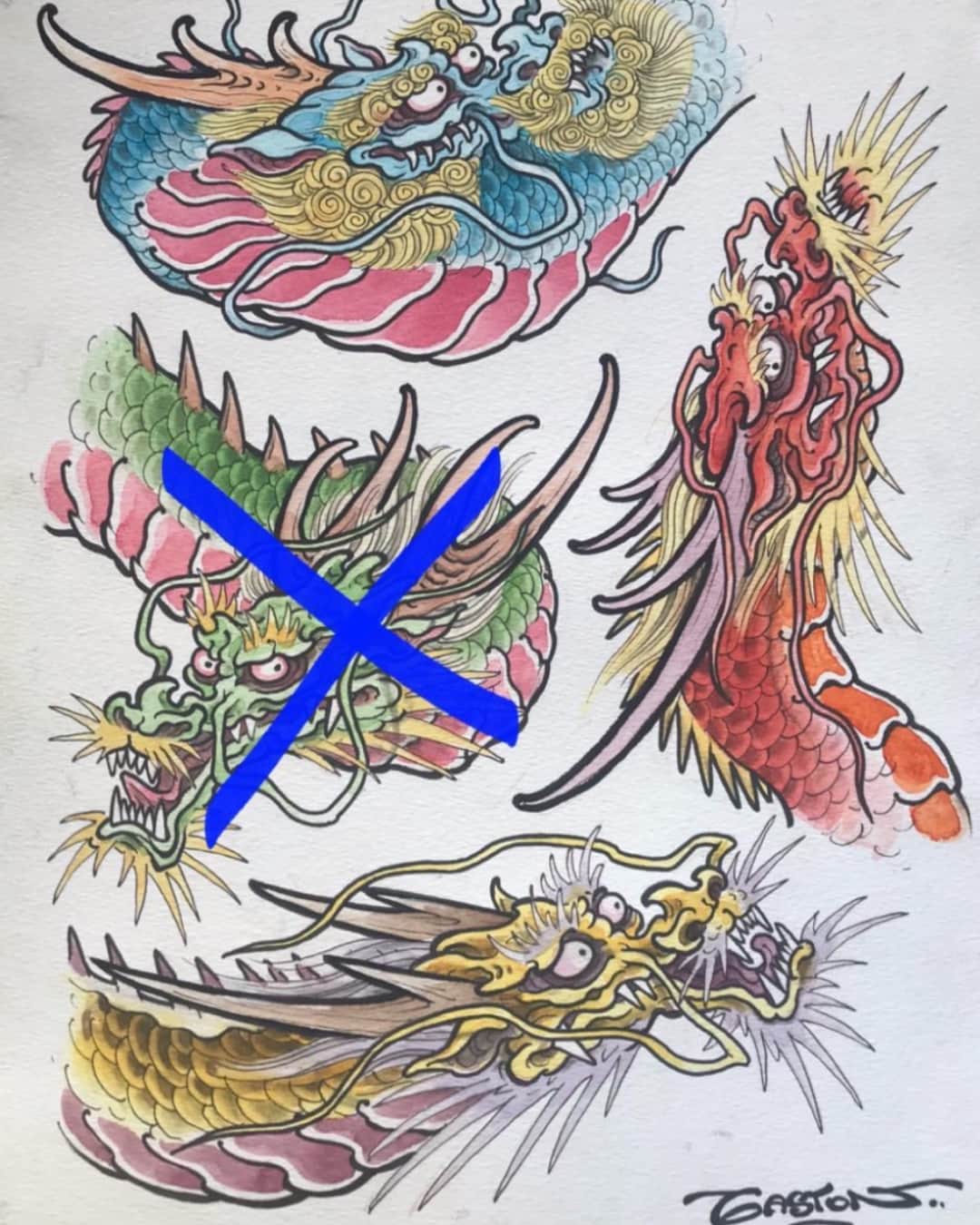
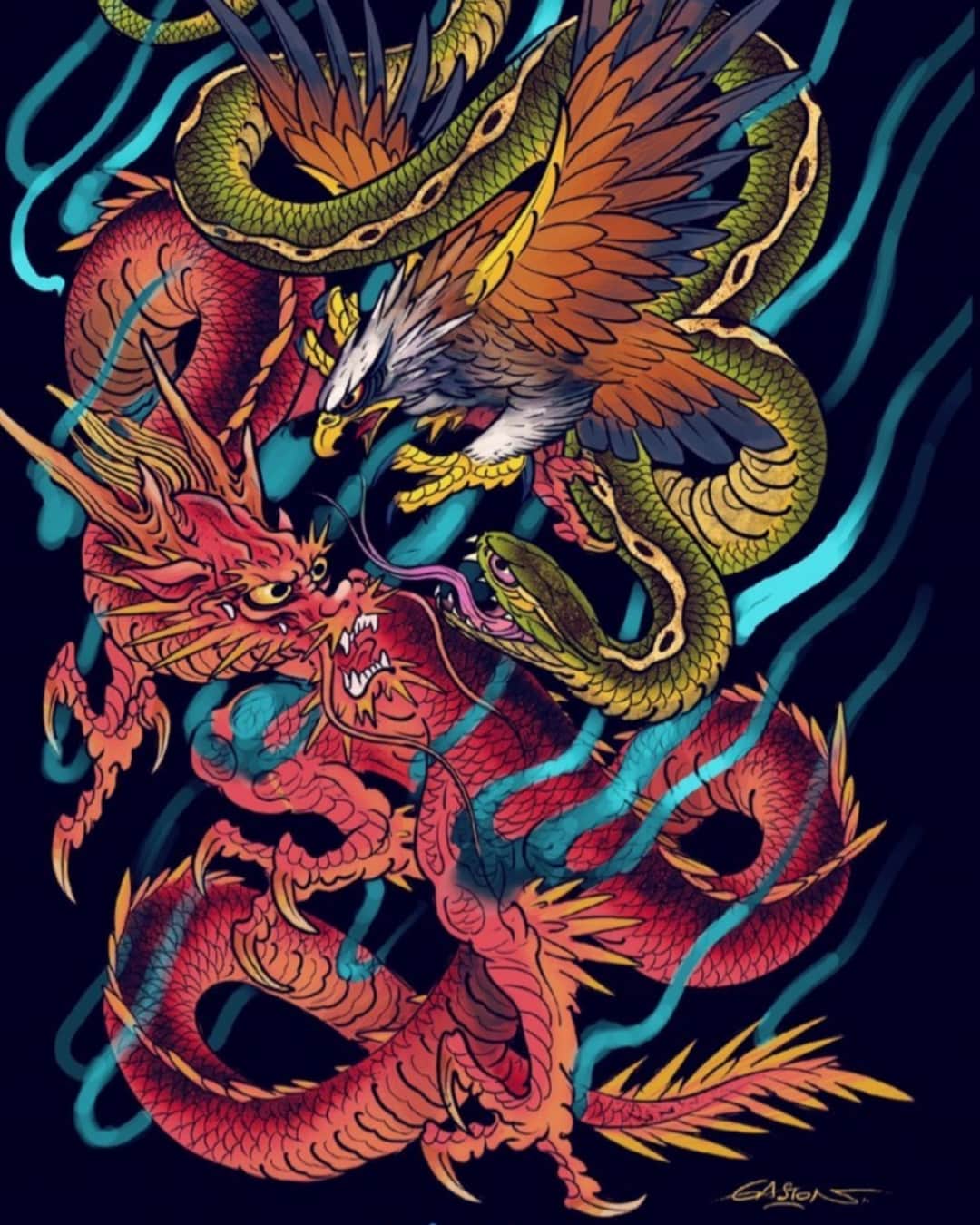
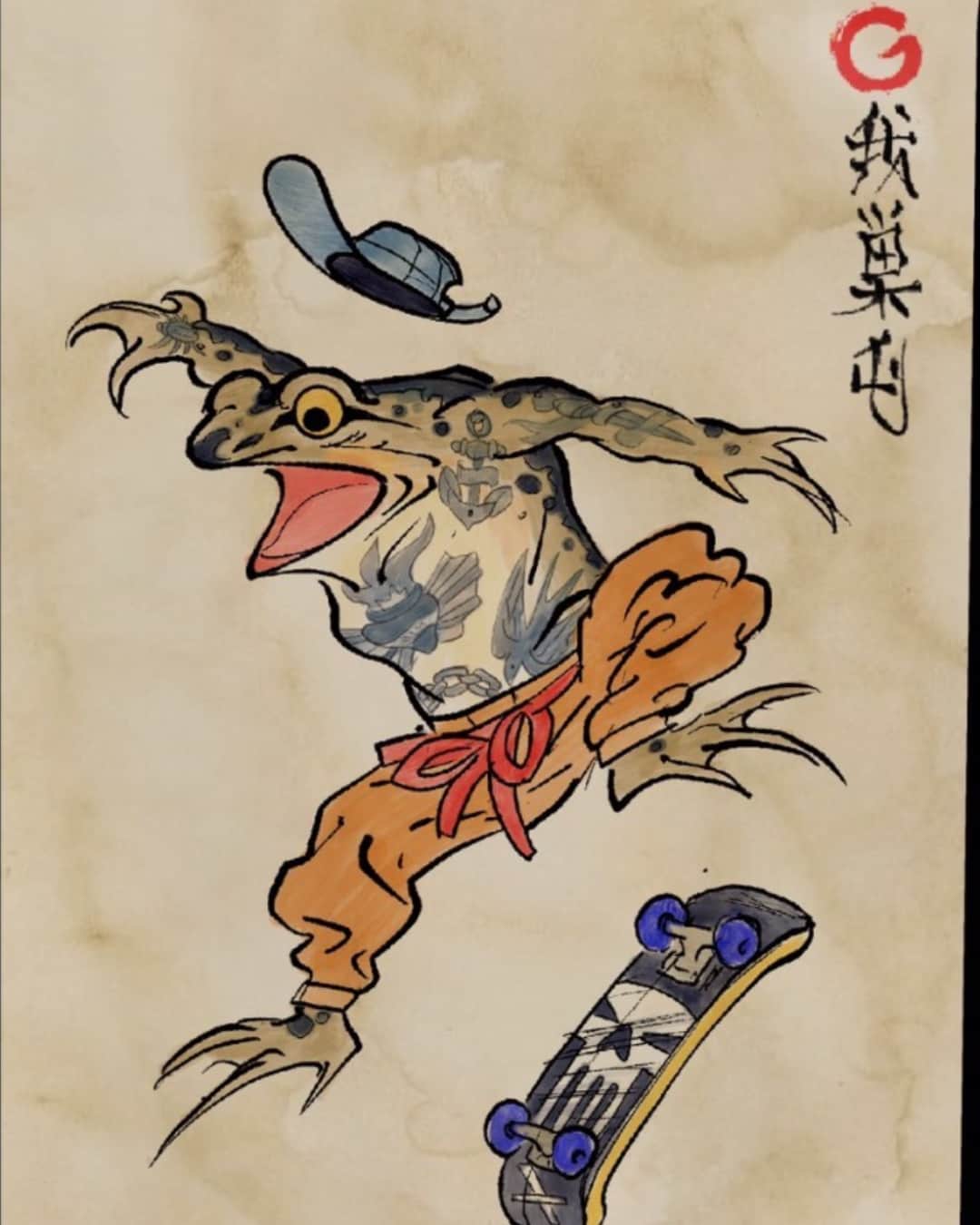
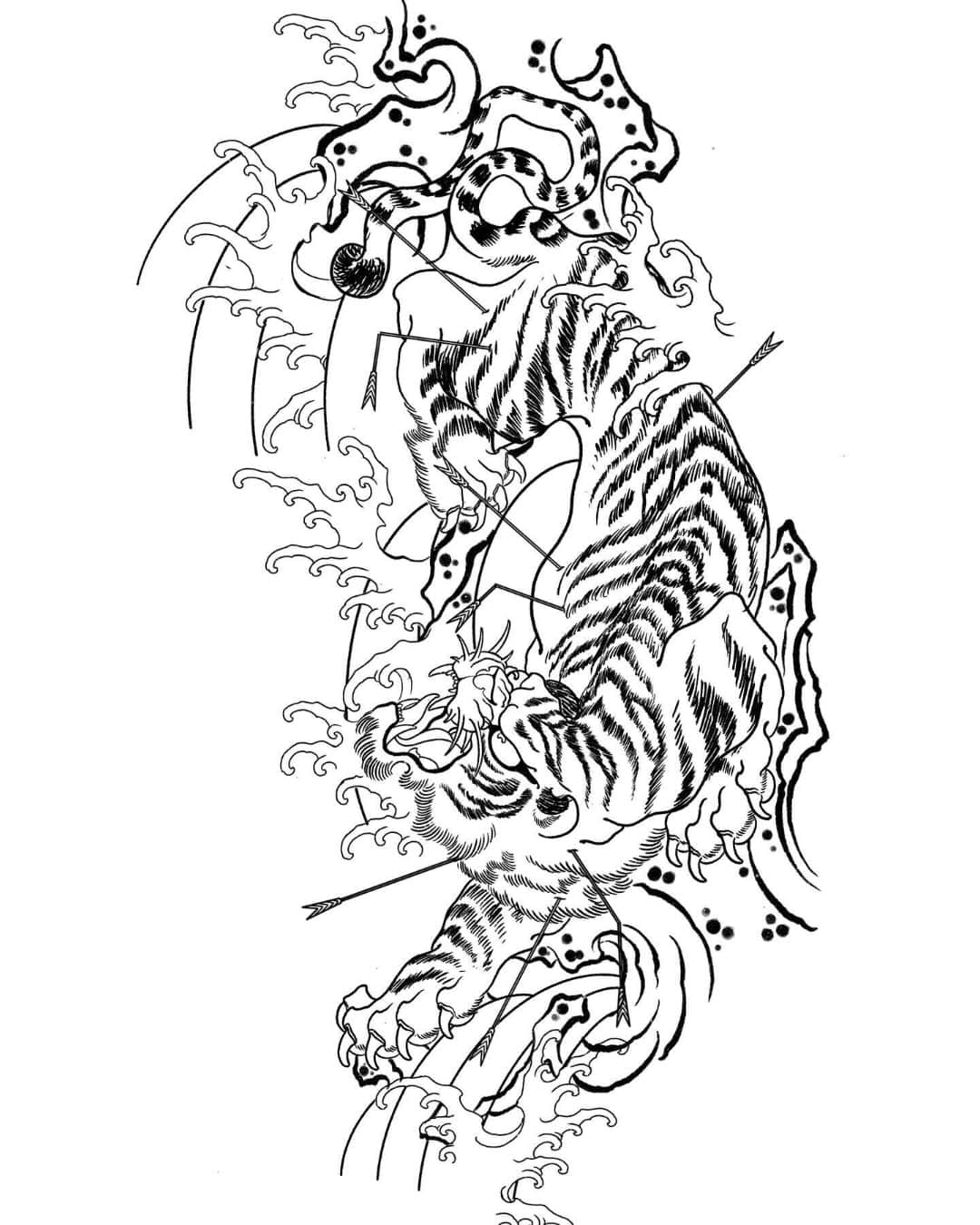
Neo-Japanese takes the figures of traditional Japanese tattooing — dragon, koi, mask — and leaves the rules: modulated outlines, free framing.
On YokoFolio, pick the style Neo-Japanese and then your city, and widen the radius if the list is short. Look at two things: clean modulated outlines with no visible rework, and compositions that hold on their own — a neo-Japanese piece has to work without the background that binds traditional Japanese work. Ask for healed photos to judge the density of the color and the evenness of the blacks.
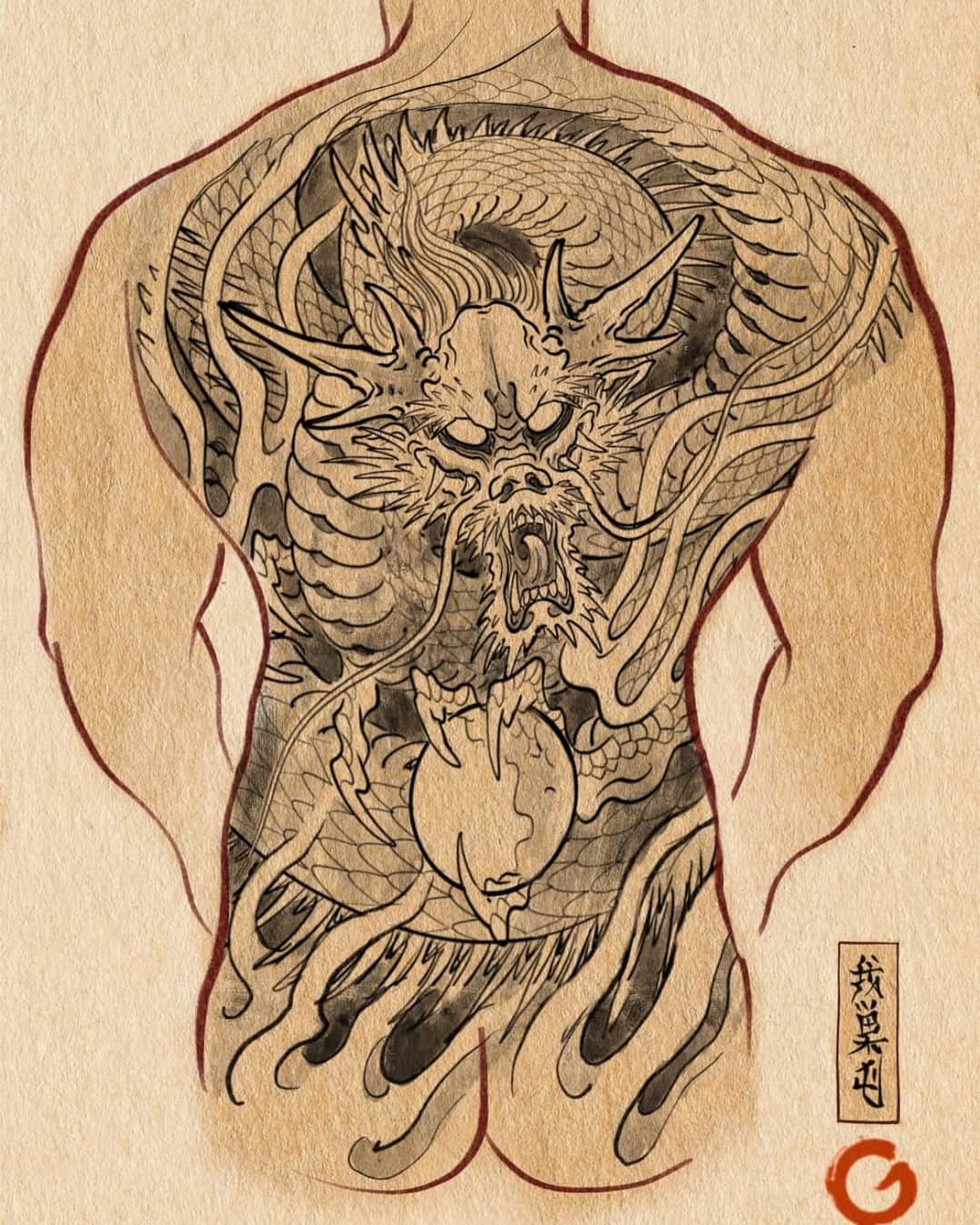
Look at what it changes for your project. A traditional Japanese piece assumes an overall plan: it belongs to a composition taking an arm, a back or more, and everything is decided before the first session. A neo-Japanese piece doesn't — it's made to stand alone, it gets added to an arm already started, and it commits you to nothing else. In a portfolio the difference shows in the background: present and continuous in one, absent or reduced in the other.
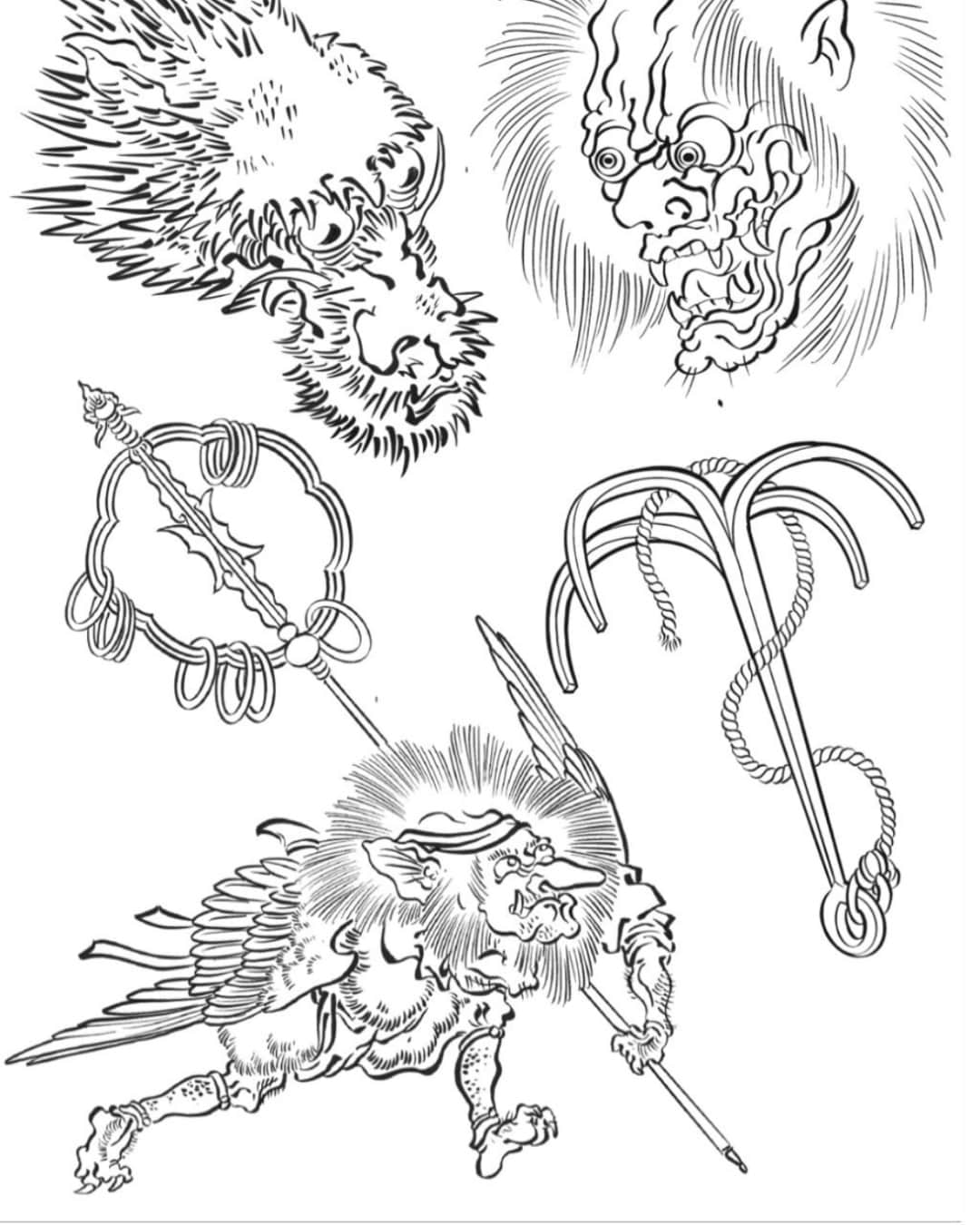
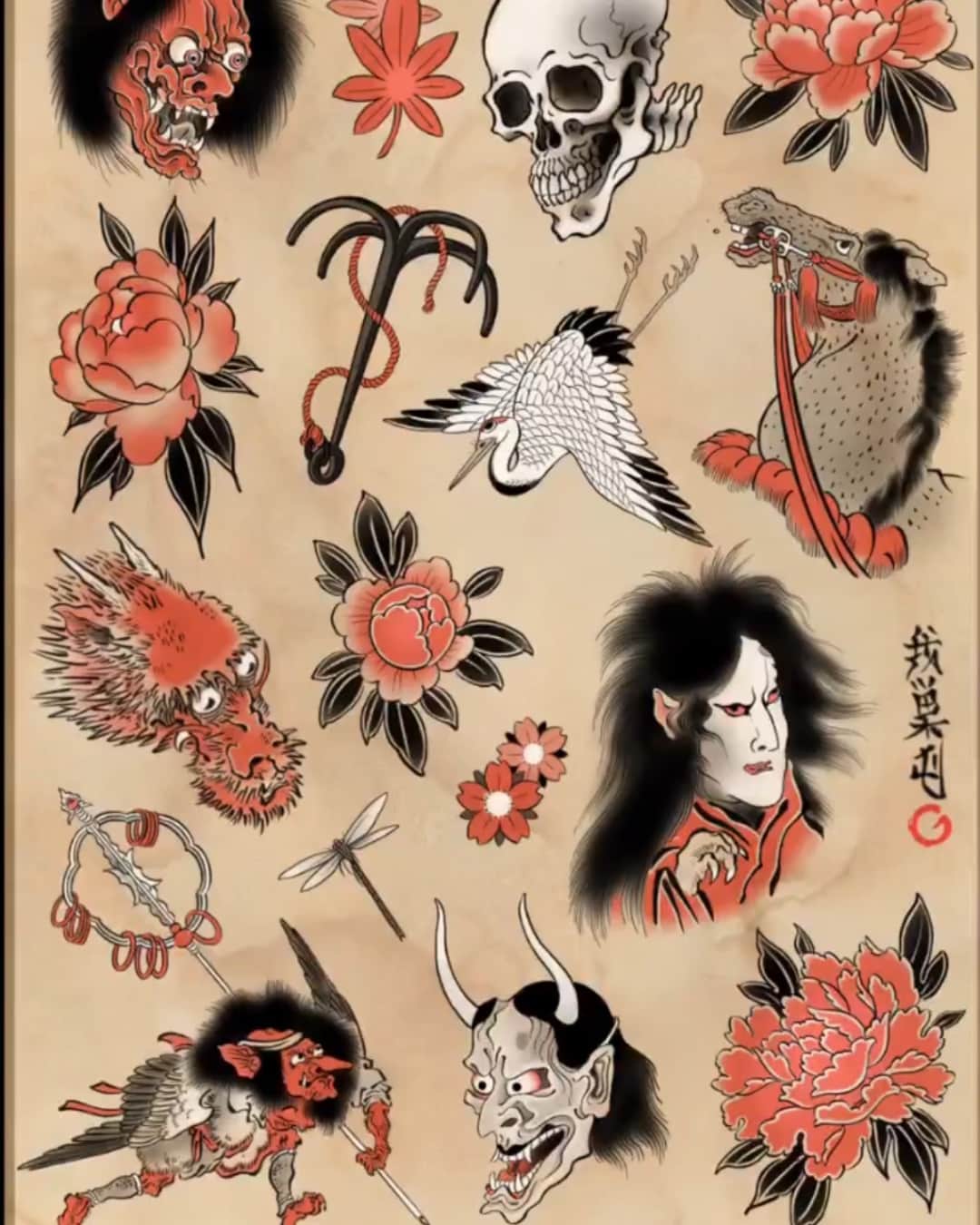
Yes, and it's a version in high demand. Here the modulated outline carries everything: stripped of color, it has to be enough on its own to separate a dragon's scales from the clouds behind it, which leaves the drawing nowhere to hide. Plenty of artists then keep a single accent of color — the red of a peony, the tongue of a mask — to give the eye something to hold. Ask to see examples before you decide: the effect varies a lot from one hand to another.
Yes, but ask yourself about the scope before you start. If you want a sleeve that holds together end to end, traditional Japanese will give you a unity neo-Japanese doesn't offer — its pieces are made to live alone. In neo-Japanese, a sleeve is built more as a series of strong pieces linked by discreet backgrounds. Hand the overall layout to one artist: that's what keeps it from looking stacked together.