Filters

1 tattoo artist
Dark Art tattoos explore the shadow side: horror, the occult and the macabre, from gothic engravings to photorealistic nightmares.
On YokoFolio, pick the style Dark Art and then your city, and widen the radius if the list is short. Look for two things in the portfolios: whether the blacks are solid and even, and whether the shadows build a real atmosphere instead of just darkening the design. Above all, look for photos of healed tattoos: that's where you see whether the contrasts have held.
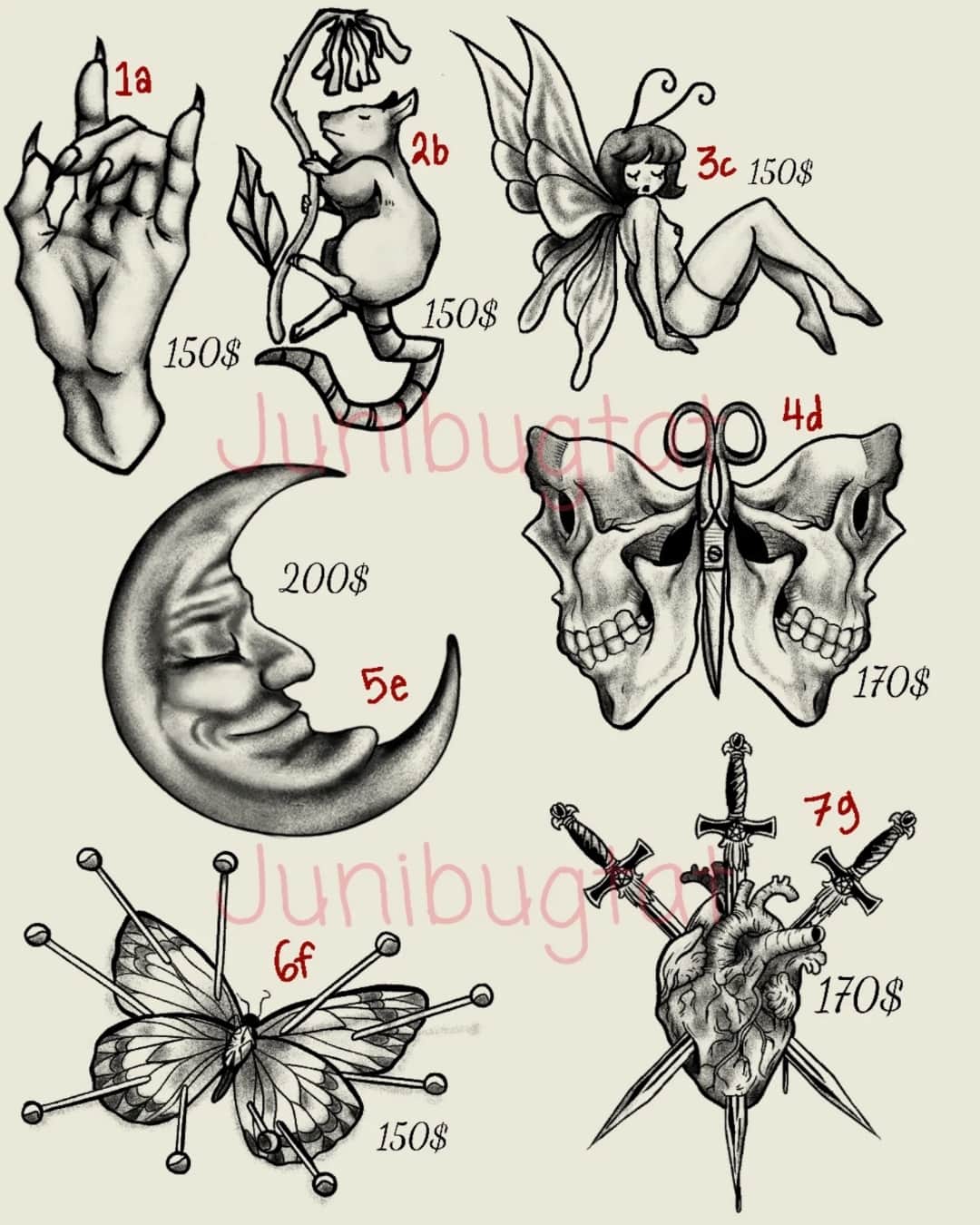
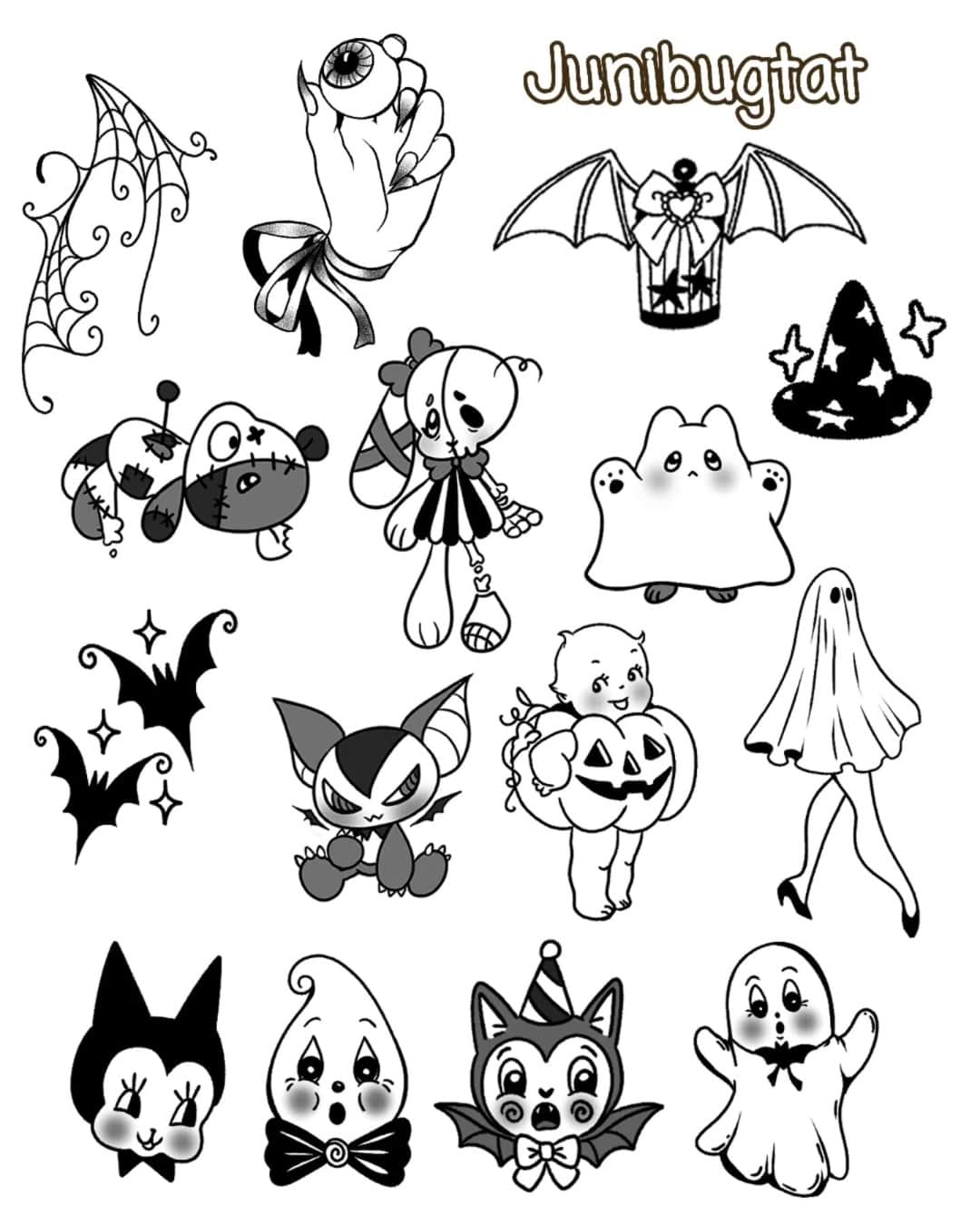
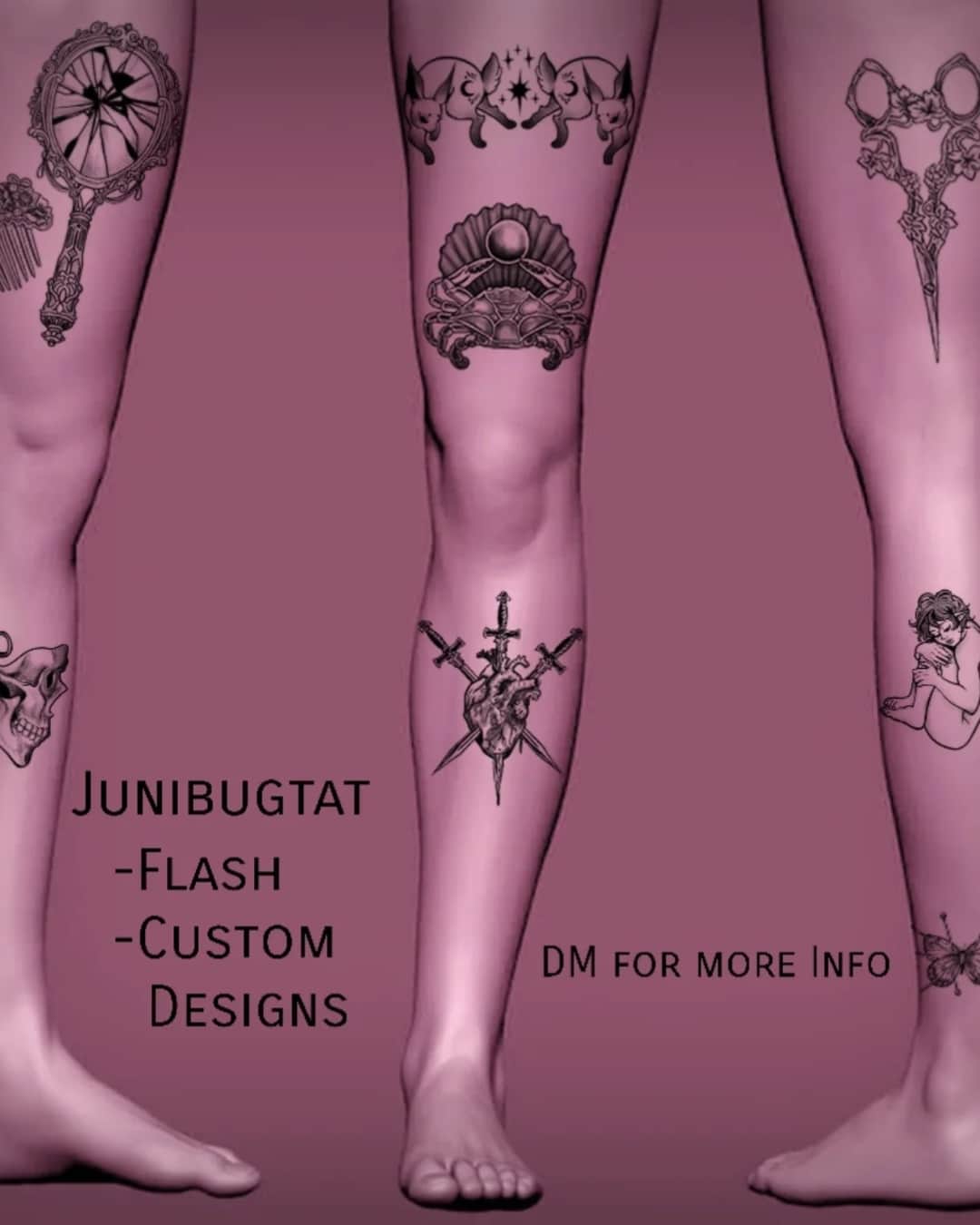
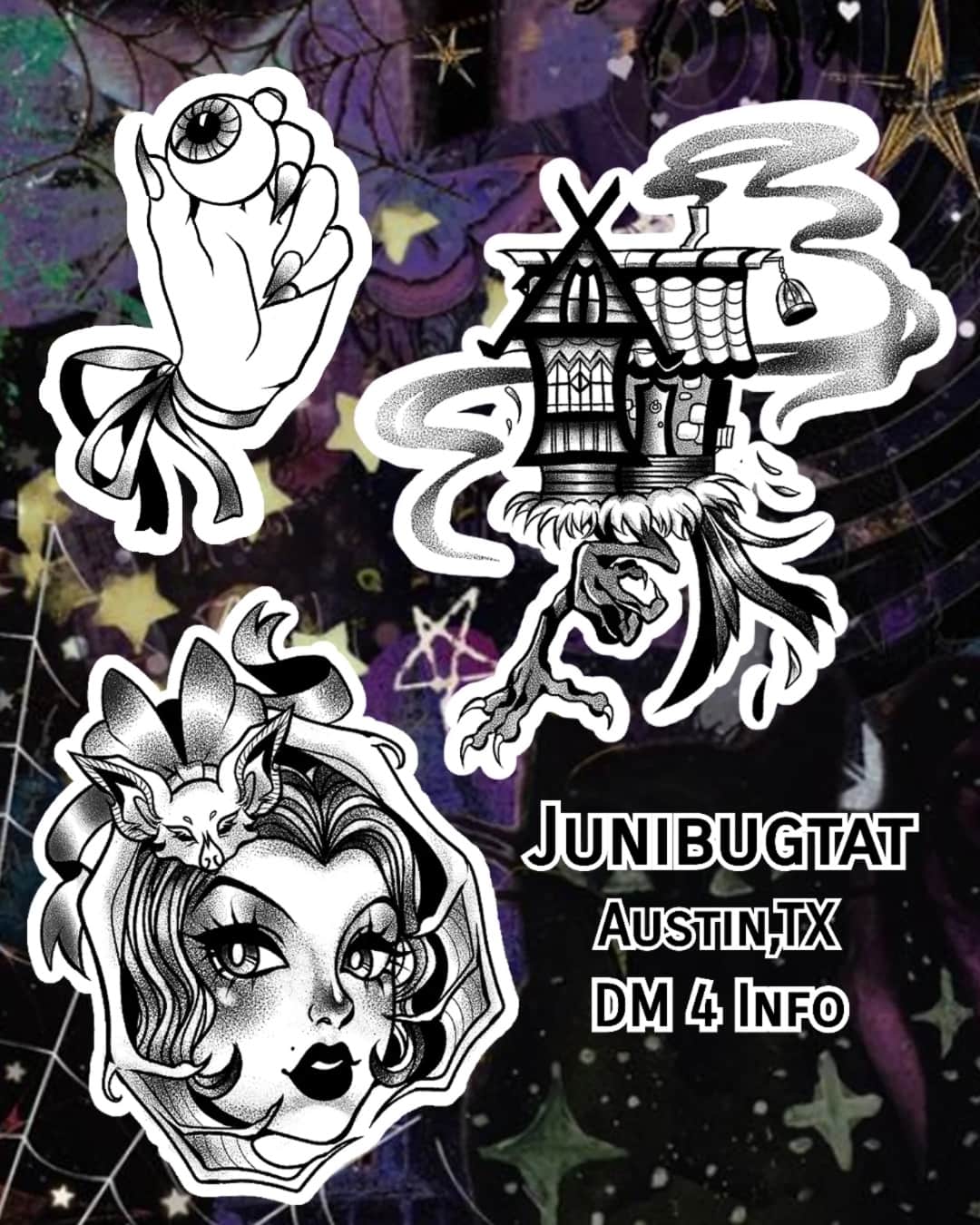
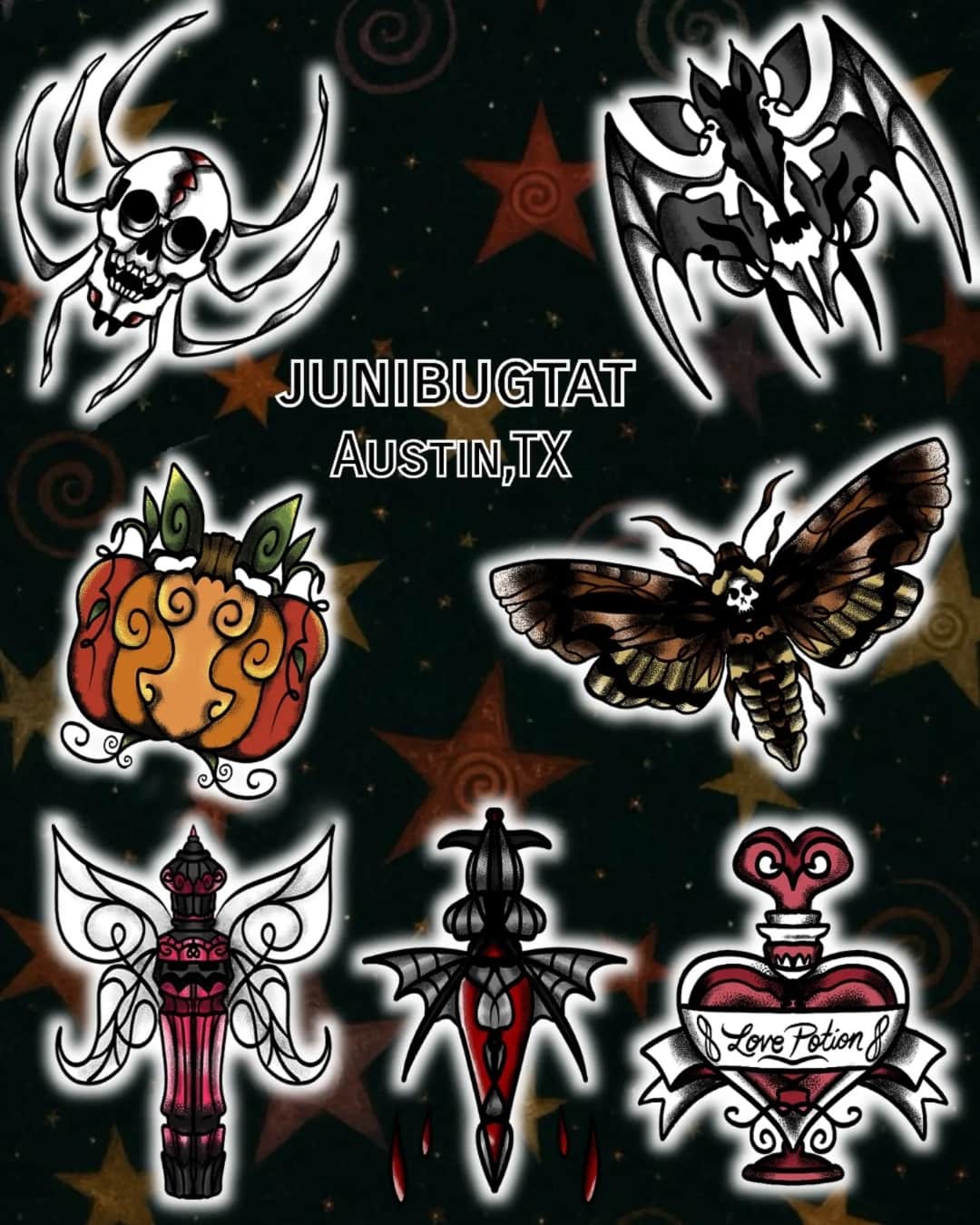
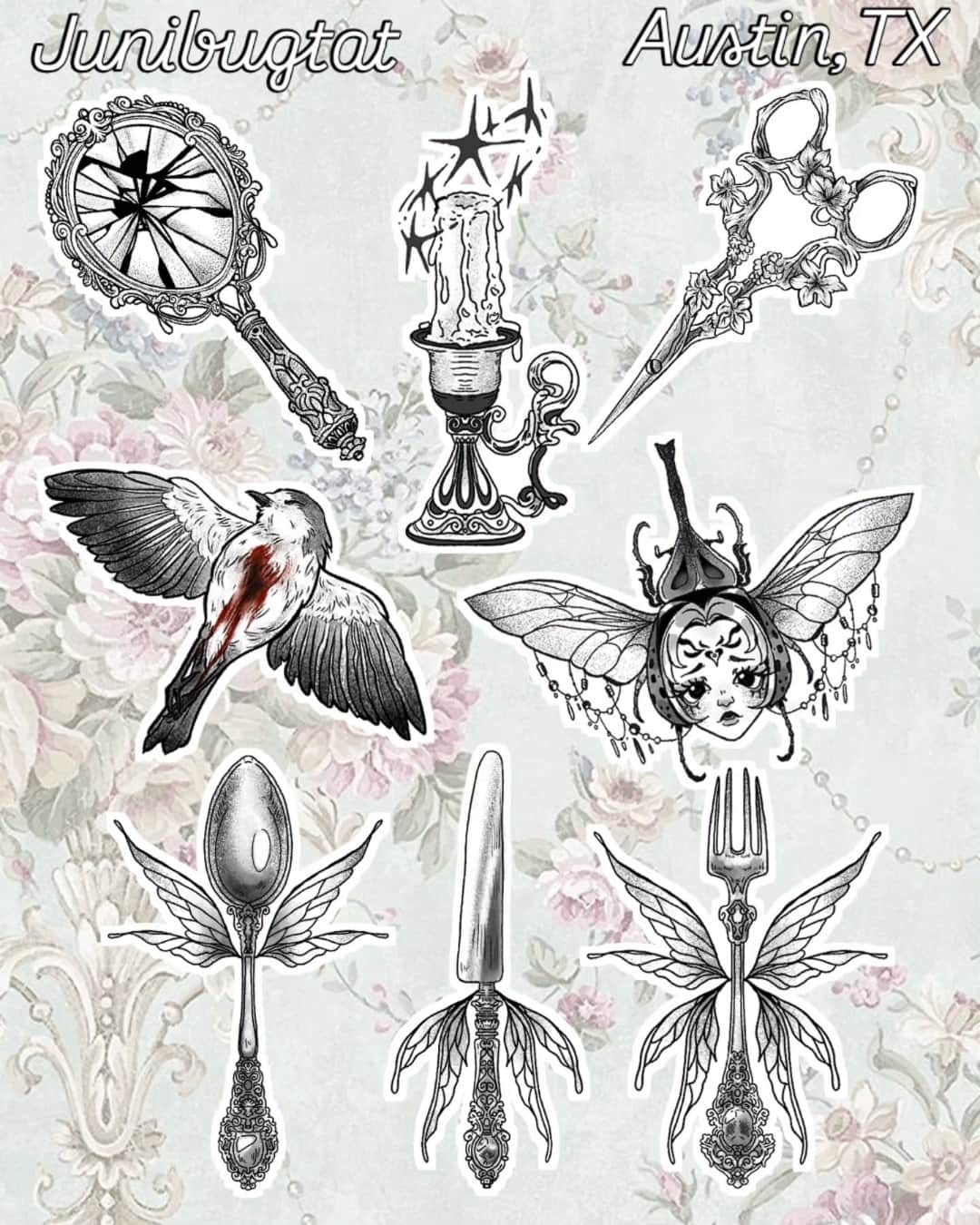
The great classics are skulls and the grim reaper, demons and fallen angels, witches and occult symbols, and the creatures of folklore — werewolves, vampires, cryptids. Gothic scenes, haunted houses, ravens and moths work very well, as do characters from horror cinema. Many people mix the dark theme with a style they love, like an engraving look or photorealism. Prefer a design with a strong atmosphere: that's what Dark Art renders best.
Yes, very well when it's well done. Dark Art relies on deep blacks and strong contrasts, which are what hold best over time. The risk is too many dark areas with too little skin left between them: the design can become hard to read as it heals and ages. A good artist keeps light areas and breathing room so the image stays clear. Protected from the sun, a Dark Art tattoo keeps its intensity for years.
Dark Art is defined by its theme: horror, the occult, the macabre, whatever the rendering. Blackwork is defined by its technique: large areas of solid black, whatever the subject. Realism is defined by its rendering: an image as faithful as a photograph. A tattoo can belong to two at once — a photorealistic horror portrait is both Realism and Dark Art. If you're torn, ask yourself what matters most to you: the dark atmosphere (Dark Art), the graphic black (Blackwork) or photographic precision (Realism).