Filters

3 tattoo artists
American Traditional is classic Western tattooing: a heavy black outline, a few flat colors, and swallows, anchors and roses.
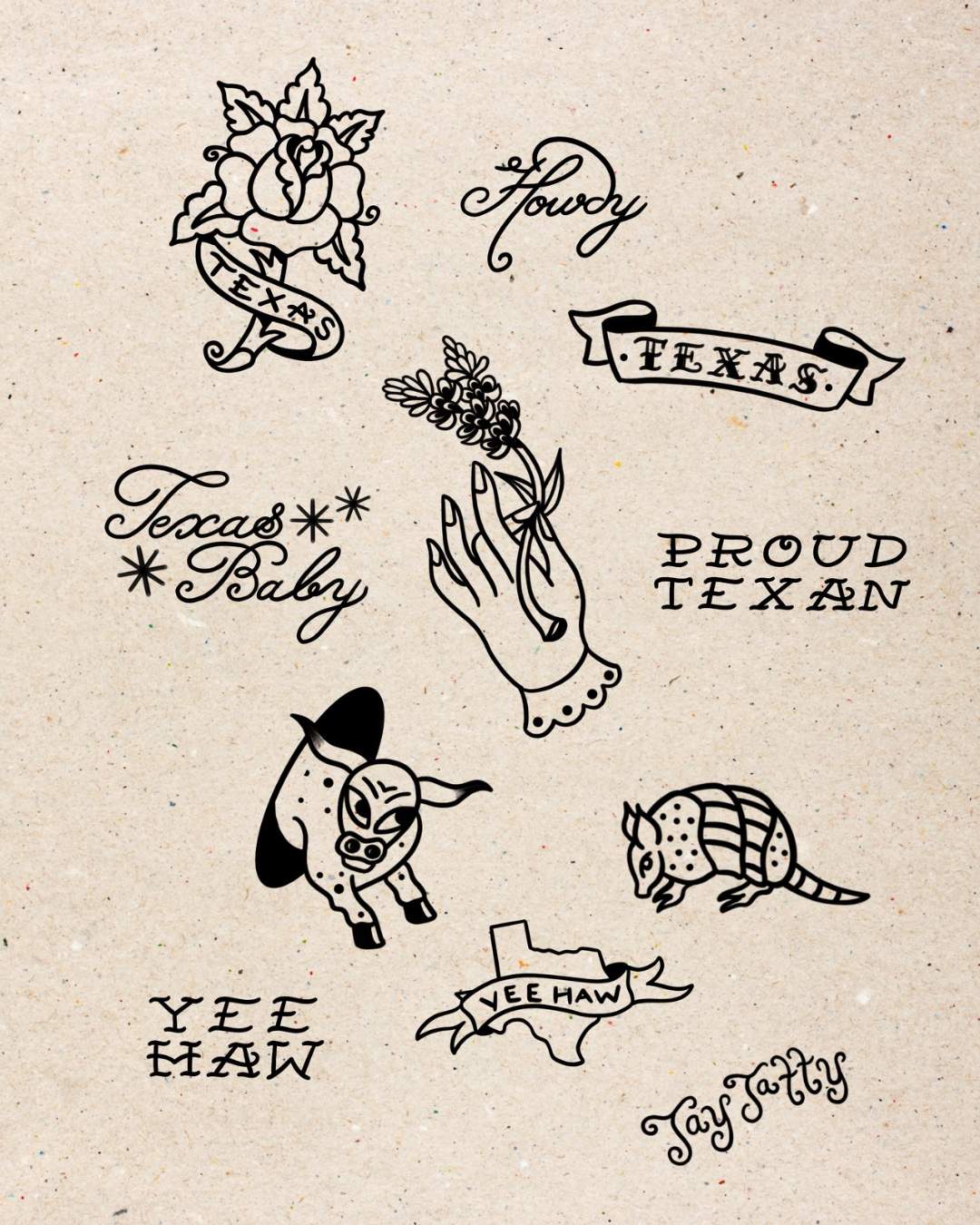
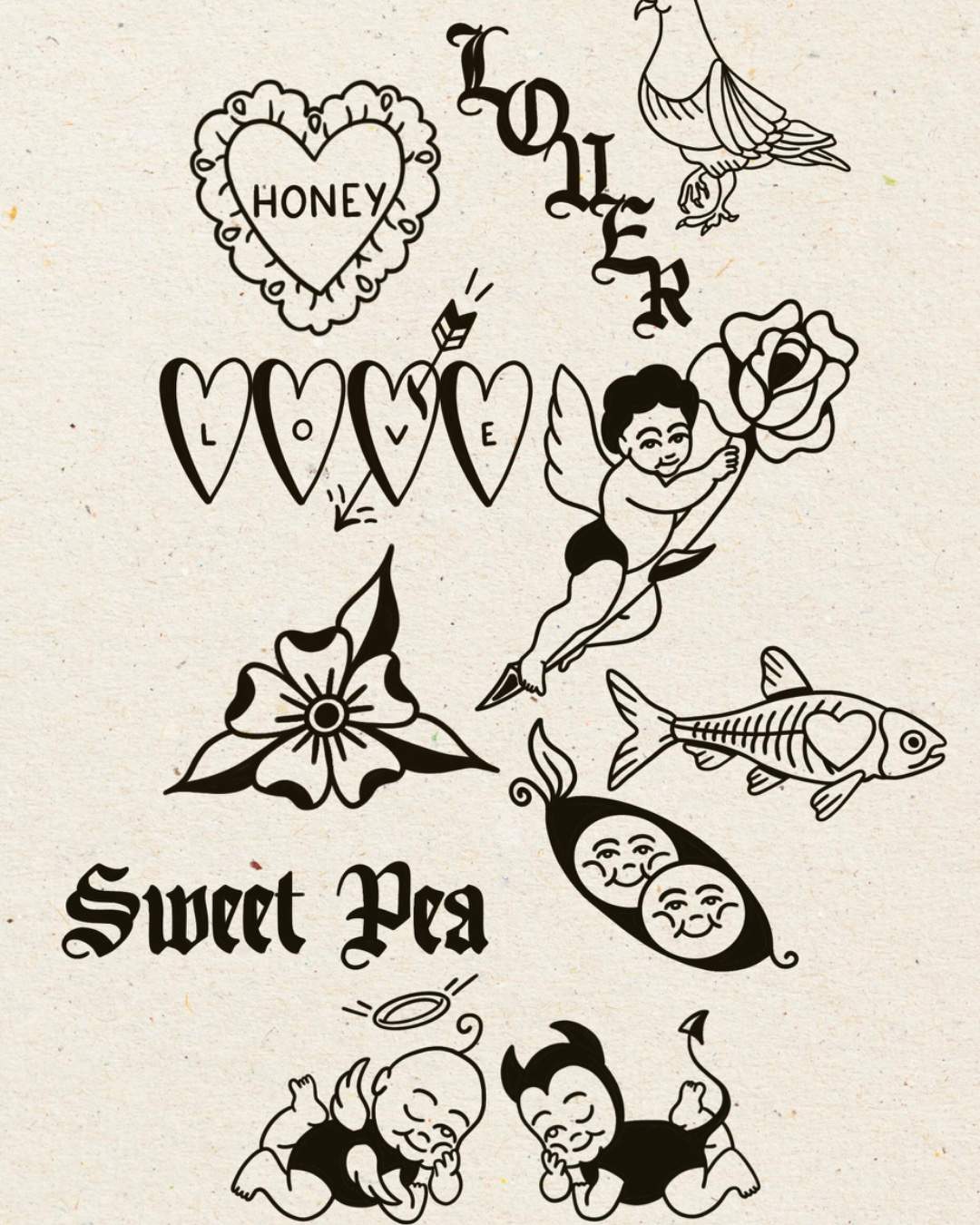
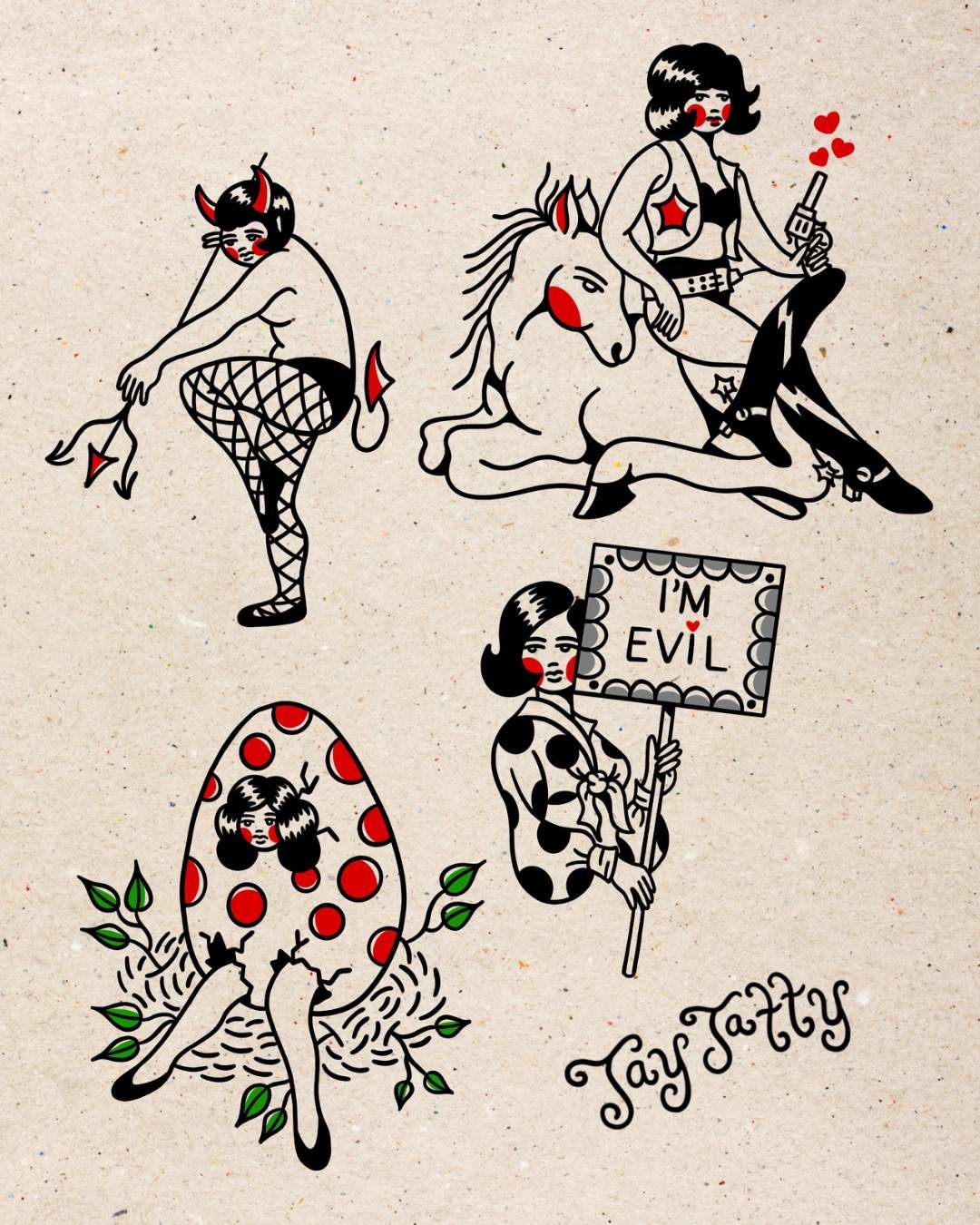
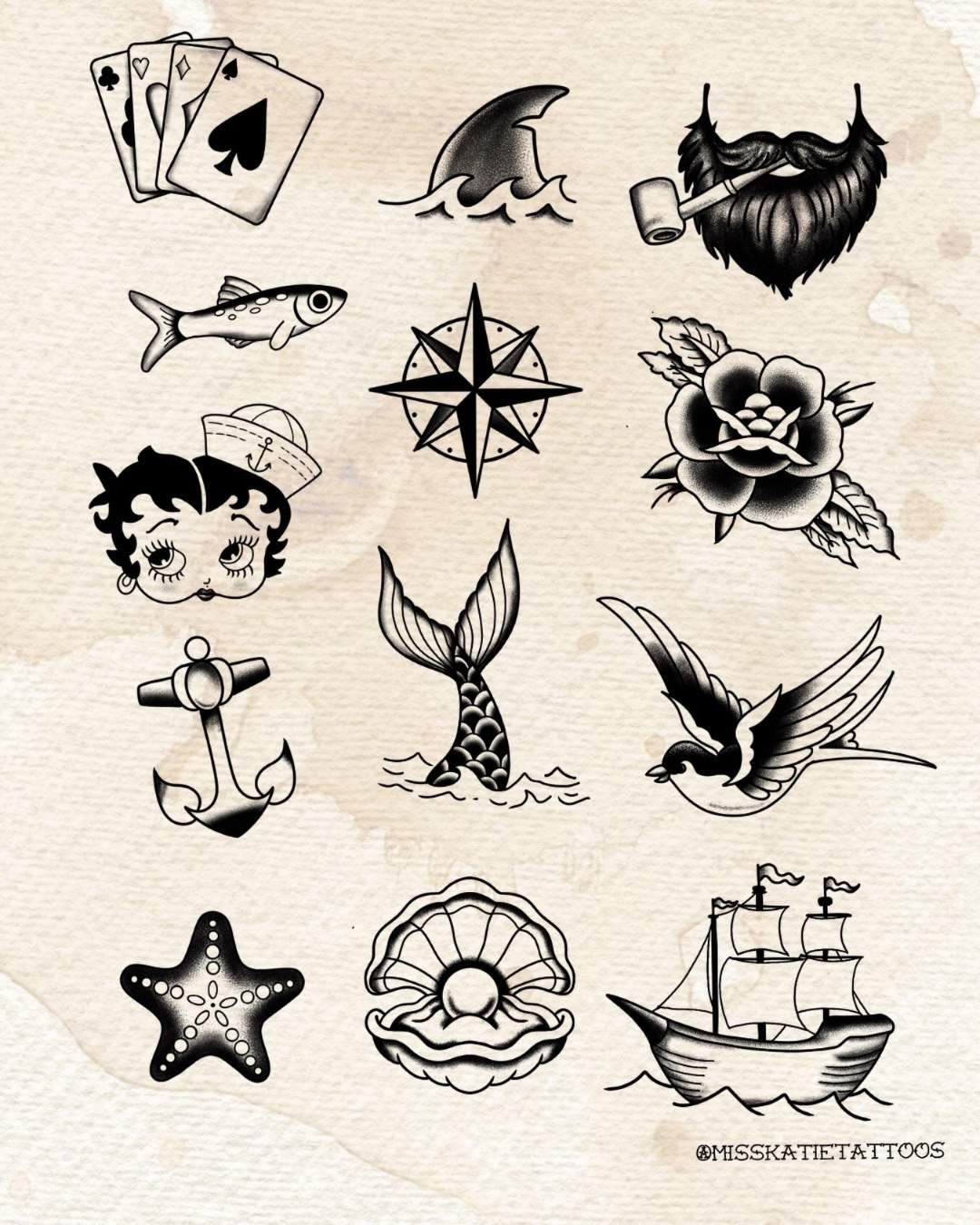
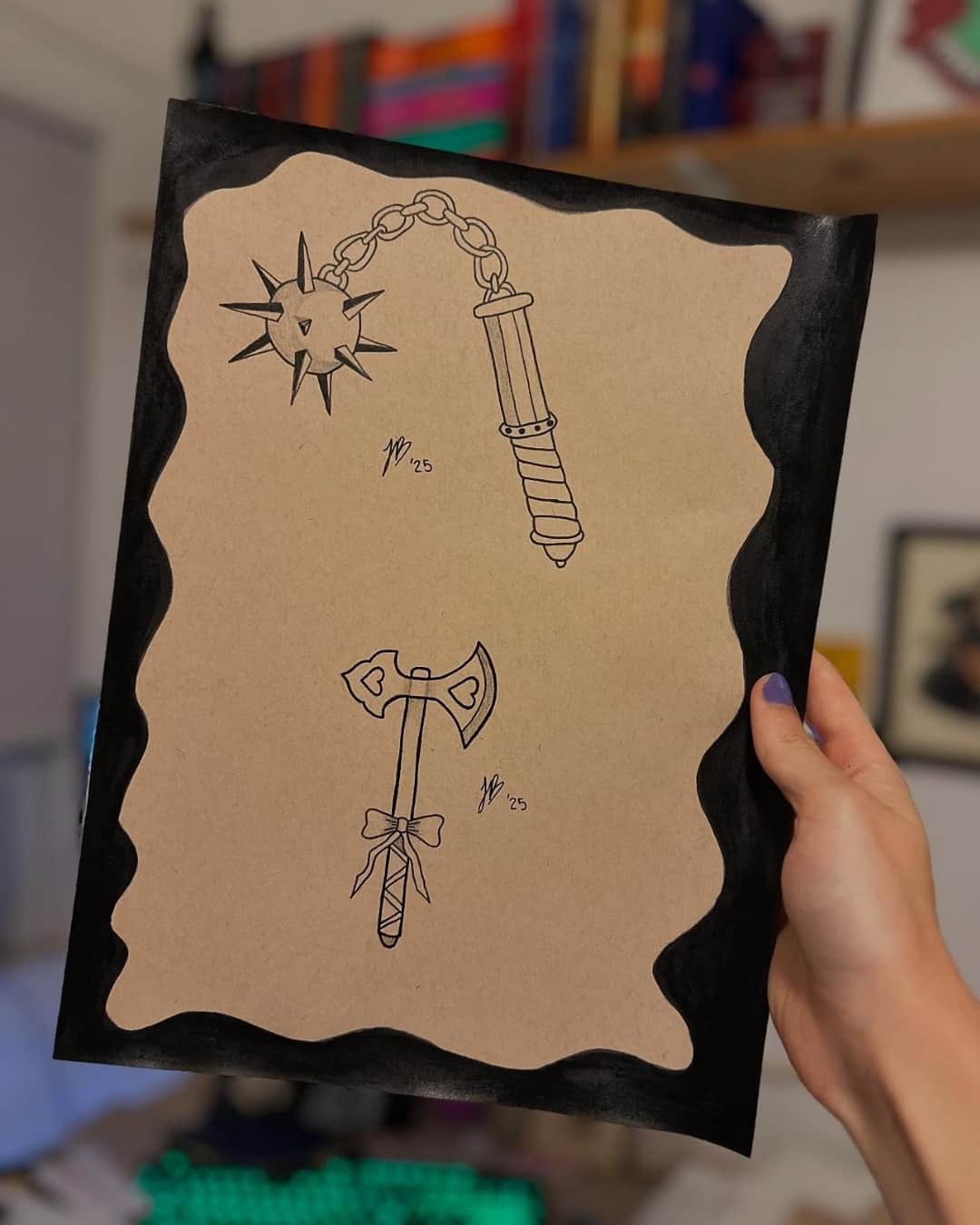
On YokoFolio, pick the style American Traditional and then your city, and widen the radius if you need to. An American Traditional portfolio is quick to judge: the black outline should be the same weight everywhere and never show a rework, the fills should be solid with no gaps, and the colors should stay clean up to the line. Look for pieces healed for several years if the artist posts them: it's one of the styles that age best, and a well-done old piece proves it. Choosing Flash rather than Tattoo shows you the designs artists have ready to go, a practice as old as the style. When you contact the artist from their profile, ask whether they tattoo their own flash or draw custom, and how big your design must be to stay readable.
Many come from the seafaring world: the swallow marked miles traveled and the return to port, the anchor stability, the lighthouse and the nautical star a bearing home, the rose an attachment, the horseshoe luck. The panther and the tiger say strength, the eagle country, the snake vigilance or rebirth, and the heart with a banner carries a name, “Mom” being the classic. Some were worn as charms: a pig and a rooster on the feet were said to keep a sailor from drowning. These meanings are documented, but they've traveled and some were invented after the fact: take them as a heritage, not an official code. What a design means to you is what counts, and the banner is there to add a name or a date.
Very much so, and it's a historic use. An American Traditional sleeve is made of several independent designs, each readable on its own, linked either by simple filler (stars, dots, clouds, a little black background) or by bare skin left between them, the look often called patchwork. The advantage is that it builds up piece by piece, over years, without your having to decide everything up front, and flash makes it easy to add one design at a time. Still, hand the overall layout to one artist, or show the existing work to each new one, so the sizes, the line weight and the colors match: that's the difference between a sleeve and a collection. Leave room for the pieces you haven't chosen yet.
Start with the outline. American Traditional uses one thick black line of the same weight everywhere, a few flat colors (black, red, yellow, green) and simple two-dimensional drawings. Neo-Traditional keeps the bold outline and the classic subjects but varies the weight of the line, models volume with shading, widens the palette and adds ornament such as jewels, flowers or Art Nouveau frames, with proportions close to real life. New School goes the other way: distorted cartoon proportions, big eyes, strong 3D relief, electric candy colors with smooth gradients and glossy white highlights, all inside a massive outer outline. Picture a panther: flat and bold, it's American Traditional; modeled and jeweled, Neo-Traditional; bug-eyed and bouncing, New School. If the line keeps one weight and the color lies flat, it's American Traditional.